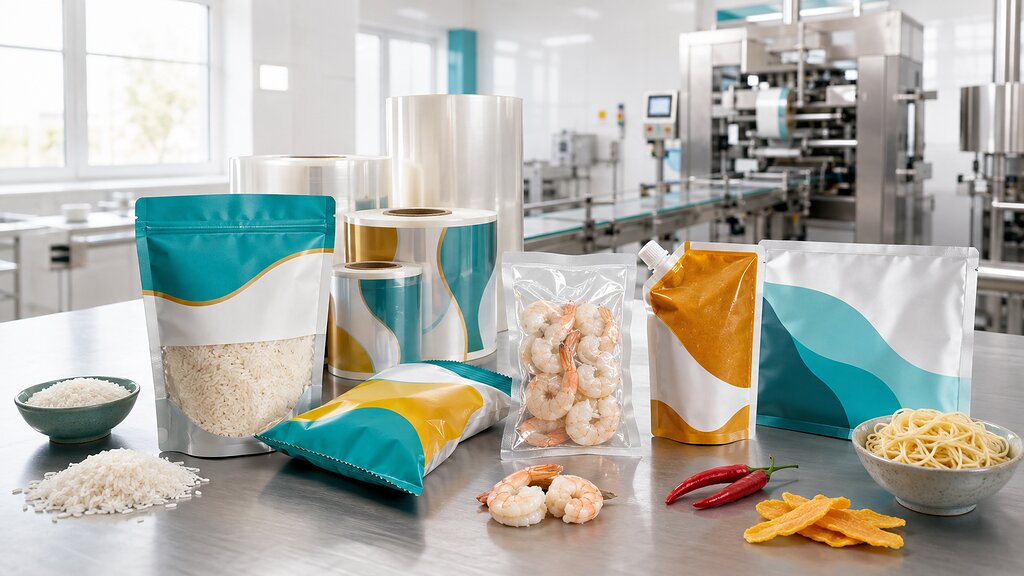
Thailand’s food economy covers rice, seafood, meat, tropical fruit, snacks, noodles, condiments, ready meals, beverages, and pet food. Each category places different demands on moisture control, oxygen protection, sealing, transport strength, and presentation.
Packaging also moves through hot warehouses, humid distribution conditions, chilled rooms, freezers, convenience stores, supermarkets, food-service channels, and export routes. A structure that works for one product may fail quickly when the product or supply chain changes.
The best solution is not automatically the thickest or most expensive film. It is the structure that protects the actual food, runs consistently on the packing line, survives distribution, and supports the required shelf life.
Buyers comparing base materials can begin with CloudFilm’s food packaging film range. This guide then explains how to adapt material, format, testing, and sourcing decisions for food products sold or packed in Thailand.
Why Thailand Needs Application-Specific Food Packaging
A diverse food-manufacturing base
Thailand is a major agricultural producer, food processor, and export hub in Southeast Asia. A single converter may serve dry snacks, rice, seafood, sauces, frozen products, bakery goods, and ready meals, so one universal laminate is rarely enough.
Heat and humidity change the risk profile
High ambient humidity increases the importance of moisture barrier for crisp snacks, powders, dried fruit, and rice. Heat can also influence seal creep, blocking, ink rub, adhesive performance, odor, and roll handling during storage.
Retail and export channels require different priorities
A small convenience-store pack may prioritize machinability, tear opening, and shelf impact. A large export pouch may need stronger seals, puncture resistance, pallet stability, and barrier retention over a longer journey.
The broader flexible food packaging guide explains how pouches and roll films serve different products. For Thailand, those general principles should be checked against local climate, line speed, storage, and distribution conditions.
Match the Packaging Structure to the Food
Material selection should begin with product sensitivity. Water activity, fat content, aroma, acidity, sharp edges, filling temperature, sterilization, and target shelf life all affect the required structure.
Dry snacks, noodles, biscuits, and confectionery
These products usually need dependable moisture barrier, attractive printing, stable flow-wrap performance, and clean seals. BOPP/CPP, BOPP/PE, PET/PE, and metallized combinations are common starting points, depending on shelf life and product fat content.
For detailed selection logic, the snack packaging film guide compares clarity, barrier, sealing, and machine needs. A mono-web heat sealable BOPP film may suit light products when its seal range and barrier are sufficient.
Rice, dried fruit, spices, and powders
Moisture control is central for rice, spices, powdered drinks, and many dried foods. Dried fruit may also require oxygen and aroma protection, while large rice bags need gusset strength, drop resistance, and secure carrying features.
CloudFilm’s dried fruit packaging options cover clear and high-barrier structures. For heavier packs, a purpose-designed rice packaging pouch should be evaluated through filled-bag drop and stacking tests.
Frozen seafood, meat, fish balls, and processed protein
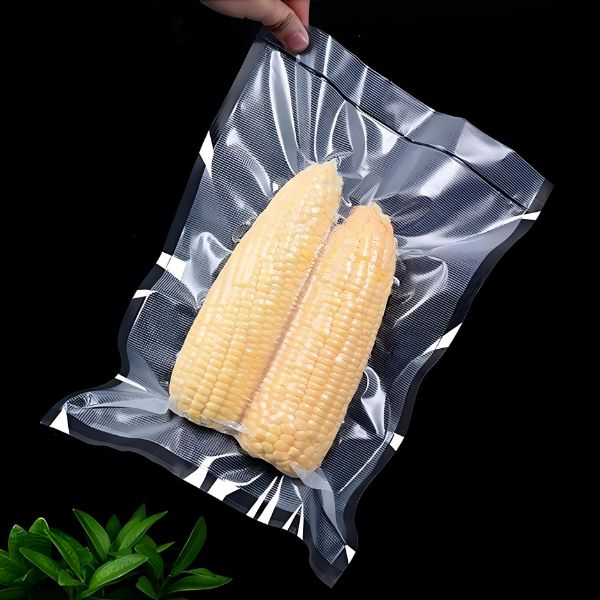
Frozen products need toughness at low temperature and resistance to bones, shells, sharp corners, and handling damage. Clear vacuum packaging often uses PA/PE film because nylon contributes puncture resistance while PE provides sealing.
For thermoforming bottom webs, PE/PA/PE film can provide balanced forming, toughness, and sealability. Final thickness should be selected after checking forming depth, product geometry, vacuum level, top web, and cold-chain abuse.
Sauces, curry pastes, condiments, and liquid foods
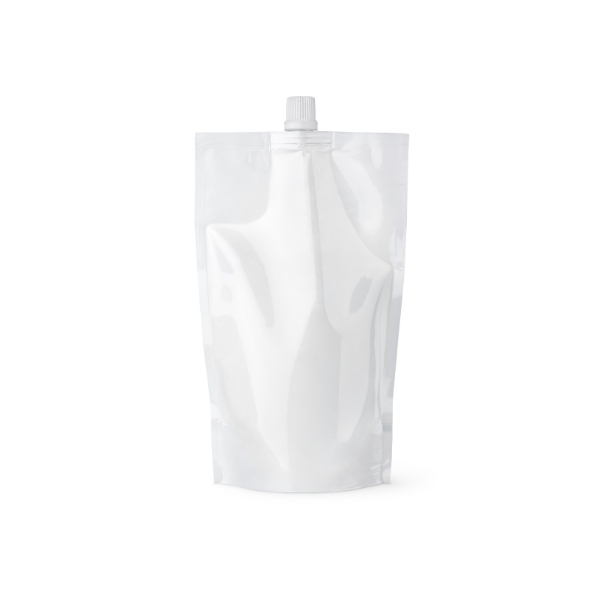
Liquid and paste products need seals that resist contamination, flex cracking, and repeated handling. PET/PA/PE, PET/AL/PE, and other high-barrier laminates may be appropriate, while a spout pouch can improve controlled pouring and reclosure.
Ready meals and shelf-stable retort foods
Retort products require a structure designed for the actual process temperature, time, pressure, food chemistry, and cooling cycle. Common constructions may include PET/AL/PA/RCPP or PET/PA/RCPP, but suitability must be validated for the specific product.
A qualified retort pouch must maintain seal strength, lamination bond, barrier, appearance, and food safety after processing. Commercial sterilization parameters should be established by the food processor and competent specialists.
Fresh produce, chilled food, and bakery products
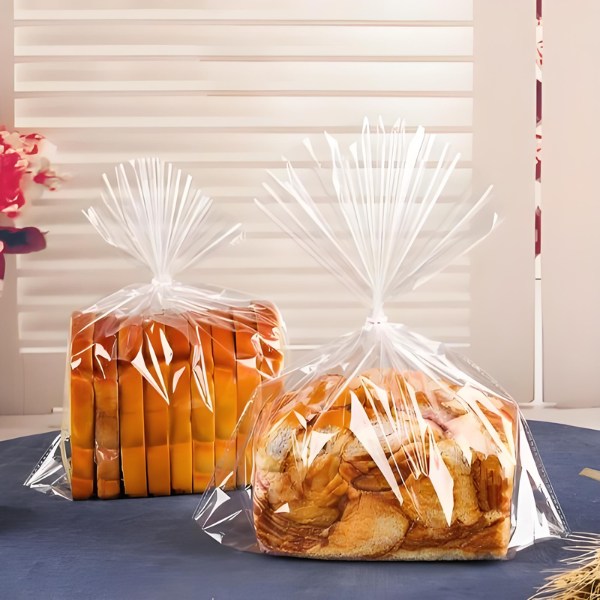
Condensation can hide chilled food and weaken shelf presentation. A correctly selected BOPP anti-fog film can improve visibility, but anti-fog performance should be tested with the real product, temperature cycle, ventilation, and sealing layer.
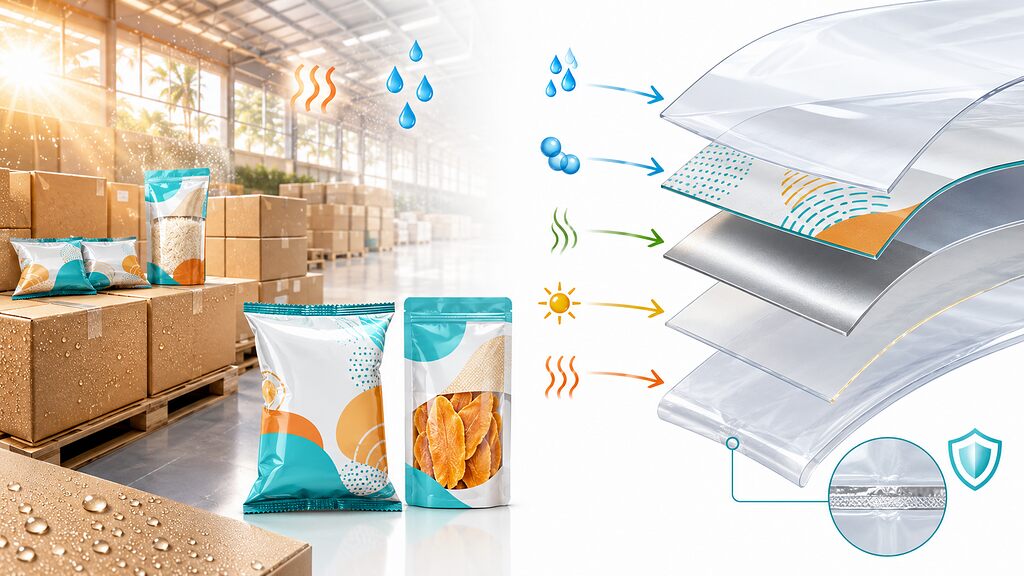
How Common Flexible Packaging Materials Work
BOPP for stiffness, clarity, moisture resistance, and flow wrapping
BOPP is widely used as a printing web, sealable mono-web, or part of a PP-based laminate. It offers good clarity, stiffness, and moisture resistance, making it useful for snacks, noodles, bakery products, confectionery, and labels.
BOPET for strength, heat resistance, printing, and dimensional stability
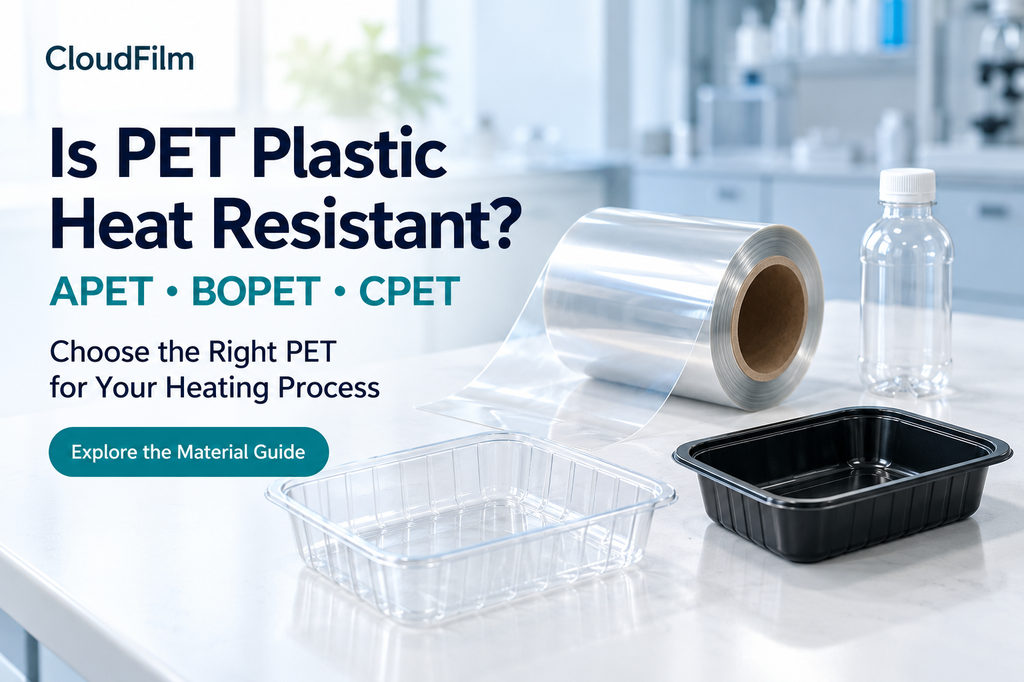
BOPET often forms the outer printing layer in laminated food packaging. It gives strong handling, good heat resistance, and stable registration. It is commonly paired with PE, CPP, aluminum foil, metallized film, coated barrier film, or nylon.
PA for puncture resistance and toughness
PA, also called nylon, is valuable for vacuum packs, thermoforming, frozen foods, meat, seafood, and products with sharp edges. Its moisture sensitivity should be considered because barrier values can change when relative humidity increases.
PE and CPP as practical sealing layers
PE provides flexible sealing, toughness, and moisture resistance. CPP offers clarity, stiffness, and broad use in PP-based laminates. Retort-grade CPP is different from ordinary CPP and should be matched to the required thermal process.
Metalized, foil, and transparent high-barrier options
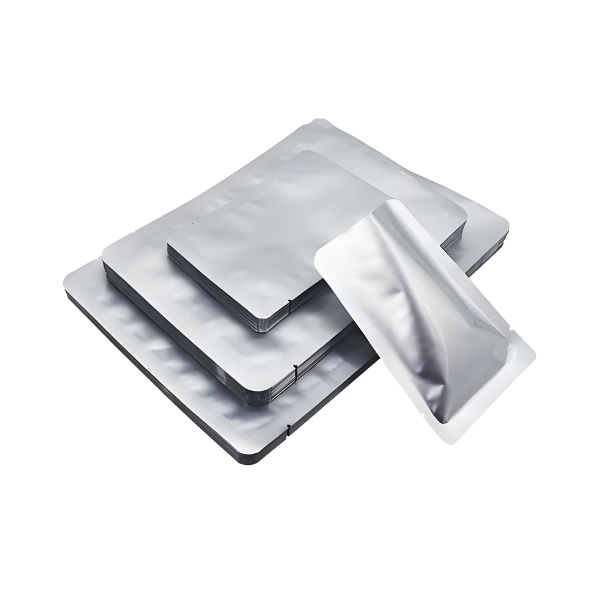
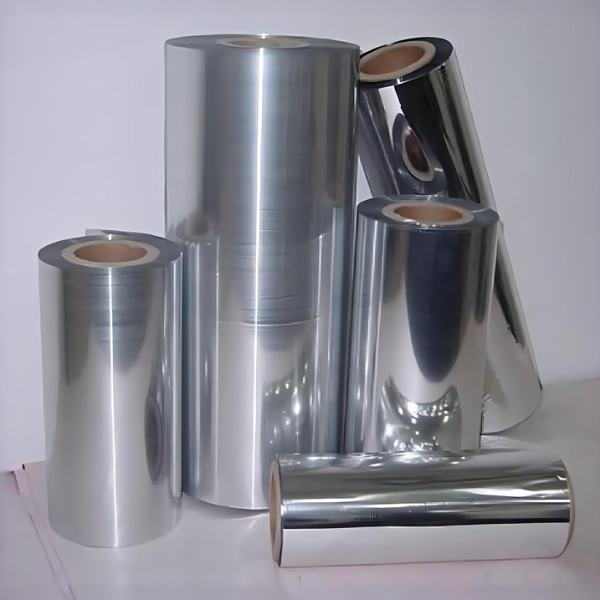
Metallized films and aluminum foil provide strong light, moisture, and oxygen protection when properly converted. Transparent barrier options can preserve product visibility. For example, ALOx PET film may support clear high-barrier designs after compatibility testing.
Choose a Format That Fits the Packing Line and Sales Channel
Roll stock for high-speed automatic packaging
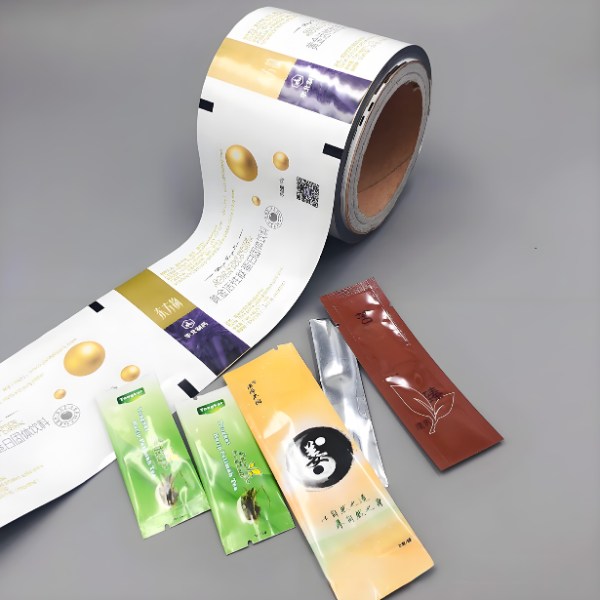
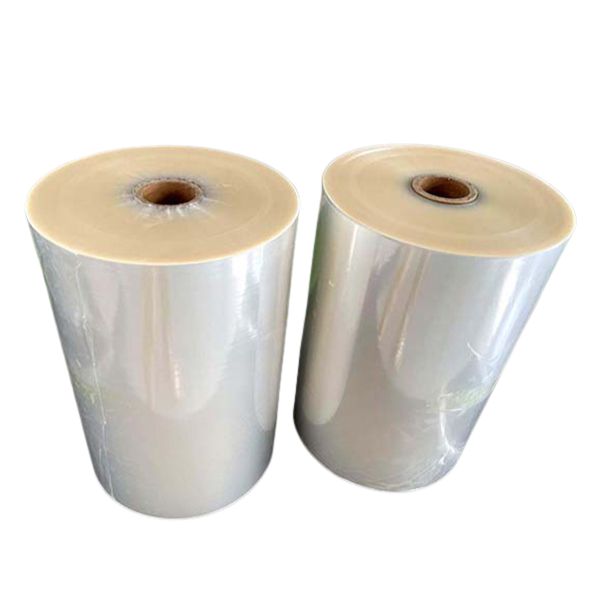
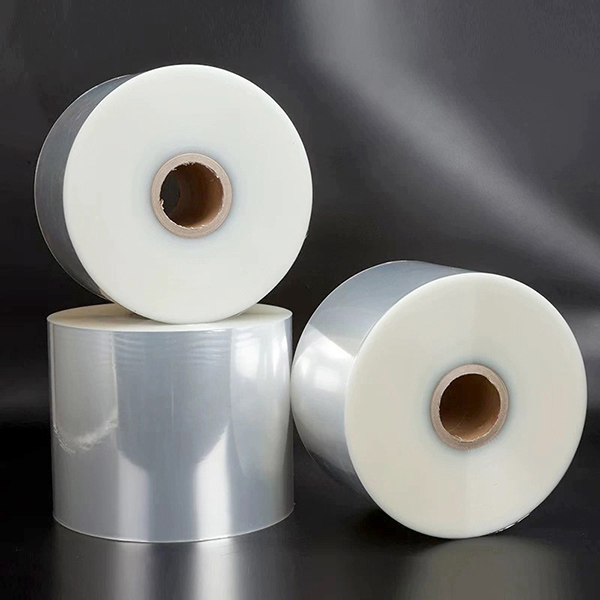
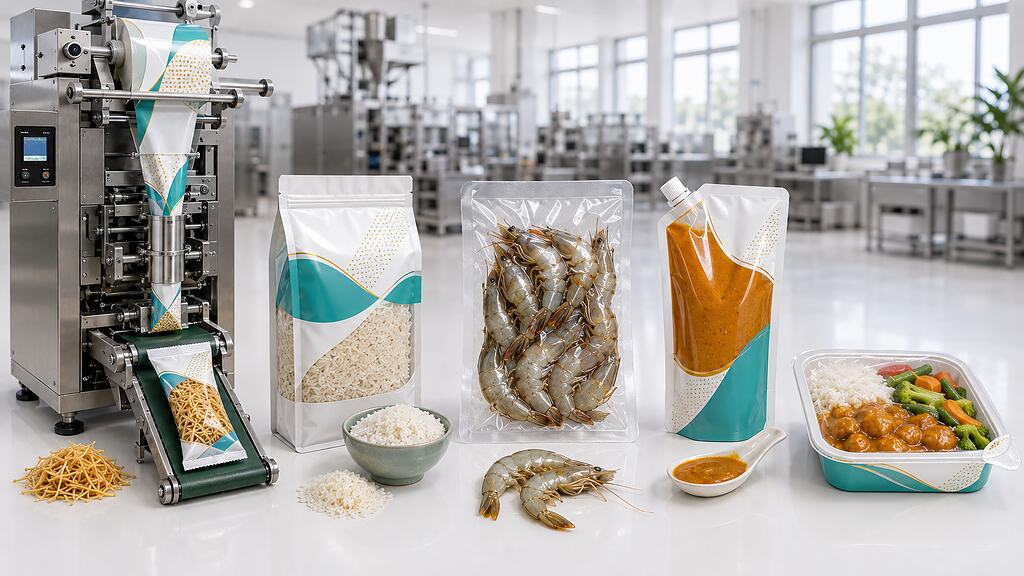
VFFS, HFFS, and flow-wrap machines generally use custom roll stock. Buyers should specify web width, repeat length, eye-mark position, winding direction, core size, roll diameter, splice limits, coefficient of friction, and sealing conditions.
Stand-up and flat-bottom pouches for stronger shelf presence
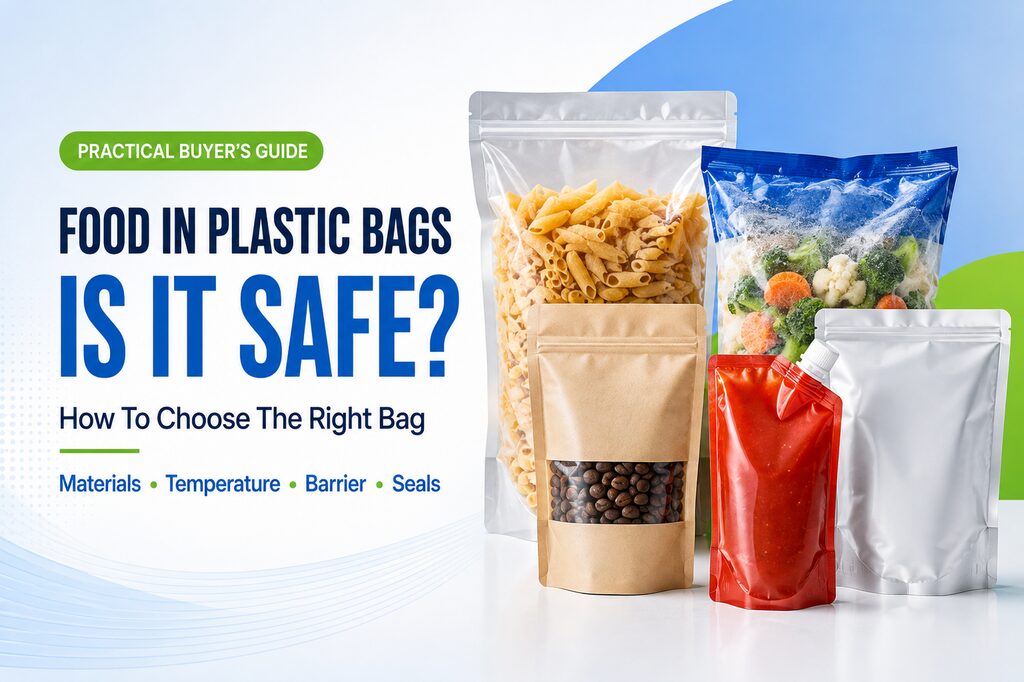
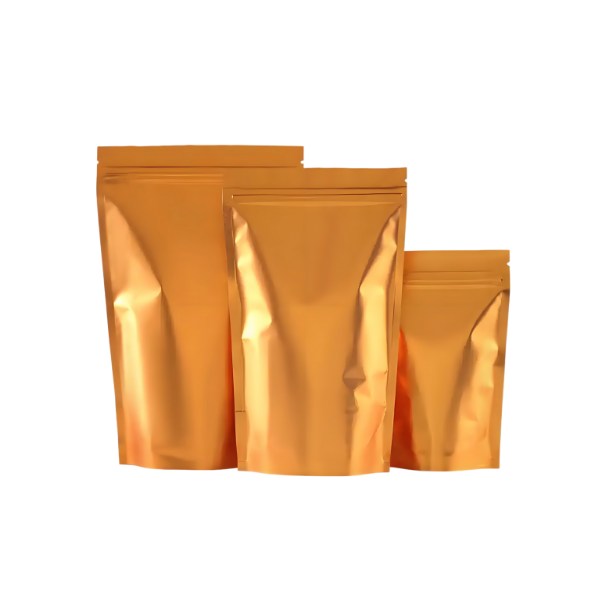
A stand-up pouch provides a broad display panel and can include a zipper, window, tear notch, or spout. A flat-bottom pouch offers a stable premium format for coffee, snacks, pet food, and dry goods.
Trays and lidding systems for chilled, frozen, and ready foods
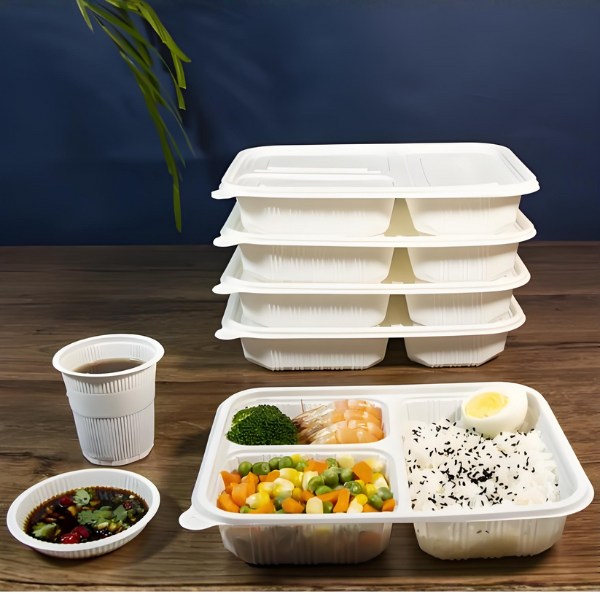
A complete tray system must match tray material, flange condition, lidding film, sealant chemistry, sealing temperature, dwell time, product contamination, peeling behavior, and distribution temperature. CloudFilm’s food packaging trays illustrate common rigid and semi-rigid options.
Performance Checks for Thailand’s Climate and Distribution
Measure barrier under relevant conditions
OTR and WVTR values are meaningful only when test temperature and relative humidity are stated. Buyers should compare results under conditions that reflect the food, storage route, and expected shelf life rather than relying on an isolated headline number.
Validate seals, not only film strength
Many failures begin at the seal. Test seal initiation temperature, operating window, hot tack, seal strength, contamination tolerance, pressure resistance, leakage, creep, and performance after conditioning. Filled-package testing is more informative than film-only testing.
Confirm machinability on the actual line
Film stiffness, curl, static, COF, thickness variation, roll hardness, tension, and winding accuracy influence line speed. A technically strong laminate may still cause downtime if it slips, drags, wrinkles, tracks poorly, or seals inconsistently.
Check printing and lamination durability
High heat and humidity can expose weak ink adhesion, residual solvent, poor bond strength, blocking, and surface abrasion. Printed packs should be conditioned, rubbed, flexed, dropped, and stored before commercial approval.
Use a staged validation plan
Start with laboratory samples, then test a trial roll or small pouch batch on the real packing line. After filling, complete shelf-life, transport, and abuse tests. CloudFilm’s flexible packaging quality control guide provides a broader inspection framework.

Food-Contact and Compliance Considerations in Thailand
Thailand’s requirements should be checked for the finished package and its intended use, not only for a generic resin. The Thai FDA Notification No. 435 addresses qualities and standards for food packaging made from plastic.
The notification covers several constructions, including single-piece plastic, multilayer plastic, multi-material structures containing plastic layers, plastic-coated materials, food-contact plastic parts, and composite materials containing plastic components.
It requires plastic food packaging to be clean, free from pathogenic contamination, and controlled so migration does not harm health or unacceptably change the food. Colored packaging and printed packaging also have requirements related to color and ink behavior.
For listed plastics, the notification includes overall and specific migration criteria. It also addresses functional barriers, materials outside the listed scope, and certain recycled-plastic applications. A generic declaration cannot replace an application-specific review.
Recommended documentation for a packaging review
- Complete material and layer structure, including thickness of each layer.
- Identity of the food-contact layer, resin family, additives, inks, coatings, and adhesives.
- Intended food type, including fatty, acidic, aqueous, alcoholic, dry, or frozen foods.
- Maximum contact temperature, contact time, filling method, retort cycle, and storage condition.
- Relevant overall and specific migration reports with stated simulants and test conditions.
- Lot identification, production traceability, technical data, and change-control expectations.
- Food-contact declarations and supporting evidence accepted by the Thai customer or importer.
Regulations, interpretations, and customer requirements can change. Before commercial supply, the Thai buyer or responsible importer should confirm the current requirements, accepted test methods, language needs, and documentation with qualified local professionals and the relevant authority.
Build Sustainability Around Real Performance
Sustainable packaging should protect food effectively, because product loss can outweigh modest material savings. The first step is often right-sizing, reducing unnecessary layers, improving yield, and selecting a structure that prevents leakage, spoilage, or excessive rejects.
Evaluate mono-material pathways carefully
PE-focused structures may use MDO PE film as a printable outer web with a compatible PE sealing web. PP-focused structures may use BOPP with CPP. BOPE film can support selected PE-based developments.
A recyclable design still needs suitable barrier, heat resistance, stiffness, sealing, print protection, and line performance. CloudFilm’s recyclable pouches provide possible starting formats, while the recyclable flexible packaging guide explains the broader trade-offs.
Recyclability depends on collection, sorting, reprocessing, compatible components, and local acceptance. Claims should be supported by the final structure and the destination market’s system rather than inferred from the main polymer alone.
How to Source Food Packaging for Thailand
Thailand has experienced local converters and packaging producers. Importing from China can still make sense when a buyer needs broader film options, custom barrier structures, competitive scale, special coating technology, or a second qualified supply source.
Buyers conducting supplier research can use this overview of food packaging companies in China as an initial comparison reference. The final choice should be based on verified capability, samples, documentation, communication, and repeat-order consistency.
Define the application before requesting a quotation
Send the food type, current structure, thickness, pack size, machine model, line speed, filling temperature, storage condition, shelf-life target, printing design, annual volume, and destination. Photos of the existing pack and failure samples can prevent costly misunderstandings.
Compare total delivered value
Unit price alone does not reveal cylinder costs, plate costs, sample charges, scrap allowance, palletization, freight, customs handling, payment terms, lead time, or line-efficiency risk. Compare the complete commercial package and technical fit.
Approve samples in stages
A sensible sequence is structure sample, printed proof, trial roll or small pouch batch, packing-line trial, filled-product testing, and controlled first order. Record approved specifications and tolerances so repeat orders are evaluated against the same standard.
Plan logistics and storage
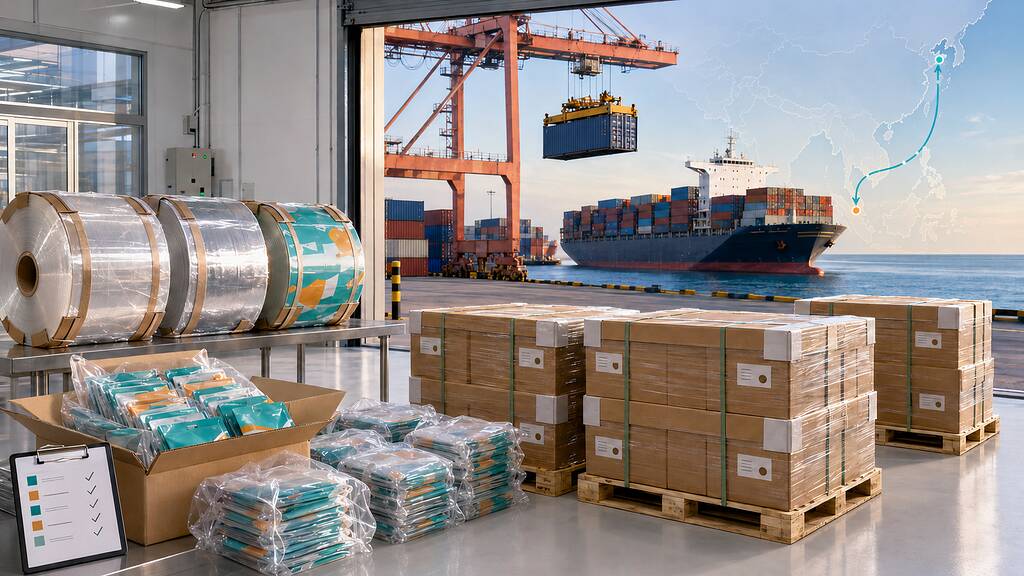
Confirm core strength, roll suspension or pallet method, moisture protection, carton compression, container loading, destination port, and warehouse conditions. Rolls should be protected from impact, direct sunlight, water, high heat, and deformation during transit and storage.
Buyer Information Checklist
A complete request allows the supplier to recommend a structure instead of guessing. Provide the following information whenever possible:
- Food name, ingredients, fat or acid characteristics, and whether the product has sharp edges.
- Pack format, finished dimensions, fill weight, headspace, zipper, spout, valve, window, or handle requirements.
- Existing laminate structure and total thickness, including any known performance problems.
- Packing machine type, model, line speed, web direction, sealing method, and operating temperatures.
- Filling temperature, pasteurization, boiling, retort, microwave, freezing, or chilled-storage conditions.
- Target shelf life, sales channel, warehouse condition, transport route, and likely temperature cycles.
- Required barrier, seal strength, puncture resistance, peel behavior, anti-fog, or easy-tear performance.
- Printing method, number of colors, artwork format, finish, coding area, eye mark, and language requirements.
- Required food-contact documents, test reports, certificates, traceability, and customer audit expectations.
- Trial quantity, annual demand, target delivery date, destination, trade term, and preferred pallet format.
Final Recommendations
Food packaging for Thailand should be selected around the product, process, climate, distribution route, and regulatory responsibilities. Begin with the failure risks that matter most, then build the lightest practical structure that controls those risks.
Do not approve a film only from a data sheet. Test it on the actual machine, with the actual food, under realistic storage and transport conditions. Retain approved samples and written tolerances for future production lots.
For a tailored recommendation, send CloudFilm the product, current structure, pack size, machine information, shelf-life target, quantity, and destination through the contact page. The technical and commercial proposal can then be built around verified requirements.
Frequently Asked Questions
- What is the best food packaging material for Thailand?
There is no single best material. Dry snacks may use BOPP-based structures, vacuum seafood often uses PA/PE, liquids may need PET/PA/PE, and retort foods require validated heat-resistant laminates. Product risk and process conditions should lead the decision.
- Does Thailand’s hot and humid climate always require thicker film?
No. Thickness can improve toughness, but it does not automatically provide the right moisture or oxygen barrier. Polymer choice, coating, metalization, foil, sealant design, converting quality, and package integrity may be more important than total thickness.
- Which packaging structure is suitable for Thai snacks and instant noodles?
BOPP/CPP, BOPP/PE, PET/PE, and metallized structures are common starting points. The correct choice depends on oil content, aroma, crispness, shelf life, pack size, line speed, and whether a clear or opaque appearance is required.
- What packaging works for rice and dried fruit?
Rice needs moisture protection, reliable seals, and adequate drop strength. Dried fruit may additionally need oxygen, aroma, and light protection. Clear PET/PE can suit moderate needs, while PET/VMPET/PE or foil structures provide stronger barrier.
- What film is commonly used for frozen seafood and meat?
PA/PE and PE/PA/PE are common because nylon improves puncture resistance and PE provides sealing. The final structure depends on bones, shells, forming depth, vacuum level, freezing temperature, storage time, and transport abuse.
- Can an ordinary pouch be used for retort food?
No. Retort packaging must be designed and validated for the specified process. The laminate, adhesive, ink, barrier, sealant, pouch geometry, and manufacturing controls must withstand the complete heating, pressure, and cooling cycle.
- Which Thai rule is relevant to plastic food packaging?
Thai FDA Notification No. 435, B.E. 2565 (2022), sets qualities or standards for food packaging made from plastic. Buyers should verify current interpretations, test methods, and documentation with the responsible Thai party and relevant authority.
- Is an EU or US food-contact report automatically sufficient in Thailand?
Not necessarily. International reports can support a review, but the Thai customer or responsible party should confirm whether the material, simulants, temperatures, times, analytes, laboratory, and report format satisfy the applicable Thai requirements.
- Can recyclable mono-material pouches replace every laminate?
No. Mono-material designs can work for many dry foods and selected liquid or high-barrier applications, but heat resistance, stiffness, puncture strength, barrier, print protection, sealing, and local recyclability must be validated for each product.
- What is the difference between MDO PE and BOPE in recyclable packaging?
Both can support PE-oriented structures. MDO PE is machine-direction oriented and is often used as a printable web. BOPE is biaxially oriented and can offer balanced strength. Grade, thickness, heat resistance, and converting compatibility differ.
- Should a buyer choose roll stock or premade pouches?
Roll stock is efficient for automated, high-volume packing when the buyer operates compatible FFS equipment. Premade pouches suit differentiated formats, zippers, spouts, premium shelf presentation, and operations without integrated pouch-making capability.
- What information is required for an accurate quotation?
Provide the food type, structure, thickness, dimensions, machine, sealing method, filling and storage conditions, shelf life, printing, quantity, destination, documentation needs, and any current failures. Missing details force the supplier to make assumptions.
- How should packaging samples be tested?
Test film on the actual packing line, fill the real product, and evaluate seals, leakage, appearance, barrier, drop resistance, storage, transport, opening, and shelf life. Retort and pasteurization applications need process-specific validation.
- How can printing remain durable in hot and humid conditions?
Use compatible film treatment, ink, adhesive, curing, and lamination conditions. Check bond strength, residual solvent, ink rub, blocking, and abrasion after conditioning. Reverse printing inside a laminate can provide additional surface protection.
- Can food packaging be supplied from China to Thailand?
Yes. Buyers commonly compare local and imported supply. Successful sourcing requires a clear specification, qualified samples, accepted documentation, controlled production, protective export packing, realistic lead times, and agreement on freight, customs, and delivery responsibilities.