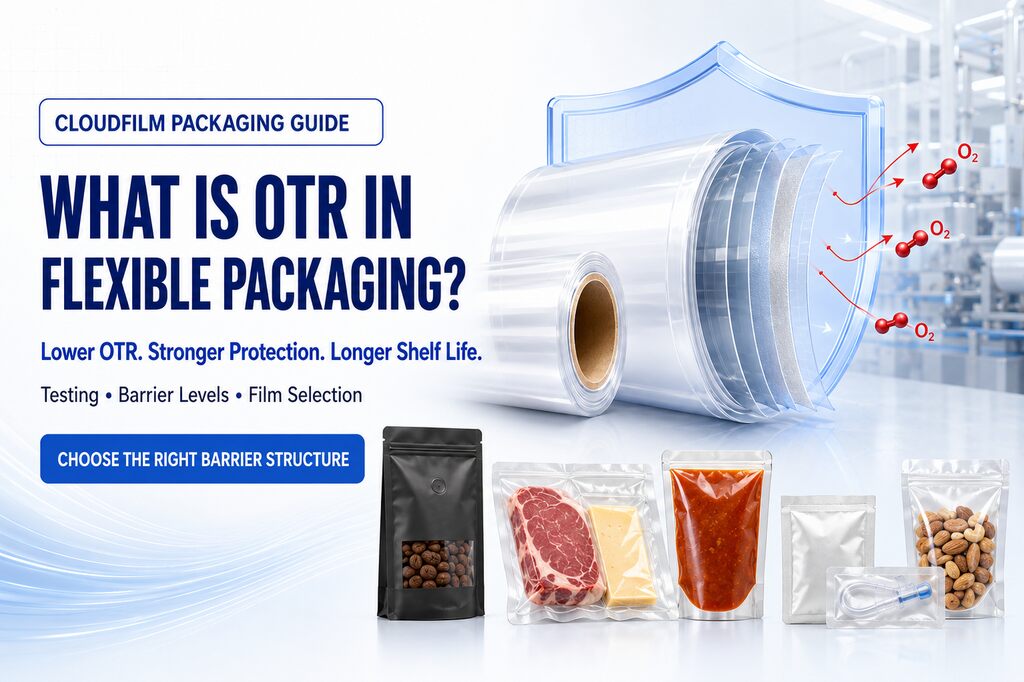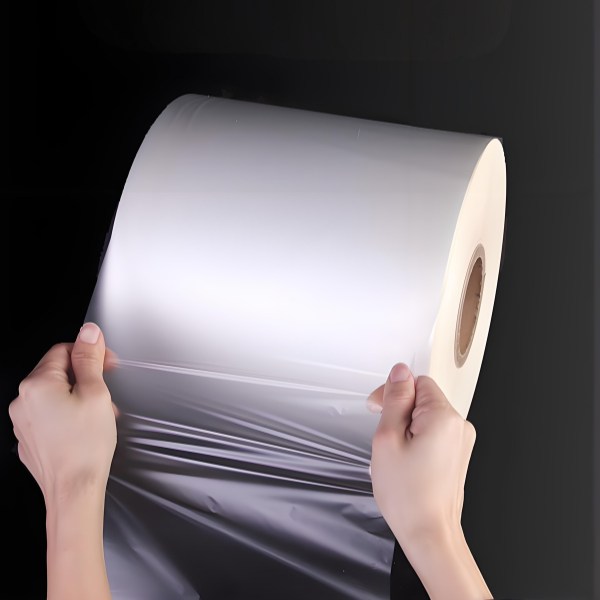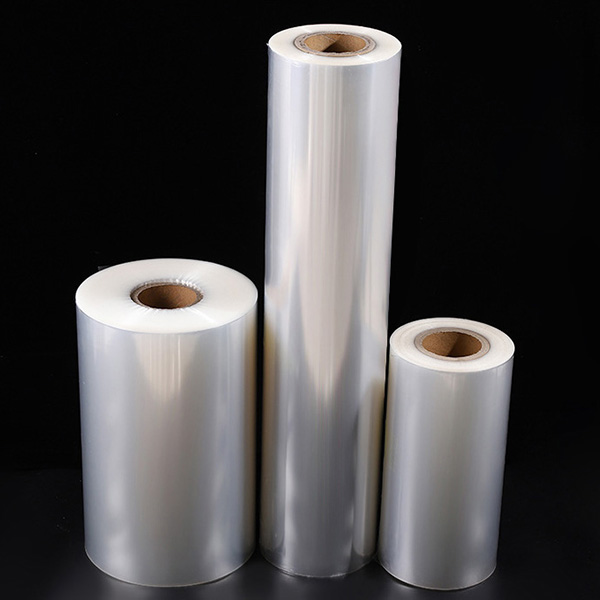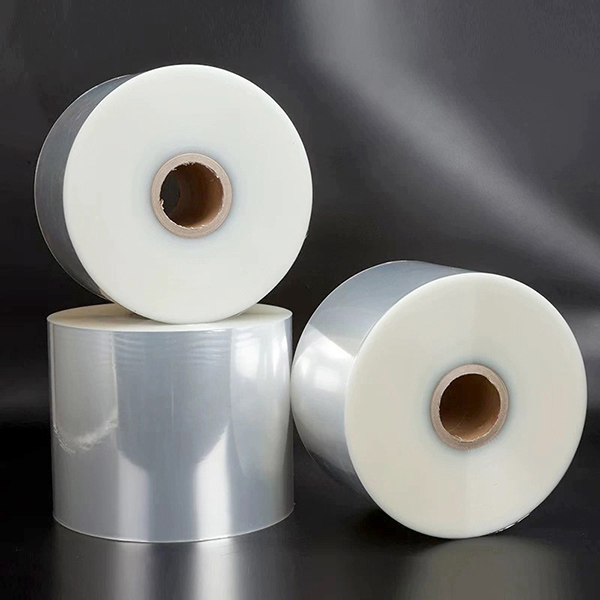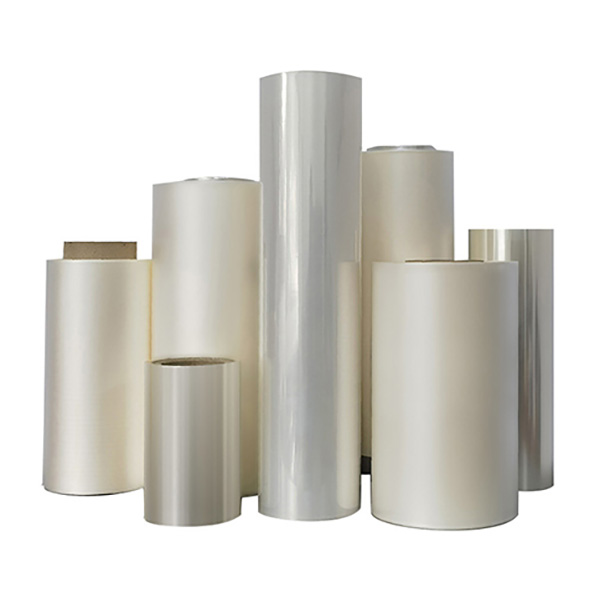
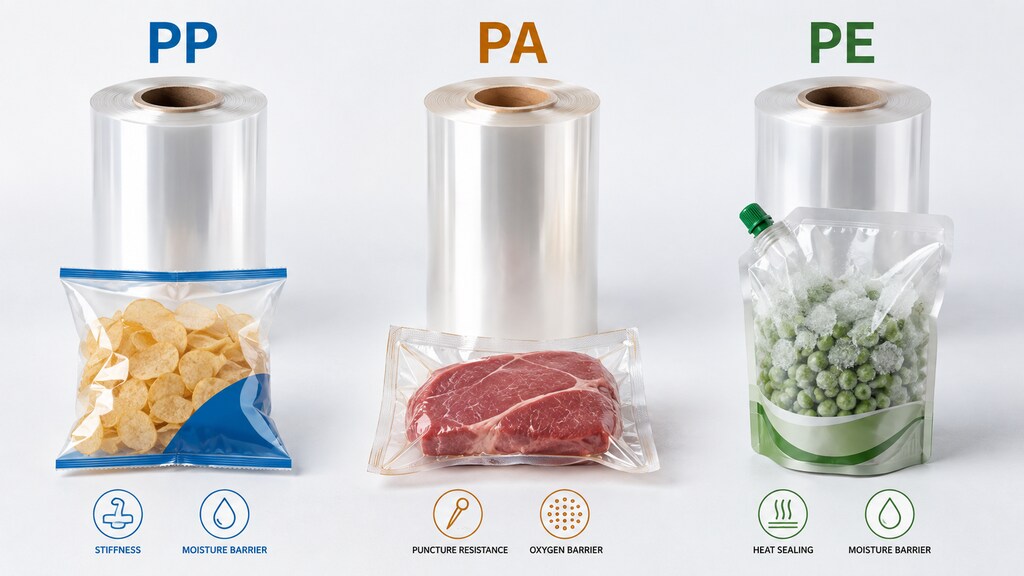
PP, PA, and PE are not interchangeable packaging films. PP usually contributes stiffness, appearance, moisture resistance, and heat performance. PA contributes puncture resistance and oxygen barrier. PE contributes flexibility, moisture protection, and reliable heat sealing.
The best choice depends on the packed product, shelf life, processing temperature, filling line, distribution hazards, and recycling target. Many successful packages combine two or more resin families because one material rarely provides every required function.
Readers comparing only the two polyolefins can also use CloudFilm’s PE vs PP film comparison guide for a deeper discussion of stiffness, sealing, yield, and end-use differences.
Quick Answer: Which Film Should You Choose?
Choose PP when appearance, stiffness, moisture barrier, or heat resistance leads the decision.
BOPP works well as a clear, printable outer web. CPP and retort-grade CPP can serve as sealant layers when the package needs polypropylene compatibility, a softer feel, or greater temperature resistance than a conventional PE sealant.
Choose PA when puncture resistance, toughness, or oxygen barrier is the limiting requirement.
PA, commonly called nylon in packaging, is valuable for bone-in meat, vacuum packs, deep-draw webs, medical pouches, and retort laminates. It is usually combined with PE, CPP, PET, foil, or EVOH rather than used alone.
Choose PE when sealing, flexibility, low-temperature performance, and moisture protection matter most.
LDPE and LLDPE are established sealant materials. MDO PE and BOPE add stiffness and print-web capability for recyclable mono-PE concepts, although the complete package still requires market-specific recyclability assessment.
What PP, PA, and PE Mean in Flexible Packaging
PP: Polypropylene
PP is a low-density polyolefin valued for stiffness, clarity, moisture resistance, and relatively high temperature capability. The term covers several film families, so a buyer should identify the process and grade instead of ordering only generic PP film.
BOPP is stretched in two directions, creating a clear and stiff print web. Standard BOPP may not seal by itself, while coextruded or coated heat sealable BOPP film includes a sealable surface for monoweb wrapping.
CPP is cast polypropylene. It is softer than BOPP and commonly provides heat sealing in PP-based laminates. A clear CPP film can support high clarity, moisture protection, and smooth running on suitable packaging lines.
PA: Polyamide or Nylon
PA is a polar engineering polymer with high toughness, puncture resistance, abrasion resistance, and better oxygen barrier than ordinary PP or PE. Its behavior depends strongly on nylon type, orientation, conditioning, thickness, and humidity.
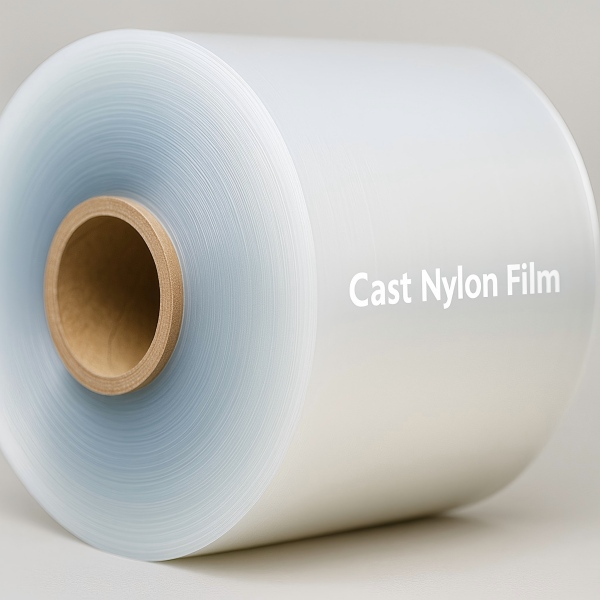
The nylon film properties guide explains these variables in detail. Oriented BOPA film is commonly laminated, while cast nylon film is useful when thermoformability and deep drawing are important.
PA absorbs moisture. Humidity can soften the film and change oxygen transmission or dimensional behavior. Barrier data should therefore state the test temperature, relative humidity, conditioning method, thickness, and test standard.
PE: Polyethylene
PE is a broad polyolefin family rather than one film. LDPE offers softness and easy sealing. LLDPE improves toughness, puncture performance, and hot tack. HDPE adds stiffness and temperature resistance but may reduce clarity and sealing forgiveness.
For demanding seal layers, LLDPE film is widely used in pouches, liners, and rollstock. Resin density, comonomer, blend ratio, additives, layer design, and processing conditions determine actual performance.
Oriented PE expands the design space. MDO PE film offers a stiffer print web, while BOPE film provides biaxial orientation for strength, clarity, and mono-PE laminate development.
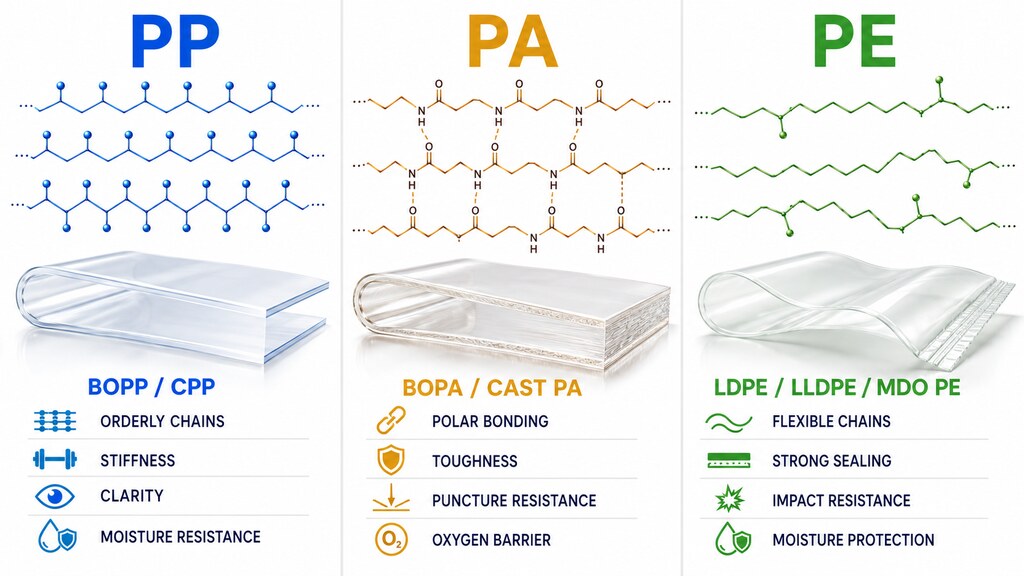
PP vs PA vs PE: Side-by-Side Comparison
The table below summarizes common tendencies, not guaranteed specifications. Film orientation, resin grade, layer ratio, coatings, additives, thickness, test conditions, and conversion history can change the result substantially.
| Selection Factor | PP | PA | PE |
| Typical role | Outer web or PP sealant | Tough barrier layer | Flexible sealant layer |
| Typical density | About 0.90-0.91 g/cm3 | About 1.13-1.15 g/cm3 for PA6 | About 0.91-0.97 g/cm3 by grade |
| Stiffness | Medium to high | Medium, strong and tough | Low to medium |
| Oxygen barrier | Low to moderate | Good when dry | Low |
| Moisture barrier | Very good | Moderate; moisture-sensitive | Very good |
| Puncture resistance | Moderate | Excellent | Good impact toughness |
| Heat sealing | Good with CPP or sealable grades | Usually not the main sealant | Excellent and forgiving |
| Heat resistance | Generally higher than PE | High in suitable structures | Lower than PP and PA |
| Common film forms | BOPP, CPP, RCPP | BOPA, cast PA, coextruded PA | LDPE, LLDPE, HDPE, MDO PE, BOPE |
| Relative cost tendency | Low to moderate | Usually higher | Usually economical |
| Recycling direction | Mono-PP designs where accepted | Normally part of multi-material packs | Mono-PE designs where accepted |
Note: Typical tendencies only; confirm the selected grade and test conditions.
Density affects yield. At equal thickness and area, low-density PP usually weighs less than PA. PE weight depends on grade. A price per kilogram comparison can therefore mislead unless buyers also calculate square meters, roll yield, scrap, and usable package output.
Key Performance Differences That Affect Packaging
Mechanical strength and puncture resistance
PA is normally the first candidate when sharp corners, bones, hard particles, deep drawing, or distribution abuse create puncture risk. PE can provide excellent impact toughness, but its resistance to a concentrated sharp point depends on grade, gauge, and layer design.
BOPP has high tensile stiffness and good machinability, yet an oriented film can propagate a tear after a notch forms. Real approval should include filled-pack drop, vibration, abrasion, flex-crack, and cold-condition testing rather than relying on one tensile value.
Heat sealing and hot tack
PE generally offers the widest, most forgiving seal window among the three families. It can seal at comparatively low temperatures and maintain hot tack while the package is still moving or carrying product weight.
CPP also seals effectively and can suit PP-based or higher-temperature structures. PA is usually protected inside the laminate because it is not the preferred product-contact heat-seal layer for most flexible packaging lines.
Oxygen and aroma barrier
PA normally provides a stronger oxygen and aroma barrier than uncoated PP or PE, especially under dry conditions. However, a high-fat food, coffee, medical reagent, or long ambient shelf-life target may require EVOH, coating, metallization, or foil.
A supplier should report OTR with units, temperature, relative humidity, thickness, and method. The finished package must then be validated because seals, folds, thermoformed corners, closures, and headspace influence real shelf life.
Water-vapor barrier
PP and PE are strong moisture-barrier materials. PA is more moisture-sensitive and should not be selected as the only water-vapor defense. In many structures, a polyolefin outer or seal layer protects PA and stabilizes package performance.
Heat resistance and processing temperature
PP generally tolerates more heat than common low-density PE grades. PA also has high thermal capability, but the final package limit may be set by the sealant, adhesive, ink, coating, or closure rather than the nylon layer.
Never approve a retort or sterilization structure from the resin name alone. State the exact temperature, time, pressure, product chemistry, cooling cycle, and regulatory requirement, then validate the complete printed and sealed pack.
Clarity, stiffness, and shelf appearance
BOPP is often chosen for gloss, clarity, stiffness, and crisp printing. PA can be highly transparent while adding toughness. PE is usually softer and can appear hazier, although modern grades and orientation technologies can improve optical performance.
How to Choose by Packaging Application
Snacks, bakery products, and dry foods
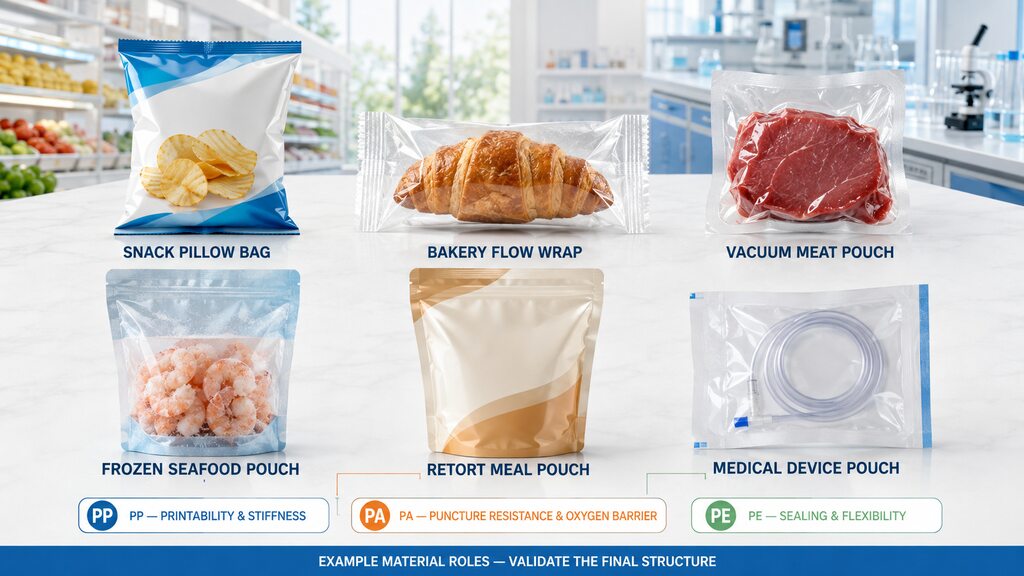
BOPP/CPP and BOPP/PE are practical starting structures when appearance, moisture barrier, sealing, and cost lead the decision. Oxygen-sensitive or fatty products may need a metallized layer, coating, EVOH, or another barrier upgrade.
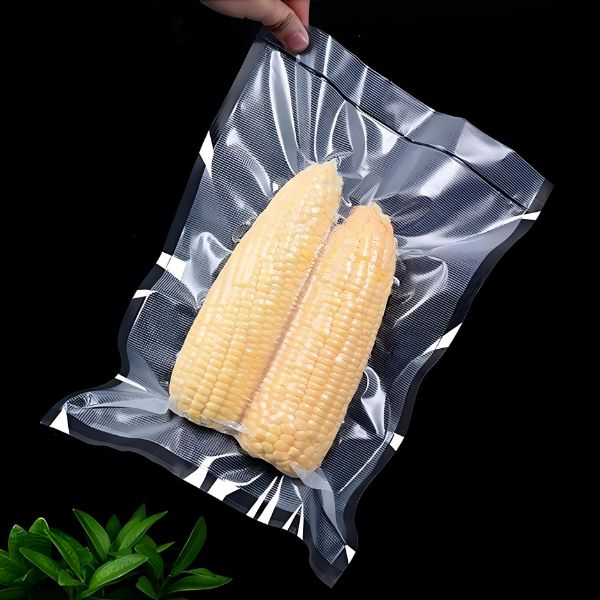
Vacuum meat, cheese, seafood, and bone-in products
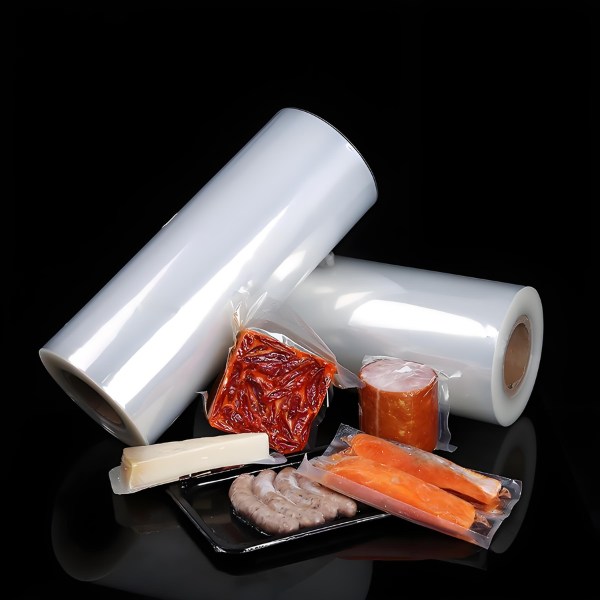
PA/PE and PE/PA/PE are common directions because PA resists puncture and supports oxygen barrier, while PE provides sealing and low-temperature toughness. Bone-in products still require loaded-pack testing and may need thicker or specially balanced structures.
Frozen food packaging
PE is valuable for flexibility and seal integrity at low temperature. Add PA when frozen edges, bones, or handling create puncture risk. Test finished packs after freezing because room-temperature film strength does not predict brittle-cold failures.
Retort, pasteurization, and hot-fill packaging
Validated BOPA/CPP or BOPA/RCPP laminates can combine toughness with a heat-resistant PP sealant. CloudFilm’s retort CPP film is one possible component, but the complete construction must match the actual thermal cycle.
Medical, pharmaceutical, and industrial protection
PA supports puncture resistance for devices, metal parts, and sharp components. PE supports clean seals and flexible handling. Material compatibility, sterilization, extractables, corrosion risk, traceability, and destination-market compliance must be defined before qualification.
Recyclable mono-material projects
When a defined recycling route is the priority, consider mono-PE systems using oriented PE plus PE sealants, or mono-PP systems using compatible BOPP and CPP grades. Review the recyclable flexible packaging guide before making claims.
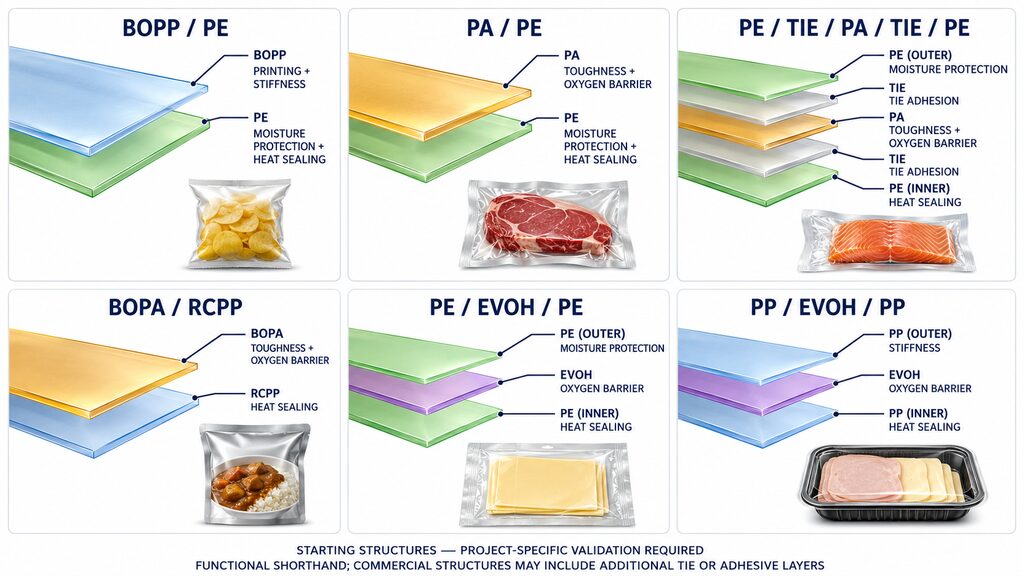
How PP, PA, and PE Work Together in Multilayer Structures
BOPP/PE
BOPP provides a printable, glossy, stiff outer web. PE provides the product-contact seal layer, flexibility, and moisture protection. This economical laminate is common for dry foods and household products that do not require extreme oxygen barrier or retort processing.
PA/PE
A PA/PE film combines nylon toughness and oxygen-barrier support with PE sealing. The commercial name may describe a laminate or coextruded web, so buyers must confirm the real construction, side functions, and approved grade.
PE/PA/PE
A PE PA PE film places PE-rich surfaces around an internal PA function. Actual coextruded films normally include tie layers, meaning the physical structure may contain five, seven, or more layers despite the three-material shorthand.
BOPA/CPP or BOPA/RCPP
BOPA contributes strength, puncture resistance, and gas barrier. CPP supplies heat sealing and PP-family heat performance. Retort suitability depends on the selected grades and every other package component, including adhesive, ink, coating, zipper, and spout.
PE/EVOH/PE and PP/EVOH/PP
When PA alone cannot meet the oxygen target, EVOH may become the central barrier layer. The PE/EVOH/PE structure guide explains PE-based designs, while PP EVOH PP can support high-barrier PP sheet applications.
Mono-PE and mono-PP alternatives
Mono-material development does not mean using one resin grade. A mono-PE pack may combine MDO PE, BOPE, LLDPE, and barrier-compatible PE layers. A mono-PP pack may combine BOPP and CPP grades with different functions.
Common Selection Mistakes
Ordering by resin letters instead of an approved grade
Two films called PA/PE can differ in resin family, layer ratio, additives, treatment, slip, sealant design, and manufacturing process. Approve a supplier grade or written performance specification instead of relying on a generic abbreviation.
Comparing only total thickness
An 80-micron film is not automatically stronger than a 70-micron film. Layer placement, orientation, resin choice, gauge profile, and forming behavior determine how much useful thickness remains at seals, corners, and stressed areas.
Ignoring the treatment side and sealing side
A roll can fail even when the material is correct if the corona-treated surface, product-contact side, winding direction, or sealant side is reversed. Put side identification and winding instructions on the specification and roll label.
Using laboratory barrier data as a shelf-life guarantee
OTR and WVTR describe a flat specimen under stated conditions. Finished-pack shelf life also depends on seal leakage, headspace, product chemistry, package area, light, temperature, humidity, closures, distribution, and storage time.
Assuming a structure is recyclable everywhere
Recyclability depends on the complete package and the collection, sorting, and recycling system in the destination market. Inks, adhesives, barriers, labels, zippers, valves, and contamination can change the outcome.
How to Specify Film to a Manufacturer or Supplier
A clear request for quotation reduces incorrect recommendations and makes offers comparable. Send the following information before asking for a firm price, sample, or production commitment.
- Packed product, composition, fill weight, oil or moisture sensitivity, sharp edges, and target shelf life.
- Pack format and dimensions, including pillow bag, vacuum pouch, stand-up pouch, thermoforming web, lidding film, liner, or sheet.
- Current material structure, total thickness, individual layer gauges, supplier grade, and a sample or technical data sheet when available.
- Required OTR, WVTR, puncture, impact, seal strength, hot tack, COF, treatment, clarity, haze, and test conditions.
- Packaging machine, line speed, forming depth, jaw temperature, dwell time, pressure, sterilization cycle, and storage temperature.
- Roll width, core size, winding direction, maximum outer diameter, roll weight, splice limit, and pallet requirements.
- Food-contact, medical, chemical, recycling, traceability, certificate, and destination-market documentation requirements.
- Trial quantity, forecast volume, order frequency, delivery term, destination port, requested arrival date, and acceptable lead time.
Buyers benchmarking the supply market can consult CloudFilm’s BOPP film manufacturers in China guide, nylon film manufacturer guide, and PE film manufacturer and supplier guide.
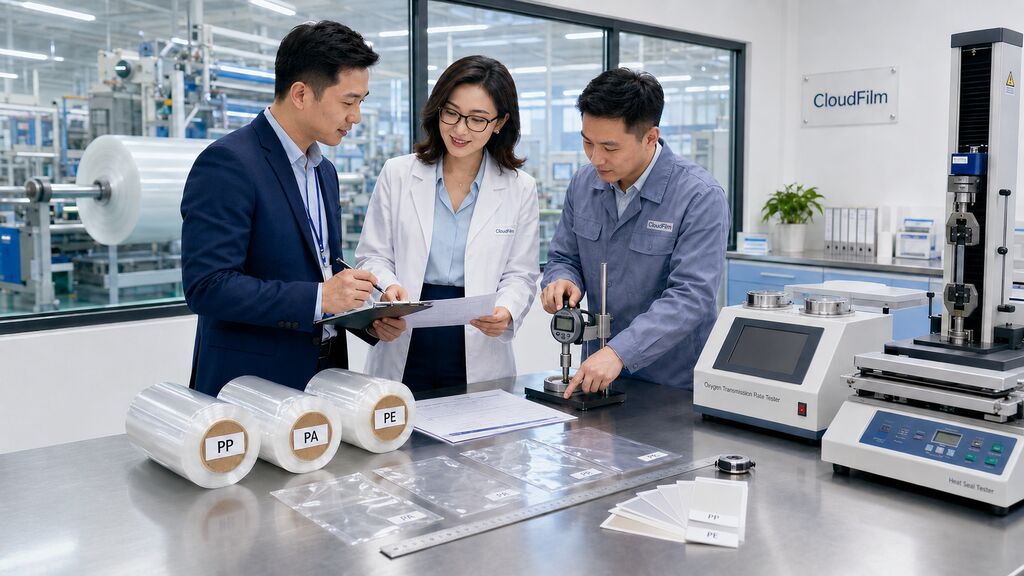
CloudFilm Support for PP, PA, and PE Packaging Projects
CloudFilm is a China-based flexible packaging film manufacturer and supplier serving converters, packers, distributors, and brands. The team helps buyers compare single films and multilayer structures instead of forcing every project into one standard material.
Support can include structure screening, custom thickness and width, corona-treatment planning, roll-build confirmation, sample sheets, trial rolls, and export documentation. Final recommendations are based on the packed product, equipment, test targets, order volume, and destination market.
To request a practical proposal, send your current specification, package photograph, product details, roll dimensions, monthly quantity, and destination port. CloudFilm can then recommend suitable packaging film rolls and identify the tests needed before commercial production.
Frequently Asked Questions About PP, PA, and PE Film
- What is the simplest difference between PP, PA, and PE film?
PP generally emphasizes stiffness, appearance, moisture barrier, and heat capability. PA emphasizes toughness, puncture resistance, and oxygen barrier. PE emphasizes flexibility, moisture protection, low-temperature toughness, and heat sealing.
- Which film is strongest: PP, PA, or PE?
There is no universal winner. PA usually leads in puncture and abrasion resistance. BOPP offers high tensile stiffness. LLDPE can provide excellent impact toughness. The actual result depends on grade, orientation, thickness, temperature, and test method.
- Which material has the best oxygen barrier?
Among ordinary uncoated PP, PA, and PE films, PA usually has the strongest oxygen barrier, especially when dry. Very demanding shelf-life targets may still require EVOH, a coating, metallization, or foil.
- Which material has the best moisture barrier?
PP and PE generally provide stronger water-vapor barrier than PA. The better choice depends on thickness, grade, orientation, temperature, humidity, and package format. Test data must use equivalent conditions.
- Which film is easiest to heat seal?
PE is usually the most forgiving sealant, with a broad operating window and good hot tack. CPP is also an effective seal layer, especially in PP-compatible or higher-temperature laminates. PA is rarely the primary sealant.
- Is PP more heat-resistant than PE?
PP generally tolerates higher temperatures than common LDPE or LLDPE grades. However, package performance depends on the exact film, sealant, adhesive, ink, dwell time, pressure, and thermal cycle.
- Which film is best for frozen food?
PE is a strong starting choice because it remains flexible and seals reliably at low temperature. Add PA when sharp frozen edges, bones, or demanding transport create puncture risk. Always test filled packs after freezing.
- Can PP, PA, or PE be used for retort packaging?
Suitable BOPA and RCPP grades can be components of validated retort laminates. Ordinary PP, PA, or PE film should not be assumed retort-ready. The complete printed, laminated, sealed package needs cycle-specific qualification.
- Are PP, PA, and PE films recyclable?
Clean mono-PP or mono-PE designs may fit certain recycling streams. PA/PE and PE/PA/PE contain different polymer families and are commonly harder to recycle. Acceptance depends on the complete pack and local infrastructure.
- Why does the same thickness produce different roll weights?
The materials have different densities. PP is usually the lightest, PA is substantially denser, and PE varies by grade. Core, width, length, coatings, additives, and gauge tolerance also affect roll weight.
- Can PA be used as the heat-seal layer?
PA can bond under specialized conditions, but it is not the normal primary sealant for most flexible packaging. PE or CPP usually provides a more practical seal window, product-contact interface, and contamination tolerance.
- Does PE/PA/PE mean exactly three physical layers?
Not necessarily. The name describes the main functional materials. Because PE and PA need adhesion support, commercial coextruded films commonly include tie layers and may contain five, seven, or more physical layers.
- Is PA always a better barrier than PP or PE in humid conditions?
PA normally offers better oxygen barrier, but moisture absorption can reduce that advantage. Compare OTR at the same temperature, relative humidity, thickness, and conditioning state before selecting the structure.
- How should buyers compare film prices?
Compare more than price per kilogram. Calculate usable area, package yield, scrap, line speed, seal failures, product loss, and transport damage. A higher-priced film can reduce total packed-product cost when it performs more reliably.
- What information is needed for a sample or quotation?
Provide the product, package format, current structure, thickness, width, roll specifications, machine conditions, barrier and seal targets, compliance needs, trial quantity, forecast volume, and delivery destination.
Conclusion
Choose PP for stiffness, appearance, moisture resistance, and heat capability; PA for toughness, puncture resistance, and oxygen barrier; and PE for flexible sealing, moisture protection, and low-temperature performance. Then verify whether a multilayer structure is necessary.
The correct answer is not a resin abbreviation. It is an approved film grade and package construction that meets measurable barrier, mechanical, sealing, processing, compliance, and logistics requirements under real operating conditions.