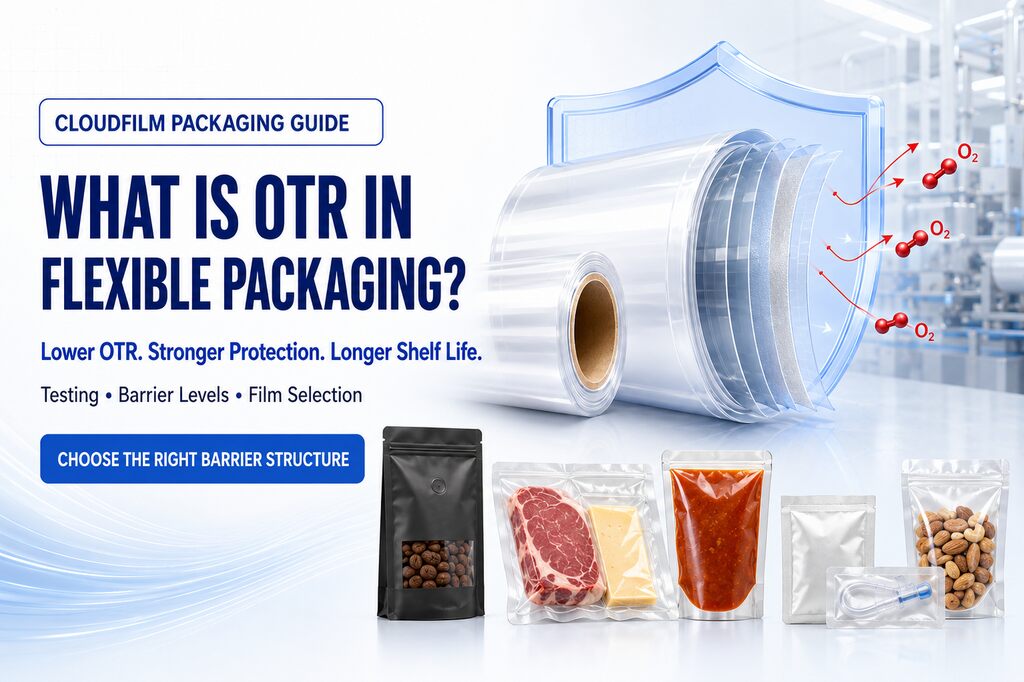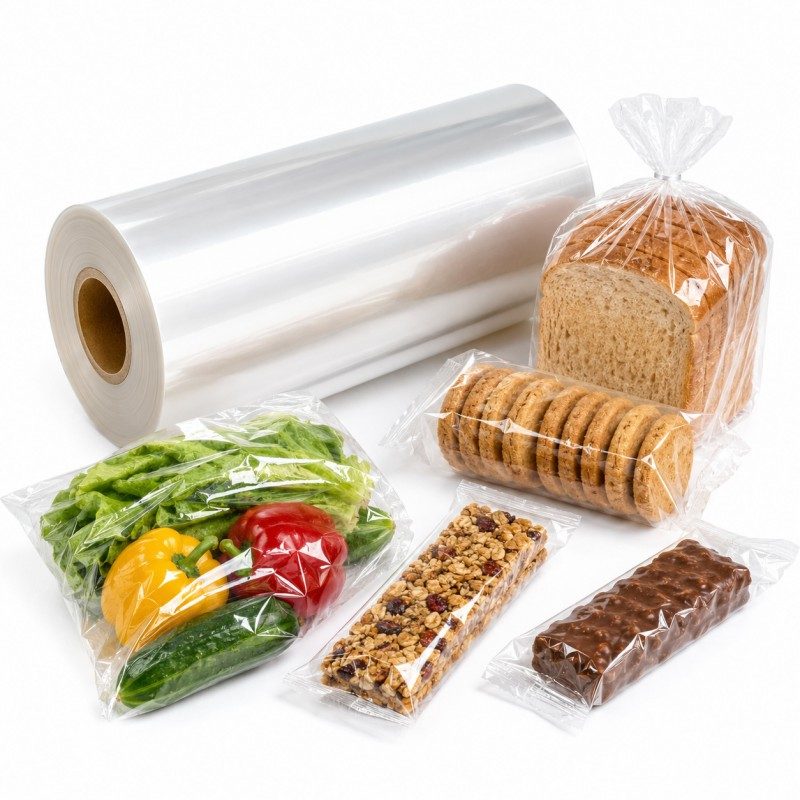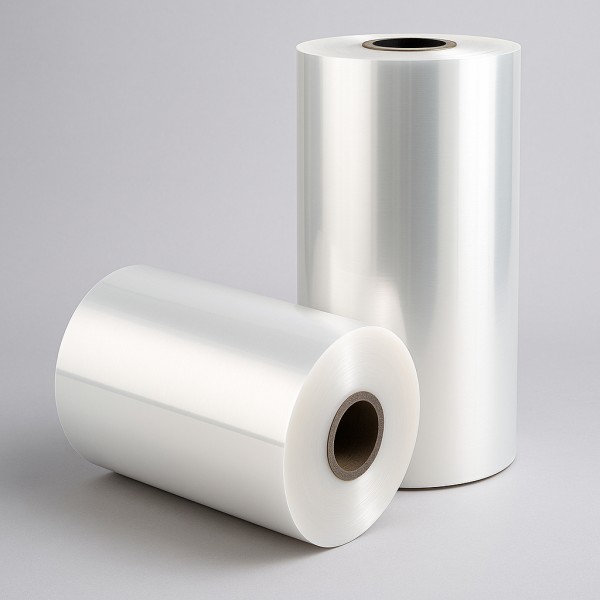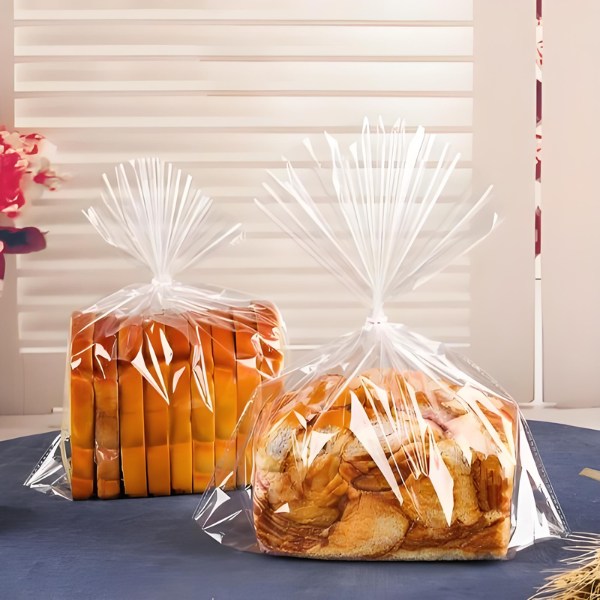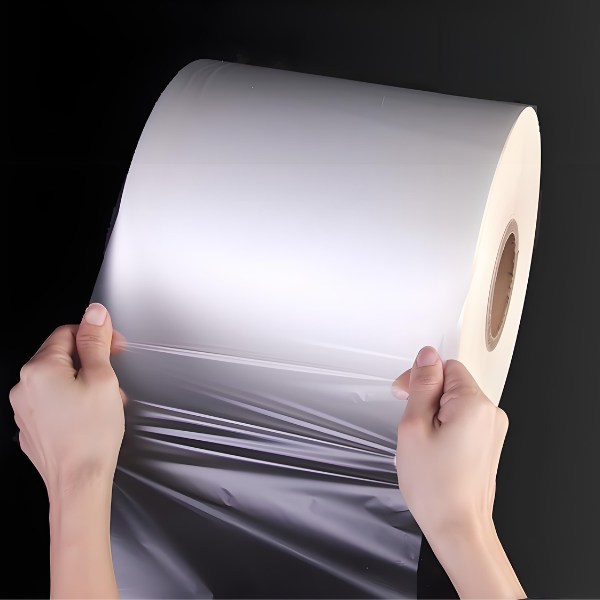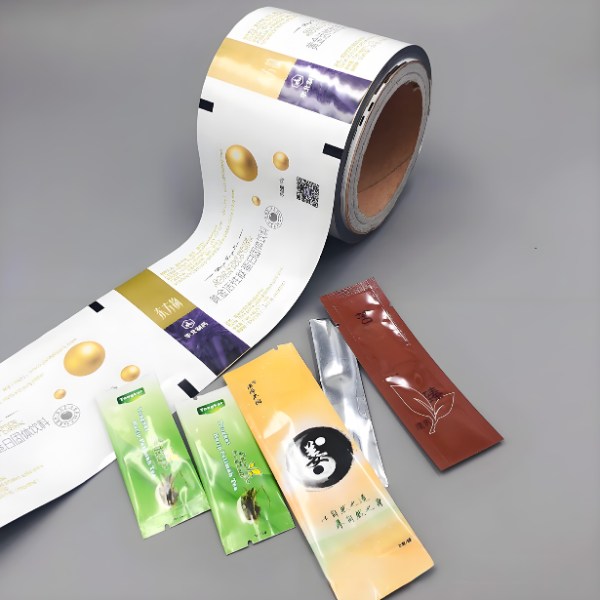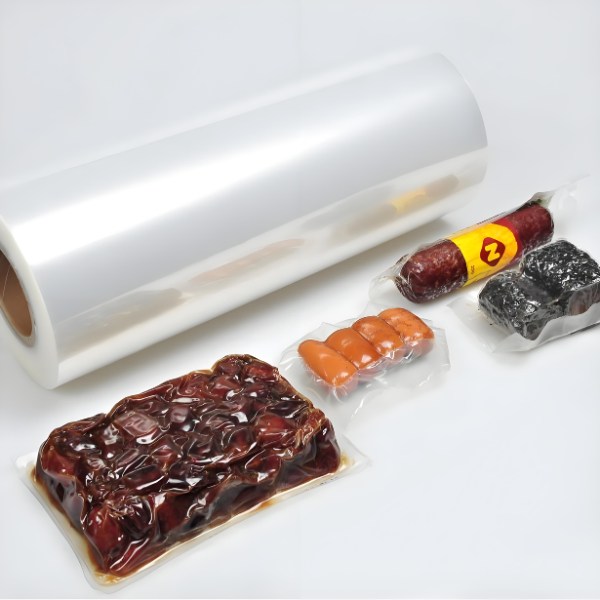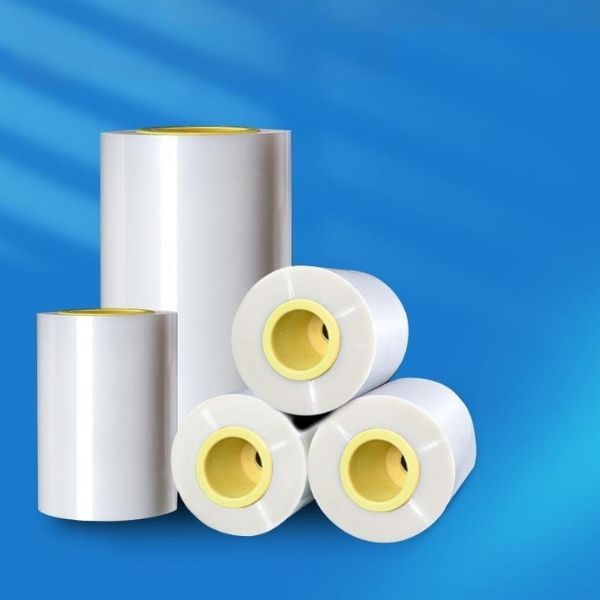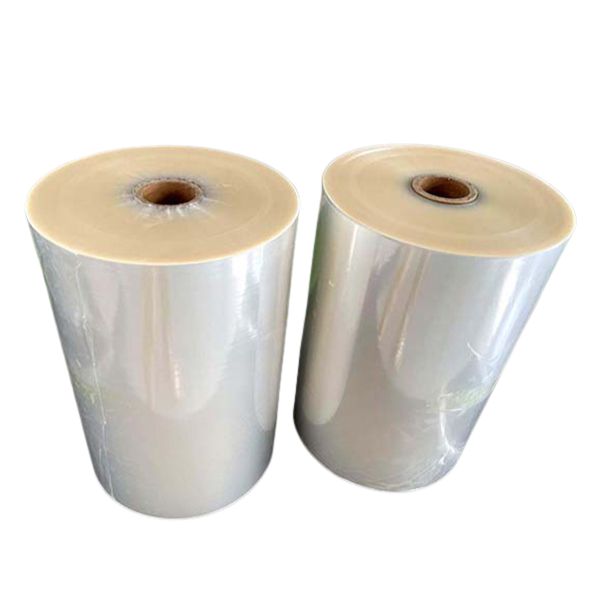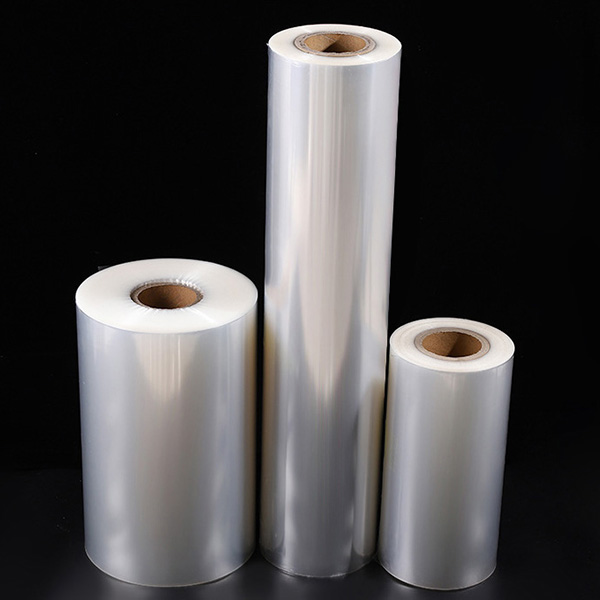
Flow packaging is one of the most common packaging formats for food, snacks, bakery products, fresh produce, daily-use items, and many other consumer goods. For packaging buyers, the key issue is not only the flow wrapping machine. The real production result depends heavily on the right packaging film.
A good flow packaging film must run smoothly on the machine, seal cleanly, protect the product, support attractive printing, and control the final packaging cost. If the film is too slippery, too sticky, too weak, or not suitable for the sealing temperature, even a good packing machine may face wrinkles, broken seals, film blocking, poor cutting, or unstable speed.
This guide is written for food brands, converters, packing factories, distributors, and procurement teams who need reliable roll films for flow pack machines. It explains what flow packaging film is, which materials are commonly used, how to choose the right structure, and what information to prepare before asking a supplier or manufacturer for a quotation.
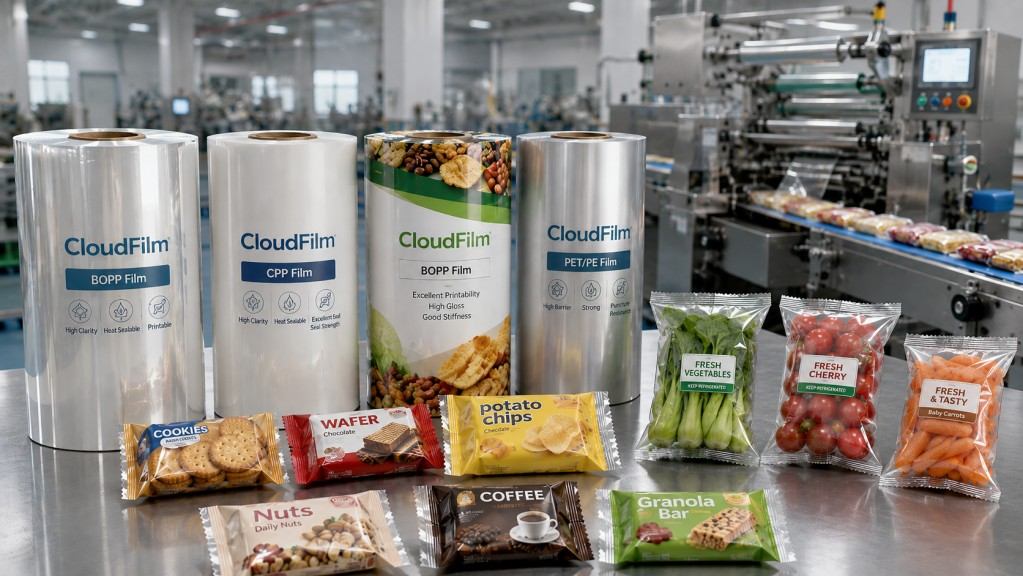
What Is Flow Packaging?
Flow packaging, also called flow wrap packaging, flow pack packaging, horizontal flow wrapping, or pillow pack packaging, is a packaging process where a product moves horizontally through a machine and is wrapped by flexible film from a roll. The film is formed around the product, sealed along the back or bottom, sealed at both ends, and cut into individual packs.
The final package is usually a pillow-shaped pack with three main seals: one longitudinal seal and two end seals. It is widely used because it is fast, efficient, suitable for many product shapes, and compatible with printed or transparent films.
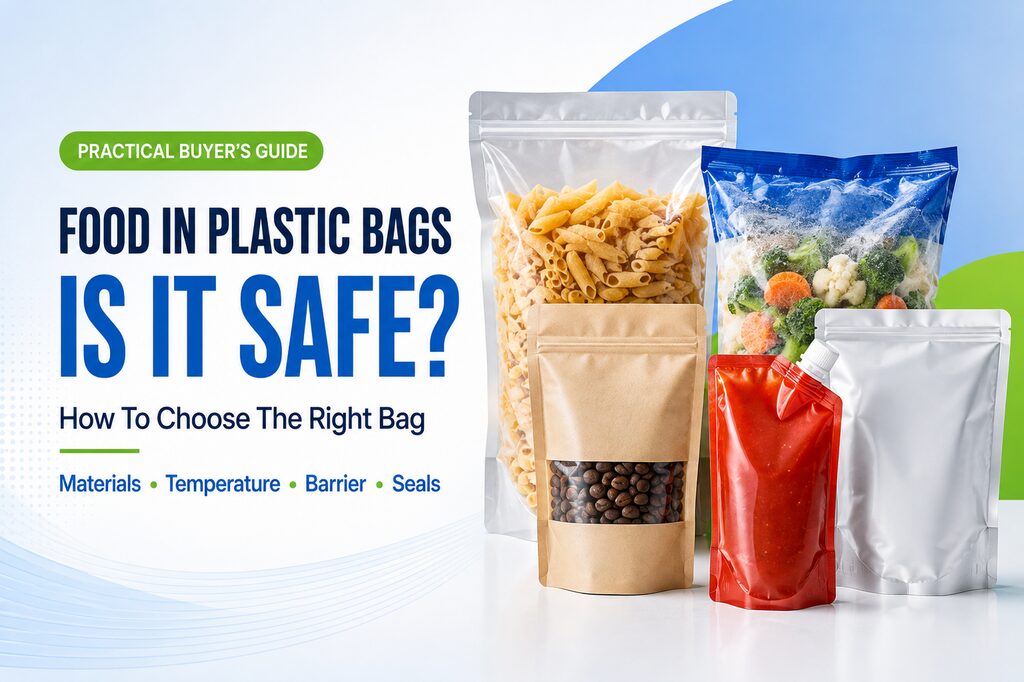
Common products packed by flow packaging include biscuits, cookies, chocolate bars, bread, cakes, instant noodles, fresh vegetables, salad, meat products, frozen foods, wet wipes, masks, soap, medical items, hardware parts, and daily-use goods.
For buyers, the film is not a simple consumable. It is part of the whole packing system. The wrong film can increase waste, reduce packing speed, damage product appearance, and create sealing complaints after shipment.
Why Flow Packaging Film Matters
A flow pack line needs a film that can balance several properties at the same time. The film must be strong enough to resist tearing during forming and pulling. It must have suitable stiffness to pass through the forming box. It must have controlled coefficient of friction so it can move smoothly without slipping too much or blocking. It must also seal well under the machine’s real temperature, pressure, dwell time, and speed.
For food packaging, the film also needs to protect product freshness. Dry snacks may need moisture barrier. Fresh produce may need clarity and anti-fog performance. Frozen foods may need puncture resistance and cold-temperature durability. Coffee, tea, nuts, and seasoning products may need aroma and oxygen barrier.
That is why professional buyers often ask for more than “flow packaging film price.” They usually need a structure recommendation based on product type, packing speed, shelf-life target, sealing method, storage condition, and market requirements.
Common Flow Packaging Film Materials
Different films are used in flow packaging depending on the product, machine type, and performance target. The most common materials include BOPP, CPP, PET, PE and laminated barrier films.
BOPP Film For Flow Packaging
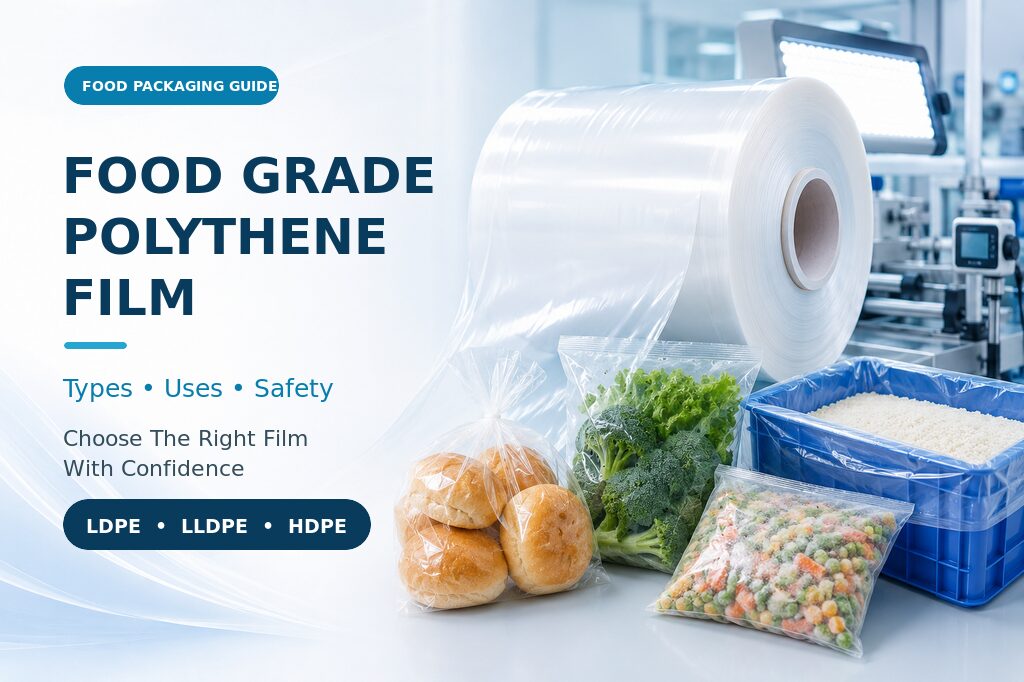
BOPP film is widely used in flow pack applications because it offers high clarity, good gloss, good stiffness, excellent print appearance, and efficient material cost. It is suitable for snacks, bakery products, confectionery, tissue packs, straws, masks, stationery, and many lightweight consumer goods.
When the film needs to be sealed directly on the flow wrapping machine, buyers should choose heat sealable BOPP film instead of ordinary non-heat-sealable BOPP. Heat sealable BOPP is designed with a sealing layer that can form reliable seals under suitable machine conditions.
Typical BOPP flow packaging uses include biscuit packs, candy packs, snack bar packs, bread overwrap, tissue overwrap, and clear retail packs. For printed packaging, BOPP can also be used as the outer printing web in laminated structures.
CPP Film For Flow Packaging
CPP film is a cast polypropylene film with good heat sealing performance, moisture resistance, softness, and good clarity. It is often used as a sealant layer in laminated flow pack structures, such as BOPP/CPP, PET/CPP, or metallized film/CPP.
For simple packaging, clear CPP film can be used for food, garment, stationery and general packaging. It is especially useful when the pack needs strong sealing, soft hand feel, and good moisture protection.
CPP is often selected when buyers need better sealing strength than single BOPP, or when the package must reduce leakage risk on high-speed flow wrapping lines.
Anti-Fog Film For Fresh Produce And Chilled Food
Fresh vegetables, fruit, salad, mushrooms, chilled meat, bakery products and ready-to-eat food often release moisture inside the pack. Without anti-fog performance, water droplets may form on the inner film surface, making the product look unclear or less fresh.
For these applications, BOPP anti fog film is a practical choice when the buyer needs high clarity, shelf appeal, and direct sealing performance. It is commonly used for fresh produce, salad, bakery and chilled display packaging.
For some applications requiring stronger sealing or a CPP-based structure, CPP anti fog film can also be considered. The final choice depends on product moisture, packing temperature, sealing strength, roll width, shelf-life target, and the customer’s packing machine.

PET/PE And PET/CPP Laminated Films
Some products need more strength, better printability, stronger barrier, or improved puncture resistance. In these cases, laminated structures are usually better than a single-layer film.
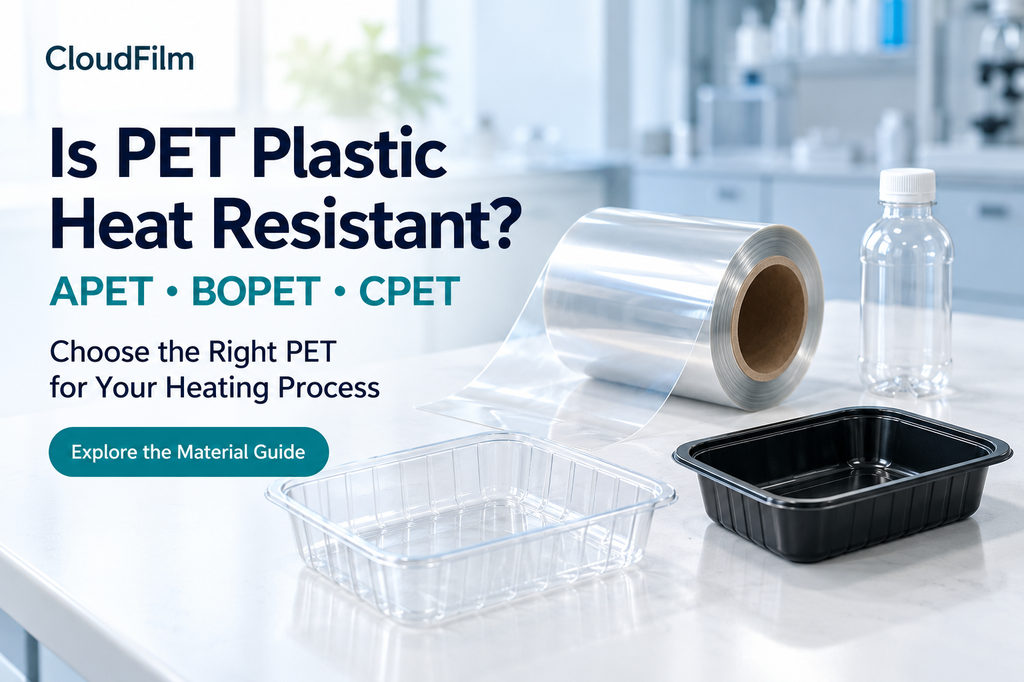
PET/PE film combines the clarity, gloss and dimensional stability of PET with the strong sealing performance of PE. It is often used for snacks, powdered products, frozen food, medical packaging and industrial packaging.
PET/CPP film combines a PET outer layer with a heat-sealable CPP inner layer. It can be used for dry foods, sauces, retort packs, medical devices and technical products when the structure requires printability, strength, barrier and reliable sealing.
These laminated films are suitable for buyers who need a more engineered package instead of a simple overwrap film. They can support reverse printing, lamination, stable sealing, and better protection during transportation.
Metallized And High-Barrier Films
Products such as chips, nuts, coffee, tea, powdered drinks, seasoning, chocolate and aroma-sensitive foods often need higher barrier against oxygen, moisture, light or aroma loss. For these products, buyers may consider metallized films or transparent high-barrier structures.
Metallized BOPP, metallized PET and metallized CPP can improve barrier performance and give a bright metallic appearance. These films are often used in snack packaging, tea packaging, coffee packaging, confectionery packaging and other applications where shelf life and appearance are both important.
For products that need high barrier while still showing the product inside, transparent barrier films such as ALOx PET may be used in laminated structures. The best structure should be selected according to barrier target, product sensitivity, printing design and sealing layer requirements.
How To Choose The Right Flow Packaging Film
Choosing the right flow packaging film requires more than checking thickness and price. The buyer should evaluate the full packing condition.
1. Product Type
The first question is always: what product will be packed?
Dry biscuits, oily snacks, wet vegetables, frozen food, bakery products, medical items and hardware parts all need different films. A dry snack may focus on moisture barrier and print appearance. A salad pack may need anti-fog performance. A frozen product may need puncture resistance and low-temperature toughness.
2. Packing Machine Type
Most flow packaging uses horizontal form-fill-seal machines, but each machine has different speed, sealing jaw design, forming box size, film path, and temperature control. A film that runs well on one machine may need adjustment on another machine.
Before bulk production, trial rolls are useful. They help check sealing window, cutting quality, tracking, film tension, wrinkles, static, and real machine speed.
3. Sealing Requirement
Sealing is one of the most important performance points. The buyer should confirm whether the structure needs direct heat sealing, cold sealing, lap sealing, fin sealing, or special easy-open performance.
For direct heat sealing, heat sealable BOPP, CPP, PE, or laminated sealant layers are commonly used. The seal should be strong enough to protect the product but not so aggressive that it damages easy opening.
4. Barrier Requirement
Not every product needs high barrier. Some short-shelf-life bakery products may only need a clear and printable film. However, nuts, coffee, tea, powdered foods, chips and aroma-sensitive products often need stronger oxygen and moisture barrier.
The buyer should define the required shelf life, storage temperature, distribution distance and packaging format before selecting the film.
5. Film Thickness And Stiffness
Film thickness affects cost, stiffness, machinability, protection and final pack feel. A thinner film may reduce cost, but it may cause wrinkles, poor stiffness or lower puncture resistance. A thicker film may improve appearance and strength, but it may increase material cost and affect sealing conditions.
The right thickness should be chosen based on pack size, product weight, machine speed and brand positioning.
6. Printing And Appearance
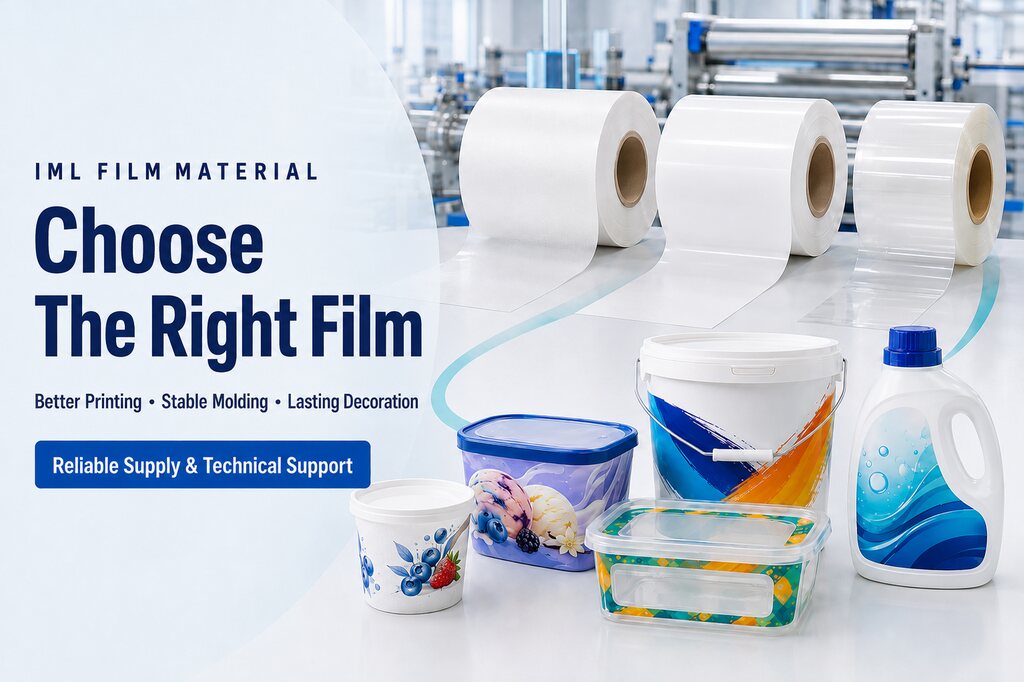
Many flow packs are used directly on retail shelves. For printed packaging, the outer layer must support good ink adhesion, stable registration, clear graphics and consistent surface treatment.
For clear packaging, the film should have high transparency, low haze and good gloss. For premium snacks or high-barrier products, metallized appearance or matte finish may be selected.
CloudFilm can also support buyers who need BOPP printing film for flexible packaging and labels, especially where print quality and dimensional stability are important.
Suggested Image 3 – Insert After Material Selection Section
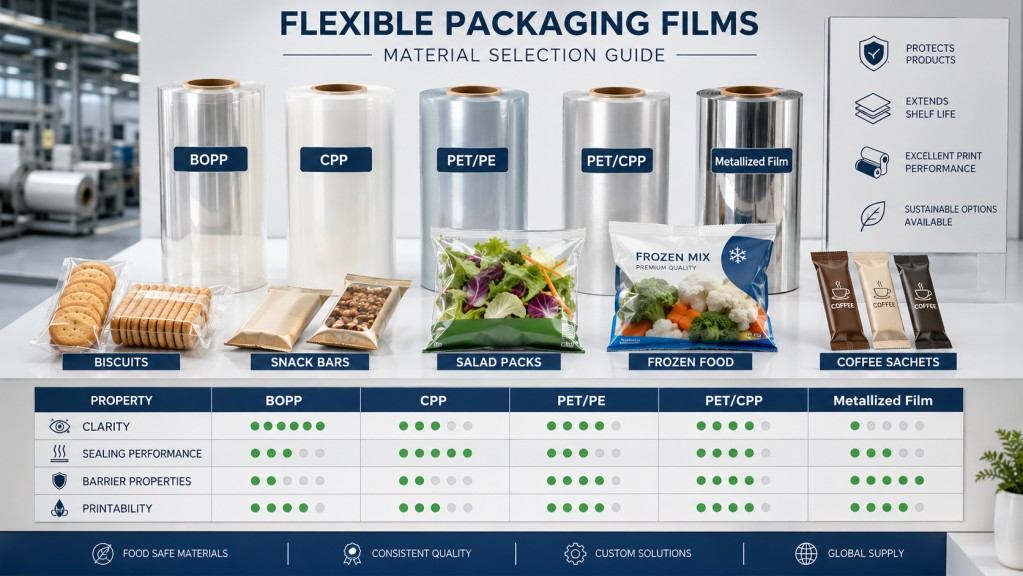
Recommended Film Structures For Common Flow Pack Applications
The following structure ideas can help buyers start the selection process. Final specifications should be confirmed by product testing, machine trials and regulatory requirements.
Biscuits, Cookies And Crackers
Common options include heat sealable BOPP, BOPP/CPP, BOPP/PE and metallized structures for higher barrier. Buyers usually care about stiffness, clear printing, moisture protection and fast packing speed.
Bread, Cakes And Bakery Products
Bakery packaging often needs clarity, soft touch, suitable sealing and good product display. Heat sealable BOPP, CPP and BOPP/CPP structures are commonly considered. For chilled bakery products, anti-fog performance may be needed.
Fresh Vegetables, Salad And Mushrooms
These products often need high clarity, anti-fog performance and suitable permeability. BOPP anti-fog film or CPP anti-fog film can help maintain clear visibility in cold display conditions.
Frozen Food
Frozen food packaging may require PET/PE, PET/CPP, PA/PE or other laminated structures depending on weight, puncture risk, sealing condition and cold-chain handling.
Snacks, Nuts And Coffee
For products sensitive to moisture, oxygen, light or aroma loss, metallized BOPP, metallized PET, metallized CPP, PET/PE or other high-barrier laminated films may be selected.
Medical, Hygiene And Daily-Use Products
Masks, wipes, soap, disposable items and small medical accessories may use heat sealable BOPP, CPP, PE or laminated films. Buyers normally focus on cleanliness, sealing, clarity, printability and stable roll quality.
What Information Should Buyers Provide For A Quotation?
To receive an accurate quotation and a suitable film recommendation, buyers should prepare the following details:
- Product to be packed
- Pack size and target roll width
- Film thickness or current structure
- Required printing or plain film
- Sealing type and machine model
- Packing speed
- Core size and roll diameter
- Annual or monthly quantity
- Destination port or delivery term
- Food-contact or market compliance requirement
- Sample or trial roll requirement
If the current film has problems, buyers should also share the issue clearly. For example: poor sealing, film breakage, wrinkles, blocking, high static, fogging, weak barrier, poor printing, cutting problem or unstable tracking.
The more details a buyer provides, the easier it is for the film supplier to recommend a practical solution.
Why Work With A Flow Packaging Film Manufacturer And Supplier?
A professional flow packaging film manufacturer should not only offer a price per kilogram. Buyers need stable roll quality, consistent thickness, controlled friction, reliable sealing, proper winding, correct corona treatment, suitable packaging, and export-ready documentation.
CloudFilm supplies flexible packaging films for food, industrial and consumer packaging applications. For buyers who need a broader material selection, food packaging film solutions can include BOPP, BOPET, CPP, PE and high-barrier structures for different shelf-life and packing requirements.
For buyers comparing multiple film options, clear plastic film can also be a useful starting point when clarity, roll specification, material selection and packaging application must be matched together.
A reliable supplier can support sample testing, trial rolls, custom thickness, custom width, different core sizes, export packing, and technical communication before mass production.
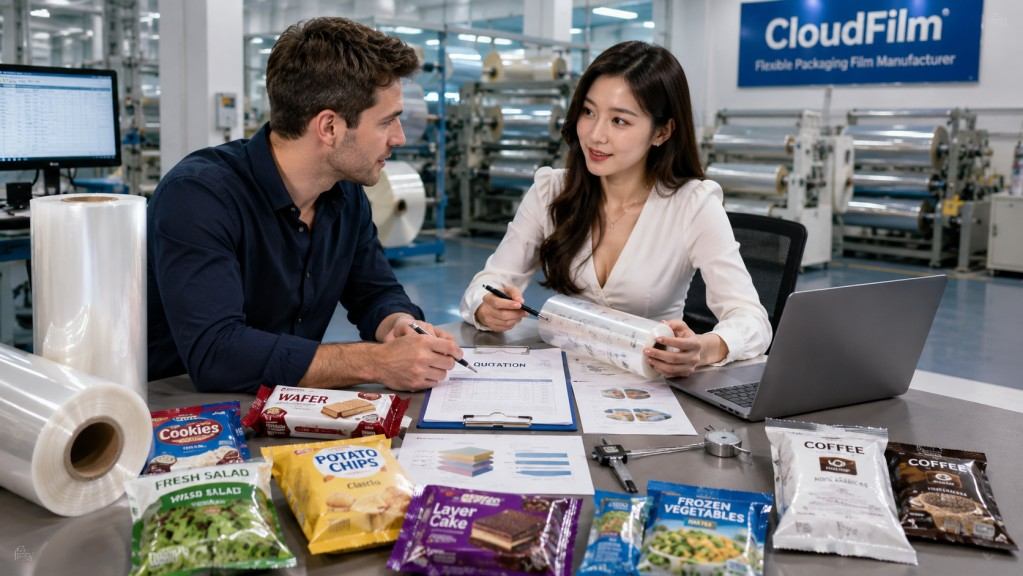
Quality Points To Check Before Bulk Orders
Before confirming a bulk order, buyers should evaluate several key points.
First, check the sealing performance under real machine conditions. Laboratory data is useful, but machine speed, jaw pressure, dwell time and packing environment can change the result.
Second, confirm film thickness tolerance and roll profile. Uneven film may cause wrinkles, poor forming, unstable tracking and sealing defects.
Third, test coefficient of friction. If COF is too high, the film may not run smoothly. If COF is too low, it may slip or create registration problems.
Fourth, check corona treatment and printing suitability. For printed packaging, surface energy must be suitable for ink adhesion and lamination.
Fifth, confirm roll winding quality. Poor winding, telescoping, wrinkles, loose edges or damaged roll edges can create serious line stoppages.
Sixth, confirm food-contact documents, certificates and test reports based on the destination market.
Sample Testing And Trial Roll Suggestions
For a new project, it is better to test the film before ordering full containers. A4 sheets can help evaluate appearance, clarity and hand feel, but they cannot fully prove machine performance.
For flow packaging, roll samples or trial rolls are more useful because buyers can test sealing, tracking, cutting, static, wrinkles and actual machine speed.
During the trial, buyers should record sealing temperature, machine speed, product weight, film width, pack length, sealing pressure and any defects. This information helps the supplier adjust film grade, thickness, slip level, sealing layer or structure.
Common Mistakes When Buying Flow Packaging Film
One common mistake is choosing film only by price. A cheaper film may create higher waste, lower speed, more rejected packs and more customer complaints.
Another mistake is using ordinary BOPP when direct heat sealing is required. If the film is not designed for sealing, the pack may fail even when the machine temperature is increased.
A third mistake is ignoring product moisture. Fresh produce and chilled products may look poor on shelf if the film does not have anti-fog performance.
A fourth mistake is not testing the film on the actual machine. Small changes in speed, sealing jaw condition or forming box can affect the final result.
A fifth mistake is ordering bulk film without confirming roll width, winding direction, core size and roll diameter. These details directly affect machine loading and production efficiency.
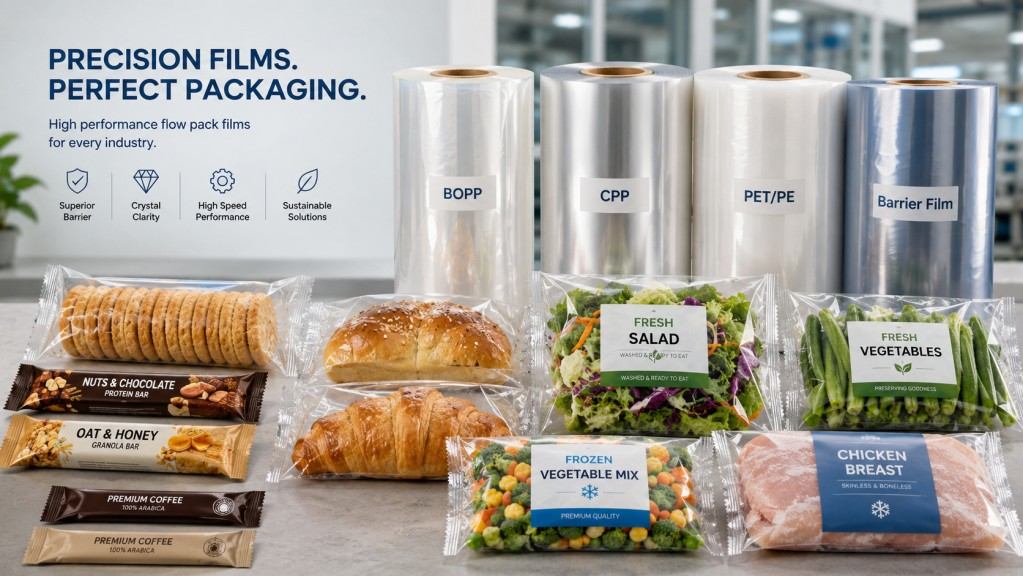
FAQ About Flow Packaging Film
1. What is flow packaging film?
Flow packaging film is a flexible roll film used on horizontal flow wrapping machines to form pillow packs or flow packs. It wraps the product, forms a longitudinal seal, seals both ends, and creates individual packages.
2. What is the best film for flow packaging?
There is no single best film for all products. Heat sealable BOPP, CPP, PET/PE, PET/CPP, PE and metallized films can all be used depending on product type, sealing needs, barrier target and machine speed.
3. Can BOPP film be used for flow wrapping?
Yes. BOPP film is widely used for flow wrapping, especially for snacks, bakery products, confectionery, tissue packs and light consumer goods. If direct sealing is required, heat sealable BOPP should be selected.
4. Is CPP film suitable for flow pack packaging?
Yes. CPP film is suitable for flow pack packaging, especially when strong heat sealing and moisture resistance are required. It can be used alone or as the sealant layer in laminated films.
5. Which film is better for fresh produce flow packaging?
Fresh produce often needs clear anti-fog film. BOPP anti-fog film or CPP anti-fog film can be selected depending on sealing strength, clarity, product moisture and packing machine conditions.
6. What film should be used for high-barrier snack packaging?
High-barrier snack packaging often uses metallized BOPP, metallized PET, metallized CPP, PET/PE, BOPP/CPP or other laminated films. The right structure depends on shelf life, oxygen barrier, moisture barrier and printing needs.
7. What thickness is common for flow packaging film?
Common thickness depends on material and application. BOPP films may be around 15–40 microns, CPP films may be around 20–60 microns, and laminated structures may be thicker depending on barrier and strength requirements.
8. Can flow packaging film be printed?
Yes. Flow packaging films can be printed by gravure or flexographic printing. BOPP and PET are commonly used as printing layers because they offer good clarity, gloss and dimensional stability.
9. Do I need a laminated film or a single-layer film?
A single-layer film may be enough for simple overwrap or short shelf-life products. Laminated film is better when the product needs stronger sealing, higher barrier, better puncture resistance or premium printing.
10. Why does my flow pack film not seal well?
Possible reasons include wrong film grade, low sealing temperature, insufficient pressure, short dwell time, contaminated sealing area, high machine speed, poor film thickness control or unsuitable sealing layer.
11. Why does the film wrinkle on my flow wrapping machine?
Wrinkles may come from poor roll winding, wrong film tension, uneven thickness, incorrect forming box setting, poor tracking, static, unsuitable stiffness or machine adjustment problems.
12. What information is needed to get a flow packaging film quote?
Buyers should provide product type, pack size, film width, thickness, material structure, printing requirement, machine speed, sealing type, roll diameter, core size, quantity and destination.
13. Can I get sample rolls before bulk order?
Yes. Sample rolls or trial rolls are recommended for new projects because they allow buyers to test real machine performance before confirming bulk production.
14. Can one supplier provide different flow packaging films?
Yes. A broad film supplier can provide BOPP, CPP, PET, PE and laminated films, helping buyers compare different structures and reduce communication cost.
15. How do I choose a flow packaging film manufacturer?
Choose a manufacturer or supplier with stable quality, application knowledge, custom roll capability, technical communication, export experience, sample support and clear documentation.
Conclusion
Flow packaging is efficient, versatile and widely used, but the final packaging quality depends strongly on the film. For buyers, the right film can improve line speed, reduce waste, strengthen seals, protect shelf life and improve retail appearance.
Whether you need heat sealable BOPP, CPP, anti-fog film, PET/PE, PET/CPP, metallized film or custom laminated roll film, the best choice should start from your product, machine and shelf-life target.
If you are sourcing flow packaging film for food, snacks, bakery, fresh produce, frozen food or daily-use products, prepare your product details, roll specifications and packing conditions before requesting a quotation. This will help the supplier recommend a film that works in real production, not only on paper.
For custom flow packaging film solutions, CloudFilm can support material selection, sample testing, custom roll width, technical communication and export-ready supply for overseas buyers.