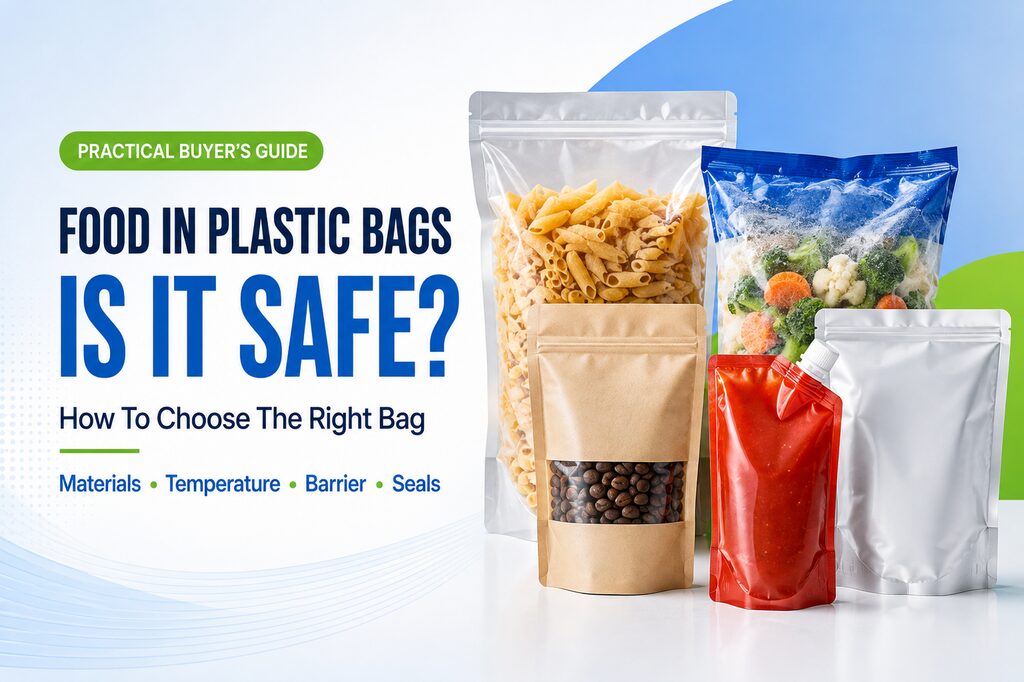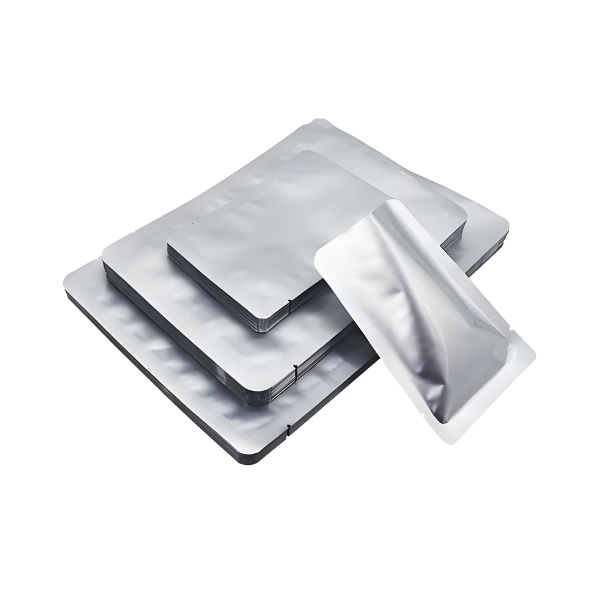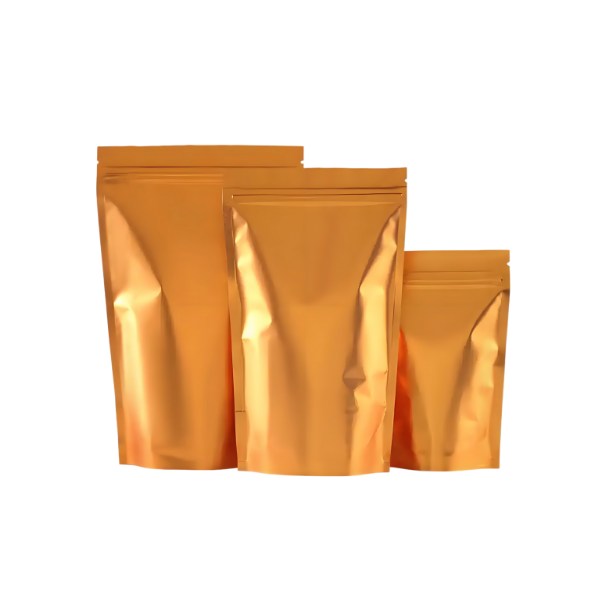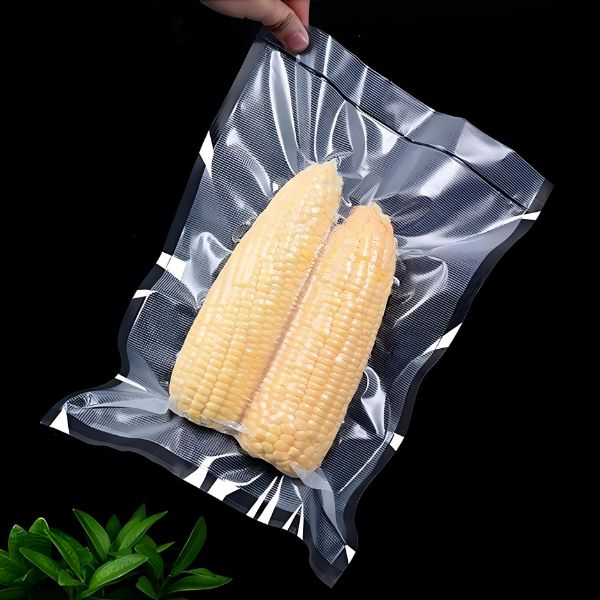
Food in plastic bags can be safe when the complete bag is designed for food contact, legally suitable for the destination market, and used within its stated temperature, time, and food-type conditions.
The word “plastic” covers many polymers, additives, inks, adhesives, and multilayer structures. A bag suitable for dry cereal at room temperature may be unsuitable for oily sauce, hot filling, microwaving, boiling, or retort sterilization.
Safety is therefore not decided by appearance, thickness, a recycling code, or a “BPA-free” claim alone. It depends on intended use, regulatory status, migration performance, manufacturing control, seal integrity, storage, and correct consumer handling.
For a broader introduction to formats and material roles, see the flexible food packaging guide. This article focuses on the practical question: which bag is appropriate for a specific food and process?
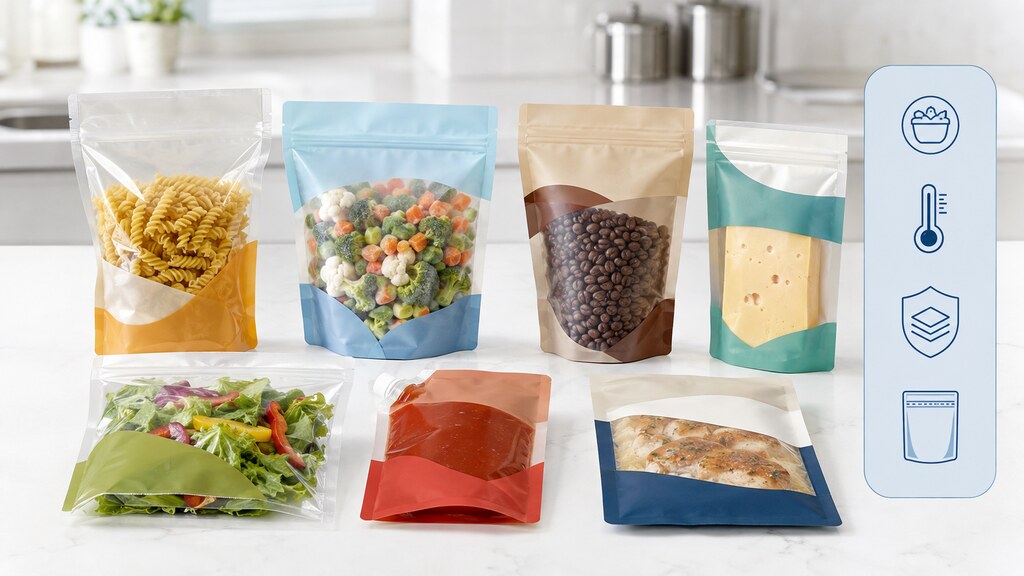
Quick Answer: When Is a Plastic Food Bag Safe?
| Question | Practical Answer |
| Can plastic bags safely touch food? | Yes, when the complete bag is compliant and suitable for the intended food, temperature, contact time, and processing conditions. |
| Is every clear bag food-safe? | No. Clarity does not establish composition, cleanliness, regulatory status, or intended use. |
| Can one bag handle every food? | No. Fat, acid, moisture, oxygen sensitivity, sharp edges, filling method, and shelf life change the required structure. |
| Can any bag be heated? | No. Use only a bag specifically validated and instructed for the exact microwave, hot-fill, boil, sous-vide, pasteurization, or retort condition. |
| What should buyers verify? | Compliance documents, material structure, migration basis, barrier, seal performance, manufacturing controls, traceability, and production trials. |
A safe decision is application-specific. The supplier should know what will be packed, how it is filled, the maximum and minimum temperatures, expected shelf life, distribution route, and the countries where the package will be sold.
Consumers should follow the package instructions. Businesses should validate the finished bag, not merely assume that an individual resin or film is appropriate after printing, lamination, adhesive application, pouch making, filling, and transport.
What “Food-Safe Plastic Bag” Really Means
The Bag Must Be Intended for Food Contact
A shopping bag, waste liner, garment bag, or industrial pouch may look similar to a food bag. That similarity does not show that its resin, additives, colorants, recycled content, cleanliness, or manufacturing controls are suitable for food contact.
Choose packaging supplied for the named food-contact use. Ask which regulations or authorizations support that use and whether limitations apply to food type, temperature, duration, repeated use, or direct versus indirect contact.
The Entire Construction Matters
A finished bag can include sealant film, printed film, barrier layers, tie resins, coatings, adhesive, ink, primer, zipper, valve, and spout. Every relevant component and interface must be suitable for its position and foreseeable exposure.
Printing should normally remain on the outside or be trapped inside a laminate. Good design and curing reduce set-off, odor, residual solvent, delamination, and unintended contact when bags are stacked, rolled, filled, or opened.
Migration Is Evaluated for Intended Conditions
Small amounts of packaging constituents can transfer into food. Suitability is assessed using applicable compositional rules, migration limits, authorized-use conditions, testing, calculations, and supporting declarations for the relevant market.
Migration potential can change with heat, time, food chemistry, layer thickness, surface-area ratio, and barrier effectiveness. Fatty foods can present different challenges from dry foods, while acidic, alcoholic, or aqueous foods may require different test conditions.
Safety Also Requires Hygienic Use
A compliant bag cannot correct unsafe food handling. Clean filling, sound seals, controlled storage temperatures, suitable shelf life, separation of raw and ready-to-eat foods, and protection from pests or physical damage remain essential.
The plastic bags market and material guide can help purchasing teams distinguish common bag families before they request the application-specific evidence needed for food use.
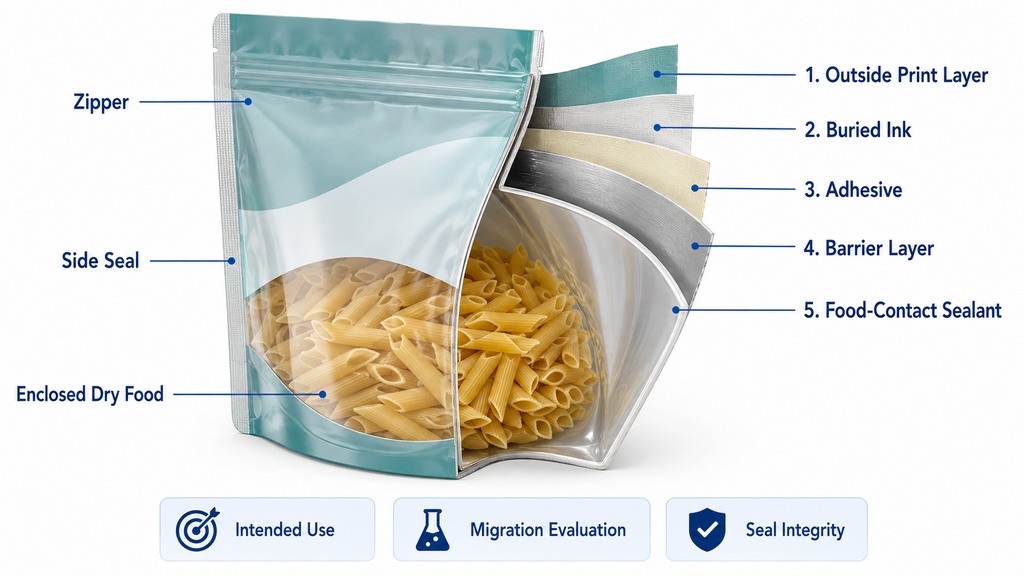
Common Plastic Materials Used in Food Bags
Material names describe useful starting points, not automatic approval for every application. Grades, additives, coatings, thickness, orientation, treatment, conversion, and intended-use limitations can change performance within the same polymer family.
| Material | Typical Role | Common Applications | Important Limit |
| LDPE / LLDPE | Flexible sealing, moisture resistance, toughness | Bread, produce, frozen food, liners, inner seal layers | Barrier and heat capability depend on grade and structure |
| HDPE | Stiffer, thin-gauge bag with moisture resistance | Produce bags, bakery bags, retail food handling | Not automatically suitable for heating or long shelf life |
| PP / CPP / BOPP | Clarity, stiffness, moisture barrier, heat sealing | Snacks, confectionery, bakery, dry food | Oxygen barrier may need coatings or another layer |
| PET / BOPET | Print surface, stiffness, heat resistance, aroma support | Laminated pouches, lidding, high-quality printed packs | Usually needs a separate food-contact sealant layer |
| PA / Nylon | Puncture resistance and gas barrier | Vacuum meat, cheese, seafood, thermoforming | Moisture can influence barrier and dimensional behavior |
| EVOH | Very strong oxygen barrier within a multilayer structure | Vacuum, MAP, sauces, meat, dairy, extended shelf life | Barrier is protected by surrounding moisture-resistant layers |
| Aluminum Foil | Very high light, oxygen, and moisture barrier | Coffee, sensitive powders, retort and long-life foods | Opaque and often part of a mixed-material laminate |
Polyethylene for Flexible Sealing and Cold Use
PE is widely used because it seals well, resists moisture, and remains flexible. Properly specified PE pouches can suit bread, produce, frozen items, dry ingredients, liners, and mono-material concepts.
PE is not one universal grade. Density, comonomer, slip, antiblock, sealing range, thickness, and low-temperature impact influence the result. A general-purpose PE bag should not be assumed suitable for hot filling or cooking.
Polypropylene for Clear and Crisp Packs
BOPP and CPP are common in snack, bakery, noodle, confectionery, and dry-food packaging. BOPP contributes clarity, gloss, stiffness, and printability, while CPP or another sealant can provide the heat-seal interface.
Ready-made BOPP pouches can be useful for products needing attractive clarity and moisture protection. Oxygen-sensitive or long-life products may still need a coating, metallized layer, EVOH, foil, or another barrier solution.
Polyester as an Outer Performance Layer
BOPET is often used outside a laminate because it prints cleanly, adds stiffness, resists scuffing, and tolerates more heat than many sealant layers. The inner layer, not the printed BOPET surface, commonly forms the direct food-contact seal.
Polyamide for Tough Vacuum Packaging
PA provides puncture resistance and useful oxygen barrier, making PA/PE film relevant for meat, cheese, seafood, vacuum pouches, and thermoforming. Bone edges, deep draw, freezing, and seal contamination still require validation.
EVOH and Foil for Demanding Barrier Needs
An EVOH layer can sharply reduce oxygen entry when protected within a suitable coextrusion or laminate. EVOH bags may support chilled meat, cheese, sauces, liquid food, vacuum packing, or modified-atmosphere applications.
Foil can provide exceptionally strong light and gas protection, but it prevents product visibility and complicates some recycling pathways. Pinholes, flex cracking, sealing design, and laminate integrity must be managed in thin flexible structures.
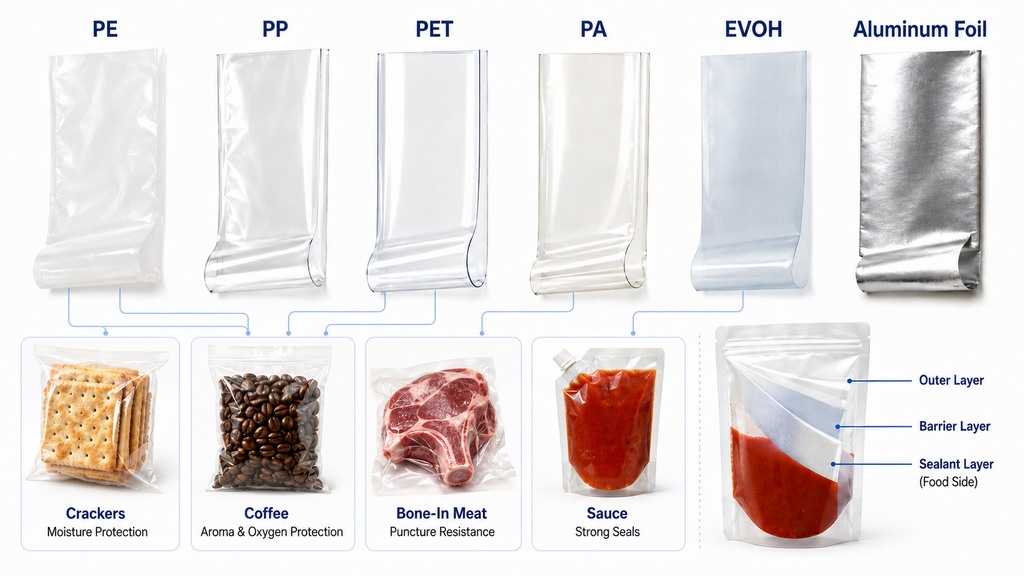
How to Match a Bag to the Food
Dry Foods, Powders, Rice, and Cereals
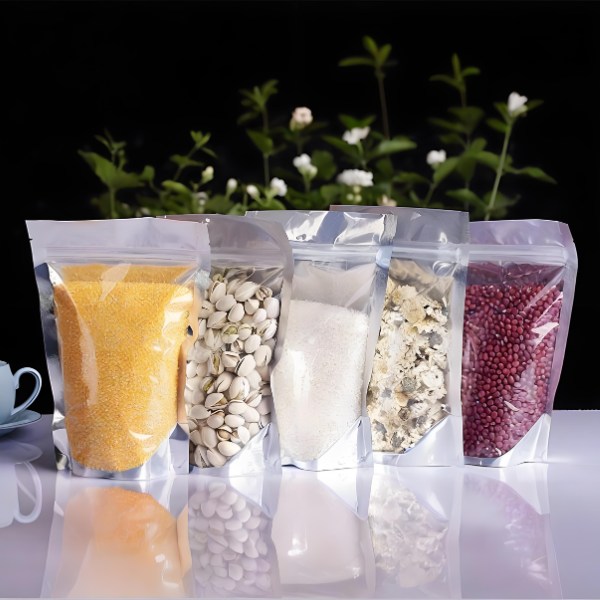
Dry products mainly need protection from humidity, insects, contamination, aroma transfer, and seal failure. Product oils, sharp particles, pack weight, and export duration determine whether a simple poly bag or stronger laminate is appropriate.
The dry food packaging guide explains how moisture barrier, closures, package size, and shelf life interact for grains, powders, pasta, nuts, and similar products.
Snacks, Coffee, Tea, and Aroma-Sensitive Foods
Crunchy snacks need moisture control and reliable seals. Coffee, tea, spices, nuts, and fatty snacks may also need oxygen, aroma, and light protection. Degassing valves or reclosures should be selected only when the product and consumer use justify them.
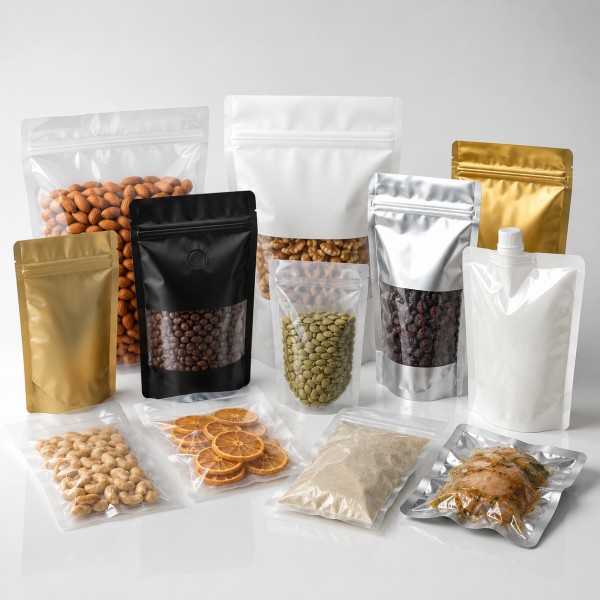
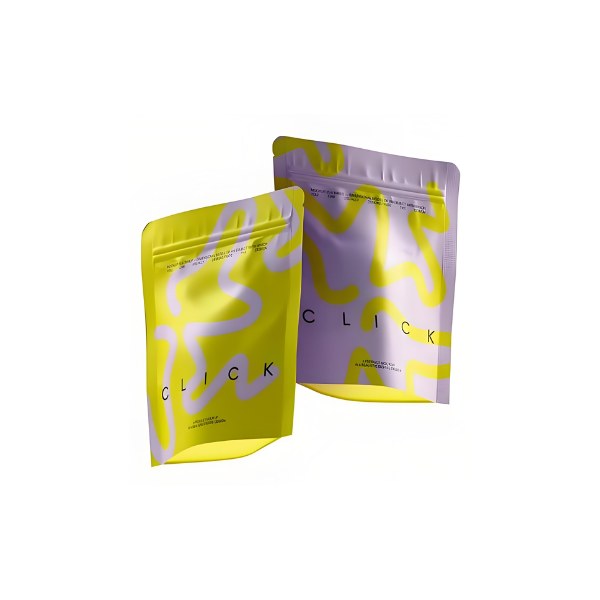
A well-designed stand-up pouch can combine barrier, a zipper, shelf display, and printable area. The film structure must still be matched to the product’s oil content, target shelf life, and distribution climate.
Fresh Produce and Bakery Products
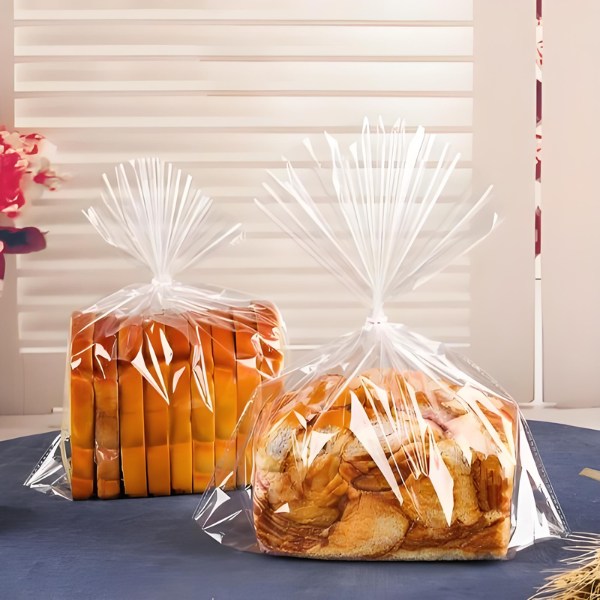
Fresh produce may require controlled ventilation or respiration rather than the highest possible barrier. Bread may need moisture retention, while crisp baked goods need moisture exclusion. Perforation size, seal pattern, fogging, and condensation should be tested.
Frozen Foods
Frozen-food bags need low-temperature toughness, dependable seals, and resistance to puncture, abrasion, and freezer handling. Moisture-vapor control and minimal trapped air can help reduce dehydration and ice buildup, but packaging does not replace stable freezing conditions.
Fresh Meat, Seafood, Cheese, and Vacuum Packs
These foods may need oxygen barrier, puncture resistance, strong contaminated seals, vacuum durability, and controlled refrigeration. The package must withstand bones, sharp shells, product juices, transport vibration, and the intended pasteurization or freezing process.
Sauces, Purees, Beverages, and Other Liquids
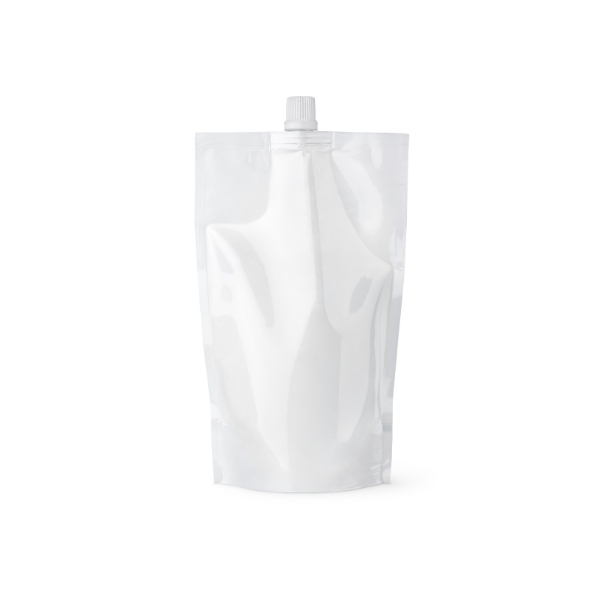
Liquid bags require strong seals, flex-crack resistance, compatible fitments, controlled headspace, and a structure that resists the product’s oil, acid, salt, or aroma. Spout pouches can add clean pouring and reclosure.
Ready Meals and Shelf-Stable Foods
Ready meals may be chilled, frozen, hot-filled, pasteurized, or retorted. Those processes are not interchangeable. The bag, sealant, ink, adhesive, fitment, and closure must survive the specified thermal cycle and subsequent distribution.
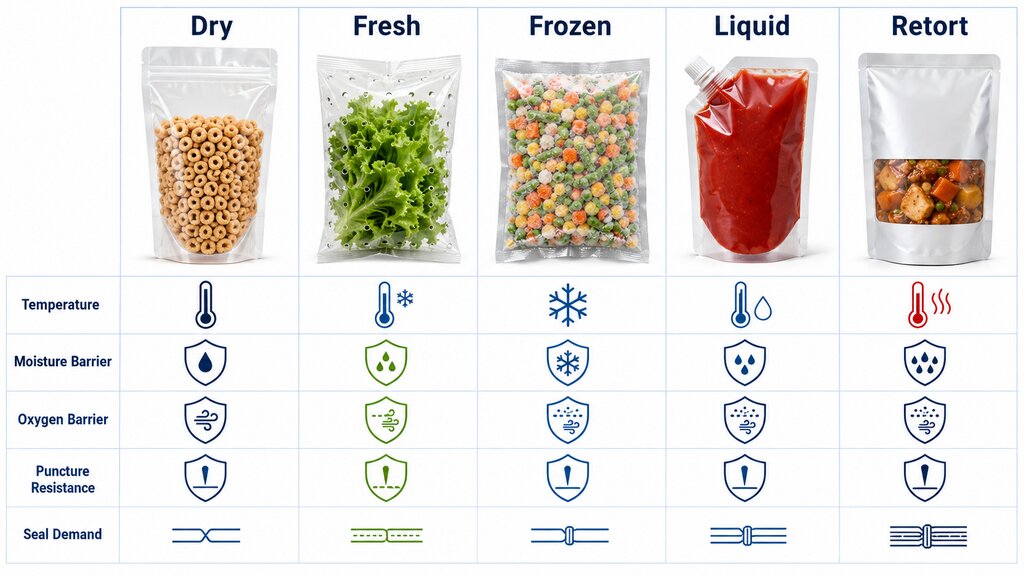
Temperature Changes the Safety Decision
Room Temperature, Refrigeration, and Freezing
A bag qualified for ambient storage may not remain tough in a freezer. A freezer bag may not provide the oxygen barrier needed for months of storage. Confirm the full temperature range, including filling, blast freezing, thawing, transport, and consumer use.
Hot Filling and Pasteurization
Hot product can soften a sealant, distort a pouch, increase migration, or weaken an adhesive. Specify the actual product temperature, dwell time, cooling method, pouch orientation, headspace, and whether heat reaches the zipper or fitment.
Microwave Heating
Do not microwave food in an ordinary storage or retail bag. Use only packaging expressly designed and instructed for microwave use, vent it as directed, avoid overheating, and consider that oily or sugary areas can become especially hot.
Boiling and Sous-Vide Cooking
A boilable or sous-vide bag needs documented time-and-temperature suitability, dependable seals, and compatibility with the exact food. Vacuum capability alone does not prove cooking suitability, and a household zipper bag should not be treated as universally boil-safe.
Retort Sterilization
Retort processing exposes a filled package to high temperature and pressure. Purpose-built retort pouches use qualified layers and seal systems that must be validated with the product, process authority, equipment, and distribution plan.
The retort pouch advantages and limitations guide provides more detail about structures, handling, shelf-life goals, and the risks of treating retort packaging like an ordinary heat-sealed bag.
When a Plastic Bag Is Unsafe or Unsuitable
It Has No Clear Food-Contact Intended Use
Do not place unpackaged food directly in trash liners, shopping bags, dry-cleaning bags, shipping mailers, or unknown industrial bags. Their composition, recycled feedstock, additives, printing, cleanliness, and use limitations may not be controlled for food.
It Is Used Beyond Its Temperature Rating
Heating, boiling, baking, or microwaving an unrated bag can deform the material, weaken seals, cause leaks, or increase transfer of constituents. Freezing an unsuitable bag can make it brittle and vulnerable to cracks or punctures.
It Is Damaged, Dirty, or Degraded
Discard bags with torn seals, holes, heavy scratches, delamination, sticky surfaces, melted areas, unexplained discoloration, embedded debris, or persistent off-odors. These signs may indicate contamination, poor conversion, storage damage, or chemical incompatibility.
It Is Reused Without Being Designed for Reuse
Single-use bags can retain grease, allergens, raw-food juices, odors, or microorganisms in folds and closures. Reuse also introduces scratching and heat history. Only reuse a bag when its instructions allow it and it can be cleaned effectively.
The Seal or Package Design Cannot Protect the Food
A legally compliant film can still be unsuitable if the finished bag leaks, bursts, admits too much oxygen or moisture, traps unsafe pressure, punctures during transport, or fails to maintain the conditions assumed by the product’s shelf-life study.
How Businesses Should Choose Food Packaging Bags
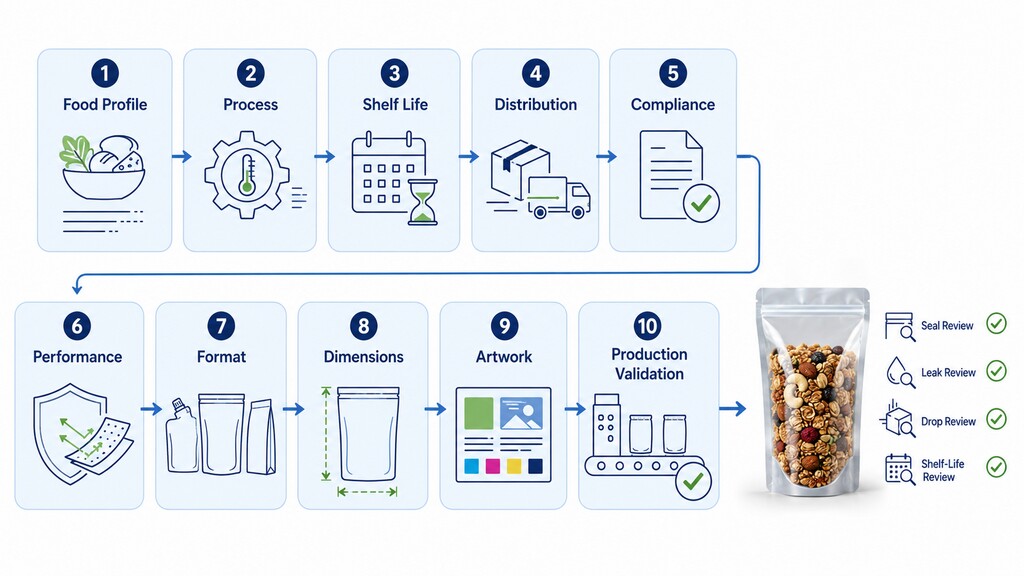
A reliable specification begins with the food and process, then works outward to material, format, dimensions, printing, testing, and supply. Choosing a familiar film first can create expensive compromises later.
- Define the food: ingredients, fat, acid, salt, alcohol, water activity, aroma sensitivity, particle shape, weight, and allergen concerns.
- Define the process: filling temperature, sealing method, vacuum or gas flushing, pasteurization, freezing, thawing, microwaving, boiling, or retort cycle.
- Define shelf life: target duration, acceptable quality limits, headspace, storage temperature, humidity, light exposure, and anticipated consumer opening pattern.
- Define distribution: local or export route, altitude, pallet pattern, carton compression, vibration, drops, cold chain, warehouse climate, and retail display.
- Define compliance markets: destination countries, customer standards, restricted-substance expectations, declarations, traceability, language, and labeling responsibilities.
- Set measurable performance: oxygen and moisture transmission, seal strength, hot tack, coefficient of friction, puncture, drop, burst, dimensional, and optical limits.
- Select the format: rollstock, pillow bag, three-side-seal pouch, stand-up pouch, flat-bottom pouch, vacuum pouch, spout pouch, or retort pouch.
- Fix dimensions and features: fill volume, headspace, gusset, zipper, valve, spout, tear notch, hang hole, seal width, corner radius, and coding area.
- Review artwork and conversion: ink system, print location, adhesive, curing, laminate aging, slitting, pouch making, residual odor, and set-off control.
- Run trials and approve change control: test production material on the filling line, pack real food, complete shelf-life work, and require notice before material or process changes.
The pouch types guide is useful when the food requirements are known but the best bag geometry, closure, gusset, or shelf presentation has not yet been selected.
Tests and Documents Buyers Should Request
The exact evidence depends on the market and application. A supplier’s generic statement should not replace the documents, test conditions, acceptance limits, and traceability needed for the specific finished bag.
| Area | Useful Evidence | Why It Matters |
| Food-Contact Compliance | Declaration or regulatory basis identifying applicable market, material, intended use, and restrictions | Shows what use is supported and where limitations remain |
| Migration | Overall and specific migration reports or justified supporting calculations under relevant simulants and conditions | Checks transfer against applicable limits for intended exposure |
| Structure | Layer order, nominal thickness, sealant identity, barrier components, ink position, adhesive, and fitments | Prevents vague material names from hiding critical interfaces |
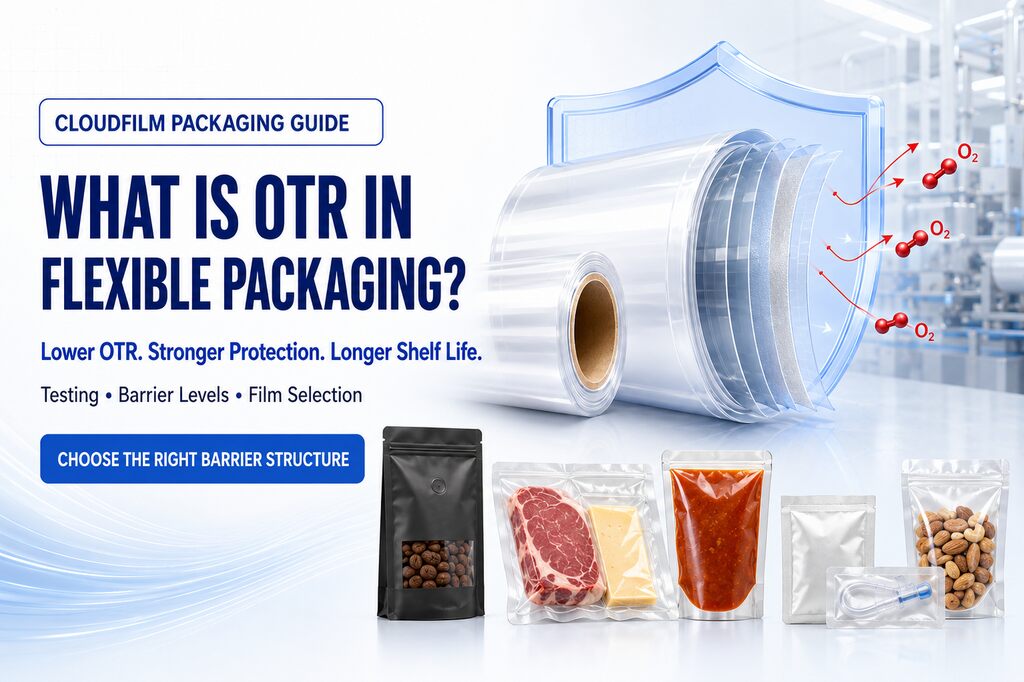
| Barrier | OTR and WVTR methods, temperature, humidity, specimen orientation, and acceptance limits | Connects shelf-life needs with measurable gas and moisture protection |
| Sealing | Seal curve, seal strength, hot tack, burst, leak, contamination tolerance, and aging results | Confirms that the pack survives filling and distribution |
| Mechanical | Puncture, dart impact, tensile, tear, drop, compression, flex, and freezer testing as relevant | Reduces damage from sharp food, handling, and transport |
| Conversion | Print adhesion, residual solvents, bond strength, cure records, odor review, dimensions, and coefficient of friction | Supports clean appearance, machinability, and laminate stability |
| Quality System | Lot coding, inspection plan, certificates of analysis, retained samples, nonconformance process, and change notification | Provides repeatability and a path for investigating complaints |
Use the flexible packaging quality control guide to build an inspection plan covering incoming films, printing, lamination, curing, slitting, pouch making, packing, shipment, and complaint traceability.
Testing should use agreed methods and conditioning. An oxygen-barrier number without temperature and humidity is incomplete, just as a seal-strength result without sealing temperature, dwell, pressure, contamination, and aging conditions can be misleading.
Do Symbols, Resin Codes, or Marketing Claims Prove Safety?
A Recycling Code Identifies a Resin Family
A resin identification code can assist sorting, but it does not prove food-contact compliance, cleanliness, microwave suitability, temperature resistance, repeated-use capability, or performance of the complete printed and laminated bag.
“Food Grade” Needs Supporting Detail
The phrase is useful only when the supplier explains the applicable law or standard, intended food types, temperature and duration limits, test basis, responsible manufacturer, production location, lot traceability, and scope of the declaration.
“BPA-Free” Is Not a Complete Assessment
A claim about one substance does not describe every polymer, additive, ink, adhesive, impurity, or use condition. Many common flexible food bags are not based on materials typically associated with BPA, yet the complete package still needs proper qualification.
Compostable or Biobased Does Not Automatically Mean Food-Safe
A compostability claim describes behavior under specified disposal conditions. A biobased claim describes feedstock origin. Neither alone establishes food-contact suitability, heat resistance, barrier, shelf life, home compostability, or acceptance by local waste systems.
Sustainability Without Compromising Food Protection
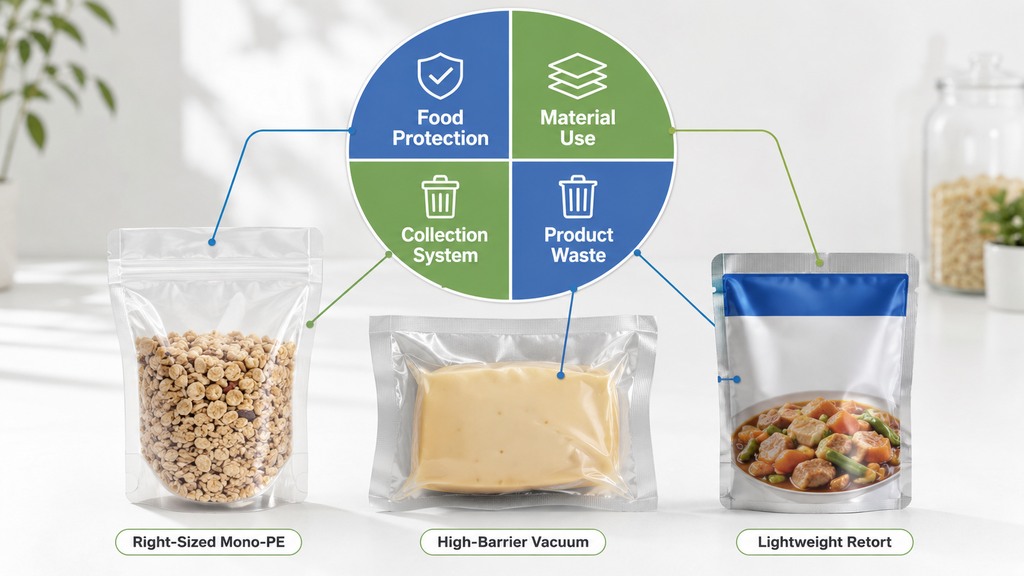
The first environmental duty of food packaging is to protect the food. A lighter bag that leaks, shortens shelf life, or causes product waste may create a worse overall result than a slightly heavier, properly engineered pack.
Right-Size the Bag and Structure
Reduce unnecessary headspace, trim, thickness, oversized zippers, and excessive secondary packaging after testing confirms protection. Downgauging should preserve sealing, barrier, puncture resistance, machinability, and distribution performance.
Consider Mono-Material Designs Where They Work
Mono-PE or mono-PP structures can simplify material compatibility for certain recycling streams. CloudFilm’s recyclable pouches show how bag format, printability, sealing, and barrier can be balanced where collection and recycling systems accept them.
“Designed for recycling” does not mean recycled everywhere. Labels, inks, adhesives, barrier layers, closures, food residue, package size, sorting technology, local collection, and end-market demand can all influence the actual outcome.
Use Recycled Content Only With Appropriate Controls
Recycled resin for food-contact applications requires a suitable regulatory basis, process control, contaminant management, traceability, and intended-use evaluation. Do not assume that any post-consumer resin can safely replace virgin material in the food-contact layer.
Information to Send When Requesting a Quote
A complete request helps a packaging team recommend a realistic structure and quote comparable options. It also reduces repeated questions, incorrect samples, unplanned tooling, and surprises during filling-line trials.
- Food name, full product category, important ingredients, physical form, particle edges, oil or acid level, and allergen considerations.
- Fill weight or volume, target bag dimensions, headspace, tolerance, and current package sample or photographs.
- Packing method, machine model, roll direction, line speed, sealing temperature, dwell, pressure, and gas or vacuum settings.
- Minimum and maximum temperatures during filling, cooling, freezing, thawing, storage, reheating, boiling, pasteurization, or retort.
- Target shelf life, storage environment, light exposure, oxygen and moisture sensitivity, aroma goals, and acceptable quality limits.
- Bag format, gusset, zipper, valve, spout, handle, tear notch, hang hole, corner shape, coding, and tamper-evidence needs.
- Destination markets, retailer or customer standards, required declarations, restricted-substance lists, languages, and sustainability targets.
- Artwork colors, print process, finish, window, registration tolerance, barcode location, legal copy, and approved design files.
- Expected trial quantity, order quantity, annual demand, delivery schedule, port, packing method, pallet limits, and inspection needs.
When comparing food packaging companies and suppliers, ask each candidate to explain assumptions, test methods, exclusions, change control, sample representativeness, and how a complaint can be traced to raw materials and production records.
For a project review, contact CloudFilm with the product, process, shelf-life target, format, dimensions, quantity, and destination market. Representative samples and filling trials should precede final commercial approval.
Consumer Checklist for Using Food Bags Safely
- Use bags sold or supplied for food storage, and read all temperature, reuse, microwave, freezer, and cooking instructions.
- Keep raw meat, poultry, and seafood sealed and separate so juices cannot contaminate ready-to-eat foods or refrigerator surfaces.
- Cool foods as directed; do not let a bag tempt you to ignore safe refrigeration, freezing, thawing, or discard times.
- Do not place very hot food into an unrated bag, and never use an ordinary bag in an oven, microwave, boiling water, or sous-vide bath.
- Inspect seals and surfaces before use. Discard bags with holes, tears, melted areas, delamination, dirt, unexplained stickiness, or persistent odors.
- Avoid reusing single-use bags for raw, oily, allergenic, or hard-to-clean foods. Follow cleaning instructions for bags specifically designed for reuse.
- Label stored food with contents and date, remove excess air when appropriate, and use the correct refrigerator or freezer zone.
- When instructions are missing or unclear, move the food to a known suitable container instead of guessing about heat or storage capability.
Frequently Asked Questions
- Is it safe to store food in plastic bags?
Yes, if the bag is intended for food contact and used within its stated food, temperature, and time conditions. Safe storage also requires clean handling, sound seals, correct refrigeration or freezing, and suitable shelf life.
- How can I tell whether a plastic bag is suitable for food?
Look for clear food-storage instructions and manufacturer information. Business buyers should obtain the applicable compliance declaration, structure, use limitations, migration basis, lot traceability, and test evidence rather than relying on appearance or a vague label.
- Does a recycling number mean a bag is food-safe?
No. The code mainly identifies a resin family for sorting. It does not establish food-contact compliance, cleanliness, temperature limits, microwave suitability, repeated-use capability, or performance of inks, adhesives, closures, and the finished seal.
- Are clear plastic bags safer than colored bags?
Not necessarily. Clear and colored bags can both be suitable when their complete formulations and manufacturing controls support the intended use. Color, transparency, smell, or thickness alone cannot verify regulatory status or migration performance.
- Are freezer bags safe for long-term frozen food storage?
A purpose-designed freezer bag is generally the appropriate starting point, but shelf life still depends on seal integrity, thickness, moisture barrier, trapped air, food type, freezer temperature, and resistance to puncture during handling.
- Can sandwich or storage bags go in the microwave?
Only when the manufacturer expressly permits that use and provides directions. Ordinary storage bags can soften or overheat. Vent as instructed, prevent contact with heating elements, and remember that oily or sugary foods may form hot spots.
- Can I put hot soup or sauce into a plastic bag?
Only use a bag designed for the stated filling temperature and liquid. Verify the sealant, seams, zipper or spout, headspace, cooling method, and handling. An unrated bag can soften, distort, leak, or lose seal strength.
- Are vacuum bags automatically safe for sous-vide cooking?
No. Vacuum performance and cooking suitability are different claims. Choose a bag documented for the exact cooking temperature and duration, food type, and sealing system. Follow equipment and bag instructions, and maintain safe food-handling practices.
- Can any plastic bag be boiled?
No. Use only a purpose-designed boilable bag with stated time and temperature limits. Confirm seal integrity and food compatibility. Do not substitute shopping, produce, freezer, or ordinary zipper bags when their instructions do not permit boiling.
- What is the safest plastic for food bags?
There is no single safest polymer for every food. PE, PP, PET-based laminates, PA, EVOH structures, and other materials can be appropriate when qualified for the intended food, processing, temperature, shelf life, and destination market.
- Are PE bags suitable for food?
Properly formulated and manufactured PE bags are widely used for food storage and packaging. Suitability remains grade- and use-specific. Confirm additives, thickness, sealing, temperature range, direct-contact status, and any barrier needed for the target shelf life.
- Are polypropylene bags suitable for food?
Suitable PP structures are common for snacks, bakery products, confectionery, noodles, and dry foods. The exact bag may need an additional sealant, coating, metallized layer, or other barrier depending on oxygen, moisture, light, and heat requirements.
- Do plastic food bags contain BPA?
Many common flexible bags use PE or PP systems not typically associated with BPA, but one substance claim is not a complete safety evaluation. Ask about the full construction, intended use, regulatory basis, and relevant restrictions for the destination market.
- Should I worry about microplastics from food bags?
Research continues across many exposure sources. Practical precautions include using suitable, intact packaging as instructed, avoiding abrasion and overheating, discarding damaged bags, and not reusing single-use packaging beyond its design. Do not treat packaging as the only exposure source.
- Is a plastic smell from a new food bag normal?
A persistent or strong off-odor should be investigated before filling food. It may relate to inks, adhesives, residual solvents, resin, storage, contamination, or product compatibility. Businesses should set odor and residual-solvent controls with the supplier.
- Can food bags be washed and reused?
Only reuse bags designed for repeated use and follow their cleaning instructions. Bags that held raw meat, oily foods, allergens, or spoiled food can be difficult to clean. Replace reusable bags when scratched, warped, cloudy, sticky, or damaged.
- Can I store acidic or oily foods in any food bag?
No. Acidic, fatty, alcoholic, and aqueous foods can require different compliance and migration evaluations. Tell the supplier the actual formulation and contact conditions, especially for long storage, heat, concentrated flavors, sauces, marinades, or oils.
- Are black or recycled plastic bags safe for direct food contact?
Color does not decide safety, and recycled content is not automatically unsuitable. However, the material needs an appropriate food-contact basis, controlled recycling process, contaminant management, traceability, and qualification for the exact intended use.
- Does a thicker plastic bag keep food safer?
Thickness can improve toughness, puncture resistance, or handling, but it does not prove compliance, barrier, seal quality, or heat suitability. A thinner engineered laminate may protect some foods better than a thicker single-layer bag.
- Can plastic bags extend food shelf life?
Yes, when barrier, atmosphere, seal integrity, hygiene, and storage conditions are matched to the food. Packaging slows selected quality losses; it cannot make contaminated food safe or compensate for temperature abuse and an unvalidated shelf-life claim.
- Are biodegradable or compostable food bags always safer?
No. Disposal characteristics and food-contact safety are separate assessments. Confirm intended food contact, temperature, barrier, storage, certification scope, and local disposal route. Some compostable materials require industrial conditions and may not suit long shelf life.
- What bag is best for raw meat or cheese?
Vacuum or modified-atmosphere structures often use PA/PE or EVOH-based layers for puncture resistance and oxygen control. The best construction depends on bones, product juices, shelf life, refrigeration, pasteurization, sealing equipment, and leak testing.
- What bag is best for snacks and dry foods?
Many snacks use BOPP, CPP, PE, metallized, or coated structures. Select moisture, oxygen, aroma, and light barrier according to the product. Confirm sealability, filling speed, grease resistance, zipper needs, and distribution climate.
- What documents should an importer request from a bag supplier?
Request an application-specific compliance declaration, structure and specifications, relevant migration support, barrier and seal reports, certificate of analysis, traceability information, inspection plan, quality-system details, change-notification terms, and evidence tied to the destination market.
- Should I test samples before ordering printed food bags?
Yes. Test representative production material with the actual food, filling line, seal settings, distribution conditions, and shelf-life protocol. Printed samples should also be checked for odor, cure, bond strength, rub resistance, barcode quality, and dimensional accuracy.
Final Recommendation
Food in plastic bags is not inherently safe or unsafe. The correct question is whether a specific finished bag is suitable, compliant, clean, and validated for a defined food, process, temperature range, shelf life, market, and pattern of use.
Consumers should use packaging exactly as instructed and discard damaged or questionable bags. Commercial buyers should build measurable specifications, review supporting documents, test production-representative samples, complete line and shelf-life trials, and control changes after approval.