Choosing the right polyethylene bags sizes is one of the most important steps before ordering PE bags for food, retail, industrial, agricultural, or logistics packaging. A bag that is too small may cause difficult filling, poor sealing, product deformation, or higher breakage risk. A bag that is too large may waste material, increase unit cost, reduce shelf appearance, and create unnecessary empty space during shipping.
For purchasing managers, packaging engineers, importers, distributors, and brand owners, bag size is not just a number. It affects material consumption, sealing strength, packing speed, pallet efficiency, export carton design, and the final customer experience. This guide explains common polyethylene bag sizes, how to measure PE bags, how to choose the right width, length, gusset, and thickness, and what information you should prepare before requesting a quotation from a polyethylene bags manufacturer or supplier.
What Are Polyethylene Bags?
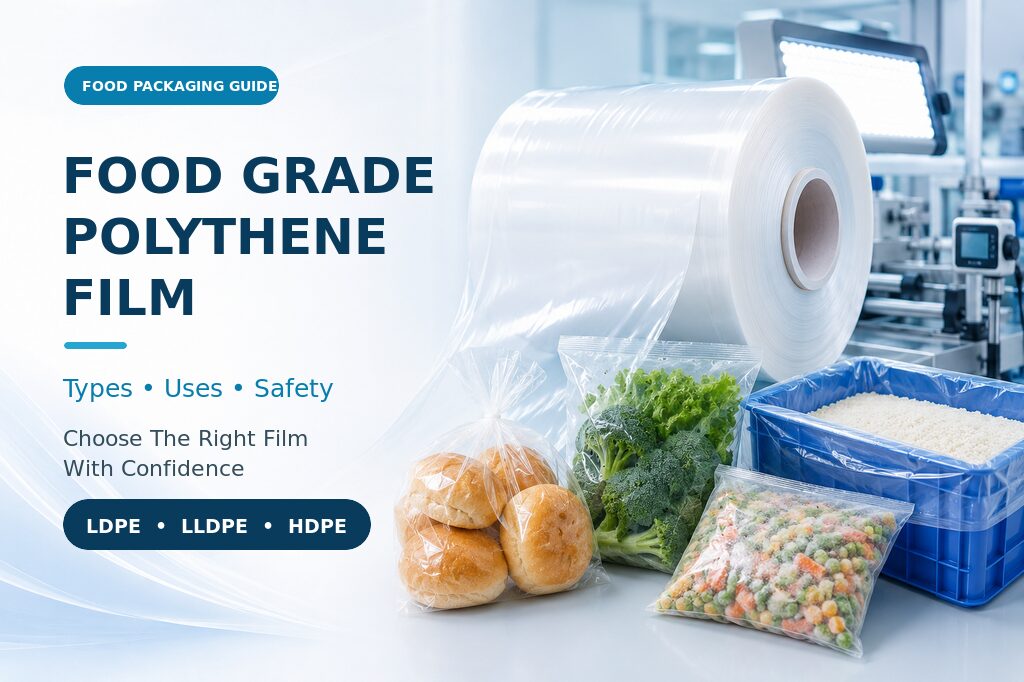
Polyethylene bags, often called PE bags or poly bags, are flexible bags made from polyethylene resin. They are widely used because they are lightweight, moisture-resistant, flexible, durable, and cost-effective. Depending on the resin type and processing method, polyethylene bags can be soft and transparent, stiff and strong, easy to heat seal, suitable for food contact, or designed for heavy-duty industrial protection.
The most common polyethylene materials used for bags include LDPE, HDPE, LLDPE, MDPE, and advanced PE-based recyclable structures. LDPE is often selected for soft, flexible, and clear bags. HDPE is commonly used when stiffness, strength, and better moisture resistance are important. LLDPE is often blended with LDPE to improve puncture resistance, tear strength, and seal performance.
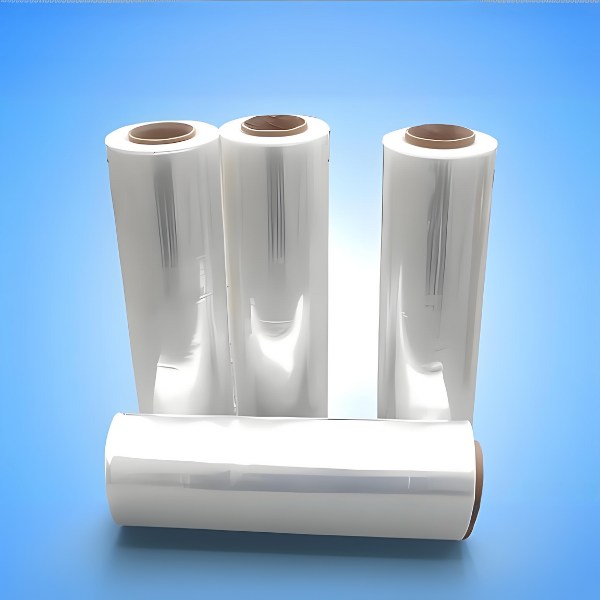
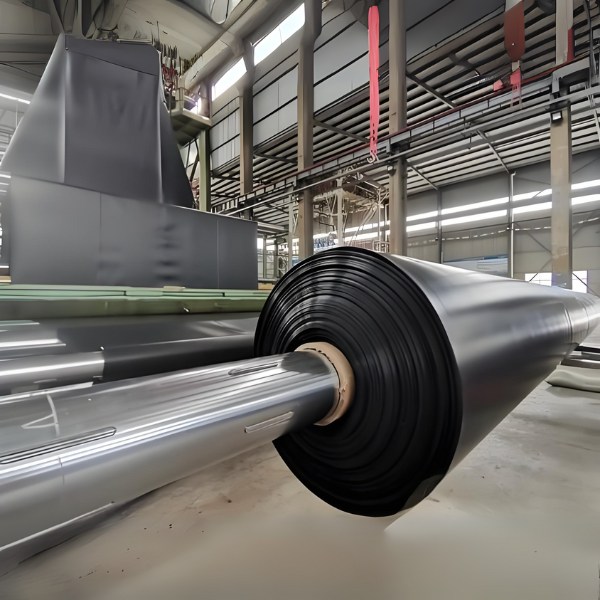
If your project requires soft, flexible film for bags, liners, protective sheeting, or general PE packaging, you can review LDPE Film as a material direction. If you need stiffer and stronger film for liners, heavy-duty bags, dry goods, or industrial protection, HDPE Film may be a better starting point.
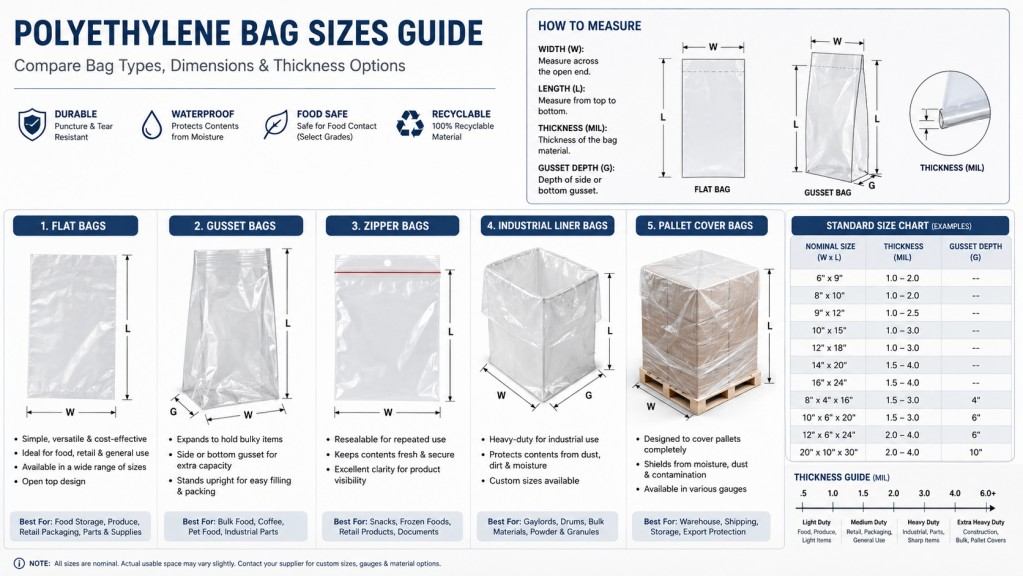
How To Measure Polyethylene Bag Size
Most polyethylene bags are measured by width, length, thickness, and sometimes gusset depth. Understanding these terms can help you avoid misunderstanding when communicating with a PE bag supplier.
Width means the opening side of the bag from left to right when the bag is laid flat.
Length means the distance from the bag opening to the bottom seal.
Thickness means the film gauge, usually shown in microns, mil, or gauge.
Gusset means the folded side or bottom area that allows the bag to expand when filled.
For flat bags, the standard size format is:
Width × Length × Thickness
For side gusset bags, the common format is:
Width × Gusset × Length × Thickness
For bottom gusset bags or stand-up bags, the size may include front width, height, and bottom gusset depth.
For example, a flat polyethylene bag described as 200 mm × 300 mm × 50 microns means the bag has a 200 mm opening width, 300 mm length, and 50-micron film thickness. A side gusset bag described as 250 mm + 80 mm × 400 mm may mean the front width is 250 mm, the side gusset depth is 80 mm, and the bag length is 400 mm. Because different markets use different expression habits, it is always better to provide a drawing, photo, or sample when confirming custom polyethylene bag sizes.
Common Polyethylene Bags Sizes Chart
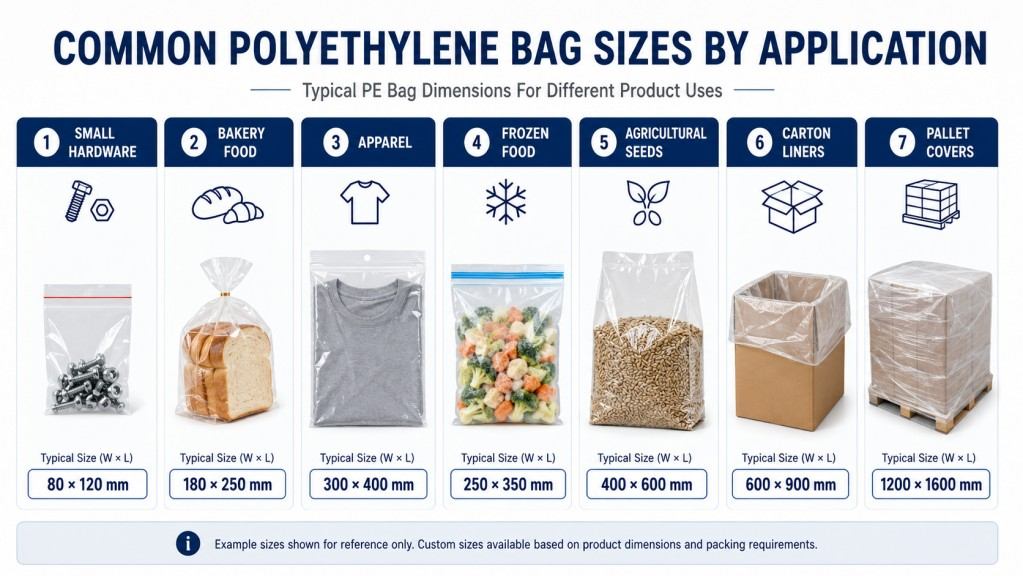
The following size chart gives general reference ranges for common PE bags. Final specifications should always be confirmed according to your product size, filling weight, sealing method, packing machine, and carton arrangement.
| Application | Common Size Range | Common Thickness Range | Typical Bag Type |
|---|---|---|---|
| Small parts and hardware | 50 × 80 mm to 150 × 250 mm | 30–80 microns | Flat bag, zipper bag |
| Food portions and bakery items | 120 × 180 mm to 300 × 450 mm | 30–100 microns | Flat bag, wicket bag, pouch |
| Clothing and textile packaging | 200 × 300 mm to 450 × 600 mm | 30–80 microns | Self-seal bag, garment bag |
| E-commerce and retail products | 180 × 250 mm to 400 × 550 mm | 40–100 microns | Mailer bag, flat bag |
| Frozen food and meat liners | 200 × 300 mm to 500 × 700 mm | 50–150 microns | Flat bag, liner bag |
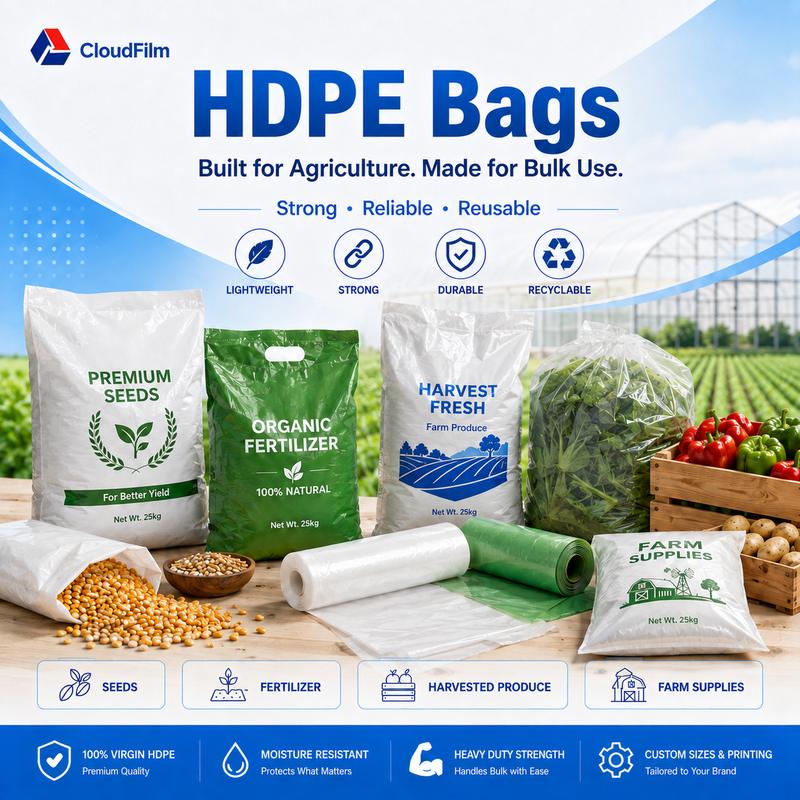
| Agricultural seed and fertilizer | 300 × 500 mm to 600 × 900 mm | 80–200 microns | Heavy-duty bag, gusset bag |
| Industrial components | 250 × 400 mm to 800 × 1200 mm | 80–200 microns | Flat bag, liner, heavy-duty PE bag |
| Carton liner bags | 400 × 600 mm to 1000 × 1500 mm | 40–150 microns | Box liner |
| Pallet cover bags | 1000 × 1200 mm to 1600 × 2400 mm | 50–200 microns | Pallet cover, shrink cover |
| Large equipment protection | Custom oversized | 100–250 microns or more | Industrial cover bag |
These sizes are not strict standards. They are practical reference ranges for buyers who are comparing polyethylene bags sizes before developing a custom packaging specification.
How Much Extra Space Should A Polyethylene Bag Have?
A common mistake is choosing a bag size that is exactly the same as the product size. In real packaging, the bag needs extra space for easy filling, air release, heat sealing, folding, and product movement during transportation.
For small flat items such as cards, accessories, labels, or electronic parts, the bag width is often 10–20 mm wider than the product width, and the bag length is often 20–40 mm longer than the product length. For thicker products, soft products, irregular shapes, or multiple items packed together, you may need more allowance.
For food packaging, the correct size also depends on product volume, oxygen space, filling temperature, and whether the bag will be vacuum packed, heat sealed, clipped, or tied. For industrial bags, the allowance should consider product corners, product weight, drop risk, and carton fit.
A simple rule is:
Bag Width = Product Width + Product Thickness + Filling Allowance
Bag Length = Product Length + Product Thickness + Sealing Allowance
This is only a starting formula. For high-volume orders, it is better to test actual samples before mass production.
Polyethylene Bag Thickness Guide
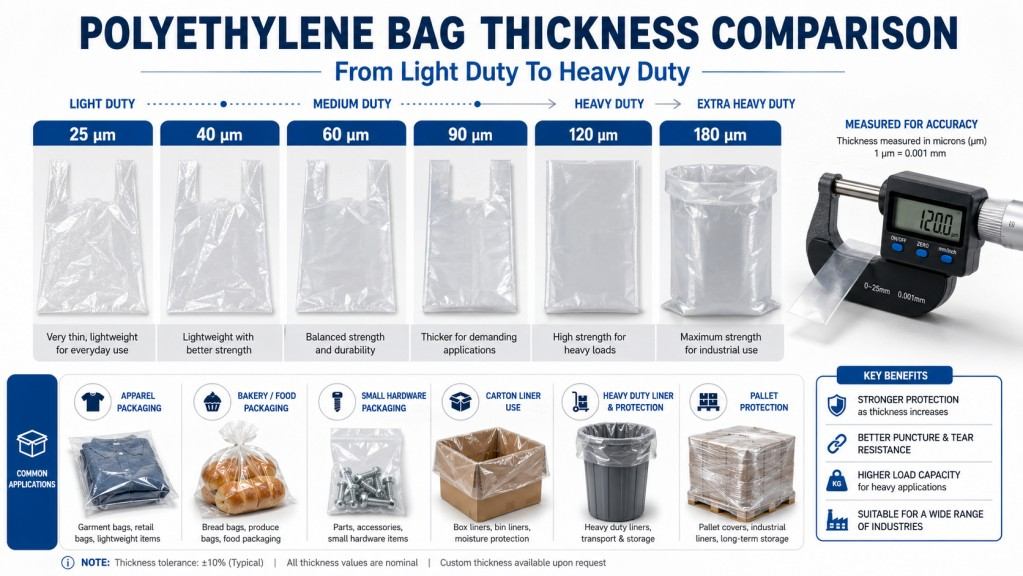
Size tells you how much space the bag provides. Thickness tells you how strong the bag may be. A thin PE bag can be economical for lightweight items, but it may fail when used for sharp, heavy, frozen, or industrial products. A thick PE bag can improve durability, but it increases cost and may reduce softness or clarity.
Common thickness ranges include:
| Thickness | Typical Use |
| 20–30 microns | Very light packaging, dust cover, temporary protection |
| 30–50 microns | Retail bags, garment bags, bakery bags, small product bags |
| 50–80 microns | Food bags, e-commerce packaging, stronger retail bags |
| 80–120 microns | Frozen food, meat liners, industrial parts, heavier goods |
| 120–200 microns | Heavy-duty liners, agricultural products, pallet protection |
| 200 microns+ | Special industrial covers, equipment protection, high-strength applications |
Thickness should not be selected alone. Material type, film formulation, sealing method, impact resistance, and puncture resistance also matter. A well-designed 70-micron LLDPE blend may perform better than a poorly designed thicker film in some applications.
LDPE Bags Vs HDPE Bags: Which Size Direction Is Better?
When buyers compare polyethylene bags sizes, they often focus only on dimensions. However, the material type can change how the bag behaves at the same size.
LDPE bags are softer, more flexible, and usually clearer. They are suitable for garment packaging, food bags, liners, protective bags, and retail packaging where flexibility and appearance are important. LDPE also has good heat-sealing performance, making it useful for many manual and automatic sealing processes.
HDPE bags are stiffer, stronger, and often more “crinkly” in hand feel. They are commonly used for grocery bags, garbage bags, liners, dry goods, and certain industrial packaging where strength and moisture resistance are important. Because HDPE can provide good strength at lower thickness, it may help reduce material usage in some applications.
LLDPE is often used as a blending material to improve toughness, puncture resistance, and sealing strength. For example, a PE bag supplier may recommend an LDPE + LLDPE blend for frozen food, sharp-edged products, or heavy retail packaging.
The best material direction depends on your product, weight, storage condition, sealing method, and budget. If you are not sure, send your product size, product weight, packing method, and current bag sample to your supplier for evaluation.
Polyethylene Bags Sizes By Application
Food Packaging Bags
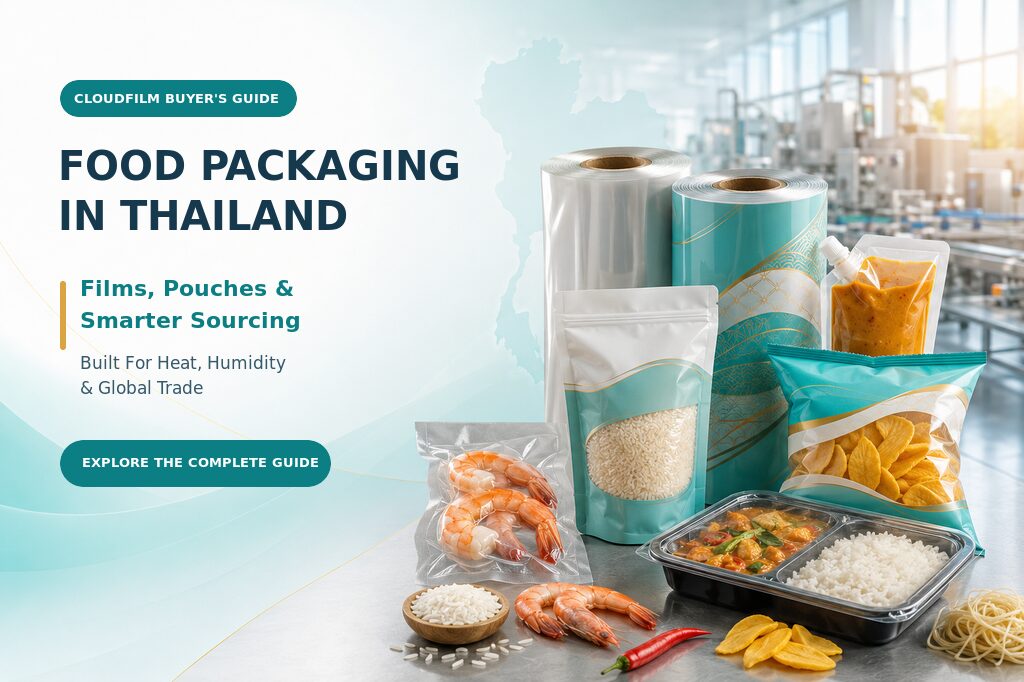
Food products require clean appearance, reliable sealing, and suitable material safety. Common PE bag sizes for bakery, vegetables, frozen food, dry food, meat, seafood, and ingredient packaging vary widely. Small bakery bags may be around 150 × 250 mm, while frozen food bags may be 250 × 350 mm, 300 × 400 mm, or larger.
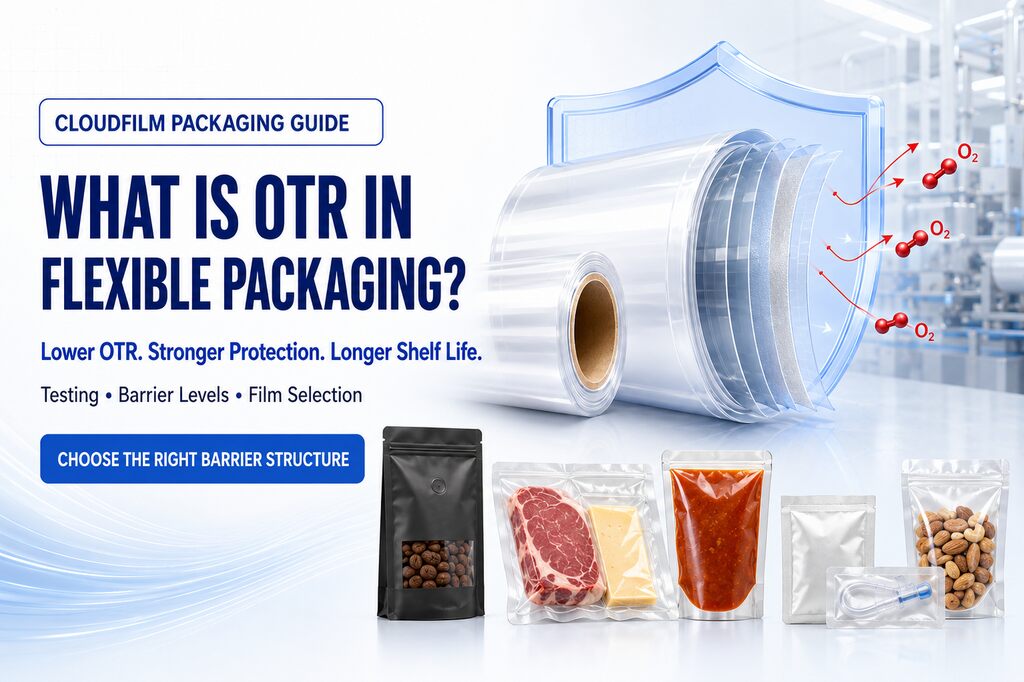
For food packaging, buyers should consider oxygen barrier, moisture protection, freezing temperature, oil resistance, and printing requirements. Simple PE bags are suitable for many dry or short-shelf-life products. For products that need longer shelf life, a laminated structure or high-barrier pouch may be better.
If your product requires a more finished pouch format instead of simple flat bags, custom PE pouches can be designed with suitable size, thickness, sealing strength, and optional recyclable material direction.
Clothing And Textile Bags
Polyethylene bags for garments, towels, bedding, socks, and textile accessories usually focus on clarity, softness, and easy packing. Common garment bag sizes include 250 × 350 mm, 300 × 400 mm, 350 × 450 mm, and 400 × 600 mm. For large garments or bedding, custom oversized PE bags are often required.
Self-adhesive closure, vent holes, warning text, printing, and barcode labels are common options. Thickness is usually 30–80 microns, depending on product weight and retail requirements.
Industrial Parts And Hardware Bags
Industrial PE bags must protect products from dust, moisture, scratches, and handling damage. Small screws, bearings, accessories, rubber parts, plastic components, and electronic parts may use bags from 50 × 80 mm to 250 × 400 mm. Heavy mechanical parts may require much thicker PE bags or reinforced liners.
For sharp or heavy parts, thickness alone is not enough. The film formulation should improve puncture and tear resistance. Seal strength should also be tested, especially if the product is exported or stored for a long time.
Retail And E-Commerce Bags
Retail and e-commerce packaging needs a balance between cost, appearance, protection, and packing speed. PE bags in this category may include mailer bags, self-seal bags, transparent product bags, and custom printed bags.
A common size range is 180 × 250 mm to 400 × 550 mm. Thickness may range from 40 to 100 microns, depending on product value and shipping distance. For brand packaging, printing, matte finish, soft touch, zipper, hang hole, and easy-open tear notch may be considered.
Carton Liners And Pallet Covers
Carton liner bags and pallet cover bags are usually much larger than retail PE bags. Their main purpose is to protect products from moisture, dust, leakage, and contamination during storage and transport.
Carton liners are often sized according to carton length, width, and height. Pallet covers are sized according to pallet footprint and loaded height. These bags often use 50–200 microns or thicker film, depending on load weight and handling conditions.
Flat Bags, Gusset Bags, Pouches, And Roll Stock
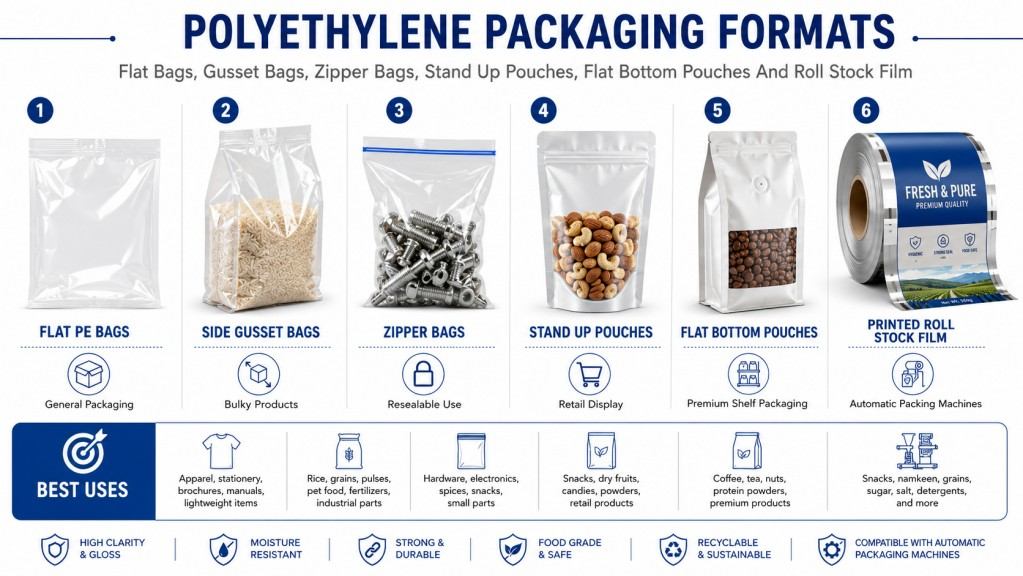
Polyethylene packaging can be supplied in different formats. The right choice depends on your filling process and final sales channel.
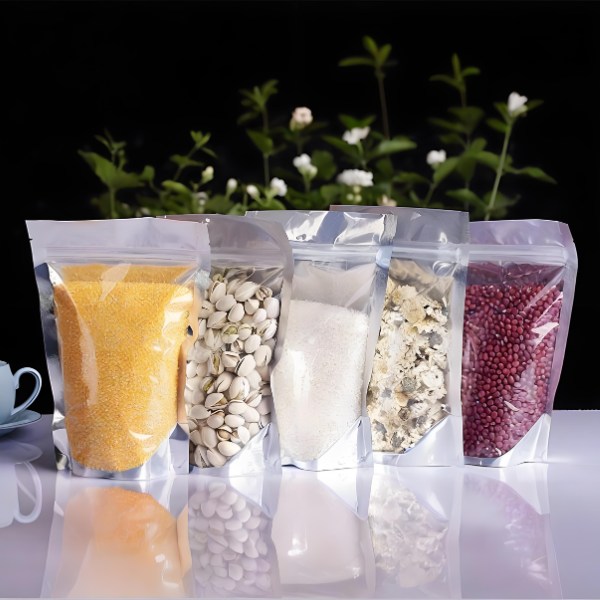
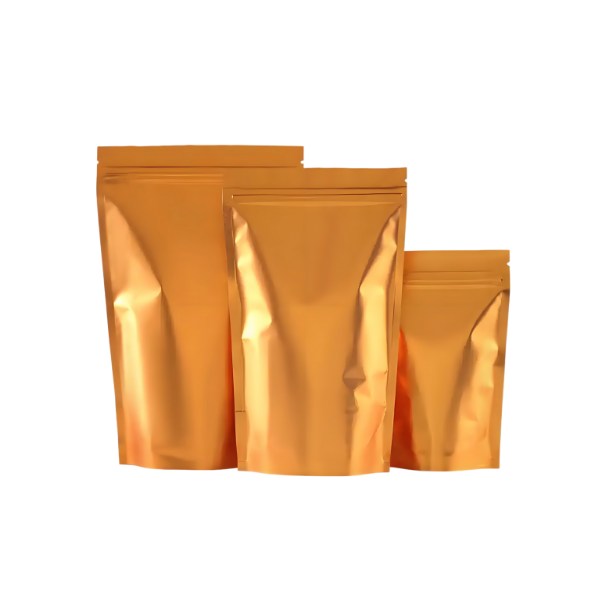
Flat PE bags are simple and economical. They work well for many products with regular shapes. Side gusset bags expand better and are suitable for bulkier products. Bottom gusset bags can improve shelf presentation and product volume. Zipper bags improve reclosability. Stand-up pouches improve retail display and user convenience.
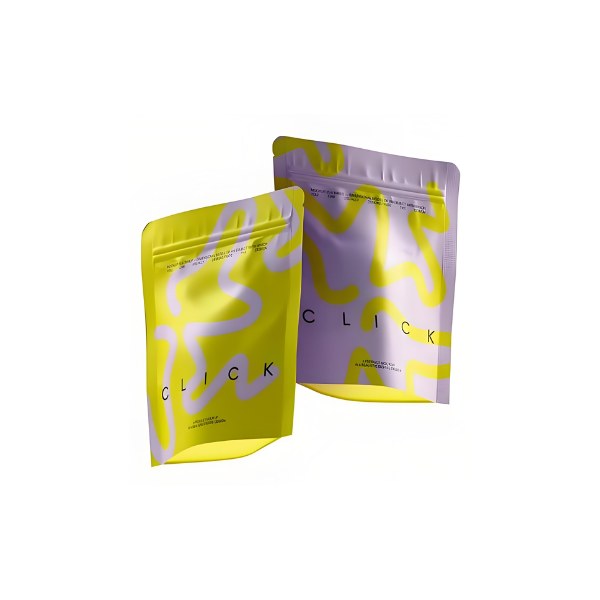
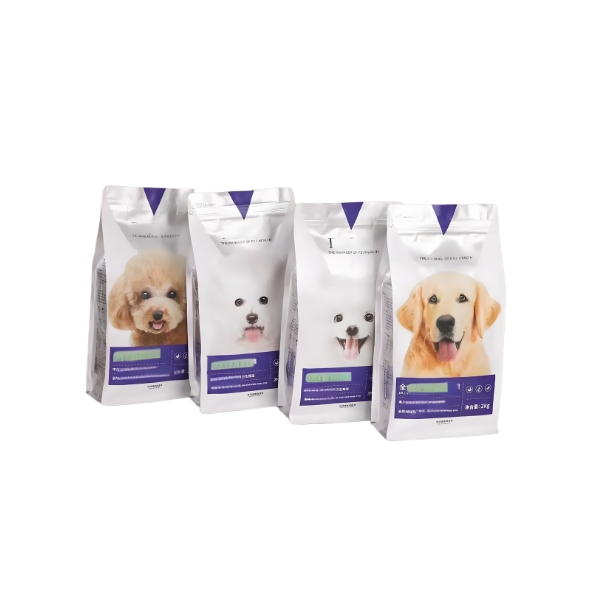
For brands that need shelf-ready packaging, stand up pouches can provide stronger display value than simple flat bags. For premium dry food, coffee, pet food, or larger-volume products, flat bottom pouches can improve shelf stability and filling volume.
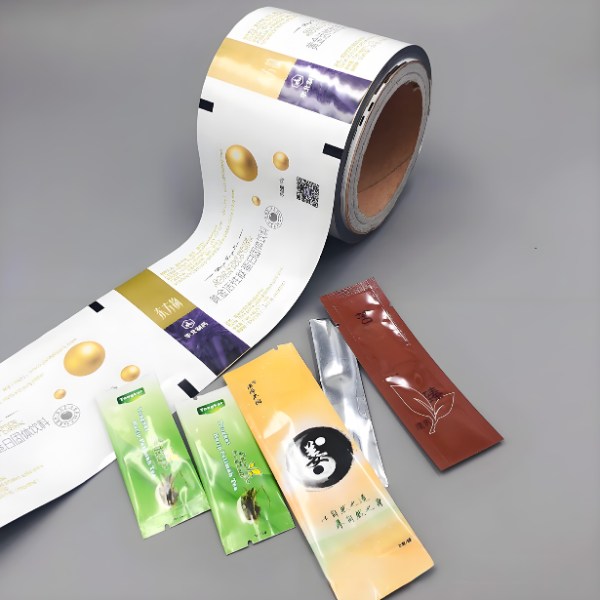
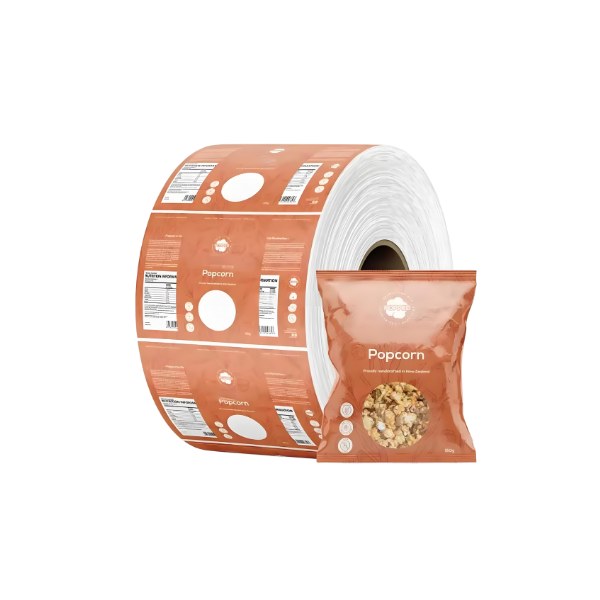
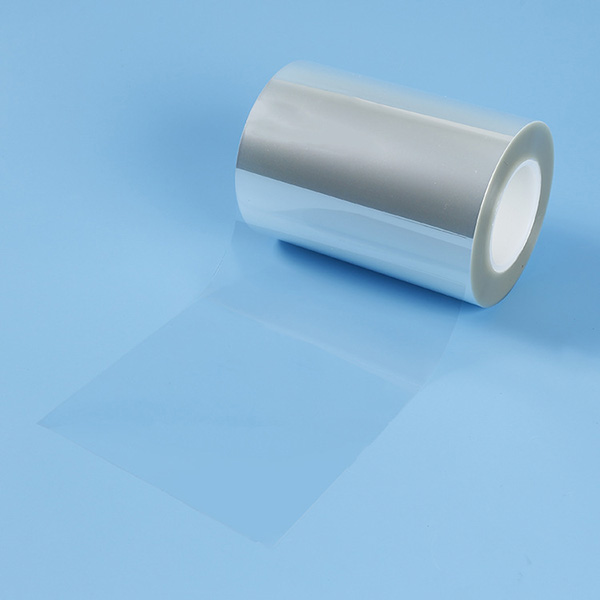
If you use automatic VFFS, HFFS, or flow-wrap machines, you may not need pre-made bags. In that case, roll stock film can be supplied in custom width, thickness, structure, and printing design, allowing your machine to form bags directly during production.
Recyclable And Mono-Material PE Bag Sizes
More brands are asking for recyclable packaging, especially mono-material PE packaging. In a mono-PE structure, different PE-based films may be combined to achieve printability, stiffness, sealing, and barrier performance while staying within the same polymer family where suitable recycling streams exist.
For recyclable-oriented projects, the bag size must be considered together with structure design. A recyclable PE pouch may require MDOPE, BOPE, LDPE, LLDPE, or EVOH-modified PE layers depending on shelf-life requirements. The bag size, thickness, stiffness, and sealing window should all be tested on the customer’s packing line.
For brands looking to reduce mixed-material laminates, recyclable pouches can be a practical direction for snacks, coffee, pet food, frozen food, detergents, and refill packaging.
Actual recyclability depends on local collection and recycling systems, so buyers should confirm local requirements before making final packaging claims.
How To Choose The Right Polyethylene Bag Size
To choose the right PE bag size, start with your product, not with a standard size list. A standard size may be useful for quick comparison, but custom bags usually perform better for serious commercial packaging.
First, measure the product length, width, height, and weight. If the product is soft, irregular, sharp, frozen, oily, or powdery, note these details. Second, define the filling method. Manual packing gives more flexibility, while automatic packing requires more accurate film width, bag length, friction, stiffness, and sealing behavior. Third, define the sealing method. Heat seal, impulse seal, zipper closure, adhesive tape, clip, tie, vacuum seal, and ultrasonic seal may require different allowances.
Fourth, consider the sales channel. A bag used inside a carton may focus mainly on protection and cost. A retail bag must also consider clarity, printing, opening experience, shelf presentation, and consumer convenience. Fifth, test samples before mass production. A small adjustment of 10–20 mm in width or length can sometimes improve filling speed, seal quality, and customer experience.
What Information Should You Send To A Polyethylene Bags Manufacturer?
To receive a fast and accurate quotation, prepare the following information:
- Product name and application
- Product size and product weight
- Required bag width, length, gusset, and thickness
- Material preference: LDPE, HDPE, LLDPE blend, mono-PE, or recyclable direction
- Bag type: flat bag, side gusset bag, bottom gusset bag, zipper bag, pouch, liner, or pallet cover
- Printing requirement, colors, logo, and artwork status
- Sealing method and packing machine type
- Food-contact, export, or testing requirements
- Quantity per order and estimated annual volume
- Destination country, port, and preferred trade term
If you do not know the exact bag size, you can send the product dimensions, photos, target weight, and current packaging sample. A professional polyethylene bags supplier can recommend a starting size and provide samples for testing.
Working With A Custom Polyethylene Bags Manufacturer
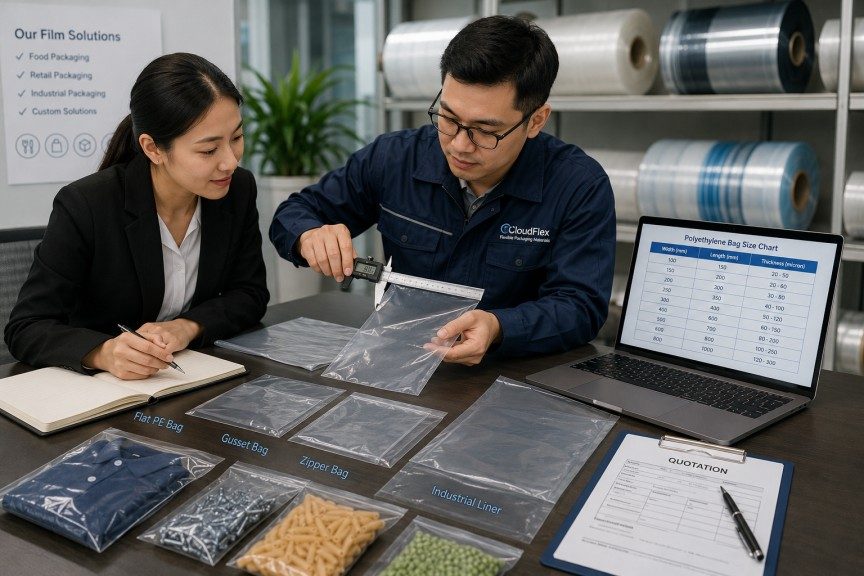
A reliable polyethylene bags manufacturer should do more than produce bags according to a simple size. The supplier should help you confirm material direction, thickness, sealing strength, printing method, packaging format, carton packing, and export documentation.
For custom PE bags, the right supplier can help you reduce waste, improve filling efficiency, avoid seal failure, and balance cost with performance. This is especially important for food packaging, frozen products, industrial components, refill packaging, and export goods that must survive long-distance logistics.
CloudFilm Packaging supports custom polyethylene-based bags, pouches, liners, and roll stock films for different industries. Whether you need simple PE bags, mono-material PE pouches, high-barrier PE-based structures, or printed roll stock for automatic packaging machines, the project should begin with a clear size and material discussion.
FAQ About Polyethylene Bags Sizes
1. What are standard polyethylene bag sizes?
There is no single global standard for polyethylene bag sizes. Common sizes depend on the application. Small parts may use 50 × 80 mm bags, garments may use 300 × 400 mm bags, food products may use 150 × 250 mm to 300 × 450 mm bags, and pallet covers may be larger than 1000 × 1200 mm.
2. How do I know what size PE bag I need?
Measure your product length, width, height, and weight. Then add enough allowance for filling, sealing, and product movement. For commercial packaging, it is best to test samples before mass production.
3. Should the bag size be larger than the product size?
Yes. The bag should usually be larger than the product. Extra space is needed for filling, sealing, folding, and handling. The exact allowance depends on product thickness, shape, and sealing method.
4. What thickness is best for polyethylene bags?
Light retail bags may use 30–50 microns. Food and e-commerce bags often use 50–80 microns. Heavy-duty industrial bags may use 100–200 microns or more. The best thickness depends on product weight, sharpness, handling, and cost target.
5. What is the difference between LDPE and HDPE bags?
LDPE bags are softer, more flexible, and usually clearer. HDPE bags are stiffer, stronger, and often better for heavy-duty liners, dry goods, and industrial packaging. Many custom PE bags use blends to balance softness, strength, and sealing.
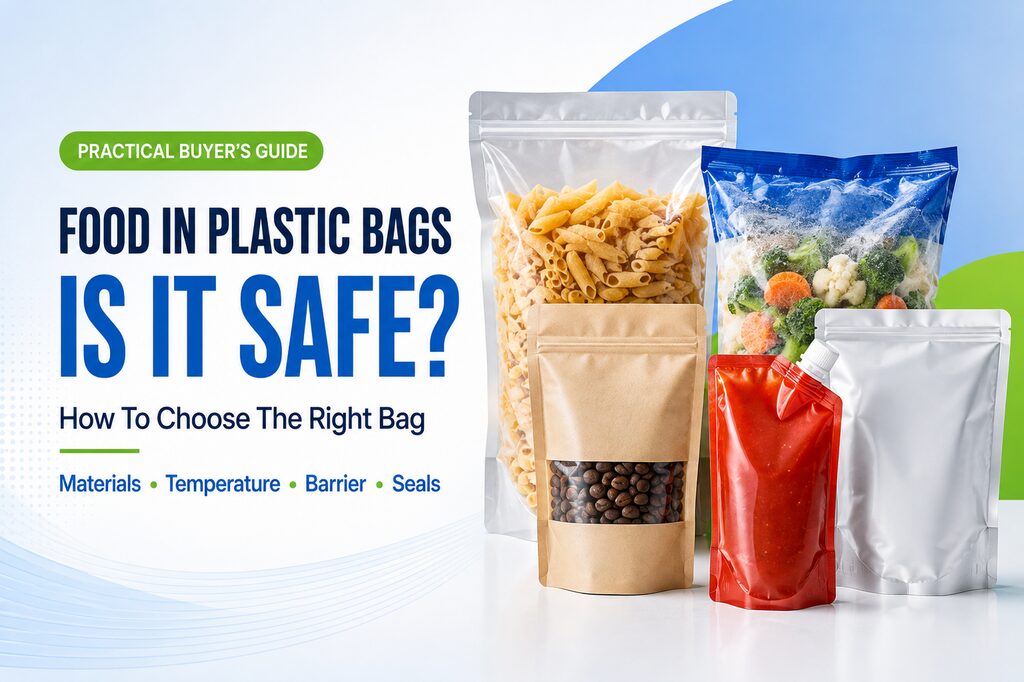
6. Can polyethylene bags be used for food packaging?
Yes, food-grade polyethylene bags can be used for many food packaging applications. The exact material should be selected according to food type, shelf life, storage condition, and local food-contact requirements.
7. Are polyethylene bags recyclable?
Polyethylene is recyclable where suitable collection and recycling systems exist. Mono-material PE bags and pouches are often designed to improve recycling compatibility, but actual recyclability depends on local infrastructure.
8. Can PE bags be custom printed?
Yes. PE bags can be printed with logos, product information, warning text, barcodes, and brand graphics. Printing method depends on bag material, quantity, color number, and appearance requirements.
9. What is a gusset in a polyethylene bag?
A gusset is a folded area on the side or bottom of the bag. It allows the bag to expand and hold more volume. Gusset bags are useful for bulky products, food, powders, textiles, and industrial goods.
10. What is the MOQ for custom polyethylene bags?
MOQ depends on bag size, thickness, material, printing, and production method. Plain bags usually have a lower MOQ than custom printed bags. Large bags or special structures may require higher minimum order quantities.
11. Can I order PE bags by weight instead of pieces?
Yes. Some buyers order by pieces, while others order by kilograms or rolls, especially for industrial bags and roll stock film. Your supplier can calculate the estimated piece count based on size, thickness, and material density.
12. How can I reduce the cost of custom PE bags?
You can reduce cost by optimizing bag size, avoiding unnecessary thickness, choosing a suitable material blend, increasing order quantity, simplifying printing, and improving carton packing efficiency.
Conclusion
Polyethylene bags sizes should be selected according to product dimensions, weight, material type, sealing method, filling process, and transportation conditions. A simple size chart can help you start the discussion, but the best PE bag specification should be confirmed through practical testing and supplier evaluation.
For buyers, the most efficient approach is to prepare product dimensions, target bag type, required thickness, quantity, and application details before contacting a polyethylene bags manufacturer. With the right size, material, and structure, polyethylene bags can provide reliable protection, efficient packing, attractive presentation, and better overall packaging cost control.