Custom Options And Specifications
| Item | Available Options |
|---|---|
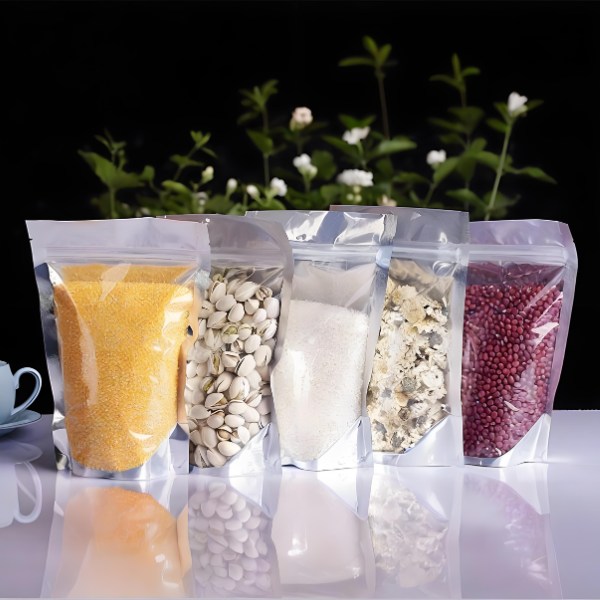
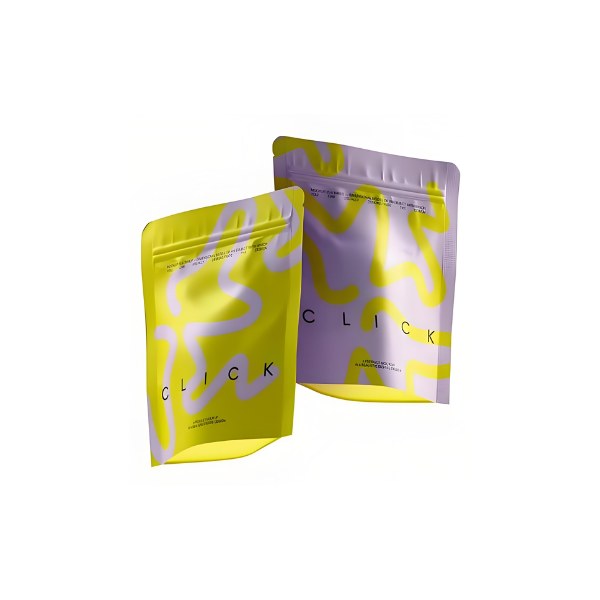
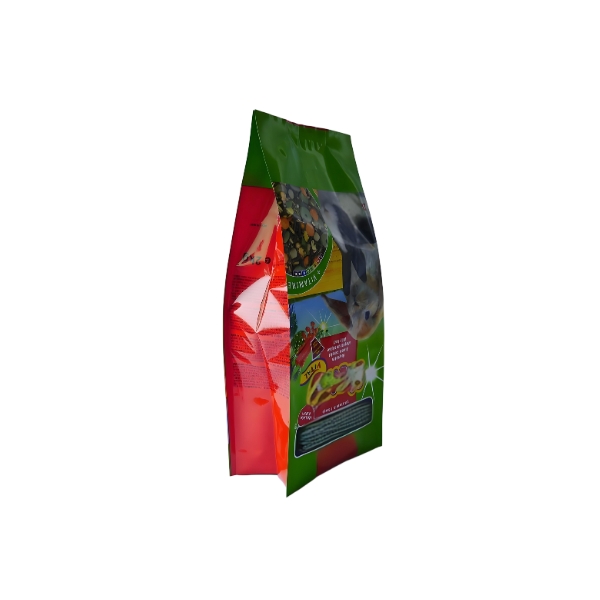
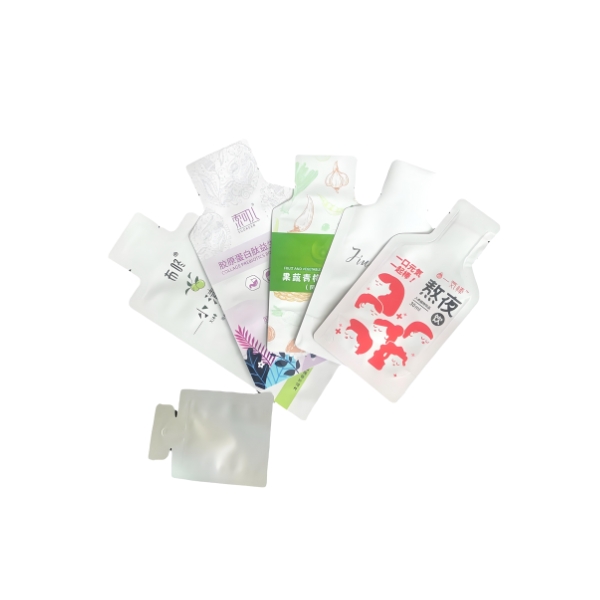
| Pouch Types | Flat pouch, 3 side seal pouch, zipper pouch, stand up pouch, vacuum pouch, spout pouch, pillow pouch, flat bottom pouch |
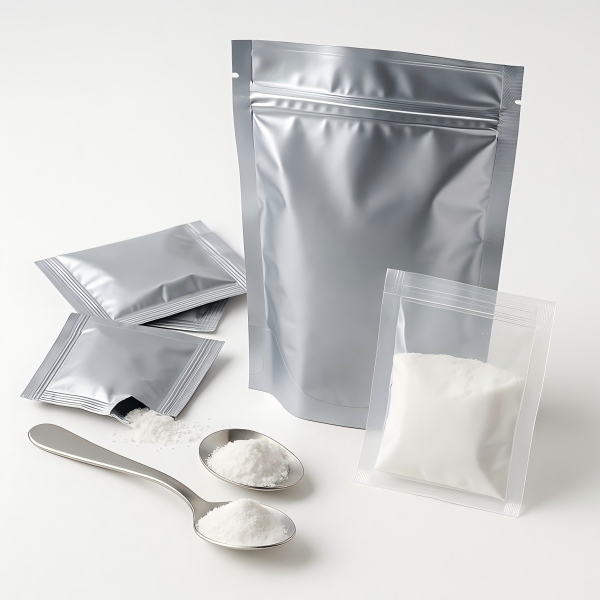
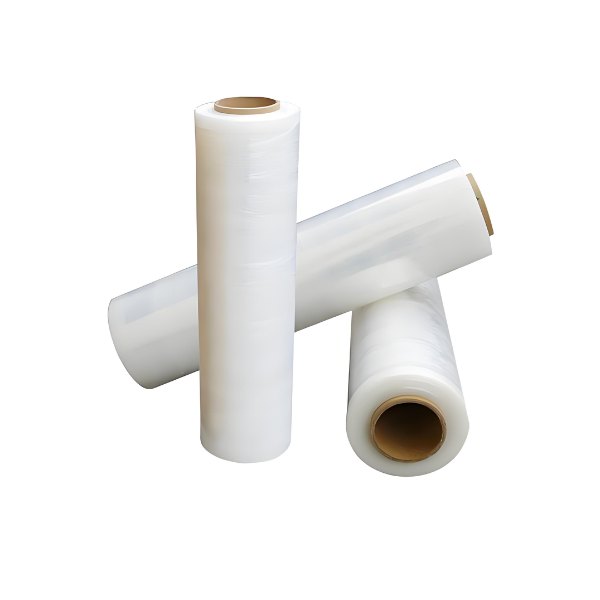
| Materials | PE, PP, PET, BOPP, CPP, PA, EVOH, VMPET, aluminum foil laminated structures |
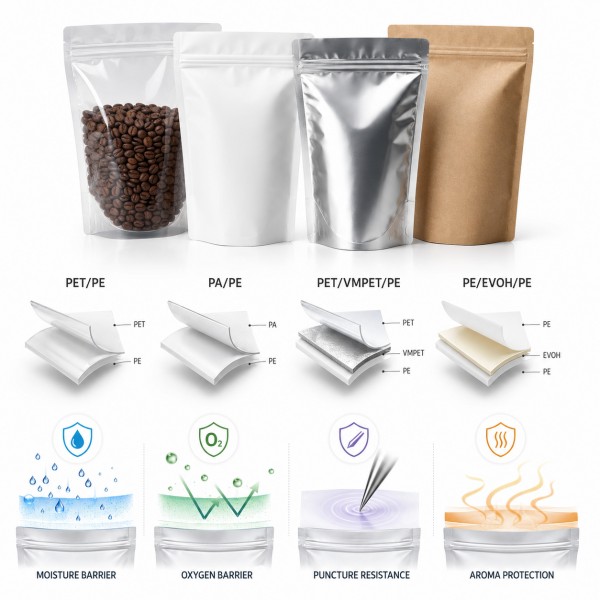
| Structures | PET/PE, BOPP/CPP, PA/PE, PE/EVOH/PE, PET/VMPET/PE, PET/AL/PE, mono-PE, mono-PP |
| Thickness | Commonly 60–200 μm, customized according to product weight and barrier requirement |
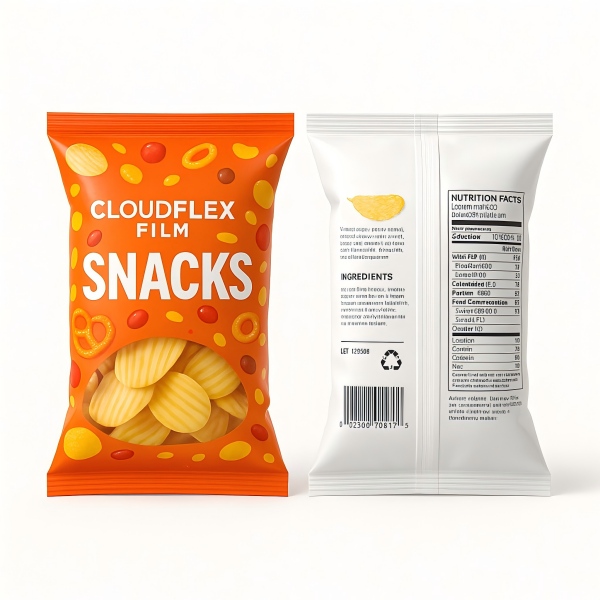
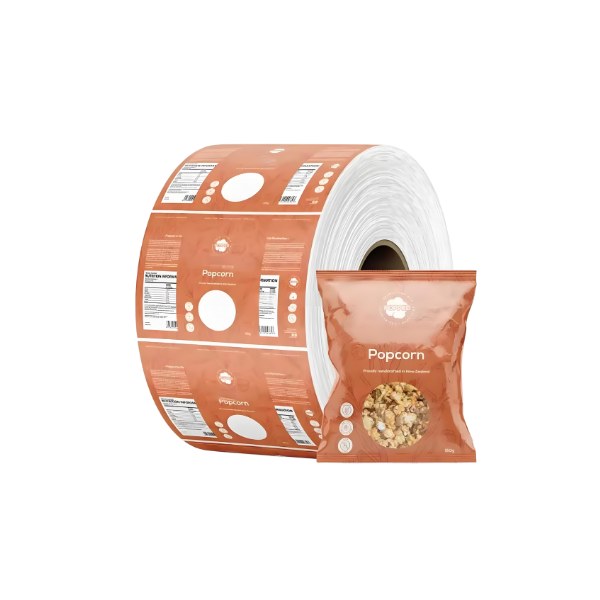
| Printing | Gravure, flexo, digital printing |
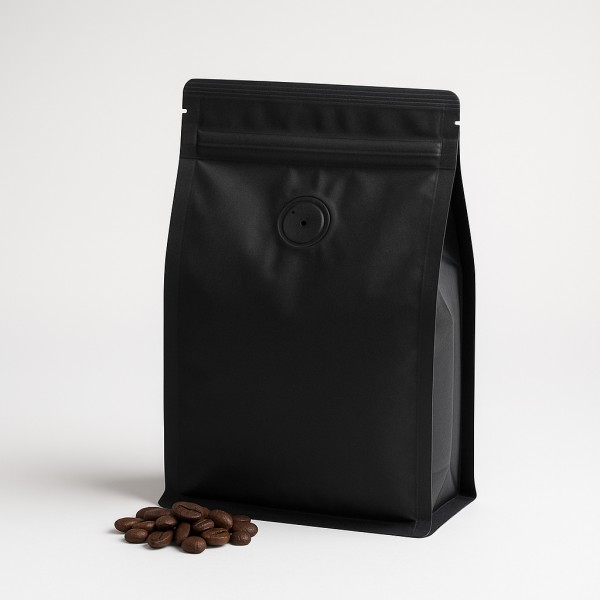
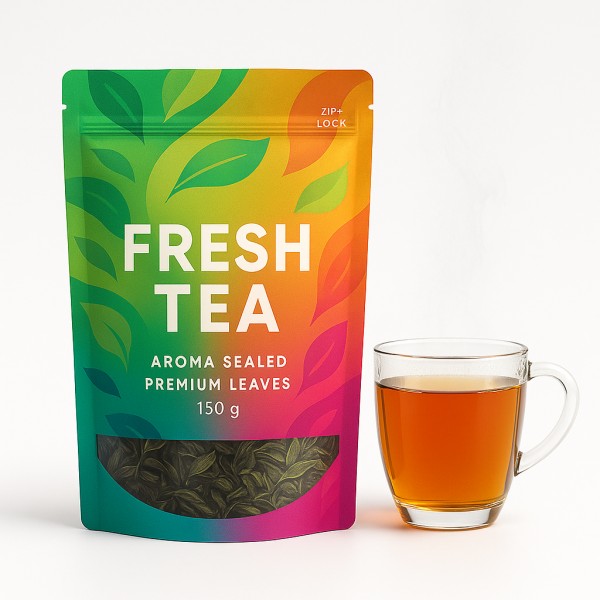
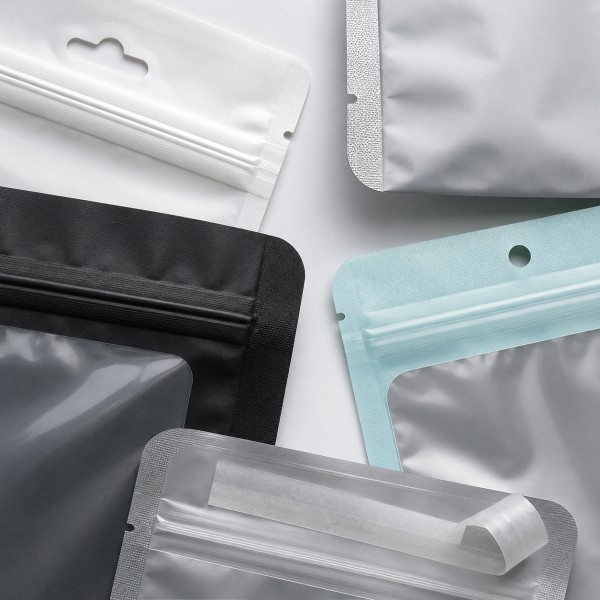
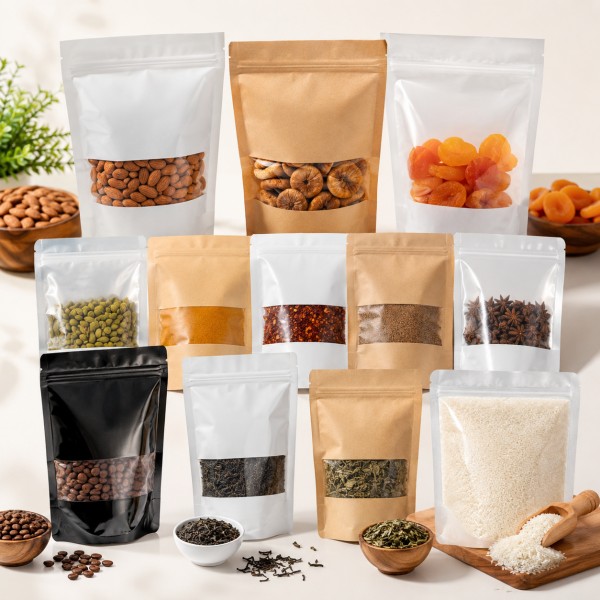
| Surface Finish | Matte, gloss, soft-touch, metallic effect, transparent window |
| Functional Features | Zipper, tear notch, hang hole, valve, spout, handle, rounded corner, laser scoring |
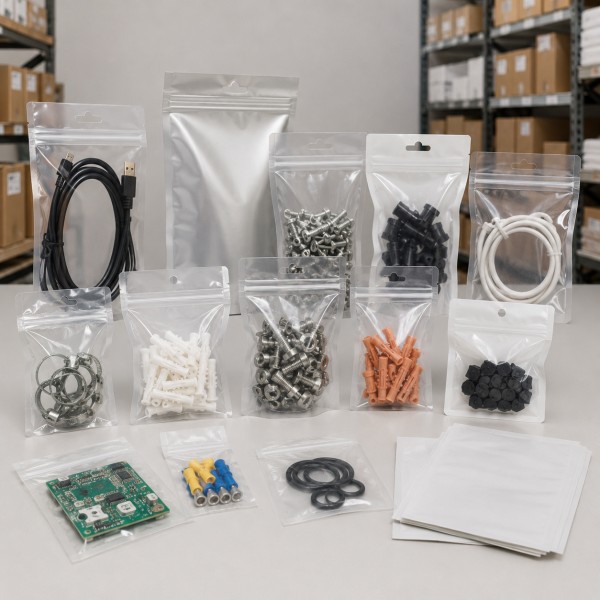
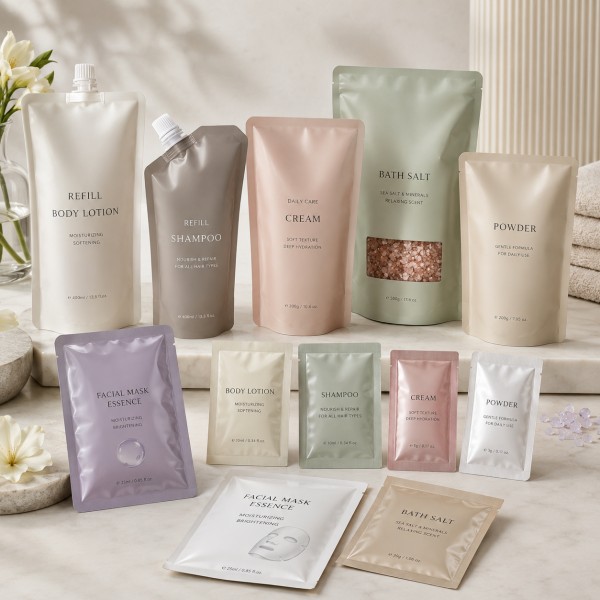
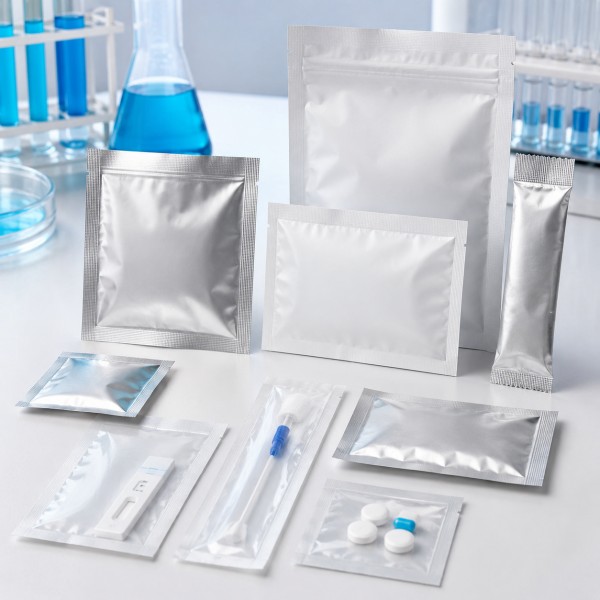
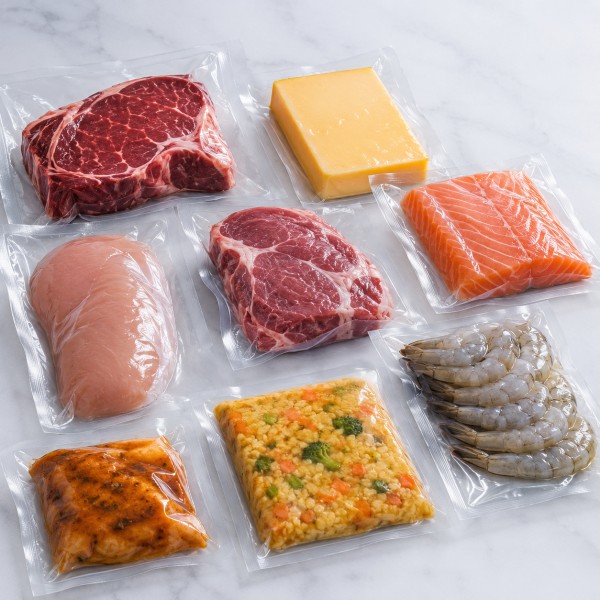
| Applications | Food, coffee, tea, meat, cheese, seafood, cosmetics, medical products, industrial parts |
How To Choose The Right Plastic Seal Pouch
Step 1: Define Your Product Risk
Dry snacks need moisture protection, while meat, cheese, seafood, and fresh food may need oxygen barrier and puncture resistance.
Step 2: Choose The Pouch Format
Flat pouches are cost-effective for small packs. Stand up pouches improve shelf display. Vacuum pouches support oxygen-sensitive products. Zipper pouches improve repeated use.
Step 3: Select The Material Structure
PET/PE is suitable for many standard applications. PA/PE is stronger for vacuum and frozen packaging. EVOH or aluminum-based structures are better for high-barrier needs.
Step 4: Match The Sealing Method
Your sealing temperature, machine speed, filling weight, and product surface condition will influence the seal layer and pouch thickness.
Step 5: Confirm Printing And Functional Details
Before mass production, confirm artwork, colors, finish, zipper position, window shape, tear notch, hang hole, and packing method.