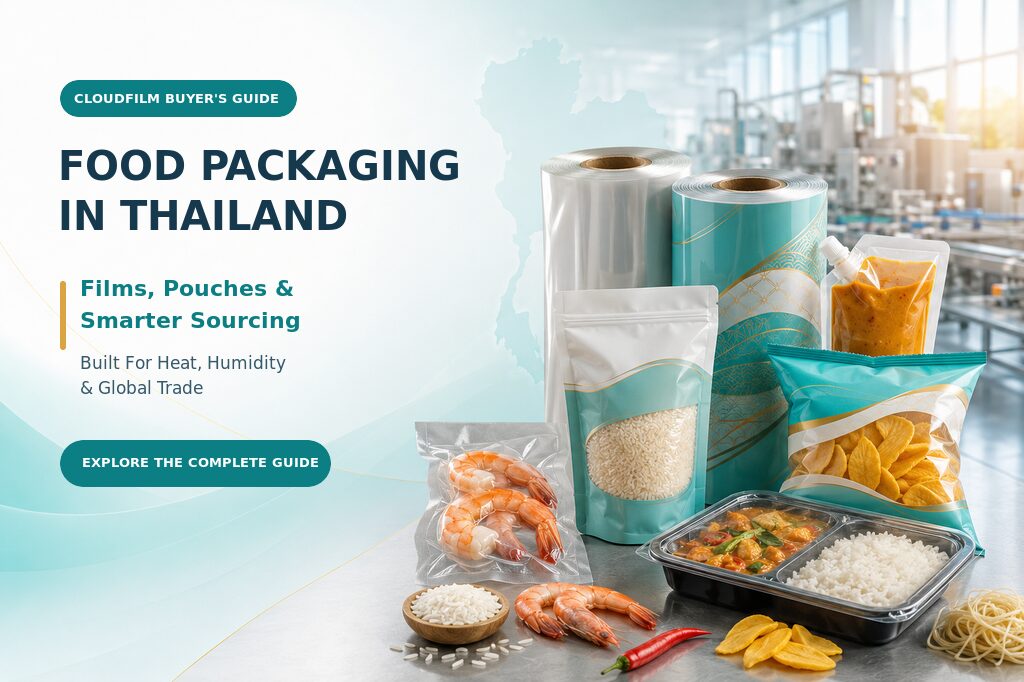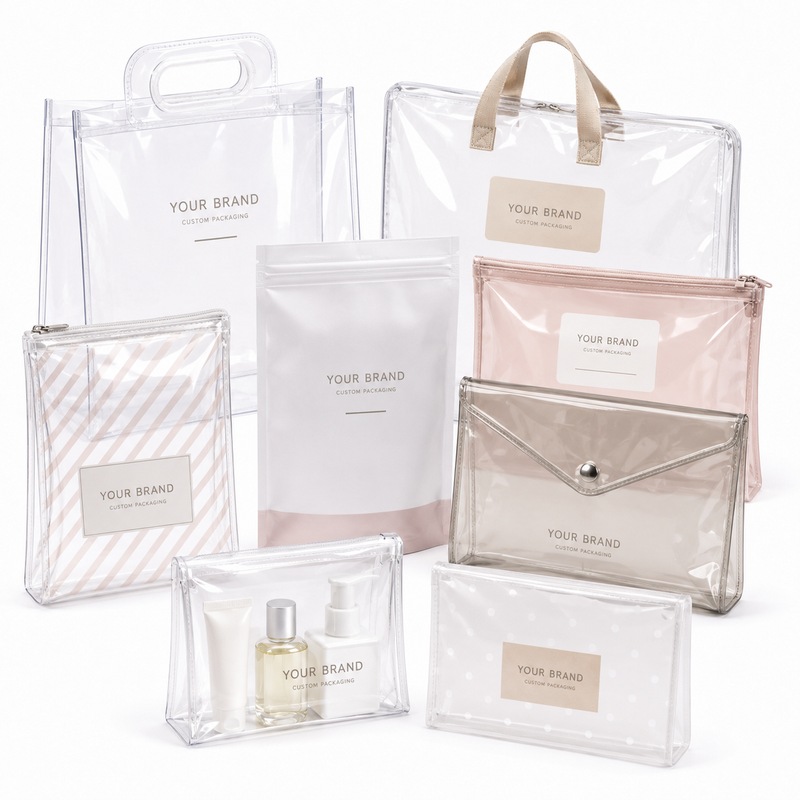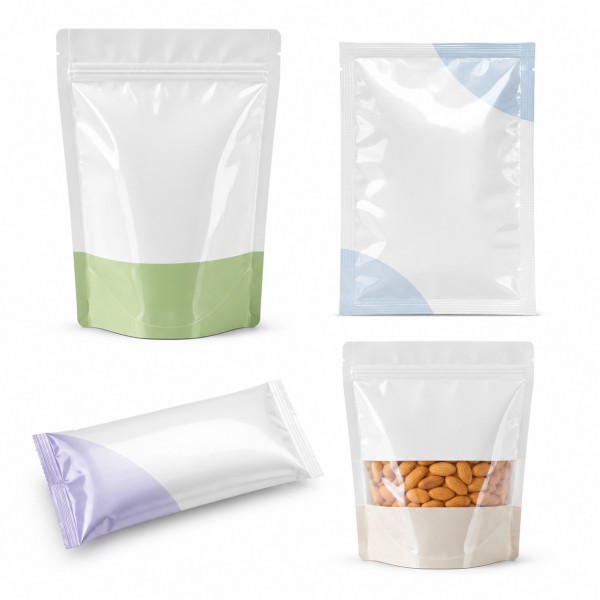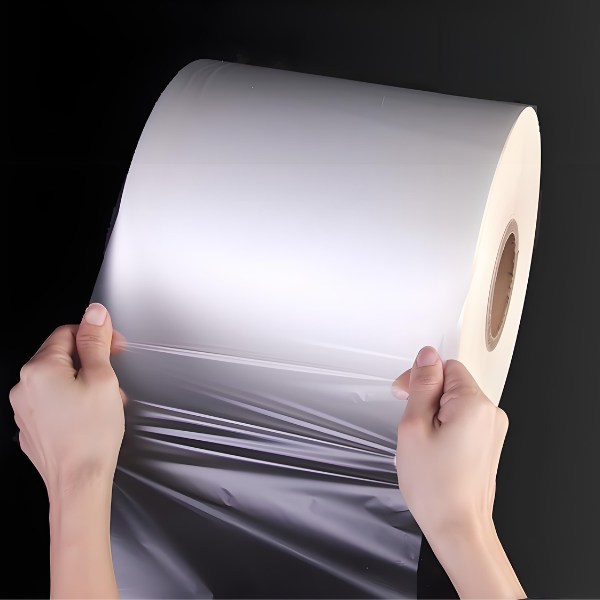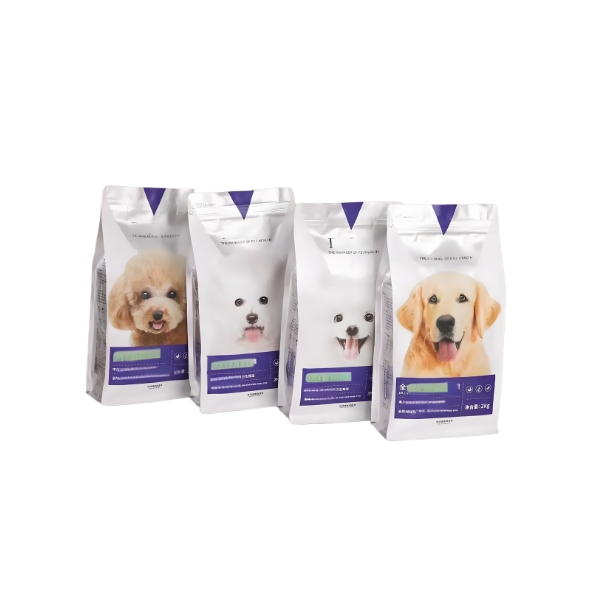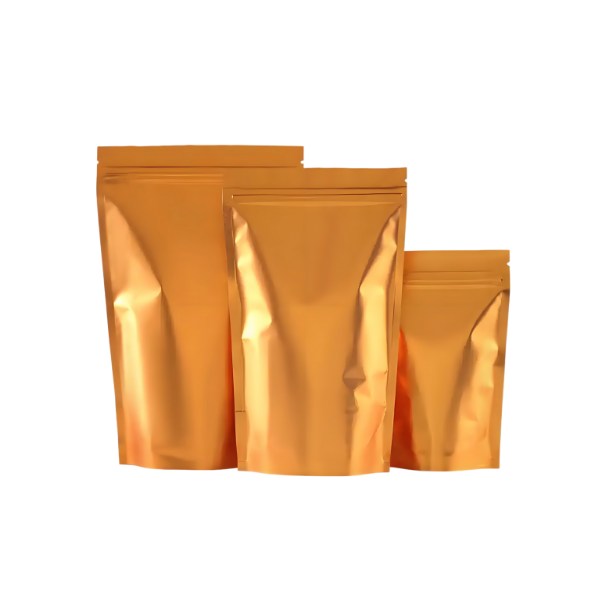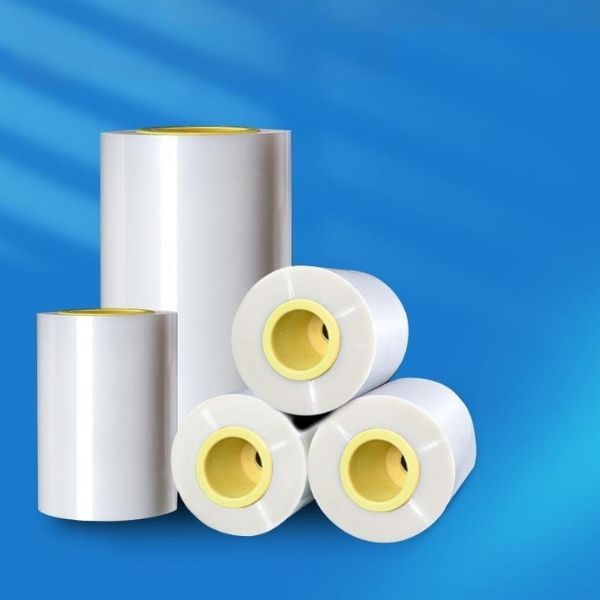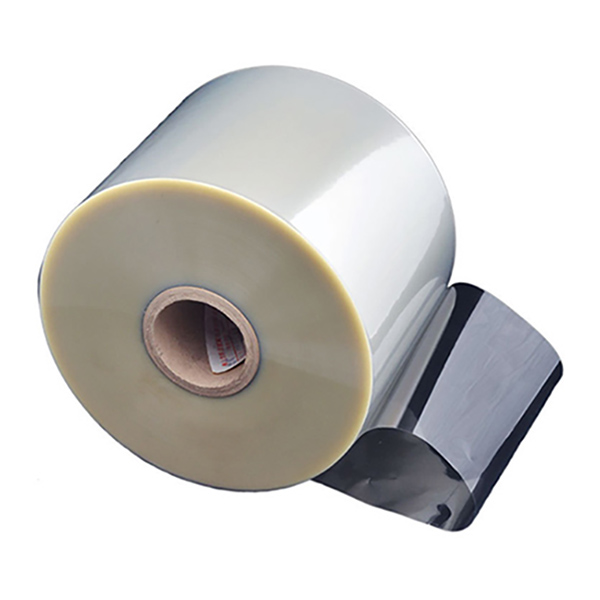
A clear window can turn a flexible pouch into a direct product demonstration. Shoppers can judge color, texture, particle size, freshness and fill level without opening the package, while the printed area still carries brand graphics, claims and regulatory information.
However, a window is not simply an empty space in the artwork. Its size and location affect barrier performance, seal reliability, print registration, product protection, recyclability and total converting cost. This guide explains how clear window pouches are designed and manufactured, which film structures are practical, what can go wrong, and what brand owners and packaging buyers should confirm with a supplier or manufacturer.
For a broader introduction to fully clear and partially transparent formats, see the transparent plastic pouch supplier guide. Readers who need a foundation in films, pouches and flexible pack formats can also review what flexible packaging is and how it is used.
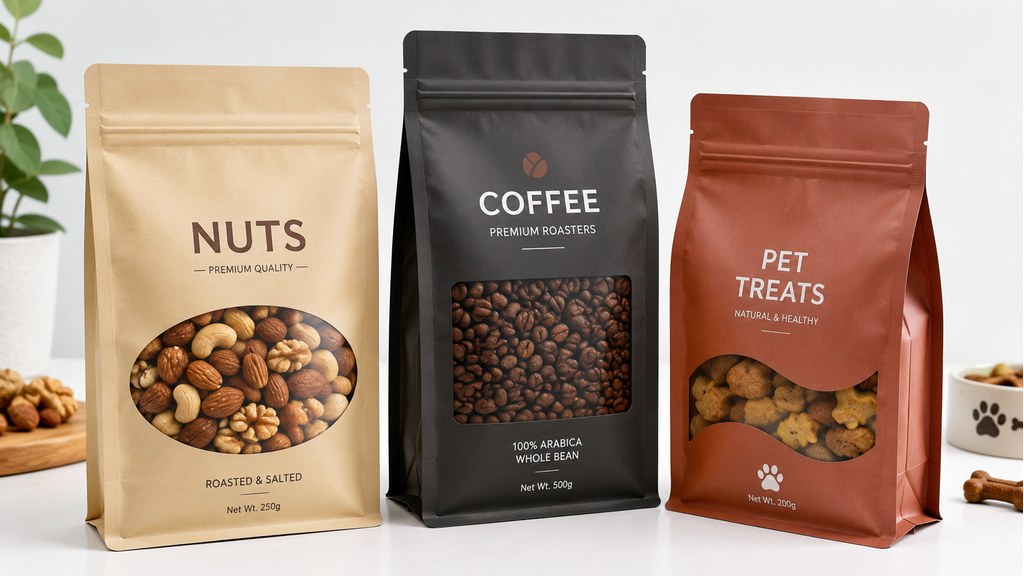
What Is a Clear Window Pouch?
A clear window pouch is a flexible package in which one selected area remains transparent while the rest of the pouch may be printed, coated, matte, opaque, metallized or paper-look. The window can be a simple rectangle, a narrow vertical strip, a curved band, a product-shaped silhouette or a custom graphic element.
In many projects, the pouch is made from a clear laminate and the window is created by leaving that area free of opaque ink. In other projects, a window is engineered into a barrier or decorative layer by selective metallization, demetallization, web combination or a clear patch. The correct method depends on the required appearance, shelf life, pouch format and production volume.
Why Brands Use Product Windows
Product visibility can reduce uncertainty. It is especially useful when shoppers care about natural variation, ingredient quality, particle size or fill consistency—for example nuts, dried fruit, grains, tea leaves, coffee beans, pet treats, confectionery, bakery products and craft ingredients.
Transparent packaging is not automatically superior for every product. Peer-reviewed research on food-pack windows shows that the effect depends on the product, visual attractiveness and the consumer’s goal. A clean, colorful product may benefit from a generous window, while a product that settles unevenly, powders the inner surface, discolors under light or looks inconsistent may need a smaller and more controlled viewing area.
The best window therefore supports a product truth that the brand is confident to show. It should not expose a visual weakness or compromise protection merely to follow a design trend.
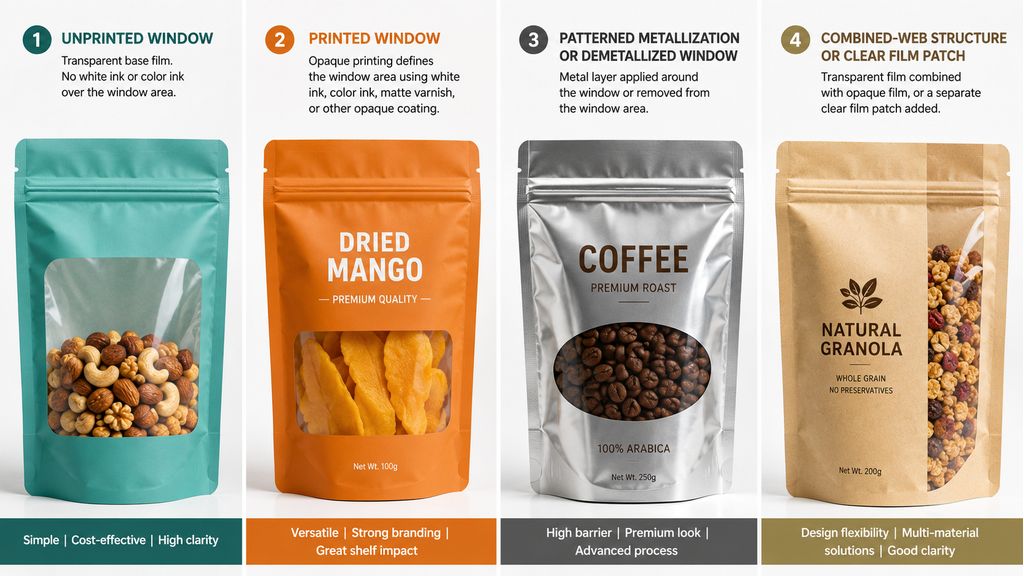
Four Practical Ways to Create a Window
Method 1: Leave an Unprinted Area on a Clear Laminate
This is the most common and usually the most cost-efficient method. The pouch is produced from clear films such as PET/PE, BOPP/PE, BOPP/CPP or another transparent laminate. White ink and process colors are printed around the window, while the viewing area remains unprinted.
The method gives good design freedom and works well for medium and large production runs. The converter must control white-ink opacity, color trapping, print registration and adhesive appearance so the edge of the window remains clean rather than cloudy or uneven.
Method 2: Use Selective White Ink, Matte Varnish or Opaque Coating
A fully clear laminate can look printed and opaque where white ink is applied, while the window remains open. Spot matte or tactile varnish may also be used outside the window to create contrast. This approach is attractive when a brand wants a bright, crystal-clear window next to a low-glare surface.
It is important to distinguish a printed matte effect from a true matte film. A full matte outer web can add haze across the whole structure, including the viewing area, unless the window is built from a separate clear zone or a suitable selective process.
Method 3: Use Pattern Metallization or a Demetallized Window
When the main pouch needs a metallic appearance or enhanced light and gas barrier, the converter may use a patterned metal layer or remove metal from the window area. This can create a clean transparent shape inside an otherwise silver or metallic design.
This method normally carries higher tooling, registration and material costs. It also requires careful barrier evaluation because the transparent area may have lower oxygen, moisture or light protection than the metallized body.
Method 4: Combine Webs or Add a Clear Patch
Some paper-look, foil-based or specialty structures use a cut-out aperture covered by a transparent film patch, or combine a clear strip with an opaque web. This can produce a distinctive tactile and visual result, especially for premium flat-bottom bags and natural-looking packs.
The trade-off is more complex converting. Extra webs, patch registration, adhesive control and cutting operations increase process steps and waste. The clear patch must also be compatible with the sealant and the intended recycling stream.
Film Structures Commonly Used for Windowed Pouches
The film structure should be selected from the product backward. Start with shelf-life target, oxygen sensitivity, moisture sensitivity, light sensitivity, aroma retention, filling temperature, package size, drop requirements and sealing equipment. The window shape is a secondary decision.
| Typical Structure | Why It Is Used | Suitable Window Applications | Main Limitation |
| PET/PE | Good stiffness, print quality, clarity and reliable PE sealing | Dried fruit, snacks, powders, household refills | Standard clear structure may not meet demanding barrier targets |
| BOPP/CPP or BOPP/PE | High gloss, clear display and economical converting | Confectionery, bakery, dry snacks, light products | Heat resistance and puncture performance depend on grade and thickness |
| PA/PE | High toughness and puncture resistance | Vacuum products, sharp foods, heavier packs | Nylon can absorb moisture and may change dimensional behavior |
| ALOx PET/PE or ALOx PET/CPP | Transparent high barrier with product visibility | Nuts, sensitive dry foods, meat, cheese and premium products | Coating damage, flex cracking and lamination quality must be controlled |
| Mono-PE or Mono-PP | Supports compatible recycling design where collection exists | Snacks, pet food, refills and selected dry foods | Barrier, stiffness and heat resistance may require specialized grades |
A standard PET/PE laminated film is a practical starting point for many clear-window applications because the PET side provides printability and stiffness while the PE side provides heat sealing. For products that require substantially stronger transparent protection, ALOx PET film can be evaluated as the barrier layer within a laminate.
Do not approve a structure from a generic material name alone. “PET/PE” does not define thickness, seal initiation temperature, coefficient of friction, adhesive system, barrier level, food-contact status or actual pouch performance.
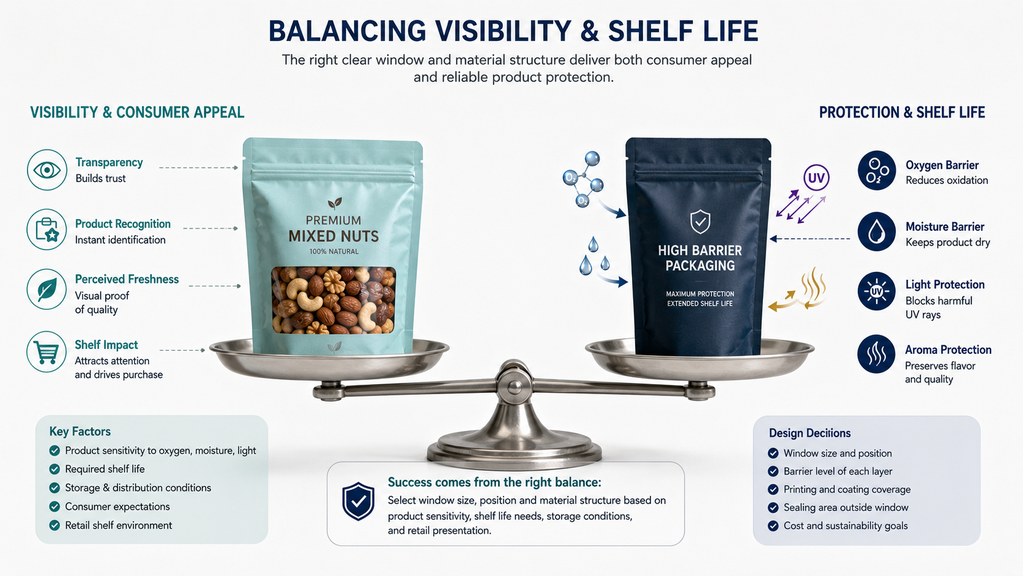
How Window Size Affects Barrier and Shelf Life
When the pouch body uses aluminum foil, metallized film, a dark pigment or another strong barrier, a clear window can become the weakest part of the package. The whole-pack result is influenced by the permeability and area of every zone, not only the best-performing film in the structure.
A small window may have a limited impact on total oxygen or moisture ingress. A large front panel can change the result significantly. Light protection can drop even more sharply because a transparent area allows direct exposure unless the window uses a UV-absorbing or tinted layer.
Packaging engineers should assess the actual window-to-package area, product sensitivity, storage temperature, humidity, distribution time and expected shelf life. For critical products, test finished pouches rather than relying only on flat-film data.
Window Placement Rules for Different Pouch Formats
Stand-Up Pouches
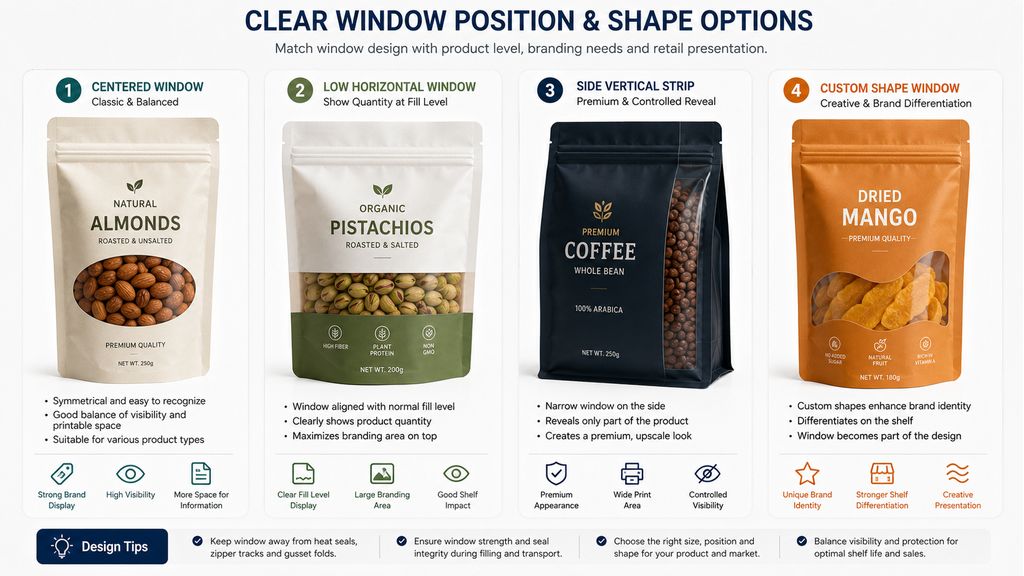
The front panel is the most visible location, but the window should remain clear of the bottom gusset transition, zipper, tear notch and main heat seals. A lower window can show product volume, while a centered window supports direct product recognition. For common formats and feature combinations, review CloudFilm’s custom stand-up pouches.
Flat-Bottom and Box Pouches
These formats offer front, back, side and bottom panels. A front window gives strong shelf visibility, while a side strip creates a premium, controlled reveal and preserves more printable space. A flat-bottom pouch can also use a window to show coffee beans, grains, pet treats or specialty ingredients without weakening the five-panel brand layout.
Side-Gusset and Quad-Seal Bags
A narrow vertical window can follow the side gusset or sit close to a front edge. The designer must allow for fold movement and distortion. Artwork that looks centered on a flat dieline may shift visually when the gusset opens.
Three-Side-Seal and Flat Pouches
These pouches often use a centered oval, rectangular window or full-width lower band. Keep sufficient distance from the side seals, especially when the product has sharp edges or the pouch will be vacuum packed.
Pillow Bags and Flow Wrap
The window must be positioned relative to repeat length, eye mark, fin seal and product tracking. If the product orientation changes on the machine, a small window can repeatedly reveal the wrong portion of the product or an empty area.
Spout and Liquid Pouches
Windows should avoid high-stress areas around the spout weld and corners. The product’s color, opacity, foam and headspace should be tested, because a transparent liquid window may show bubbles, separation or filling variation that is not visible in an opaque package.
Matte Pouches With Clear Windows
Matte packaging creates a strong contrast with a glossy transparent window, but the production route matters. If a matte outer film covers the full pouch, its haze can reduce window clarity. If the matte effect is created selectively with ink or varnish, the uncoated window may remain much clearer.
A specialist BOPP matte film may be appropriate for a low-glare outer surface, but the converter must determine whether the chosen film and lamination design can provide the desired transparent zone. For premium designs, a spot-matte print on a clear glossy base is often simpler than trying to create a crystal window through a uniformly matte substrate.
Evaluate the finished sample under supermarket lighting. Surface reflections, adhesive texture, micro-scratches and internal product dust can be much more visible in a high-contrast matte-and-clear design.
Regular and Custom Window Shapes
Rectangles, rounded rectangles, ovals and vertical strips are generally efficient because they are easy to align with the pouch structure and leave predictable print margins. Curves and product-inspired shapes can create stronger brand recognition but may require tighter registration and more complex artwork preparation.
An irregular window does not always require physical punching. On a clear printed laminate, many shapes can be created simply by controlling white ink and color coverage. Physical die cutting, patching or special metal-layer processing should be reserved for designs that genuinely need those methods.
If the entire pouch silhouette is part of the visual idea, a custom shape pouch may create more impact than an excessively complicated window inside a standard rectangle.
Printing, Lamination and Registration Considerations
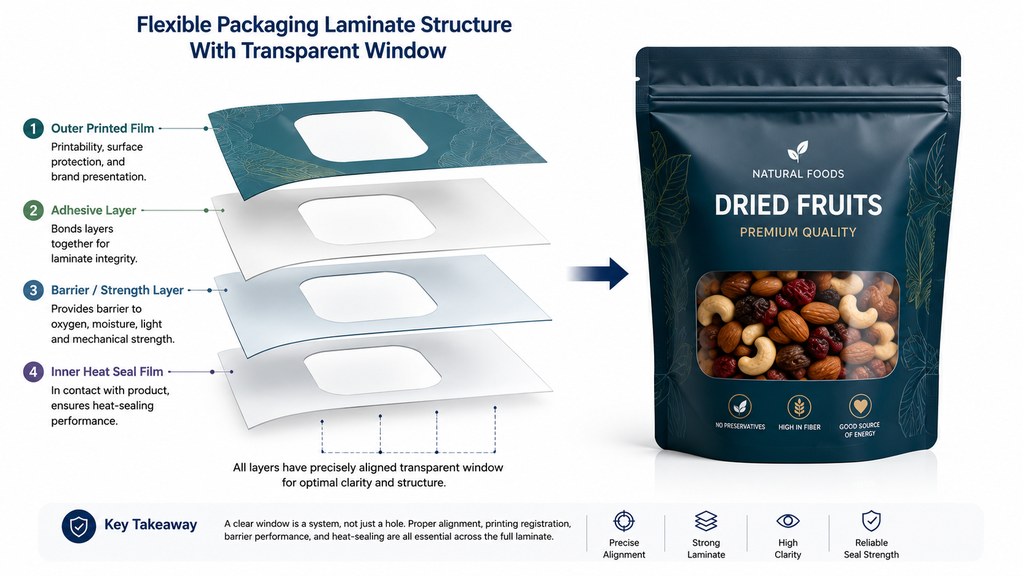
Most clear-window designs depend on accurate reverse printing. The print is placed on the inner side of the outer film and protected inside the laminate. White ink creates opacity and color strength, while the window remains free of ink or uses only selected transparent colors.
Registration tolerances should be confirmed before artwork approval. A thin decorative border around the window can make small movement highly visible. Wider borders, intentional overlap and softer shapes are more production-tolerant.
Adhesive selection and coating uniformity affect optical quality. Bubbles, silvering, uneven wetting or insufficient cure can appear as haze in the window. For a deeper explanation of layer functions and adhesive bonding, see laminates in flexible packaging.
Sealing and Mechanical Design Rules
The window should normally remain outside critical seal zones unless the complete structure has been proven to seal consistently there. Heat seals need adequate sealant thickness, clean interfaces and suitable temperature, pressure and dwell time.
For heavier fills, the window should not remove too much reinforcing printed or barrier area near load-bearing corners. A narrow neck, sharp internal corner or pointed window shape can concentrate stress and may encourage tearing or delamination.
Keep a practical safety margin around zippers, valves, handles, hang holes and spouts. When the pouch will be dropped, vacuumed, frozen, hot-filled or retorted, the test plan must reflect those real conditions.
Cost Drivers
A simple unprinted window on a standard clear laminate is usually the lowest-cost option. Cost increases when the project requires custom pattern metallization, demetallization, patching, multi-web registration, specialty barrier films, extra print stations or unusually tight tolerances.
Irregular window shapes can also increase prepress time and setup waste, even when no physical die is used. Small orders carry a higher unit cost because cylinders or plates, ink preparation, machine setup, lamination startup and pouch-making adjustment are spread over fewer pieces.
Buyers should compare total package performance, not only price per thousand pouches. A lower-cost window that shortens shelf life, causes leaks or makes the product look dusty can cost far more after launch.
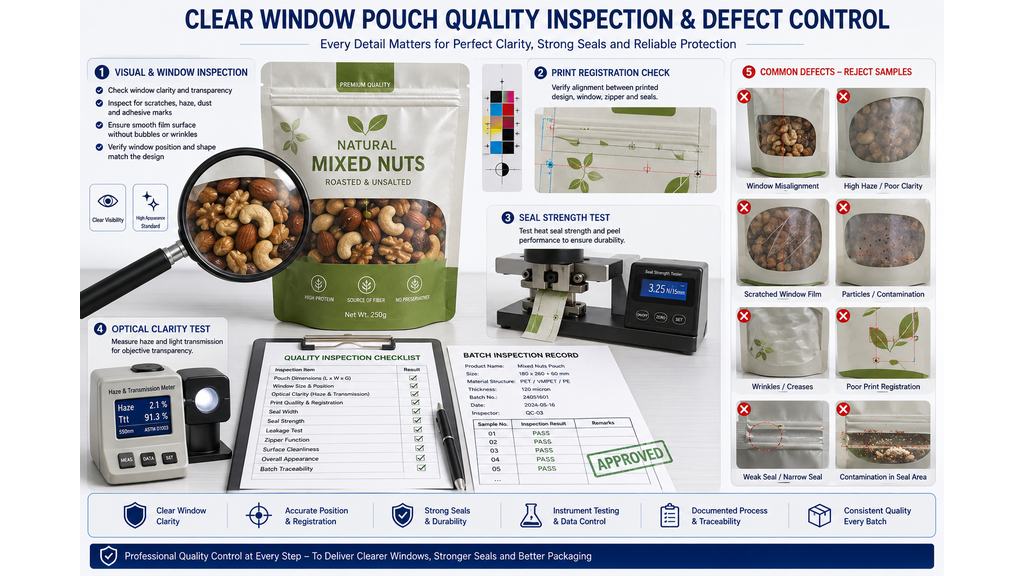
Common Quality Problems and How to Prevent Them
Hazy or Milky Window
Possible causes include high-haze film, matte outer film, adhesive texture, insufficient curing, moisture, scratches or incompatible lamination conditions. Approve clarity on the final laminate, not on a single incoming film.
Window Position Shifts
Print repeat variation, web tension, pouch-making registration and dieline errors can move the window. Use clear tolerances, registration marks and a signed production sample.
Cloudy Edges or White Ink Contamination
White ink may creep into the window or the border may look uneven. Increase trapping tolerance, avoid overly thin borders and verify plate or cylinder engraving.
Bubbles, Silvering or Delamination
These defects are especially visible in a transparent zone. Control adhesive mix ratio, coating weight, surface treatment, nip conditions and cure time.
Scratches and Scuffing
Clear glossy areas show handling damage easily. Consider scratch-resistant surfaces, protective packing, lower-friction contact points and realistic transport tests.
Condensation or Fogging
For chilled produce and refrigerated products, internal moisture can hide the product. An anti-fog solution may be needed, but it must be compatible with food-contact, sealing and optical requirements.
Food-Contact and Regulatory Considerations
All food-contact layers, inks, adhesives, coatings and additives must be suitable for the intended product and conditions of use. The fact that a film is clear or commonly used for food does not automatically confirm compliance for hot fill, high-fat foods, long storage, freezing or other demanding conditions.
The FDA’s food-contact information explains that packaging components, including adhesives and colorants, can fall within food-contact requirements and may require authorization for their intended use. Buyers should request relevant declarations, migration information or test reports for the target market and application.
A supplier should state the structure, food-contact side, intended conditions, ink system, adhesive system and any limitations. Avoid broad claims such as “FDA certified” without supporting documentation and application context.
Recyclability and Mono-Material Windows
A window should not undermine the recycling design of the rest of the pouch. For a mono-PE pouch, the most compatible window is normally part of the same PE-based structure rather than a separate PET patch. The same principle applies to mono-PP.
CEFLEX’s flexible packaging design work emphasizes evidence-based evaluation of polymers, inks, adhesives and barrier elements in PE and PP recycling streams. Local collection, sorting and recycling infrastructure still determines whether a pouch is actually recycled.
CloudFilm’s recyclable mono-material pouches provide a useful direction for projects that need both product visibility and a PE- or PP-based design. The final barrier and machinability should be validated through samples and line trials rather than assumed from the word “recyclable.”
Applications and Design Recommendations
| Product | Recommended Window Approach | Key Technical Concern |
| Nuts and Dried Fruit | Medium front window or narrow strip | Moisture, oxygen, oil oxidation and light sensitivity |
| Coffee Beans | Small controlled window, often with valve | Aroma, oxygen and light barrier |
| Tea and Herbs | Small window or side strip | Aroma and light protection; product dust |
| Rice, Grains and Seeds | Wide lower window or side strip | Puncture, pack weight and cleanliness |
| Pet Treats | Large front or shaped window | Oil migration, aroma and product variation |
| Bakery and Confectionery | Large clear panel | Moisture control, grease resistance and scuffing |
| Powders | Small upper window or none | Dust coating the inside surface |
| Liquids and Refills | Narrow strip or measured level window | Stress, leakage, color stability and headspace |
For snack projects, window design should be coordinated with film selection, filling speed and shelf-life requirements. The snack packaging film and pouch guide provides additional application context.
What Buyers Should Send to a Supplier or Manufacturer
A professional quotation requires more than pouch width and height. Send the following information at the start:
- Product name, ingredients and physical form.
- Target fill weight or volume and expected headspace.
- Required shelf life and storage conditions.
- Oxygen, moisture, light, aroma or chemical sensitivity.
- Filling temperature, packing machine and line speed.
- Pouch format, dimensions, zipper, valve, spout, handle or hang hole.
- Preferred window size, position and shape.
- Current structure or an existing sample, if available.
- Target market and food-contact or regulatory documents required.
- Trial quantity, annual volume, destination country and delivery terms.
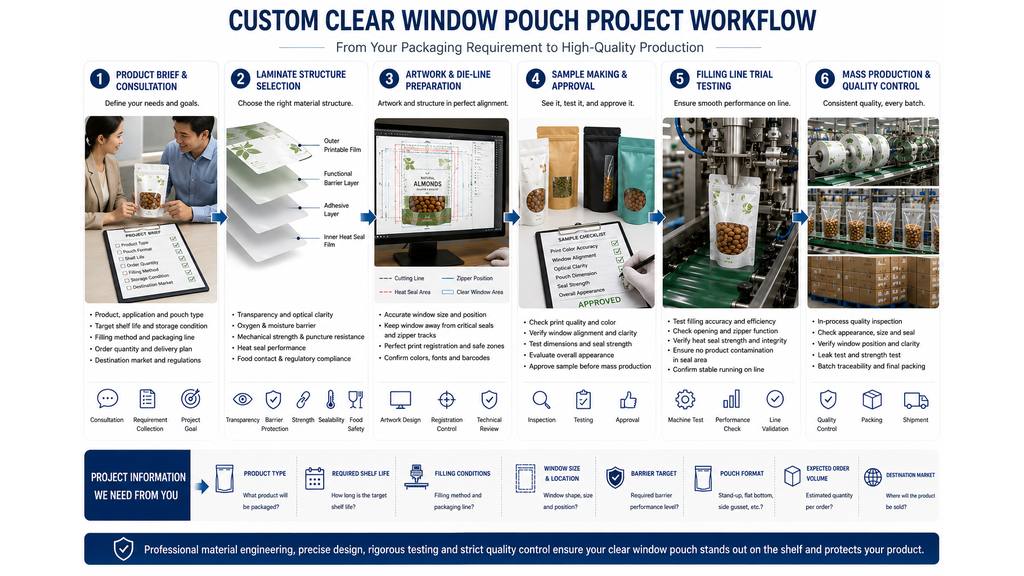
These details allow the manufacturer to recommend a realistic laminate, print method, sealant, window process, MOQ and testing plan.
How to Evaluate a Clear Window Pouch Supplier
Choose a supplier that can explain why a structure is suitable, not one that only sends a low price. The supplier should understand film extrusion, printing, lamination, pouch making, heat sealing, barrier testing and the final filling process.
Ask whether the factory can provide artwork review, approved color and window standards, physical samples, line-trial rolls or pouches, seal-strength data, barrier data, food-contact documents and batch traceability. CloudFilm’s flexible packaging quality control guide outlines the broader checks buyers can use when comparing manufacturers.
For a custom project, the best supplier-manufacturer relationship is iterative: define the product, propose the structure, approve the dieline, test samples, adjust the specification and then lock the mass-production standard.
Numbered FAQs About Clear Window Pouches
- What is the simplest way to make a clear window in a pouch?
Use a transparent laminate and leave the window area free of white and opaque printing. This is usually the simplest and most economical route.
- Does a clear window require a physical hole?
No. Most plastic pouch windows are transparent areas within the film structure, not open holes. A physical aperture is normally covered by a clear film patch.
- Which material gives the clearest window?
High-clarity PET, BOPP, CPP and selected PE grades can all provide good optics. Final clarity depends on every layer, adhesive, coating and surface condition.
- Can a matte pouch have a crystal-clear window?
Yes, but the matte effect should be engineered so it does not add haze across the window. Selective matte printing on a clear base is often effective.
- Does a larger window reduce shelf life?
It can, especially when the surrounding pouch uses stronger barrier or light-blocking layers. The actual effect depends on window area and material permeability.
- Can a transparent window provide high oxygen barrier?
Yes. Transparent barrier options include ALOx-coated PET and certain EVOH-based structures, but they must be protected and tested in the final laminate.
- Is a clear window suitable for coffee packaging?
A small window can work, but roasted coffee is sensitive to oxygen, aroma loss and light. Barrier, valve performance and shelf life should take priority.
- Why does a finished window look hazier than the original film?
Lamination adhesive, cure conditions, surface scratches, matte layers and multiple film interfaces can all increase haze.
- Can the window be any shape?
Most printed-window shapes are possible, but narrow points, thin borders and complex curves require tighter registration and may show production movement.
- How close can the window be to the pouch seal?
The safe distance depends on the structure, pouch size and sealing process. Keep a defined margin and validate seal integrity with production samples.
- Can a window be placed on the bottom gusset?
Yes, but the image may distort when the pouch opens and the area may be less visible on shelf. It can be useful for showing fill or creating a subtle reveal.
- What is a demetallized window?
It is a transparent area created by selectively removing or omitting the metal layer in a metallized film while retaining metal in the surrounding design.
- Are irregular windows more expensive?
They may increase artwork, registration and setup cost. If physical cutting, patching or special metallization is needed, the cost increase is larger.
- Can a mono-material pouch include a window?
Yes. The window can be part of the same PE- or PP-based laminate. Avoid adding an incompatible patch that weakens the recycling design.
- Do clear windows scratch easily?
Clear glossy areas make scratches more visible. Film grade, surface treatment, winding, pouch handling and transport packing all matter.
- Are clear windows suitable for frozen products?
Yes, if the films, adhesive and seals remain flexible and strong at low temperature. Condensation, impact and puncture should be tested.
- What documents should a food pouch supplier provide?
Depending on the market, request structure details, food-contact declarations, migration or compliance reports, TDS, COA and traceability information.
- Should the window be tested on the filling line?
Yes. Machine tracking, sealing, product placement, dust, static and pack appearance cannot be fully evaluated from a flat artwork proof.
- What information is needed for an accurate quotation?
Provide product, size, structure or barrier target, window design, printing, accessories, quantity, destination and required documentation.
- How should a buyer compare suppliers?
Compare structure logic, sample quality, process control, technical communication, documents, delivery reliability and total cost—not only unit price.
Conclusion
A successful clear window pouch shows the product with purpose. The design should reveal the feature that helps a shopper decide, while the laminate continues to protect shelf life, withstand filling and distribution, seal reliably and meet the target market’s compliance needs.
For brands, importers, distributors and packaging converters, the most efficient route is to define product requirements first and window aesthetics second. CloudFilm can support custom clear window pouches, matching rollstock, transparent high-barrier films and mono-material options from structure recommendation and sampling through mass production and export delivery.