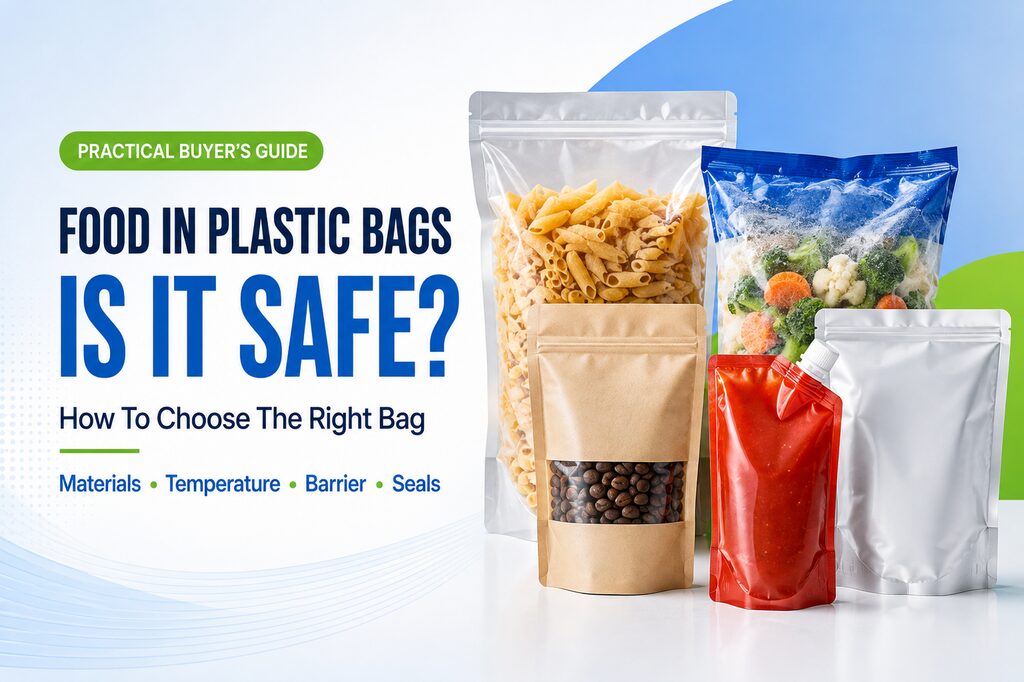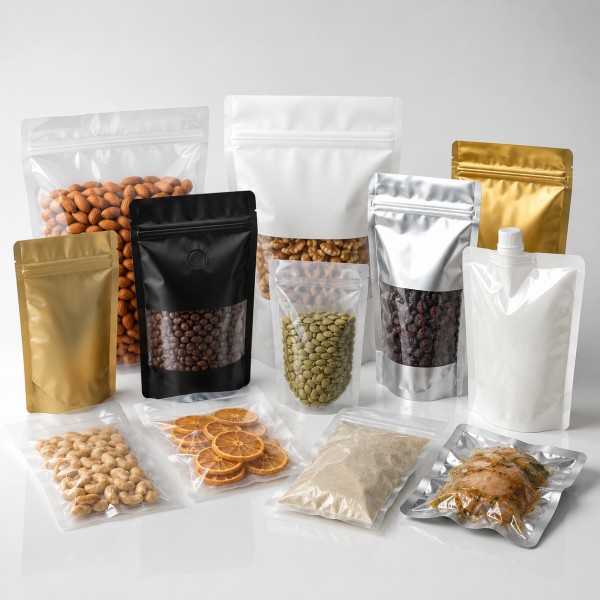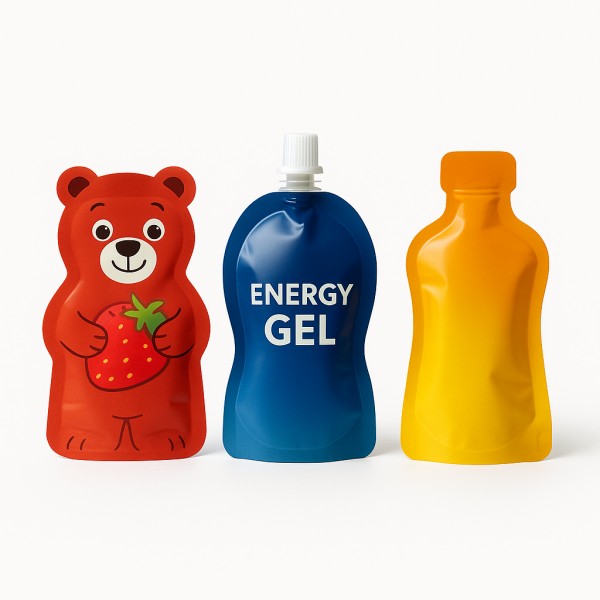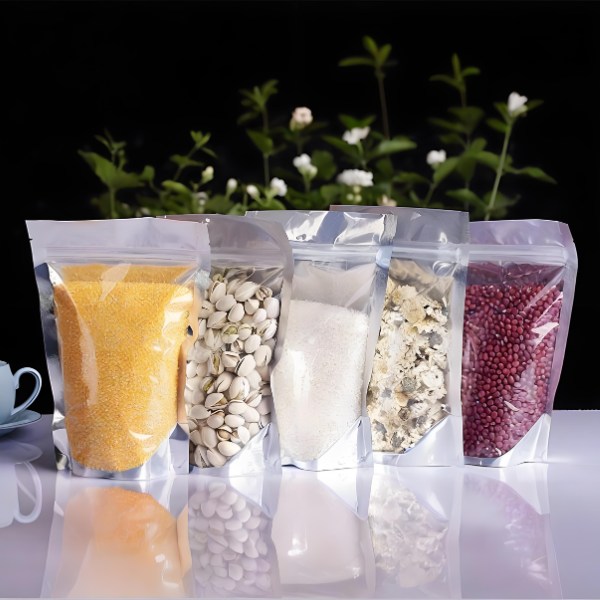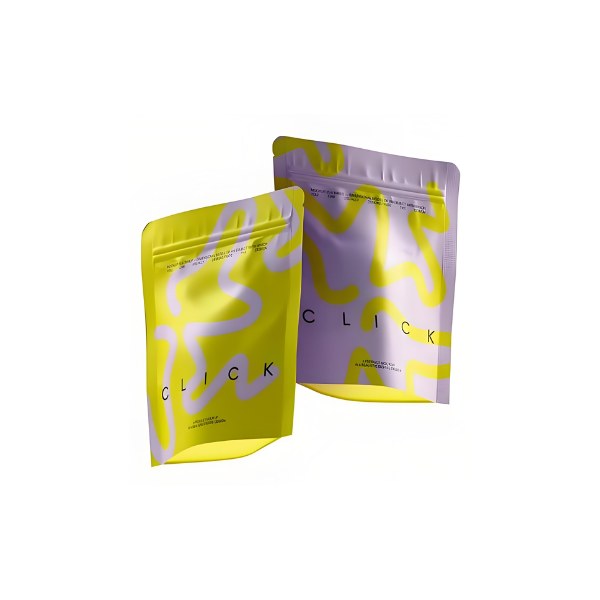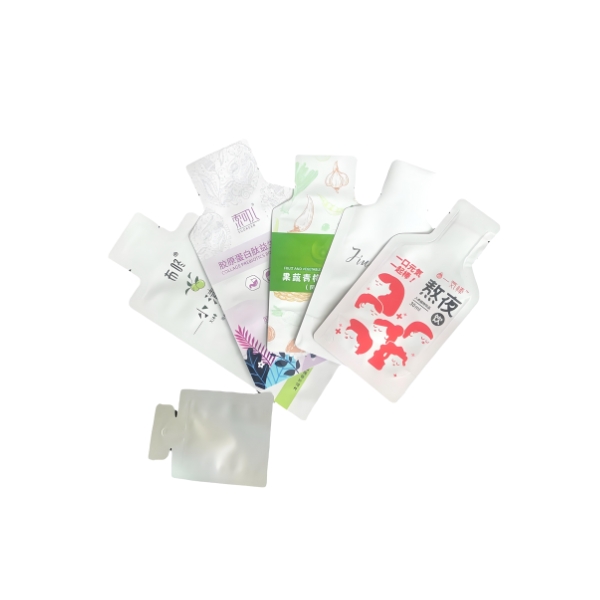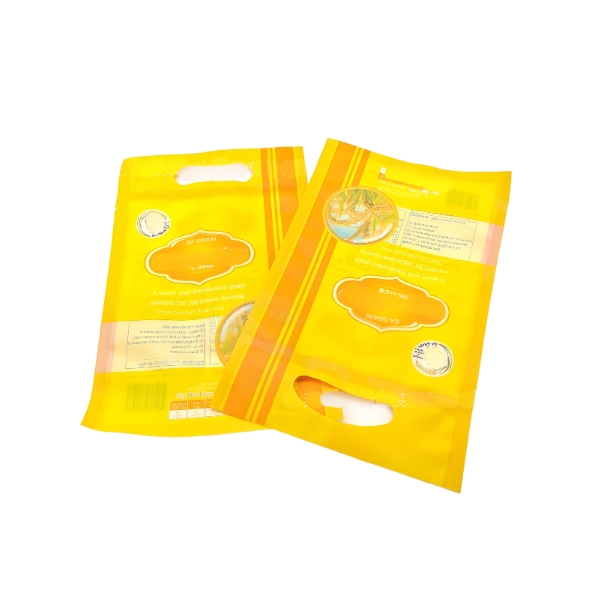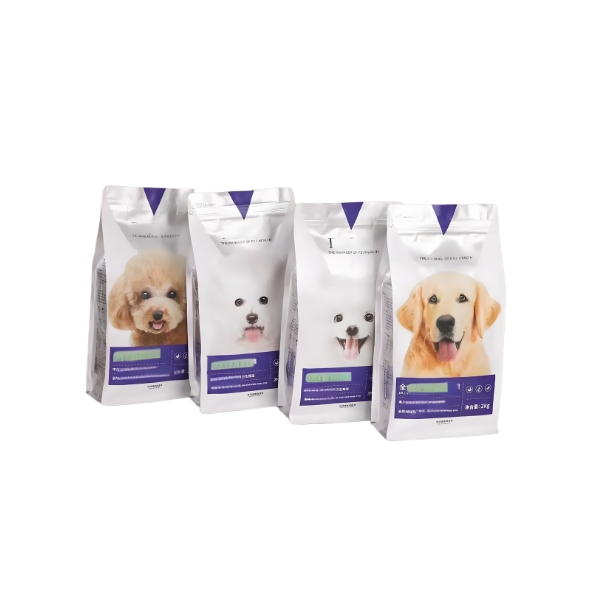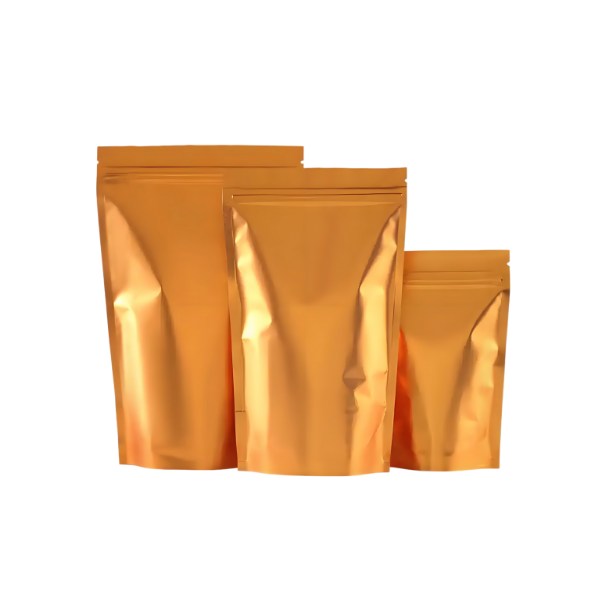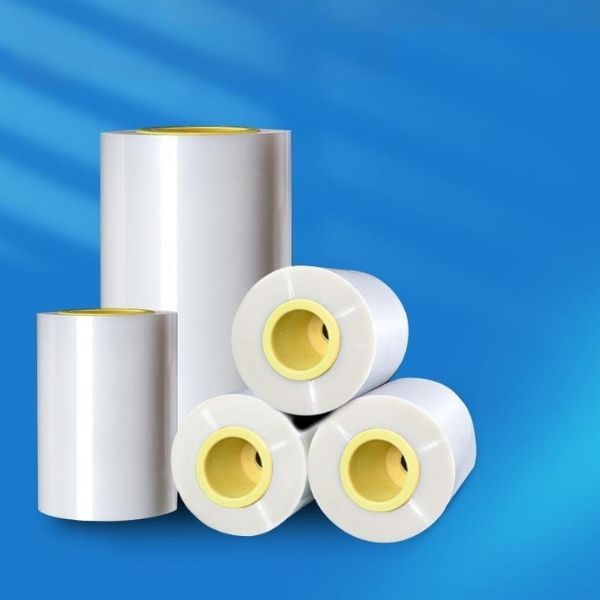
Stand up pouches are widely used for snacks, coffee, tea, pet food, powders, dried fruit, sauces, supplements, cosmetics, detergents, and many other products. They are popular because they stand well on shelves, use less material than rigid containers, offer large printing areas, and can be made with zipper, spout, window, valve, tear notch, or high-barrier structures.
However, one question appears again and again when brands, small factories, and new product teams start using this format: how to seal stand up pouches after filling.
The answer is not simply “use a heat sealer.” A reliable seal depends on the pouch structure, inner sealing layer, filling content, sealing machine, temperature, pressure, dwell time, seal width, cooling, and cleanliness of the sealing area. If any of these factors are wrong, the pouch may leak, open during transport, lose aroma, absorb moisture, or look unprofessional on the shelf.
This guide explains the real sealing methods for premade stand up pouches, how different machines work, what buyers should test before mass production, and how to work with a pouch manufacturer or supplier to avoid sealing problems.
If you are still selecting the pouch format itself, you can start with CloudFilm’s custom stand up pouches page to compare pouch size, zipper, spout, printing, barrier, and material options.
What Does “Seal A Stand Up Pouch” Really Mean?
There are two different meanings behind the word “seal.”
The first meaning is pouch manufacturing sealing. This is done by the pouch maker during production. It includes side sealing, bottom gusset sealing, zipper attachment, spout welding, tear notch cutting, die-cut shaping, and final pouch forming. Buyers usually do not perform this part unless they are pouch converters.
The second meaning is final top sealing after filling. This is what most people mean when they search “how to seal stand up pouches.” They already have premade pouches. They fill the pouch with product, close the zipper if there is one, and then heat seal the top area above the zipper or above the pouch mouth.
For a zipper stand up pouch, the zipper is mainly for consumer reclosure. It allows the end user to open and close the pouch after purchase. The top heat seal above the zipper provides the first factory seal, helps protect the product, and gives the buyer a tamper-evident package.
For a non-zipper pouch, the top seal becomes the main closure after filling. This seal must be strong enough to resist handling, storage, transport, squeezing, and shelf display.
Why Proper Sealing Matters
A stand up pouch may look simple, but the seal area carries a large part of the package’s performance. A weak seal can damage the entire product, even if the film structure, printing, and pouch shape are excellent.
A poor seal may cause:
- Powder leakage
- Liquid leakage
- Air entering the pouch
- Aroma loss
- Moisture absorption
- Mold risk for sensitive products
- Zipper contamination
- Pouch opening during transport
- Poor shelf appearance
- Customer complaints
- Product recall risk
For food, pet food, supplements, cosmetics, and household liquids, sealing is not only a packaging detail. It is part of product protection and brand reliability.
This is why serious buyers should discuss sealing conditions with their packaging supplier before confirming a pouch order. The pouch must match the customer’s filling line, sealing equipment, production speed, product type, and shelf-life target.
Main Methods For Sealing Stand Up Pouches
There are three common sealing levels: manual sealing, semi-automatic sealing, and fully automatic sealing. The right method depends on production volume, pouch material, product type, and budget.
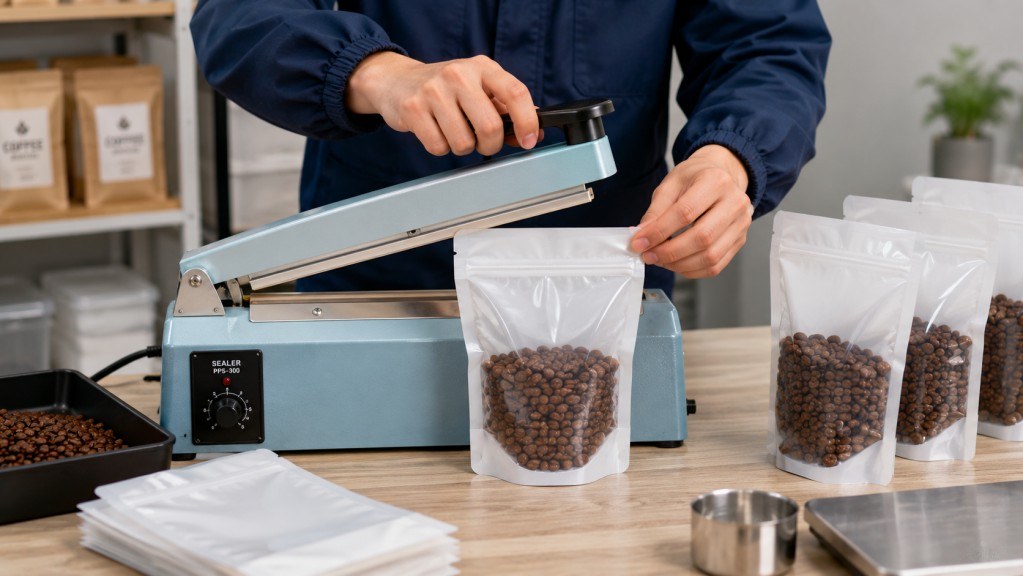
1. Manual Heat Sealer For Small Batches
A manual heat sealer is common for samples, lab trials, farmers’ markets, small food brands, coffee roasters, supplement startups, and early-stage product testing.
The operator fills the pouch, keeps the top sealing area clean, closes the zipper if the pouch has one, places the top opening between the sealing bars, applies heat and pressure, and then allows the seal to cool.
Manual heat sealing is simple and low-cost, but it depends heavily on the operator. If pouch placement is not straight, if powder enters the sealing area, or if the sealing time is inconsistent, seal quality may vary from bag to bag.
Manual sealing is best for:
- Small production batches
- New product testing
- Sample preparation
- Market trials
- Low-volume dry goods
- Simple plastic pouches
It is not ideal for high-speed production, large retail orders, liquids, heavy fills, or strict leak-proof requirements.
2. Continuous Band Sealer For Medium Production
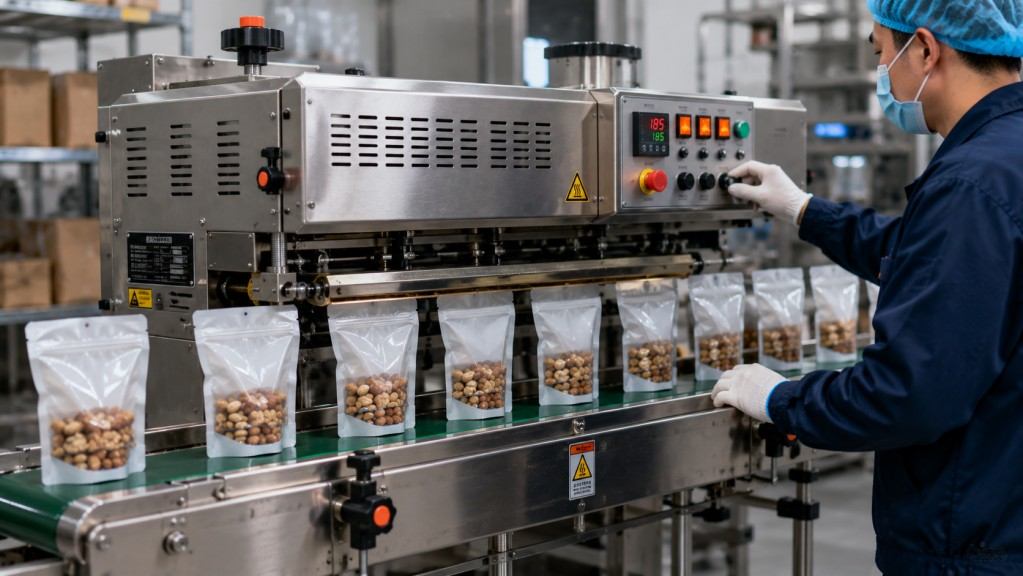
A continuous band sealer is often used when production volume grows beyond manual sealing. The filled pouch moves through heated sealing bands on a small conveyor. The machine applies heat and pressure continuously, creating a more even and professional top seal.
Band sealers are common for snacks, powders, coffee, tea, pet treats, dry foods, and health products. They are useful when the customer needs better speed and consistency but is not ready for a fully automatic premade pouch filling and sealing machine.
A band sealer can usually control:
- Sealing temperature
- Conveyor speed
- Sealing pressure
- Seal position
- Cooling section
- Date coding, if equipped
For thicker laminated pouches, foil-based pouches, metallized pouches, or high-barrier structures, a constant heat sealing system or band sealer is often more stable than a low-cost manual impulse sealer.
3. Automatic Premade Pouch Filling And Sealing Machine
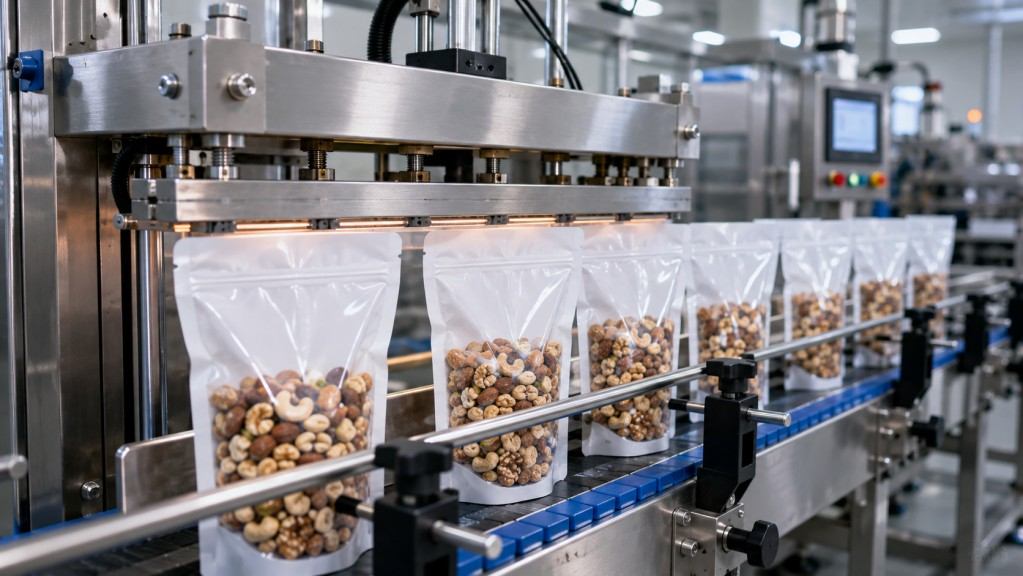
For high-volume production, brands usually use an automatic premade pouch filling and sealing machine. The machine takes premade pouches from a magazine, opens them, fills the product, closes the zipper if needed, seals the top, cools the seal, and outputs finished packs.
This type of equipment is common for:
- Coffee
- Snacks
- Powdered drinks
- Spices
- Pet food
- Frozen food
- Liquids
- Sauces
- Detergent refills
- Cosmetic refills
Automatic machines reduce labor and improve consistency, but they require accurate pouch dimensions, good pouch flatness, reliable zipper position, and stable sealing layers. If the pouch tolerance is poor, the machine may fail to pick, open, fill, or seal the bag correctly.
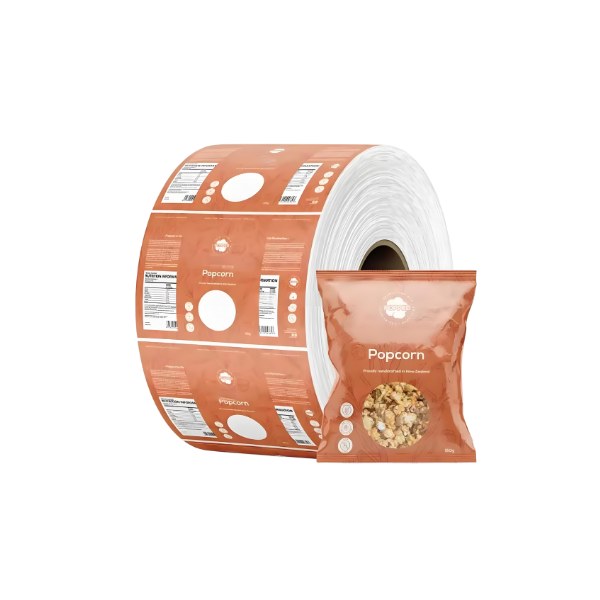
If your project uses high-volume form-fill-seal production instead of premade pouches, CloudFilm’s custom printed roll stock film may be a better format because roll stock allows the machine to form, fill, and seal the package directly from film.
Step-By-Step: How To Seal A Stand Up Pouch After Filling
The exact process depends on the pouch and equipment, but the basic logic is similar.
Step 1: Confirm The Pouch Is Heat-Sealable
Not every pouch can be sealed under the same conditions. The inner layer must be a heat-sealable material, such as PE, CPP, PP, or another approved sealant layer. The outer layer may be PET, kraft paper, BOPP, nylon, aluminum foil, or another functional material, but the inside layer is what actually bonds during heat sealing.
Ask your pouch supplier for the recommended sealing temperature range and sealing method before production.
Step 2: Fill The Pouch Correctly
Do not overfill the pouch. Leave enough headspace for sealing. If the product reaches the sealing zone, the seal may be weak or uneven.
For powders, use a funnel or filling machine that reduces dust. For liquids and sauces, avoid splashing onto the upper inner surface. For oily products, keep oil away from the seal area because oil can seriously reduce seal strength.
Step 3: Clean And Align The Seal Area
The top sealing area must be flat, clean, and straight. Product contamination, wrinkles, trapped air, and folded corners can all create leakage channels.
For zipper pouches, press the zipper closed before sealing the top area. The heat seal should normally be above the zipper, not directly through the zipper unless the pouch is specially designed for that.
Step 4: Set Temperature, Pressure, And Time
A strong seal requires the right combination of heat, pressure, and dwell time. If the temperature is too low, the inner layers may not bond. If the temperature is too high, the pouch may distort, burn, wrinkle, or weaken.
Pressure must be enough to bring the sealing layers together, but excessive pressure may squeeze molten material away from the seal area. Dwell time must be long enough to transfer heat through the pouch structure.
The correct setting is not universal. It changes with material structure, thickness, seal width, machine type, product condition, and production speed.
Step 5: Seal And Cool
After heat sealing, allow the seal to cool before pulling, squeezing, or packing the pouch. Cooling helps stabilize the bond and improves final seal strength.
On automatic machines, a cooling bar or pressing station may be used after heat sealing. On manual lines, operators should avoid immediately stressing the top seal.
Step 6: Test The Finished Pouch
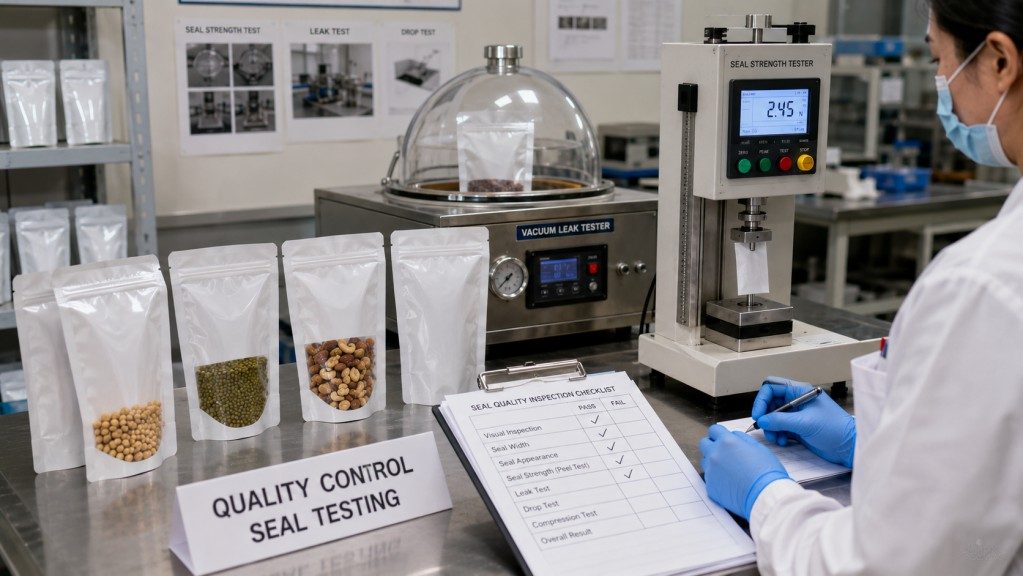
Do not rely only on appearance. A seal may look good but still fail during transport. Test seal strength, leakage, drop resistance, compression resistance, and shelf stability according to your product risk.
Key Sealing Parameters Buyers Must Understand
Temperature
Temperature must match the inner sealant layer. PE-based layers usually seal at lower temperatures than some high-temperature sealant structures, while thick foil laminated pouches may need more stable heat transfer.
Pressure
Pressure helps bring the inner layers into full contact. Too little pressure creates weak bonding. Too much pressure can thin the seal area or create distortion.
Dwell Time
Dwell time means how long the sealing jaws stay closed, or how long the pouch stays in the sealing zone. Faster line speed usually means less dwell time, so the machine may need higher temperature or better heat transfer.
Seal Width
A wider seal can give more safety margin, especially for heavy products, liquids, and e-commerce shipping. Very narrow seals are less forgiving.
Cooling
Cooling is often ignored, but it matters. A hot seal is not always fully stable. Cooling under light pressure can improve appearance and seal strength.
Common Stand Up Pouch Structures And Sealing Behavior
A stand up pouch is often a laminated structure. The outer layer provides printability and appearance. The middle layer may provide oxygen, aroma, light, or puncture barrier. The inner layer provides heat sealing and product contact performance.
Common structures include:
- PET/PE
- Kraft Paper/PET/PE
- PET/AL/PE
- PET/VMPET/PE
- BOPP/PE
- PA/PE
- Mono-PE structures
- Mono-PP structures
For recyclable packaging projects, many brands are moving toward PE-based or PP-based pouch structures. CloudFilm’s PE pouches and recyclable pouches pages can help buyers compare sealing strength, stiffness, recyclability, and application suitability.
For liquid products, the pouch structure must resist leakage, drop impact, pressure, and product compatibility. If you pack sauces, beverages, cosmetics, detergent, or refill products, CloudFilm’s liquid pouches page is more relevant than a dry-food pouch page.
How To Seal Zipper Stand Up Pouches
Zipper pouches are very common for coffee, snacks, pet treats, powders, supplements, and dried foods. The zipper improves consumer convenience, but it does not replace the factory top seal.
A typical process is:
- Open the pouch above the zipper.
- Fill the product carefully.
- Remove powder or crumbs from the zipper and top seal area.
- Press the zipper closed.
- Heat seal the top area above the zipper.
- Let the seal cool.
- Check seal appearance and strength.
The heat seal above the zipper gives the pouch a finished, tamper-evident appearance. When the consumer opens the pouch for the first time, they tear or cut above the zipper, then use the zipper for repeated opening and closing.
For premium dry products that need better shelf display, flat bottom pouches may also be considered. They use a box-style base and large printable panels, but the top sealing principle after filling is still similar.
Sealing Problems And Practical Solutions
Problem 1: Weak Top Seal
Possible causes include low temperature, short dwell time, insufficient pressure, dirty seal jaws, wrong sealant layer, or product contamination. Increase temperature gradually, check pressure, clean the jaws, and test again.
Problem 2: Burnt Or Wrinkled Seal
This may happen when the temperature is too high, dwell time is too long, pressure is uneven, or the pouch is not aligned. Reduce temperature, shorten dwell time, or improve pouch positioning.
Problem 3: Powder Caught In The Seal
This is common in flour, protein powder, spices, coffee powder, and supplement packaging. Use better filling control, dust extraction, vibration, air cleaning, or a wider seal area.
Problem 4: Liquid Leakage
Liquid pouches require careful structure design and stronger seal testing. Check seal compatibility, filling temperature, product viscosity, contamination risk, headspace, and drop-test performance.
Problem 5: Zipper Does Not Close Properly
Powder, crumbs, or misalignment can prevent zipper closure. The filling process must keep the zipper clean. For automatic lines, zipper closing stations should be adjusted carefully.
Problem 6: Good Seal In Test But Failure During Transport
The pouch may pass a simple hand test but fail under compression, temperature change, vibration, or stacking. Add drop tests, compression tests, and storage simulation before mass shipment.
Quality Tests For Sealed Stand Up Pouches
Professional pouch sealing should be checked by more than appearance.
Common tests include:
Visual Inspection
Check whether the seal is straight, flat, complete, and free from burns, wrinkles, holes, or contamination.
Peel Test
Pull the seal apart by hand or with a testing machine to compare seal strength between samples.
Leak Test
For liquids, sauces, powders, or aroma-sensitive products, leakage testing is essential. Vacuum chamber tests or pressure tests may be used depending on the product.
Drop Test
Drop filled pouches from defined heights to check whether the seal, bottom gusset, zipper, or spout area fails.
Compression Test
This test is useful for e-commerce, pallet stacking, and heavy products.
Storage Test
Some products change during storage. Oil migration, powder dust, alcohol, acidity, or hot-fill conditions may affect the seal over time.
For buyers who need a broader supplier evaluation checklist, CloudFilm’s flexible packaging quality control guide explains how film inspection, printing checks, lamination, pouch making, sealing, and final packing are controlled.
How To Choose A Stand Up Pouch Supplier Or Manufacturer
A reliable stand up pouch supplier should not only quote the pouch size and printing cost. The supplier should understand your product, filling method, sealing equipment, target shelf life, shipment route, and retail requirements.
Before ordering, ask these questions:
- What is the recommended sealing temperature range?
- Is this pouch suitable for my product type?
- Is the inner layer PE, CPP, PP, or another sealant?
- Can the pouch run on my manual, semi-automatic, or automatic sealing machine?
- Can you provide samples for sealing tests?
- Can you adjust the sealant layer if my line speed is high?
- Can you support zipper, spout, tear notch, hang hole, or laser scoring?
- Can you supply both premade pouches and roll stock film?
- Can you help with leak testing and drop testing?
- Can you support export packing and documentation?
For buyers who need multiple pouch formats, CloudFilm’s flexible pouches category provides a wider view of pouch options. If you are still designing the whole packaging system, the custom flexible packaging solutions page can help connect film selection, pouch format, printing, and export-ready specifications.
To receive a practical recommendation, you can contact CloudFilm with your pouch size, product type, filling condition, target shelf life, and sealing equipment details.
FAQ About Sealing Stand Up Pouches
1. Can stand up pouches be heat sealed?
Yes. Most commercial stand up pouches are designed with an inner heat-sealable layer. After filling, the top opening is usually heat sealed by manual heat sealer, band sealer, or automatic pouch sealing machine.
2. Do I need to heat seal a zipper stand up pouch?
In most commercial packaging, yes. The zipper is for consumer reclosure, while the top heat seal above the zipper provides the first factory seal and tamper-evident protection.
3. What machine is best for sealing stand up pouches?
For small batches, a manual heat sealer may be enough. For medium production, a continuous band sealer is more efficient. For large production, an automatic premade pouch filling and sealing machine is usually preferred.
4. What temperature should I use?
There is no universal temperature. It depends on the pouch structure, inner sealant layer, film thickness, seal width, machine type, and production speed. Always test and ask your pouch supplier for a starting range.
5. Why does my pouch seal open easily?
Common reasons include low temperature, short dwell time, low pressure, product contamination, dirty sealing jaws, wrong sealant layer, or insufficient cooling.
6. Why does the seal look burnt?
The sealing temperature may be too high, dwell time may be too long, or pressure may be uneven. Reduce heat gradually and check alignment.
7. Can I seal foil stand up pouches with an impulse sealer?
Some foil laminated pouches can be sealed with strong impulse sealers, but many thicker foil or metallized pouches seal better with constant heat or band sealing equipment. Testing is necessary.
8. How much space should I leave at the top?
Leave enough headspace for sealing and handling. The exact space depends on pouch size, product type, zipper position, tear notch, and sealing machine.
9. Can I seal pouches with powder inside?
Yes, but powder must be kept away from the sealing area. Powder trapped in the seal can create channels and cause leakage.
10. Can I seal liquid stand up pouches?
Yes, but liquid pouches require stronger structure design, clean filling, reliable top sealing, and more serious leak and drop testing.
11. Is a band sealer better than a manual heat sealer?
For higher volume and more consistent appearance, usually yes. A band sealer provides continuous sealing and better control than purely manual sealing.
12. What is dwell time?
Dwell time is the time during which the pouch stays under heat and pressure. It is one of the main factors that controls seal strength.
13. How do I test whether the seal is good?
Use visual inspection, peel test, leak test, drop test, compression test, and storage test according to your product risk.
14. Can one pouch structure work for all products?
No. Dry snacks, coffee, powders, sauces, liquids, cosmetics, and chemicals may need different structures, seal layers, barrier levels, and sealing conditions.
15. Should I buy premade pouches or roll stock film?
Premade pouches are flexible and suitable for many small and medium production lines. Roll stock film is often better for high-speed form-fill-seal production because it can reduce unit cost and improve line efficiency.
Final Thoughts
Sealing stand up pouches is a practical packaging process that must be tested, not guessed. A successful seal depends on the pouch material, product type, filling accuracy, clean seal area, machine choice, temperature, pressure, dwell time, and cooling.
For small batches, manual heat sealing may be enough. For growing production, a band sealer can improve consistency. For large-scale production, an automatic premade pouch filling and sealing machine is usually the best choice.
The most important point is to design the pouch and sealing process together. When your pouch supplier understands your product, filling method, machine type, and market requirements, you can avoid weak seals, leaks, wasted product, and customer complaints.
A good stand up pouch is not only a printed bag. It is a complete packaging system that must protect the product, run smoothly on your line, and arrive safely in the hands of your customers.