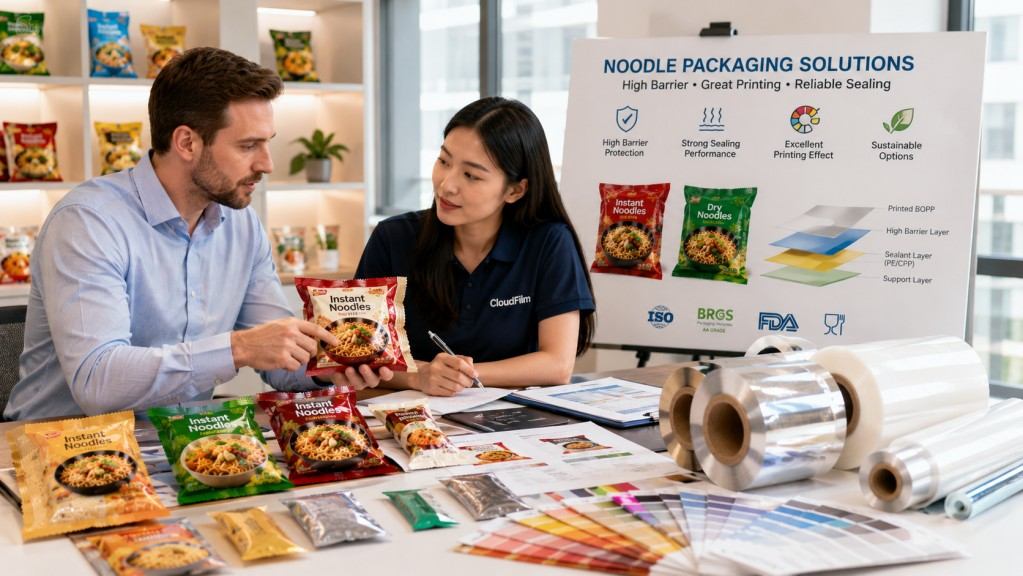
Noodle packaging is more than a printed bag around a food product. For instant noodles, dry noodles, pasta, ramen, vermicelli, rice noodles and noodle seasoning packs, packaging must protect flavor, texture, aroma, oil stability and shelf appearance during filling, shipping, storage and retail display.
For food brands, contract packers, converters and distributors, choosing the right noodle packaging film can reduce product damage, improve machine efficiency, extend shelf life and make the product look more competitive on the shelf. A good package should also match the filling line, sealing temperature, target market, transport route and sustainability goals.
As a flexible packaging film manufacturer and supplier, CloudFilm supports noodle packaging projects with base films, laminated roll stock, pouch structures, shrink film and recyclable packaging options. This guide explains the key materials, structures, formats and buying points that help you choose a practical noodle packaging solution.
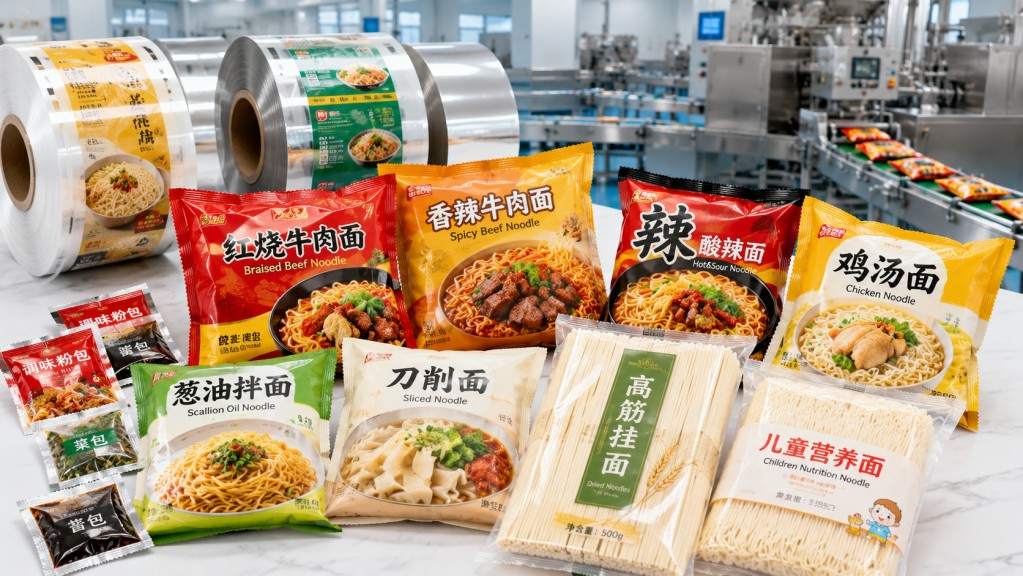
What Is Noodle Packaging?
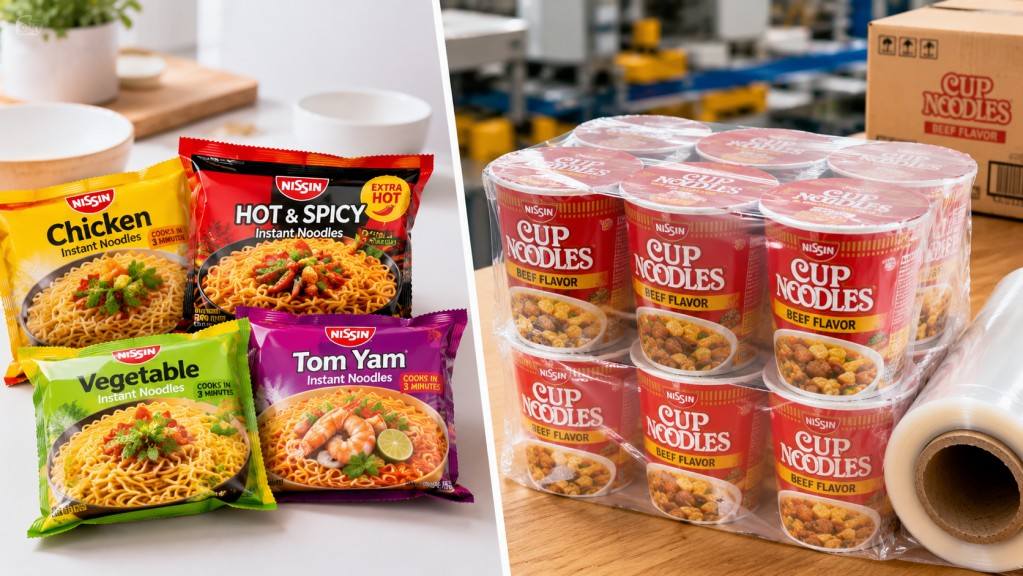
Noodle packaging refers to the flexible film, pouch, wrapper, sachet, tray overwrap or multipack solution used to pack noodle products. It may be a simple pillow bag for instant noodles, a transparent window pouch for dry noodles, a high-barrier stand-up pouch for premium ramen, or a clear shrink overwrap for cup noodle multipacks.
Different noodle products require different packaging logic. Fried instant noodles contain oil and need stronger protection against oxygen, light and moisture. Air-dried noodles usually need moisture control, good puncture resistance and clean shelf presentation. Pasta packaging may focus more on visibility, stiffness and print appearance. Cup noodles and bowl noodles may use outer shrink film to keep cartons clean and secure.
Because noodle packaging covers many product types, buyers should not choose film only by thickness or price. A better approach is to match the film structure with product sensitivity, filling speed, package format and target shelf life.
For general food-grade material selection, CloudFilm’s food packaging film page gives a broader overview of flexible films used for snacks, frozen foods, ready meals and dry foods.
Common Noodle Packaging Formats
Instant Noodle Pillow Bags
The most common format for instant noodles is the pillow bag. It is usually made from printed roll stock and formed on vertical form-fill-seal or horizontal packaging machines. Pillow bags are cost-effective, fast to produce and suitable for mass-market retail packs.
For pillow bags, the film must run smoothly, seal firmly and resist tearing during filling and transport. The outer layer needs good printability, while the inner layer must provide reliable heat sealing. For many noodle applications, BOPP/PE, BOPP/CPP, PET/PE, PET/CPP or metallized structures may be considered depending on shelf life and appearance requirements.
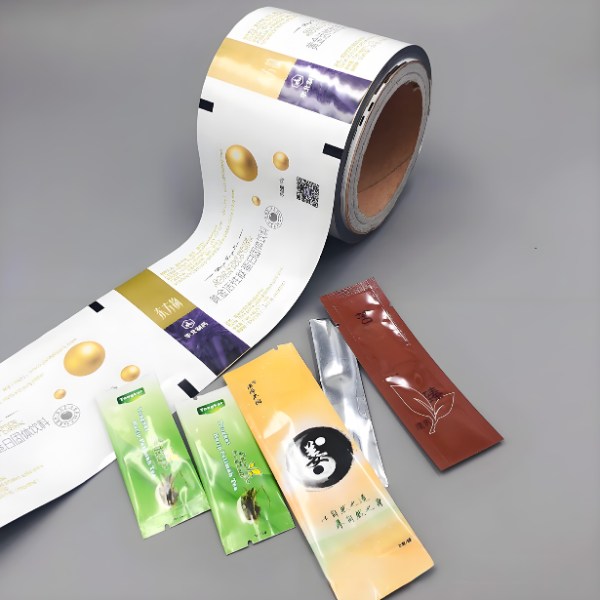
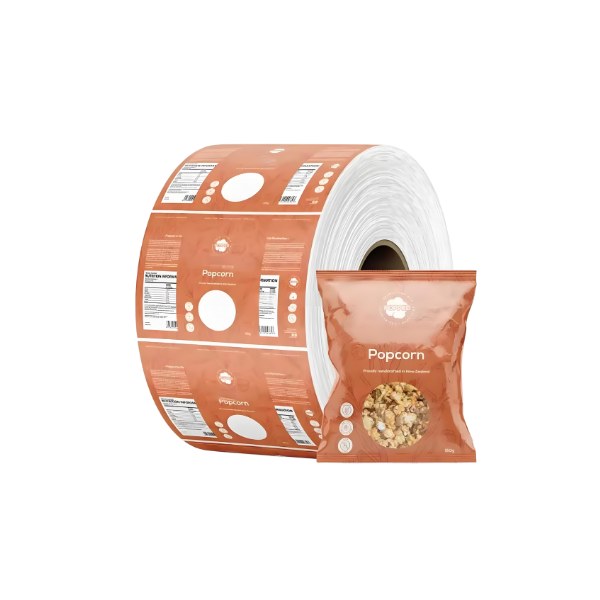
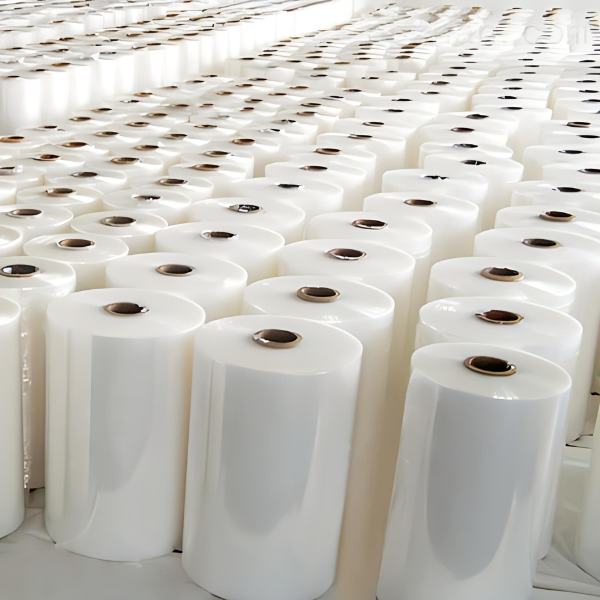
If your packing line uses roll-fed packaging, custom printed roll stock film is usually the most efficient format for high-volume noodle production.
Dry Noodle And Pasta Bags
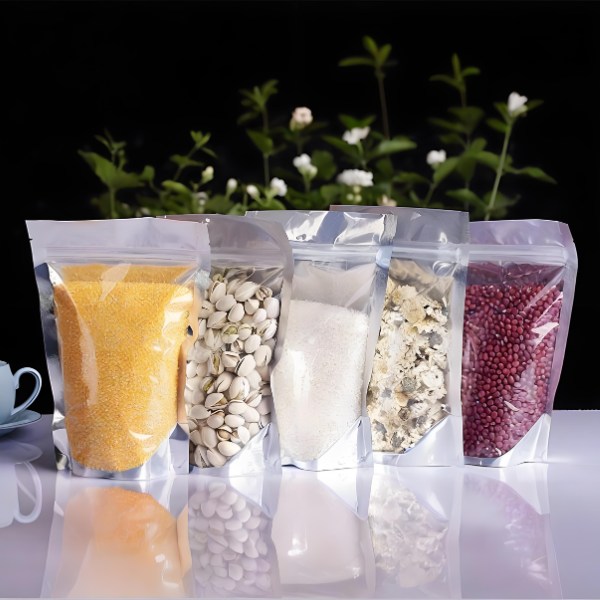
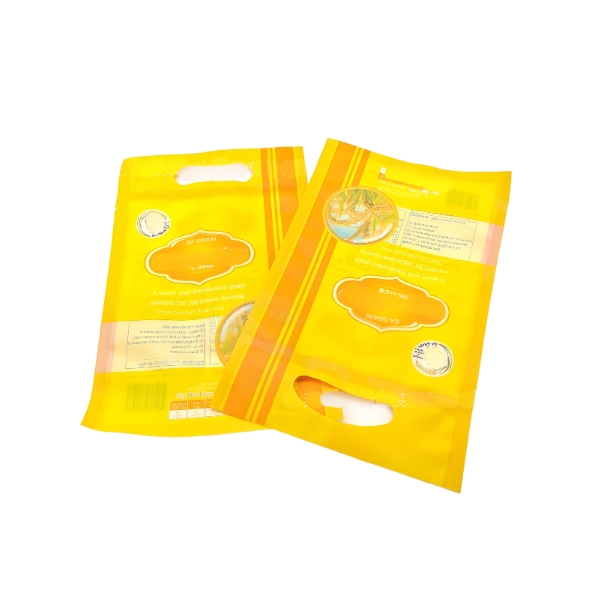
Dry noodles, pasta, spaghetti, vermicelli and rice noodles may be packed in pillow bags, side-gusseted bags, stand-up pouches or transparent bags with printed panels. These products are usually less oily than fried instant noodles, but they can be brittle, long, sharp or irregular in shape.
For this reason, packaging should balance clarity, stiffness, puncture resistance and seal strength. Transparent windows can help consumers see the noodle shape and quality, while printed panels communicate brand, cooking time, ingredients and certifications.
Premium Ramen And Multi-Serving Pouches
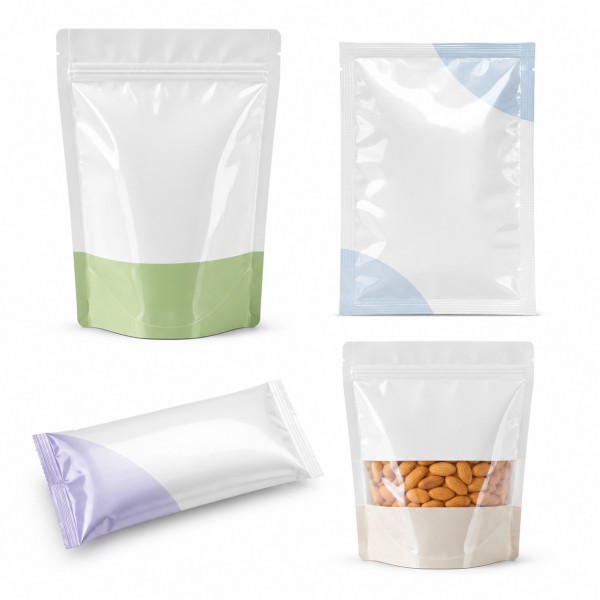
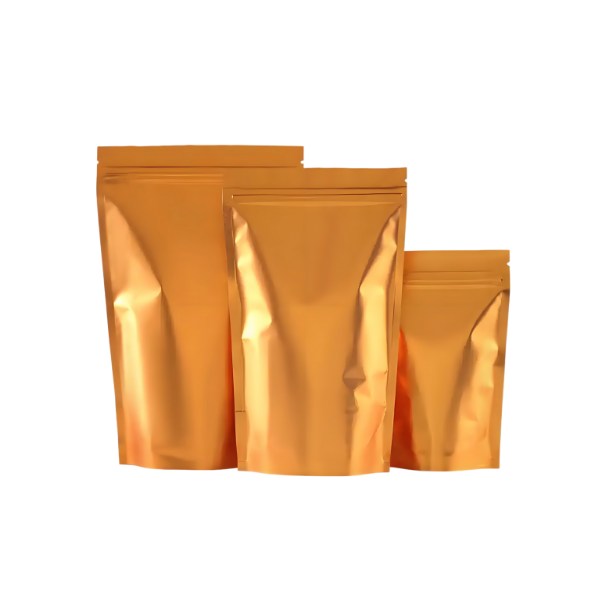
Premium ramen, fresh-style dry noodles, organic noodles and multi-serving products often use stand-up pouches or flat bottom pouches. These formats create stronger shelf display than a simple pillow bag and allow more space for branding and product information.
For premium formats, the package may include matte finish, zipper, easy-tear notch, transparent window, high-barrier film or recyclable mono-material structure. If the product needs better shelf presence and reclosability, stand up pouches can be a practical option for noodle brands.
Seasoning Sachets And Sauce Packs
Many noodle products include powder sachets, oil sachets, soup base sachets or sauce packs. These small inner packs need reliable sealing, good oil resistance and proper barrier performance. The structure depends on the ingredient. Dry seasoning powder mainly needs moisture protection. Oil sauce or spicy paste may require stronger oxygen, aroma and oil resistance.
Small sachets are often produced with thin laminated films on high-speed lines. The seal layer must be consistent because even a small leak can affect the whole noodle pack.
Cup Noodle And Bowl Noodle Overwrap
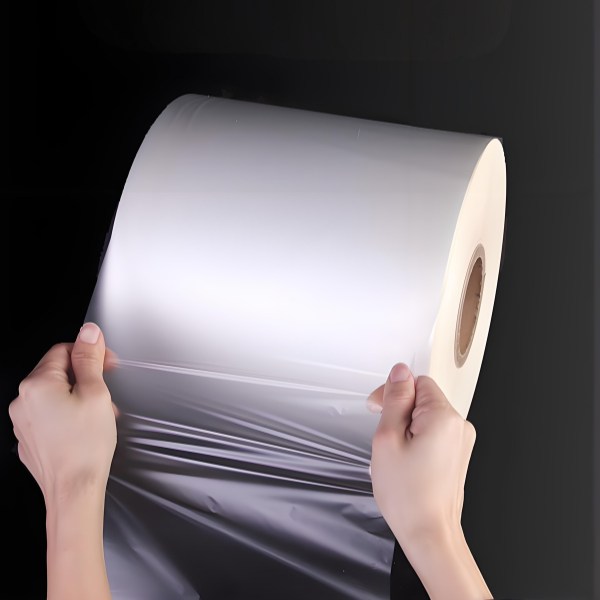
Cup noodles and bowl noodles often need secondary packaging. In China and many other markets, POF shrink film is commonly used as a clean, transparent outer wrap for bowls, cups, boxed noodles and multipacks. It helps protect the product from dust, improves tamper evidence and gives a tighter retail appearance.
POF is normally used as an outer shrink wrap rather than the main barrier pouch for fried noodles. For direct noodle pillow bags, laminated flexible packaging films are usually more suitable. For cup or bowl noodle outer wrapping, POF shrink film can be a good choice when high clarity, food-safe appearance and clean shrink performance are required.
Key Materials Used In Noodle Packaging Film
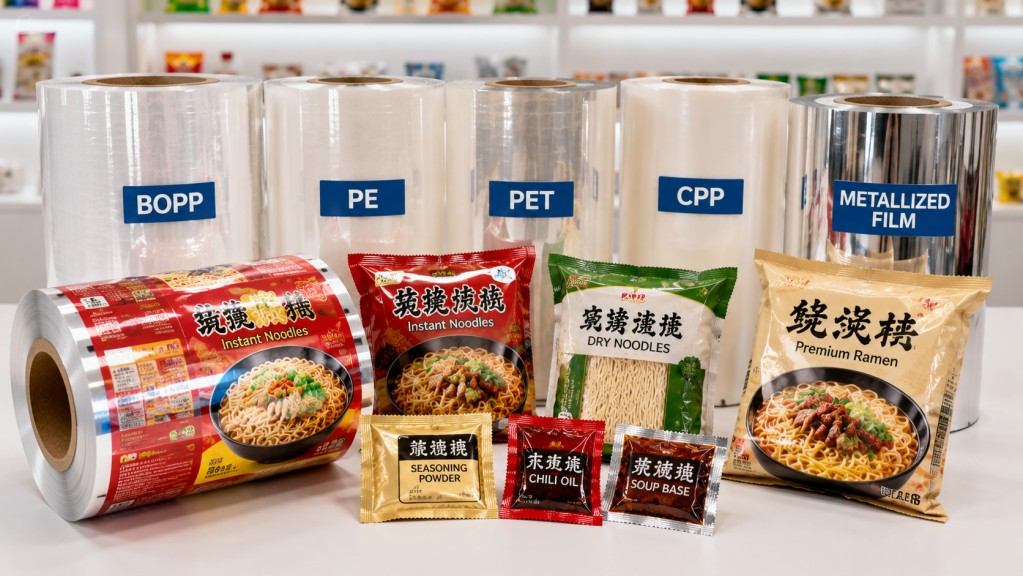
BOPP Film
BOPP film is widely used in dry food and instant noodle packaging because it offers good stiffness, high clarity, attractive gloss, moisture resistance and excellent print performance. It can be used as an outer printing layer or combined with PE, CPP or metallized layers to create a laminated packaging structure.
For many mass-market noodle packs, BOPP-based structures are popular because they balance cost, appearance and machinability. A clear BOPP film can show the product, while a pearlized or metallized BOPP film can improve opacity, shelf impact and barrier performance.
CloudFilm’s BOPP film range includes different grades for printing, lamination, heat sealing and specialty packaging needs.
BOPP/PE Laminated Film
BOPP/PE is a common structure for instant noodles, rice, dry foods and pillow bags. BOPP provides printability, stiffness and visual appeal, while PE provides heat sealing, flexibility and strength. For heavier noodle packs, the PE layer can help improve load-bearing performance.
A typical instant noodle structure may use printed BOPP or pearlized BOPP laminated with PE. The final thickness should be adjusted according to pack weight, machine speed, drop test requirement and shelf life target.
For buyers who want to understand this structure in more detail, CloudFilm’s BOPP/PE laminated film guide explains common structures and applications.
PET Film
PET film is often used when the package needs stronger dimensional stability, higher heat resistance and premium print appearance. PET can work as an outer printing layer in PET/PE, PET/CPP, PET/VMPET/PE or PET/AL/PE structures.
For noodle packaging that requires higher mechanical strength, better printing registration or a more premium appearance, PET-based laminates may be suitable. PET is also common in high-barrier laminated packaging for sauces, seasoning packs and premium food products.
CPP Film
CPP is a cast polypropylene film used as a sealant layer in many flexible packaging structures. Compared with PE, CPP can offer higher clarity, better stiffness and good heat resistance. BOPP/CPP or PET/CPP structures may be used for some noodle and snack packages, especially where PP-based structures are preferred.
CPP can also support mono-PP design direction when brands want to improve recyclability in markets where PP flexible packaging collection exists.
Metallized BOPP And Metallized PET
Metallized films are often used when noodle packaging needs better protection against light, oxygen and moisture, or when the brand wants a metallic shelf appearance. Metallized BOPP is common for snacks, candy and instant noodles, while metallized PET may be selected for higher barrier or premium laminated structures.
A metallized structure can help slow flavor loss, oil oxidation and aroma change. It also creates a shiny background for stronger shelf impact. CloudFilm supplies metallized BOPP film for packaging applications that need both appearance and functional barrier.
Pearlized BOPP Film
Pearlized BOPP film gives a bright white background and soft pearlescent effect. For instant noodle packaging, it can help hide the product color, improve print contrast and make graphics look cleaner. It is often used in pillow bags where a strong retail display is needed.
For brands that want a white, opaque and attractive package without using a heavy structure, BOPP pearlized film can be considered.
PVDC Coated Film And Other High-Barrier Films
Some noodle products, especially fried noodles, oily seasoning, dehydrated vegetables or high-value ramen packs, need stronger barrier performance. PVDC coated films, EVOH co-extruded films, ALOx films, metallized films or foil-based structures may be used depending on target shelf life and market requirements.
For example, PVDC coated film can be considered for high-barrier food packaging where oxygen and moisture protection are important. For transparent high-barrier needs, co-extruded EVOH film may be evaluated depending on application and structure design.
How To Choose The Right Noodle Packaging Structure
Product Type
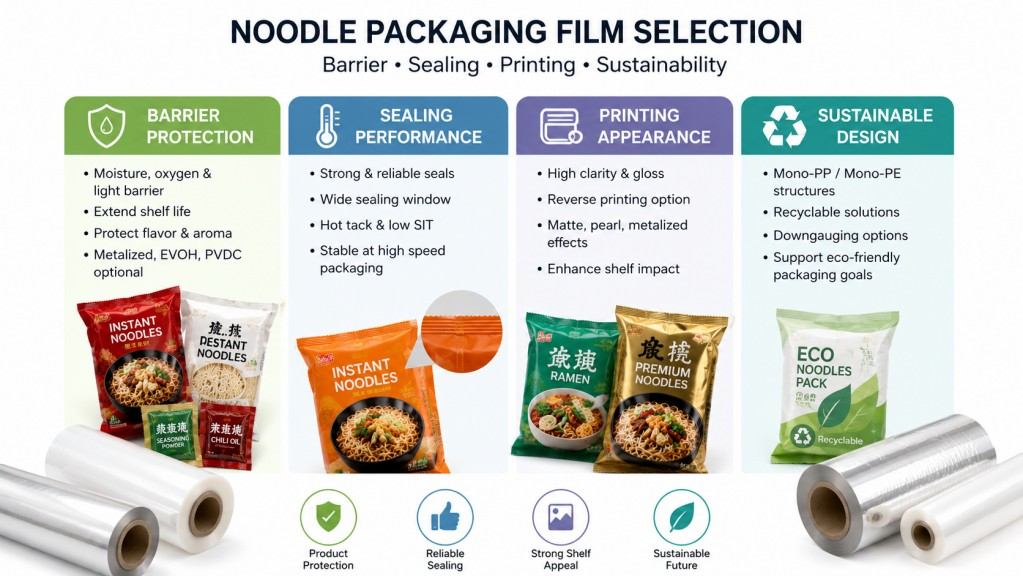
The first question is what type of noodle you pack. Fried instant noodles, non-fried instant noodles, dry noodles, pasta, rice noodles, fresh noodles and seasoning sachets have different protection needs.
Fried instant noodles are more sensitive to oxygen and light because of oil content. Dry noodles need moisture control and mechanical protection. Fresh noodles may require stronger oxygen barrier, refrigeration compatibility or modified atmosphere packaging. Sauce sachets need strong sealing and oil resistance.
Shelf Life Target
A noodle pack designed for three months of local distribution may not need the same barrier as a pack exported across long sea routes for twelve months. Shelf life target affects material choice, thickness, barrier layer and sealing design.
For long export routes, buyers should also consider temperature fluctuation, container humidity, carton compression and retail storage conditions. A reliable noodle packaging supplier should ask about shelf life before recommending a structure.
Filling Machine
The packaging film must match the machine. VFFS, HFFS, flow-wrap, sachet machines and shrink tunnels have different film requirements. Important machine-related factors include film stiffness, coefficient of friction, sealing initiation temperature, hot tack, roll winding direction, core size and roll diameter.
If the film does not match the machine, problems may include wrinkles, poor tracking, weak seals, film breakage, static, cutting problems or unstable packing speed. When requesting a quote, it is useful to share your machine type, speed, current film structure and current problems.
Barrier Requirement
For many noodle packs, moisture barrier is the first priority. Moisture can make dry noodles softer, reduce crispness, affect seasoning powder and shorten shelf life. For fried noodles and oil sachets, oxygen and light barrier may also be important.
Barrier should not be over-specified without reason. A structure that is too complex may increase cost and reduce recyclability. The best solution is the structure that meets the shelf life target at the right cost.
Sealing Performance
Seal strength is critical for noodle packaging. Weak seals can cause leaks, open packs, powder loss or product contamination. A good film should seal within the machine’s practical temperature range and maintain seal integrity after filling, packing, carton loading and transport.
For high-speed lines, low sealing initiation temperature and stable hot tack can help improve efficiency. For heavy packs, stronger seal layers and wider seal areas may be needed.
Printing And Shelf Appearance
Noodle packaging is highly visual. Buyers often compare products quickly on the shelf, so color, gloss, opacity, matte effect, metallic effect and print clarity matter. Reverse printing is widely used for laminated noodle packaging because it protects ink between layers and improves surface durability.
For premium noodle brands, matte finish, metallic accents, transparent windows or soft-touch effects can help create stronger differentiation. However, the design should not compromise sealing, barrier or machine performance.
Sustainability Direction
Sustainability is becoming more important in noodle packaging. Some brands are moving from mixed-material structures toward mono-PP or mono-PE designs where local recycling systems support them. Others use downgauging, solvent-free lamination, recyclable pouches or material reduction to improve packaging impact.
For dry noodle and snack-like applications, mono-PP structures can be considered because PP provides stiffness, clarity and heat resistance. For softer packages, mono-PE structures may be evaluated. CloudFilm’s recyclable pouches can support brands that want custom pouch formats with a recyclable design direction.
Recommended Structures For Different Noodle Products
Economy Instant Noodle Packs
For standard instant noodle pillow bags, BOPP/PE or BOPP/CPP can be a practical starting point. If stronger shelf appearance is required, pearlized BOPP or metallized BOPP can be used as part of the structure.
Typical design goals include cost efficiency, stable sealing, good print quality and enough protection for normal shelf life.
High-Barrier Instant Noodle Packs
For fried noodles, premium ramen or export products with longer shelf life, metallized BOPP, metallized PET, PVDC coated film or other barrier layers may be considered. These structures help improve protection against oxygen, moisture, light and aroma loss.
Typical design goals include longer shelf life, better flavor retention, stronger aroma protection and improved retail appearance.
Dry Noodle And Pasta Packs
For dry noodles and pasta, clear BOPP/PE, PET/PE, BOPP/CPP or recyclable PP-based structures may be considered. If product visibility is important, a clear window or transparent structure can help consumers see the noodle shape and quality.
Typical design goals include moisture protection, puncture resistance, product visibility and clean sealing.
Premium Resealable Noodle Pouches
For premium multi-serving noodles, a stand-up pouch or flat bottom pouch can offer better shelf display and consumer convenience. A zipper may be added if consumers do not use the whole pack at once.
Typical design goals include premium appearance, resealability, strong shelf presence and enough barrier for the product type.
Cup Noodle Outer Wrap And Multipacks
For cup noodles, bowl noodles, boxed noodles and promotional multipacks, POF shrink film can provide a clean, tight and transparent outer wrap. It is useful for dust protection, tamper evidence and improved display.
Typical design goals include clarity, tight shrink appearance, stable sealing, low odor and compatibility with shrink tunnels.
What Information Should Buyers Provide For A Quote?
To get a fast and accurate quotation, buyers should provide the product type, pack size, filling weight, target shelf life, current structure, packaging machine type, required roll width, thickness, printing colors, order quantity and destination port.
If the structure is not confirmed, you can start by describing your product and current packaging problem. For example: “We pack 80 g fried instant noodles on a VFFS line and need a printed pillow bag with 12 months shelf life.” This is enough for a professional packaging film supplier to recommend a starting structure.
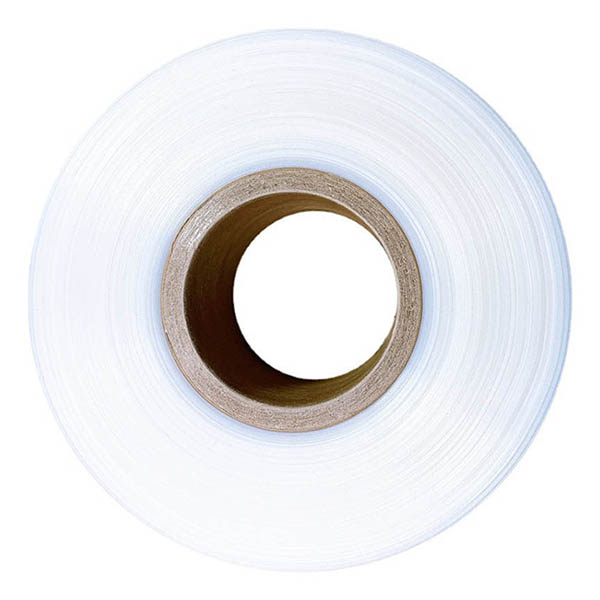
For roll-fed production, packaging film roll options can be customized according to width, thickness, winding direction, core size, roll diameter, surface finish and barrier requirement.
Why Work With A Noodle Packaging Film Manufacturer?
Working directly with a flexible packaging film manufacturer can make communication faster and more technical. Instead of only buying a finished bag, you can discuss structure, material, thickness, sealing layer, printing method, barrier performance and export packing in one place.
For noodle brands and converters, this can reduce trial risk. A manufacturer can provide sample rolls, technical data, food-contact documentation, test suggestions and improvement plans if the first trial is not perfect.
CloudFilm supports global buyers with flexible packaging films, laminated roll stock, shrink films and pouch solutions. For noodle packaging projects, the team can help compare BOPP/PE, PET/PE, BOPP/CPP, metallized structures, POF shrink wrap and recyclable directions based on your product and market.
FAQ About Noodle Packaging Film
What Is The Best Film For Instant Noodle Packaging?
There is no single best film for every instant noodle product. Common options include BOPP/PE, BOPP/CPP, PET/PE, PET/CPP and metallized laminated structures. The right choice depends on oil content, shelf life, package weight, machine speed, printing design and target market.
Is BOPP Suitable For Noodle Packaging?
Yes. BOPP is widely used in noodle packaging because it provides stiffness, printability, clarity, gloss and moisture resistance. It is often used as the outer layer in laminated pillow bags for instant noodles and dry foods.
Why Is PE Used In Noodle Packaging?
PE is commonly used as a sealing layer. It offers good heat sealing, flexibility and toughness. In BOPP/PE or PET/PE structures, PE helps form strong seals and supports bag integrity during filling and transport.
Can CPP Be Used Instead Of PE?
Yes, CPP can be used in some structures. CPP offers good clarity, stiffness and heat resistance. BOPP/CPP or PET/CPP may be suitable for certain noodle packs, especially where PP-based structures are preferred.
When Should I Use Metallized Film For Noodles?
Metallized film is useful when the product needs better protection against oxygen, light and moisture, or when the brand wants a shiny metallic appearance. Fried instant noodles, premium ramen and long-shelf-life export packs may benefit from metallized structures.
Is POF Used For Noodle Packaging?
Yes, but mainly for outer wrapping. POF shrink film is commonly used for cup noodle overwrap, bowl noodle outer wrap, boxed noodle wrapping and multipacks. For the main pillow bag of instant noodles, laminated flexible packaging film is usually more suitable.
Can Noodle Packaging Film Be Recyclable?
Yes, some noodle packaging can be designed with mono-PP or mono-PE structures, depending on product needs and local recycling systems. Recyclability should be confirmed according to the target market’s collection and processing infrastructure.
What Is The Difference Between Primary Packaging And Secondary Packaging For Noodles?
Primary packaging directly contains the noodle product, such as an instant noodle pillow bag or dry noodle pouch. Secondary packaging is the outer wrap or bundle, such as POF shrink film around cup noodles or multipacks.
What Film Is Suitable For Seasoning Sachets?
Dry seasoning sachets usually need moisture protection and strong sealing. Oil sachets and sauce packs may need higher oxygen barrier, oil resistance and stronger seal integrity. PET/PE, PET/CPP, metallized structures or other barrier laminates may be used.
Can Noodle Packaging Use Transparent Windows?
Yes. Transparent windows are common for dry noodles, pasta and premium products where visibility helps consumers judge product quality. The window should be designed without weakening the seal area or barrier performance.
What Thickness Is Used For Noodle Packaging Film?
Thickness depends on product weight, bag size, structure and machine. A light seasoning sachet may use a much thinner film than a large multi-serving noodle pouch. Buyers should confirm performance through samples and machine trials.
What Is The MOQ For Custom Noodle Packaging Film?
MOQ depends on material, structure, width, printing colors and customization level. Printed laminated roll stock usually has a higher MOQ than stock film samples. For accurate MOQ, share your film width, structure, artwork and estimated order volume.
Can I Get Samples Before Bulk Order?
Yes. For new noodle packaging projects, samples or trial rolls are recommended. Testing helps confirm sealing, machine performance, appearance, barrier and actual packing efficiency before mass production.
What Problems Can Happen If The Wrong Film Is Used?
Common problems include weak seals, wrinkles, poor cutting, unstable tracking, high static, ink rubbing, pinholes, poor barrier, broken bags and short shelf life. These issues can often be reduced by matching film structure with the product and machine.
How Should I Choose A Noodle Packaging Supplier?
Choose a supplier that understands food packaging, laminated structures, roll stock, printing, sealing, barrier and export requirements. A good supplier should ask technical questions, recommend structure options, provide samples and support line trials.
What Details Should I Send To CloudFilm For A Noodle Packaging Quote?
Please send your product type, filling weight, pack size, current film structure, target shelf life, machine type, printing design, required roll width, thickness, order quantity and destination country. If you are not sure about the structure, CloudFilm can recommend options based on your product and packaging line.
Conclusion
Noodle packaging must protect product quality while supporting fast production, strong shelf appeal and efficient supply chain performance. The right structure may be a simple BOPP/PE pillow bag, a high-barrier metallized laminate, a premium stand-up pouch, a recyclable mono-material solution or a clear POF shrink overwrap for cup noodle multipacks.
For brands, manufacturers, importers and converters, the best packaging decision starts with the product. Once the noodle type, shelf life, machine, barrier requirement and sales channel are clear, the film structure becomes much easier to select.
CloudFilm can support noodle packaging projects with custom flexible packaging film, printed roll stock, high-barrier materials, shrink film and pouch solutions for global buyers. Share your product details and packaging target, and the team can help recommend a practical structure for testing and bulk supply.