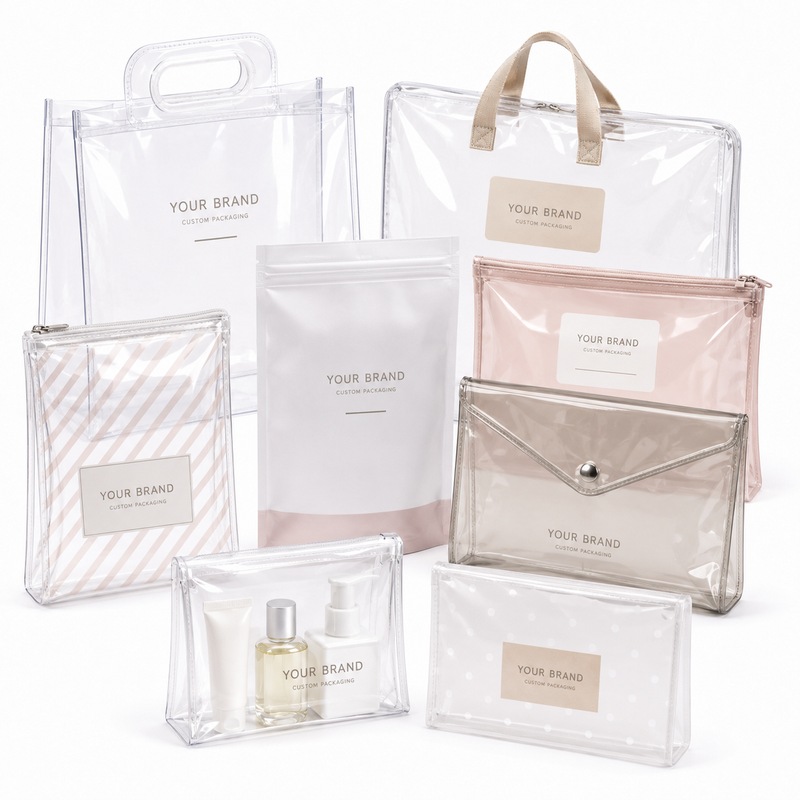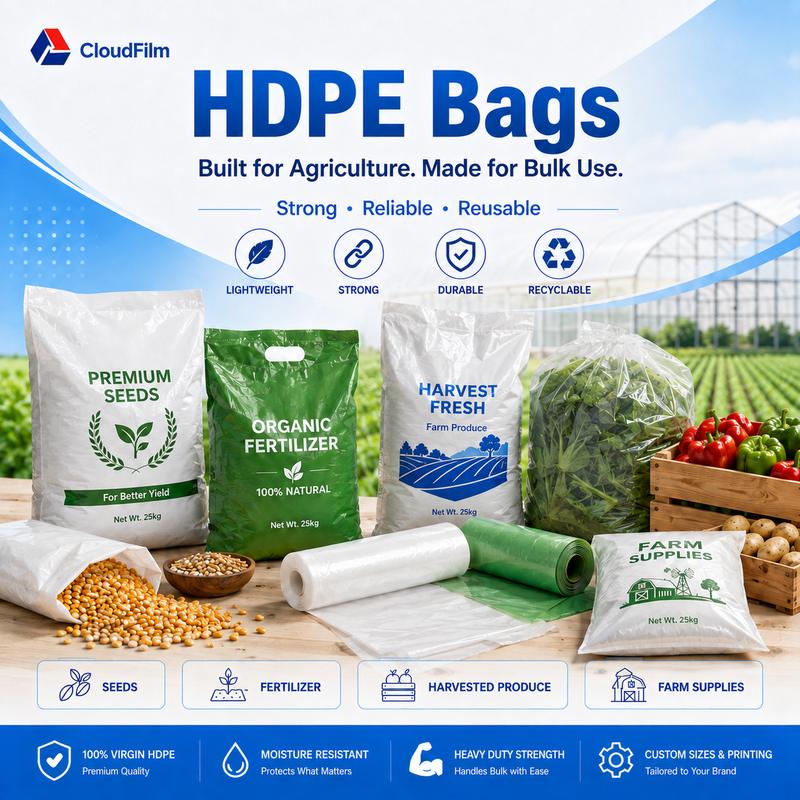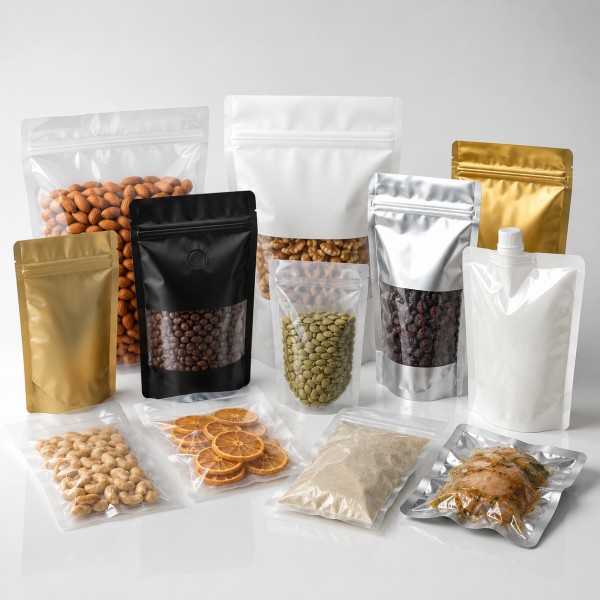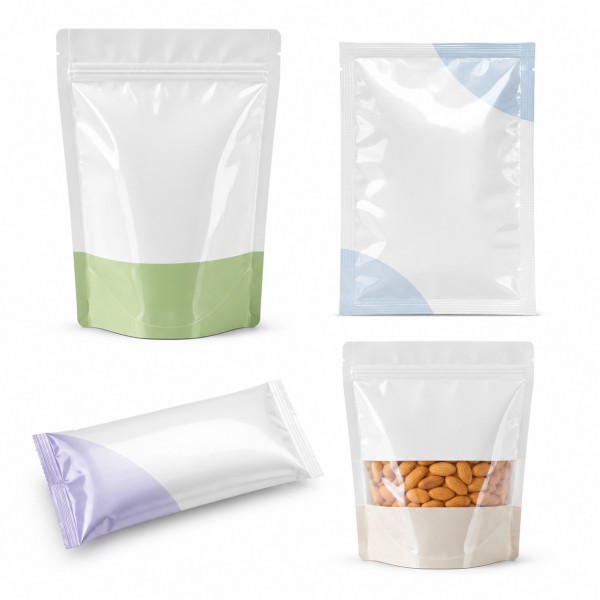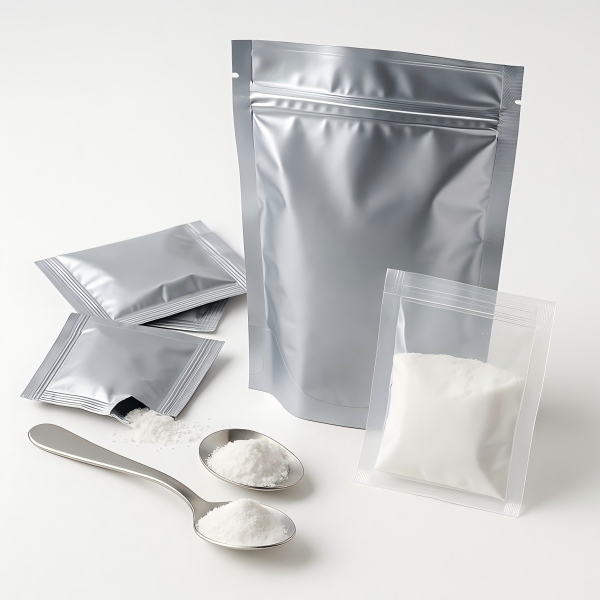
The plastic bags market is changing quickly. It is no longer only about simple shopping bags or low-cost commodity packaging. Today, buyers, brands, importers, converters, and distributors are looking at plastic bags from a much wider angle: product protection, shelf life, printing quality, logistics cost, sustainability, compliance, and supply chain stability.
For food, pet food, rice, candy, frozen products, liquids, cosmetics, household refills, industrial parts, and e-commerce items, plastic bags and flexible pouches remain highly practical packaging formats. They are lightweight, easy to transport, customizable, and suitable for many different filling lines.
At the same time, the market is under pressure. Regulations are becoming stricter. Retailers are asking for better material structures. Consumers expect less waste and more responsible packaging. This means the future of the plastic bags market will not simply belong to the cheapest bag. It will belong to packaging that balances function, cost, compliance, and brand value.
What Is Included In The Plastic Bags Market?
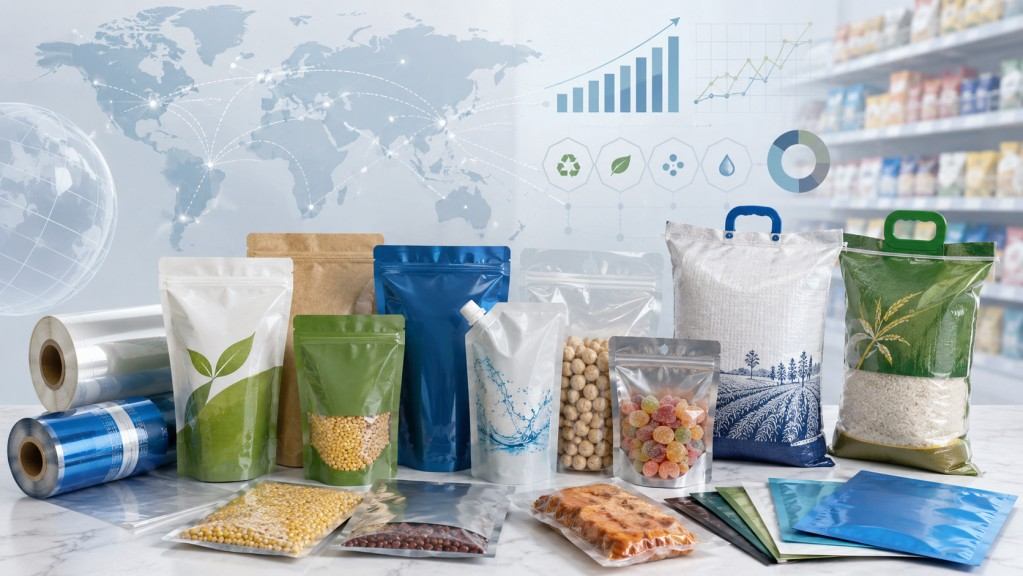
The plastic bags market includes many different packaging formats. Some are simple single-layer bags used for produce, retail, trash, or industrial liners. Others are high-performance laminated pouches designed for food, pet care, supplements, cosmetics, liquids, and technical products.
In professional flexible packaging, buyers often use the words “plastic bag” and “plastic pouch” in different ways. A basic plastic bag may be used for simple carrying, wrapping, or protection. A pouch usually refers to a more engineered package, often with several layers, printing, sealing features, and functional options such as zipper, spout, valve, handle, tear notch, or euro hole.
This is why many packaging buyers do not only search for plastic bags. They also search for flexible pouches, custom printed bags, food packaging bags, PE pouches, recyclable pouches, stand up pouches, flat bottom pouches, spout pouches, roll stock film, and plastic bag manufacturers.
For a broader pouch structure comparison, buyers can also review The Ultimate Guide To Pouch Types, which explains different pouch styles and their use cases.
Why The Plastic Bags Market Continues To Grow
Demand for plastic bags continues because modern supply chains need packaging that is light, strong, printable, and efficient. Even when brands reduce unnecessary packaging, many products still need flexible protection against moisture, oxygen, dust, leakage, contamination, odor loss, and transport damage.
Food and beverage packaging is one of the largest demand drivers. Snacks, rice, frozen food, dried fruit, candy, coffee, sauces, pet food, and ready-to-eat products often require packaging that protects freshness and supports fast retail display. Flexible plastic bags and pouches can meet these needs with lower material weight than many rigid formats.
E-commerce is another important driver. Online sales require packaging that can survive shipping, sorting, compression, and last-mile delivery. Lightweight flexible bags can reduce shipping space and improve handling efficiency when properly designed.
Household, personal care, and refill packaging are also growing. Many brands are shifting from rigid bottles to flexible refill packs or spout pouches to reduce transport weight and improve shelf efficiency. For liquid and semi-liquid products, Spout Pouches offer a reclosable format that can replace some bottles, jars, and rigid containers.
Key Market Trends Buyers Should Watch
1. From Low-Cost Bags To Application-Specific Packaging
The old way of buying plastic bags was simple: choose size, thickness, color, and quantity. That is no longer enough for many professional buyers.
Today, a snack brand may need high moisture barrier and good stiffness. A rice supplier may need heavy-duty seal strength and drop resistance. A detergent brand may need a leak-proof spout pouch. A frozen food producer may need low-temperature toughness. A pet food brand may need puncture resistance, aroma protection, and a zipper.
This is why custom structure design is becoming more important. Buyers are moving from “one plastic bag fits all” to application-specific flexible packaging.
For example, PE Pouches are useful for many food, frozen, pet food, refill, and industrial packaging projects where sealing strength, flexibility, and practical cost are important.
2. More Demand For Recyclable And Mono-Material Structures
Sustainability is one of the strongest forces reshaping the plastic bags market. Buyers are asking whether their packaging can be designed for recycling, whether it can reduce material use, and whether it can fit local collection systems.
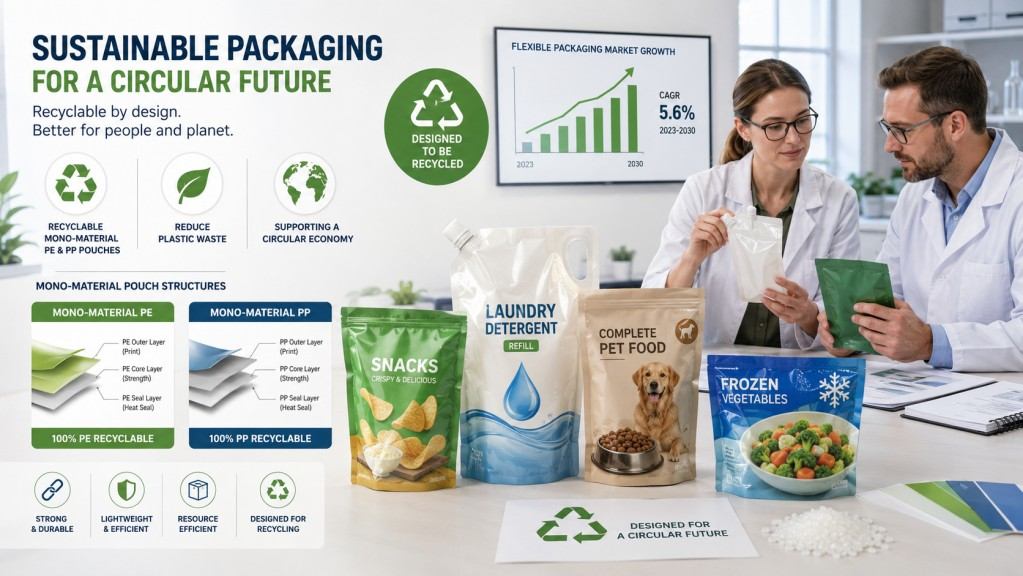
Traditional multi-material laminates can offer excellent barrier and strength, but they are often difficult to recycle. This is why mono-material PE and PP structures are becoming more important. They aim to keep the package within one polymer family while still maintaining enough sealing, stiffness, and protection for the product.
For brands planning recyclable packaging projects, Recyclable Pouches are a practical starting point. These can include mono-PE or mono-PP structures for snacks, coffee, pet food, frozen food, detergents, and refill packs, depending on local recycling conditions and performance needs.
However, buyers should be careful with recyclability claims. A pouch may be designed for recycling, but actual recyclability depends on local collection, sorting, and recycling infrastructure. Responsible suppliers should explain this clearly instead of making unrealistic claims.
3. More Premium Printed Packaging
Plastic bags are not only protective containers. They are also brand media. A well-designed printed pouch can improve shelf impact, communicate quality, and help a product look more professional.
This is especially important for snacks, coffee, candy, pet food, rice, health supplements, cosmetics, and premium household products. Buyers now request matte finishes, gloss windows, metallic effects, tactile coatings, clear product windows, high-definition graphics, and custom shapes.
For brands comparing printing options, Flexible Packaging Printing Guide gives useful background on how printing technology affects appearance, MOQ, lead time, and cost.
4. Growth Of Stand-Up, Flat Bottom, And Spout Formats
The market is moving beyond basic pillow bags. Many brands now choose more functional pouch formats to improve user experience and shelf presentation.
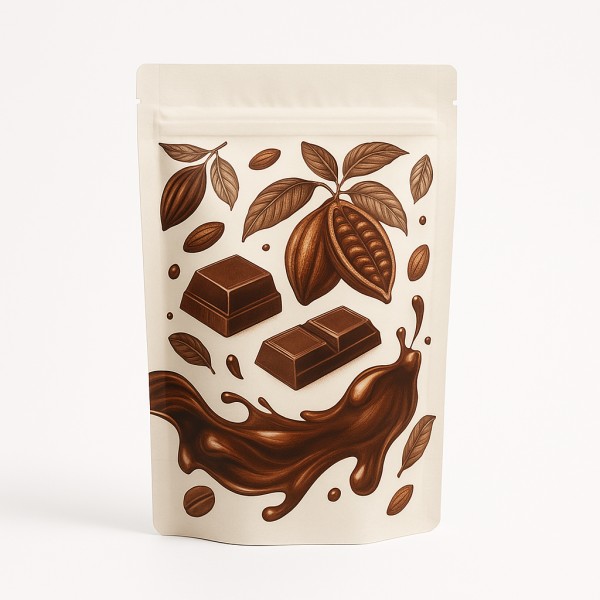
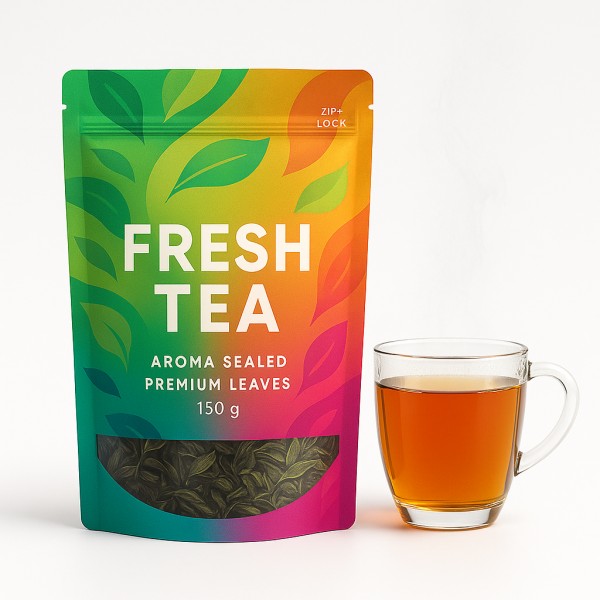
Stand Up Pouches are popular because they stand well on retail shelves and can include zippers, tear notches, valves, windows, and matte or gloss finishes. They are widely used for snacks, dried fruit, nuts, coffee, pet food, powders, and refills.
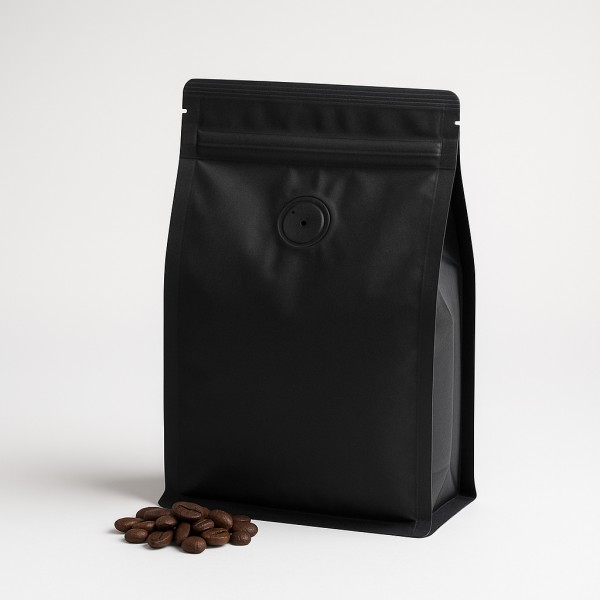
Flat Bottom Pouches are often used for premium products such as coffee, pet food, rice, cereals, and bulk dry goods. Their box-like structure offers strong shelf stability and more printable panels for branding.
For liquids, baby food, sauces, detergents, shampoos, and cosmetic refills, spout pouches are becoming more attractive because they combine flexible packaging efficiency with pouring and reclosure convenience.
5. More Buyers Want Roll Stock And Finished Bags From One Supplier
Some buyers purchase finished pouches. Others buy roll stock film and convert or fill the packaging in their own facilities. Many larger packaging projects need both.
When a supplier can provide both Roll Stock and finished pouches, it becomes easier to keep material structures consistent across SKUs. This is useful for brands, converters, and co-packers that want stable quality, clearer documentation, and fewer supplier-management problems.
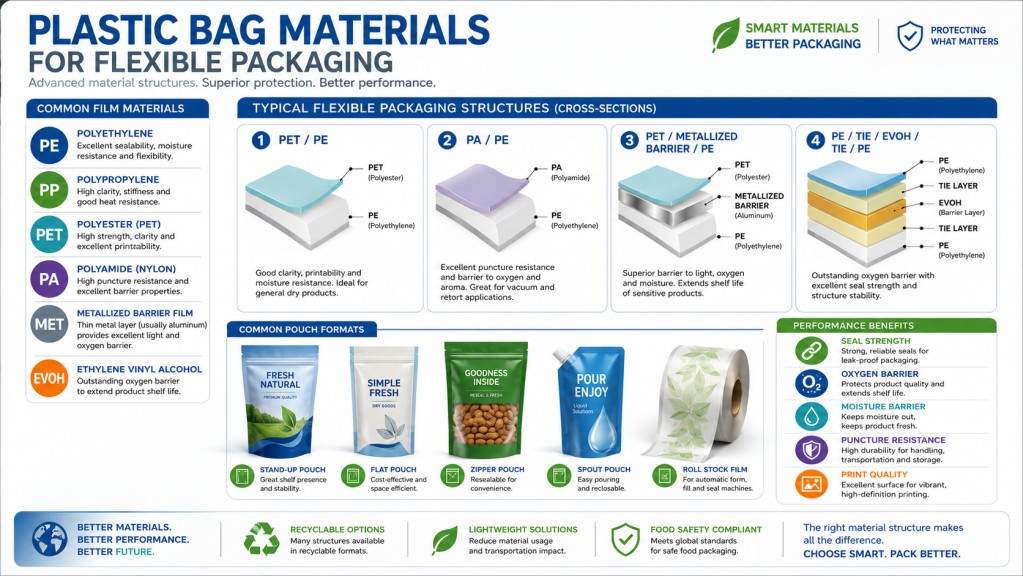
Main Materials Used In Plastic Bags And Pouches
PE
PE is one of the most widely used materials in plastic bags. It offers good sealing performance, flexibility, moisture resistance, and cost efficiency. LDPE, LLDPE, MDOPE, and BOPE can be used in different ways depending on stiffness, clarity, toughness, and recyclability goals.
PE is common in freezer bags, refill pouches, pet food bags, industrial bags, and mono-material recyclable structures.
PP
PP is stiffer than PE and can offer better heat resistance in certain structures. BOPP and CPP are often used in snack packaging, candy packaging, bakery bags, labels, and dry food packaging. Mono-PP pouch structures are also gaining attention in recyclable packaging projects.
PET
PET is often used as an outer printing layer because it provides stiffness, clarity, dimensional stability, and premium appearance. It is common in laminated food pouches, rice bags, coffee bags, and high-quality retail packaging.
PA
PA is used when puncture resistance and toughness are important. It is often selected for vacuum packaging, rice packaging, meat packaging, pet food, industrial products, and heavy-duty pouches.
Barrier Layers
Some products need higher oxygen, aroma, moisture, or light barrier. In these cases, suppliers may use metallized films, aluminum foil, EVOH, coated films, or other high-barrier structures. The right choice depends on shelf life, product sensitivity, filling process, and target market.
Major Applications In The Plastic Bags Market
Food Packaging
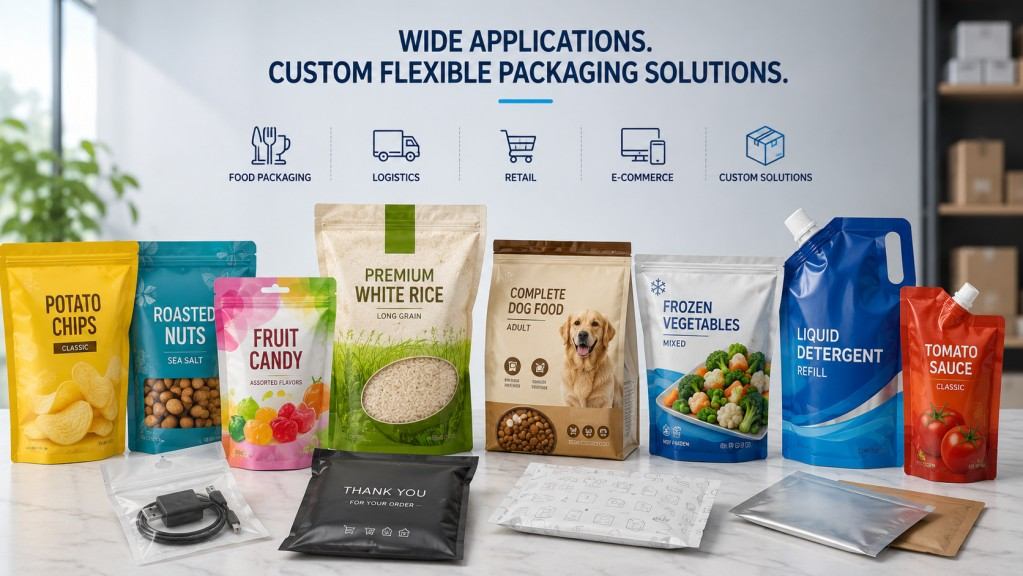
Food remains one of the strongest application areas. Plastic bags and pouches are used for snacks, candy, bakery, dried fruit, rice, frozen food, sauces, coffee, tea, powders, seasonings, and ready meals.
Food packaging must balance appearance, barrier, sealing, safety, shelf life, and filling-line performance. A beautiful pouch is not enough if it fails during sealing, storage, or transport.
For dry food and snack brands, stand-up pouches, pillow pouches, 3-side seal pouches, and roll stock film are all common choices.
Rice And Bulk Dry Goods
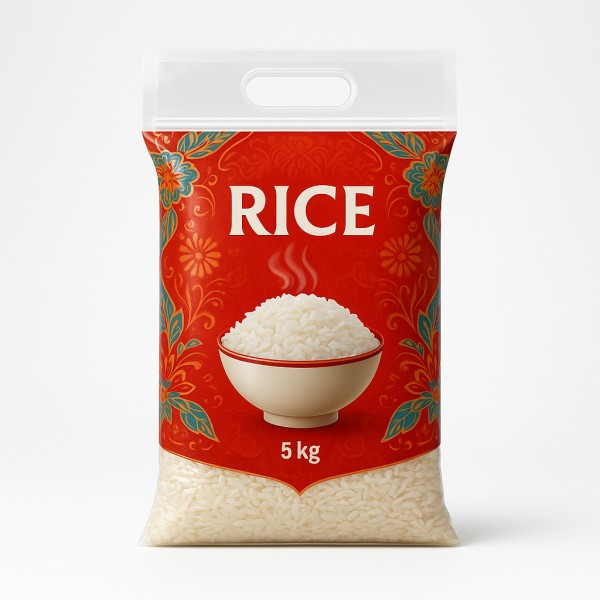
Rice packaging needs stronger structures than many small snack bags. A 5 kg, 10 kg, or 25 kg rice bag must resist dropping, stacking, pallet handling, and long-distance transport.
For rice brands, Rice Packaging Pouch solutions can include PE/PP laminates, PET/PE retail pouches, heavy-duty handles, moisture barrier, and reinforced sealing.
Candy And Confectionery
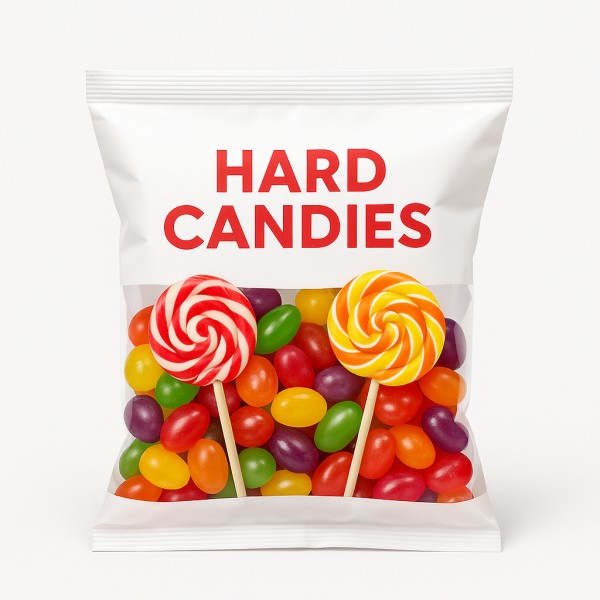
Candy packaging needs strong shelf appeal, clean printing, moisture protection, and convenient display features such as euro holes or hang holes. For gummies, chocolate, hard candies, and seasonal gift packs, the material structure must protect taste, texture, and appearance.
Buyers can review Candy Packaging Bags when developing candy, confectionery, and snack pouch projects.
Pet Food
Pet food packaging often requires higher puncture resistance, zipper reclosure, aroma protection, and larger pouch formats. Dry kibble, pet treats, wet pet food, and supplements may need different barrier and seal designs.
Flat bottom pouches, quad seal pouches, stand up pouches, and roll stock film are all common in pet food packaging.
Liquids, Sauces, And Refills
Liquid packaging is more demanding because leakage can damage cartons, pallets, and brand reputation. Spout position, cap design, seal strength, drop resistance, and film toughness are all important.
For beverage, detergent, shampoo, hand wash, sauce, puree, and cosmetic refill projects, liquid pouch and spout pouch formats offer strong opportunities.
Industrial And E-Commerce Packaging
Industrial parts, accessories, hardware kits, powders, additives, and e-commerce products often use plastic bags because they are lightweight and easy to customize. In these applications, clarity, puncture resistance, labeling, barcode area, and carton efficiency may be more important than retail shelf display.
How Buyers Should Choose A Plastic Bag Supplier Or Manufacturer
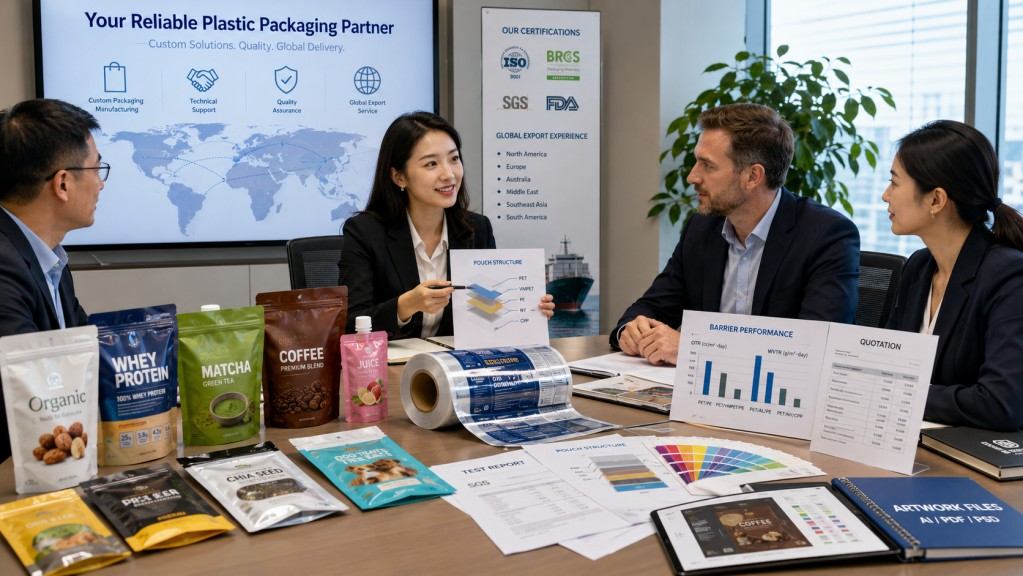
Choosing the right plastic bag supplier is not only about getting a low price. A serious buyer should check whether the supplier can understand the product, recommend a structure, support samples, control quality, and provide stable export service.
A good plastic bag manufacturer should ask practical questions before quoting:
What product will be packed?
What is the target weight or volume?
What shelf life is required?
Will the product be dry, oily, powdery, frozen, liquid, or hot-filled?
What filling machine will be used?
Does the pouch need zipper, spout, valve, handle, window, or tear notch?
Which country will the packaging be sold in?
Are there recyclable packaging targets or special compliance requirements?
If a supplier quotes immediately without asking about product conditions, the price may look fast but the risk can be high.
Buyers should also check whether the supplier can provide test data and quality control support. Important checks may include thickness, seal strength, lamination bond, COF, printing registration, leakage, drop resistance, barrier performance, and carton packing.
For transparent packs where product visibility is important, Transparent Plastic Pouch guidance can help buyers think about clarity, barrier, printing, and structure selection.
Why China Remains Important In The Plastic Bags Market
China remains a major sourcing base for plastic bags and flexible packaging because of its strong film production, printing, lamination, pouch-making, and export supply chain. For overseas buyers, a China plastic bag manufacturer can be attractive when the project needs custom structures, competitive pricing, multiple material options, and container-load export support.
However, the supplier must be selected carefully. A reliable manufacturer should provide clear communication, realistic lead times, technical recommendations, export documents, and stable quality control.
For B2B buyers, it is often better to work with a supplier that understands both film and pouch converting. This helps reduce problems between material design and finished bag performance.
CloudFilm Packaging supports flexible packaging films and custom pouches for export projects, including PE pouches, recyclable pouches, stand up pouches, flat bottom pouches, spout pouches, rice pouches, candy bags, roll stock film, and other application-specific flexible packaging solutions.
Cost Factors In Plastic Bag Sourcing
Plastic bag pricing depends on many factors. The main cost drivers include material type, film thickness, bag size, printing colors, order quantity, pouch format, zipper or spout accessories, barrier requirements, sampling method, and delivery terms.
A simple PE bag is much cheaper than a high-barrier printed spout pouch. A small digital printing order usually has a different cost model from a large gravure printing order. A heavy-duty rice bag needs more material and stronger sealing than a small candy sachet.
Buyers should avoid comparing prices without comparing structures. Two bags may look similar from the outside but perform very differently in sealing, barrier, strength, and shelf life.
A practical quotation request should include product type, bag size, target filling weight, material structure if known, artwork requirements, order quantity, destination country, and whether the buyer needs samples before production.
Future Outlook Of The Plastic Bags Market
The future of the plastic bags market will be shaped by five forces.
First, demand for packaged food, e-commerce, household refills, healthcare products, and pet food will continue to support flexible packaging demand.
Second, regulations will push brands to reduce unnecessary packaging, improve recyclability, and use clearer labeling.
Third, mono-material PE and PP structures will keep developing, especially for dry food, pet food, frozen products, and refill pouches.
Fourth, packaging design will become more technical. Buyers will need to match material, format, printing, barrier, machine speed, and end-market requirements from the beginning.
Fifth, supplier capability will matter more. The best supplier will not only sell bags. It will help buyers reduce risk, test structures, improve shelf impact, and build packaging that fits the product and market.
FAQ: Plastic Bags Market And Buyer Questions
1. Is the plastic bags market still growing?
Yes. The market is still growing in many application areas, especially food, e-commerce, pet food, household refills, healthcare, and industrial packaging. Growth is not only about simple carrier bags. Much of the opportunity is in better-designed flexible pouches and application-specific packaging.
2. What is the difference between a plastic bag and a plastic pouch?
A plastic bag is often a broader term for flexible plastic packaging. A pouch usually means a more engineered package with a specific format, structure, seal design, printing, and functional features such as zipper, spout, valve, or stand-up bottom.
3. Which material is best for plastic bags?
There is no single best material. PE is strong for sealing and flexibility. PP is useful for stiffness and clarity. PET is good for print quality and structure. PA adds puncture resistance. Barrier films are needed when shelf life, aroma, oxygen, or light protection is important.
4. Are plastic bags recyclable?
Some plastic bags can be designed for recycling, especially mono-material PE or PP structures. However, actual recyclability depends on local collection and recycling systems. Buyers should confirm local rules before making recyclability claims.
5. Why are mono-material pouches becoming popular?
Mono-material pouches are designed within one main polymer family, such as PE or PP. This can make sorting and recycling easier than mixed-material laminates, while still allowing brands to use flexible packaging formats.
6. What plastic bags are used for food packaging?
Food packaging may use stand-up pouches, pillow pouches, 3-side seal pouches, flat bottom pouches, vacuum bags, zipper pouches, spout pouches, and roll stock film. The right format depends on the food type, filling method, shelf life, and retail channel.
7. What information should I send to a plastic bag manufacturer for a quote?
Send product type, bag size, filling weight, material structure if known, printing design, required features, order quantity, filling method, shelf-life target, and destination country. If you have current samples, send photos or physical samples for reference.
8. Can a plastic bag supplier help design the material structure?
A professional supplier should be able to recommend a structure based on the product, filling process, storage condition, and target market. Good structure design can reduce leakage, poor sealing, delamination, product spoilage, and transport damage.
9. Are printed plastic bags suitable for premium brands?
Yes. With good printing, matte or gloss finishes, windows, metallic effects, and proper pouch formats, printed plastic bags can look premium and support strong shelf presence.
10. What is the best pouch format for retail display?
Stand up pouches and flat bottom pouches are strong retail display formats. Stand up pouches are flexible and widely used. Flat bottom pouches offer a box-like shape and more printable panels.
11. What is the best plastic bag format for liquids?
Spout pouches and liquid pouches are common for liquids, sauces, detergents, cosmetic refills, and baby food. The structure must be designed for leakage resistance, seal strength, squeezing performance, and filling conditions.
12. How can buyers reduce risk before mass production?
Buyers should test samples, confirm structure, check sealing on their own filling line, review artwork, verify carton packing, and confirm quality requirements before full production. A reliable supplier should support this process.
Conclusion
The plastic bags market is becoming more technical, more regulated, and more brand-driven. Buyers no longer need only a cheap bag. They need packaging that protects the product, fits the filling line, supports shelf appeal, meets market requirements, and makes commercial sense.
For brands, importers, distributors, and converters, the best approach is to start with the product and the end market, then select the material, pouch format, printing method, and supplier accordingly.
CloudFilm Packaging can support custom plastic bags, flexible pouches, and roll stock films for global packaging buyers. Whether your project needs recyclable pouches, PE pouches, stand up pouches, flat bottom pouches, spout pouches, rice bags, candy bags, transparent pouches, or printed roll stock, the right structure can help your product move more safely, look more professional, and compete better in the market.