Bakery food packaging is not only a wrapping material. It protects texture, aroma, shelf life, appearance and brand value from the production line to the retail shelf. For bread, cakes, cookies, biscuits, pastries, muffins and other baked foods, the right packaging structure can reduce moisture loss, prevent contamination, improve shelf presentation and support faster packing on automatic machines.
Many bakery products look simple, but their packaging requirements are different. Soft bread needs moisture retention. Cookies need crispness protection. Cream cakes need hygiene and shape protection. Frozen bakery products need low-temperature toughness. Premium pastries need a package that looks attractive and feels suitable for the product price.
For bakery brands, food factories, importers and packaging buyers, the main question is not “Which film is cheapest?” The better question is: “Which bakery food packaging structure can protect the product, run smoothly on my packing line and support my brand in the target market?”
CloudFilm Packaging supplies flexible films, roll stock, pouches and tray-related packaging materials for food brands and converters. This guide explains the main bakery packaging formats, material structures, barrier requirements and supplier selection points.
Why Bakery Food Packaging Matters
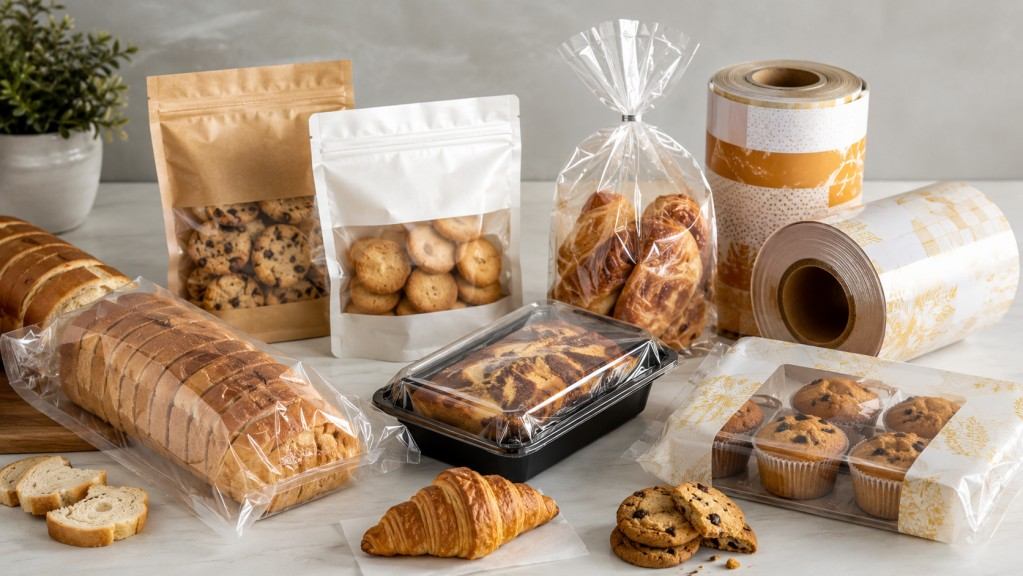
Bakery products are sensitive to moisture, oxygen, oil, aroma loss, compression and microbial risk. Poor packaging can cause bread to become dry, cookies to lose crunch, cakes to absorb unwanted odors, or pastries to become damaged during transport. Good packaging helps control these risks while keeping the product convenient for consumers.
For retail bakery products, packaging also carries the first visual impression. Clear film can show freshness. Matte printing can create a premium handmade feeling. Metalized or high-barrier layers can support longer shelf life. Resealable pouches can improve convenience for multi-serve cookies or baked snacks.
In export business, packaging must also survive longer transportation. A local bakery may only need short shelf life, but an export brand may need several weeks or months of stability. This is why packaging buyers often work with a bakery food packaging manufacturer or supplier that can adjust film structure, thickness, sealing layer, barrier level and printing design according to the product and route.
Main Bakery Food Packaging Formats
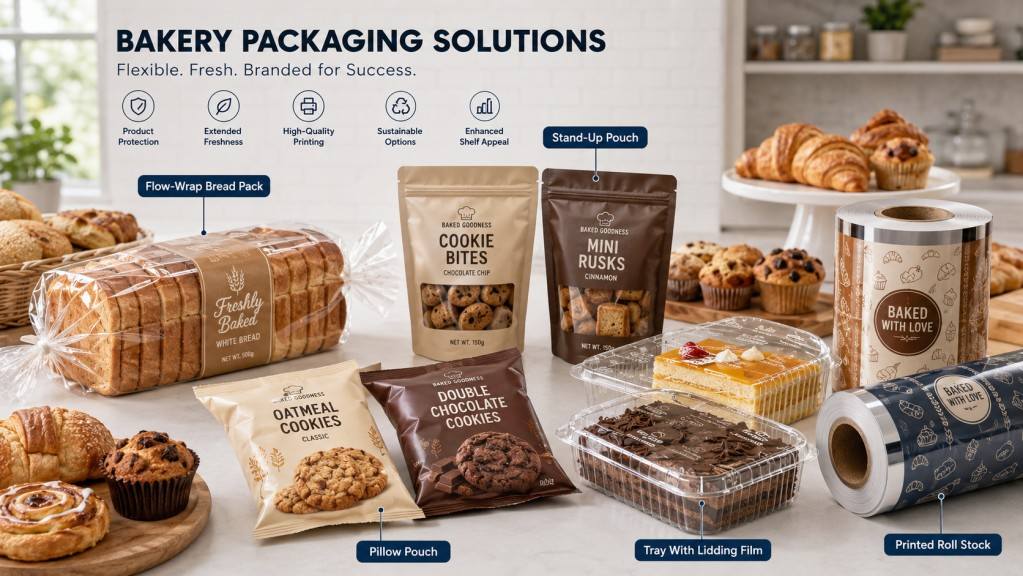
Bakery products can be packed in many formats. The correct format depends on product shape, shelf life, packing speed, retail channel and budget.
1. Flow-Wrap Packaging For Bread, Cakes And Pastries
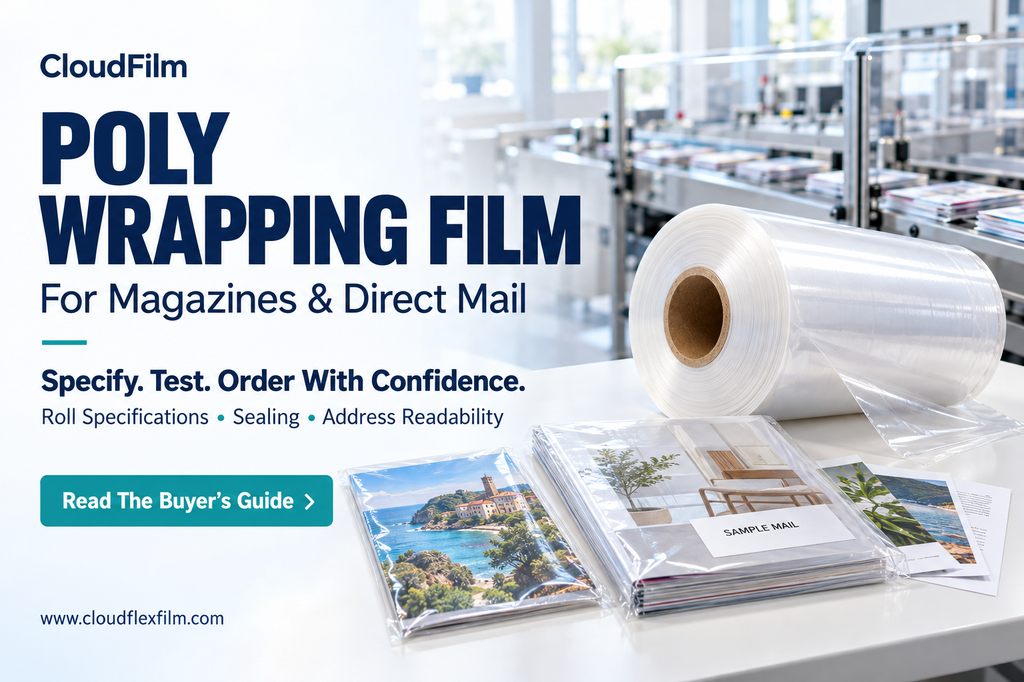
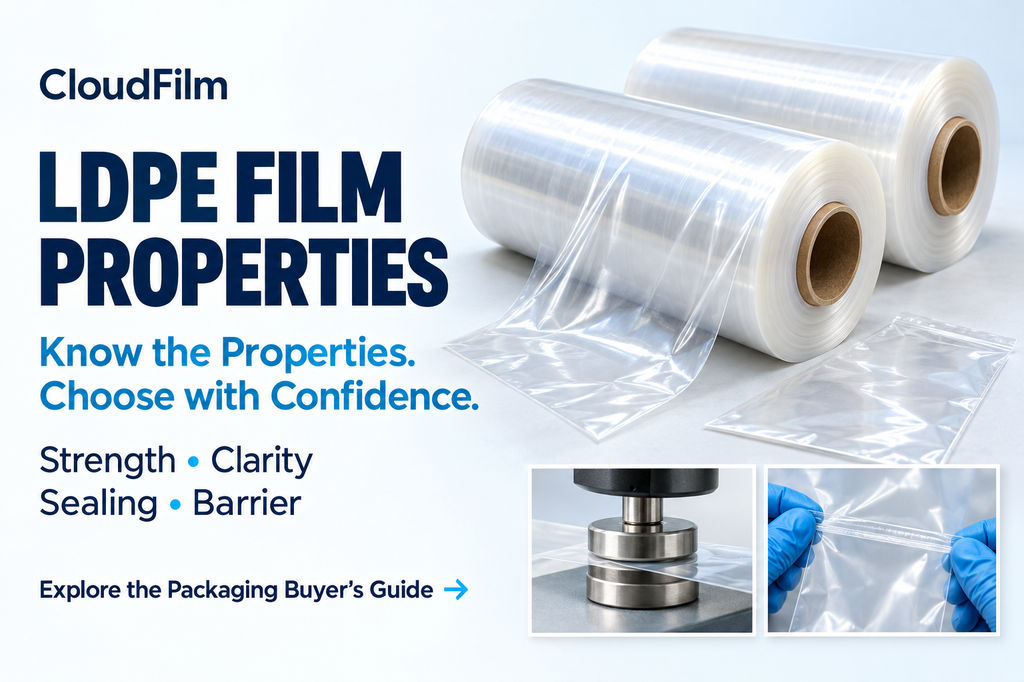
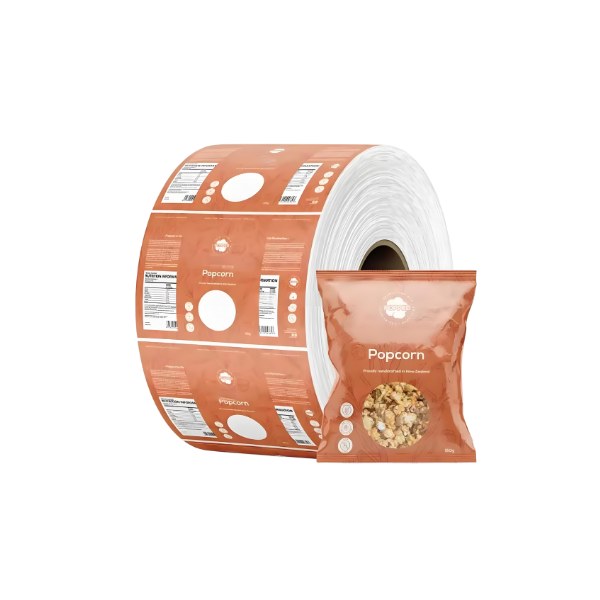
Flow-wrap packaging is widely used for sliced bread, buns, Swiss rolls, muffins, waffles, croissants and individual cakes. The film is supplied as roll stock and runs on horizontal flow-wrap machines. It forms a pillow-style pack around the product and seals along the back and ends.
For this format, the film must have stable sealing performance, good machinability, suitable stiffness, clean cutting and good print registration. Common structures include BOPP/CPP, PET/CPP, PET/PE, BOPP/PE and mono-material PE or PP-based options.
If your factory uses high-speed automatic packing machines, custom printed roll stock film is usually more efficient than pre-made bags. It can reduce labor, improve packing speed and keep package dimensions more consistent.
2. Pillow Pouches For Cookies And Bakery Snacks
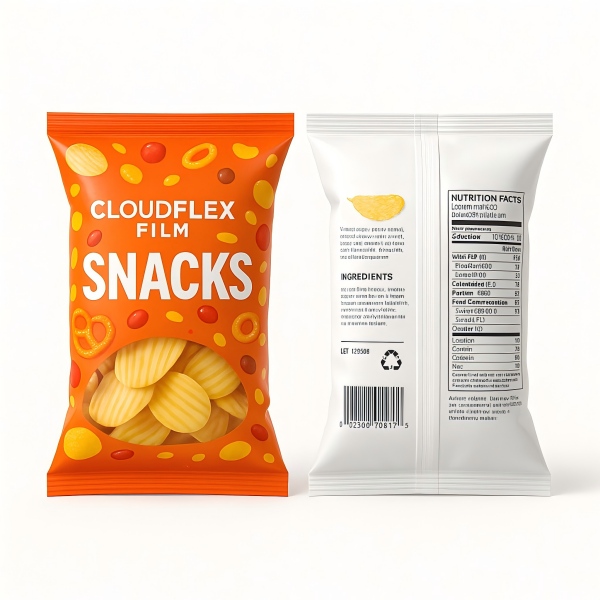
Pillow pouches are cost-effective and common for cookies, crackers, biscuits, mini cakes and baked snack products. They can be made from printed roll stock or supplied as pre-made pouches depending on the filling process.
A pillow pouch is lightweight, easy to pack and suitable for high-volume retail products. For crispy bakery snacks, the structure should have good moisture barrier. For products with butter, cream, nuts or chocolate coating, oxygen barrier and aroma protection may also be needed.
For brands looking for a practical and economical format, pillow pouches are often a strong choice for bakery and snack packaging.
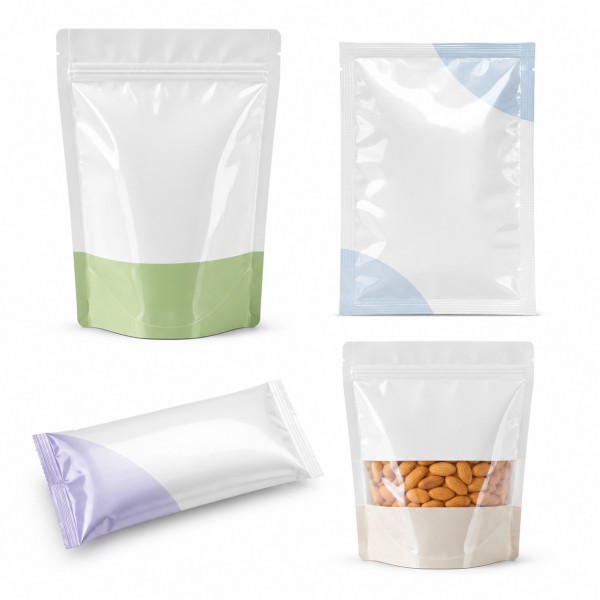
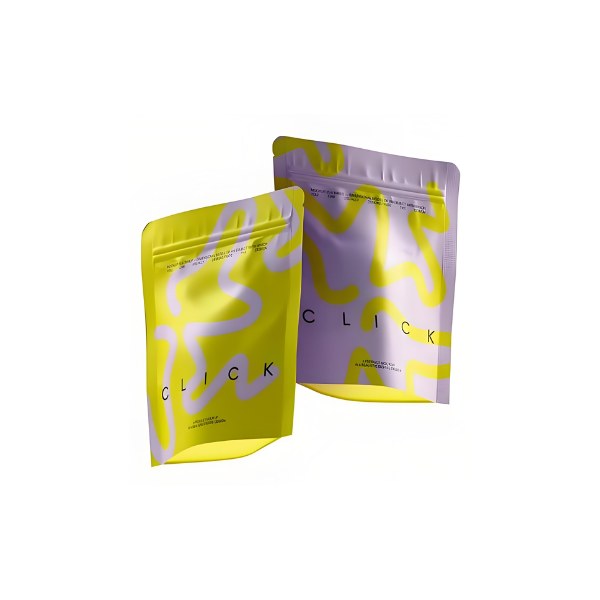
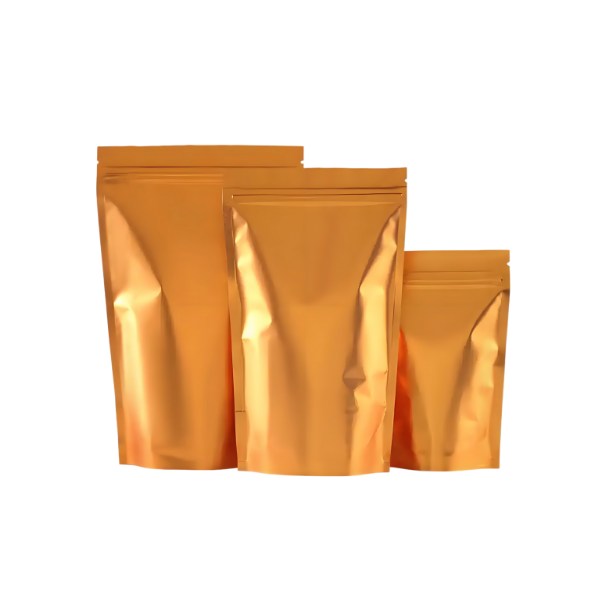
3. Stand-Up Pouches For Premium Cookies And Baked Snacks
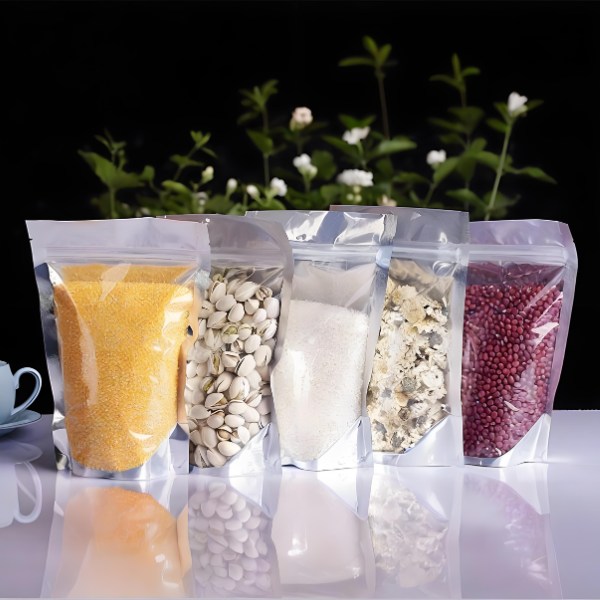
Stand-up pouches are suitable for premium cookies, granola clusters, baked chips, rusks, mini toasts and other dry bakery products. They stand upright on retail shelves and provide more printing space than simple pillow packs.
They can include zipper closure, tear notch, clear window, matte finish, metalized layer, high-barrier structure or recyclable mono-material structure. For multi-serve bakery products, zipper pouches help consumers reclose the pack after opening.
When shelf display and reclosability are important, stand up pouches can help bakery brands build a more premium retail image.
4. BOPP Pouches For Clear And Printable Bakery Packaging
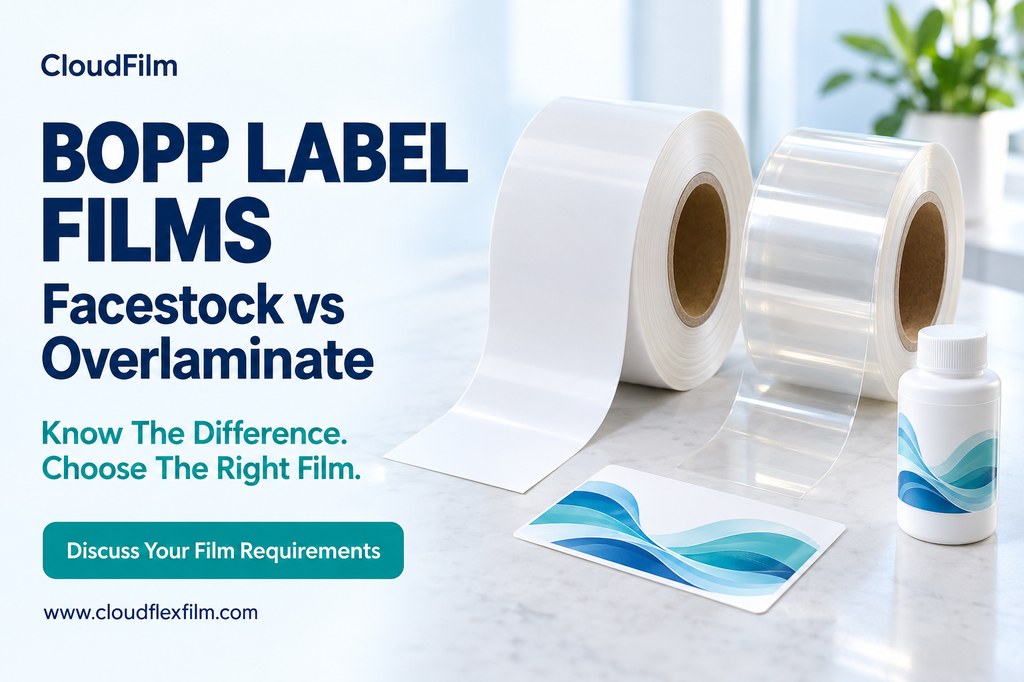
BOPP is widely used in dry food and bakery packaging because it provides clarity, stiffness, printability and moisture resistance. BOPP-based pouches are suitable for cookies, biscuits, candy, bakery snacks and retail bakery packs.
For simple dry bakery products, BOPP/CPP can be a practical structure. For higher barrier requirements, BOPP can be laminated with metalized film, PET, PE or other barrier layers. For brands that need clear visibility, transparent BOPP can help consumers see the product directly.
For dry bakery packs needing strong shelf appeal, BOPP pouches are a useful packaging option.
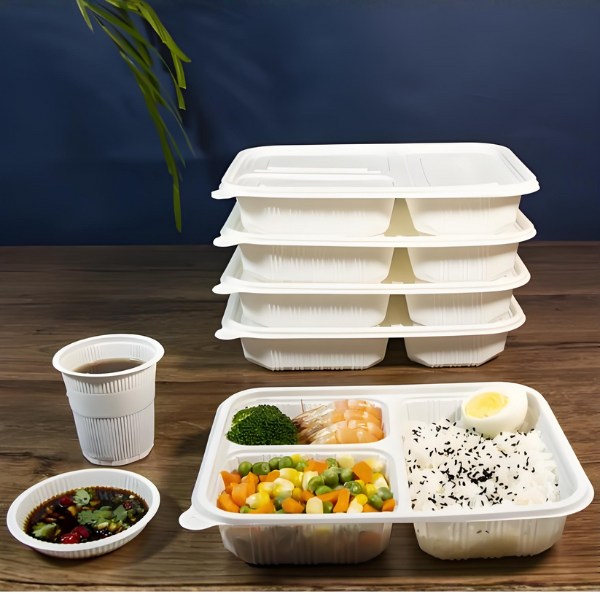
5. Trays With Lidding Film For Cakes, Pastries And Ready-To-Eat Bakery Products
Some bakery products cannot be packed only with soft film because they are fragile or have cream, filling or decoration. In these cases, trays with lidding film can provide better shape protection and hygiene.
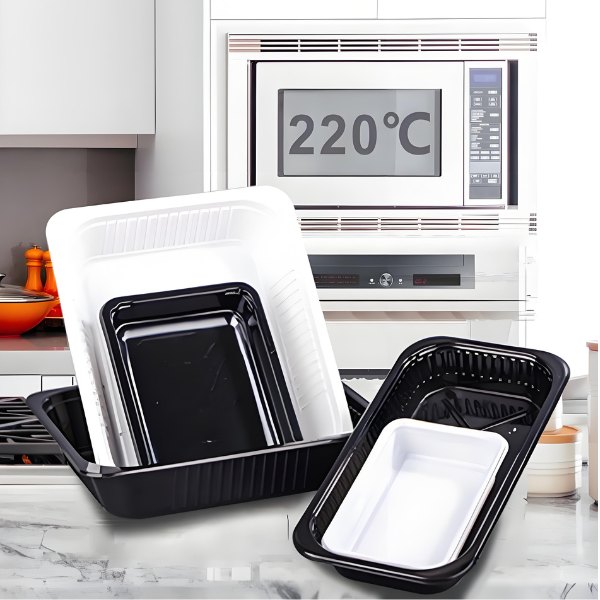
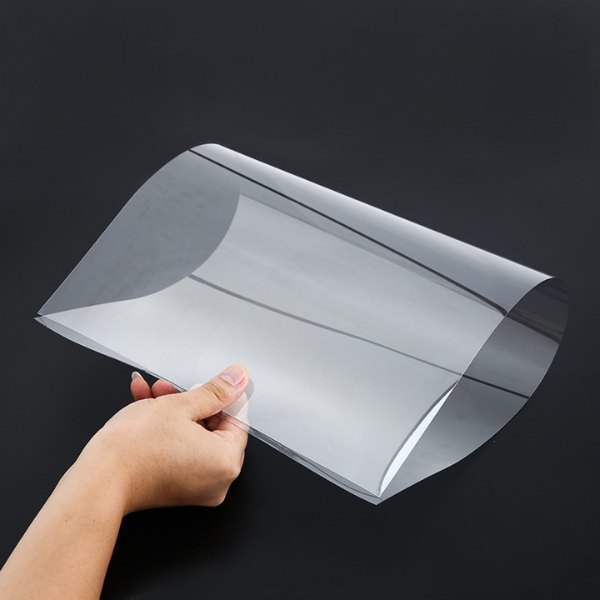
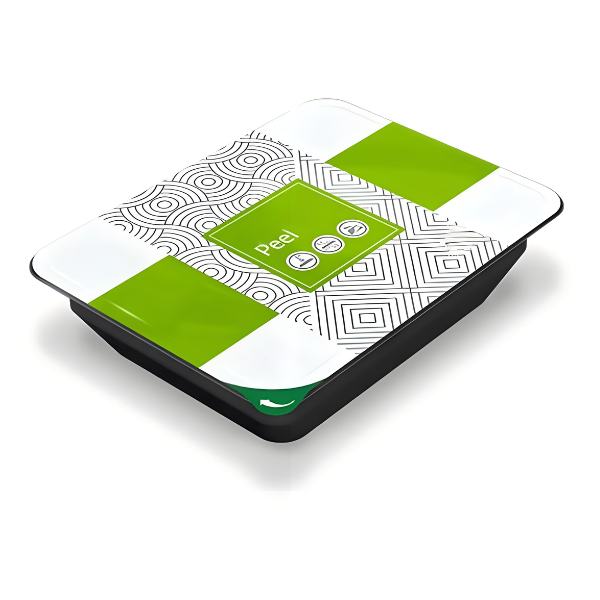
Cake slices, cream cakes, desserts, pastry assortments, chilled bakery products and ready-to-eat bakery meals often use APET, PP, CPET or other trays sealed with lidding film. The tray protects the product from compression, while the lidding film seals the top and keeps the product visible.
For bakery products that need rigid support, food packaging trays can be combined with suitable lidding films to create a complete packaging system.
Common Materials Used In Bakery Food Packaging
The right material structure depends on product moisture, fat content, oxygen sensitivity, required shelf life and packing method. Below are common material options used in bakery food packaging.
BOPP Film
BOPP film is clear, glossy, stiff and printable. It is commonly used for bread bags, cookie packs, biscuit packaging, overwraps and laminated pouch structures. Heat-sealable BOPP can be used in some flow-wrap applications, while standard BOPP is often laminated with CPP or PE for better sealing.
BOPP is suitable when the product needs a clean appearance, good moisture resistance and strong print quality.
CPP Film
CPP is often used as a sealing layer in bakery packaging laminates. It has good heat-sealing performance, clarity and flexibility. Structures such as BOPP/CPP and PET/CPP are common for bread, cakes, cookies and other bakery products packed on flow-wrap machines.
CPP can help create strong seals and a clear product window, especially when the package needs both visibility and reliable machine performance.
PE Film
PE film is soft, flexible and widely used for food packaging. LDPE and LLDPE can be used as sealing layers, inner layers or mono-material packaging structures. PE-based structures are useful for bakery products that need flexibility, moisture control and good seal integrity.
For bakery brands seeking flexible and practical material options, LDPE film can be considered for food-contact and everyday packaging applications.
PET Film
PET film provides strength, heat resistance, stiffness and excellent printability. In bakery packaging, PET is often used as the outer printing layer in laminated structures such as PET/PE or PET/CPP. It helps improve package appearance and dimensional stability.
PET-based laminates are suitable for printed bakery pouches, cake packaging, cookie packs and lidding applications.
High-Barrier Films
Some bakery products require higher barrier than standard BOPP/CPP or PET/PE structures. Products with nuts, cream filling, chocolate coating, butter, cheese, oil or long export shelf life may need better oxygen, moisture and aroma protection.
High-barrier layers may include metalized films, coated films, EVOH-based structures or other barrier materials. The goal is to reduce oxygen ingress, moisture transfer and flavor loss during storage and distribution.
For buyers comparing different food-grade structures, food packaging film is a useful starting point to understand flexible film options for food protection.
How To Match Packaging To Different Bakery Products
Bakery packaging should be selected according to the real product, not only the product category. A dry cookie and a cream-filled cake are both bakery products, but they need very different packaging.
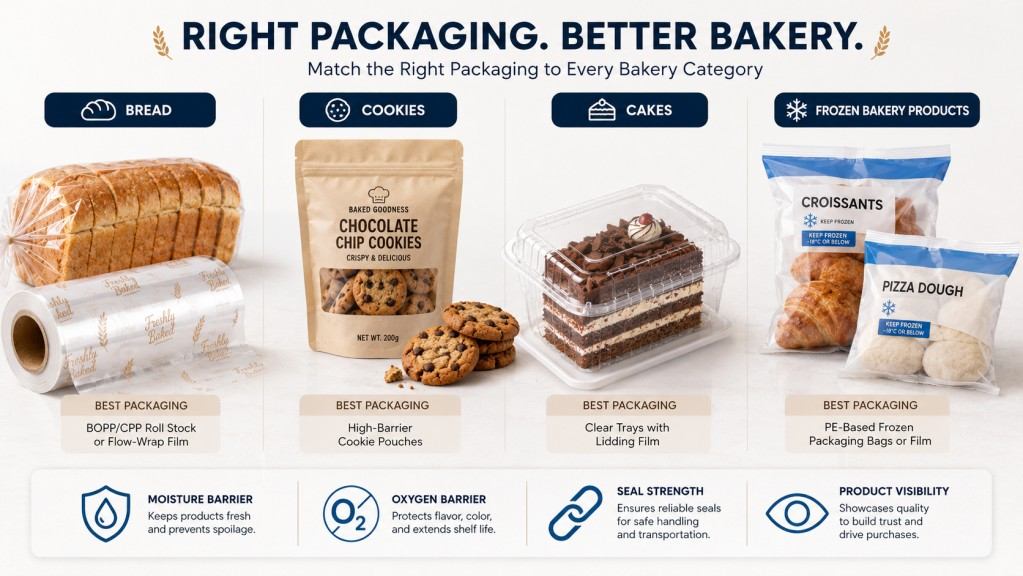
Bread And Buns
Bread and buns usually need moisture retention, softness protection and good sealing. The package should prevent the product from drying too quickly while allowing efficient packing on flow-wrap or bagging machines.
Common structures include BOPP/CPP, BOPP/PE, PE-based film and printed roll stock. For fresh bread with short shelf life, the structure may be simple. For longer shelf life or export, stronger barrier and better seal control may be required.
Cookies, Biscuits And Crackers
Cookies, biscuits and crackers are sensitive to moisture. If the package has poor moisture barrier, the product may lose crispness. For butter cookies or chocolate-coated biscuits, oxygen and aroma protection are also important.
Common formats include pillow pouches, stand-up pouches, flat pouches and printed roll stock. High-barrier structures may be used for premium products or long shelf life.
Cakes And Muffins
Cakes and muffins need softness protection and shape protection. Some cakes also contain oil, cream, fruit filling or chocolate, which increases barrier requirements. For individual cakes, flow-wrap packaging is common. For decorated cakes, trays with lidding film are more suitable.
The seal must be strong enough to protect hygiene but should not crush the product. Film stiffness, sealing temperature and package size should be matched carefully.
Pastries And Croissants
Pastries and croissants often have delicate layers and are easily crushed. Transparent packaging can show their appearance, while trays can help protect shape. If the product contains butter or filling, the film structure should also consider grease resistance and aroma retention.
Frozen Bakery Products
Frozen dough, frozen bread, frozen pastries and ready-to-bake products need packaging that stays tough at low temperatures. PE-based structures and suitable laminates can help prevent cracking, seal failure and freezer burn.
The supplier should confirm whether the packaging will be used for chilled, frozen, room-temperature or reheating applications before recommending the structure.
Key Performance Requirements For Bakery Packaging
Moisture Control
Moisture control is one of the most important requirements. Bread needs to keep enough moisture to stay soft. Cookies and crackers need to avoid moisture pickup to stay crispy. This means different bakery products may require opposite packaging strategies.
Oxygen Barrier
Oxygen can affect products containing oils, nuts, chocolate, cream or other sensitive ingredients. Oxidation can cause flavor loss, color change or rancid taste. For these products, better oxygen barrier may be necessary.
Aroma Protection
Bakery products often have strong aroma value. Coffee-flavored cookies, butter biscuits, chocolate cakes and spice pastries need packaging that helps keep aroma inside the pack and prevents outside odors from entering.
Seal Strength
Weak seals can cause leakage, contamination or shelf-life failure. On automatic packing lines, sealing performance must remain stable even at higher speeds. The sealing layer should match machine temperature, pressure, dwell time and product conditions.
Product Visibility
Many bakery products sell better when consumers can see the product. Clear film windows, transparent pouches and lidding films help show freshness and texture. However, visibility must be balanced with barrier requirements.
Print Quality
Bakery packaging often depends heavily on branding. Premium printing, matte finish, partial gloss, clear windows and attractive color design can help products stand out on crowded retail shelves.
Recyclable And Lower-Material Bakery Packaging Options
Many bakery brands are now looking for packaging that reduces material use or supports recycling targets. However, bakery packaging still needs to protect the product first. A recyclable package that fails to keep cookies crisp or bread fresh will not be a practical solution.
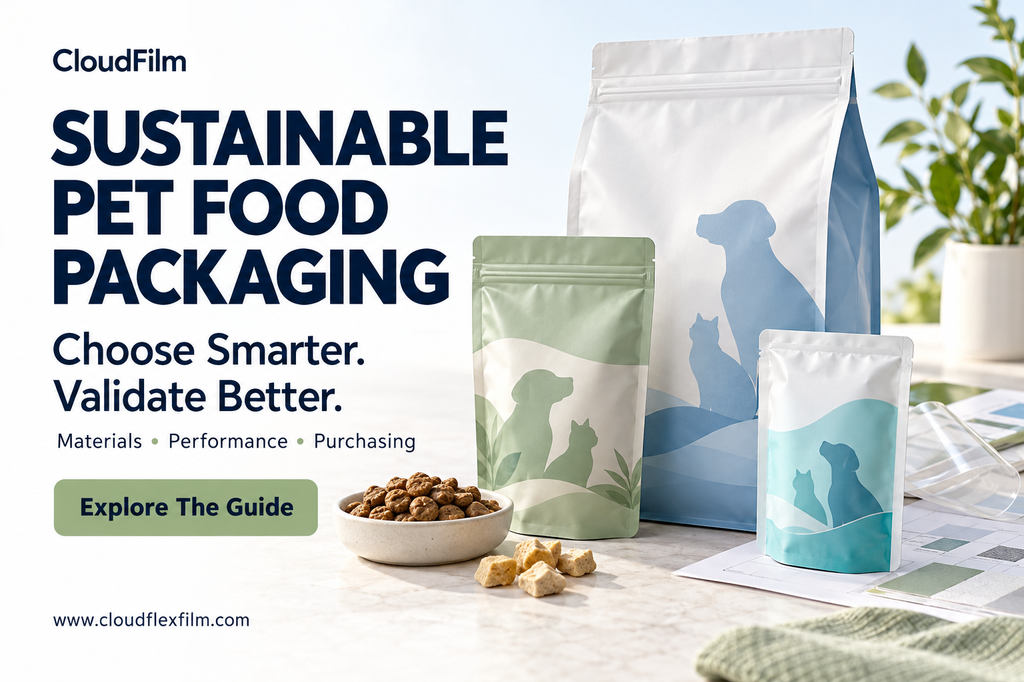
Mono-material PE or PP structures can be considered for some bakery products, especially dry snacks, cookies and certain bread products. These structures may help simplify recycling where local systems accept them. For demanding shelf-life requirements, recyclable structures may need improved barrier layers or carefully optimized thickness.
For brands evaluating lower-impact formats, recyclable pouches provide a useful direction for mono-material PE and PP packaging development.
How To Choose A Bakery Food Packaging Supplier
A reliable bakery food packaging supplier should do more than quote a price. The supplier should understand food packaging materials, printing, lamination, sealing performance, packing machines and export requirements.
When comparing suppliers or manufacturers, buyers should check the following points:
1. Can The Supplier Recommend Structures By Product?
A professional supplier should ask about product type, shelf life, storage condition, packing machine, package size, filling temperature, target market and order quantity. If a supplier recommends one structure for every bakery product, the recommendation may not be reliable.
2. Can The Supplier Support Roll Stock And Finished Pouches?
Some bakery factories need roll stock for automatic lines. Some brand owners need pre-made pouches for manual or semi-automatic filling. A flexible packaging manufacturer with both film and pouch experience can help buyers choose the most practical format.
3. Can The Supplier Control Printing And Lamination Quality?
Bakery packaging often uses colorful printing and attractive shelf design. Poor printing registration, weak lamination bond or bad ink adhesion can damage brand image and cause production waste.
4. Can The Supplier Provide Samples?
Samples help buyers test film stiffness, seal strength, printing appearance, machine performance and shelf display before mass production. For new bakery products, sample testing is especially important.
5. Can The Supplier Support Export Packaging?
Export orders require stable specifications, clear cartons, pallet protection, shipping documents and communication on lead time. A supplier with export experience can reduce risks for overseas buyers.
Recommended Information To Send Before Requesting A Quote
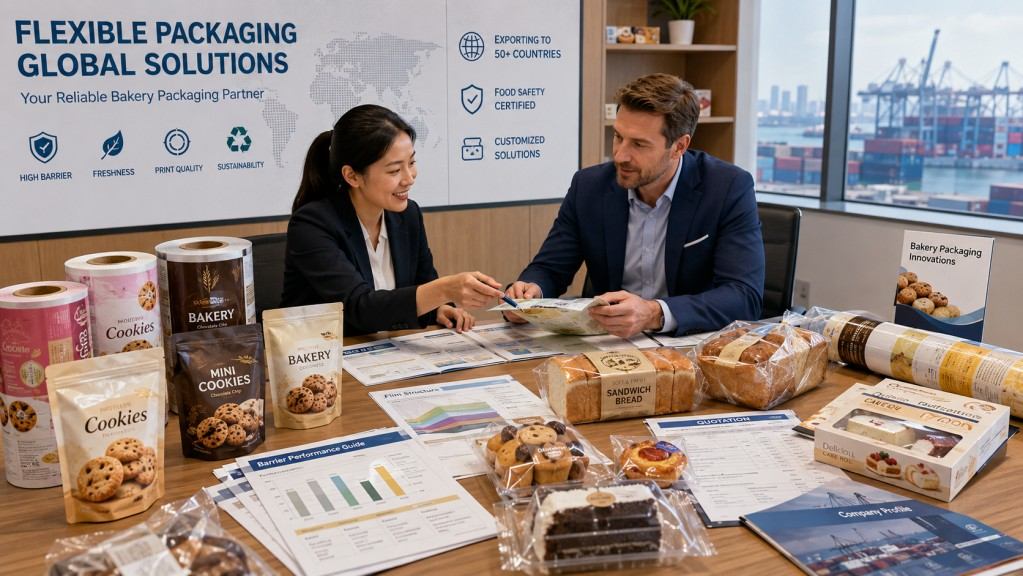
To get an accurate bakery food packaging quotation, buyers should prepare the following details:
Product name and product type, such as bread, cookies, cakes, pastries or frozen bakery products.
Product weight per pack and package dimensions.
Packing format, such as roll stock, pillow pouch, stand-up pouch, flat pouch, tray lidding or overwrap.
Storage condition, such as room temperature, chilled or frozen.
Required shelf life.
Packing machine type, such as VFFS, HFFS, flow-wrap or manual packing.
Printing design, number of colors and surface finish.
Target market and destination country.
Estimated order quantity.
Any special requirements, such as zipper, easy-open, clear window, anti-fog, high barrier or recyclable structure.
With these details, the supplier can recommend a suitable structure faster and avoid repeated revisions.
Common Bakery Packaging Structure Examples
Below are general examples. The final structure should always be confirmed according to the real product and packing line.
For bread and buns: BOPP/CPP, BOPP/PE, PE-based film or printed roll stock.
For cookies and biscuits: BOPP/CPP, PET/PE, PET/CPP, metalized film laminates or high-barrier pouches.
For cakes and muffins: PET/PE, PET/CPP, BOPP/CPP or tray plus lidding film.
For premium pastries: transparent high-clarity film, printed laminated pouches or tray lidding structures.
For frozen bakery products: PE-based films, PET/PE laminates or other structures with low-temperature toughness.
For long shelf-life baked snacks: high-barrier laminated films with stronger moisture, oxygen and aroma protection.
Why Work With CloudFilm Packaging For Bakery Food Packaging
CloudFilm Packaging supports overseas buyers with flexible film, roll stock, pouch and food packaging material solutions. For bakery food packaging, the company can help match structure, barrier level, printing design and package format according to product type and packing line.
Whether you need roll stock for bread flow-wrap, pouches for cookies, trays and lidding films for cakes, or recyclable options for baked snacks, a clear technical discussion at the beginning can save time, reduce trial mistakes and improve final packaging performance.
The right packaging is not only a cost item. It is a product protection tool, a brand communication tool and a supply-chain risk control tool. For bakery brands selling in competitive markets, better packaging can directly support better shelf appeal and fewer quality complaints.
Bakery Food Packaging FAQ
1. What is the best packaging for bakery products?
The best packaging depends on the product. Bread often needs moisture retention and flow-wrap film. Cookies need moisture barrier to stay crispy. Cakes may need trays and lidding film for shape protection. Premium baked snacks may need stand-up pouches or high-barrier laminates.
2. What film is commonly used for bread packaging?
Bread packaging often uses BOPP/CPP, BOPP/PE, PE-based film or printed roll stock. The structure should provide good sealing, suitable moisture control and smooth performance on the packing machine.
3. How can packaging keep cookies crispy?
Cookies stay crispy when the package has good moisture barrier and strong seals. For longer shelf life, high-barrier laminates or metalized layers may be used to reduce moisture and oxygen transfer.
4. Are stand-up pouches suitable for bakery products?
Yes. Stand-up pouches are suitable for cookies, baked snacks, granola, rusks and premium dry bakery products. They provide good shelf display and can include zipper closure, clear window and high-barrier structures.
5. Can bakery packaging be recyclable?
Some bakery packaging can be designed with mono-material PE or PP structures. Recyclability depends on local collection and recycling systems, so buyers should confirm the target market requirements before finalizing the structure.
6. What information should I provide to a bakery packaging manufacturer?
You should provide product type, package size, product weight, shelf life, storage condition, packing machine, printing design, order quantity and destination country. These details help the supplier recommend the right film or pouch structure.
7. Is roll stock better than pre-made bags?
Roll stock is better for high-speed automatic packing lines. Pre-made bags are better for small batches, manual packing or premium formats. The best choice depends on your production process.
8. What is the difference between BOPP/CPP and PET/PE for bakery packaging?
BOPP/CPP is often used for clear, cost-effective dry food and bakery packaging with good sealing. PET/PE provides stronger stiffness, printability and mechanical performance. The final choice depends on product needs and machine requirements.
9. Can bakery packaging have a clear window?
Yes. Clear windows are common for cookies, bread, pastries and premium bakery packs. They help consumers see the product, but the window size should be balanced with barrier and printing requirements.
10. Can bakery packaging use matte printing?
Yes. Matte printing can create a natural, premium or handmade appearance. It can be combined with partial gloss, clear windows or high-barrier structures.
11. What packaging is suitable for cream cakes?
Cream cakes often need trays with lidding film or rigid containers because they are fragile and sensitive to contamination. The structure should protect shape, hygiene and visibility.
12. What packaging is suitable for frozen bakery products?
Frozen bakery products need films or pouches with low-temperature toughness and strong seals. PE-based films and suitable laminated structures are often used.
13. Can one packaging structure be used for all bakery products?
No. Bread, cookies, cakes, pastries and frozen bakery products have different moisture, oxygen, strength and display requirements. The structure should be selected by application.
14. How can I reduce bakery packaging cost?
You can reduce cost by choosing the right thickness, avoiding unnecessary barrier layers, using efficient roll stock, optimizing package size and ordering suitable quantities. However, cost reduction should not damage product protection.
15. How do I start a bakery packaging project with CloudFilm Packaging?
You can share your product type, package size, shelf-life target, packing machine, printing design and estimated quantity. CloudFilm Packaging can review the details and suggest suitable films, pouches or tray-related packaging solutions.