Introduction: Why Biscuit Packaging Matters In The UK Market
Biscuit packaging is more than a simple wrapper. For UK biscuit brands, importers, private-label companies, bakeries and food distributors, packaging directly affects product freshness, shelf appearance, transport safety, consumer convenience and repeat sales.
Biscuits are dry food products, but they are not simple to protect. Many biscuits are sensitive to moisture, oxygen, grease, aroma loss and breakage. A good pack must help keep the biscuit crisp, clean, attractive and easy to sell from production to retail shelf.
In the UK market, biscuit packaging often needs to balance several goals at the same time: strong moisture protection, smooth performance on packing machines, clear branding, practical cost control, retail-ready design and responsible material selection.
For companies sourcing biscuit packaging from a manufacturer or supplier, the key question is not only “Which film is cheaper?” The better question is: “Which packaging structure can protect my biscuit, run well on my machine and support my brand position?”
What Is Biscuit Packaging?
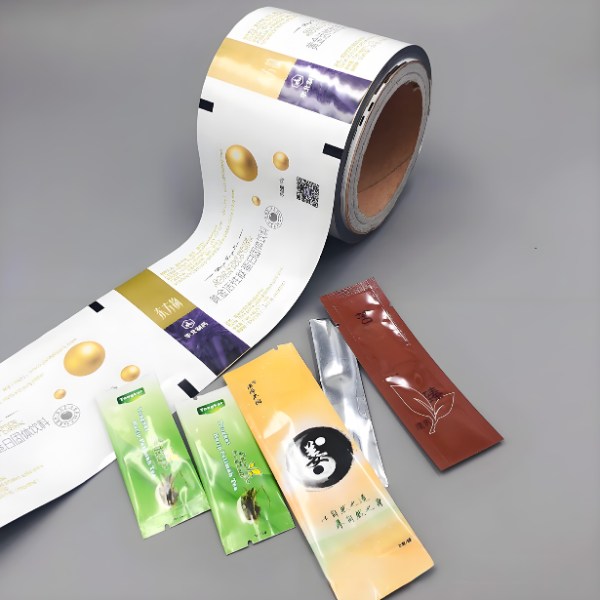
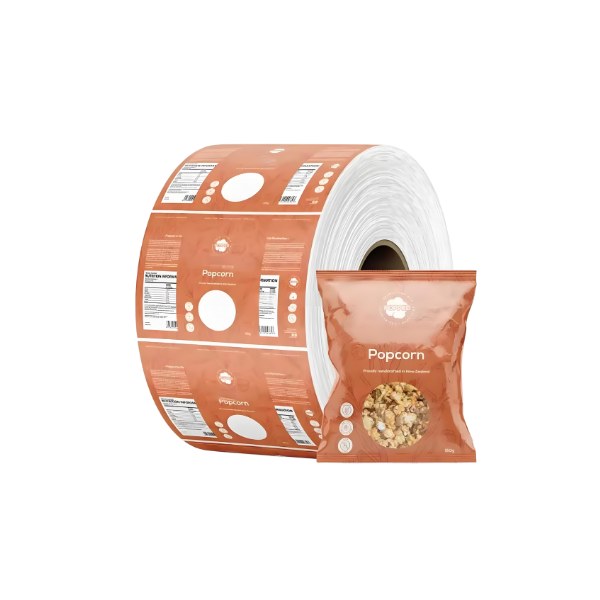
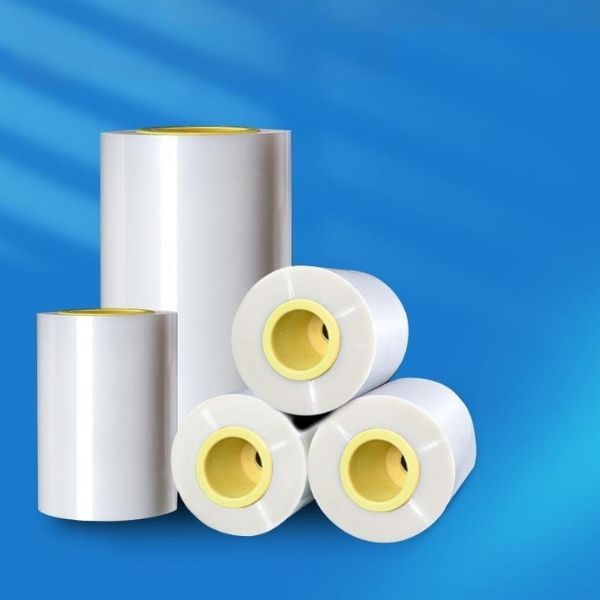
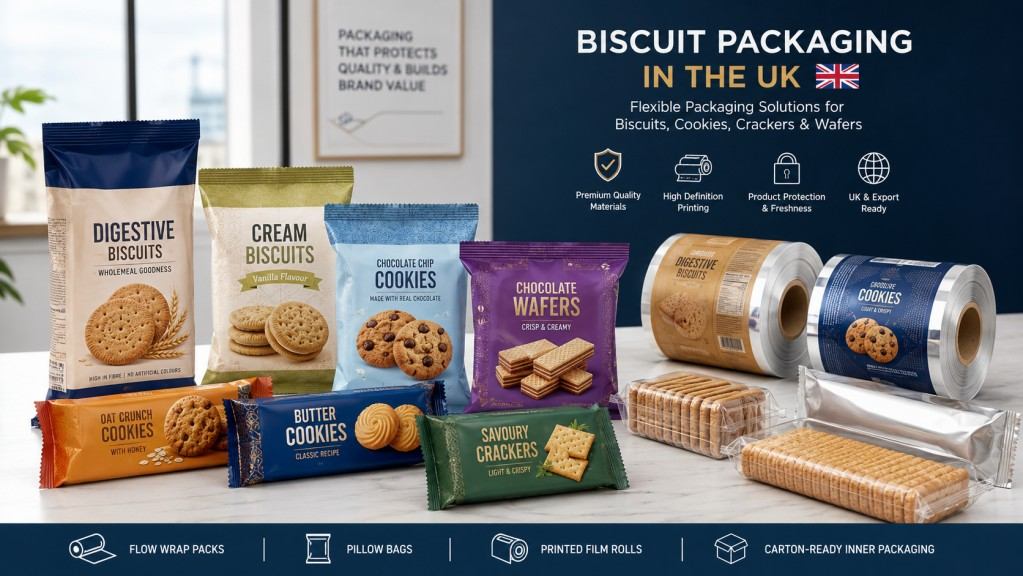
Biscuit packaging refers to the flexible film, wrapper, pouch, tray-lidding, carton inner pack or multipack material used to protect and present biscuits. It can be supplied as printed roll stock for automatic packing machines, pre-made pouches for manual or semi-automatic filling, or laminated film rolls for converters.
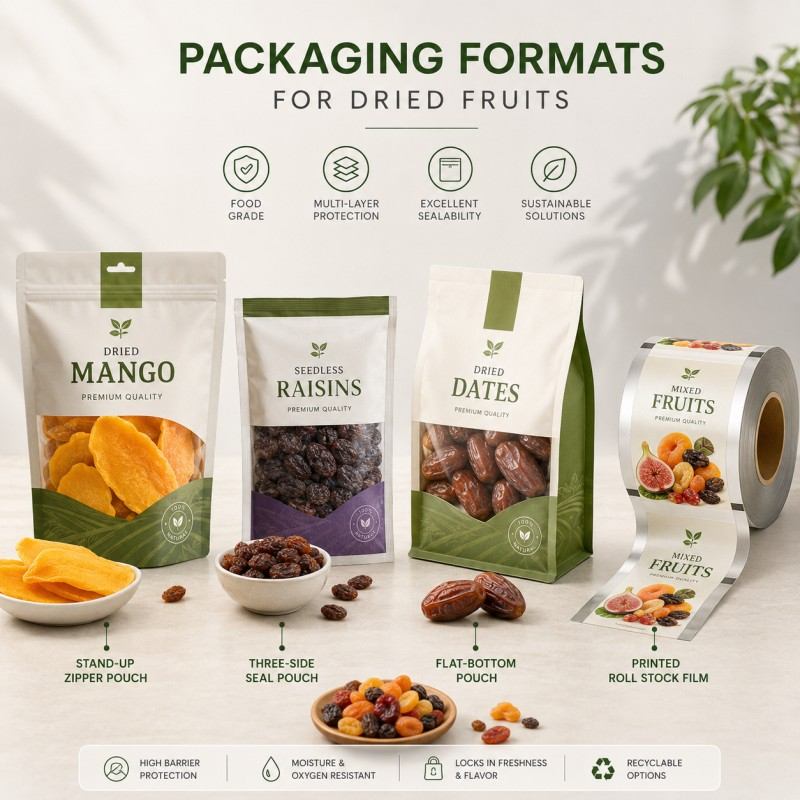
For most biscuit products, the main packaging formats include:
Flow wrap packaging for single packs, family packs and multipacks.
Pillow bags for snacks, small cookies, crackers and bite-size biscuits.
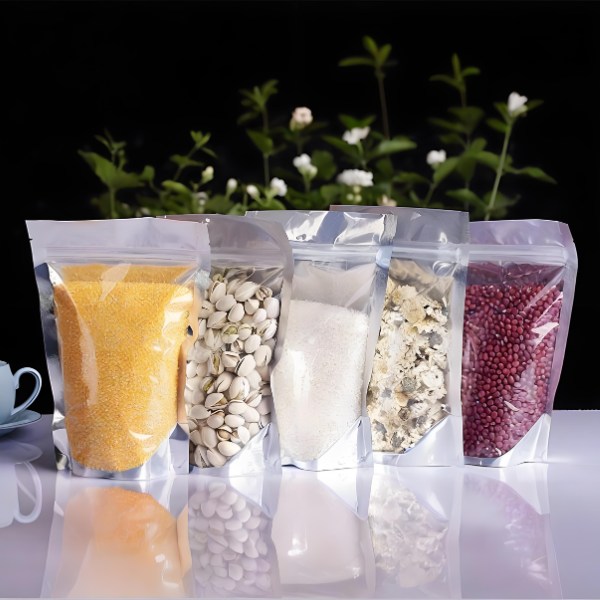
Stand up pouches for premium cookies, resealable biscuit bites and gifting formats.
Flat bottom pouches for high-value biscuits, bakery snacks, granola biscuits and larger retail packs.
Inner wrapping film for biscuits packed inside paperboard cartons.
Laminated roll stock for high-speed horizontal or vertical packing lines.
If you are not sure which format is suitable, it helps to start from your biscuit type, filling method, target shelf life, retail channel and packaging machine. CloudFilm Packaging’s custom packaging film rolls can be designed for different machine types, including flow-wrap, VFFS and HFFS lines.
Key Packaging Requirements For Biscuits
Biscuits usually look simple, but the packaging requirements are technical. A weak structure may cause soft texture, oil stains, broken biscuits, poor shelf appearance or sealing problems.
1. Moisture Barrier
Moisture is one of the biggest enemies of biscuits. Once the pack allows too much water vapour to enter, crisp biscuits can become soft and less enjoyable. This is especially important for crackers, wafers, butter biscuits, sandwich biscuits and premium cookies.
A biscuit packaging film should provide a suitable moisture barrier based on product sensitivity and shelf life. For basic dry biscuits, BOPP/CPP or BOPP/PE may be enough. For more sensitive products, metallized structures or high-barrier laminates may be required.
2. Oxygen And Aroma Protection
Some biscuits contain butter, chocolate, cream, nuts, spices or flavoured coatings. These ingredients may be more sensitive to oxygen and aroma loss. If the barrier is too weak, the product may lose flavour or develop an unpleasant smell over time.
For these products, PET/VMPET/PE, BOPP/VMCPP, PET/AL/PE or other high-barrier structures may be used. The final choice should depend on the biscuit recipe, fat content, shelf life target and storage condition.
3. Seal Strength
The seal must be strong enough to protect the product but also suitable for the packing machine speed. Biscuit packaging often runs on high-speed lines, so the sealing layer needs good hot tack, stable sealing temperature and low leakage risk.
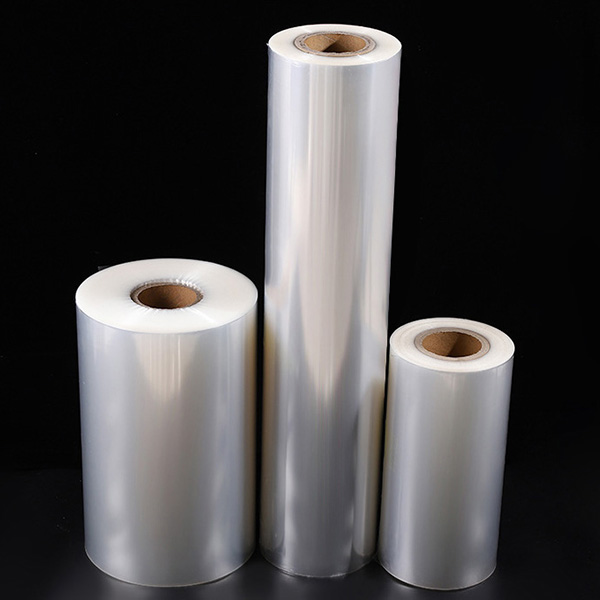
CPP and PE are common sealing layers. CloudFilm Packaging’s Clear CPP Film is widely used as an inner sealing layer for pillow packs and flow-wrap packaging of snacks, biscuits, candy and baked goods.
4. Machinability
Good packaging film should run smoothly on automatic packing lines. Poor film flatness, unstable COF, weak stiffness or inconsistent thickness can cause wrinkles, poor tracking, film breakage or sealing defects.
For UK biscuit brands and packing factories, stable machinability can reduce waste, downtime and customer complaints. This is why biscuit packaging buyers should pay attention to film thickness, COF, winding quality, roll diameter, core size and printing registration.
Common Biscuit Packaging Film Structures
There is no single “best” film for all biscuits. The correct structure depends on the biscuit type, shelf life, pack size, machine speed and brand positioning.
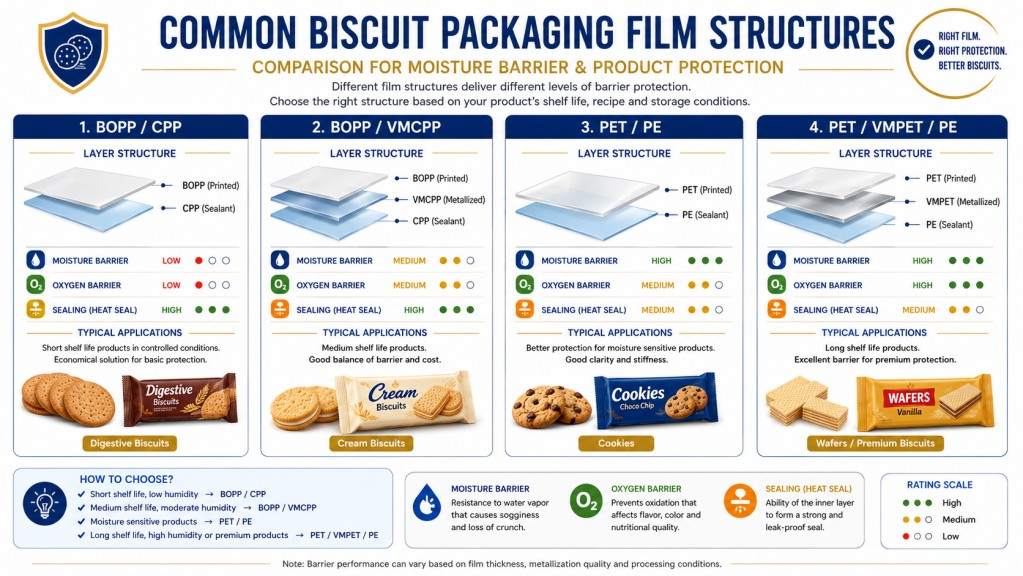
BOPP / CPP
BOPP/CPP is a common structure for biscuit flow wrap and pillow packaging. BOPP can provide clarity, stiffness and printability, while CPP works as the heat-seal layer. This structure is often used for standard dry biscuits, cookies, crackers and confectionery-style packs.
BOPP / VMCPP
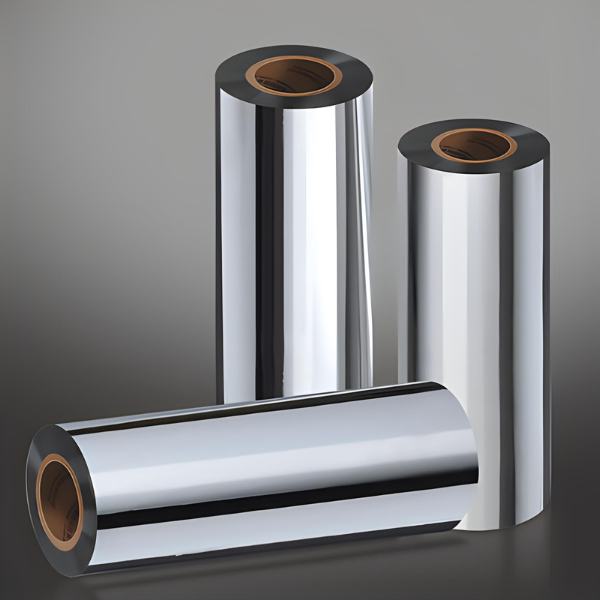
BOPP/VMCPP is useful when stronger moisture and light barrier are needed. VMCPP provides a metallic appearance, high barrier and good sealing performance. This type of structure is often used for biscuits, chocolate snacks, wafers and pillow packs that need better protection and stronger shelf impact.
CloudFilm Packaging’s metallized CPP film is suitable as an inner sealing layer in laminated snack, biscuit and confectionery packaging.
PET / PE
PET/PE is a strong and clear laminated structure. PET provides printability, stiffness and dimensional stability, while PE provides sealing strength and flexibility. It can be used for biscuit packs where stronger mechanical performance or clear display is required.
PET / VMPET / PE
PET/VMPET/PE is a higher-barrier option for biscuits with cream, chocolate, nuts or fat-rich ingredients. VMPET helps improve oxygen, moisture and light barrier. This structure is often used when longer shelf life or stronger aroma protection is needed.
BOPP / PE Or Mono-PP Options
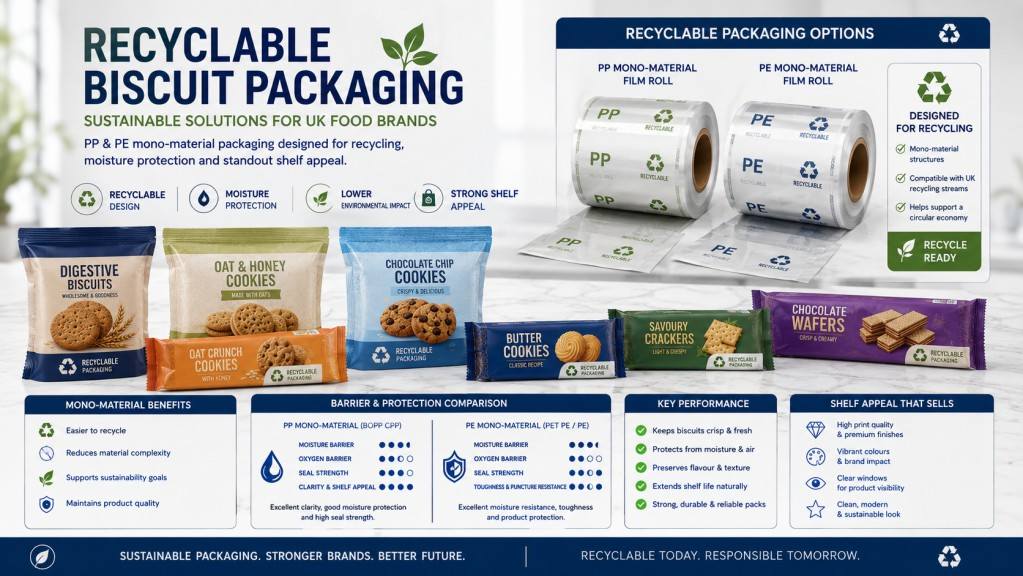
For buyers considering recyclable packaging directions, PP-based structures can be considered in some applications. The structure must still match sealing, barrier and machine requirements. For certain biscuit products, PP pouches or mono-PP laminated films may be reviewed as part of a recyclable packaging project.
Biscuit Packaging Formats For UK Brands
Different biscuit products need different packaging formats. The format should match the product shape, retail position, filling method and consumer use habit.
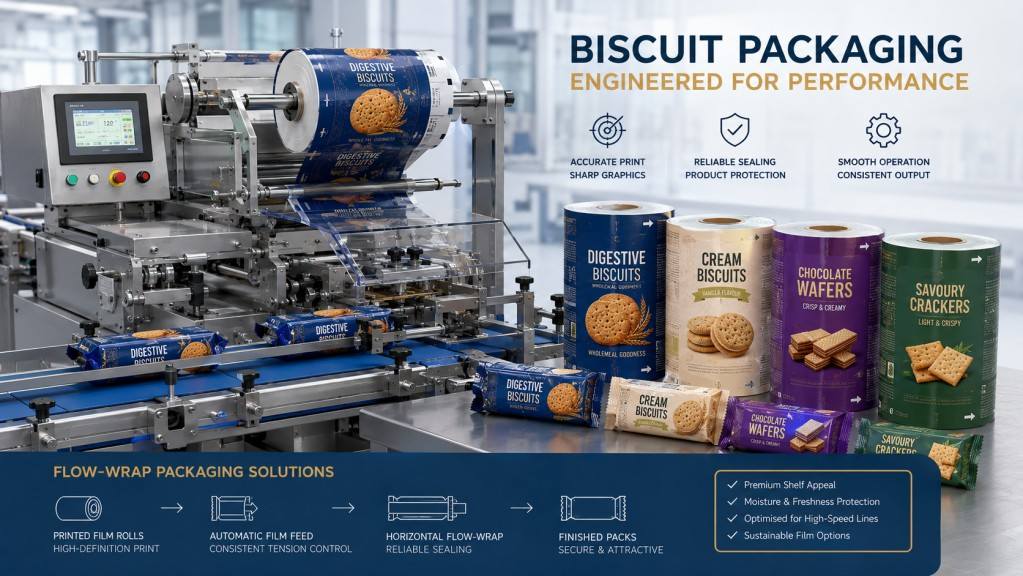
Flow Wrap Packs
Flow wrap is one of the most common formats for biscuits. It is suitable for single rows of biscuits, sandwich biscuits, crackers, cereal biscuits, wafers and multipacks. It is efficient, cost-effective and compatible with high-speed automatic lines.
Flow wrap packaging normally uses printed roll stock. If your factory already has a horizontal flow wrapper, you need to provide your supplier with roll width, repeat length, sealing temperature range, packing speed and unwind direction.
CloudFilm Packaging’s custom printed roll stock film can be designed for high-speed VFFS, HFFS and flow-wrap packaging lines.
Pillow Bags
Pillow bags are suitable for loose biscuits, mini cookies, crackers and snack-size products. They are simple, light and cost-efficient. A pillow bag can be supplied as roll film for automatic packing or as pre-made packaging in some cases.
Stand Up Pouches
Stand up pouches are suitable for premium biscuit bites, cookies, resealable packs, gifting ranges and products that need stronger shelf display. Zippers, tear notches, hang holes and matte finishes can be added depending on the brand requirement.
For biscuit brands looking for a premium retail format, custom stand up pouches can provide better shelf presence and user convenience.
Flat Bottom Pouches
Flat bottom pouches are suitable for larger or premium biscuit packs. They stand well on the shelf and provide more printable panels for branding. This format is often chosen for premium cookies, bakery snacks, granola biscuits, gift packs and family-size dry food products.
CloudFilm Packaging’s flat bottom pouches can be used for snacks, cereals, coffee, pet food and other dry goods that need stable shelf display.
Inner Wraps For Carton Packs
Many UK biscuit products are sold in paperboard cartons with inner flexible wraps. The outer carton provides branding and stacking performance, while the inner wrap protects the biscuit from moisture and contamination.
For this type of packaging, the inner film must still have reliable sealing, good barrier and clean food-contact performance.
Printing And Design Options
Biscuit packaging must protect the product, but it also needs to sell the product. In a crowded retail environment, printing and surface finish can strongly affect consumer attention.
Common design choices include gloss finish, matte finish, registered matte effect, transparent window, metallic effect, paper-look design and premium soft-touch appearance.
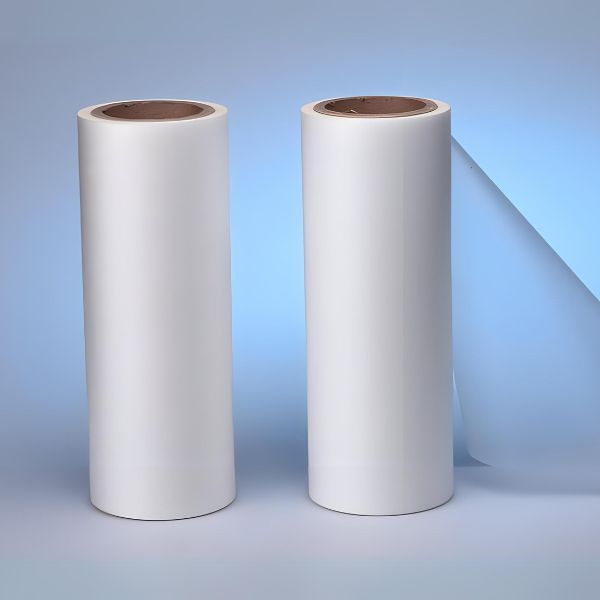
For a modern premium look, matte film is often used as the outer layer or surface finish. CloudFilm Packaging’s BOPP matte film can help create a low-gloss, refined appearance for flexible packaging and printed materials.
When designing biscuit packaging artwork, buyers should also consider:
Brand colour consistency.
Barcode readability.
Nutrition and ingredient panel space.
Sealing area protection.
Print direction and eye mark position.
Window position if product visibility is required.
Retail shelf impact from a distance.
For a broader view of how printing, film selection and converting work together, you can also read CloudFilm Packaging’s printing and packaging industry guide.
Sustainability And Recyclable Biscuit Packaging
Many UK buyers are reviewing packaging materials more carefully. For biscuit packaging, sustainability is not only about using less material. It is also about choosing a structure that protects the product, reduces food waste, supports recycling where practical and still works on packing equipment.
For some biscuit applications, recyclable mono-material structures may be possible. Examples include PP-based or PE-based packaging. However, the structure must be tested carefully because biscuits still need moisture barrier, seal strength, stiffness and print quality.
A recyclable structure that fails on the packing line or allows biscuits to become soft is not a practical solution. The goal should be a balanced pack: responsible material selection, enough protection and stable production performance.
If you are developing a recyclable biscuit packaging project, share your current structure, target market, packaging machine information and shelf-life requirement with your packaging supplier. This allows the supplier to recommend a realistic structure instead of only giving a general material name.
How To Choose A Biscuit Packaging Supplier Or Manufacturer
Choosing the right biscuit packaging supplier is important because the supplier affects film quality, printing accuracy, machine performance, delivery stability and problem-solving speed.
A good biscuit packaging manufacturer should not only quote a price. It should help you confirm the correct film structure, sealing layer, thickness, roll size, surface finish and printing method.
Before requesting a quotation, prepare the following information:
Biscuit type and product weight per pack.
Current packaging structure if available.
Required shelf life.
Pack size and artwork size.
Machine type, packing speed and sealing temperature.
Roll width, repeat length, core size and roll direction.
Required barrier level.
Printing colours and surface finish.
Order quantity and delivery destination.
If you are developing a new biscuit product, you can start with a sample pack, drawing or target product from the market. A practical supplier can then help convert your idea into a workable film or pouch specification.
CloudFilm Packaging provides food packaging film for different food products and can support biscuit brands with structure design, printing, lamination, slitting, pouch making and export service.
Quality Control Points For Biscuit Packaging
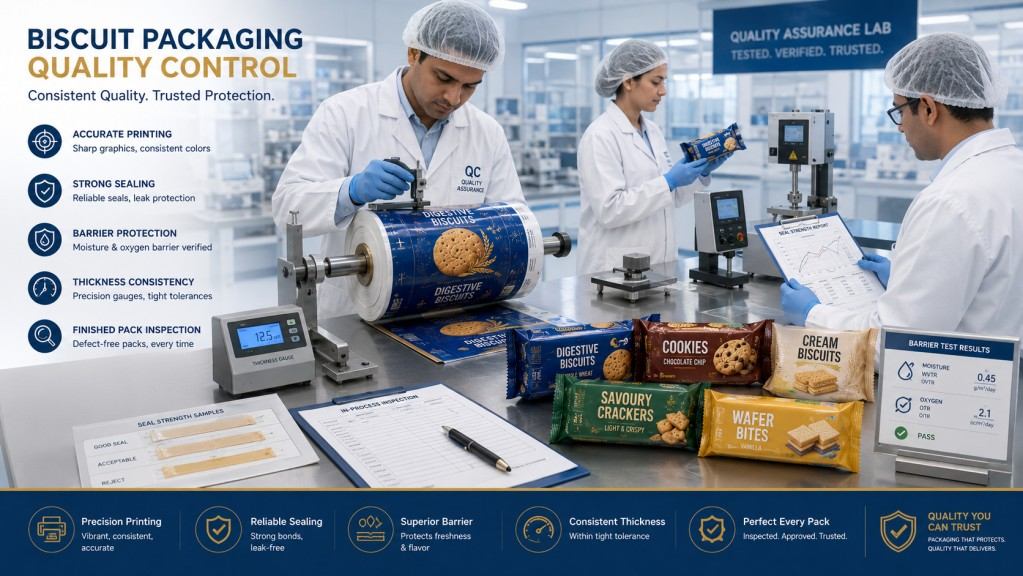
For biscuit packaging, quality control should cover both material performance and converting quality. Even a small defect can cause customer complaints after the product enters the retail market.
Important quality checks include:
Film thickness consistency.
Tensile strength and elongation.
COF for machine running.
Heat seal strength.
Hot tack performance.
Lamination bond strength.
Ink adhesion.
Print registration.
Roll winding quality.
Barrier performance.
Appearance defects.
Bag dimension control.
CloudFilm Packaging’s flexible packaging quality control guide explains why thickness, COF, sealing performance and lamination quality matter for packaging buyers.
For biscuit brands, trial production is also important. A small trial roll can help confirm film tracking, sealing window, cutting performance, packing speed and final pack appearance before mass production.
Recommended Packaging Solutions By Biscuit Type
Plain Biscuits And Digestives
For standard plain biscuits, a BOPP/CPP or BOPP/PE structure is often a practical starting point. It provides good printability, moisture protection and sealing performance at a reasonable cost.
Cream Biscuits
Cream biscuits may need better oxygen and aroma protection, especially if the filling contains fat or flavouring. PET/VMPET/PE or BOPP/VMCPP can be considered depending on shelf life and pack style.
Chocolate-Coated Biscuits
Chocolate-coated biscuits may need light barrier, oxygen barrier and grease resistance. A metallized structure can help protect appearance and flavour.
Wafers
Wafers are highly sensitive to moisture and breakage. Packaging should provide strong moisture barrier, smooth sealing and suitable stiffness to protect the product shape.
Crackers
Crackers need moisture protection and good pack strength. For retail packs, BOPP/CPP or PET/PE can be considered. For multipacks, film stiffness and sealing consistency are important.
Premium Cookies
Premium cookies often need better shelf appearance. Matte packaging, stand up pouches, flat bottom pouches or high-barrier laminated films can help support a higher-value brand image.
Why Work With CloudFilm Packaging?
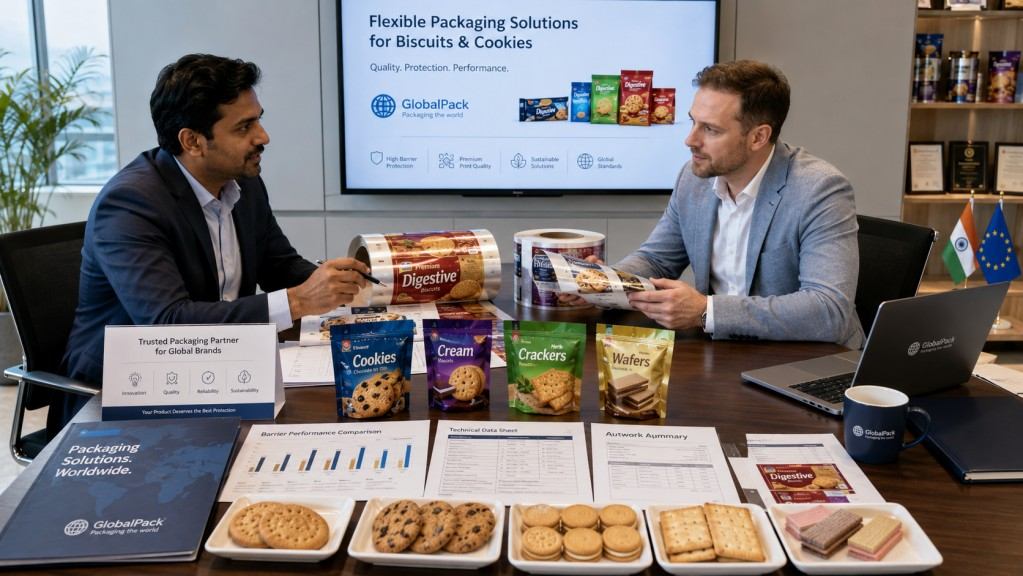
CloudFilm Packaging supports international food brands, importers, converters and packing factories with flexible packaging films and custom pouches.
For biscuit packaging UK projects, we can help you develop printed roll stock, flow wrap film, pillow bag film, stand up pouches, flat bottom pouches and high-barrier laminated structures.
Our support can include:
Film structure recommendation.
Moisture and oxygen barrier selection.
Matte, gloss and metallic surface options.
Custom printing.
Roll stock for automatic packing machines.
Pre-made pouch options.
Sample support.
Export packing and shipping coordination.
Technical communication in English.
Instead of selecting packaging only by material name, we help buyers connect product protection, machine performance, shelf appearance and cost control.
FAQ About Biscuit Packaging UK
1. What Is The Best Packaging For Biscuits?
The best packaging depends on the biscuit type, shelf life, machine type and retail format. Flow wrap film is common for standard biscuit packs, while stand up pouches and flat bottom pouches are often used for premium or resealable biscuit products.
2. What Film Is Commonly Used For Biscuit Packaging?
Common biscuit packaging films include BOPP/CPP, BOPP/PE, PET/PE, BOPP/VMCPP and PET/VMPET/PE. Basic biscuits may use simpler structures, while cream biscuits, chocolate biscuits and wafers may need higher-barrier materials.
3. Why Do Biscuits Need Moisture Barrier Packaging?
Biscuits can become soft when they absorb moisture. Moisture barrier packaging helps protect crispness, texture and eating quality during storage, transport and retail display.
4. Is Flow Wrap Suitable For Biscuit Packaging?
Yes. Flow wrap is one of the most common formats for biscuit packaging. It is suitable for high-speed production and can be used for single packs, family packs, sandwich biscuits, crackers and multipacks.
5. Can Biscuit Packaging Be Recyclable?
In some cases, yes. PP-based or PE-based mono-material structures may be considered. However, recyclability must be balanced with moisture barrier, sealing performance, print quality and machine running stability.
6. What Information Is Needed For A Biscuit Packaging Quote?
A supplier usually needs biscuit type, pack size, product weight, required shelf life, film structure, printing colours, roll width, repeat length, roll direction, machine type, order quantity and delivery country.
7. What Is The Difference Between Roll Stock And Pre-Made Pouches?
Roll stock is supplied in rolls and used on automatic packing machines. Pre-made pouches are already converted into bags before filling. Roll stock is often used for high-speed biscuit lines, while pouches are useful for premium, resealable or small-batch products.
8. Which Packaging Is Suitable For Premium Biscuits?
Premium biscuits often use matte packaging, metallic effects, stand up pouches, flat bottom pouches or high-barrier laminated films. These options can improve shelf appearance and product protection.
9. How Can I Reduce Biscuit Packaging Cost?
You can reduce cost by choosing the right film thickness, avoiding unnecessary barrier layers, optimizing roll width, improving machine efficiency and selecting a structure that matches the real shelf-life requirement.
10. Can CloudFilm Packaging Supply Biscuit Packaging To The UK?
Yes. CloudFilm Packaging can support UK biscuit packaging projects with flexible packaging films, printed roll stock and custom pouches. Share your product details, machine information and quantity, and our team can recommend a suitable packaging solution.
Conclusion
Biscuit packaging for the UK market should be designed around product protection, machine performance, retail appearance and supplier reliability. The right structure can help keep biscuits crisp, reduce packing problems, improve shelf impact and support long-term brand value.
Whether you need flow wrap film, pillow bag film, high-barrier roll stock, stand up pouches or flat bottom pouches, the best starting point is a clear technical discussion with an experienced biscuit packaging manufacturer.
Send your biscuit type, pack size, machine details, shelf-life target and order quantity to CloudFilm Packaging. Our team can help you build a practical, attractive and export-ready biscuit packaging solution.