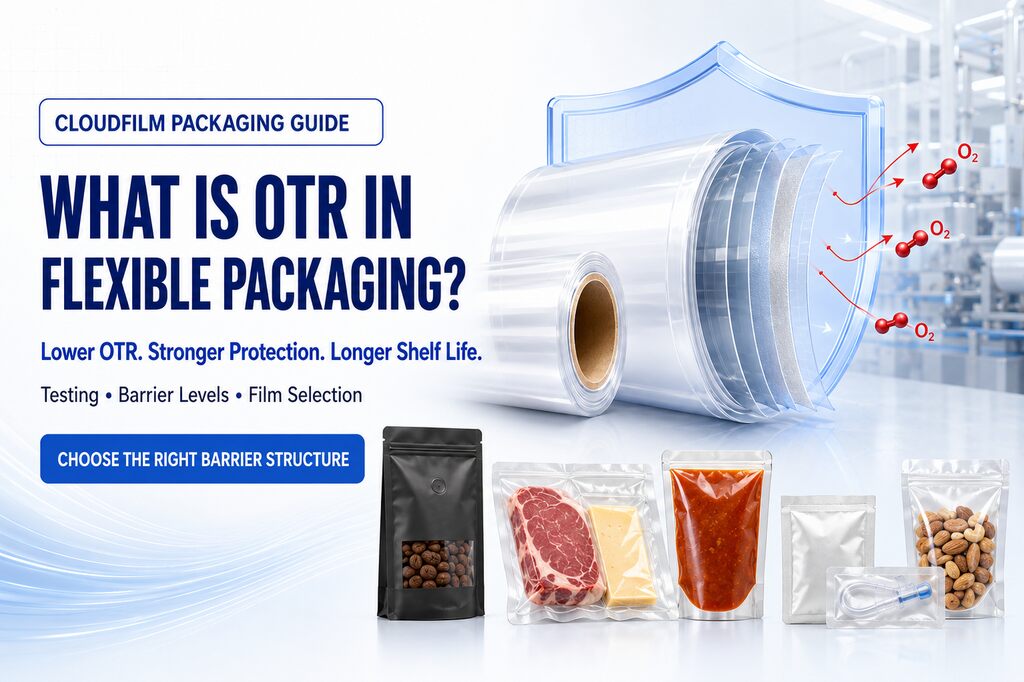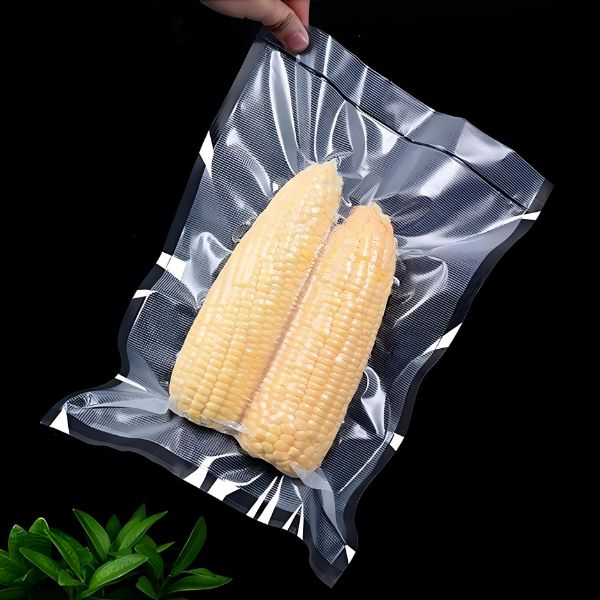
Oxygen can change flavor, color, aroma, nutrients, and active ingredients long before a package looks damaged. For oxygen-sensitive products, the barrier specification is therefore a practical shelf-life control, not merely a laboratory number.
OTR is the most common metric used to describe that protection. However, an OTR result is meaningful only when the unit, temperature, humidity, sample thickness, test method, and package construction are understood together.
This guide explains OTR from a buyer’s perspective. It shows how to read reports, compare materials, avoid misleading comparisons, and convert a target shelf life into a useful discussion with a flexible packaging film manufacturer or supplier.
Quick Answer: What Does OTR Mean?
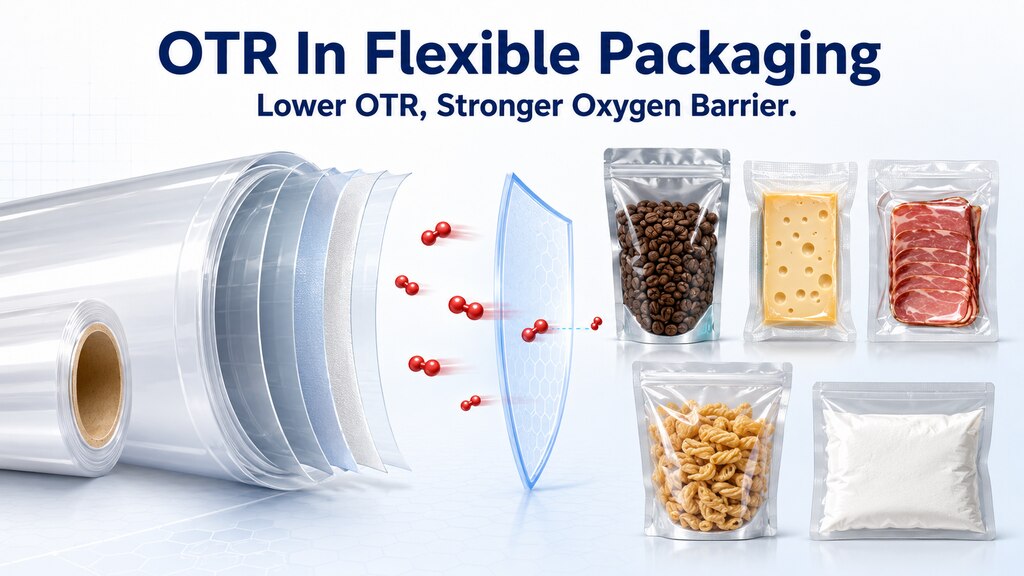
OTR means oxygen transmission rate. It measures the steady amount of oxygen that passes through a defined area of film or packaging over a defined time under specified temperature and relative-humidity conditions.
A common reporting unit is cc/m²·day. Some reports use cc/100 in²·day, while others normalize the result to an oxygen partial-pressure difference and include atm or bar in the denominator.
For packages intended to exclude oxygen, a lower OTR normally means a stronger oxygen barrier. The comparison is valid only when both results use compatible units, methods, thicknesses, and environmental conditions.
For a broader overview of thickness, treatment, friction, sealing, and barrier data, consult the packaging film parameters guide.
Why OTR Matters for Product Shelf Life
Oxygen drives oxidation in fats, oils, vitamins, pigments, fragrances, and many pharmaceutical ingredients. It can create rancid flavors, discolor meat, fade natural colors, weaken aromas, and reduce the stability of sensitive formulations.
A suitable barrier slows oxygen ingress so the product remains within its quality limits during filling, storage, transportation, and retail display. The required level depends on product sensitivity, package area, headspace, oxygen scavenging, distribution time, and acceptable quality loss.
The lowest available OTR is not automatically the best commercial choice. Excess barrier can add cost, complexity, stiffness, or recycling challenges without providing a measurable shelf-life benefit.
Fresh produce presents the opposite situation. Fruits and vegetables continue to respire, so a carefully designed gas-transmission rate may be safer than an almost impermeable package. Product physiology must therefore guide the specification.
How Is OTR Measured?
Common Test Methods
ASTM D3985 and ISO 15105-2 are widely used for measuring oxygen transmission through plastic films, sheets, laminates, and coated materials with instrumental detection. ASTM F1927 is commonly referenced when controlled relative humidity is central to the test.
A report should identify the actual standard and instrument conditions. Writing only “tested by oxygen analyzer” is insufficient for a purchasing specification because different methods and sensor ranges may produce data that cannot be compared directly.
Basic Test Principle
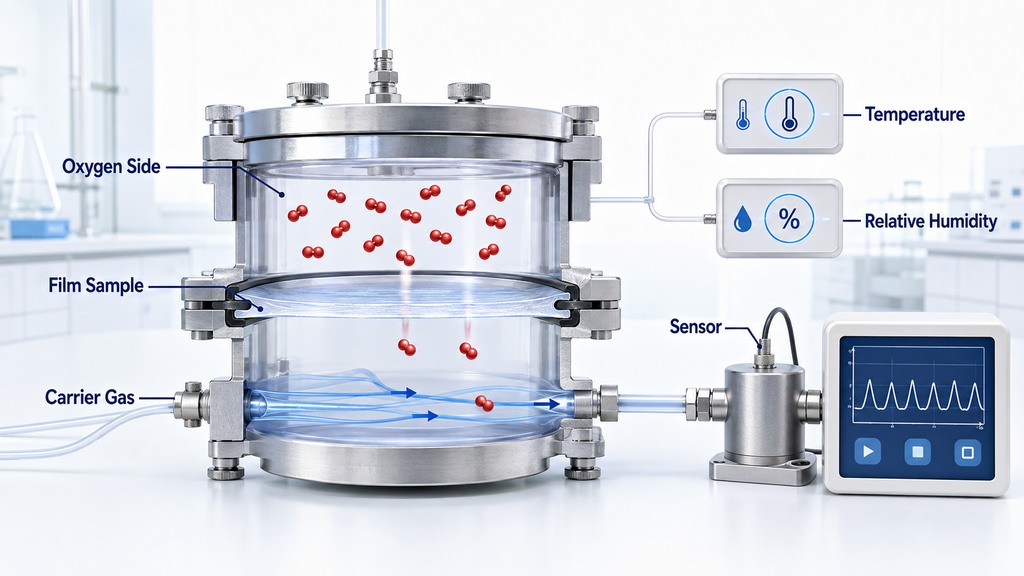
A flat specimen separates two chambers. One side receives oxygen, while the other side is swept with an oxygen-free carrier gas. Oxygen that permeates through the specimen reaches a sensor, which measures the steady transmission rate.
Before a stable result appears, the sample and test cell must reach equilibrium. Very high-barrier structures may require longer testing because the instrument must distinguish extremely small oxygen flows from leakage and background signals.
Flat-Film OTR Versus Whole-Package OTR
Flat-film testing is useful for material development and incoming quality control. Whole-package testing includes the effects of seals, closures, corners, spouts, valves, and total package geometry.
A good rollstock result cannot compensate for a leaking seal or cracked barrier layer. Critical programs should validate both the web and the finished package, followed by a real or accelerated shelf-life study.
How to Read an OTR Specification Correctly
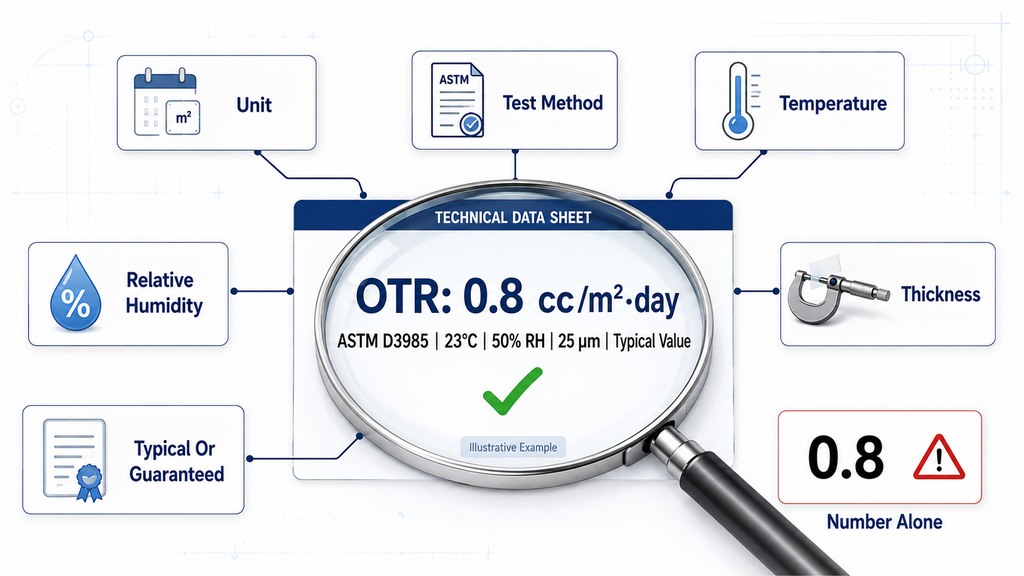
Never compare isolated numbers copied from different technical data sheets. Read every value as a complete statement: result, unit, test standard, temperature, humidity, specimen thickness, sample orientation, and whether the figure is typical or guaranteed.
| Specification Field | What It Controls | Buyer Question |
| Unit | Area, time, and possible pressure normalization | Are both values expressed on the same basis? |
| Temperature | Higher temperature usually increases transmission | Was the test temperature stated and relevant? |
| Relative humidity | Can strongly affect moisture-sensitive barriers | Were both sides’ humidity conditions reported? |
| Thickness and structure | Changes the diffusion path and layer contribution | Is this the tested final structure or a resin value? |
| Method | Defines apparatus, conditioning, and calculation | Are the standards and sensor ranges comparable? |
| Status | Distinguishes typical data from a supply commitment | Is the value typical, maximum, or guaranteed? |
Note: Values and classifications must be interpreted with the stated test conditions and final application.
Be especially careful with permeability coefficients. Permeability is a normalized material property for a homogeneous polymer, while OTR describes a particular specimen. A resin permeability value cannot be inserted directly into a laminate specification without calculation and validation.
The side exposed to humid gas can also matter. EVOH protected inside PE may behave differently from an exposed EVOH layer, even when the nominal EVOH thickness is identical.
What Counts as Low OTR or High Oxygen Barrier?
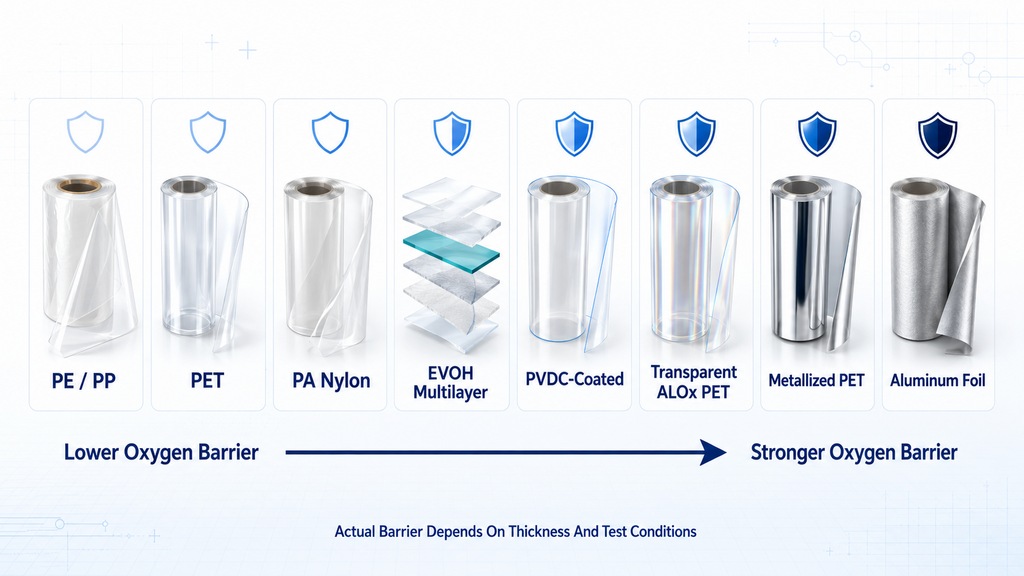
There is no universal barrier classification that fits every product. Industry labels vary by test method, package type, thickness, storage condition, and the amount of oxygen the product can tolerate.
The following bands are useful only as an initial screen for flat films reported in cc/m²·day under comparable conditions. They are not shelf-life guarantees or substitutes for an application-specific specification.
| Screening Class | Indicative OTR | Typical Direction |
| Ultra-high barrier | ≤ 1 | Highly oxygen-sensitive products and demanding shelf-life targets |
| High barrier | > 1 to 10 | Many meat, cheese, coffee, sauce, and specialty applications |
| Moderate barrier | > 10 to 100 | Products with moderate sensitivity or shorter distribution periods |
| Basic oxygen barrier | > 100 | Applications where oxygen exclusion is not the main requirement |
Note: Values and classifications must be interpreted with the stated test conditions and final application.
A film described as “high barrier” should still carry a numerical limit and test conditions. Buyers can review CloudFilm’s available high barrier films when they need to compare transparent, metallized, coated, co-extruded, and foil-based routes.
How Common Packaging Materials Compare
Readers evaluating coated technologies can first review the oxygen barrier coating guide, which explains how a thin functional layer can change the performance of a printable or laminatable base film.
EVOH Co-Extruded Structures
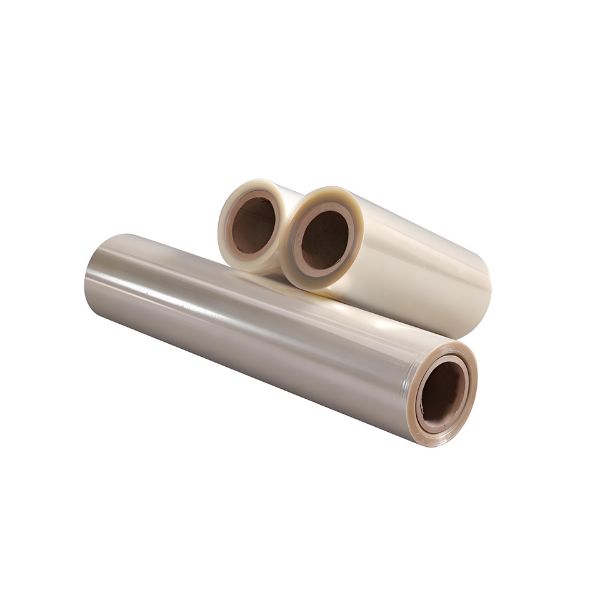
EVOH can provide excellent oxygen barrier at a thin core-layer thickness. Because humidity reduces its performance, it is normally protected between PE, PP, or PA layers in structures such as PE/EVOH/PE and PA/EVOH/PE.
CloudFilm’s co-extrusion EVOH film is designed for projects that need a low OTR together with sealing, toughness, and forming performance.
PVDC-Coated Films
PVDC coatings provide strong oxygen, aroma, and moisture barrier and are less humidity-sensitive than EVOH. The substrate may be PET, BOPP, or BOPA, allowing the converter to combine barrier with stiffness, printability, or toughness.
Review PVDC coated film when a project requires transparent high barrier, stable performance in humid distribution, and compatibility with printing or lamination.
ALOx-Coated PET
Aluminum-oxide coating creates a transparent barrier layer on PET. It supports product visibility and microwave-related applications, but coating continuity, flex resistance, protective topcoat, lamination, and converting control determine the final result.
ALOx PET film is a useful option when buyers want strong barrier without the opaque appearance of a metallized web or foil.
Metallized PET
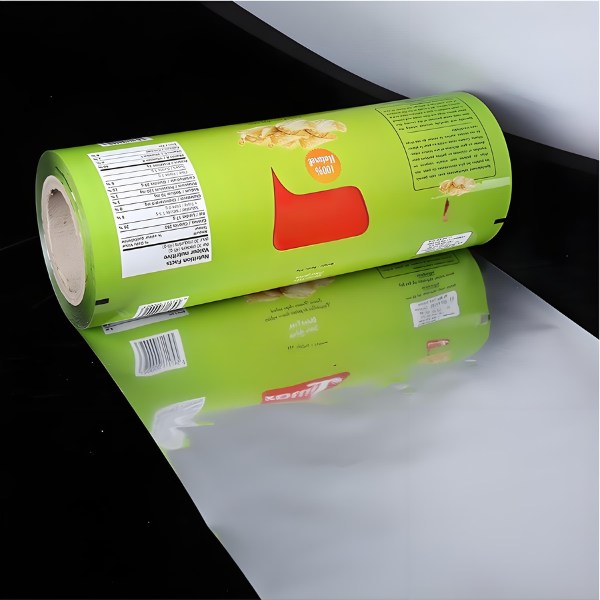
A thin vacuum-deposited aluminum layer gives metallized PET strong oxygen, moisture, aroma, and light barrier. Optical density, pinholes, metal adhesion, and flex damage influence performance after conversion.
Aluminized PET film is commonly laminated with printable PET and a PE sealant for coffee, powders, snacks, and other dry or light-sensitive products.
Aluminum Foil
Intact foil can approach a total barrier to oxygen, moisture, and light. Very thin foil can still develop pinholes or flex cracks, while seals and closures remain possible paths for oxygen ingress.
PA, PET, PE, and PP
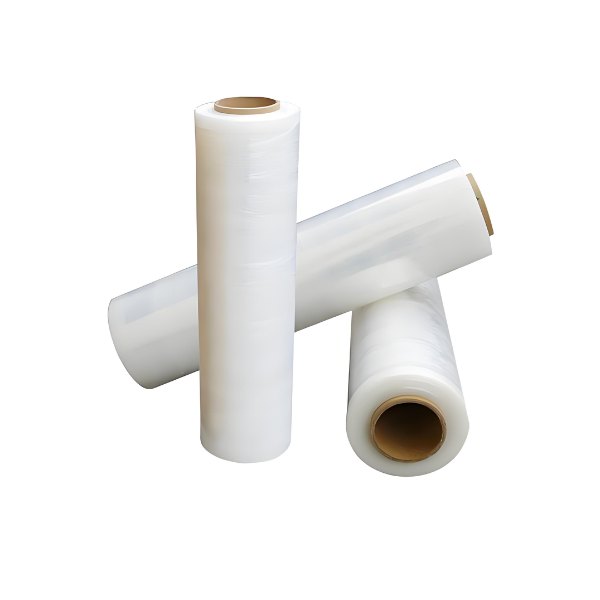
PA and PET provide useful structural strength and moderate oxygen barrier, but they are not equivalent to a dedicated ultra-high-barrier layer. PE and PP are valuable sealants and moisture barriers, yet usually allow more oxygen transmission.
The nylon and EVOH comparison explains why nylon often supplies toughness while EVOH supplies the stronger gas barrier.
Why Laboratory OTR Changes in Real Packages
Temperature
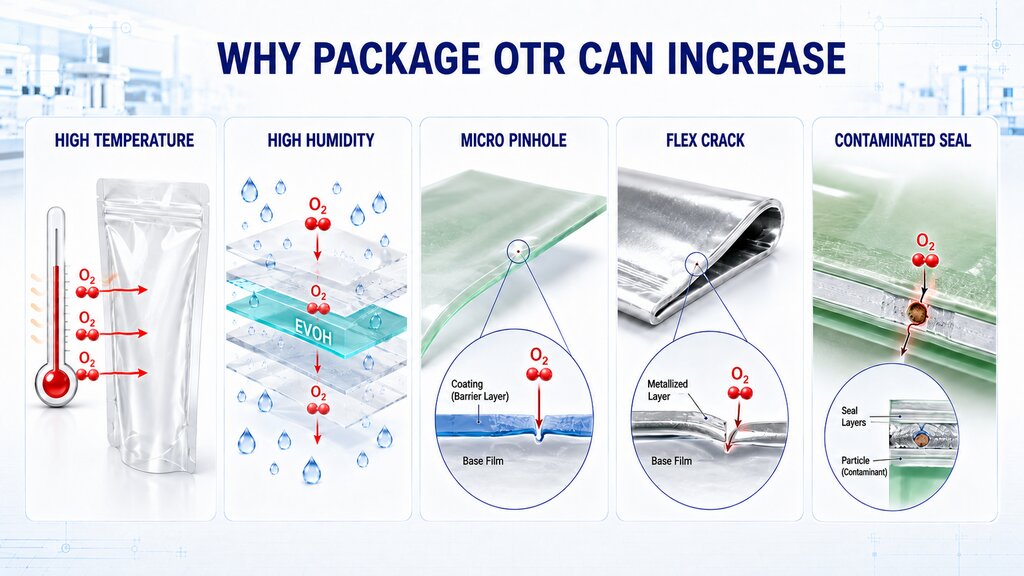
Gas transmission generally increases as temperature rises. A film tested at 23°C may not describe performance in hot warehouses, heated filling, tropical transport, or an elevated-temperature accelerated study.
Relative Humidity
Humidity can plasticize moisture-sensitive polymers and reduce their oxygen barrier. EVOH and PA require particular attention. Compare structures at humidity conditions that reflect the actual product and distribution environment.
Thickness and Layer Ratio
For a homogeneous film, increasing thickness generally reduces OTR. Multilayer structures are more complex because the barrier-layer thickness, tie layers, orientation, crystallinity, coatings, and defects all contribute.
Printing, Lamination, and Flexing
Tension, heat, aggressive adhesives, creasing, puncture, and repeated flexing can damage a coating or metal layer. OTR should be checked after the most demanding conversion step when barrier loss would create commercial risk.
Seals and Package Geometry
A pouch contains more than flat film. Seal channels, contamination, zipper tracks, spouts, valves, folds, corners, and a larger surface area can increase total oxygen ingress.
CloudFilm’s flexible packaging quality control guide outlines barrier, pinhole, seal, and package-integrity checks that can be combined with OTR testing.
OTR Versus WVTR: Two Different Barrier Questions
OTR measures oxygen transmission. WVTR measures water-vapor transmission. A material can be an excellent moisture barrier but a weak oxygen barrier, or the reverse.
PE and PP usually provide useful moisture protection but limited oxygen barrier. EVOH provides excellent oxygen protection under suitable conditions but needs moisture-resistant outer layers. Metallized films and foil can address oxygen, moisture, aroma, and light together.
A dry snack may fail through moisture pickup and loss of crispness, while nuts may also oxidize. Cheese can require oxygen control, moisture management, puncture resistance, seal integrity, and suitable gas-flush performance at the same time.
A Practical Method for Choosing the Right OTR
- Define the Product Failure Mode
Identify what oxygen actually changes: flavor, color, microbial environment, nutrient level, potency, corrosion, or fragrance. Record the maximum acceptable change at the end of shelf life.
- Define the Pack and Distribution Conditions
Specify package dimensions, film area, headspace, filling temperature, gas flushing, storage temperature, humidity, transport route, and expected retail exposure. These details connect the laboratory result to the real package.
- Estimate an Initial Oxygen Budget
For screening, oxygen ingress can be approximated as OTR multiplied by package area and time, provided the unit and pressure basis are compatible. Seals, closures, residual oxygen, and changing concentration gradients must then be added separately.
For example, 0.5 cc/m²·day across 0.10 m² suggests about 0.05 cc per day through the flat web, or 9 cc over 180 days. This simple estimate is not a shelf-life guarantee.
- Shortlist Materials and Structures
Choose two or three structures that balance oxygen barrier with moisture control, light protection, sealing, toughness, transparency, processing, cost, and the project’s recycling pathway.
For PE-based high-barrier concepts, the PE-EVOH-PE film guide explains how a protected EVOH core works with PE seal and moisture-protection layers.
- Validate on the Actual Line
Test sample rolls through printing, lamination, forming, filling, and sealing. Measure the converted web or finished pack when appropriate, then confirm performance with product shelf-life trials before approving mass production.
Application Examples
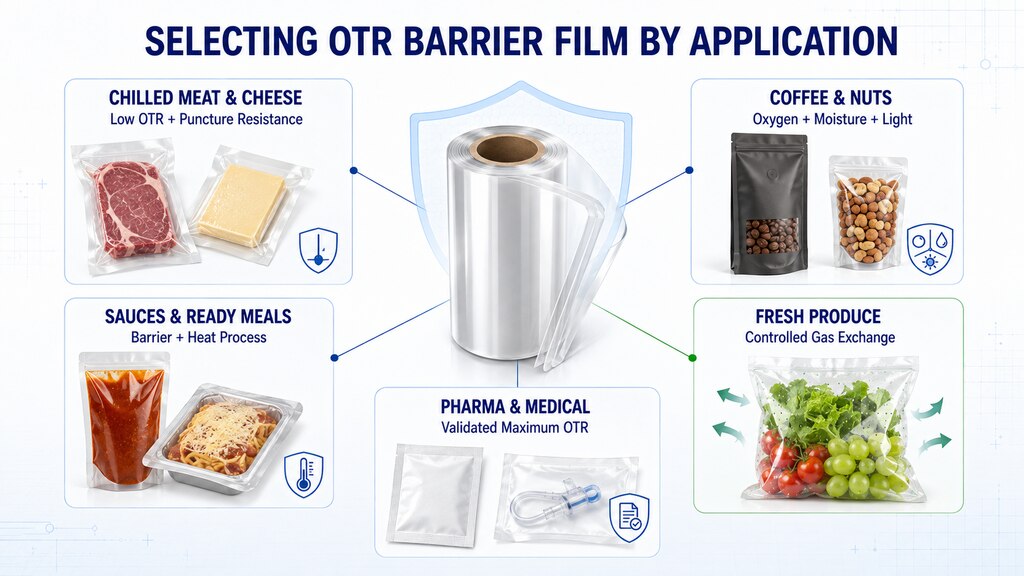
Fresh Meat, Processed Meat, and Cheese
These products often need low oxygen ingress, strong seals, puncture resistance, and good forming. PA/EVOH/PE, PE/EVOH/PE, PVDC-coated structures, and high-barrier lidding systems are common starting points.
When bone edges or deep draw are major risks, PA/PE film may provide the structural toughness, while an EVOH layer is added when the shelf-life target demands lower OTR.
Coffee, Nuts, Milk Powder, and Dry Ingredients
These products may need oxygen, moisture, aroma, and light protection. Metallized PET or foil laminates are common, while transparent ALOx or coated films serve projects that require product visibility.
Sauces, Liquids, and Ready Meals
Barrier must be matched with sealant compatibility, filling temperature, flex resistance, and possible pasteurization or retort conditions. The complete laminate and process window matter more than a single OTR value.
Pharmaceuticals, Medical Devices, and Industrial Components
These applications may set strict maximum OTR limits and require batch documentation, chemical compatibility, puncture testing, sterilization review, or corrosion protection. Regulatory and validation requirements should be confirmed before sampling.
Fresh Produce
A very low OTR can be unsuitable for respiring produce. Perforation, microperforation, breathable films, and product-specific gas balance may be required to avoid anaerobic conditions and condensation-related quality loss.
What Buyers Should Ask a Manufacturer or Supplier
A professional barrier film manufacturer should translate a shelf-life target into a testable structure, not simply quote the lowest number on a data sheet. Procurement teams should request evidence that matches the proposed construction and application.
- Complete OTR unit, standard, temperature, humidity, thickness, and specimen orientation.
- Clarification of whether the value is typical, a controlled range, or a guaranteed maximum.
- The exact layer structure, barrier-layer thickness, coating side, and intended lamination direction.
- OTR data after printing, lamination, forming, flexing, sterilization, or other relevant conversion steps.
- Roll specifications, surface treatment, sealing window, friction, sampling plan, and batch documentation.
- A trial-roll and finished-package validation plan before commercial approval.
Buyers comparing sourcing options can use the packaging films manufacturer and supplier list to review the broader capabilities that matter beyond barrier data.
CloudFilm can review the product, pack format, current laminate, target shelf life, processing conditions, required quantity, and destination. The technical team can then shortlist practical structures and arrange A4 samples or trial rolls for verification.
Conclusion
OTR is a powerful packaging metric, but it is never a complete purchasing decision by itself. A reliable specification connects the oxygen limit with test conditions, material structure, package area, seals, converting stresses, distribution, and product shelf life.
Start with the product’s oxygen sensitivity, not with a fashionable material name. Compare data on the same basis, select a practical barrier route, validate the converted package, and treat shelf-life testing as the final proof.
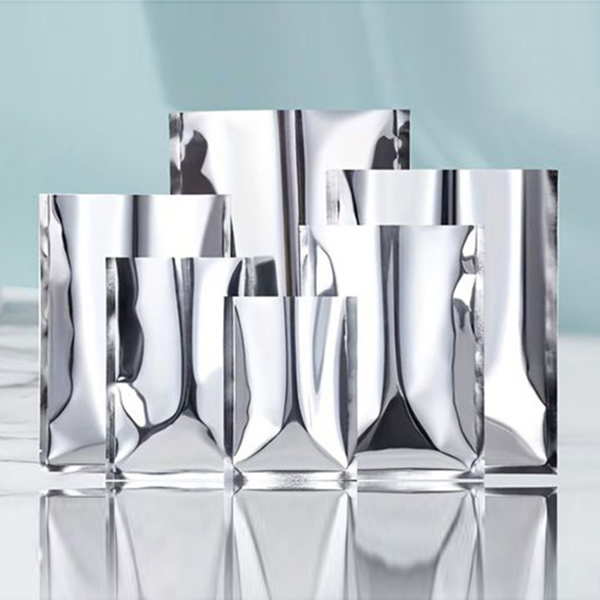
For ready-made high-barrier formats, CloudFilm also supplies EVOH bags for meat, cheese, liquid foods, and other oxygen-sensitive applications.
Frequently Asked Questions
- What Is a Good OTR for Food Packaging?
There is no single good value. The correct OTR depends on food sensitivity, package area, shelf life, temperature, humidity, headspace, and allowable quality loss. Values should be compared only under equivalent test conditions.
- Does a Lower OTR Always Mean Better Packaging?
No. Lower OTR usually helps oxygen-sensitive products, but excessive barrier may add unnecessary cost or complexity. Respiring produce may require controlled oxygen transmission rather than the lowest achievable value.
- What Units Are Used for OTR?
Common units include cc/m²·day and cc/100 in²·day. Some reports also normalize for oxygen partial pressure using atm or bar. Convert units and confirm the pressure basis before comparing results.
- Why Must Temperature and Humidity Be Reported?
Permeation changes with temperature, and humidity can weaken moisture-sensitive barriers such as EVOH and PA. A number without these conditions may misrepresent performance in the intended market.
- Is OTR the Same as Oxygen Permeability?
No. OTR describes oxygen passing through a specific specimen. Permeability is a normalized property, mainly for homogeneous materials. Multilayer films, coatings, and packages should usually be compared by tested transmission rate.
- Can OTR Predict Exact Shelf Life?
OTR supports shelf-life modeling, but it cannot predict shelf life alone. Residual oxygen, seals, closures, package area, product reaction rate, temperature, light, moisture, and distribution damage must also be considered.
- Should OTR Be Tested Before or After Lamination?
Test the final laminate when lamination heat, adhesive chemistry, tension, curing, or flexing may affect the barrier layer. Base-film data remains useful for incoming control but may not represent converted performance.
- Which Material Provides the Best Oxygen Barrier?
Intact foil can provide near-total barrier. EVOH, PVDC, ALOx, and metallized films can also achieve very low OTR in suitable structures. The best choice depends on transparency, humidity, flexing, sealing, heat process, cost, and recovery pathway.
- Why Does EVOH Need Protective Outer Layers?
EVOH absorbs moisture, which can reduce its oxygen barrier. PE, PP, or PA outer layers protect the thin EVOH core while adding sealing, toughness, and processability.
- Is Whole-Package OTR More Useful Than Flat-Film OTR?
They answer different questions. Flat-film OTR controls material quality. Whole-package OTR captures seals, closures, corners, and geometry. Critical programs often use both, followed by a product shelf-life study.
- How Often Should OTR Be Tested?
Frequency depends on risk, process stability, customer specifications, and barrier technology. Qualification, material changes, new tooling, conversion changes, complaints, and periodic verification are common testing triggers.
- What Information Is Needed for an OTR-Based Quotation?
Provide the packed product, target shelf life, pack format and size, current structure, maximum OTR, test conditions, filling and sterilization process, storage environment, roll dimensions, estimated order quantity, and destination.