Snack packaging is no longer only a printed bag around a product. For modern food brands, distributors, private-label companies and packaging converters, snack packaging must protect freshness, support fast packing speed, display the brand clearly and meet different retail requirements.
Whether you pack chips, popcorn, nuts, cookies, crackers, candy, dried fruit, cereal, granola, protein snacks or other dry foods, the right packaging structure can directly affect shelf life, product breakage, aroma retention, sealing performance and consumer experience.
This guide explains the main snack packaging film options, pouch formats, barrier structures, buying parameters and supplier selection points. It is written for brand owners, procurement teams, food factories and converters who need practical packaging decisions, not only material names.
What Is Snack Packaging?
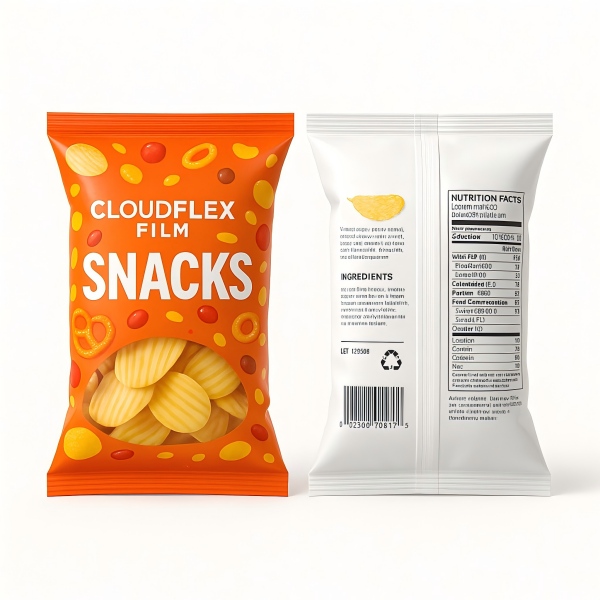
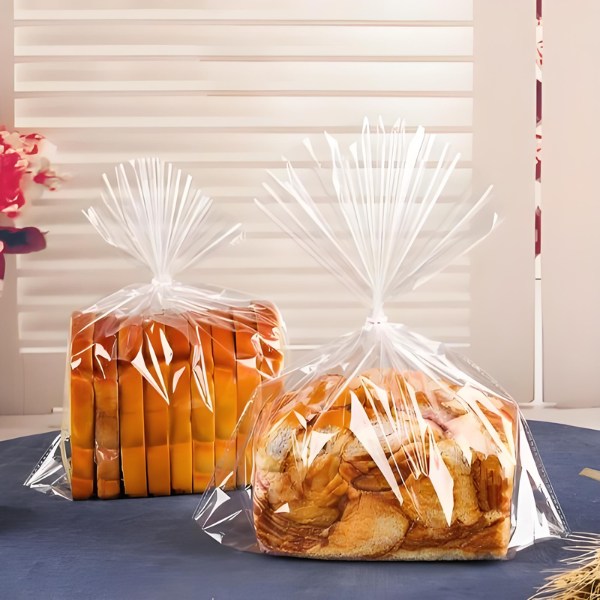
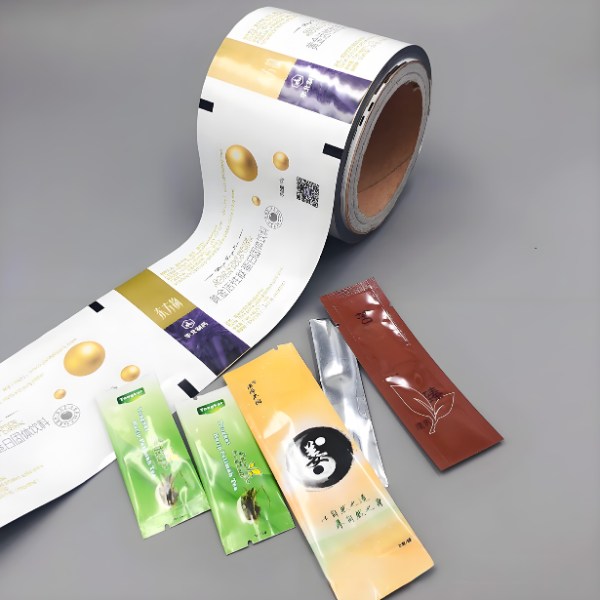
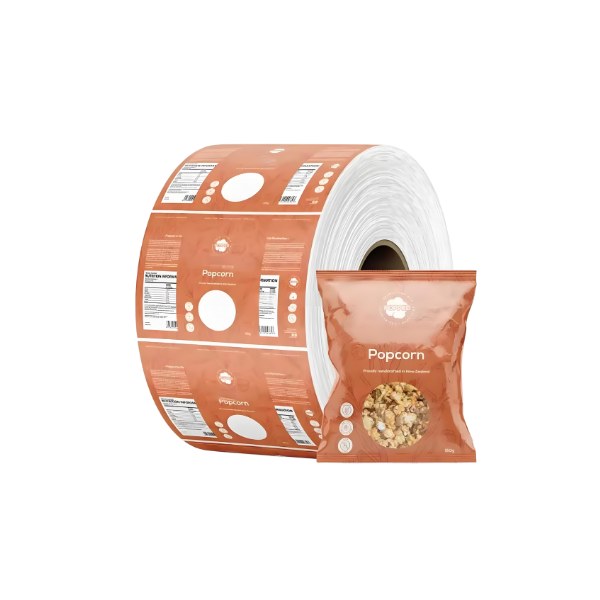
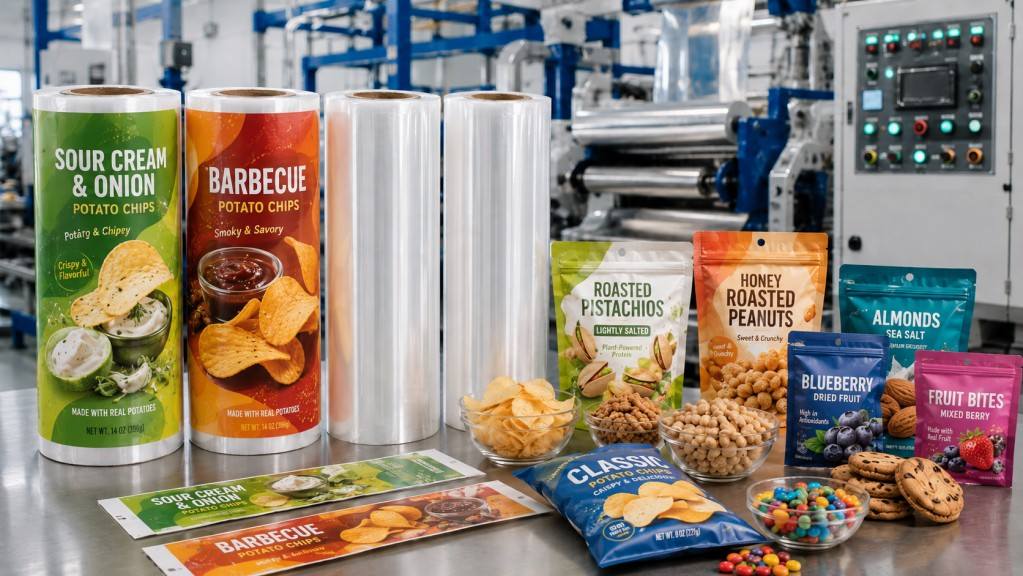
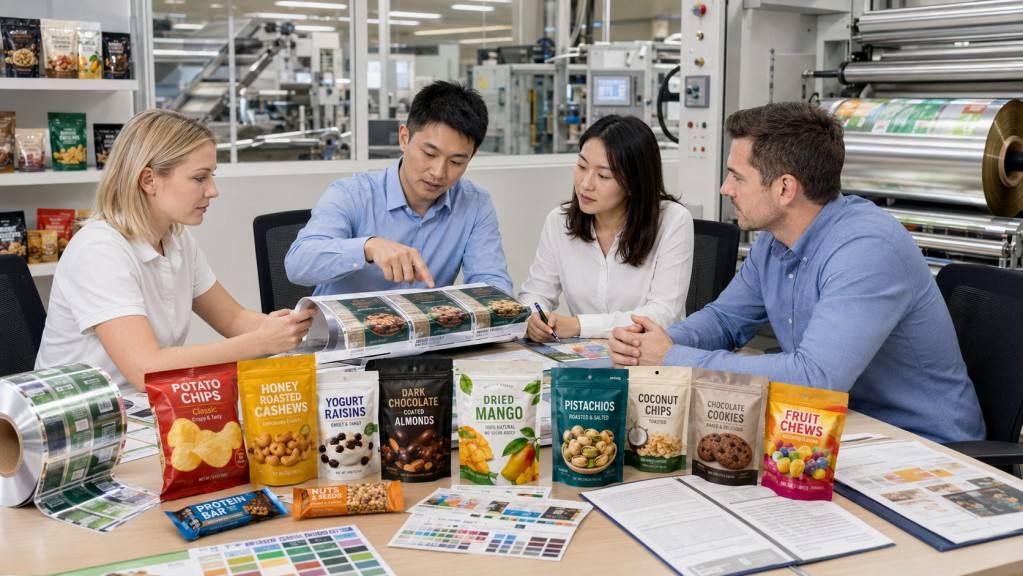
Snack packaging refers to flexible packaging films, laminated roll stock, pouches and bags used to protect and present snack products. It can be supplied as printed roll film for VFFS, HFFS and flow-wrap machines, or as finished pouches such as stand up pouches, flat bottom pouches, pillow bags, sachets and quad seal bags.
The main goal is simple: keep the snack in good condition from packing line to warehouse, retail shelf and final consumption.
For dry snacks, moisture is often the biggest enemy. Chips, crackers, cookies and popcorn can lose crispness if the moisture barrier is not strong enough. Nuts, seeds, chocolate-coated snacks and high-fat products may also need oxygen, aroma and light protection to reduce flavor loss and oxidation.
For companies using automatic packaging lines, roll quality is equally important. Film must unwind smoothly, maintain stable tension, seal within the correct temperature window and run without frequent machine stoppage. That is why many buyers source custom roll stock film instead of only looking for a generic plastic bag.
Common Snack Packaging Applications
Different snack products need different packaging priorities. A small candy sachet does not require the same structure as a family-size potato chip bag or a premium nut pouch.
Chips and puffed snacks usually need lightweight, high-speed packaging with good moisture barrier and enough stiffness to form a neat pillow pack. Popcorn and extruded snacks often use similar structures, but the seal strength and package size may vary.
Cookies, biscuits and crackers require moisture protection and good seal integrity. If the product is fragile, the packaging format and secondary carton also matter because film alone cannot prevent all breakage.
Nuts, trail mix and roasted seeds usually need better oxygen and aroma protection, especially when the product contains oil. In many cases, metallized or laminated high-barrier structures are preferred.
Candy, gummies and chocolate snacks require different film choices depending on whether the main risk is moisture, oxygen, aroma transfer, grease or light. For more confectionery-focused packaging options, buyers can also review candy packaging bags.
Main Snack Packaging Film Materials
Snack packaging is usually made from a single film or a laminated structure. The most common materials include BOPP, PET, CPP, PE, metallized films and recyclable mono-material options.
BOPP film is widely used in snack packaging because it offers high clarity, good stiffness, moisture resistance and a crisp hand feel. It is suitable for chips, biscuits, bakery snacks, candy wraps and many dry food applications. If the structure needs direct heat sealing, heat sealable BOPP should be selected. Buyers who want a broader material background can read this guide on BOPP film uses.
PET film is often selected as the outer printing layer in laminated snack packaging. It has excellent dimensional stability, printability and mechanical strength. PET/PE and PET/CPP structures are common for pouches and roll stock where print quality, stiffness and sealing performance must be balanced.
CPP film is often used as a sealant layer. It provides good heat sealing, hot tack and flexibility. In some snack packs, BOPP/CPP or PET/CPP can be used to balance cost, sealability and appearance.
PE film is another major sealant and pouch material. It is flexible, moisture resistant and suitable for many dry food structures. PE-based films are also important when buyers want mono-PE or recyclable packaging development.
For buyers comparing film families, the article BOPP vs BOPET vs CPP vs PE packaging film guide is a useful technical reference.
Barrier Requirements For Snack Packaging
Barrier performance is one of the most important decisions in snack packaging. The required barrier depends on the product, shelf life, filling condition, distribution route and storage environment.
Moisture barrier is essential for crispy snacks. Potato chips, crackers, cookies, cereal and popcorn must stay dry to maintain texture. Even a beautiful printed package will fail if the product becomes soft before the end of shelf life.
Oxygen barrier is important for nuts, seeds, meat snacks, cheese snacks, high-fat products and aroma-sensitive snacks. Oxygen can accelerate oxidation, rancidity and flavor loss.
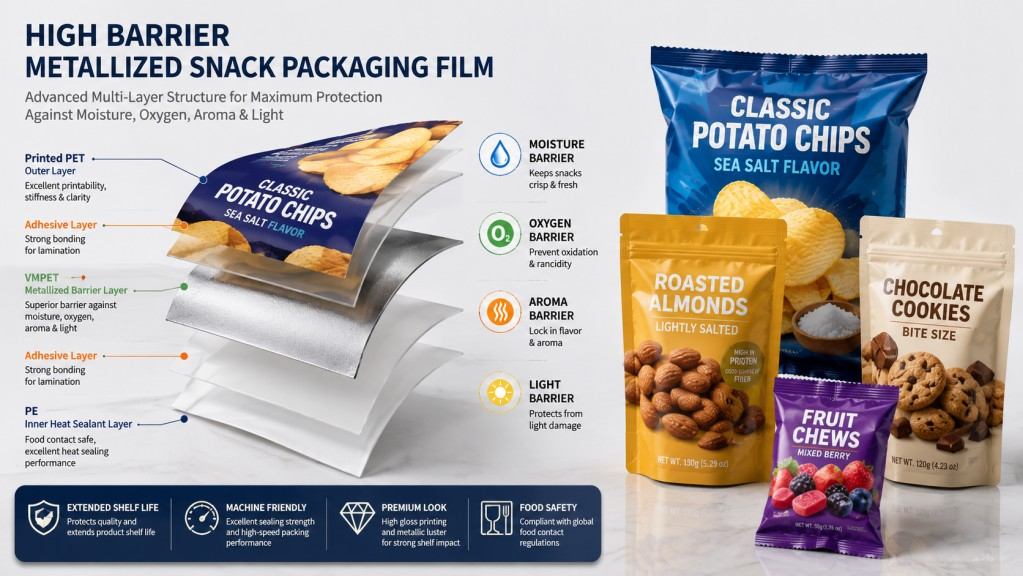
Light barrier matters for chocolate snacks, nut mixes and products with oil or color-sensitive ingredients. Metallized structures are often used when buyers need a stronger barrier and a premium metallic appearance.
Aroma barrier helps protect flavored snacks such as barbecue chips, cheese snacks, spicy nuts and seasoned crackers. It also helps reduce flavor transfer in storage and transport.
For high-barrier snack packaging, buyers often choose metallized films such as metallized BOPP, metallized PET or metallized CPP, depending on the final laminate design.
Popular Snack Packaging Structures
There is no universal structure for every snack. However, several structures are commonly used in real projects.
For standard dry snacks, BOPP/CPP and BOPP/PE are common choices. These structures can provide good print appearance, stiffness, moisture resistance and sealability.
For higher print quality and stronger mechanical performance, PET/PE or PET/CPP may be selected. PET gives strong print registration and dimensional stability, while PE or CPP provides the sealing layer.
For high-barrier snacks, PET/VMPET/PE, BOPP/VMCPP, PET/AL/PE or similar laminated structures may be used. These are suitable for oily snacks, nuts, coffee snacks, premium dry foods and products requiring longer shelf life.
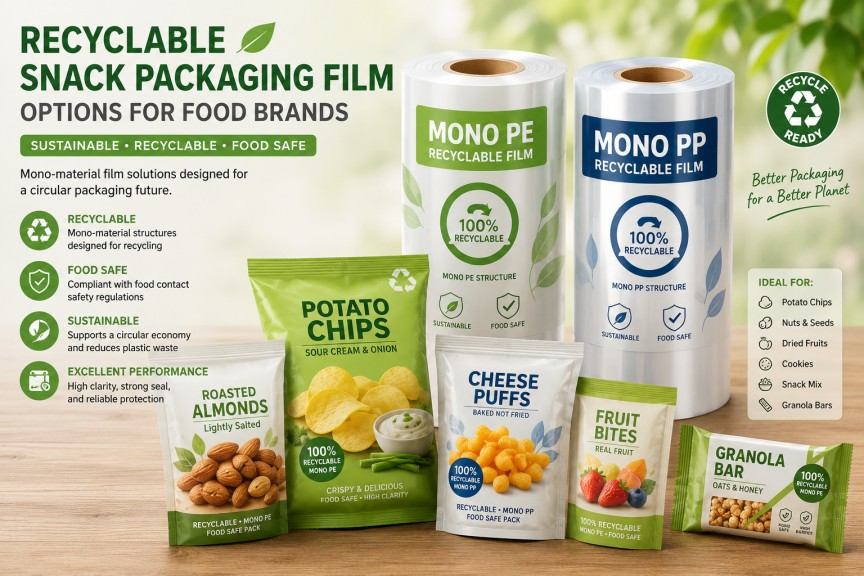
For recyclable development, mono-PE or mono-PP structures can be considered, depending on market requirements and product needs. The challenge is to balance recyclability with barrier, sealing and machine performance. For brands exploring this direction, recyclable pouches can be a good starting point.
Roll Stock Film For VFFS, HFFS And Flow-Wrap Lines
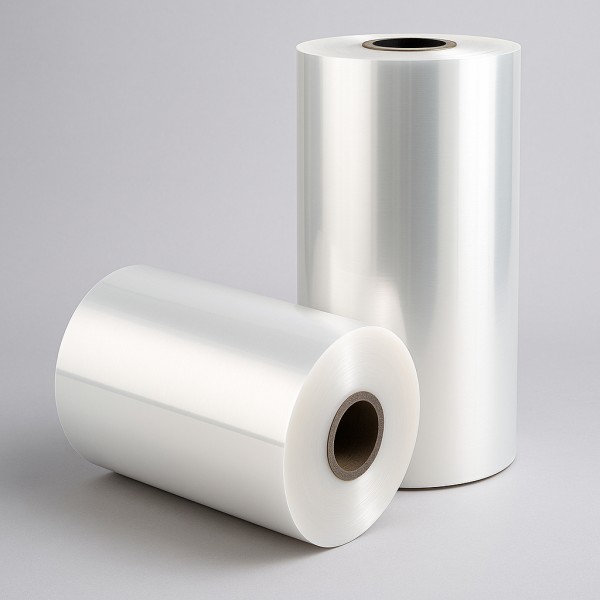
Many snack factories do not buy finished bags. They buy roll stock film and run it on automatic packing machines. This is common for chips, biscuits, cookies, candy bars, granola bars, popcorn, instant snacks and single-serve packs.
For vertical form fill seal lines, the film must form smoothly, seal strongly and resist puncture from product edges. For horizontal flow-wrap lines, film stiffness, slip, seal initiation temperature and hot tack are important because the machine speed can be high.
A reliable packaging film roll supplier should ask about machine type, packing speed, roll width, roll diameter, core size, sealing jaw temperature, product weight and final package format before recommending the structure.
If your product is packed on a horizontal wrapper, this guide on flow packaging film supplier for food packaging lines can help you match film selection with real machine conditions.
Pouch Formats For Snack Packaging
Premade pouches are widely used for premium snacks, resealable products and retail-ready formats. Compared with simple pillow bags, pouches can offer better shelf display and more convenience for end users.
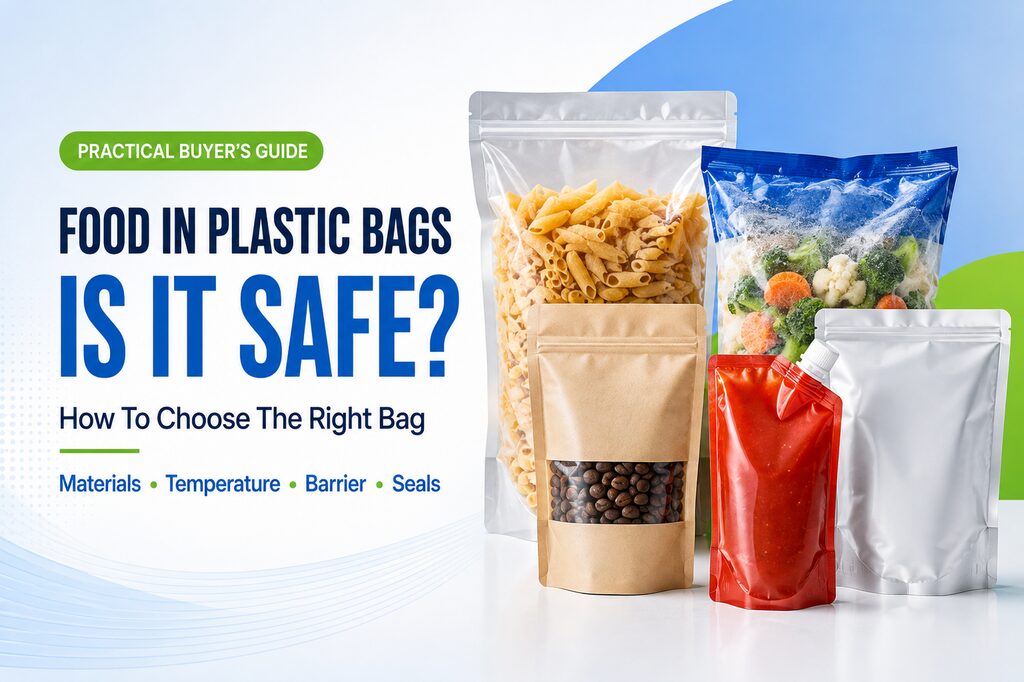
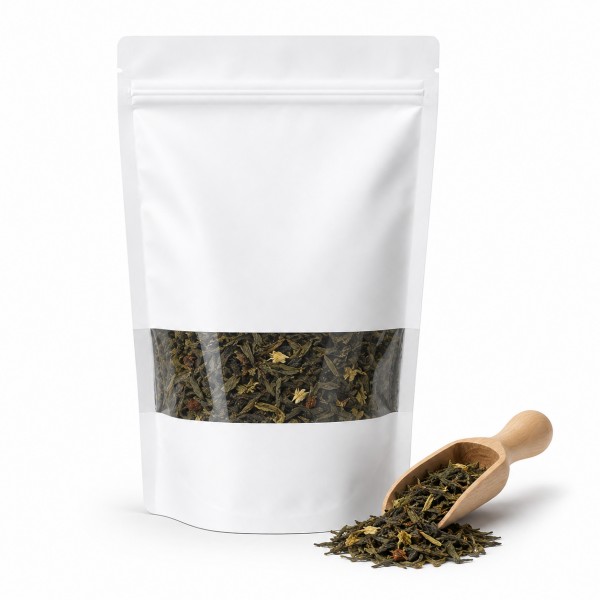
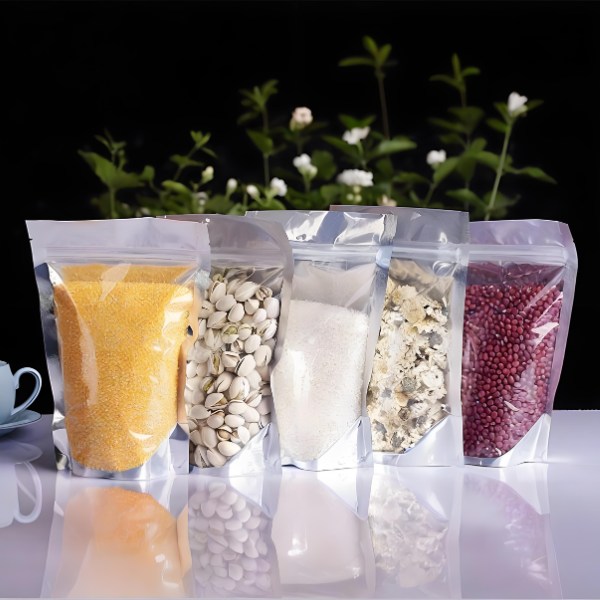
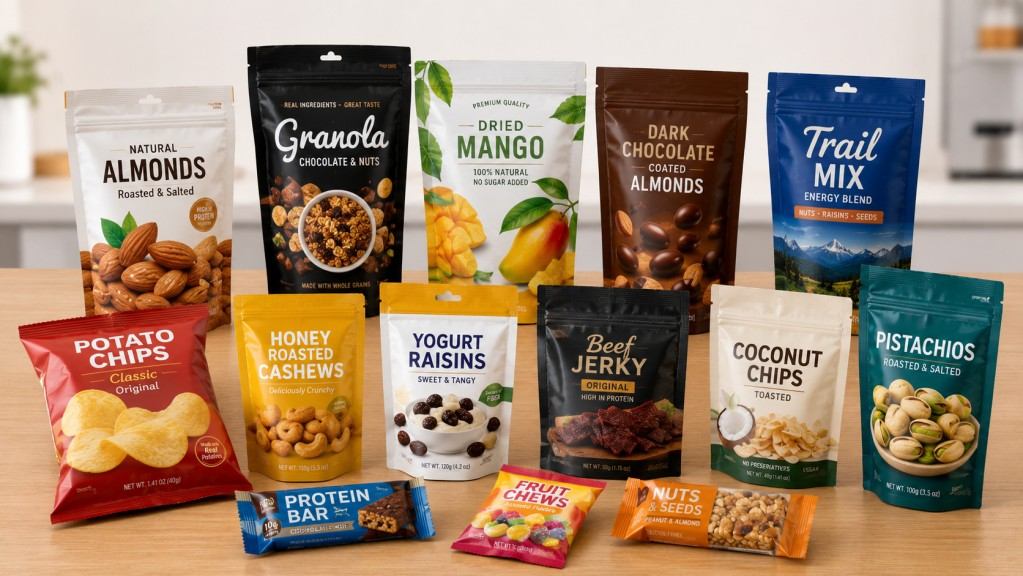
Stand up pouches are popular for nuts, dried fruit, candy, granola, cereals and pet snacks. They can include zipper, tear notch, matte finish, gloss finish, window and high-barrier structures. For retail snack brands, stand up pouches offer a good balance between shelf presence and flexible packaging efficiency.
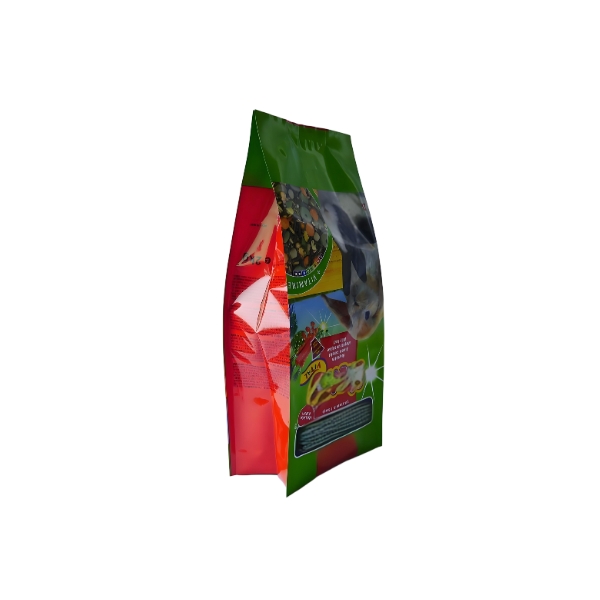
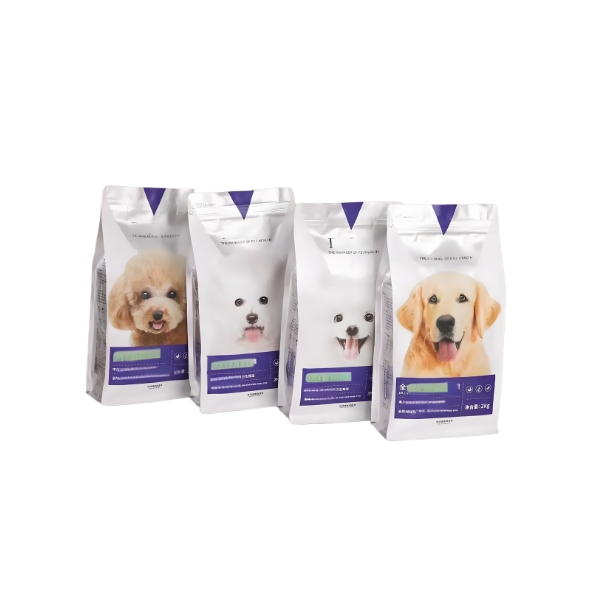
Flat bottom pouches are often used for premium snacks, larger fill weights and products that need stable shelf display. They provide five printable panels and stand neatly on shelves. For nuts, coffee snacks, cereal mixes and premium dry food, flat bottom pouches can create a more box-like appearance while still using flexible packaging materials.
PP-based pouches are also used for dry snack and candy packaging, especially when buyers want PP material direction. For suitable applications, PP pouches can support dry food, biscuits, chips, cereals and other lightweight retail packs.
How To Choose The Right Snack Packaging
A practical snack packaging project should start from the product, not from the film name. Before asking for a quotation, buyers should prepare the main product and machine details.
First, define the product type. Is it crispy, oily, powdered, sticky, fragile or aroma-sensitive? A dry cracker and a roasted nut mix may both be snacks, but their barrier needs are not the same.
Second, confirm the target shelf life. A local product with 3 months of shelf life may not need the same structure as an export snack that must survive 12 months of storage and long-distance sea transport.
Third, define the packaging format. Will the product use roll stock, pillow pack, flow-wrap pack, stand up pouch, flat bottom pouch or sachet? The format affects film stiffness, sealing layer and converting process.
Fourth, check the packing line. Machine speed, sealing temperature, jaw type, filling method and roll direction can all affect final performance. A film that looks good in the lab may not run well on a fast line if the sealing window is too narrow.
Fifth, prepare the specifications. Thickness, width, roll length, core size, outer diameter, printing method, lamination structure and coefficient of friction should be discussed. Buyers who need a detailed checklist can use this article on packaging film parameters as a reference.
Printing And Shelf Appearance
Snack packaging sells visually before the consumer tastes the product. A clear, glossy, matte or metallic finish can change how the product is perceived on the shelf.
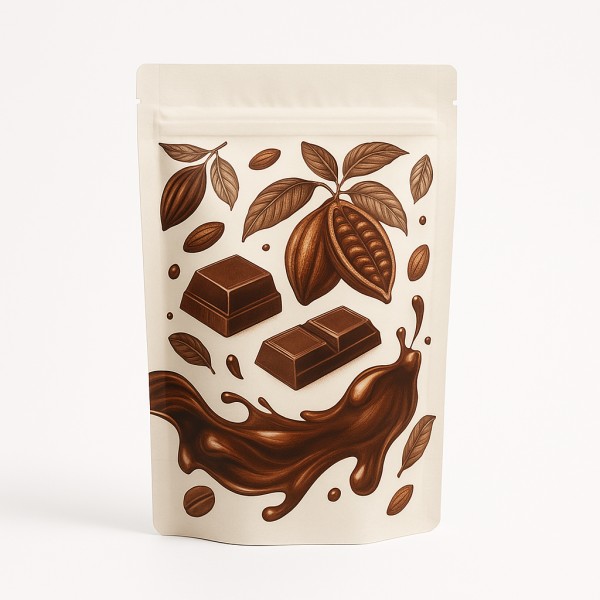
Glossy packaging is often used for bright, colorful snacks such as chips, candy and kids’ products. Matte packaging gives a softer and more premium appearance, often used for nuts, healthy snacks, organic snacks and specialty food brands.
Metallized packaging gives strong shelf impact and functional barrier. It is common in chips, coffee snacks, biscuits, instant food and aroma-sensitive products. A small transparent window can be added in some pouch formats, but the window area may reduce total barrier performance, so it must be designed carefully.
For printed roll stock, artwork registration, ink adhesion, lamination bond strength and color consistency are important. A professional snack packaging manufacturer should understand both the film structure and the final retail appearance.
Recyclable Snack Packaging Options
More brands are asking for recyclable snack packaging, but recyclable does not mean one simple answer for every product. The final solution depends on the local recycling stream, the snack type, shelf-life target and packing line.
Mono-PE structures can be considered for certain flexible packaging projects. Mono-PP structures may also be suitable for some dry food and snack applications. In some cases, a brand may first reduce material weight, then move toward recyclable structures after testing.
The key is to avoid selecting a recyclable concept only on paper. The package still needs to protect the snack, seal well, run on the machine and survive distribution. For high-fat snacks or long shelf-life export products, additional barrier evaluation may be needed.
A good supplier should provide structure options, sample rolls and technical communication so the buyer can test real performance before mass production.
How To Work With A Snack Packaging Manufacturer Or Supplier
Choosing a snack packaging supplier is not only about price per kilogram or price per bag. The supplier must understand food packaging, film structures, converting, printing, sealing and export requirements.
For roll stock projects, ask whether the supplier can recommend materials for VFFS, HFFS and flow-wrap lines. For pouch projects, ask whether they can support structure design, printing, lamination and pouch making.
A serious supplier should ask detailed questions before quoting. These questions may include product type, pack size, shelf life, filling speed, sealing temperature, storage condition, destination market, printing requirement and order quantity.
For new projects, sample testing is highly recommended. A small roll sample or pouch sample allows the buyer to check sealing, machine runnability, appearance, odor, stiffness and product fit before placing a bulk order.
For overseas buyers, export experience also matters. Packaging materials must be packed safely, labeled clearly and shipped with correct documents. Stable communication is important because packaging problems can delay food production.
CloudFilm supports global buyers with flexible packaging films, roll stock and pouches for snack, food, pet food, personal care and industrial applications. If you need one supplier to compare different film and pouch options, flexible pouches and food packaging film solutions can help you build a practical project plan.
Snack Packaging RFQ Checklist
To receive a faster and more accurate quotation, prepare the following information before contacting a supplier:
- Product name and snack type.
- Target shelf life and storage condition.
- Packaging format, such as roll stock, pillow bag, stand up pouch or flat bottom pouch.
- Finished bag size or film roll width.
- Film structure if known.
- Required thickness.
- Printing colors and artwork status.
- Packing machine type and speed.
- Roll core size, roll diameter and roll direction.
- Order quantity and destination port or country.
- Food contact or test report requirements.
If you are not sure about the exact structure, describe the product and packing method first. A capable supplier can recommend options based on your application.
FAQ About Snack Packaging
1. What is the best film for snack packaging?
There is no single best film for all snacks. BOPP, PET, CPP, PE and metallized films can all be suitable depending on the snack type, shelf life, barrier target and packing machine.
2. What film is commonly used for potato chips?
Potato chips often use BOPP-based or metallized film structures because they need moisture protection, good machinability and attractive printing. For longer shelf life, metallized structures are common.
3. What packaging is suitable for nuts?
Nuts usually need better oxygen and aroma barrier because of oil content. PET/PE, PET/VMPET/PE, stand up pouches and flat bottom pouches are common options.
4. What is roll stock film for snack packaging?
Roll stock film is flexible packaging film supplied in roll form for automatic packing machines. It is widely used on VFFS, HFFS and flow-wrap lines.
5. Can snack packaging be recyclable?
Yes, some snack packaging can be designed with mono-PE or mono-PP structures. However, recyclability must be balanced with barrier, sealing and shelf-life requirements.
6. What is high-barrier snack packaging?
High-barrier snack packaging is designed to block moisture, oxygen, aroma loss and sometimes light. Metallized films and laminated structures are commonly used.
7. Which pouch is best for premium snacks?
Stand up pouches and flat bottom pouches are popular for premium snacks because they provide strong shelf display, larger printing areas and optional reclosable zippers.
8. Can I use transparent packaging for snacks?
Yes, but transparent structures may have lower light barrier than metallized or foil-based structures. For light-sensitive or oily snacks, the barrier must be checked carefully.
9. What information should I send for a snack packaging quotation?
Send product type, shelf life, bag size, roll width, structure if known, thickness, printing design, packing machine type, quantity and destination country.
10. Can one supplier provide both film rolls and finished pouches?
Yes. A broad flexible packaging supplier can support roll stock film, laminated films and finished pouches, which helps buyers compare structures and reduce project communication time.
11. Is matte snack packaging suitable for food brands?
Yes. Matte packaging is often used for premium nuts, healthy snacks, organic snacks and specialty foods. It gives a soft, modern shelf appearance.
12. Do I need sample rolls before bulk production?
For new structures or new machines, sample rolls are strongly recommended. They help test sealing, tension, slip, appearance and packing speed before mass production.
13. What is the difference between pillow packs and stand up pouches?
Pillow packs are usually made from roll stock on automatic machines and are cost-efficient for high-volume snacks. Stand up pouches are premade bags with better shelf display and optional zipper.
14. How can I improve snack shelf life?
Choose the right moisture, oxygen, aroma and light barrier. Also check seal strength, package leakage, storage condition and secondary packaging.
15. How do I choose a reliable snack packaging manufacturer?
Look for material knowledge, stable quality, food packaging experience, sample support, clear communication, export capability and the ability to recommend structures based on your real product.
Conclusion
Snack packaging is a complete system that connects product protection, film structure, printing, packing machine performance, shelf display and cost control. A good package should not only look attractive, but also protect crispness, flavor, aroma and shelf life.
For chips, nuts, cookies, candy, popcorn, biscuits, dried fruit and other dry foods, buyers should choose packaging based on product sensitivity, barrier target, machine type and market positioning. BOPP, PET, CPP, PE, metallized films and recyclable structures all have their place when selected correctly.
If you are developing a new snack packaging project, prepare your product details, target shelf life, preferred format and machine information before requesting a quotation. With the right snack packaging manufacturer and supplier, you can reduce testing time, improve packing stability and bring better products to the market.