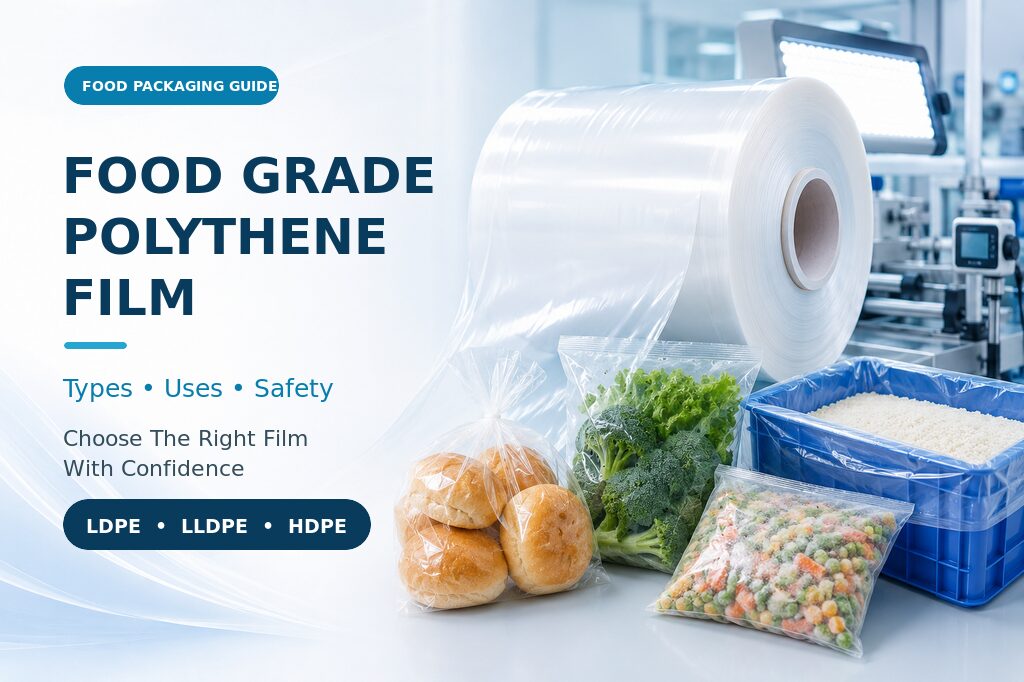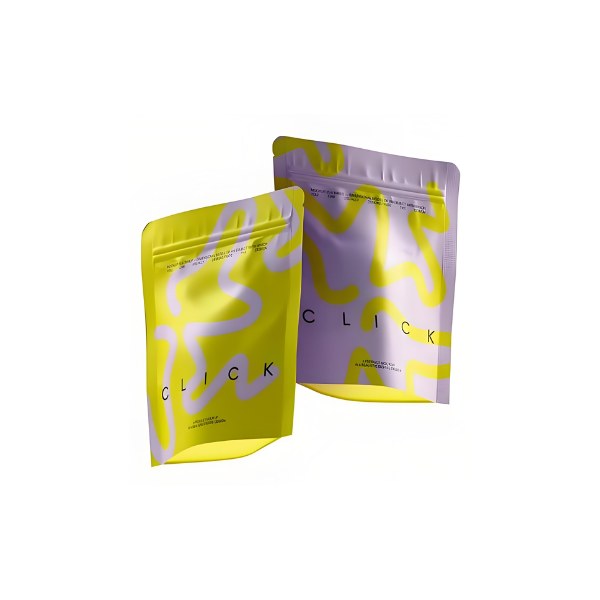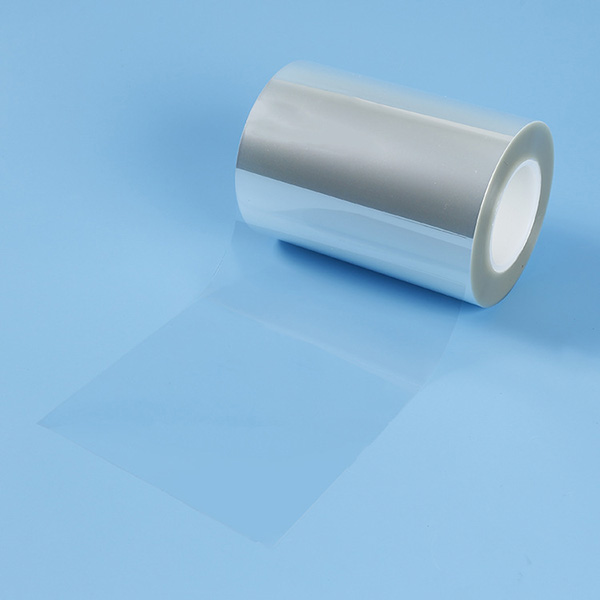
Food grade polythene film is polyethylene film selected, manufactured, and documented for an intended food-contact application. It may be supplied as rollstock, tubing, bags, liners, or a sealing layer within a larger flexible packaging structure.
The words “polythene” and “polyethylene” describe the same polymer family. “Polythene” is especially common in British purchasing language, while PE is the abbreviation used globally on specifications, technical data sheets, and production records.
Some buyers shorten the term to food polythene. However, that phrase alone does not define the resin, additives, thickness, contact conditions, packed food, or regulatory market. Those details decide whether a film is appropriate.
Readers who need a broader material introduction can first review this guide to PE film types, properties, and uses. This article concentrates on food-contact decisions rather than repeating general polyethylene history.
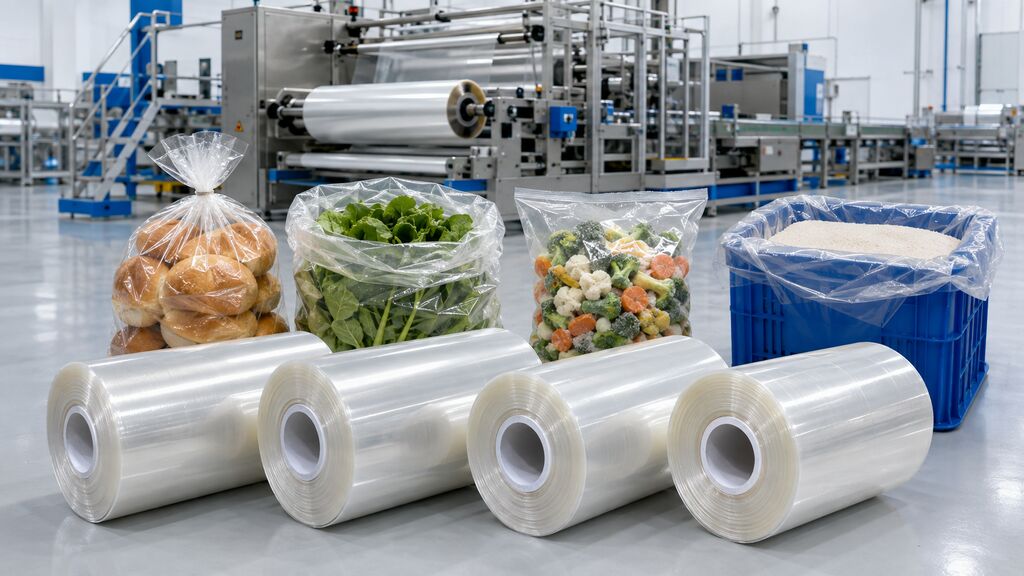
What Makes Polythene Film Food Grade?
Food-contact suitability is not created by transparency, softness, or a “virgin material” label. It depends on the complete formulation, the manufacturing controls, the intended contact conditions, and evidence that supports compliance in the destination market.
Food-contact status belongs to a defined specification
A supplier should identify the resin family, relevant additives, colour masterbatch, processing aids, and any surface treatment. If the finished pack includes ink, adhesive, coating, or another film, those components must also be considered.
The intended use matters equally. A film for dry bread at room temperature does not face the same conditions as a frozen liner, oily cheese pack, hot-filled product, or pouch that will be heated after packing.
Time, temperature, food type, direct or indirect contact, and single-use or repeated-use conditions should therefore appear in the project brief. A general statement cannot replace an application-specific review.
Written evidence matters more than a marketing label
The UK Food Standards Agency packaging guidance explains that food businesses should use suitable packaging and retain written evidence supporting compliance. Buyers should request documentation that matches their market and use.
For European Union projects, Commission Regulation (EU) No 10/2011 provides specific rules for plastic materials intended to contact food. Requirements include authorised substances, migration controls, and compliance documentation.
For United States projects, 21 CFR 177.1520 addresses olefin polymers, including qualifying polyethylene applications, subject to the conditions and specifications stated in the regulation.
Regulations change and differ by market. The destination country should be confirmed before sampling, because a document prepared for one jurisdiction may not answer every requirement in another.

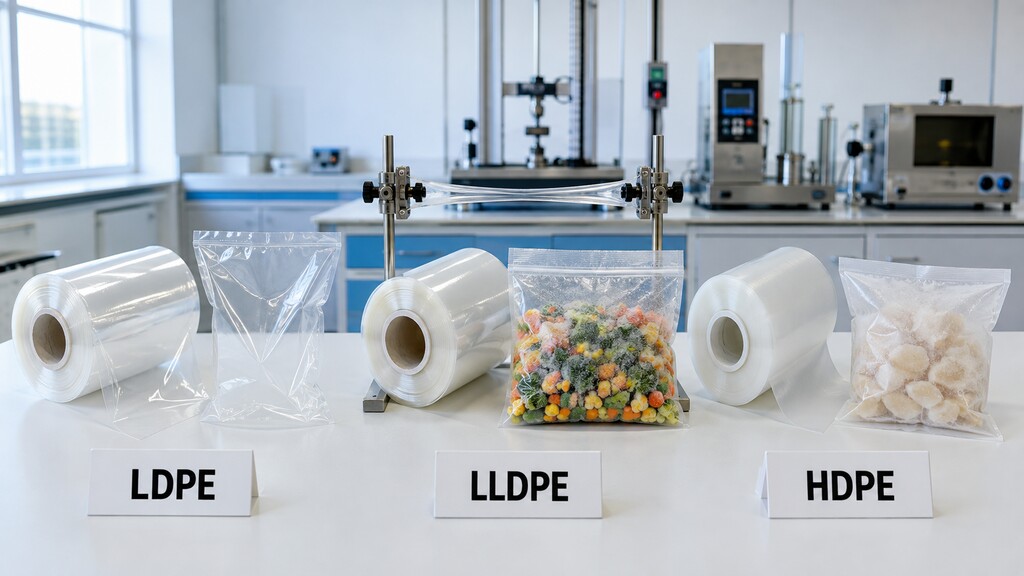
LDPE, LLDPE, and HDPE: How Their Roles Differ
LDPE, LLDPE, and HDPE can all appear in food packaging, but they contribute different handling and converting properties. Many commercial films use blends because one resin alone may not provide the required clarity, toughness, stiffness, and sealing behaviour.
| PE Type | Typical Film Character | Common Food-Packaging Direction | Main Question to Validate |
| LDPE | Soft, flexible, often clear, and easy to heat seal | Bread bags, produce bags, light liners, and seal layers | Does the film provide the required seal window and handling strength? |
| LLDPE | Tough, flexible, and resistant to puncture and impact | Frozen-food bags, stronger liners, heavy packs, and blended seal layers | Will it remain tough during filling, freezing, transport, and drops? |
| HDPE | Stiffer, crisper, and capable of useful strength at lower gauge | Thin bags, dry-food liners, and applications needing more stiffness | Are opacity, feel, sealing, and tear behaviour acceptable for the pack? |
Why LDPE remains a practical starting point
LDPE is widely selected when softness, clarity, foldability, and straightforward sealing are important. Buyers can examine available roll formats and customisation through CloudFilm’s LDPE film product page.
LDPE alone may not deliver enough puncture or drop performance for a demanding pack. The final recipe can include LLDPE or other compatible grades to improve toughness while preserving an acceptable seal response.
Why blends are often more useful than single-resin labels
A purchase order that says only “100% LDPE” may unintentionally remove useful formulation options. A performance-based brief can define clarity, strength, sealing, slip, and compliance targets, allowing a suitable blend to be evaluated.
The packaging PE film selection guide provides wider background on PE structures. This page instead focuses on choosing a food-contact specification that can be documented and tested.
Match the Film to the Food and Packing Process
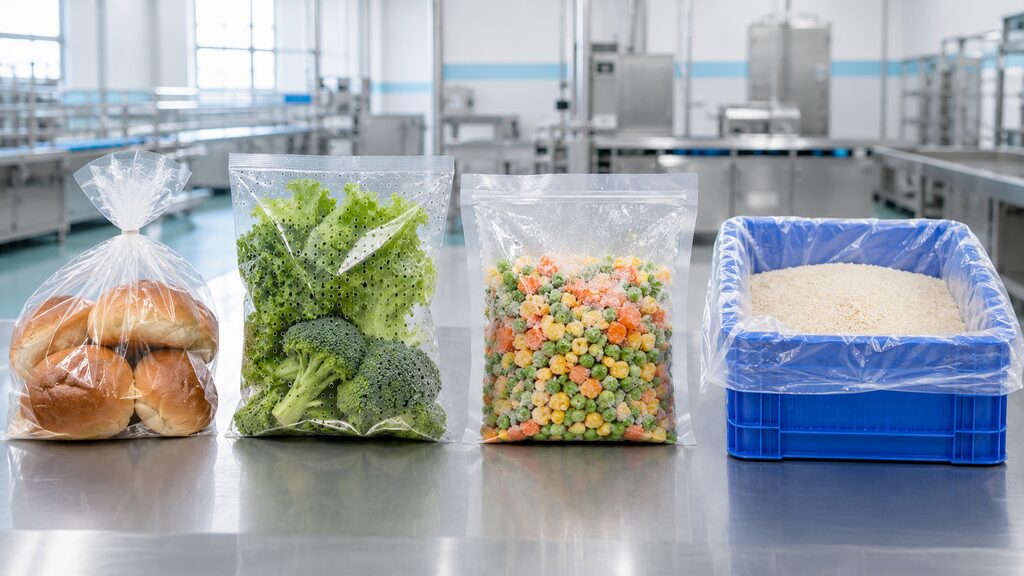
The packed food determines more than hygiene requirements. Its moisture, fat content, sharp edges, respiration, target shelf life, storage temperature, and filling process influence the film structure and the tests required before approval.
Bakery products and dry foods
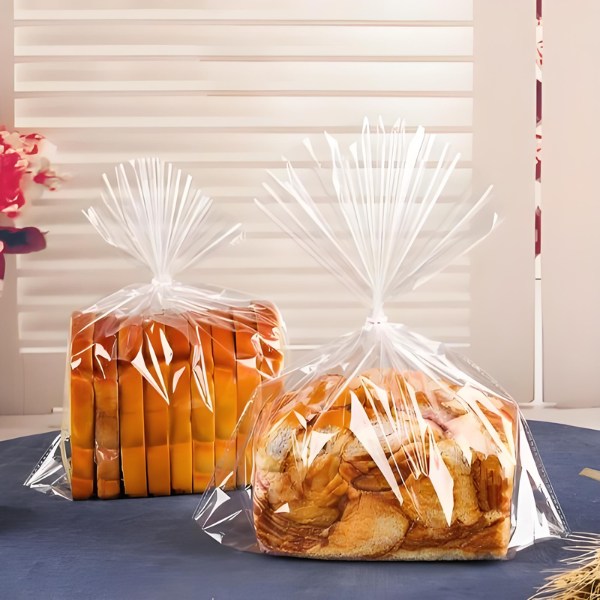
Bread, rolls, cereals, powders, and dry ingredients often need dependable seals, moisture control, cleanliness, and efficient bag making. Clarity may help product presentation, while controlled slip can support opening, filling, and stacking.
Freshly baked products may release heat or moisture. The packaging design may need cooling time, ventilation, micro-perforation, or another moisture-management approach rather than simply increasing film thickness.
Fresh produce
Produce varies greatly in respiration and moisture release. A sealed film that works for one vegetable may encourage condensation or quality loss with another. Perforation pattern, pack volume, storage temperature, and produce condition should be evaluated together.
Frozen food
Frozen packs require toughness at low temperature, reliable seals, and resistance to sharp product corners. A film that performs well at room temperature can become less forgiving after freezing, handling, case packing, and distribution.
Seal contamination is another risk. Powder, frost, oil, or food particles across the sealing area can reduce seal strength. Trials should reflect the actual product and filling line, not only clean laboratory strips.
Meat, cheese, and oxygen-sensitive foods
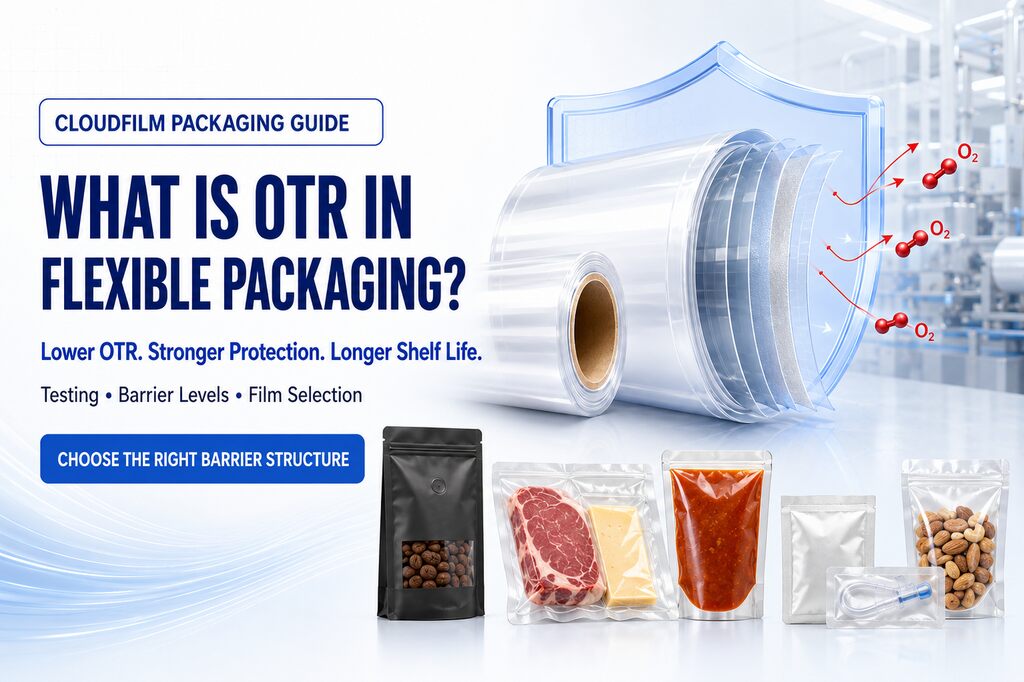
Plain PE provides useful moisture resistance and sealing, but it is not automatically a complete oxygen-barrier solution. Meat, cheese, coffee, and other sensitive foods may require a multilayer design based on shelf-life targets.
The PE-EVOH-PE film guide explains one barrier route. Other projects may use PA/PE, PET/PE, coated films, or additional layers after technical and regulatory review.
CloudFilm’s food packaging film range provides a broader view of structures for different foods. The final material should always be selected around the product, process, shelf life, and destination market.
Hot filling, heating, and demanding temperatures
Standard PE film should not be assumed suitable for hot filling, boiling, pasteurisation, or retort processing. Each temperature profile requires a specifically designed structure and evidence covering the intended conditions.
Choose the Packaging Format Before Finalising Thickness
Thickness cannot be selected intelligently until the buyer defines the packaging format. The same nominal film may behave differently as a loose liner, narrow bag, wide tubing, machine-fed rollstock, or seal layer inside a laminate.
| Format | Information the Buyer Should Provide | Common Approval Risk |
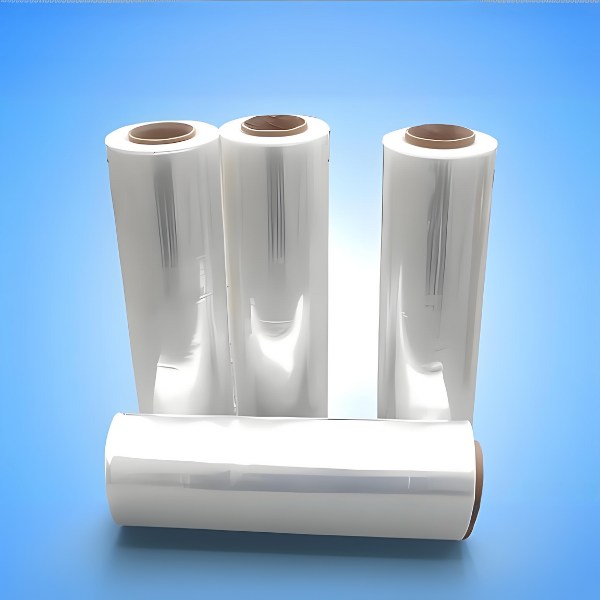
| Rollstock | Width, roll length or diameter, core, winding, line speed, and tension needs | Poor tracking, blocking, unstable unwind, or incorrect roll build |
| Tubing | Layflat width, gusset, open or sealed ends, and conversion method | Incorrect circumference, gusset geometry, or seal position |
| Premade bag | Bag size, seal layout, opening method, load weight, and packing process | Weak seams, difficult opening, leakage, or poor fit |
| Liner | Container dimensions, product weight, folds, closure, and handling route | Puncture, excess material, short liner, or contamination during use |
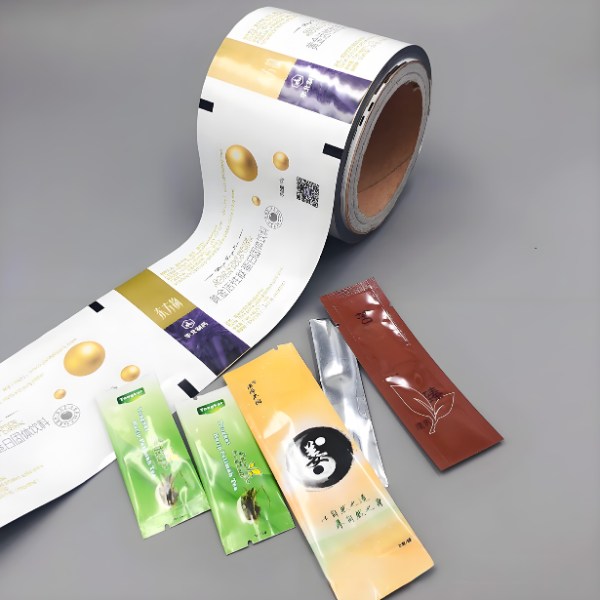
| Laminate seal layer | Full structure, adhesive, printing, sealing jaws, speed, and product conditions | Delamination, narrow seal window, curl, or incompatible treatment |
CloudFilm’s PE roll page covers converting-ready roll options, while its PE pouches page explains finished bag and pouch directions. Buyers should decide which supply form matches their equipment and responsibilities.
The transparent polythene roll buying guide contains general thickness examples. For a food project, those ranges remain starting references, not automatic specifications.
Product weight, pack dimensions, corner sharpness, drop height, stacking, freezing, transport distance, and sealing conditions should guide the final gauge. Downgauging is valuable only when the thinner film still passes the required tests.
Documents Buyers Should Request
A reliable approval package connects the ordered film to the intended food-contact use. Document names vary across suppliers and markets, but the buyer should be able to trace the formulation, production lot, specification, and supporting compliance evidence.
Declaration or statement of compliance
The document should identify the relevant material, applicable market, and intended conditions or limitations. A vague company-wide statement is less useful than a declaration connected to the ordered grade or finished structure.
Technical data sheet and agreed specification
The data sheet describes typical properties. The purchase specification defines the agreed requirements, such as thickness tolerance, width, roll build, treatment, colour, slip, sealing characteristics, and test methods.
Typical data should not be confused with guaranteed limits. Before ordering, the buyer and supplier should state which values are informational, which are controlled, and how acceptance will be judged.
Certificate of analysis or batch record
A batch document can confirm selected production results and lot identity. It should correspond to the shipped material and use the same product code as the label, packing list, and purchase specification.
Migration or suitability evidence
Supporting evidence should reflect the relevant food type, contact duration, and temperature conditions. Buyers should ask whether testing applies to the finished film, a representative formulation, or only a base resin.
Traceability information
Roll labels, lot numbers, production records, and retained samples help investigate complaints or variations. Traceability becomes especially important when films are printed, laminated, slit, or converted by several companies before filling.
Virgin resin does not automatically prove that every additive and finished film is suitable. Recycled content also requires a market-specific review. Suitability should never be inferred only from resin origin or recycled percentage.
How to Write a Quote-Ready Food Polythene Specification
A complete enquiry lets a supplier recommend a realistic starting structure, identify missing evidence, and prepare a useful sample. It also reduces quotations that look comparable but actually cover different materials or roll configurations.
- Identify the packed food
State the food category, moisture or fat level, shape, approximate weight, and any sharp edges. Explain whether the film will touch the food directly or sit behind another contact layer.
- Describe filling and use conditions
Provide filling temperature, sealing method, line speed, storage temperature, shelf-life target, freezing or heating steps, and likely contamination in the seal area.
- Define the supply format
Specify rollstock, tubing, bags, pouches, or liners. Include width, length, bag dimensions, gussets, core size, maximum roll diameter, winding direction, and packaging method where applicable.
- State performance priorities
List the properties that matter most: clarity, stiffness, puncture resistance, drop performance, easy opening, low-temperature toughness, seal strength, hot tack, slip, anti-blocking, or controlled ventilation.
- Confirm printing and conversion
Explain whether the film will be printed, laminated, perforated, wicketed, punched, or bag-made. State the printing process and which surface needs treatment when those details are known.
- Name the destination market
Request the required food-contact documentation before approving the grade. If products will enter several markets, list them separately rather than assuming one compliance statement covers all destinations.
- Share volume and logistics details
Provide sample quantity, trial quantity, expected annual demand, delivery location, pallet restrictions, and preferred trade term. These details influence production planning, winding, packing, and quotation accuracy.
Common Ordering Mistakes and How to Avoid Them
Mistake 1: Asking only for “food grade”
This leaves the supplier without food type, temperature, contact time, structure, and destination market. Add the real conditions so the supplier can review formulation and evidence instead of guessing.
Mistake 2: Treating clear appearance as proof
Clarity is an optical property, not a compliance decision. A transparent industrial film may look identical to a food-contact film while using a different additive package or documentation route.
Mistake 3: Copying thickness without understanding performance
Two films at the same thickness can differ in puncture resistance, stiffness, seal response, slip, and processing stability. Compare the complete specification and validate the film on the intended line.
Mistake 4: Confusing film, wrap, bags, and liners
These words may describe different supply forms. Give dimensions, drawings, photographs, equipment details, and samples when possible, so both parties quote the same converted product.
Mistake 5: Ignoring the complete package
Food-contact suitability and package performance can involve film, ink, adhesive, coating, zipper, valve, and other components. Review the final structure instead of approving one resin in isolation.
Mistake 6: Approving only by hand feel
A soft, clear sample can still fail during high-speed filling, freezing, dropping, sealing, or distribution. Approval should combine documents, dimensional checks, laboratory tests, and a representative line trial.
A Practical Film Approval Workflow
Step 1: Define the application
Complete the food, process, format, performance, compliance, and logistics brief. Mark unknown items clearly instead of filling gaps with assumptions.
Step 2: Review the supplier proposal
Check the proposed resin family, structure, dimensions, surface treatment, key properties, limitations, and supporting documentation. Resolve differences between the quotation and your existing specification.
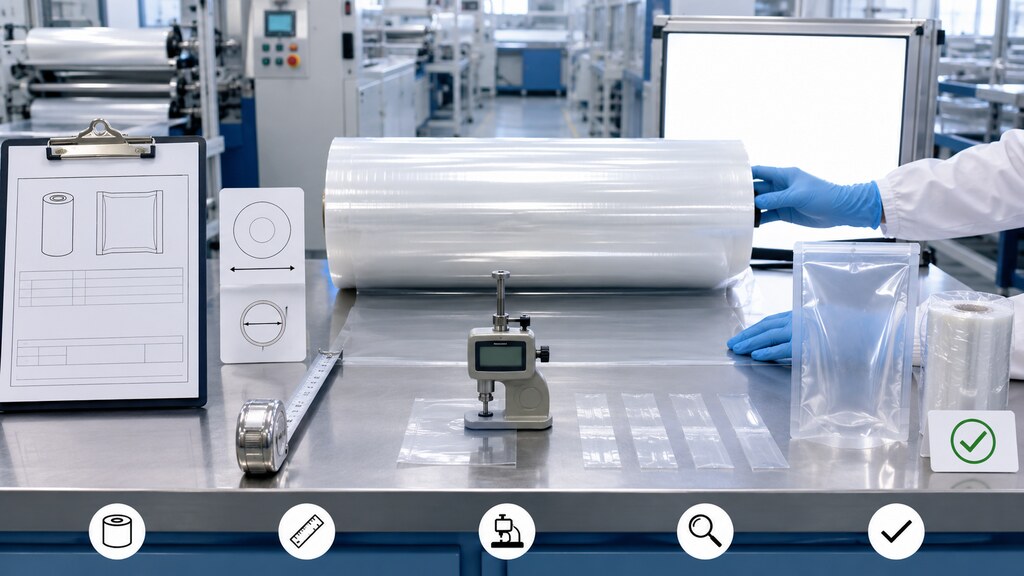
Step 3: Inspect and measure samples
Confirm appearance, thickness, width, winding, blocking, odour, cleanliness, and obvious defects. Record the sample code and lot so later results remain traceable.
Step 4: Test conversion and sealing
Run the film under realistic speed, tension, temperature, pressure, and dwell time. Evaluate seal consistency across a practical operating window, not only at one ideal setting.
Step 5: Test the filled package
Use the actual food or a technically justified equivalent. Include storage, freezing, drops, compression, leakage, transport simulation, and shelf-life evaluation where those risks apply.
Step 6: Freeze the approved specification
Record the accepted grade, structure, tolerances, test methods, roll configuration, documents, artwork requirements, and change-control expectations before commercial production.
Sustainability Without Compromising Food Suitability
Material reduction and recyclable design can improve a packaging programme, but neither should be separated from food protection. A lighter film that causes seal failures or food waste may create a worse overall result.
Mono-PE structures can keep major layers within the polyethylene family, making the package easier to sort in suitable recycling systems. Their actual recyclability still depends on local collection, design rules, and the complete package.
The recyclable flexible packaging guide explains broader structure choices. For food polythene, safety, shelf life, line performance, and recyclability should be assessed as separate but connected requirements.
Recycled content should not be added to a direct-contact layer without checking the applicable rules and evidence. The safest commercial approach is to define the contact layer, target market, recycled-content location, and verification route before making a claim.
How CloudFilm Supports Food Polythene Projects
CloudFilm supports custom polyethylene film projects in roll, liner, and pouch directions. The review begins with the packed food, contact conditions, structure, dimensions, processing line, performance targets, required documentation, volume, and delivery destination.
Depending on the project, the proposed solution may use LDPE, LLDPE, HDPE, or a compatible blend. More demanding shelf-life or puncture requirements may lead to a multilayer structure rather than a simple monolayer film.
Samples and trial materials should be evaluated before commercial approval whenever practical. Final availability, compliance evidence, tolerances, minimum quantity, and lead time must be confirmed against the selected grade and specification.
Frequently Asked Questions
Is all polythene film safe for food contact?
No. Polyethylene is widely used in food packaging, but the finished formulation and intended use require review. Ask for documentation connected to the ordered grade, market, food type, contact time, and temperature.
Is “food grade” the same as “food safe”?
The expressions are often used similarly in trade, but neither phrase should stand alone. The useful evidence is a defined film specification, intended conditions, applicable rules, and supporting compliance documentation.
Should I choose LDPE or LLDPE for food packaging?
LDPE often supports softness, clarity, and sealing, while LLDPE commonly improves toughness and puncture resistance. Many films blend them. The better choice depends on the food, bag design, line, temperature, and handling risks.
Can food grade polythene film be printed?
Yes, suitable PE films can be treated and printed. The ink system, treated surface, print position, migration risk, curing, rub resistance, and final structure should be reviewed for the intended package.
Can recycled PE be used for direct food contact?
Do not assume suitability from the recycled percentage alone. The material, recycling process, intended use, contact layer, and destination-market requirements need specific evaluation and supporting evidence.
Is plain PE enough for vacuum or long-shelf-life food?
Not always. PE seals well and resists moisture, but oxygen-sensitive foods may need EVOH, PA, coated films, aluminium, or another barrier solution. Shelf-life testing should confirm the final structure.
What should I send for an accurate quotation?
Send the food type, contact conditions, film or bag format, dimensions, thickness, structure, line details, performance priorities, documentation market, trial quantity, annual demand, delivery point, and any current sample or specification.
Final Selection Principle
The best food grade polythene film is not simply the clearest or thickest option. It is the documented specification that protects the food, runs reliably, seals consistently, survives distribution, and matches the legal and commercial requirements of its destination.
Start with the real food and process. Then define the film format, performance priorities, evidence, and testing plan. That sequence produces a safer approval and a more meaningful supplier quotation than a request based only on material name and thickness.