Introduction
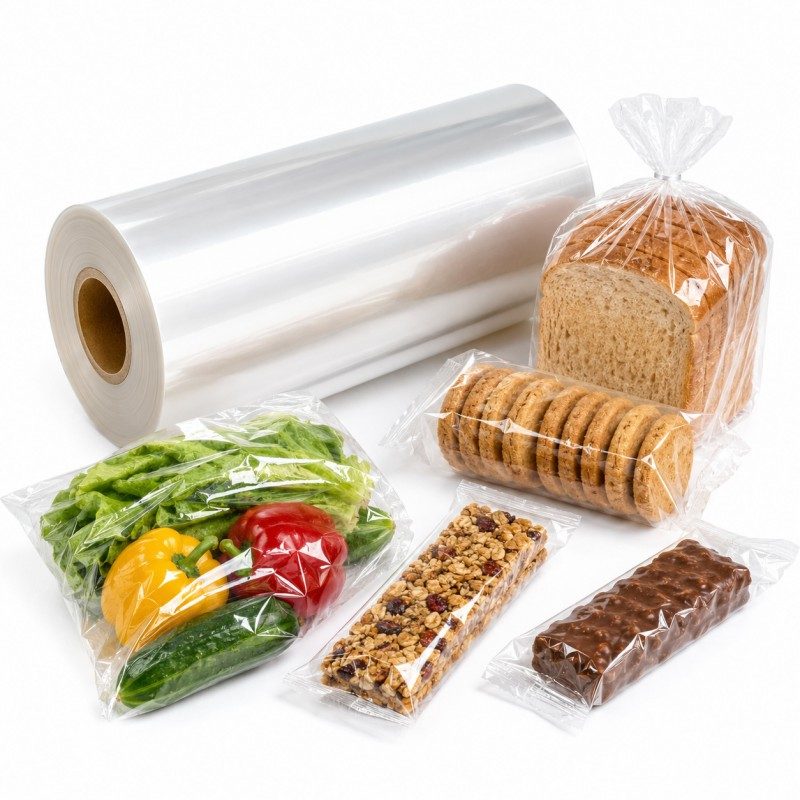
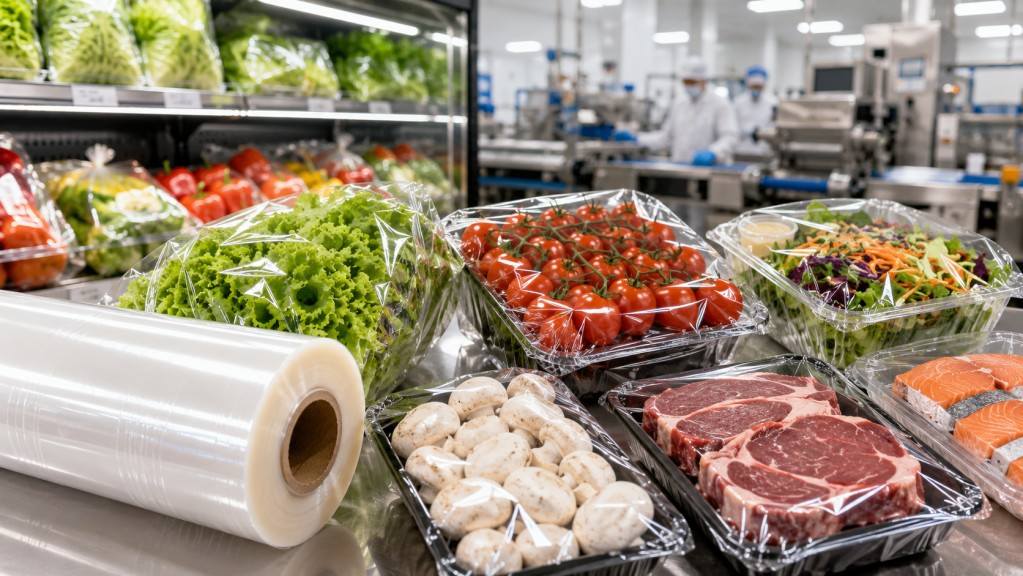
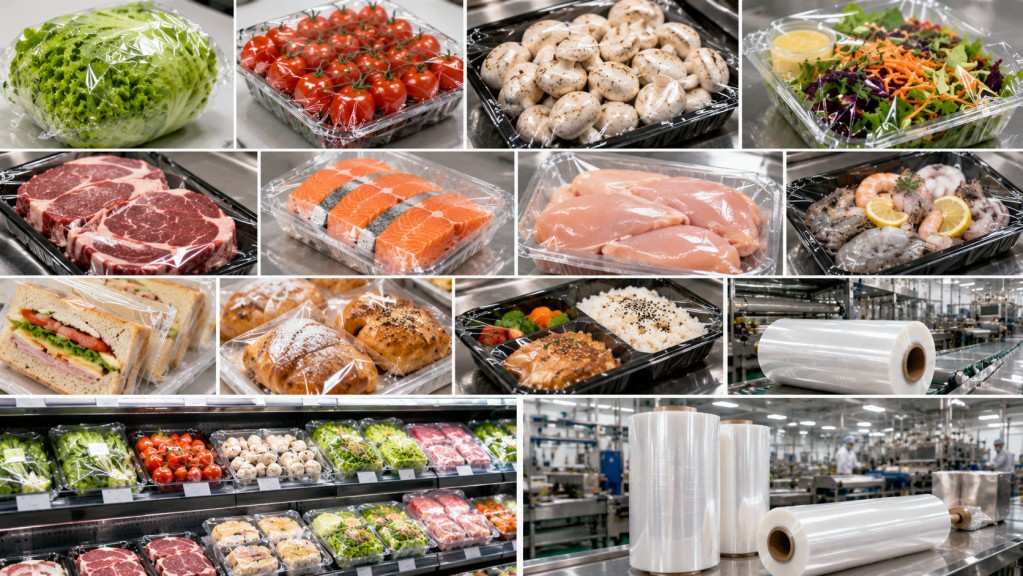
Anti fog film is used when clear food packaging must stay transparent in humid, refrigerated, or temperature-changing conditions. For fresh vegetables, salad trays, mushrooms, chilled meat, seafood, bakery items, and ready meals, fogging can quickly make a good product look less fresh.
When a consumer looks at a pack in a cold display cabinet, the first thing they judge is visual quality. If the film is covered by tiny water droplets, the food may look wet, old, or poorly packed. Anti fog film helps solve this problem by keeping the package surface clearer.
For packaging buyers, the key question is not only “Does the film have anti fog?” A better question is: how does the anti fog function work, where should the anti fog side face, how long can the effect last, and which film type is suitable for the product and packing machine?
This guide explains the working principle of anti fog film in practical terms. It also covers common film types, application scenarios, testing methods, and buying points for international food packaging projects.
For buyers looking for a polypropylene-based solution, CloudFilm supplies BOPP anti fog film for fresh produce, salad, meat, bakery, and chilled food packaging.
What Causes Fogging Inside Food Packaging?
Fogging happens when moisture inside a package condenses on the inner surface of the film. This is common when food contains moisture, releases water vapor, or moves through different temperatures during packing, storage, transportation, and retail display.
Fresh produce naturally contains water. Salad leaves, mushrooms, tomatoes, cucumbers, herbs, and fresh-cut fruit can all release moisture into the air inside the pack. When this warm or humid air touches a cooler film surface, the moisture can turn into liquid droplets.
These droplets scatter light. Instead of seeing the product clearly, the consumer sees a cloudy or misty surface. The packaging may still protect the food, but the visual presentation becomes weaker.
Fogging is especially common in refrigerated display cabinets, cold-chain transportation, fresh produce packs, salad trays, mushroom trays, chilled meat and seafood packs, hot-filled or warm-packed products, and packs exposed to repeated temperature changes.
In food packaging, this is not only a visual issue. Poor visibility can reduce shelf appeal, make inspection harder, and cause buyers to question freshness.
How Does Anti Fog Film Work?
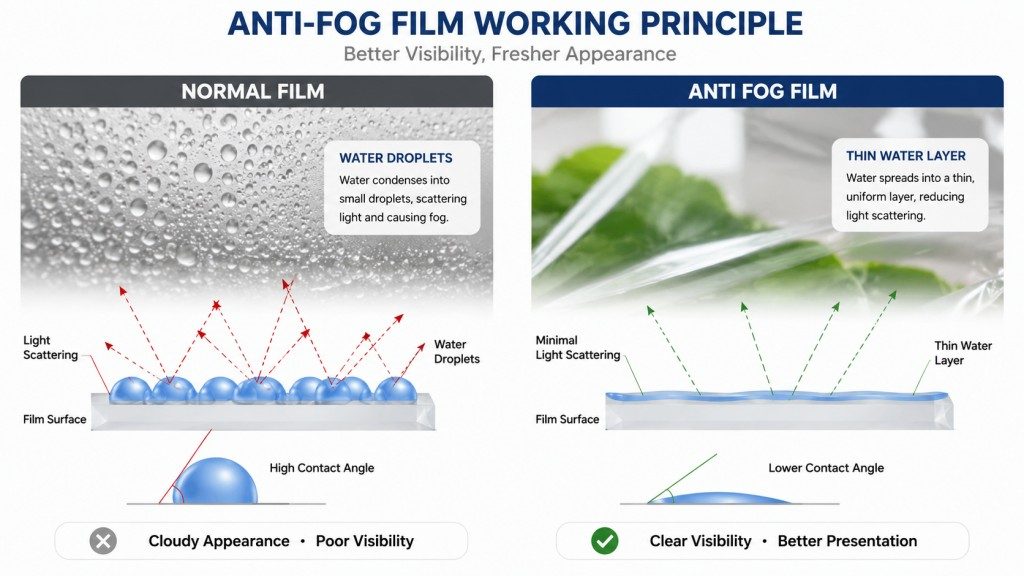
Anti fog film works by changing how water behaves on the film surface. On a normal plastic film surface, condensed water tends to form many small droplets. On an anti fog film surface, the water is encouraged to spread into a thinner and more uniform layer.
The difference comes from surface energy and water contact angle.
When water has a high contact angle on the film surface, it stays as round droplets. These droplets create fog because they scatter light in many directions. When the contact angle is lower, water spreads out more easily. A thin water layer is much less visible than thousands of small droplets.
In simple terms, anti fog film does not stop moisture from existing. Instead, it changes the shape of condensed moisture so the package remains clearer.
This is why the right anti fog film can make fresh food packs look clean even when the product contains moisture or is stored in cold conditions.
The Role Of Anti Fog Additives
Anti fog performance is usually created by special additives, surface treatment, coating, or a combination of film technologies. The goal is to make the inner film surface more friendly to water spreading.
Some anti fog additives are built into the film during extrusion. Over time, they migrate toward the surface and help create the required anti fog effect. Other anti fog systems are applied as a coating on the film surface.
The right approach depends on the film material, product application, storage temperature, expected shelf life, and contact conditions.
A good anti fog film should provide clear visibility, stable anti fog effect during use, suitable heat sealing behavior, good roll running on packaging machines, correct surface direction, food packaging suitability, and stable quality from batch to batch.
A professional anti fog film manufacturer should not only offer a product name. The supplier should help the buyer match film structure, anti fog side, sealing layer, roll width, thickness, and packing conditions.
Internal Anti Fog Vs Coated Anti Fog
Anti fog film can be designed in different ways. Two common methods are internal anti fog and coated anti fog.
Internal Anti Fog Film
Internal anti fog film contains anti fog additives inside the polymer layer. These additives gradually move to the film surface and help water spread more evenly.
This method is widely used in many flexible packaging films. It can be cost-effective and suitable for high-volume food packaging. However, the anti fog performance can be affected by storage time, film thickness, temperature, additive migration, and surface contact.
Coated Anti Fog Film
Coated anti fog film has a functional coating applied to the surface. This coating can provide faster or more targeted surface performance. It is often used when a more controlled surface effect is needed.
However, coated films may require more careful handling. The coating surface must face the correct side, and it may be affected by friction, storage, lamination, or contact with other materials.
For buyers, the important point is not which method sounds better. The real point is whether the film works under the actual packing and storage conditions.
Cold Anti Fog Vs Hot Anti Fog
Anti fog performance must match temperature conditions. A film that works well in one environment may not work as well in another.
Cold Anti Fog
Cold anti fog is used for refrigerated or chilled products. Common applications include fresh vegetables, salad trays, mushrooms, cold meat, seafood, sandwiches, and ready meals.
These products often create condensation when moved from packing rooms to cold storage or retail display cabinets.
Hot Anti Fog
Hot anti fog is used when warm products, steam, or heat may create condensation. This can happen in some ready meal, hot filling, or warm packing processes.
For most fresh produce packaging, cold anti fog performance is usually more important. For special applications, buyers should tell the supplier the actual packing temperature, storage temperature, and retail display conditions.
Why Film Side Direction Matters
Anti fog film usually has a functional side. This side must face the moisture source. In food packaging, the moisture source is normally the product inside the package.
If the anti fog side faces outward instead of inward, the film may not perform as expected. The packaging may fog even if the correct material was purchased.
This is why buyers should always confirm which side is anti fog, which side is heat sealable, which side is corona treated, which side is for printing or lamination, the winding direction, whether the film is inside wound or outside wound, and how the film should be loaded on the packaging machine.
Many anti fog film problems are not caused by the film formula itself. They happen because the film was used in the wrong direction or converted into the wrong structure.
BOPP Anti Fog Film: How It Works In Fresh Food Packaging
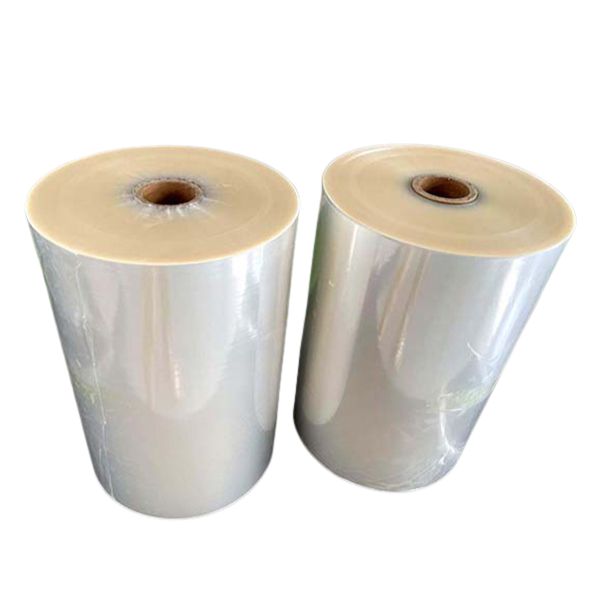
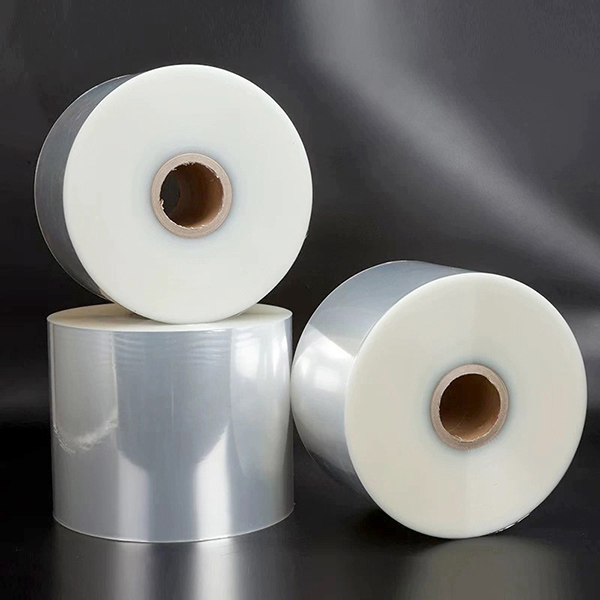
BOPP anti fog film is biaxially oriented polypropylene film with anti fog functionality. It offers high clarity, good gloss, stiffness, and stable appearance. The anti fog side helps condensed moisture spread so that fresh products remain visible.
BOPP anti fog film is often used for fresh produce flow wrap, overwrap, clear display packs, salad packaging, mushrooms, bakery products, chilled meat, and ready meals.
Its main advantages include clear and glossy appearance, good stiffness for neat pack shape, better shelf display, heat sealable options, printable or laminatable structures, and suitable roll format for automatic packing lines.
BOPP anti fog film is useful when the package needs to look crisp, clean, and retail-ready. For more information about BOPP structures and grades, buyers can also review CloudFilm’s BOPP film range.
CPP Anti Fog Film: How It Works In Flexible And Lidding Packs
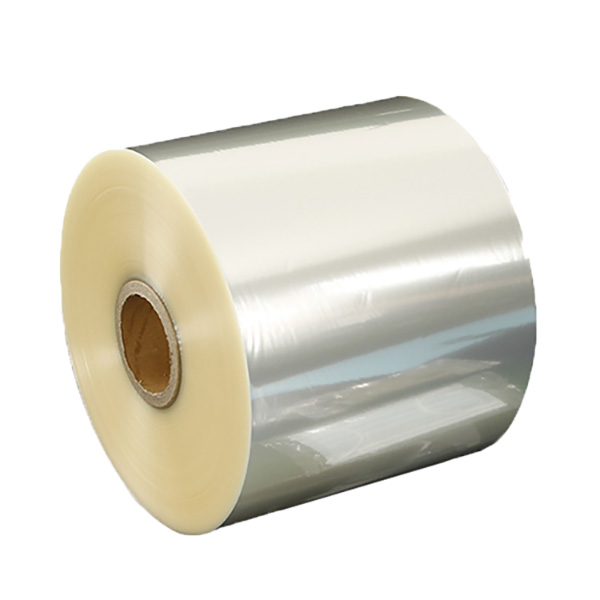
CPP anti fog film is cast polypropylene film with anti fog function. Compared with BOPP, CPP is softer and more flexible. It normally has stronger heat sealing behavior, which makes it suitable for tray lidding, pillow packs, sealant layers, and flexible fresh food packs.
CPP anti fog film helps water spread on the inner surface while providing sealing strength and soft handling.
It is often used for salad tray lidding, fruit trays, mushroom trays, vegetable pillow packs, chilled food trays, bakery packs, ready meal lidding, and inner sealant layers in laminated structures.
If sealing performance, lidding, and flexibility are more important than stiffness, CPP anti fog film may be a better starting point.
Anti Fog Film In Lidding Applications
Lidding film often needs a careful balance of clarity, anti fog performance, sealing, peel behavior, and tray compatibility. If the product is salad, fruit, chilled meat, seafood, or ready meal, fogging can easily reduce the visual quality of the tray.
In tray lidding applications, buyers should check tray material, sealing temperature, seal strength, peelability requirement, anti fog side, film thickness, storage temperature, product moisture level, and shelf-life target.
Anti fog performance is only one part of a lidding structure. The film also needs to seal reliably to the tray and run smoothly on the lidding machine.
For buyers working with tray packaging, CloudFilm’s lidding film guide can help explain common lidding film types and applications.
Where Anti Fog Film Is Commonly Used
Anti fog film is mainly used for food products where moisture and clear display are both important.
Fresh Produce
Lettuce, herbs, cucumbers, peppers, tomatoes, mushrooms, and fresh-cut vegetables often need anti fog packaging because they release moisture.
Salad Packaging
Salad trays, salad bags, and ready-to-eat vegetable mixes need clear visibility in chilled cabinets. Anti fog film helps keep the product looking fresh.
Chilled Meat And Seafood
Meat and seafood depend heavily on visual inspection. Anti fog film helps consumers see color, texture, and condition through the package.
Bakery And Sandwiches
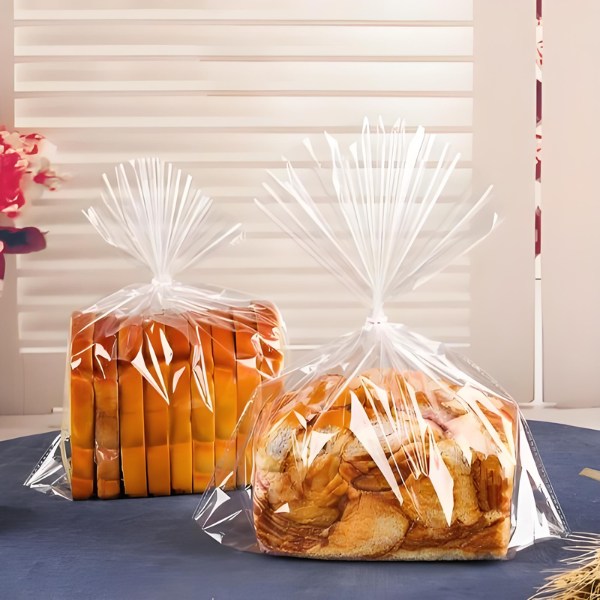
Some bakery products and sandwiches can release moisture during storage. Anti fog film can help maintain a clean appearance.
Ready Meals
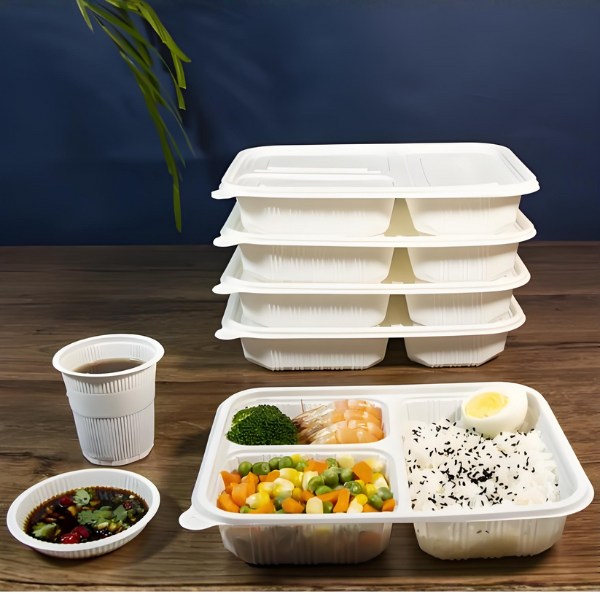
Ready meals may require clear lidding, strong sealing, and good visibility. Anti fog performance can improve tray presentation.
For broader film structures, CloudFilm’s food packaging film page provides more options for flexible food packaging projects.
How To Test Anti Fog Film Performance
Testing anti fog film should be done as close as possible to the real application. A simple laboratory test can show the basic effect, but it may not fully predict actual performance on a packing line or in a cold-chain system.
A practical test should include actual product, real packaging format, correct film side direction, actual sealing conditions, real storage temperature, expected shelf-life period, and normal transport or display conditions.
Some buyers use a warm water or refrigerated cabinet test to compare anti fog performance. These tests can be useful for screening samples, but final approval should be based on packed product trials.
During testing, check how quickly fog appears, whether fog clears or stays, whether water spreads evenly, whether the film remains transparent, whether sealing is stable, whether the film runs well on the machine, and whether the package appearance remains acceptable during storage.
A good supplier should help you define the right test method instead of only sending a sample without guidance.
Why Anti Fog Film Sometimes Does Not Work
Anti fog failure can happen for many reasons. It does not always mean the film itself is bad.
Common causes include the anti fog side facing the wrong direction, film grade not matching the temperature condition, poor or long storage, excessive product moisture, insufficient ventilation, aggressive sealing conditions, contaminated film surface, blocked additive migration, missing perforation or gas exchange, and repeated condensation cycles.
For fresh produce packaging, perforation and breathability may be as important as anti fog. If a vegetable keeps releasing moisture but the package cannot manage humidity, fogging can still occur.
This is why buyers should describe the full packaging system, not only the film name.
How To Choose The Right Anti Fog Film
Choosing anti fog film requires technical matching. Start with the product and packing process.
Product Moisture Level
Leafy vegetables and mushrooms normally need stronger anti fog consideration than dry bakery products.
Storage Temperature
Cold display, freezer transition, room temperature storage, and hot filling require different performance.
Packaging Format
Flow wrap, pillow pack, tray lidding, overwrap, and laminated pouch structures may require different films.
Sealing Requirement
If direct sealing is needed, heat sealability must be confirmed. For tray lidding, tray material and seal condition are critical.
Film Material
BOPP, CPP, PE, PET, and laminated films all behave differently. Polypropylene-based BOPP and CPP are common choices for fresh food applications.
Surface Direction
The anti fog side, seal side, print side, and lamination side must be clearly confirmed before production.
Roll Specification
Buyers should confirm thickness, width, roll length, roll weight, core size, winding direction, and maximum roll diameter.
For custom roll projects, buyers can use CloudFilm’s packaging film roll page as a reference for preparing roll specification details.
What Should Buyers Tell The Supplier?
To get a faster and more accurate recommendation, share the following information: product to be packed, product moisture level, packaging format, film thickness target, roll width, roll length or roll weight, core size, packing machine type, sealing temperature range, storage temperature, shelf-life target, anti fog side requirement, printing or lamination requirement, quantity, destination port or delivery terms, and food contact document needs.
A qualified manufacturer or supplier can use this information to recommend a starting structure and arrange sample testing.
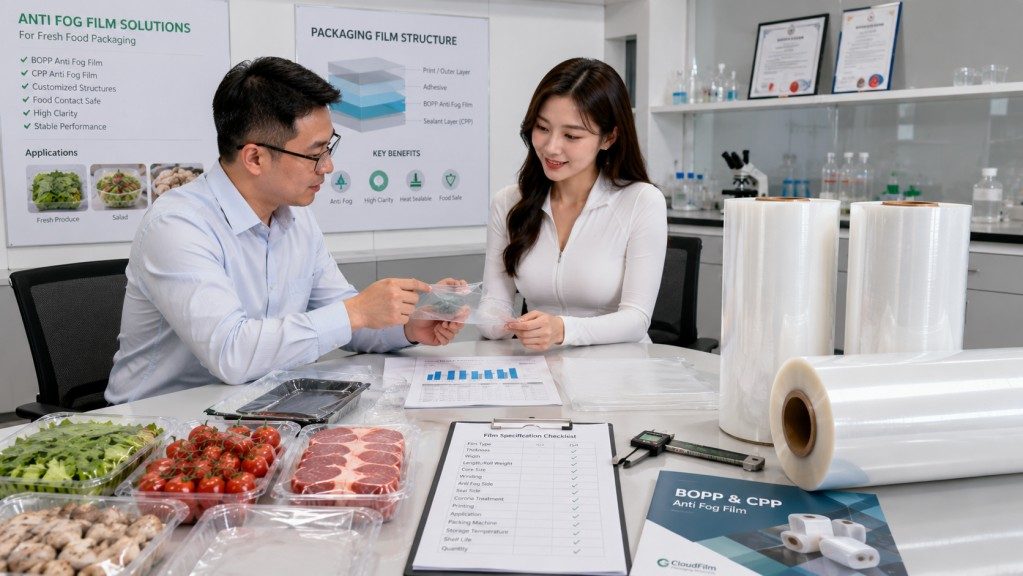
CloudFilm can support international buyers with BOPP anti fog film, CPP anti fog film, food packaging film, roll slitting, sample preparation, and export packaging. For project discussion, buyers can contact CloudFilm with product details and roll specifications.
FAQ About How Anti Fog Film Works
1. Does anti fog film stop moisture from forming?
No. Anti fog film does not remove moisture. It changes how condensed moisture behaves on the film surface, helping water spread into a thin layer instead of forming visible droplets.
2. Why does normal plastic film become cloudy?
Normal plastic film often allows water to form small droplets. These droplets scatter light and make the package look cloudy or foggy.
3. Which side of anti fog film should face the food?
The anti fog side usually needs to face the product because the product is normally the moisture source. The supplier should clearly mark the anti fog side and winding direction.
4. Can anti fog film be heat sealed?
Yes, but it depends on the film structure. Some BOPP anti fog films are heat sealable. CPP anti fog film usually has strong heat sealing behavior.
5. Is BOPP anti fog film better than CPP anti fog film?
Not always. BOPP is usually better for stiffness, gloss, and clear display. CPP is usually better for softness, heat sealing, and lidding performance.
6. How long does anti fog performance last?
It depends on the film type, additive system, storage condition, product moisture, temperature, and packaging structure. Sample testing is recommended before bulk orders.
7. Can anti fog film be printed?
Some structures can be printed or laminated. Buyers should confirm which side is anti fog and which side is corona treated for printing or lamination.
8. Why did my anti fog film fail on the machine?
Possible reasons include wrong film direction, unsuitable grade, poor sealing settings, high humidity, excessive product moisture, storage issues, or incorrect packaging design.
9. Is anti fog film suitable for salad trays?
Yes. Anti fog film is commonly used for salad trays and fresh-cut vegetable packaging. CPP anti fog film is often considered for tray lidding, while BOPP anti fog film can be useful for clear display packs.
10. Is anti fog film suitable for mushrooms?
Yes. Mushrooms release moisture and often need anti fog packaging. Perforation or breathability may also be needed depending on shelf-life requirements.
11. Can anti fog film be used for chilled meat and seafood?
Yes. It can improve visibility for chilled meat and seafood packs. However, these products may also need barrier, sealing, or lidding performance, depending on the package design.
12. Does anti fog film need special storage?
Yes. It should be stored in a clean, dry place away from high temperature, direct sunlight, and high humidity. Original packaging should remain closed before use.
13. Can I test anti fog performance with a small sample?
Yes. Small samples can be used for initial screening. For final approval, trial rolls should be tested on the actual packaging machine with real products.
14. What information is needed for a quotation?
The supplier needs product type, film material, thickness, width, roll length, core size, quantity, packaging format, anti fog side, sealing requirement, and destination.
15. How do I choose a reliable anti fog film manufacturer?
Choose a manufacturer that understands food packaging applications, can provide BOPP and CPP options, offers sample testing, supports custom roll specifications, and can provide technical documents when needed.
Conclusion
Anti fog film works by changing the behavior of condensed moisture on the film surface. Instead of allowing water to form many small droplets, the anti fog surface helps water spread into a thinner and clearer layer. This keeps food packaging more transparent and attractive.
For fresh produce, salad, mushrooms, chilled meat, seafood, bakery products, and ready meals, anti fog performance can directly improve product visibility and shelf presentation.
The best anti fog film depends on the product, temperature, packaging format, sealing conditions, film side direction, and machine process. BOPP anti fog film is often chosen for clarity, gloss, and stiffness. CPP anti fog film is often chosen for sealing, softness, and lidding applications.
Before bulk purchasing, buyers should test the film with real products and actual equipment. A professional packaging film supplier should help match film structure, anti fog performance, sealing behavior, roll specifications, and export requirements to the final packaging application.