Ecological packaging is no longer only a marketing idea. For modern food brands, pet food companies, personal care brands, retailers, converters and packaging distributors, it has become a practical packaging strategy. The goal is clear: reduce environmental impact while keeping product protection, shelf life, machinability and brand appearance at a professional level.
In flexible packaging, ecological packaging does not mean choosing one “perfect” material for every product. A frozen food pouch, a coffee bag, a snack wrapper, a refill pouch and a dry pet food bag all have different barrier, sealing, stiffness and distribution requirements. The right ecological packaging solution must balance sustainability, product safety, cost, packing efficiency and local recycling or composting infrastructure.
This guide explains the main ecological packaging options for flexible films and pouches, including recyclable mono-material structures, compostable flexible packaging, PCR films, downgauged materials and custom sustainable packaging solutions. It is written for packaging buyers, brand owners, procurement managers and converters who need a practical way to move from traditional multi-material structures toward more responsible packaging.
What Is Ecological Packaging?
Ecological packaging refers to packaging designed to reduce negative environmental impact across its life cycle. This may include reducing raw material use, improving recyclability, using recycled content, choosing compostable materials where suitable, lowering transport weight, or designing packaging that creates less waste after use.
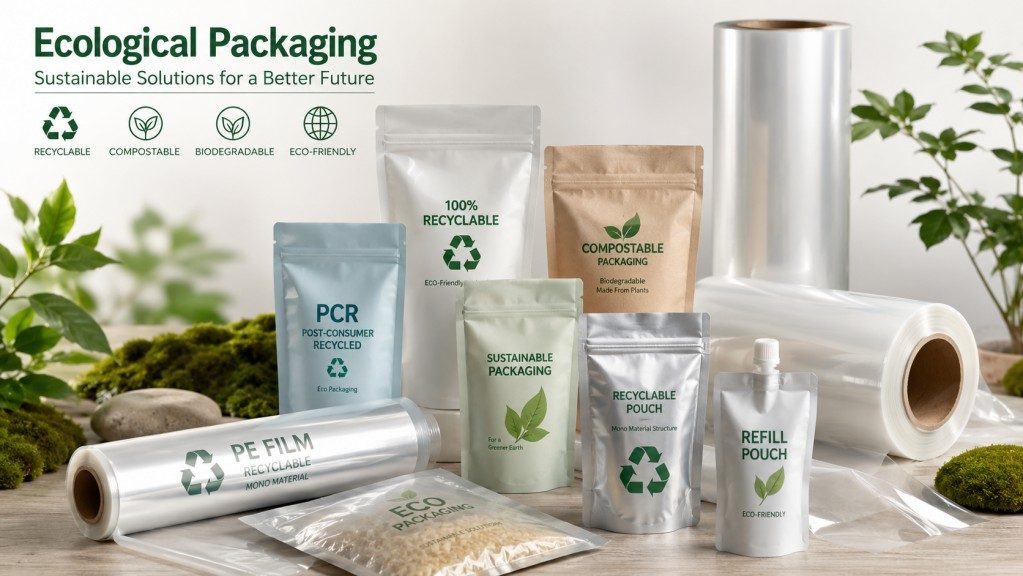
In flexible packaging, ecological packaging usually includes several directions:
- Recyclable mono-material packaging, such as mono-PE or mono-PP pouches.
- Compostable flexible packaging for selected applications where composting infrastructure exists.
- PCR packaging films that include post-consumer recycled content.
- Lightweight flexible packaging that reduces total material consumption.
- High-barrier recyclable structures that protect food while improving end-of-life options.
For a deeper background on recyclable film structures, you can read CloudFilm’s guide to recyclable flexible packaging.
The most important point is that ecological packaging should not sacrifice the basic function of packaging. A package must still protect the product, run on packaging machines, seal correctly, survive transportation and support the brand on shelf.
Ecological Packaging vs Sustainable Packaging vs Eco-Friendly Packaging
These three terms are often used together, but they are not exactly the same.
Ecological packaging focuses on reducing environmental impact and supporting better material choices. It is often used in a broad way to describe packaging that is more responsible than traditional options.
Sustainable packaging is a wider concept. It considers the full packaging life cycle, including material sourcing, energy use, transport efficiency, product protection, waste reduction and end-of-life treatment.
Eco-friendly packaging is a more consumer-facing phrase. It is useful for brand communication, but it should be used carefully. If a pack is called eco-friendly, the brand should be able to explain why: recyclable design, compostable certification, reduced plastic weight, recycled content or another measurable benefit.
For B2B packaging projects, it is better to move from general claims to technical definitions. Instead of only saying “we need ecological packaging,” buyers should define the target structure, end-use market, required shelf life, recycling stream and compliance requirements.
Why Ecological Packaging Matters For Flexible Packaging
Flexible packaging already has an important environmental advantage: it uses less material than many rigid packaging formats. A pouch or roll film can often provide strong product protection with a lower pack weight, lower shipping volume and less storage space.
However, traditional flexible packaging can also be difficult to recycle when it combines different material families. For example, many conventional laminates use PET, aluminum foil, nylon, PE or other layers together. These structures may offer excellent barrier and strength, but they can be hard to separate after use.
That is why the flexible packaging industry is moving toward better design. The most practical direction is not simply “less plastic” or “more natural materials.” The real goal is to design structures that use materials intelligently.
For many brands, this means moving from complex multi-material laminates to recyclable mono-material PE or PP structures where technically possible. For other applications, it may mean using PCR content, compostable films, or downgauged roll stock to reduce material consumption.
Main Types Of Ecological Flexible Packaging
1. Recyclable Mono-Material Packaging
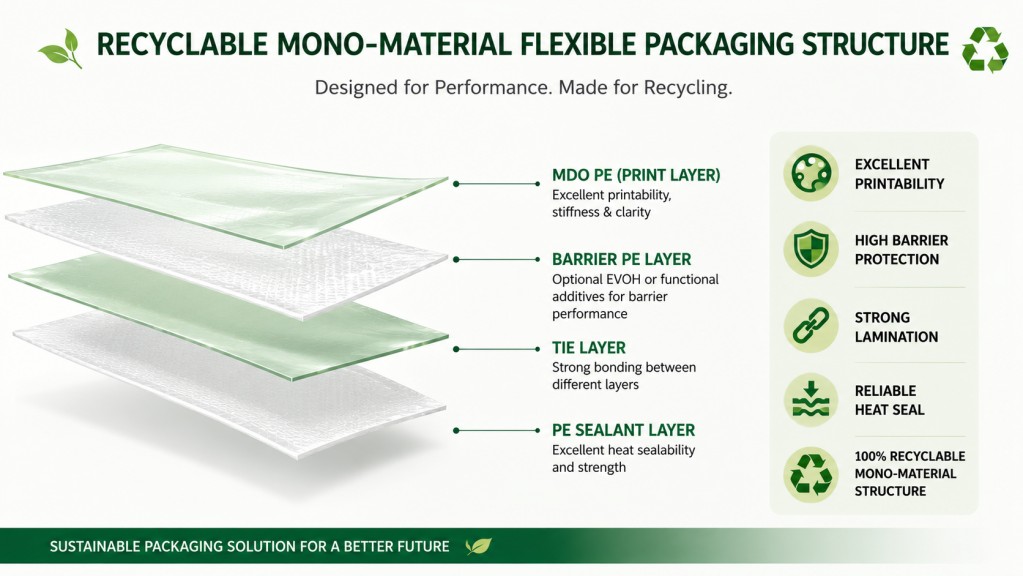
Mono-material packaging means the main layers of the package stay within one polymer family, such as PE or PP. This makes sorting and recycling easier compared with mixed structures.
Common examples include:
- MDO PE / PE sealant
- BOPE / PE
- PE / PE
- BOPP / CPP
- PP / PP
Mono-material does not mean single-layer. A recyclable pouch may still have several layers, but those layers are designed within the same material family. This allows the pouch to keep printability, stiffness, barrier and seal strength while improving compatibility with recycling streams.
For a broader technical explanation, see CloudFilm’s article on mono material packaging.
2. Mono-PE Packaging
Mono-PE packaging is one of the most important directions in recyclable flexible packaging. PE has good sealability, flexibility, low-temperature performance and moisture resistance. With oriented PE films, it can also provide better stiffness and printability.
Two important materials in mono-PE packaging are MDO PE and BOPE.
MDO PE film is often used as a stiff print web or structural layer in PE-based laminates. It can help replace PET or PA in some traditional structures while keeping the pack inside the PE family.
BOPE film offers high clarity, balanced strength and good print appearance. It is often used where brands want a premium look in recyclable mono-PE packaging.
Typical mono-PE structures may include:
- MDO PE / PE
- BOPE / PE
- BOPE / MDO PE
- MDO PE / PE-EVOH-PE
These structures are widely considered for snacks, frozen food, pet food, hygiene products, refill pouches and some household products.
3. Mono-PP Packaging
Mono-PP packaging is another practical ecological packaging option. PP offers good clarity, stiffness, heat resistance and moisture barrier. In some applications, BOPP and CPP can be combined into a PP-based laminate that supports a more recyclable design.
Mono-PP structures are often considered for snacks, confectionery, biscuits, dry food, labels and overwrap applications. For buyers comparing PE and PP directions, CloudFilm’s PP film page can help explain common PP film options.
The choice between mono-PE and mono-PP depends on product type, sealing temperature, packing machine, shelf-life target, stiffness requirement and local recycling rules.
Compostable Flexible Packaging: When It Makes Sense
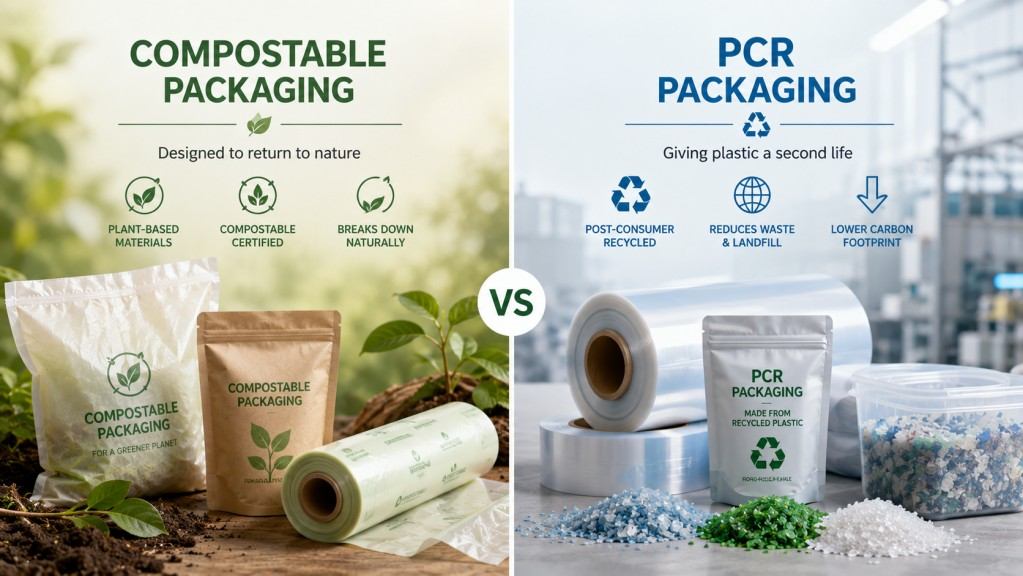
Compostable flexible packaging is designed to break down under defined composting conditions. It can be useful for selected product categories, especially where the package is likely to be contaminated with food residue or where composting infrastructure is available.
However, compostable packaging should not be treated as the automatic answer for every ecological packaging project. It normally requires correct material selection, suitable certification, proper disposal conditions and clear consumer instructions.
A compostable package that enters a conventional plastic recycling stream may create problems. At the same time, a recyclable plastic package that is heavily contaminated with food may not be recovered effectively. This is why material choice should match the real waste system in the target market.
For more detailed background, see CloudFilm’s guide to compostable flexible packaging.
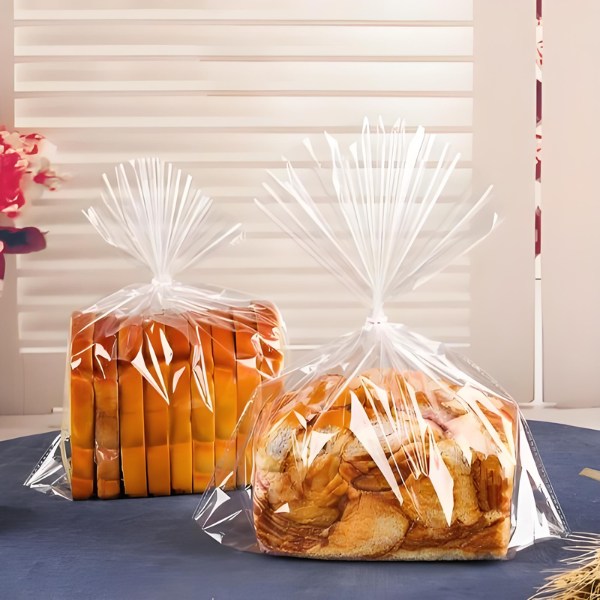
Compostable packaging may be considered for fresh produce, bakery packaging, selected food service applications, certain dry products and brands with a clear composting communication strategy.
PCR Packaging: Using Recycled Content
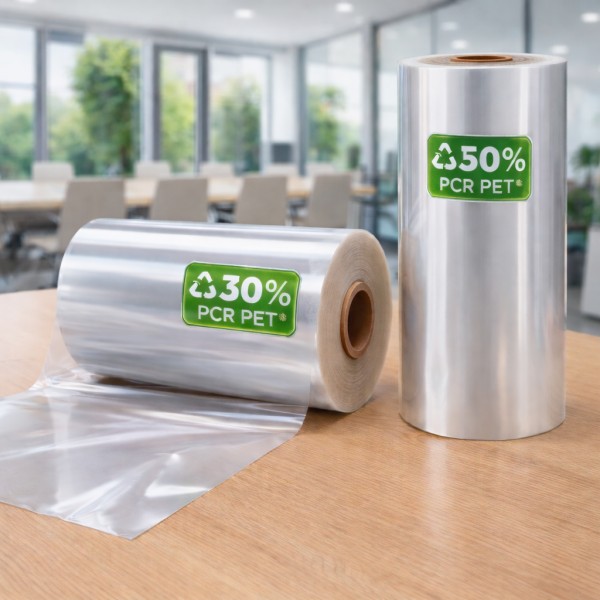
PCR means post-consumer recycled material. PCR packaging uses recycled resin from materials that have already been used by consumers and then collected, sorted and processed.
For brand owners, PCR content can help reduce dependence on virgin plastic and support recycled-content targets. In flexible packaging, PCR can be used in selected PE films, PET films, industrial bags, secondary packaging and certain non-food-contact or controlled-contact applications, depending on regulations and performance requirements.
CloudFilm’s PCR film solutions are designed for brands and packaging buyers who want to include recycled content in their packaging portfolio.
PCR packaging is not only a material decision. Buyers need to consider color, odor, mechanical strength, food-contact compliance, certification, batch stability and supply continuity. A reliable PCR packaging supplier should help confirm the correct recycled-content level and recommend a structure that still performs on the filling line.
PLA And Biodegradable Film Options
PLA and other biodegradable film options may support ecological packaging goals in selected applications. They are often discussed for paper lamination, labels, light-duty packaging and certain food or retail uses.
However, biodegradable does not always mean compostable in every environment. Buyers should confirm the exact claim, test condition, certification and disposal route before printing environmental statements on packaging.
CloudFilm’s PLA film product page provides one starting point for buyers who are evaluating biodegradable film options.
For many B2B packaging projects, the most practical approach is to compare biodegradable, compostable, recyclable and PCR-based options side by side. The best choice depends on product protection, market regulations, brand positioning and end-of-life infrastructure.
How To Choose The Right Ecological Packaging Structure
Choosing ecological packaging should begin with the product, not the material. A common mistake is to choose a sustainable-sounding material first and then try to force it into the application. A better process starts with packaging requirements.
First, define the packed product. Is it dry, oily, frozen, powdery, liquid, sharp, heavy or oxygen-sensitive?
Second, define the required shelf life. Coffee, pet food, nuts and dry snacks may need different oxygen, moisture, aroma or light protection.
Third, check the filling and sealing process. A film may look sustainable on paper, but it must still run smoothly on VFFS, HFFS, premade pouch lines, lidding machines or lamination lines.
Fourth, understand the target market. Recycling and composting infrastructure varies by country and even by region. A recyclable structure must match the collection and sorting system of the market where it will be sold.
Fifth, choose the packaging format. Roll stock, stand-up pouches, flat pouches, flat bottom pouches, spout pouches and lidding films all have different mechanical requirements.
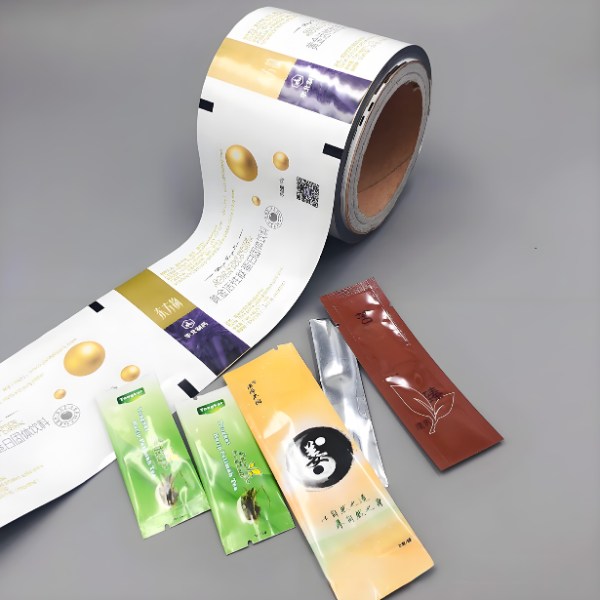
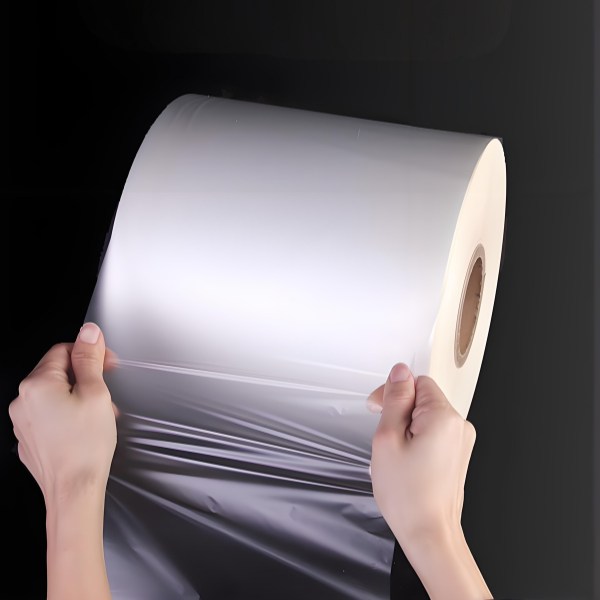
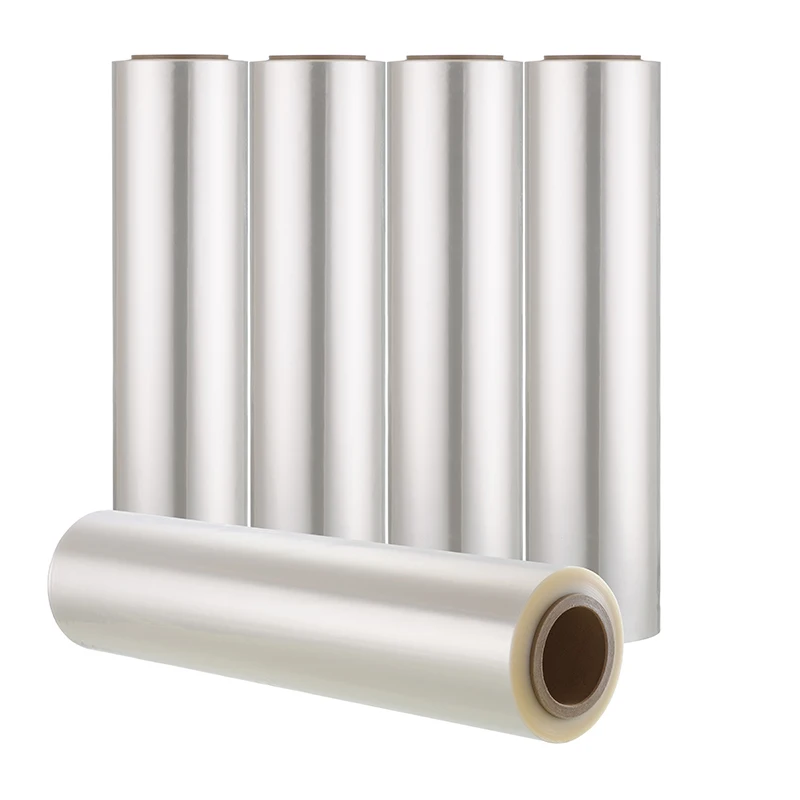
CloudFilm’s packaging film roll solutions can support converters and brands that need customized roll stock for automatic packaging machines.
Application Guide For Ecological Flexible Packaging
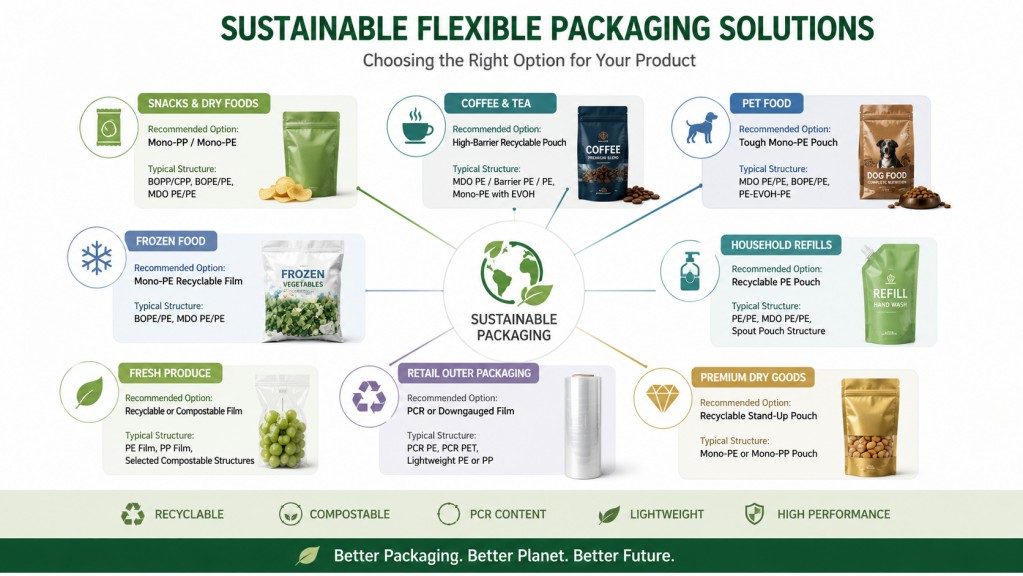
| Application | Practical Ecological Option | Possible Structure Direction |
|---|---|---|
| Snacks and dry food | Mono-PP or mono-PE packaging | BOPP/CPP, BOPE/PE, MDO PE/PE |
| Frozen food | Mono-PE recyclable film | BOPE/PE, MDO PE/PE |
| Coffee and tea | High-barrier recyclable pouch | MDO PE/barrier PE/PE, mono-PE with EVOH |
| Pet food | Tough mono-PE pouch | MDO PE/PE, BOPE/PE, PE-EVOH-PE |
| Household refills | Recyclable PE pouch | PE/PE, MDO PE/PE, spout pouch structure |
| Fresh produce | Recyclable or compostable film | PE film, PP film, selected compostable structures |
| Retail outer packaging | PCR or downgauged film | PCR PE, PCR PET, lightweight PE or PP |
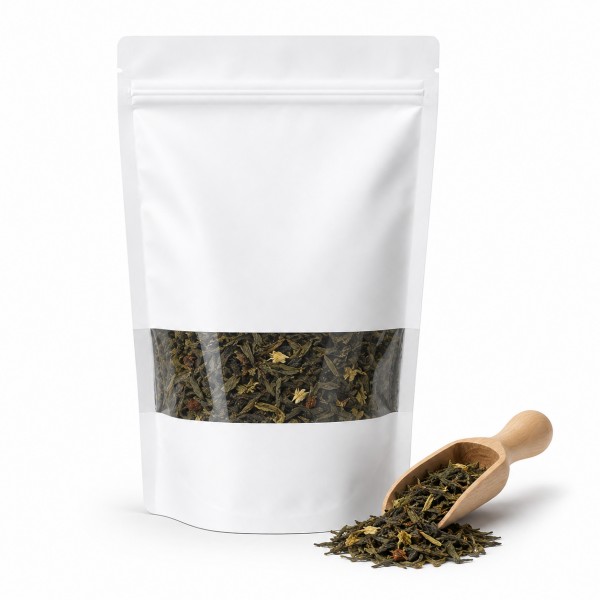
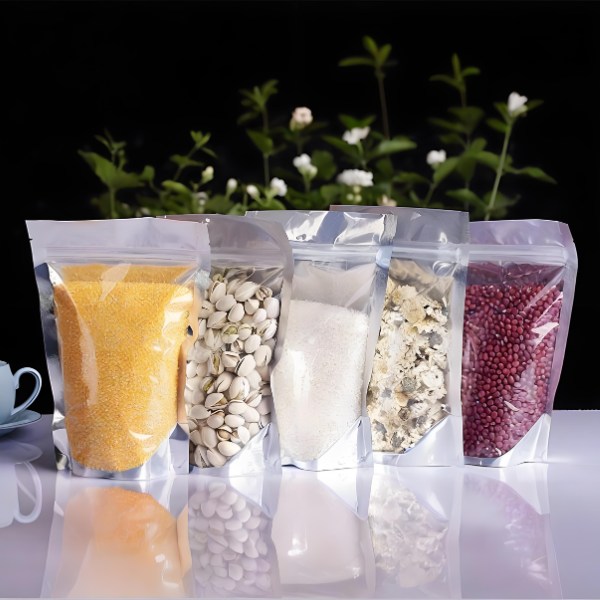
| Premium dry goods | Recyclable stand-up pouch | Mono-PE or mono-PP pouch |
For finished pouch projects, CloudFilm can supply recyclable pouches based on mono-material PE and PP structures.
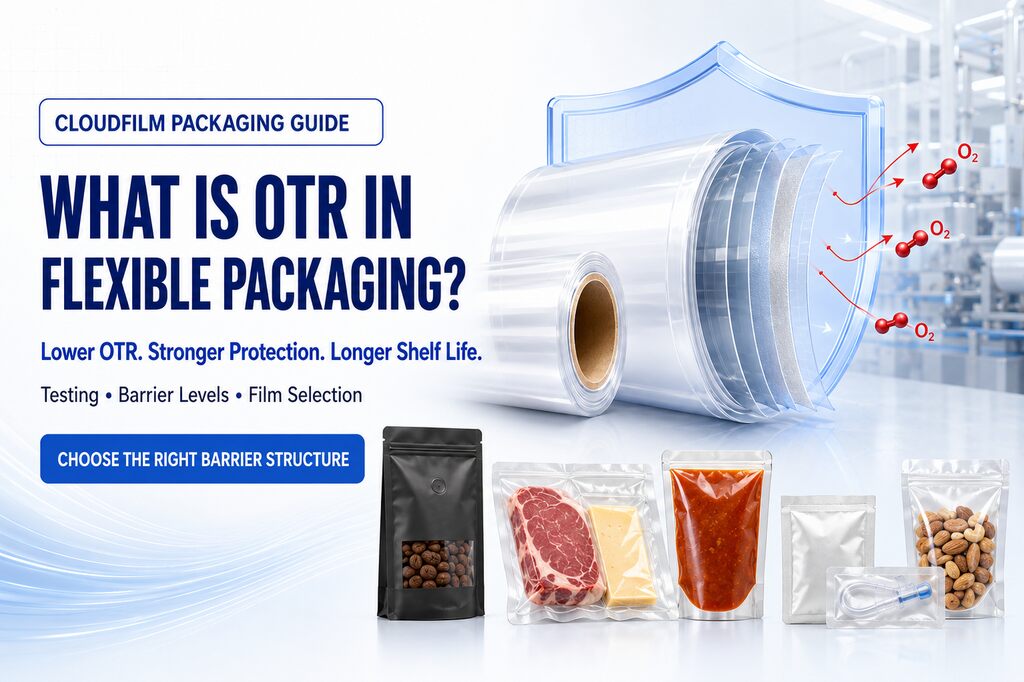
The Role Of Barrier In Ecological Packaging
Barrier performance is one of the most important parts of ecological packaging design. A package that is recyclable but fails to protect the product may cause more waste through product spoilage, returns or complaints.
This is especially important for food packaging. Oxygen, water vapor, aroma, grease and light can all affect product quality. The goal is not to remove barrier layers blindly, but to design the necessary barrier in a more responsible structure.
For example, some mono-PE structures can include EVOH inside PE-based layers to improve oxygen barrier while keeping the total structure more suitable for PE recycling guidelines. Some mono-PP structures may be suitable for dry food where moisture barrier and stiffness are more important than very high oxygen barrier.
For food-related projects, CloudFilm’s food packaging film solutions can help buyers match barrier, safety and sustainability targets.
Ecological Packaging For Brands, Converters And Distributors
Different companies need ecological packaging for different reasons.
Brand owners usually focus on consumer communication, packaging appearance, shelf life and sustainability commitments.
Converters focus on printing, lamination, slitting, pouch-making, waste rate and machine performance.
Distributors focus on stable sourcing, competitive pricing, technical documents, export packing and repeatable supply.
Retailers focus on packaging claims, waste policies, compliance and product presentation.
A strong ecological packaging manufacturer and supplier should understand all these needs. The supplier should not only sell film. It should help recommend structures, compare materials, support samples, provide technical data and adjust specifications for real production.
CloudFilm’s custom flexible packaging solutions can support brands and buyers who need project-based structure design instead of a standard product only.
Common Mistakes In Ecological Packaging Claims
The first mistake is using vague claims. Words like green, natural or eco-friendly should be supported by clear packaging facts. A better claim explains whether the package is recyclable, contains PCR material, is compostable under certain conditions, or uses less plastic than the previous structure.
The second mistake is ignoring local infrastructure. A package may be technically recyclable, but actual recovery depends on local collection, sorting and recycling systems.
The third mistake is choosing a material without testing. Even if a structure looks good in theory, it must be tested for sealing, drop resistance, barrier, print quality, lamination strength, coefficient of friction and machine speed.
The fourth mistake is reducing thickness too much. Downgauging can reduce material use, but excessive downgauging may cause pinholes, weak seals, poor stiffness or transport damage.
The fifth mistake is focusing only on end-of-life. Ecological packaging should also consider product waste. If poor packaging shortens shelf life, the environmental result may be worse.
How A Packaging Manufacturer Can Support Your Ecological Packaging Project
A professional ecological packaging film manufacturer should help buyers move step by step.
The first step is to review the current structure. For example, the existing package may be PET/PE, PET/AL/PE, PA/PE, BOPP/CPP or another laminate. The supplier should understand why each layer is used.
The second step is to define the sustainability target. Does the buyer want recyclability, recycled content, compostability, downgauging, lower carbon footprint or a combination?
The third step is to propose alternative structures. This may include MDO PE/PE, BOPE/PE, PP/PP, PCR film, compostable film or other customized solutions.
The fourth step is sample testing. Trial rolls or sample pouches help confirm machinability, sealing window, stiffness, optical appearance and barrier performance.
The fifth step is commercial scale-up. Once the structure is confirmed, the supplier must control thickness, corona treatment, roll quality, winding tension, packing and export documentation.
This process helps reduce risk and gives brands a more realistic path from concept to production.
Why One Ecological Packaging Solution Cannot Fit Every Product
A snack brand may need high stiffness, good printability and moisture barrier. A frozen food brand may need low-temperature toughness and strong seals. A coffee brand may need aroma protection, oxygen barrier and a degassing valve. A refill detergent pouch may need drop resistance and chemical compatibility.
Because applications are different, the best ecological packaging solution must be customized. Buyers should avoid one-size-fits-all answers.
For example, a mono-PE pouch may be ideal for frozen food, pet food or refill packs. A mono-PP structure may be better for some dry snacks. A compostable film may be suitable for selected fresh produce or bakery applications. A PCR film may be more practical for secondary packaging or non-food retail packaging.
The best supplier is not the one that recommends the same material every time. The best supplier is the one that asks the right questions and builds the structure around the product.
CloudFilm Ecological Packaging Solutions
CloudFilm supports ecological flexible packaging projects for brands, converters, packaging distributors and manufacturers who need customized film and pouch solutions.
Our product portfolio includes recyclable mono-material pouches, MDO PE film, BOPE film, PP film, PCR film, PLA film, food packaging film and custom packaging film roll. These options allow buyers to compare different sustainable routes and choose the structure that fits their product, machine and target market.
For buyers who are not sure where to start, the simplest method is to share the current package structure, product type, target shelf life, roll or pouch size, packing machine, order quantity and destination market. CloudFilm can then recommend a practical structure for testing.
Ecological packaging is not only about replacing one material with another. It is about designing a complete packaging system that protects products, supports brand goals and improves environmental responsibility.
FAQ About Ecological Packaging
1. What does ecological packaging mean?
Ecological packaging means packaging designed to reduce environmental impact through better material selection, lower material use, recyclability, compostability, recycled content or improved packaging efficiency.
2. Is ecological packaging the same as recyclable packaging?
No. Recyclable packaging is one type of ecological packaging. Ecological packaging can also include compostable packaging, PCR packaging, lightweight packaging and other lower-impact solutions.
3. What is the best ecological packaging for flexible pouches?
For many flexible pouch applications, recyclable mono-material PE or PP packaging is one of the most practical options. The best structure depends on the product, barrier requirement, packing machine and local recycling system.
4. Is compostable packaging better than recyclable packaging?
Not always. Compostable packaging can be suitable where composting infrastructure exists and the application matches the material. Recyclable packaging may be better when a strong recycling stream is available.
5. Can flexible plastic packaging be ecological?
Yes. Flexible plastic packaging can be ecological when it uses less material, supports recyclability, includes PCR content, reduces product waste or improves transport efficiency. The structure must be designed carefully.
6. What is mono-material ecological packaging?
Mono-material ecological packaging uses layers from the same polymer family, such as PE or PP, to make the package easier to sort and recycle compared with mixed-material laminates.
7. What is the difference between mono-PE and mono-PP packaging?
Mono-PE packaging is flexible, sealable and good for frozen food, pet food, refill packs and many soft pouches. Mono-PP packaging is stiffer and more heat-resistant, making it useful for snacks, dry food and some retail applications.
8. Can ecological packaging provide high barrier?
Yes, in many cases. Barrier can be improved through optimized film structures, EVOH-containing layers, coatings or suitable material combinations. The challenge is to balance barrier and end-of-life design.
9. What information should I send to a packaging supplier?
You should send product type, current structure, target shelf life, package size, thickness, roll width, printing needs, barrier requirements, packing machine type, order quantity and destination market.
10. Is PCR film suitable for food packaging?
PCR film suitability depends on material type, recycled-content source, regulations, food-contact requirements and application. Some PCR solutions are better for secondary packaging or non-food uses, while special approved materials may be needed for food-contact applications.
11. Can I use ecological packaging on existing machines?
Often yes, but testing is necessary. Trial rolls or sample pouches help confirm sealing window, stiffness, friction, print quality, filling speed and finished pack strength.
12. How can I start an ecological packaging project?
Start by reviewing your current package and defining your main goal: recyclability, recycled content, compostability, downgauging or cost reduction. Then work with a packaging film manufacturer to test practical structures before mass production.
Conclusion
Ecological packaging is not a single material or a simple label. It is a practical design approach for reducing environmental impact while keeping packaging functional, safe and commercially successful.
For flexible packaging buyers, the most important options include recyclable mono-material PE and PP structures, compostable films for selected applications, PCR films, downgauged materials and high-barrier structures designed with better end-of-life in mind.
The right choice depends on product protection, shelf life, packing machine, target market and waste infrastructure. By working with an experienced flexible packaging manufacturer and supplier, brands can move from general sustainability goals to real packaging structures that can be tested, produced and delivered at scale.
CloudFilm helps brands, converters and distributors develop ecological flexible packaging solutions that balance sustainability, performance and commercial production needs.