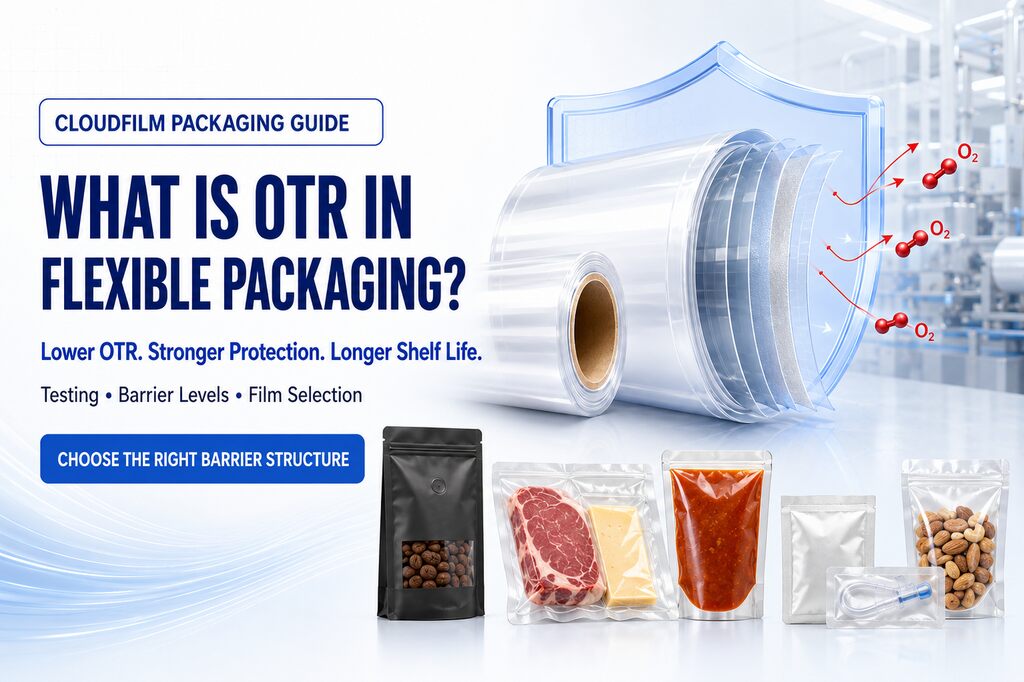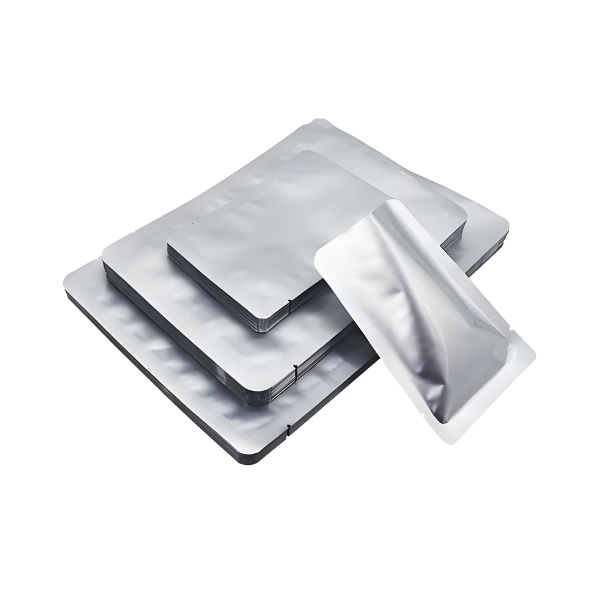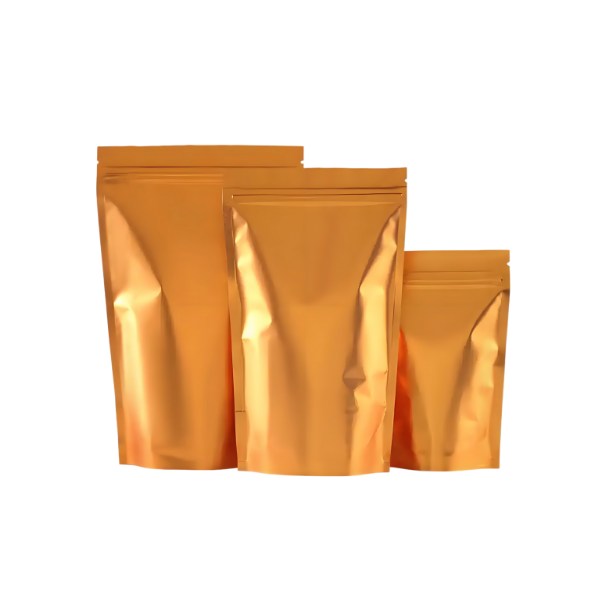
A retort pouch is a high-performance flexible package designed to protect food, pet food, sauces, seafood, ready meals, and other heat-processed products during sterilization and long-term storage. It is often used as a lighter and more space-saving alternative to metal cans or glass jars.
For brands, food processors, and packaging buyers, the value of a retort pouch is clear: it can help extend shelf life, reduce packaging weight, improve logistics efficiency, and create a modern retail appearance. For converters and filling factories, the key is choosing the right film structure, sealing layer, thickness, barrier level, and supplier.
If you are developing shelf-stable food packaging, custom retort pouches can be designed according to your product type, retort temperature, filling process, shelf-life target, and final sales channel.
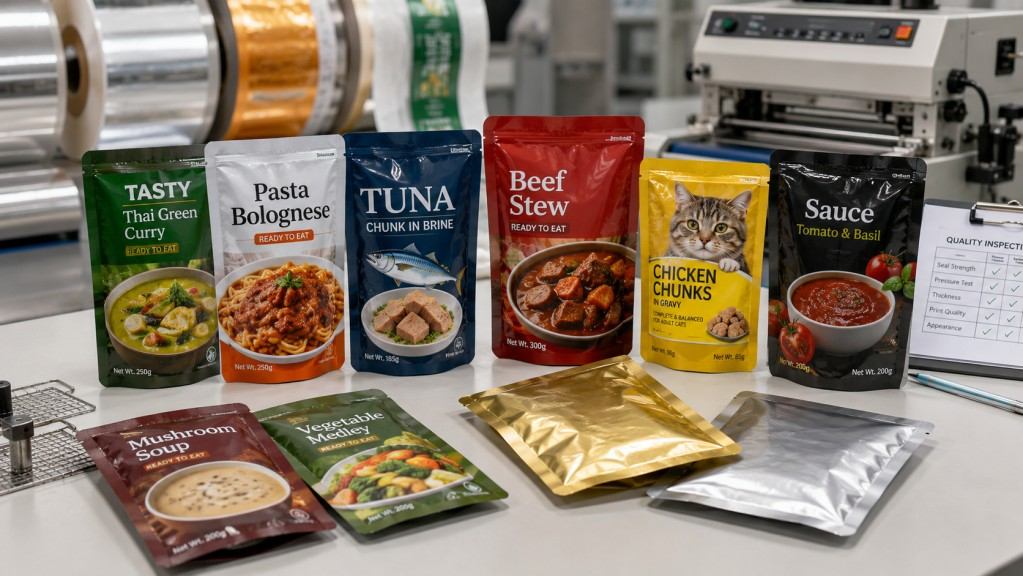
What Is A Retort Pouch?
A retort pouch is a laminated flexible pouch that can withstand high-temperature sterilization after the product is filled and sealed. During the retort process, the filled pouch is exposed to heat, pressure, and steam or hot water inside retort equipment. This process helps make the packed product stable for storage without refrigeration, depending on the food formulation and process validation.
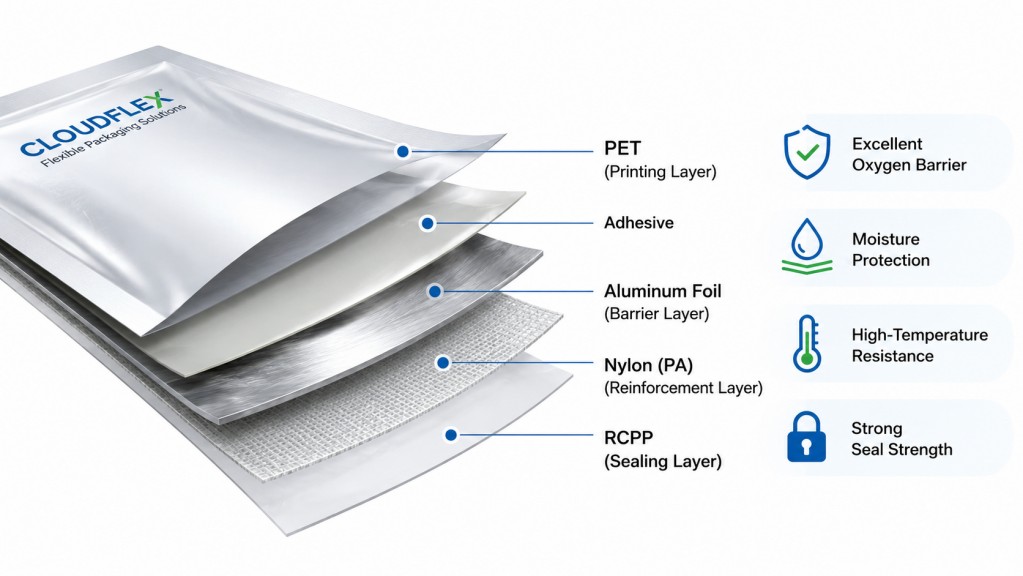
A retort pouch is not a simple plastic bag. It is usually made from multiple layers of film. Each layer has a specific function. One layer may provide printability and mechanical strength. Another layer may provide oxygen, moisture, aroma, or light barrier. The inner layer must seal strongly and resist high temperature during sterilization.
Common retort pouch structures include PET/AL/RCPP, PET/PA/RCPP, PET/NY/RCPP, BOPA/CPP, and customized high-barrier laminates. The final structure depends on whether the pouch must be transparent, foil-based, high-barrier, puncture-resistant, easy to open, or suitable for aggressive filling and retort conditions.
How Does A Retort Pouch Work?
A retort pouch works by combining three important functions: heat resistance, barrier protection, and seal integrity.
First, the pouch must survive the retort process. Retort sterilization often involves high temperature and pressure. If the material is not designed for this environment, the pouch may deform, delaminate, leak, or lose sealing strength.
Second, the pouch must protect the product after sterilization. Oxygen, moisture, aroma loss, and light exposure can all affect shelf life. For products such as ready meals, wet pet food, curry, soup, tuna, rice, sauces, and seafood, barrier performance is a major part of packaging design.
Third, the seal must remain strong. The seal area is one of the most critical points in a retort pouch. Even a small sealing defect can cause leakage, contamination risk, or product recall. This is why the inner sealing layer, sealing temperature window, pouch-making quality, and filling-line conditions must be matched carefully.
Common Retort Pouch Material Structures
PET/AL/RCPP
PET/AL/RCPP is one of the most common foil-based retort pouch structures. PET is usually used as the outer layer because it offers good stiffness, heat resistance, and printability. AL, or aluminum foil, provides excellent oxygen, moisture, aroma, and light barrier. RCPP is used as the inner sealing layer because it is designed to withstand high-temperature retort conditions.
This structure is often used for ready meals, wet pet food, soups, sauces, rice, meat products, and other products that need strong barrier and long shelf life.
PET/PA/RCPP Or PET/NY/RCPP
PET/PA/RCPP and PET/NY/RCPP structures are often used when puncture resistance and flexibility are important. PA, also called nylon, helps improve toughness and resistance to product impact, folding, and handling stress.
These structures are common for seafood, meat products, bone-in food, pet food, and products that require a stronger pouch body. Compared with foil-based structures, transparent nylon-based structures may allow product visibility, but the barrier level must be checked according to the product’s shelf-life requirement.
BOPA/CPP And BOPA/AL/CPP
BOPA is a high-performance nylon film with strong puncture resistance and good mechanical strength. It can be laminated with CPP or aluminum foil to produce retortable structures. For buyers who need high toughness, BOPA film can be an important layer in the final pouch design.
BOPA/CPP may be suitable for some transparent or semi-transparent retort applications, while BOPA/AL/CPP can be used when a stronger barrier is required.
PET/AL/PA/RCPP
For demanding applications, a four-layer structure may be used. PET/AL/PA/RCPP combines printability, foil barrier, nylon toughness, and a retortable sealing layer. This type of structure is often selected for products with higher risk of puncture, heavier content, longer shelf-life targets, or more demanding distribution conditions.
Why Is RCPP Important In Retort Pouches?
RCPP means retortable cast polypropylene. It is commonly used as the inner sealing layer of retort pouches because it must contact the product, seal well, and withstand the sterilization process.
Standard CPP is not always suitable for retort packaging. Retort pouches need a sealing layer that can maintain seal strength, dimensional stability, and pouch integrity after high-temperature processing. A properly selected retortable CPP film helps reduce leakage risk and improves the reliability of the finished pouch.
When choosing RCPP, buyers should confirm the retort temperature, retort time, filling product, pouch size, seal width, and expected shelf life. For example, a sauce pouch and a seafood pouch may both need retort packaging, but their oil content, acidity, filling temperature, and pouch stress can be very different.
What Products Use Retort Pouches?
Retort pouches are widely used for shelf-stable products that need heat treatment after filling. Common applications include:
- Ready meals such as rice dishes, curry, pasta, noodles, and prepared vegetables.
- Wet pet food such as cat food, dog food, meat chunks, gravy packs, and pet nutrition meals.
- Seafood such as tuna, salmon, shellfish, fish fillets, and seafood sauces.
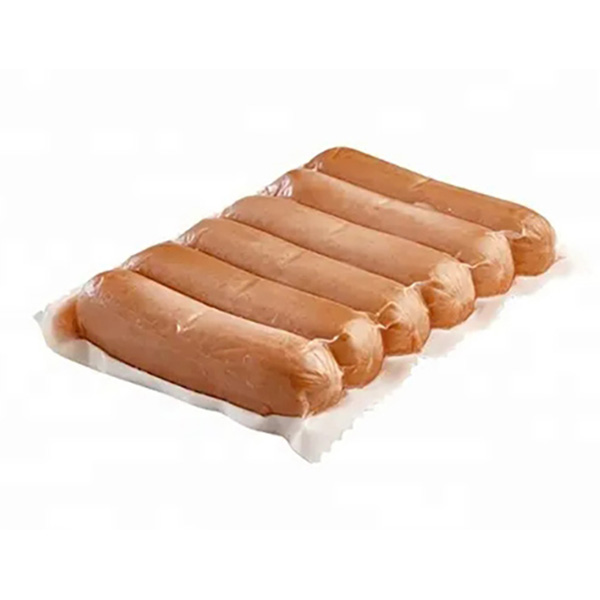
- Meat products such as chicken, beef, pork, sausages, and meat-based sauces.
- Soups and sauces such as tomato sauce, curry sauce, soup base, broth, and seasoning packs.
- Baby food and puree products, especially when a soft pouch format is required.
- Medical, healthcare, and technical products, where sterilization-resistant flexible packaging may be needed.
For general food projects, buyers can also compare retort pouch structures with other food packaging film options to choose the most practical solution.
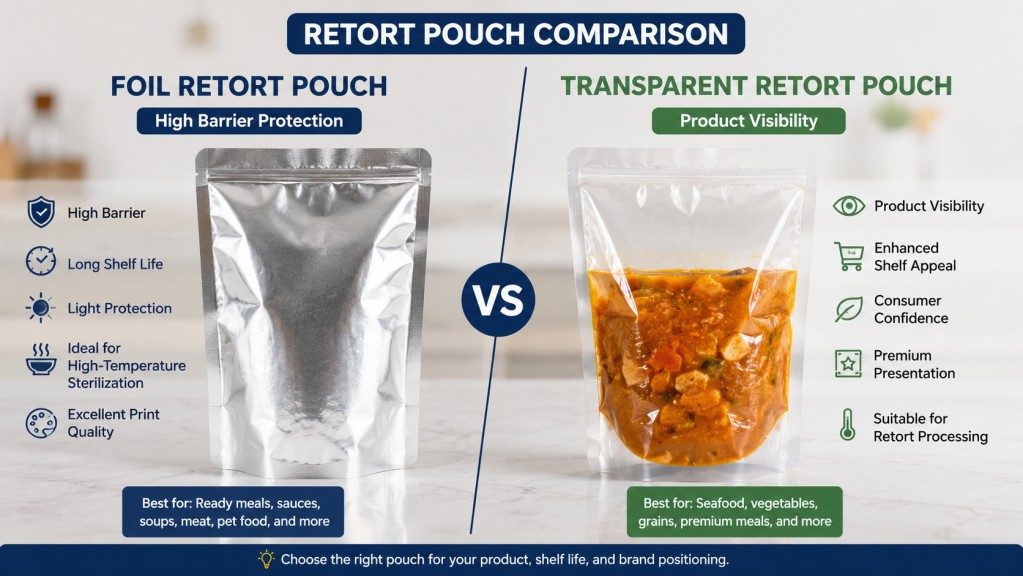
Foil Retort Pouch Vs Transparent Retort Pouch
A foil retort pouch usually provides stronger barrier performance because the aluminum foil layer blocks oxygen, moisture, aroma, and light very effectively. It is a common choice for long shelf life, high-fat foods, strong-flavor foods, and products that are sensitive to oxidation.
A transparent retort pouch allows consumers to see the product. This can be useful for premium seafood, cooked vegetables, grains, and other visually attractive foods. However, transparent structures usually require careful evaluation of oxygen barrier, light protection, and shelf-life requirements.
There is no single best structure for all products. The correct choice depends on product chemistry, filling conditions, sterilization process, expected shelf life, transport conditions, and brand positioning.
Benefits Of Retort Pouches
Lightweight Packaging
Compared with metal cans or glass jars, retort pouches are much lighter. This can reduce shipping weight and storage space. For export food brands, this advantage can be important when calculating freight, warehouse cost, and retail distribution efficiency.
Better Shelf Presentation
Retort pouches can be printed with attractive graphics and finished in different formats. Flat pouches, stand-up pouches, shaped pouches, and spout pouches can all be designed for different shelf needs. For retail brands, a pouch can provide a large printable surface and a more modern look.
Faster Heating For Consumers
Because a retort pouch is thinner than a can or jar, the packed food may heat faster during preparation. This can improve user convenience for ready meals, camping food, military food, travel food, and daily meal solutions.
Space Saving
Empty pouches take less space than rigid packaging before filling. Finished pouches can also improve carton utilization. This is helpful for both manufacturers and distributors.
Custom Structure Options
A retort pouch can be customized by structure, thickness, pouch size, shape, printing, zipper, spout, tear notch, corner design, and surface finish. For brands with different product lines, this flexibility makes retort pouches suitable for many market segments.
Retort Pouch Formats
Flat Retort Pouches
Flat retort pouches are simple and cost-effective. They are common for single-serve sauces, rice packs, soup bases, seafood, and meal components.
Stand-Up Retort Pouches
Stand-up pouches improve shelf display and consumer convenience. They are often used for pet food, ready meals, sauces, and premium food products. If shelf display is important, buyers can compare retort formats with stand up pouches for more packaging options.
Spout Retort Pouches
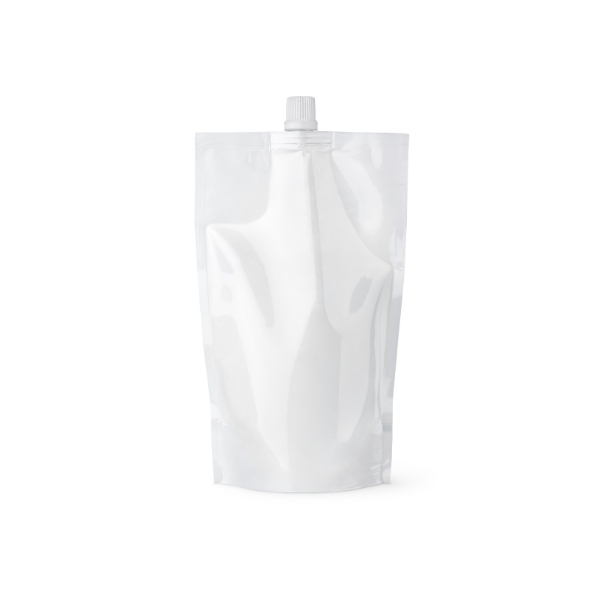
Spout pouches can be useful for liquid, semi-liquid, puree, sauce, baby food, and drinkable products. For products that need controlled pouring or repeated use, spout pouches may offer a more convenient user experience.
Shaped Retort Pouches
Shaped pouches are designed for brand differentiation. They may use rounded corners, special contours, or custom shapes to improve shelf impact. However, shaped designs must be checked carefully because retort stress, sealing area, and pouch strength are more demanding than simple flat formats.
How To Choose The Right Retort Pouch Structure
Choosing a retort pouch should not start only from price. A low-cost structure that fails during sterilization or distribution can create far higher losses than the packaging cost itself.
A good supplier will usually ask for these details:
- Product type and ingredients.
- Filling temperature and filling weight.
- Pouch size and pouch format.
- Retort temperature and retort time.
- Target shelf life.
- Storage and transport conditions.
- Need for transparency or foil barrier.
- Printing design and surface finish.
- Filling machine type and sealing conditions.
- Regulatory and food-contact requirements.
Once these details are confirmed, the supplier can recommend a structure, thickness, sealing layer, and pouch-making specification.
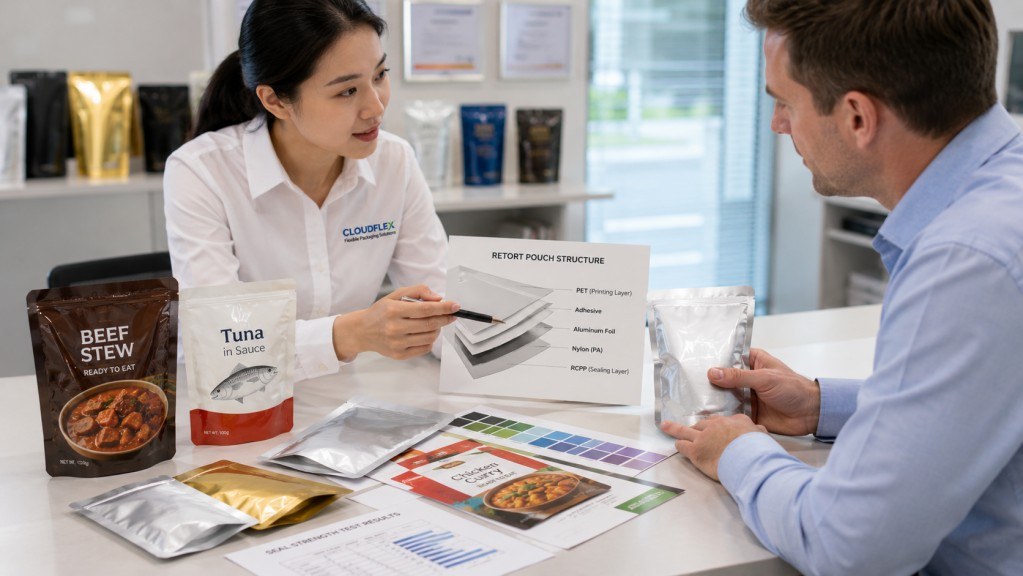
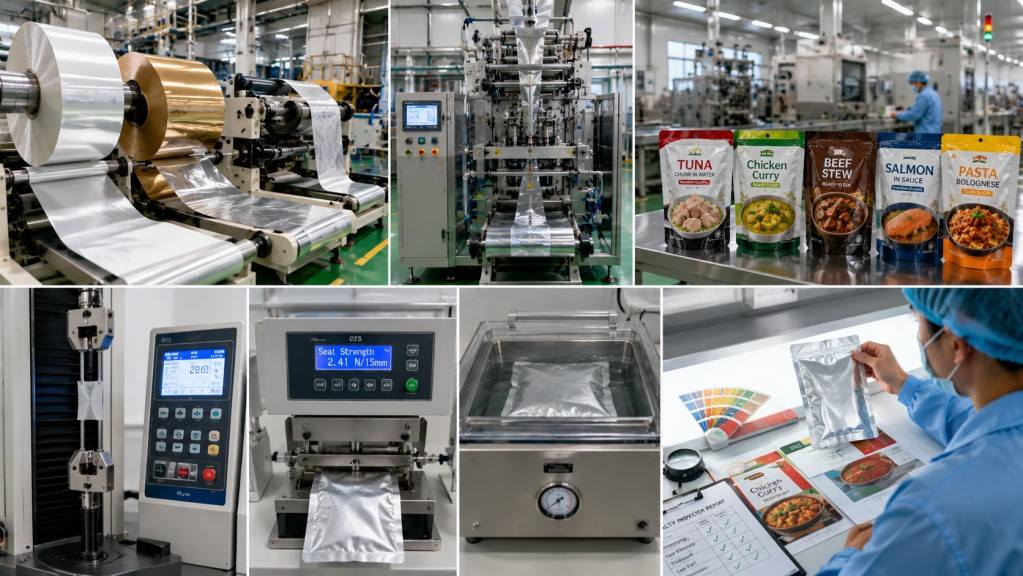
Retort Pouch Manufacturing Process
A retort pouch project usually includes several production steps.
First, the film structure is selected. The supplier chooses suitable outer film, barrier layer, reinforcement layer, and sealing layer according to the product and retort condition.
Second, artwork and printing are prepared. PET is often used as the reverse printing layer. Reverse printing protects the ink inside the laminate and helps keep the outside surface clean.
Third, the printed film is laminated with other layers. Adhesive, curing conditions, lamination tension, and layer compatibility must be controlled. Poor lamination may lead to delamination during retort.
Fourth, the laminated film is cured and slit. Curing time is important for laminate performance, odor control, and bond strength.
Fifth, the material is converted into pouches. Pouch-making requires accurate temperature, pressure, dwell time, seal width, and cooling. Retort pouches must have strong seals and stable dimensions.
Finally, the pouches are inspected and packed. Appearance, size, sealing strength, lamination quality, and packing condition should be checked before shipment.
Quality Control Points For Retort Pouches
Quality control is critical for retort packaging. Buyers should not evaluate retort pouches only by appearance. A pouch may look good before filling, but fail during sterilization or after storage if the structure or process is not correct.
Important quality checks include:
- Thickness consistency.
- Lamination bond strength.
- Heat seal strength.
- Seal appearance and seal width.
- Pouch size tolerance.
- Puncture resistance.
- Drop resistance.
- Retort test performance.
- Leakage test.
- Print registration and appearance.
- Odor and solvent residue control.
- COF and machine runnability.
For serious projects, buyers should discuss testing standards and inspection plans with the supplier. A clear flexible packaging quality control guide can help packaging buyers understand what should be checked before mass production.
How To Choose A Retort Pouch Supplier Or Manufacturer
A reliable retort pouch supplier should understand both materials and end-use applications. Retort packaging is not only about pouch-making. It is about matching product, filling process, retort process, material structure, barrier target, and logistics.
When choosing a retort pouch manufacturer, consider these points:
- Does the supplier understand PET/AL/RCPP, PET/PA/RCPP, BOPA/CPP, and other retort structures?
- Can the supplier recommend different structures for transparent and foil-based pouches?
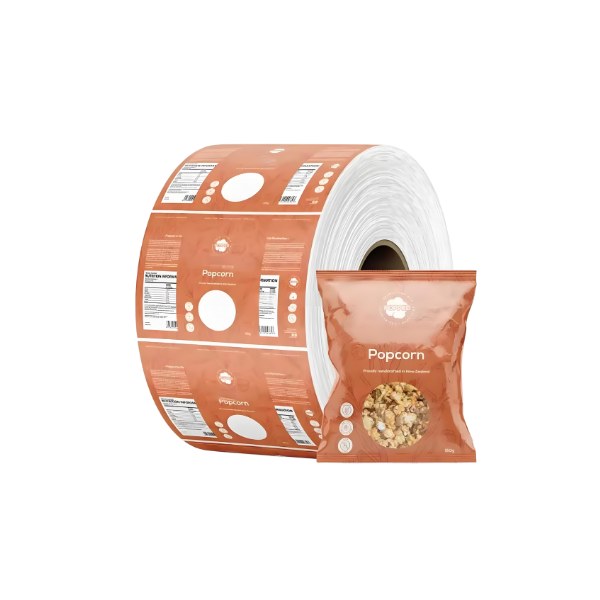
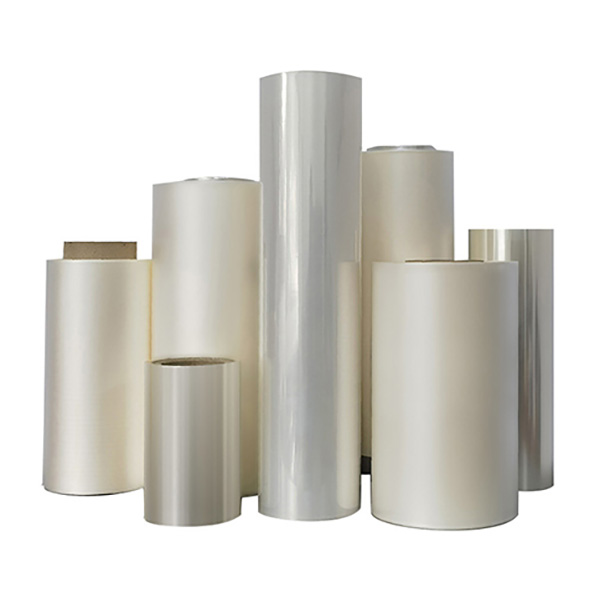
- Can the supplier provide roll stock film and finished pouches?
- Does the supplier ask technical questions before quoting?
- Can the supplier support custom printing, pouch size, and special features?
- Does the supplier have quality control for lamination, sealing, and finished pouches?
- Can the supplier support export packing, documents, and international delivery?
- Does the supplier provide samples for testing before bulk production?
A good supplier should not simply offer the cheapest price. The better choice is a manufacturer that can help reduce packaging risk, improve shelf stability, and support long-term supply.
For brands that need film selection, pouch design, printing, lamination, and converting support, custom flexible packaging solutions can help connect technical requirements with practical production.
FAQ About Retort Pouches
1. What Is A Retort Pouch Used For?
A retort pouch is used for products that need heat sterilization after filling and sealing. Common products include ready meals, wet pet food, seafood, meat, soups, sauces, rice, puree, and some healthcare or technical products.
2. Can A Retort Pouch Replace A Metal Can?
In many applications, yes. Retort pouches can provide long shelf life with lower weight and better space efficiency. However, the product formula, sterilization process, shelf-life target, and distribution conditions must be tested before replacing cans.
3. What Is The Most Common Retort Pouch Structure?
PET/AL/RCPP is one of the most common foil-based structures. PET/PA/RCPP and PET/NY/RCPP are also widely used when toughness and puncture resistance are important.
4. What Is The Inner Layer Of A Retort Pouch?
The inner layer is often RCPP, or retortable cast polypropylene. It is used because it provides heat sealability, product contact performance, and resistance to retort conditions.
5. Can Retort Pouches Be Transparent?
Yes. Transparent retort pouches can be made with structures such as PET/PA/RCPP or BOPA/CPP. However, the oxygen barrier, light protection, and shelf-life target must be checked carefully.
6. Are Retort Pouches Suitable For Pet Food?
Yes. Retort pouches are widely used for wet pet food, meat chunks, gravy, and pet nutrition meals. Pet food often requires strong sealing, good puncture resistance, and stable barrier performance.
7. Are Retort Pouches Suitable For Sauces?
Yes. Sauces, curry, soup bases, tomato products, and seasoning packs can use retort pouches. The supplier should check acidity, oil content, filling temperature, and retort conditions before recommending a structure.
8. What Temperature Can A Retort Pouch Withstand?
The temperature depends on the material structure and grade. Many retort pouch structures are designed for 121°C sterilization, while some high-temperature structures can be designed for higher retort conditions. Always confirm the exact requirement before production.
9. What Is The Difference Between Boilable Pouches And Retort Pouches?
Boilable pouches are usually designed for lower-temperature boiling or pasteurization. Retort pouches are designed for more demanding sterilization conditions involving higher temperature and pressure. The materials are not always interchangeable.
10. Can Retort Pouches Be Printed?
Yes. Retort pouches are usually reverse printed on the outer film layer before lamination. Reverse printing helps protect the ink and gives the pouch a clean, professional appearance.
11. What Information Should I Send To A Supplier For Quotation?
You should send product type, pouch size, filling weight, retort temperature, retort time, shelf-life target, required barrier level, printing design, order quantity, and destination port or delivery address.
12. Can I Get Samples Before Bulk Production?
Yes. For a new project, samples are strongly recommended. Buyers should test filling, sealing, retort performance, leakage, pouch appearance, and shelf stability before placing a large order.
13. What Causes Retort Pouch Leakage?
Leakage may be caused by weak sealing, contamination in the seal area, incorrect sealing temperature, poor pouch-making quality, unsuitable sealing layer, sharp product edges, or excessive retort stress.
14. How Do I Choose Between Foil And Transparent Retort Pouches?
Choose foil if long shelf life, light barrier, aroma protection, and strong oxygen barrier are the top priorities. Choose transparent structures if product visibility is important and the shelf-life target can still be met.
15. Is A Retort Pouch More Expensive Than A Regular Pouch?
Usually yes, because retort pouches require heat-resistant materials, stronger lamination, strict pouch-making control, and more demanding testing. However, compared with rigid packaging, they may reduce logistics cost and improve packing efficiency.
16. Can Retort Pouches Be Made With A Spout Or Zipper?
Spouts can be used for some liquid or semi-liquid retort products, but the spout, cap, seal area, and retort conditions must all be compatible. Zippers are less common for high-temperature retort and must be evaluated carefully.
Conclusion
A retort pouch is a high-value flexible packaging solution for shelf-stable food, pet food, sauces, seafood, ready meals, and many heat-processed products. Its performance depends on the complete structure, not only one material layer.
For buyers, the most important step is to match the pouch structure with the product, filling process, sterilization condition, shelf-life target, and logistics environment. PET, aluminum foil, PA, BOPA, CPP, and RCPP each play a different role in the final package.
If you are looking for a retort pouch supplier or manufacturer, choose a partner that can discuss materials, barrier, sealing, printing, pouch format, testing, and export supply together. A well-designed retort pouch can help protect product quality, improve retail presentation, and support stable long-term business.