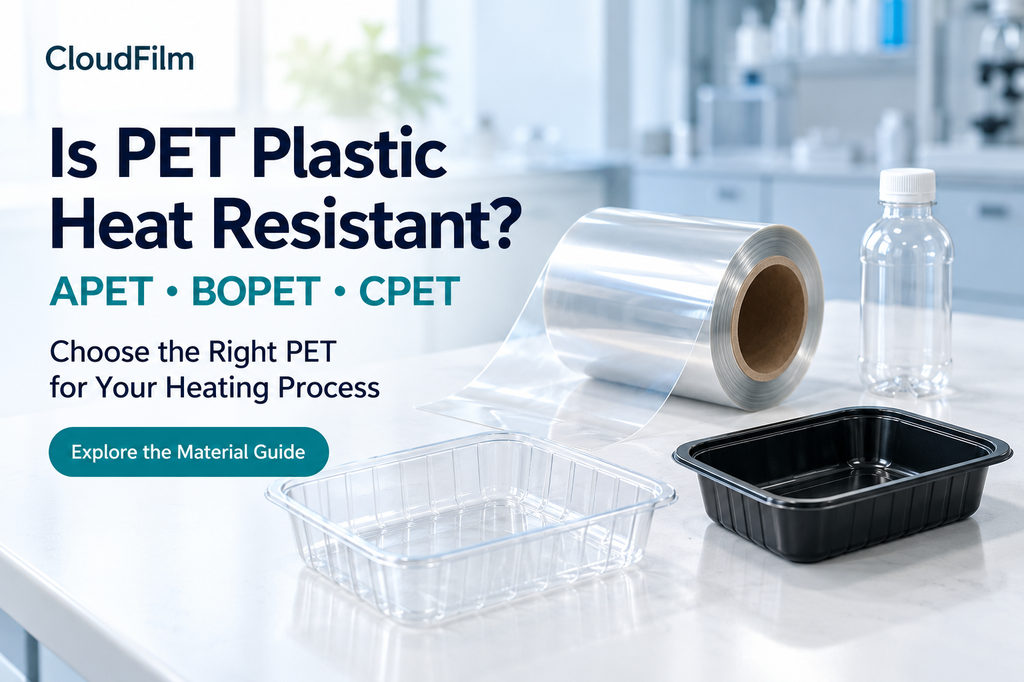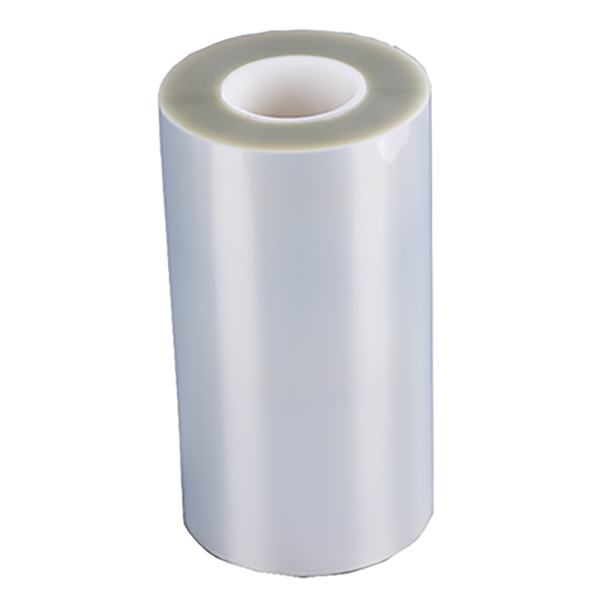
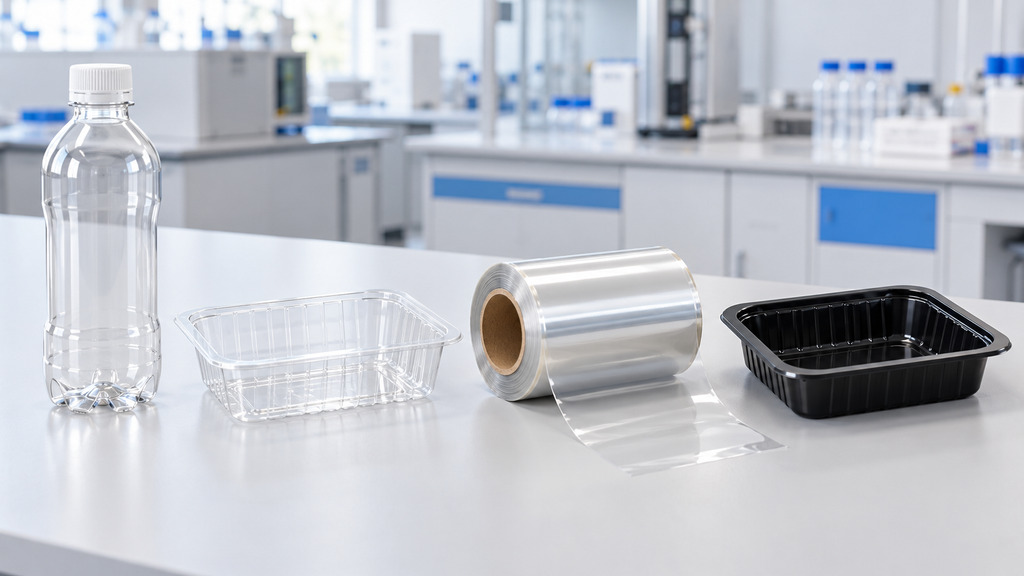
PET plastic can resist heat, but its suitability depends on the product, grade and exposure conditions. A clear drinks bottle, a flexible polyester film and an ovenable CPET tray belong to the same polymer family, yet they cannot share one temperature rating.
For packaging buyers, the useful question is more specific: will this material keep its shape, seals and required properties during the intended heating cycle? Answering that question requires the exact structure, temperature, duration and heating method.
This guide explains the differences between APET, BOPET and CPET, separates melting temperature from practical performance, and shows what to confirm before selecting PET for a heated packaging application.
What Does Heat Resistance Mean for PET Packaging?
Heat resistance is the ability to retain the properties an application needs under heat. Properties may include tray shape, film dimensions, seal integrity, mechanical strength or surface appearance. A material can remain solid while no longer meeting one of these requirements.
Start with the failure you need to prevent
A tray buyer may need a rim that stays flat enough to maintain its seal. A printer may need a film that keeps registration through drying. A pouch converter may need bonds and seals that survive the specified thermal treatment.
These are different performance targets. Asking only for a “heat-resistant PET film” leaves the supplier guessing about the actual problem. Describe the process and acceptance criteria before comparing grades or requesting a quotation.
Temperature must be paired with time and conditions
A short contact with a sealing jaw is different from prolonged oven exposure. Heating under web tension also differs from heating a loose film sample. Water, steam, dry air and contact with hot food create different operating conditions.
Record the complete heating cycle, including cooling and handling afterward. A package must work through the whole process, rather than merely remain intact at the highest displayed equipment temperature.
APET, BOPET and CPET: Three Different Packaging Roles
PET means polyethylene terephthalate. The additional letters describe forms or processing routes within that family. They are useful starting points, but they do not replace the technical specification for a finished film, sheet, bottle or tray.
| Material or format | Common packaging role | Main heat-related question |
| APET sheet | Clear thermoformed trays and clamshells | Will the formed pack retain its shape under the intended conditions? |
| BOPET film | Printing webs, laminates and selected lidding structures | Are shrinkage and dimensional changes acceptable through processing and use? |
| CPET tray material | Ovenable ready-meal trays | Is the finished tray approved for the specified heating cycle? |
| PET bottle | Beverage or other liquid packaging | Is this particular bottle designed for the required filling temperature? |
APET: clear sheet for thermoforming
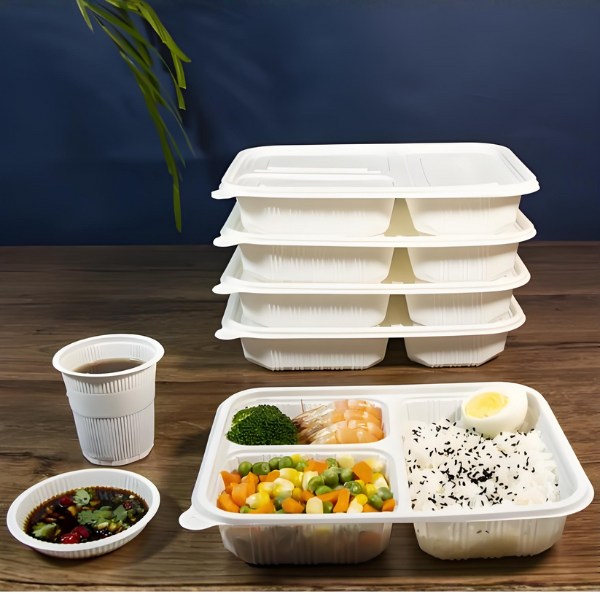
APET is amorphous PET and is commonly associated with transparent rigid packaging. Its clarity makes it useful when shoppers need to see the contents. However, the ability to form a sheet using heat does not establish the heating limits of the finished tray.
For a clear chilled-food tray, confirm any proposed warm filling or reheating separately. Do not assume that a tray suitable for refrigerated display is also suitable for an oven simply because both it and an ovenable tray contain PET.
BOPET: oriented film for flexible structures
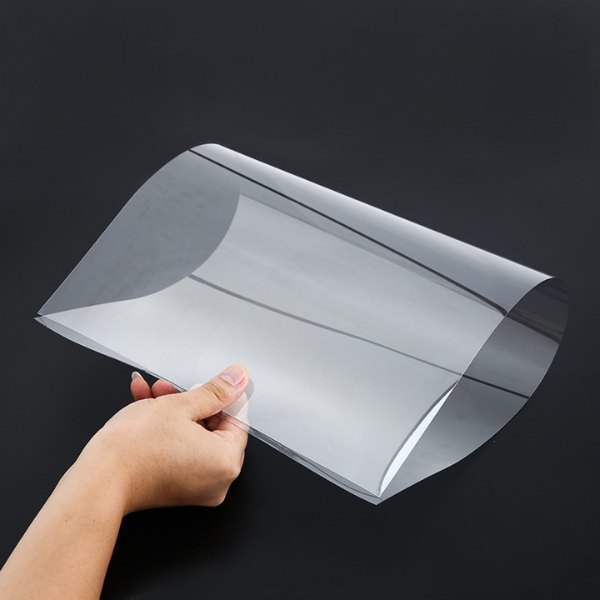
BOPET is biaxially oriented PET film. Its properties make it useful as a printable web or a component of flexible packaging. When heat matters, the grade’s dimensional stability and the behavior of the complete structure deserve particular attention.
Heat-stabilized polyester grades are available for applications with tighter dimensional requirements. Their existence also illustrates why a generic PET name is insufficient: different processing histories and grades can deliver different shrinkage behavior under the same test conditions.
CloudFilm’s APET and PET film comparison explains how rigid sheets and flexible films fit into tray, lid and pouch projects.
CPET: a route to ovenable tray applications
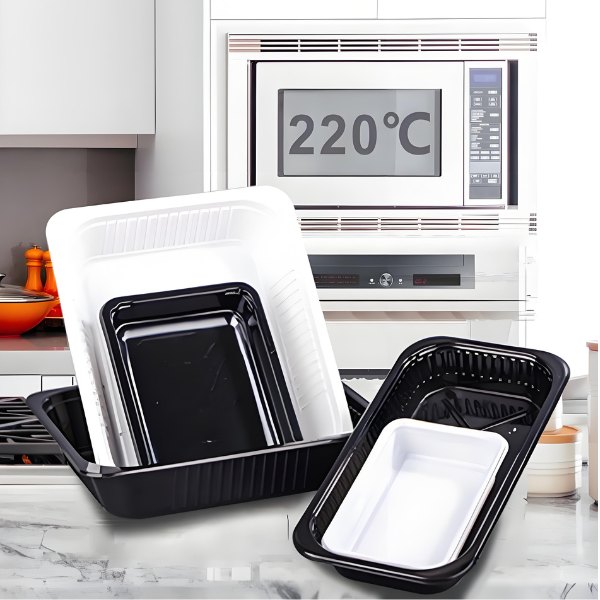
CPET is crystallized PET used in heat-resistant tray applications. As one product-specific example, Faerch lists CPET trays for use from freezer conditions to ovens reaching 220°C. This is a manufacturer’s stated application range, not a blanket rating for every PET product.
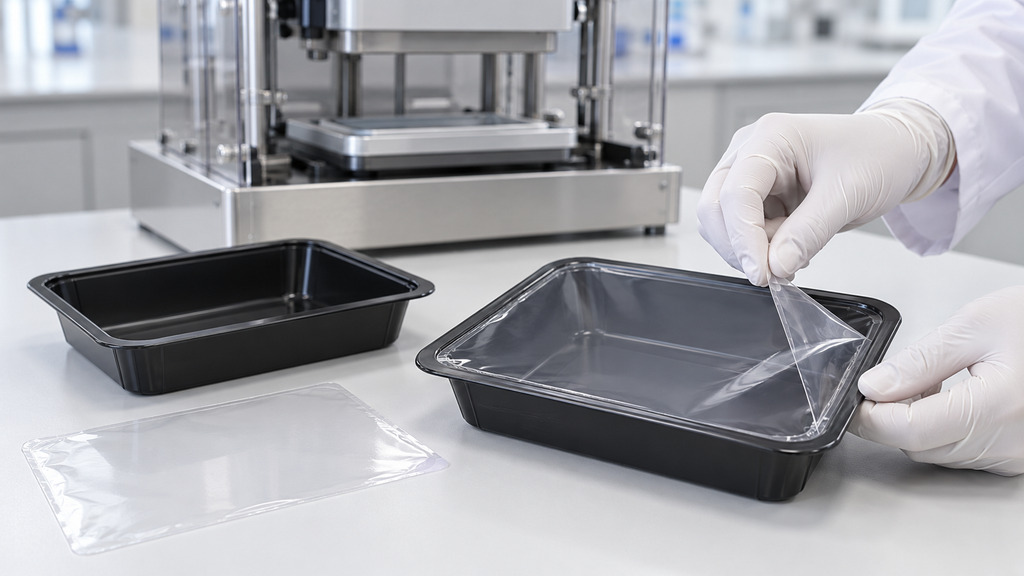
For a CPET project, confirm the tray geometry, food load, heating duration and handling requirements with the supplier. The lid also needs its own assessment. A suitable tray does not automatically qualify every film that can seal to its rim.
Why PET Melting Temperature Is Not a Working Limit
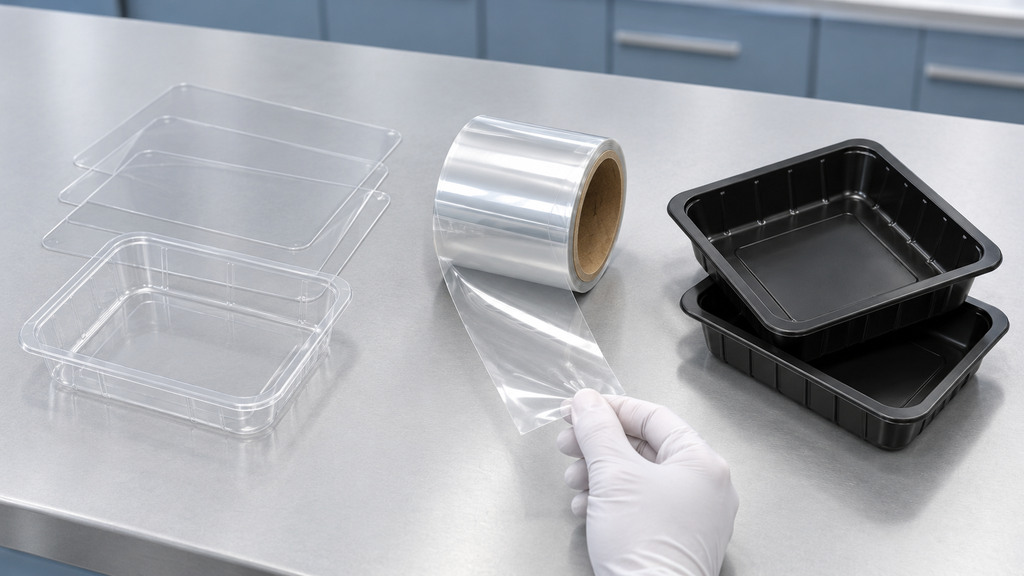
A melting temperature describes a material transition. It does not tell a buyer how much a film will shrink, whether a loaded tray will distort or whether an adhesive bond will remain satisfactory during a particular process.
For example, the manufacturer’s Melinex 339 datasheet lists an upper melting range of 255–260°C, while separately reporting shrinkage after five minutes at 190°C. These are different measurements for that grade, and neither should be transferred to an unrelated packaging film.
This industrial-film example explains how to read thermal data; it is not a food-packaging recommendation. The datasheet states that this grade has not been assessed against food-contact legislation.
A datasheet may therefore contain several thermal values that answer different questions. Compare the property name and test conditions before comparing the numbers. A high melting value cannot substitute for application-specific dimensional or package-performance data.
Read shrinkage results with their test conditions
Look for the exposure temperature, duration and whether the sample was restrained. Film data may distinguish machine direction, or MD, from transverse direction, or TD. A result without these details is difficult to use when assessing a converting process.
Ask whether the published figures are typical values or agreed specification limits. Then define an acceptable change for your own product. A material that works well for a small label may still be unsuitable for a web with demanding print-registration requirements.
Heat Sealing, Hot Filling, Retorting and Baking Are Different
These operations expose packaging to heat in different ways. Approval for one does not demonstrate suitability for another. Identify the exact operation before selecting a film, comparing quotes or approving a sample.
Heat sealing
Heat sealing joins compatible surfaces under controlled temperature, pressure and dwell time. A PET-based film can incorporate a dedicated sealing layer. The supporting PET and that seal layer perform different jobs within the structure.
When considering heat sealable PET film, specify the surface being sealed, the required opening behavior and the machine conditions. A sealing-jaw setting should not be presented as the film’s continuous operating temperature or oven-use rating.
Hot filling
Hot filling exposes the pack to the product’s filling temperature and subsequent cooling cycle. Bottle design, wall distribution and processing history can matter alongside the resin. A bottle intended for cold filling should not be substituted into a hot-fill project without validation.
For flexible packs, assess the sealing layer, bonds and handling while the contents remain hot. Share the actual filling temperature and cooling sequence, rather than asking only whether PET is generally heat resistant.
Retort processing
Retort packaging requires evaluation of the complete construction under the specified temperature, pressure and time profile. The outer film is only one component. Sealant, adhesive, printing and barrier layers must also be suitable for the intended process.
Do not approve a retort pouch from an outer-film datasheet alone. Agree on package-level acceptance criteria, including seal integrity and any required bond, appearance and barrier checks after processing. Repeatability matters as much as one successful sample.
Oven and microwave heating
Use finished packaging intended for the particular heating method and follow its instructions. Ovenable PET films and CPET trays exist, but their availability does not make every PET film, bottle or food container suitable for reheating.
Microwave suitability and conventional-oven suitability are separate claims. For a ready-meal project, verify whether the lid stays on, is pierced or is removed. The preparation instructions must match the tested tray-and-lid combination.
CloudFilm’s CPET film page introduces materials for tray projects. Application limits should be confirmed for the selected grade and finished pack before commercial use.
Evaluate the Whole Packaging Structure
The outer film can remain visually acceptable while another component fails. A purchasing specification should therefore describe the complete laminate or tray-and-lid system, not just the PET layer. Include any coating or functional layer that influences the intended process.
For a laminate, identify each layer and its purpose. For a tray system, identify the tray material, rim design and lidding construction. Confirm whether the supplier is quoting a base film, a coated film or a finished laminate.
A useful project review separates physical performance from food-contact suitability. Shape retention and strong seals do not, by themselves, establish suitability for contact with a particular food at a specified temperature and duration. Request documentation covering the actual intended use.
Also consider the point at which the pack is opened or handled. Acceptance testing should reflect the intended workflow, including cooling where relevant. Inspecting only a cold, empty specimen may miss a problem that appears with a filled pack during normal use.
A Practical Checklist for Selecting PET for Heat Exposure
- Define the use before choosing the material
State whether the project involves a bottle, rigid tray, flexible lid, pouch or industrial film. Describe the contents and process. This prevents a supplier from selecting a grade for the wrong type of heat exposure.
- Write down the full thermal cycle
Specify the highest relevant temperature, time at temperature and heating method. Add pressure or web tension where applicable. Include cooling, storage and any later consumer reheating so the specification covers more than the production line.
- Set measurable acceptance criteria
Choose criteria that reflect the real risk: dimensional change, tray deformation, seal leakage, peel behavior, bond strength or appearance. Agree how and when each property will be assessed, instead of relying on a general statement that a sample “looks fine.”
- Check documents for the proposed grade
Request the current technical datasheet and relevant intended-use documentation. Match the product code to the quotation and sample label. Clarify which properties are typical information and which will be controlled against an agreed specification.
- Test the finished package on the intended process
Use representative contents, equipment settings and the proposed commercial structure. Record results and changes. Once a construction is accepted, define which material or process changes require review before further supply.
Prepare a focused inquiry
To start a discussion with CloudFilm, share the application, temperature and heating duration first. Then add the intended structure, thickness, width and quantity if known. A current sample or specification can help clarify details that are difficult to describe in words.
This approach gives a film supplier useful information without requiring the buyer to select every technical parameter in advance. It also makes quotations easier to compare because each supplier is responding to the same operating conditions.

Frequently Asked Questions
- Does a PET recycling mark mean the container can be heated?
No. A material-identification mark does not provide instructions for microwave or oven use. Check the finished package’s stated use and heating instructions. For a packaging project, obtain confirmation for the exact article rather than relying on its resin identification alone.
- Can I use a thermal-shrinkage test temperature as a service rating?
No. It describes the conditions of that measurement. Review the measured change and test method, then assess whether the grade meets your application requirements. A test performed at a certain temperature does not automatically approve continuous use at that temperature.
- Does thicker PET always solve a heat problem?
No. Thickness can affect stiffness and handling, but it does not replace the correct grade, structure or heat treatment. If the problem involves seal compatibility or laminate bonding, increasing the PET thickness may not address the cause.
- Is a clear PET lid suitable for every CPET tray?
No. Confirm sealing compatibility, opening behavior and heating suitability for the pair. Ask whether the lid must remain attached during cooking and whether venting is required. Clarity and material name cannot establish compatibility with a particular tray and heating cycle.
- Can recycled content alone tell me how heat resistant PET is?
No. Recycled-content percentage does not establish an application temperature. Evaluate the particular grade and finished article using relevant performance data and intended-use documentation. Avoid assuming that the presence or absence of recycled content answers the whole selection question.
- What is the most useful first question to ask a supplier?
Ask whether a specific grade and complete structure are suitable for your stated temperature, time and heating method. That question is more actionable than asking for PET’s maximum temperature, and it leads directly to the documents and trials needed for selection.