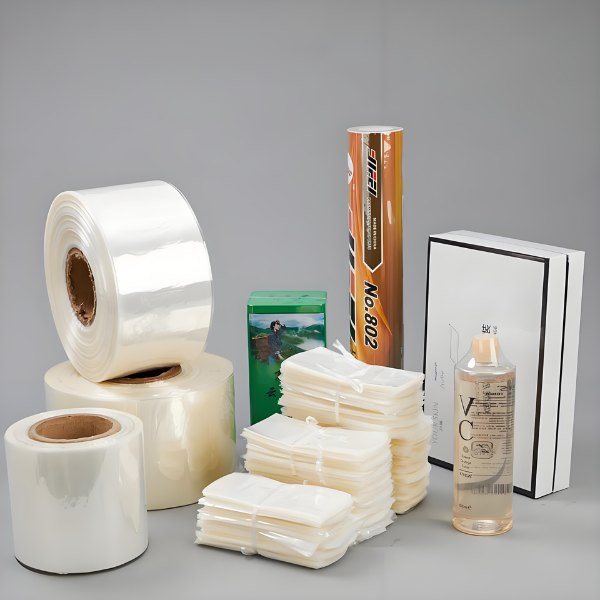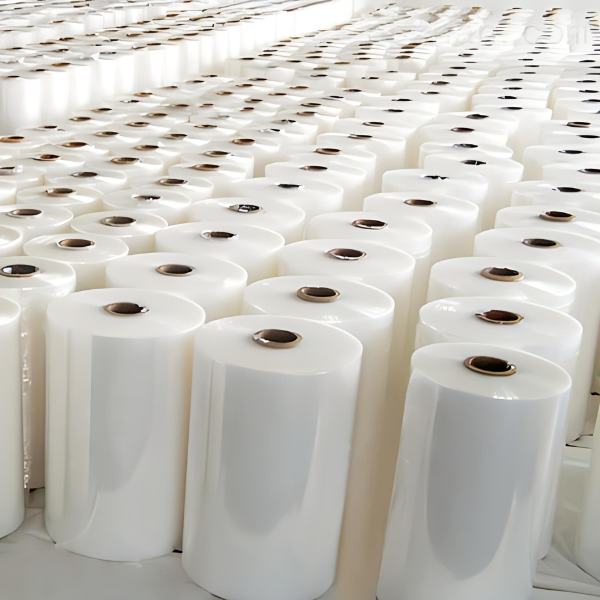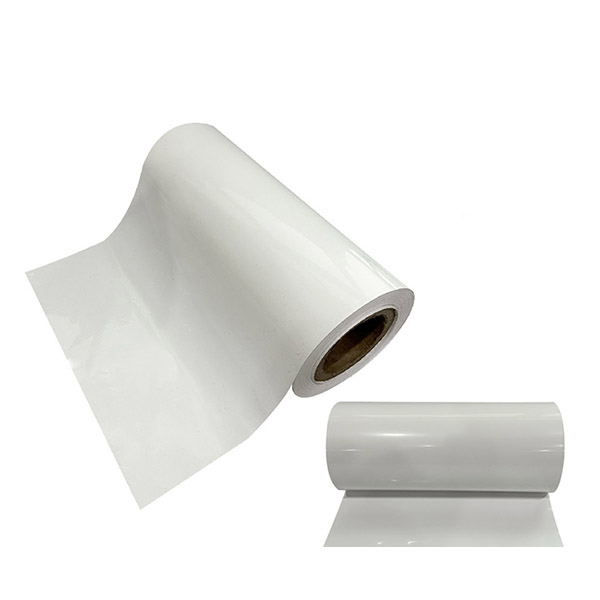
When buyers search for PVC PETG, they are usually not looking for a simple material definition. In most packaging projects, they want to compare two common shrink materials and decide which one is more suitable for their bottles, labels, sleeves, boxes, promotional packs or retail packaging line.
PVC and PETG can both be used in shrink film and shrink sleeve applications, but they are not the same in shrink behavior, appearance, environmental profile, processing window, cost structure or suitable end use. For a packaging buyer, printer, converter, brand owner or importer, choosing the wrong film can lead to sleeve distortion, poor label appearance, unstable shrinkage, excessive waste, or unnecessary cost.
This guide explains the real difference between PVC shrink film and PETG shrink film from a buyer’s point of view. It also gives practical selection advice for shrink sleeves, bottle labels, retail packaging, cosmetic packaging, beverage labels and general heat shrink applications.
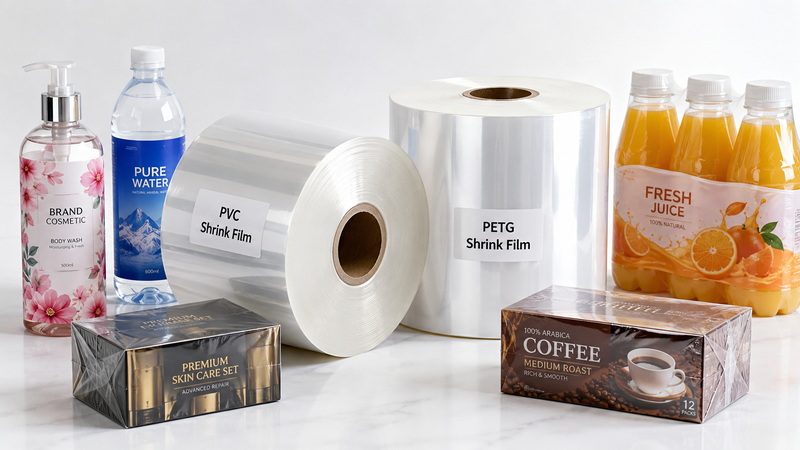
What Are PVC and PETG in Shrink Packaging?
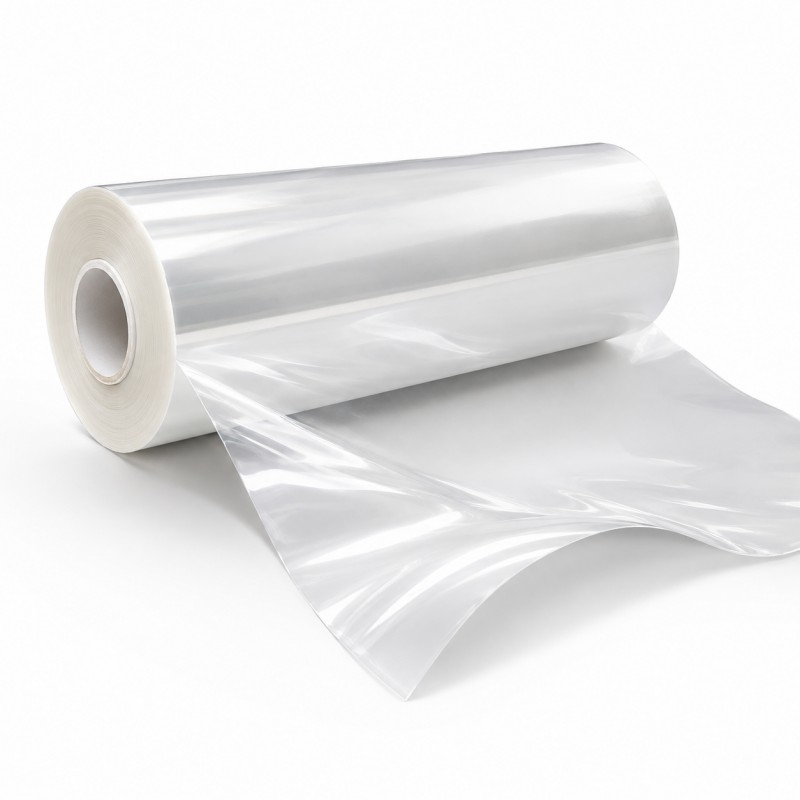
PVC stands for polyvinyl chloride. In shrink packaging, PVC shrink film is known for strong shrink force, good gloss, clear display and competitive cost. It has been used for many years in retail packaging, tamper-evident bands, promotional bundles, stationery, boxes, toys, cosmetic gift packs and other non-food or indirect packaging applications.
PETG stands for polyethylene terephthalate glycol-modified. In shrink packaging, PETG shrink film is often used for high-quality shrink sleeves and bottle labels. It offers high clarity, excellent gloss, strong shrink performance and good printability. PETG is especially popular when the package shape is curved, irregular or requires a full-body sleeve with high visual impact.
For buyers who are comparing film options, the first question is not simply “Which material is better?” The better question is: “Which film fits my product shape, shrink tunnel, printing process, regulatory needs, appearance level and target price?”
If your project is focused on full-body sleeve labels, high-end bottle decoration or premium retail presentation, PETG shrink film is often the stronger candidate. If the project is cost-driven and mainly needs tight shrink wrapping for suitable non-food items, PVC shrink film can still be considered for certain applications.
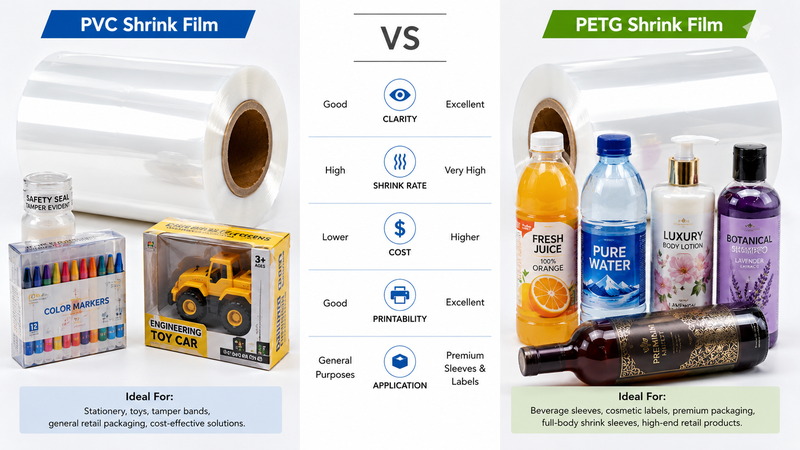
PVC vs PETG Shrink Film: Key Differences
The two films may look similar before shrinking, but they behave differently during printing, sleeving, heat shrinking, transportation and final shelf display. A buyer should compare them across several practical points instead of making a decision only by price.
Material Character and Appearance
PVC shrink film usually has good gloss and acceptable clarity. It can create a tight, smooth appearance on many regular-shaped products. For low-to-medium value retail packs, it can deliver an attractive result at a competitive cost.
PETG shrink film usually provides higher clarity, stronger visual brightness and a more premium label appearance. It is especially suitable for products where the package itself is part of the brand image, such as beverages, cosmetics, personal care, household products, health products and specialty retail items.
Shrink Performance
PVC normally has strong shrink force and can shrink tightly around products. However, the shrink behavior must be matched carefully with the product shape and shrink tunnel conditions. Excessive or uneven heat may cause distortion, wrinkles or poor appearance.
PETG can offer high shrinkage and is widely used for full-body shrink sleeves. It is suitable for bottles with curves, shoulders, narrow waists, tapered areas or irregular profiles. For sleeve labels that must cover a large surface area and still remain visually clean, PETG is often preferred.
Processing Window
PVC can be easier to run in some traditional shrink packaging lines, especially for simple overwrap and standard shrink packaging. However, temperature control remains important.
PETG requires correct shrink tunnel settings, good sleeve design and suitable film grade selection. Once the structure and process are matched, PETG can produce excellent sleeve results with strong shelf appeal.
Environmental and Market Preference
In many export markets, buyers are more careful about material selection, recyclability discussions, chlorine-containing materials and brand sustainability claims. This does not mean PVC has no market, but it does mean buyers should check the target market’s packaging requirements before confirming PVC.
PETG is commonly selected when brands want a more modern sleeve material and a cleaner positioning for beverage labels, personal care labels and high-end retail packaging. For projects with stronger market image requirements, PETG often has an advantage.
Cost Position
PVC is usually more cost-sensitive and can be attractive for budget-driven packaging. PETG is normally positioned as a higher-performance material, especially for premium shrink sleeves and high-clarity label applications.
For a serious purchasing decision, the unit price per kilogram is only one part of the calculation. Buyers should also consider printing waste, sleeve rejection rate, shrink tunnel efficiency, final package appearance, customer complaints and total packaging value.
Which Film Is Better for Shrink Sleeves?
For shrink sleeves, especially full-body bottle labels, PETG is usually the better choice. This is because shrink sleeves must not only shrink tightly; they must also keep printed graphics aligned, smooth and attractive after heating.
A shrink sleeve may need to follow the shoulder, body, waist and base of a bottle. If the film does not shrink evenly or if the grade does not match the package design, the final label may show waves, wrinkles, barcode distortion, poor edge fit or color misalignment.
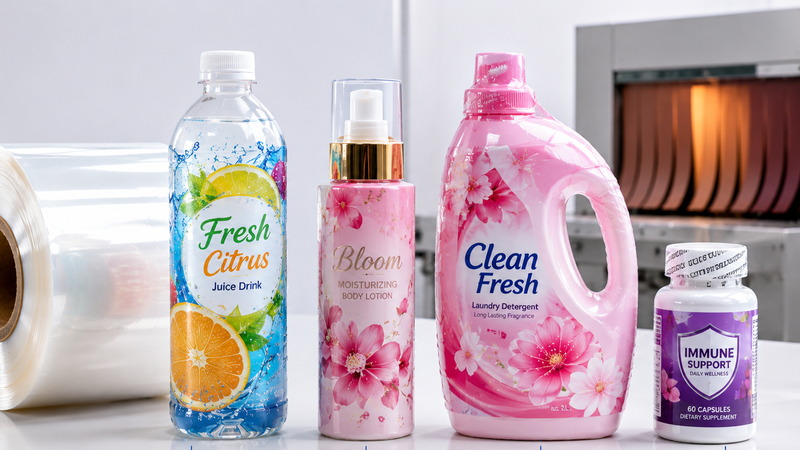
PETG shrink film is widely used for:
- Beverage bottle sleeves
- Cosmetic bottle labels
- Personal care packaging
- Household chemical bottle labels
- Health product packaging
- Full-body promotional sleeves
- Irregular bottle shapes
- High-clarity retail display packaging
PVC shrink film can also be used for some sleeve and label applications, but it is more suitable when the project is cost-sensitive, the product shape is not too demanding, and the target market accepts PVC material.
For buyers who are comparing several shrink options beyond PVC and PETG, CloudFilm’s shrink film collection can help match different films to different packaging levels, including retail wrapping, bottle labeling, food overwrap, beverage bundling and transport packaging.
When Should You Choose PVC Shrink Film?
PVC shrink film is still useful in specific packaging projects. It should not be rejected automatically, especially when the application is suitable and the buyer understands the target market requirements.
Choose PVC When Cost Is a Major Factor
If the project is highly price-sensitive and the package does not require a premium full-body sleeve effect, PVC can be a practical option. Many buyers use it for promotional packs, stationery, gift boxes, small consumer goods, low-value retail packaging and general display wrapping.
Choose PVC for Certain Non-Food Retail Packs
PVC shrink film can work for products such as toys, CDs, printed boxes, stationery, hardware items and daily-use products. It can provide gloss, tight wrapping and tamper-evident protection.
Choose PVC When the Product Shape Is Simple
For regular boxes, simple bottles or standard products with less demanding shrink geometry, PVC can perform well if the shrink tunnel and sealing conditions are properly controlled.
Choose PVC When Existing Equipment Is Designed for It
Some packaging lines are already adjusted for PVC shrink film. If the buyer does not want to change tunnel temperature, sealing settings or line parameters, PVC may remain the easiest short-term solution.
However, buyers should confirm the target application, local market requirements, food-contact situation, printing needs and end-user expectations before selecting PVC. For many modern brand projects, especially export-oriented packaging, it is useful to compare PVC with PETG, POF and PE before making the final decision.
When Should You Choose PETG Shrink Film?
PETG shrink film is a strong choice when the package needs a premium appearance, high shrink performance and clear shelf presentation.
Choose PETG for Full-Body Shrink Sleeves
If your label covers most of the bottle surface, PETG is often the first material to evaluate. Full-body sleeves require stable shrinkage, clean print display and strong conformity to the bottle shape.
Choose PETG for Curved or Irregular Bottles
Many beverage, cosmetic and personal care bottles have shoulders, curves, waist areas and special shapes. PETG can help the sleeve follow these profiles while maintaining a high-quality visual effect.
Choose PETG for Premium Brand Presentation
When the packaging must look bright, clean and valuable on the shelf, PETG has strong advantages. Its clarity and gloss can help printed graphics look more vivid, especially for transparent or high-end containers.
Choose PETG When Print Quality Matters
Shrink sleeve printing requires stable film surface, good ink adhesion, accurate registration and predictable shrink behavior. PETG is often used by printers and converters who produce high-quality shrink labels for brands.
Choose PETG for Export-Oriented Packaging Projects
For overseas buyers, importers and brand owners, PETG may provide a better balance of appearance, performance and market acceptance for many sleeve label projects. It is especially useful when the buyer needs a long-term shrink sleeve film supplier with custom thickness, width and roll specifications.
PVC vs PETG vs POF vs PE: How to Avoid the Wrong Choice
Many buyers search for PVC PETG but later discover that another shrink film may be more suitable. PVC and PETG are important, but they are not the only options.
POF shrink film is often used for high-clarity retail overwrap, food packaging, gift packaging, books, cosmetics, boxed products and automatic packaging lines. It is flexible, clean and widely used when the buyer needs attractive overwrap rather than full-body bottle sleeves. You can review POF shrink film if your project is focused on clear retail overwrap or food-related outer packaging.
PE shrink film is more suitable for heavier-duty shrink packaging, beverage multipacks, tray wrapping, industrial bundles and pallet unitization. It is often used when strength, puncture resistance and load stability are more important than ultra-premium clarity. For beverage trays and transport packs, PE shrink film may be more suitable than PVC or PETG.
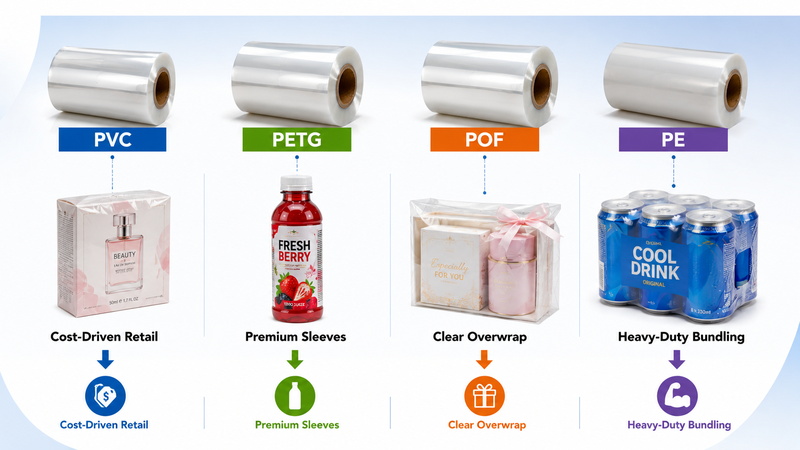
In simple terms:
- PVC is often used for cost-sensitive shrink wrapping and certain non-food retail packages.
- PETG is often used for premium shrink sleeves and bottle labels.
- POF is often used for high-clarity retail overwrap and many food-related outer packs.
- PE is often used for beverage bundles, tray packs and heavier transport packaging.
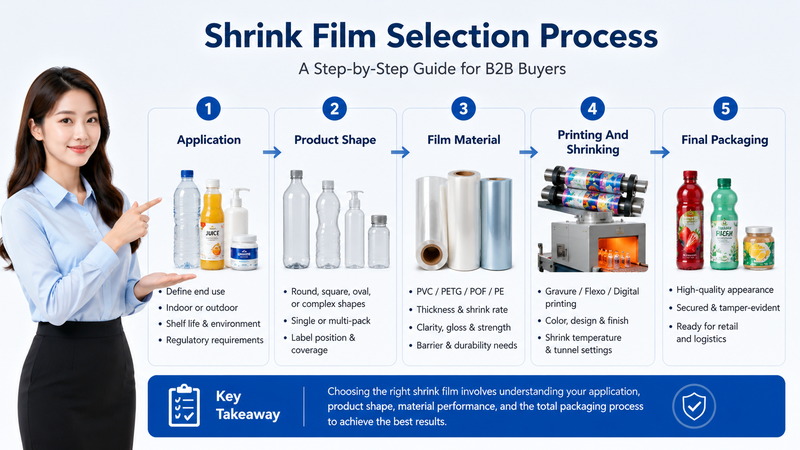
How to Select the Right Shrink Film for Your Project
A professional supplier or manufacturer should not recommend a film only by material name. The correct film depends on your actual product, package shape, printing design, machine conditions and target market.
Confirm the Final Application
The first question is application. Are you making a full-body shrink sleeve, a bottle neck band, a retail overwrap, a promotional multipack, a beverage bundle or a transport package? Each application requires different shrink force, shrink direction, thickness, seal strength and appearance.
Check the Product Shape
A straight-sided box is very different from a curved bottle. A round bottle is different from a square bottle. A container with shoulders and a narrow waist is more demanding than a simple cylinder. If the product shape is complex, PETG usually becomes more attractive for sleeve labels.
Confirm the Printing Method
Shrink sleeves are usually reverse printed and then seamed into sleeves. The film must support stable printing, good ink anchorage and proper conversion. Buyers should share the printing method, color count, artwork coverage, sleeve direction and expected finishing requirements.
Review Shrink Tunnel Conditions
Shrink tunnel temperature, air flow, conveyor speed and heat distribution strongly affect the final packaging result. Even a good film may fail if the tunnel setting is not suitable. A supplier should help the buyer understand the processing window before mass production.
Choose the Right Thickness and Roll Width
Typical thickness and width depend on product size, sleeve height, machine type, packaging speed and desired stiffness. Buyers should provide the bottle drawing, sleeve drawing or current film specification if available.
Consider Destination Market Requirements
If the product will be exported, the buyer should consider local packaging expectations, retailer preferences, food-contact requirements and brand material standards. This is especially important when comparing PVC and PETG.
Ask for Samples Before Bulk Orders
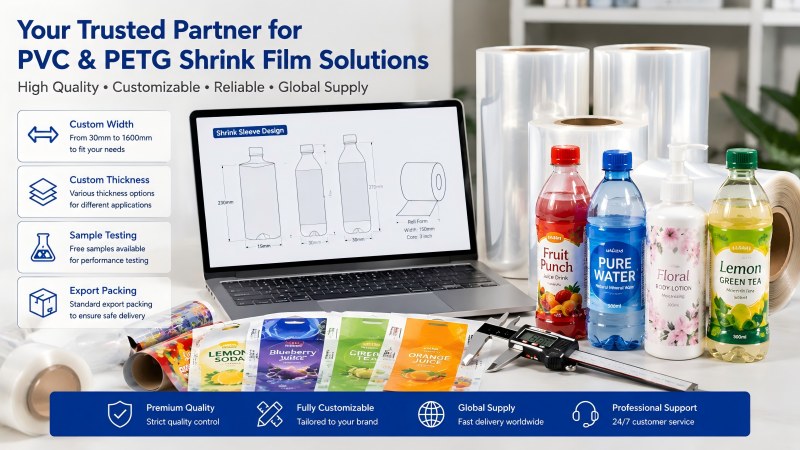
For new projects, sample testing is important. A small sample can help check printability, shrink result, sleeve fit, clarity, sealing, tunnel behavior and final appearance. For customized specifications, a supplier may need to confirm MOQ, lead time and trial conditions.
PVC and PETG Sheet: A Related Search Intent
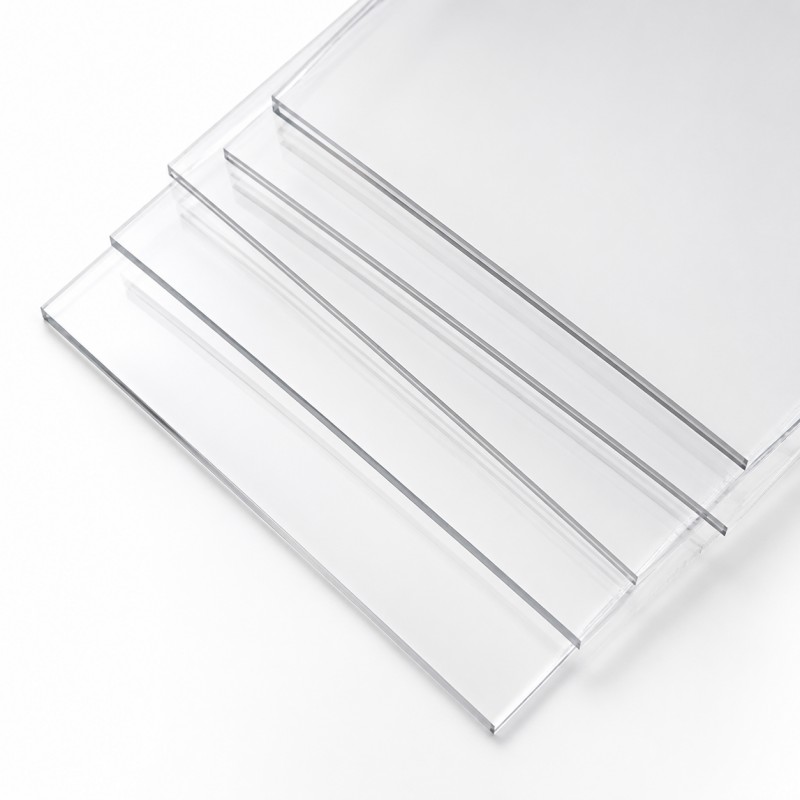
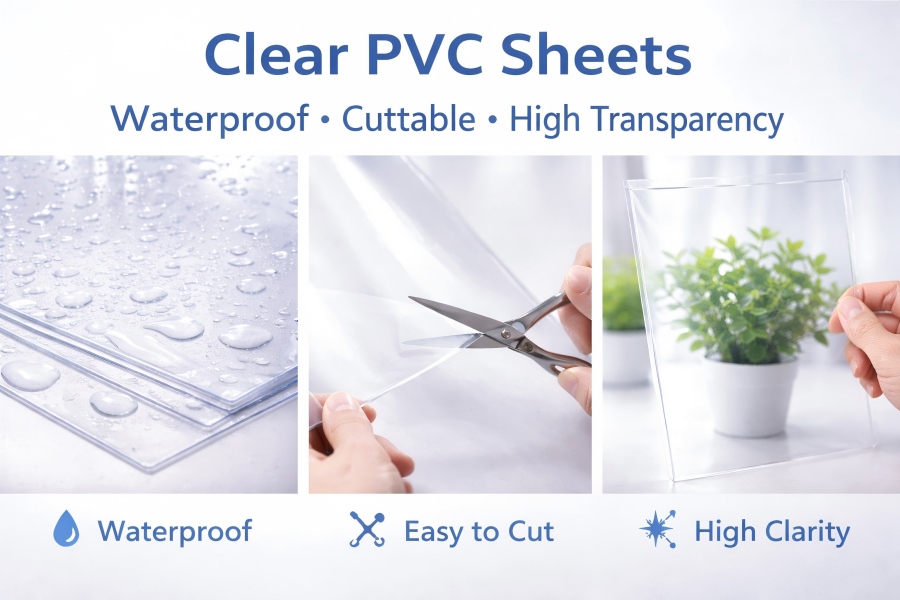
Some users who search PVC PETG are not looking for shrink film. They may be comparing rigid plastic sheet for thermoforming, folding boxes, blister packaging, display windows or protective covers.
PVC sheet and PETG sheet are both used in packaging and display applications, but their selection logic is different from shrink film. Sheet buyers usually care about thickness, rigidity, thermoforming depth, transparency, impact strength, printing, folding performance and cutting behavior.
For rigid packaging, PVC sheet can be used for blister packaging, folding boxes, display windows and industrial protection. PETG sheet is often selected for clear thermoforming sheets, folding boxes, display packaging and protective covers. For buyers who want a PET-based clear sheet structure, GAG sheet may also be considered for blister packs, clamshells and printed display sheets.
This matters because the keyword PVC PETG can have two different meanings. Some buyers need shrink film. Some buyers need plastic sheet. A good packaging supplier should first identify the actual application before recommending a material.
Common Applications of PVC and PETG Shrink Film
PVC and PETG shrink films are used in different packaging segments. Understanding these applications helps buyers avoid overpaying for a film they do not need or under-specifying a film for a premium package.
Beverage Bottles
PETG is widely used for full-body beverage sleeves because it can deliver strong shelf impact, high clarity and good shrink conformity. It is suitable for water bottles, juice bottles, dairy drinks, functional beverages and promotional bottle labels.
Cosmetic and Personal Care Packaging
Cosmetic packaging often needs a premium surface and clean visual effect. PETG shrink sleeves can help a bottle look more refined, especially when the design uses bright colors, metallic-style graphics or full-surface decoration.
Tamper-Evident Bands
Both PVC and PETG may be used for tamper-evident bands depending on the product, market and processing conditions. For simple cost-driven bands, PVC may still be considered. For premium bottles or export products, PETG may be more suitable.
Retail Boxes and Promotional Packs
PVC can be practical for certain retail boxes, promotional sets and non-food goods. POF may also be considered when the buyer wants a cleaner, high-clarity overwrap.
Irregular Containers
For irregular bottle shapes, PETG is usually the stronger option because sleeve appearance and shrink conformity are more demanding.
What Should Buyers Ask a Shrink Film Supplier?
A serious buyer should evaluate not only the film, but also the supplier’s ability to support real production. For B2B purchasing, technical communication can be as important as the material itself.
Ask About Film Grade and Application Match
Do not only ask for “PVC price” or “PETG price.” Tell the supplier your application and ask which grade is suitable. A professional supplier should explain why a certain film is recommended.
Ask About Thickness, Width and Shrink Direction
Shrink film specifications must match your sleeve layout and machine. Width, thickness, core size, roll length and shrink direction should be confirmed clearly before ordering.
Ask About Printing and Conversion
If you are a printer or converter, ask whether the film is suitable for your printing method, seaming process and cutting conditions. If you are a brand owner, ask your converter and film supplier to confirm the structure together.
Ask About MOQ and Lead Time
Custom shrink film often requires MOQ. Buyers should confirm MOQ, production lead time, sample policy, packing method and shipping options before placing an order.
Ask About Export Experience
For overseas buyers, a supplier with export experience can help reduce communication mistakes. Product specification, packing details, HS code discussion, shipping marks, documentation and after-sales support all matter in B2B trade.
CloudFilm is a China-based flexible packaging film supplier and manufacturer serving overseas buyers across shrink film, flexible packaging film and related packaging materials. For buyers who want to compare suppliers, the page about top shrink film manufacturers in China can help understand the broader supplier landscape.
Practical Buyer Decision Table
| Buying Situation | More Suitable Film | Reason |
|---|---|---|
| Full-body bottle sleeve | PETG | Better for premium appearance and complex bottle shapes |
| Curved cosmetic bottle | PETG | Strong shrink conformity and clear shelf display |
| Low-cost non-food retail wrap | PVC | Cost-effective for suitable simple applications |
| Food-related clear overwrap | POF | Clean clarity and common use in food outer packaging |
| Beverage tray multipack | PE | Stronger for heavier bundling and transport stability |
| Tamper-evident neck band | PVC or PETG | Depends on market, cost and quality level |
| High-end printed shrink label | PETG | Better for premium label graphics and shelf impact |
| Industrial bundle wrapping | PE | Better puncture resistance and load stability |
Recommendation for Packaging Buyers
For most high-quality shrink sleeve and bottle label projects, PETG shrink film is usually the safer and more premium choice. It is especially suitable when the buyer needs strong visual appeal, high shrinkage, clean print display and good performance on curved or irregular containers.
PVC shrink film can still be useful for cost-sensitive, simple and suitable non-food packaging applications. However, buyers should check market requirements and application conditions carefully before confirming PVC, especially for export packaging.
For retail overwrap, POF may be better than both PVC and PETG. For beverage bundles and heavy-duty secondary packaging, PE may be the more practical option. This is why material selection should always start with the product, not only with the material name.
If you are not sure which film to choose, prepare the following details before contacting a supplier:
- Product type and package shape
- Bottle or box size
- Sleeve or film width
- Required thickness
- Printing method
- Shrink tunnel type and temperature range
- Expected order quantity
- Destination market
- Packing and shipping requirements
With these details, a supplier can recommend a more accurate film structure, reduce trial waste and provide a more reliable quotation.
FAQs About PVC and PETG Shrink Film
Is PETG better than PVC for shrink sleeves?
For premium shrink sleeves and full-body bottle labels, PETG is usually better because it offers strong shrink performance, high clarity and good visual presentation on curved containers. PVC can still be used for certain cost-sensitive or simpler applications.
Is PVC shrink film cheaper than PETG shrink film?
In many cases, PVC is more cost-competitive than PETG. However, the lowest film price is not always the lowest total packaging cost. Poor shrink results, printing waste and rejected packages can increase the real cost of a project.
Can PVC and PETG both be printed?
Yes. Both materials can be printed, but the printing method, ink system, surface treatment and conversion process must match the film grade. For high-end shrink sleeves, PETG is commonly selected by printers and converters.
Which film is better for beverage bottle labels?
PETG is usually the better choice for full-body beverage bottle labels, especially when the bottle has curves, shoulders or a premium design. PE shrink film is more commonly used for beverage tray multipacks rather than individual sleeve labels.
Which film is better for cosmetic packaging?
PETG is often preferred for cosmetic bottle sleeves because it gives a cleaner and more premium appearance. PVC may be used for some cost-driven outer wrapping or simple retail packaging.
Can PVC shrink film be used for food packaging?
Buyers should be careful with PVC in food packaging and confirm local requirements, food-contact conditions and final application. For many food-related outer packaging projects, POF shrink film is often considered first.
What information should I send to get a quotation?
Send the product application, film material if known, thickness, width, roll length, core size, quantity, printing requirement, destination port and sample requirement. If you have drawings or photos of the product, send them as well.
What is the best thickness for PETG shrink film?
There is no single best thickness for all projects. The right thickness depends on bottle size, sleeve height, shrink ratio, machine speed and desired stiffness. A supplier should recommend thickness based on the actual package.
Can PETG shrink film be used for irregular bottles?
Yes. PETG is commonly used for irregular bottles and curved containers because it can provide strong shrink conformity and premium visual results when the sleeve design and tunnel conditions are correct.
Can PVC shrink film replace PETG shrink film?
Sometimes, but not always. PVC may reduce cost in some simple applications, but it may not deliver the same appearance or shrink performance for premium full-body sleeves. Testing is necessary before replacement.
Can PETG shrink film replace PVC shrink film?
In many sleeve label projects, yes. PETG can be used as a higher-performance alternative when the buyer wants better appearance, stronger market acceptance or improved sleeve quality. The final decision should consider cost, equipment and application.
Which film should I choose for retail overwrap?
For clear retail overwrap, POF is often a better option than PVC or PETG. It is widely used for gift boxes, books, cosmetics, food outer packaging and many automatic packaging lines.
Which film should I choose for multipacks?
For beverage multipacks, tray packs or heavier bundles, PE shrink film is usually more practical because it provides strength, puncture resistance and load stability.
Should I test samples before ordering bulk film?
Yes. Sample testing is strongly recommended for new materials, new packaging designs or new shrink tunnels. Testing helps confirm clarity, shrink result, print behavior, sealing and final appearance before mass production.
Final Thoughts
PVC and PETG are both useful packaging materials, but they serve different needs. PVC shrink film is mainly attractive for suitable cost-driven packaging, while PETG shrink film is stronger for premium shrink sleeves, bottle labels and high-clarity retail presentation.
A good packaging decision should not be based on material name alone. The right choice depends on product shape, application, printing design, tunnel settings, target market, quantity and total packaging value.
For buyers, converters, importers and brand owners, the best next step is to share the real package details with a professional shrink film manufacturer or supplier. With accurate information, you can select the right film faster, reduce trial waste and create packaging that looks clean, stable and market-ready.