Soft touch coating has become one of the most popular surface finishes for premium packaging, luxury printed materials, book covers, labels, cosmetic boxes, electronics packaging, and high-end flexible packaging structures. When a customer searches for “soft touch coating,” they are usually looking for more than a normal matte surface. They want a packaging finish that looks elegant, feels smooth in the hand, and helps the product stand out on crowded shelves.
For brands, converters, printers, packaging suppliers, and manufacturers, soft touch coating is not only a decorative effect. It is a practical way to add tactile value to packaging. A soft, velvet-like surface can make a box, pouch, label, or printed cover feel more premium before the customer even opens the product.
In many packaging projects, the same effect can be achieved in two main ways: applying a soft touch coating directly onto the printed surface, or using a ready-made soft touch film for lamination. Both solutions can create a smooth, low-gloss, high-end finish, but they are not the same in processing, performance, cost, and suitable applications.
What Is Soft Touch Coating?
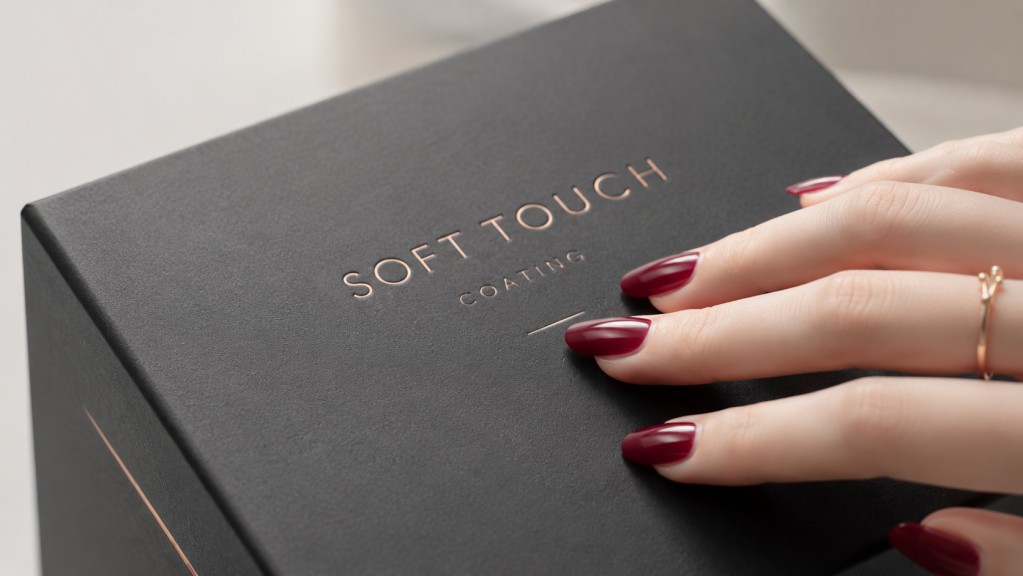
Soft touch coating is a special surface treatment that creates a smooth, soft, matte, and velvet-like hand feel on printed materials or packaging surfaces. It can be applied to paperboard, labels, cartons, covers, and some plastic film surfaces, depending on the coating type and production process.
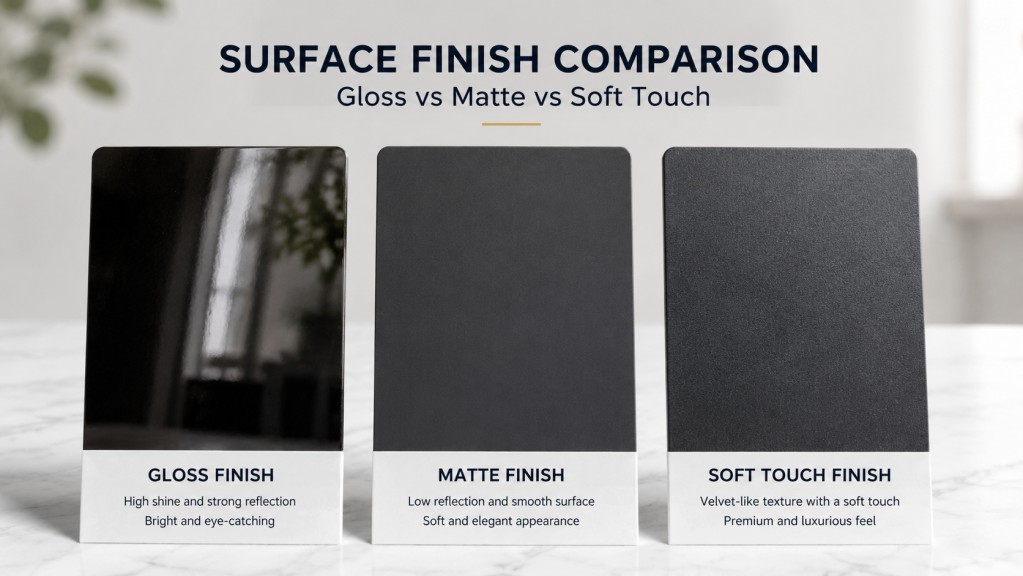
Compared with a normal matte coating, soft touch coating is more focused on tactile experience. A standard matte surface mainly reduces gloss and glare. Soft touch coating reduces gloss while also adding a warm, smooth, and premium feeling when touched by hand.
In simple words, soft touch coating gives packaging a surface that looks calm and elegant and feels soft, smooth, and expensive.
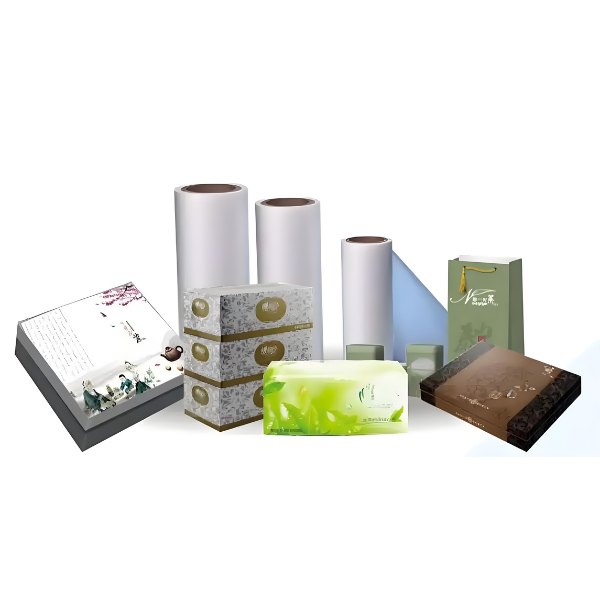
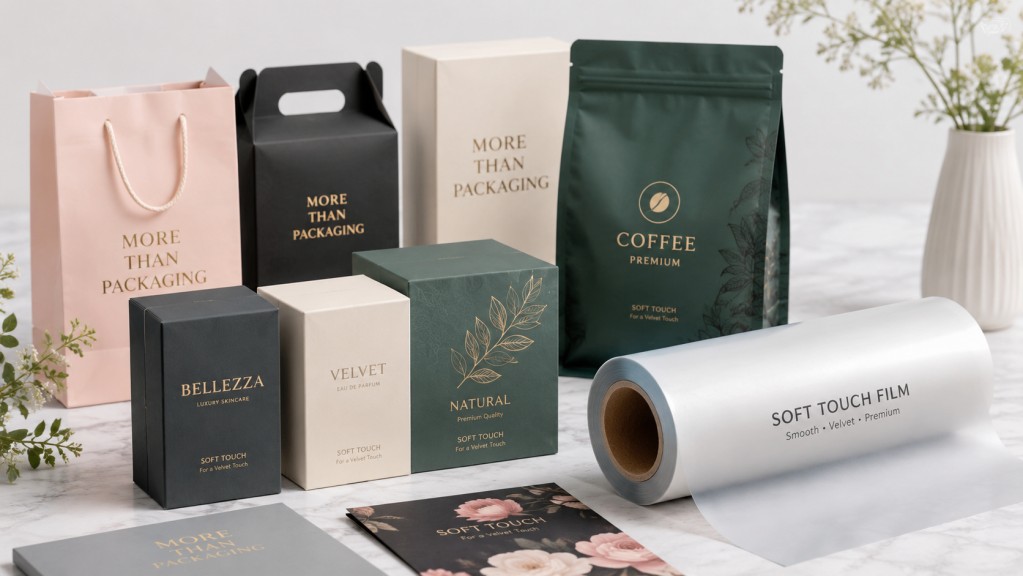
This is why it is widely used for luxury packaging, beauty products, perfume boxes, electronics packaging, wine and spirits boxes, chocolate packaging, coffee bags, premium labels, notebooks, catalogs, and presentation folders.
How Does Soft Touch Coating Feel?
The hand feel of soft touch coating is often described as velvet-like, suede-like, peach-skin, silky matte, or rubber-soft. The exact feel depends on the coating formula, substrate, coating thickness, curing method, and post-processing conditions.
A good soft touch surface should feel smooth and refined, not sticky or rough. It should reduce the cold feeling of ordinary plastic or printed paper and give the consumer a more comfortable touch experience.
For premium packaging, this tactile detail matters. Consumers may not know the technical name of the finish, but they can immediately feel that the packaging is different. This is one reason many brand owners choose soft touch coating or soft touch lamination film for high-value products.
Why Soft Touch Coating Is Used In Premium Packaging?
Packaging is not only a protective layer. It is also part of the brand experience. When a customer picks up a box, pouch, label, or printed card, the surface texture sends a message about product quality.
Soft touch coating helps brands create several important effects:
A More Premium First Impression
A low-gloss velvet surface looks more elegant than a shiny surface in many premium categories. It helps packaging appear calm, refined, and high-value under retail lighting.
Better Tactile Memory
A package with a special hand feel is easier to remember. This is especially useful for cosmetics, perfume, skincare, jewelry, electronics, gift packaging, and boutique food products.
Stronger Brand Differentiation
Many products compete in similar shapes and colors. Surface finish gives brands another way to stand out without changing the full packaging structure.
Better Appearance For Dark Artwork
Dark colors, black backgrounds, and deep solid printing often look more premium with a soft matte finish. Soft touch coating can help reduce glare and make graphics feel deeper and more sophisticated.
Added Value For B2B Packaging Projects
For packaging manufacturers, printers, converters, and suppliers, soft touch solutions can help upgrade ordinary packaging into premium packaging. This creates more value for brand customers and supports higher-end product positioning.
Soft Touch Coating Vs Soft Touch Film
Many buyers search for soft touch coating but may actually need soft touch film. The two solutions are related, but they are different.
Soft touch coating is usually a liquid coating applied directly onto the surface of paper, paperboard, or printed material. It may be UV coating, water-based coating, or other coating systems depending on the production line.
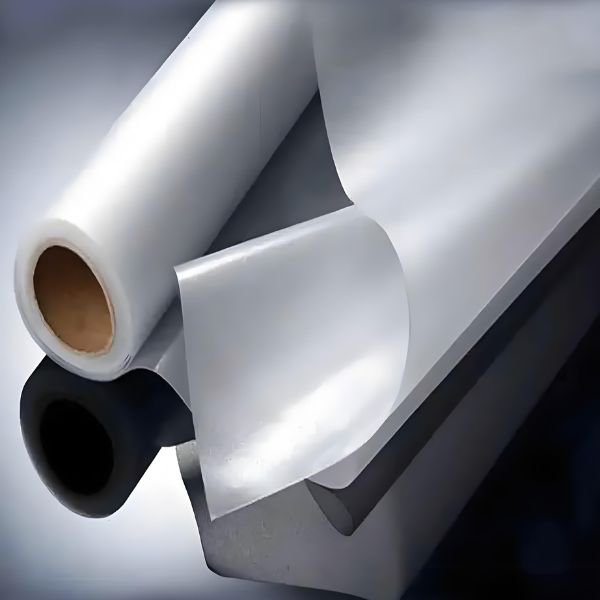
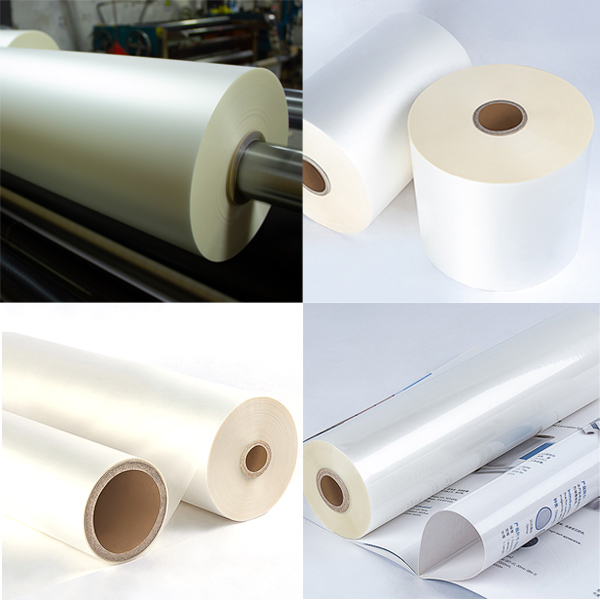
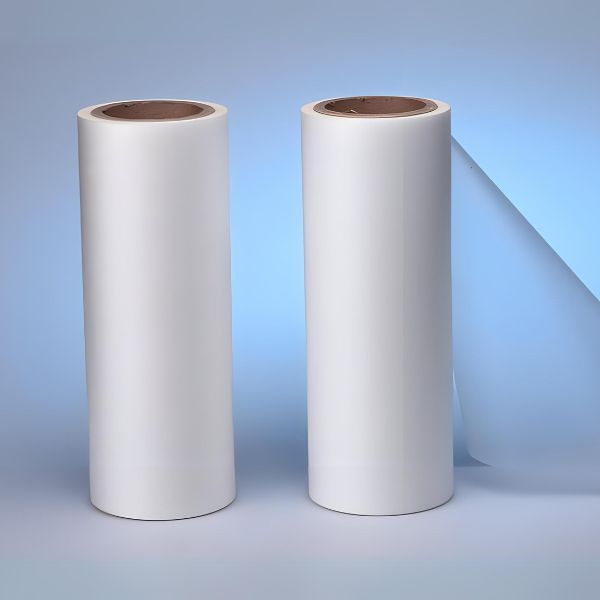
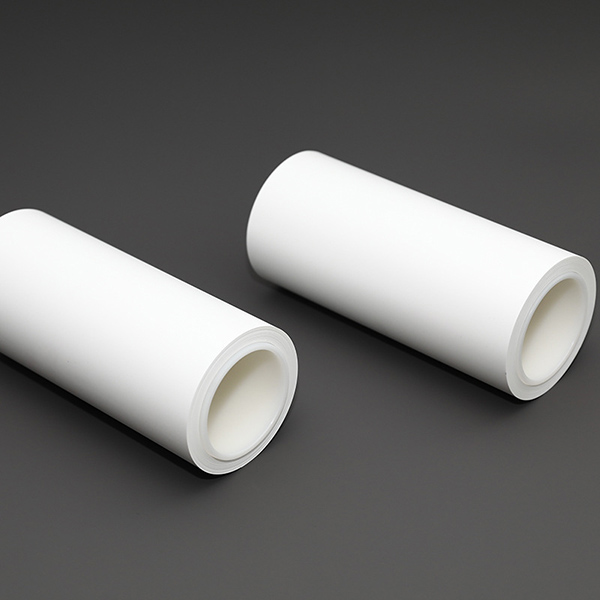
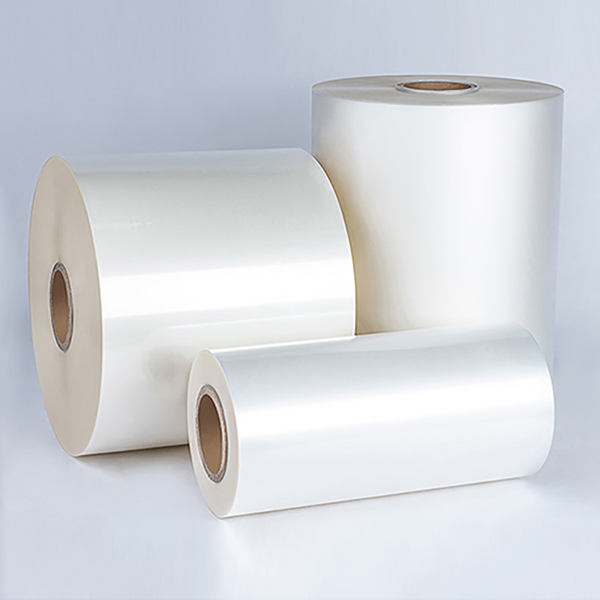
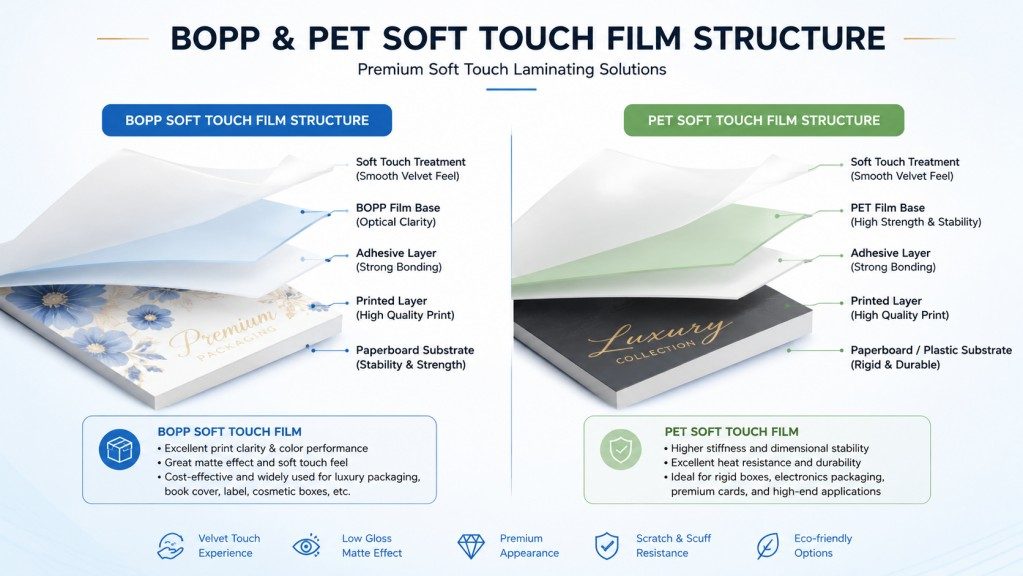
Soft touch film is a finished film with a soft touch surface. It is laminated onto printed paper, paperboard, or flexible packaging materials. Common options include BOPP soft touch film and PET soft touch film.
For example, Soft Touch BOPP Film is commonly used as a matte velvet laminating film for luxury cartons, book covers, labels, and premium packaging. It provides a soft hand feel, low-gloss appearance, and good converting performance.
For projects that need higher stiffness, heat resistance, or dimensional stability, Soft Touch Polyester Film can be a better choice. PET-based soft touch film is often considered for electronics, cards, durable printed materials, luxury packaging, and applications that need a stronger substrate.
Key Difference In Processing
Soft touch coating is applied as a coating process. Soft touch film is applied as a lamination process.
If a printer or packaging converter already has a coating line, direct coating may be convenient. If the converter uses lamination equipment, soft touch film may be easier to control and more stable for larger production.
Key Difference In Surface Consistency
Soft touch film is pre-manufactured under controlled conditions, so the surface effect can be more consistent from roll to roll. Coating quality depends heavily on coating equipment, operator control, drying or curing conditions, and substrate compatibility.
Key Difference In Structure
Soft touch coating adds a thin surface layer. Soft touch film adds both a surface effect and a film layer, which can improve appearance, stiffness, rub resistance, and protection of printed graphics.
Soft Touch Coating Vs Matte Coating
Soft touch coating and matte coating are often confused. Both can create a low-gloss surface, but they do not give the same customer experience.
Matte coating mainly focuses on visual appearance. It reduces reflection and gives the printed surface a non-shiny look.
Soft touch coating focuses on both visual appearance and hand feel. It creates a matte look while adding a smooth, velvet-like texture.
If the project only needs a cost-effective low-gloss surface, a standard matte film or matte coating may be enough. If the product needs a luxury tactile experience, soft touch coating or soft touch film is a better option.
For buyers comparing matte film solutions, BOPP Matte Film is a practical option for packaging and printing projects that require a low-gloss surface without the premium velvet hand feel of soft touch grades.
Common Applications Of Soft Touch Coating And Soft Touch Film
Soft touch surfaces are used across many industries where appearance and hand feel influence buying decisions.
Cosmetic And Skincare Packaging
Cosmetic brands often use soft touch surfaces for cream boxes, serum boxes, lipstick packaging, perfume cartons, and skincare gift sets. The velvet surface helps communicate softness, elegance, and personal care.
Electronics Packaging
Smartphone accessories, headphones, tablets, smart devices, and premium electronics often use soft touch finishes for packaging. The smooth matte texture matches the high-end feeling of modern electronic products.
Food And Beverage Packaging
Coffee bags, chocolate boxes, tea packaging, confectionery sleeves, wine boxes, and gift food packaging can all benefit from a soft matte surface. For flexible packaging, soft touch film is often used as the outer layer of a laminated structure.
Book Covers And Printed Materials
Premium book covers, catalogs, brochures, business cards, presentation folders, and notebooks use soft touch lamination to create a more memorable touch experience.
Labels And Stickers
Soft touch labels can improve shelf appearance for personal care products, beverages, candles, supplements, and boutique food items. The surface can also work with special finishing effects such as foil stamping, embossing, and spot gloss.
Luxury Gift Packaging
Gift boxes, jewelry boxes, promotional kits, and holiday packaging often use soft touch finishes to create a stronger unboxing experience.
Choosing Between BOPP Soft Touch Film And PET Soft Touch Film
When a packaging buyer chooses a soft touch film, the most common question is whether to use BOPP or PET.
BOPP soft touch film is usually preferred when the project needs good cost performance, a soft velvet feel, and reliable lamination for cartons, book covers, labels, and general premium packaging. It is often used in publishing, cosmetic cartons, luxury boxes, coffee packaging, and brand materials.
PET soft touch film is usually preferred when the project needs higher stiffness, stronger dimensional stability, better heat resistance, or a more rigid premium surface. It can be suitable for durable tags, cards, electronics packaging, automotive-related decorative surfaces, and high-end printed materials.
If the buyer is still comparing film families, this BOPP Vs BOPET Vs CPP Vs PE Packaging Film Guide can help explain how different packaging films perform in flexible packaging structures.
Important Performance Factors To Check
Before choosing soft touch coating or soft touch film, buyers should review several performance factors.
Surface Feel
The surface should feel smooth, soft, and premium. It should not feel sticky, powdery, or uneven.
Gloss Level
Soft touch surfaces are usually low-gloss. However, different grades may have different gloss and haze levels. Buyers should evaluate real samples under their own lighting conditions.
Scratch And Rub Resistance
Premium packaging often uses dark colors and full-coverage artwork. These surfaces can show scratches more easily. A good soft touch film should help protect printed graphics during handling, packing, shipping, and retail display.
Fingerprint Resistance
Some soft matte surfaces may show fingerprints or oil marks. For luxury packaging, fingerprint resistance should be tested with the actual artwork and post-finishing process.
Lamination Strength
If soft touch film is used, the bonding strength between the film and the printed substrate is important. The buyer should test the film with real ink, adhesive, paperboard, and lamination conditions.
Post-Finishing Compatibility
Many premium packaging projects also use foil stamping, embossing, debossing, spot gloss, window patching, or die cutting. The soft touch surface should be tested with these finishing steps before mass production.
Food Contact Requirements
For food packaging, buyers should confirm whether the soft touch layer is used as an outer layer, indirect-contact layer, or direct-contact layer. Compliance documents should be reviewed according to the target market and final packaging structure.
Buying Checklist For Soft Touch Film
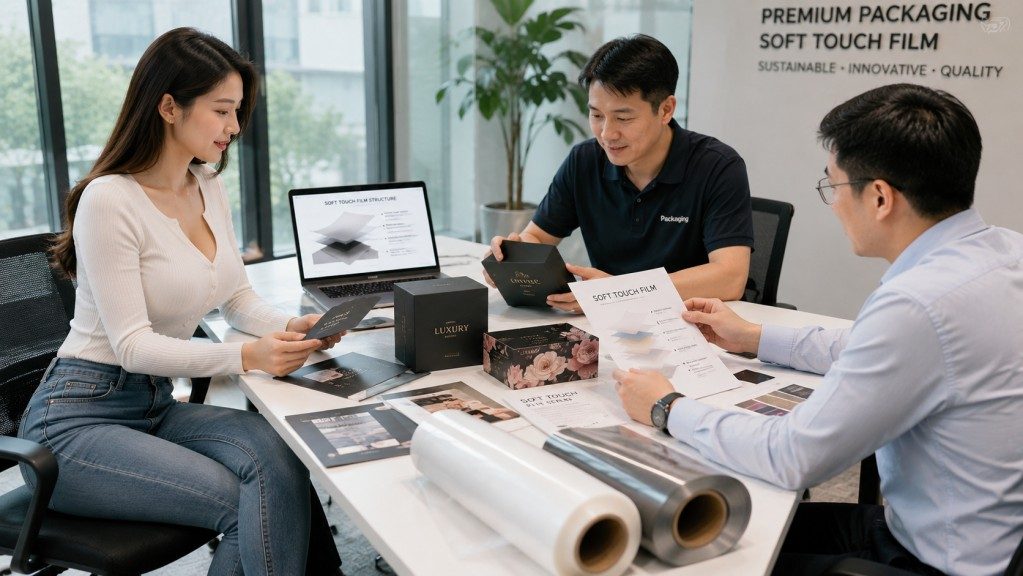
To get a fast and accurate quotation from a soft touch film manufacturer or supplier, buyers should prepare the following information:
End application, such as cosmetic box, coffee bag, label, book cover, electronics box, or gift packaging.
Material preference, such as BOPP soft touch film or PET soft touch film.
Target thickness, width, roll length, roll diameter, and core size.
Lamination method, such as wet lamination, thermal lamination, solvent-based lamination, or solventless lamination.
Printing method, such as offset, gravure, flexo, digital, or screen printing.
Required surface properties, such as anti-scratch, low gloss, fingerprint resistance, hot foil compatibility, or food packaging documents.
Expected order quantity and destination port.
If the full structure is not confirmed, buyers can still share the application, packaging format, artwork style, and target market. A professional packaging film supplier can help recommend a suitable direction before sampling.
How Soft Touch Packaging Supports Brand Value
Soft touch packaging is popular because it connects visual design with physical experience. A customer can see the matte surface and feel the smooth texture at the same time.
For high-end products, this can support a stronger price position. A perfume box, cosmetic carton, electronics box, coffee bag, or premium book cover feels more valuable when the surface is refined. This is especially important in markets where many products use similar structures and similar printing designs.
For packaging manufacturers and converters, soft touch coating and soft touch film are also useful upgrade options. They allow existing packaging formats to move into a more premium category without completely redesigning the package.
For brands looking for complete material guidance, this Flexible Packaging Solutions For Brands And Converters guide can help connect material choice, packaging structure, branding needs, and production requirements.
Common Mistakes To Avoid
The first mistake is choosing soft touch coating only by appearance. Buyers should always touch real samples and test them with the final printing and finishing process.
The second mistake is ignoring scratch and fingerprint performance. A beautiful soft matte surface can lose value if it marks too easily during transport or shelf display.
The third mistake is using the wrong substrate. BOPP and PET have different stiffness, heat resistance, and dimensional stability. The correct choice depends on application, equipment, and final structure.
The fourth mistake is skipping trial production. Soft touch packaging may involve printing, lamination, slitting, die cutting, foil stamping, and packing. Small trial runs help reduce risk before bulk production.
The fifth mistake is asking for price without enough technical details. A soft touch film supplier can quote more accurately when thickness, width, quantity, structure, and destination are clear.
FAQ About Soft Touch Coating And Soft Touch Film
1. What does soft touch coating mean?
Soft touch coating means a special surface coating that creates a smooth, matte, velvet-like hand feel on packaging or printed materials.
2. Is soft touch coating the same as matte coating?
No. Matte coating mainly reduces gloss. Soft touch coating reduces gloss and adds a soft tactile feeling.
3. What is soft touch film?
Soft touch film is a finished film with a soft velvet surface. It is usually laminated onto printed paper, paperboard, labels, or flexible packaging structures.
4. Which is better, soft touch coating or soft touch film?
It depends on the process. Coating may fit printers with coating equipment. Film may be better for converters who need stable lamination, surface protection, and consistent roll-to-roll quality.
5. What is BOPP soft touch film used for?
BOPP soft touch film is often used for luxury cartons, book covers, catalogs, premium labels, cosmetic boxes, gift packaging, and some flexible packaging structures.
6. What is PET soft touch film used for?
PET soft touch film is often used for applications that need higher stiffness, dimensional stability, heat resistance, or a more durable premium surface.
7. Can soft touch film be used for food packaging?
Yes, it can be used in suitable packaging structures, usually as an outer layer. The final structure and target market should be checked before production.
8. Can soft touch packaging be printed?
In most cases, printing is done before lamination, and the soft touch film is laminated over the printed layer. Some special structures may allow other processes, but testing is required.
9. Can foil stamping be used on soft touch film?
Yes, many soft touch surfaces can work with foil stamping, embossing, debossing, or spot gloss. However, the exact process should be tested with real materials.
10. Does soft touch coating scratch easily?
Performance depends on the coating or film grade. Premium soft touch films are often designed with better rub and scratch resistance than basic matte surfaces.
11. Does soft touch surface show fingerprints?
Some soft matte surfaces may show fingerprints. Buyers should test samples with dark artwork and real handling conditions.
12. What thickness is common for soft touch film?
Common soft touch BOPP film thickness is often in the range used for lamination films. PET soft touch film thickness depends on the application and required stiffness.
13. What information is needed for a soft touch film quotation?
Buyers should provide application, material preference, thickness, width, roll length, core size, lamination method, quantity, and destination port.
14. Is soft touch film suitable for luxury packaging?
Yes. Soft touch film is one of the most common material choices for premium and luxury packaging because it improves both appearance and hand feel.
15. How can I test soft touch film before bulk order?
Buyers can request A4 samples, small rolls, or trial rolls. The samples should be tested with real printing, lamination, finishing, and packing conditions.
Conclusion
Soft touch coating is a powerful surface finish for brands that want packaging to look elegant and feel premium. It creates a smooth, low-gloss, velvet-like surface that helps products stand out in cosmetics, electronics, food, beverage, labels, books, and luxury gift packaging.
For some projects, direct soft touch coating is the right choice. For many packaging manufacturers and converters, soft touch film is a more stable and production-friendly solution. BOPP soft touch film offers a strong balance of appearance, hand feel, and cost performance, while PET soft touch film provides higher stiffness, heat resistance, and dimensional stability for more demanding applications.
The best choice depends on the final application, substrate, printing method, lamination process, surface requirements, order quantity, and target market. By working with an experienced soft touch film manufacturer and supplier, buyers can test the right samples, confirm technical details, and turn a premium packaging idea into a reliable production-ready solution.