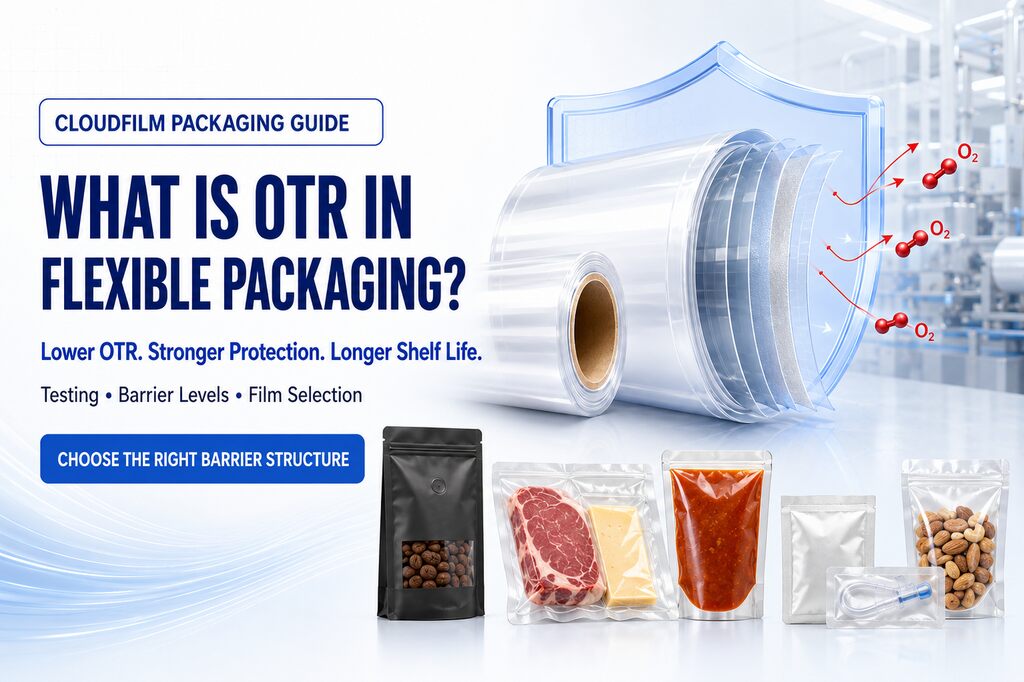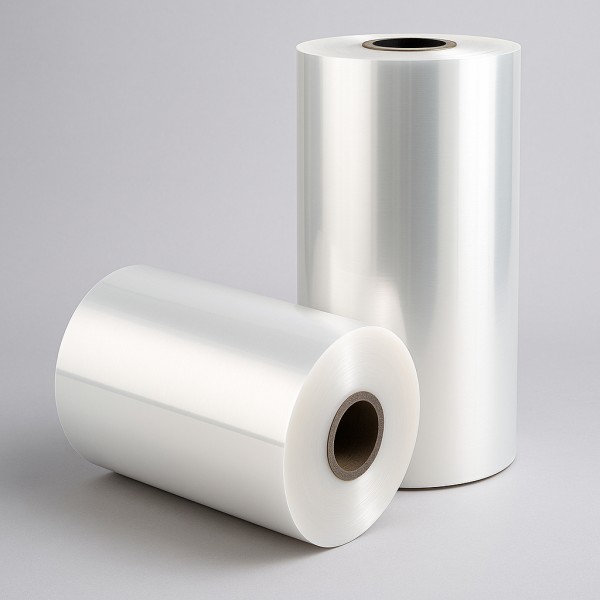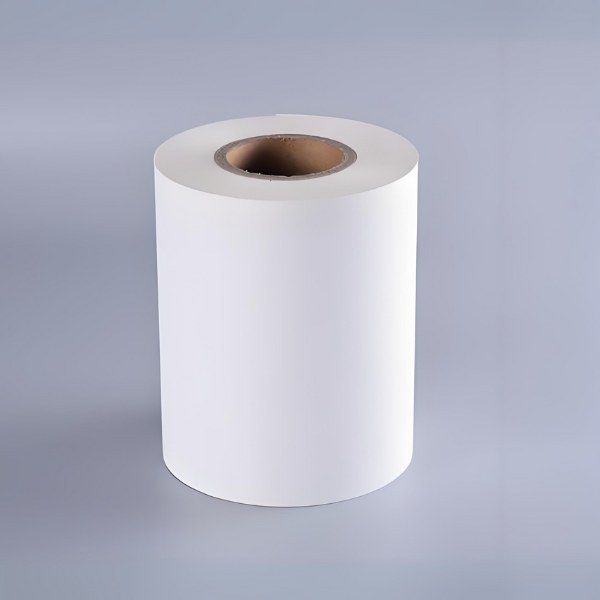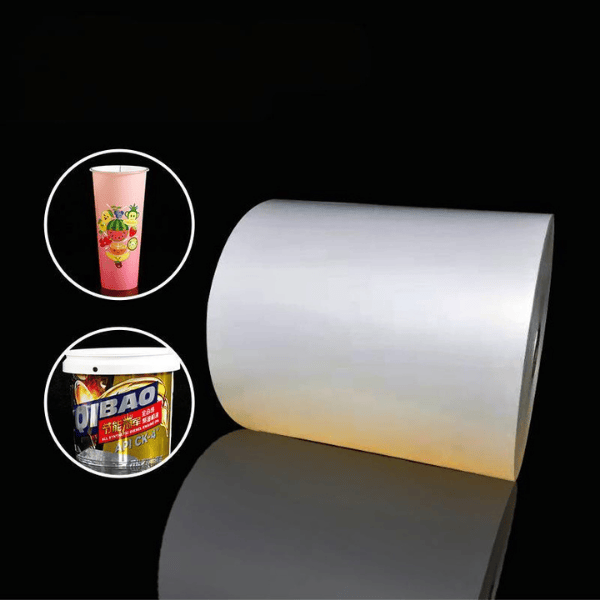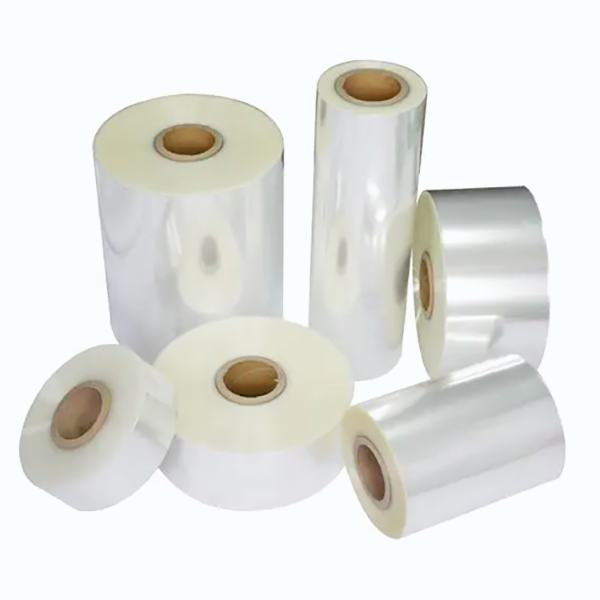
BOPP labels are widely used in modern packaging because they combine a clean printed look with strong resistance to water, oil, scuffing, and daily handling. For many food, beverage, cosmetic, household, and personal-care products, the label must stay clear, bright, and readable from production to retail shelf. BOPP label film helps make this possible.
For packaging buyers, label printers, converters, and brand owners, choosing the right BOPP label material is not only about appearance. It also affects printing quality, adhesive performance, die-cutting, labeling speed, product shelf appeal, and final packaging cost.
This guide explains what BOPP labels are, where they are used, what types of BOPP films are suitable for labels, and how to choose a reliable BOPP label film supplier or manufacturer for your packaging project.
What Are BOPP Labels?
BOPP labels are labels made from biaxially oriented polypropylene film. “Biaxially oriented” means the polypropylene film is stretched in two directions during production. This process helps improve film strength, clarity, stiffness, dimensional stability, and surface smoothness.
In the label industry, BOPP is used as a label face material or label film substrate. It can be printed, coated, laminated, metallized, or combined with adhesives depending on the final application. Compared with paper labels, BOPP labels usually offer better resistance to moisture, oil, tearing, and surface wear.
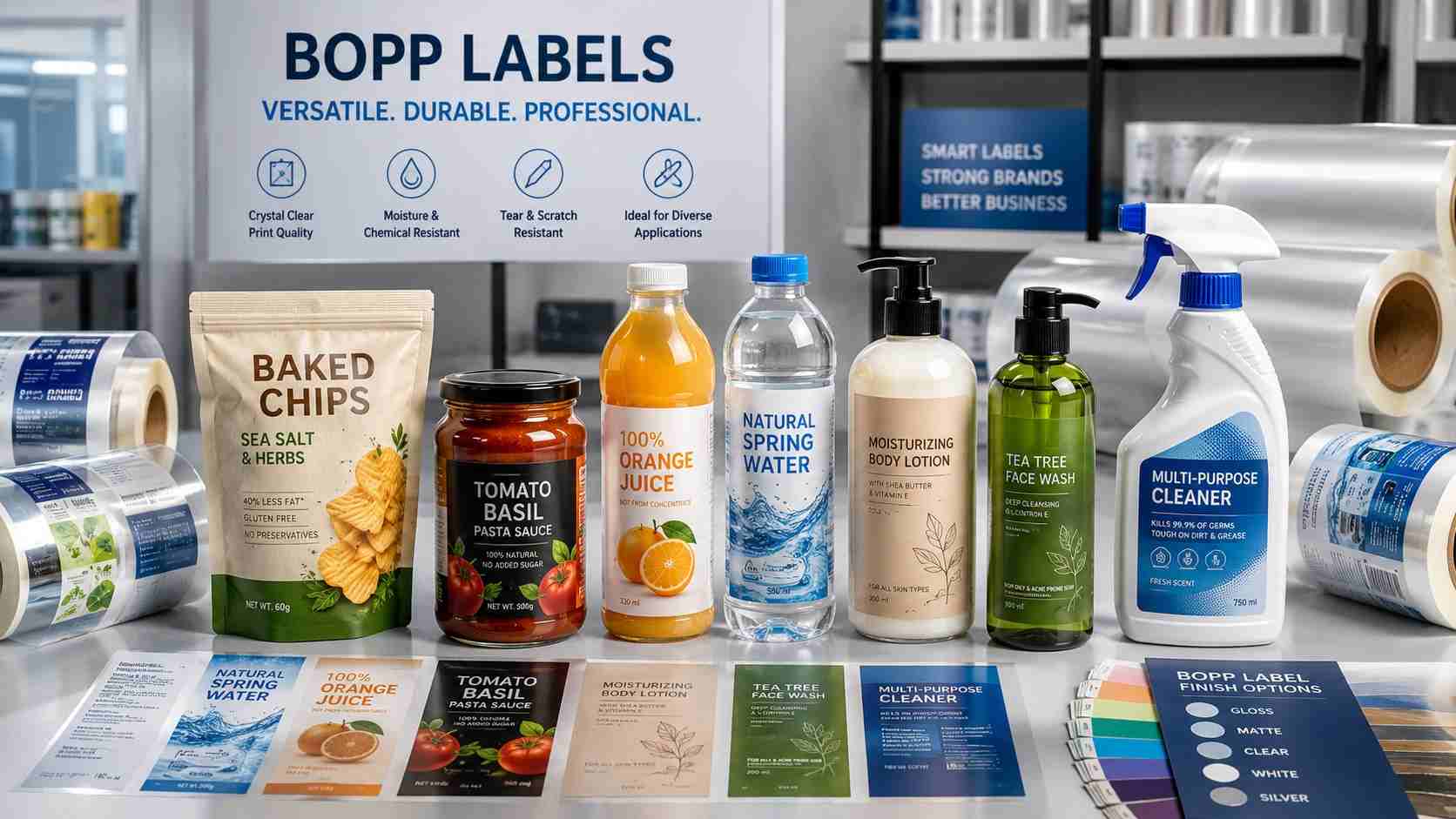
BOPP labels are especially useful when the product may face water, condensation, refrigeration, grease, oil, chemicals, or frequent handling. That is why they are common on beverage bottles, food jars, shampoo bottles, cosmetic packaging, cleaning products, frozen food packs, and premium retail packaging.
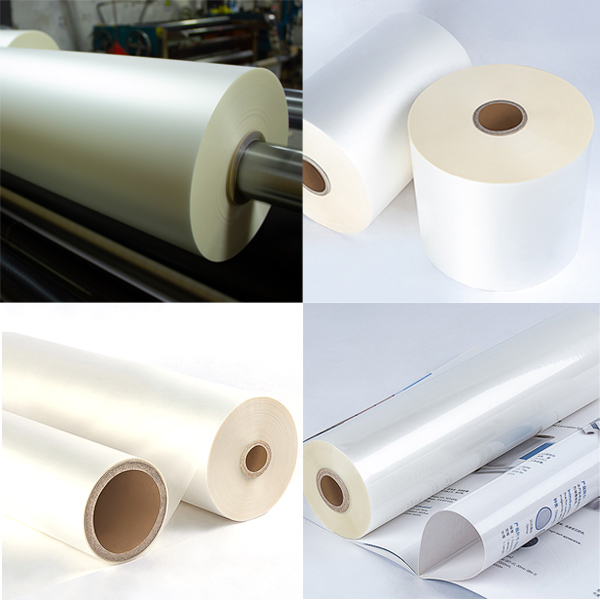
For buyers who need roll stock for printing or converting, BOPP film can be supplied in different thicknesses, surface treatments, finishes, and roll widths to match the printing and labeling process.
Why Are BOPP Labels Popular?
BOPP labels are popular because they solve several problems that paper labels often cannot handle well.
First, BOPP labels have good water and moisture resistance. When a product is stored in a refrigerator, placed in a bathroom, used near a sink, or exposed to condensation, the label needs to stay flat and readable. BOPP film helps protect the printed label from swelling, softening, or tearing easily.
Second, BOPP labels resist oil and grease better than many paper materials. This is important for food packaging, sauce bottles, cooking oil containers, cosmetics, lotions, candles, and personal-care products.
Third, BOPP labels provide a high-quality print surface. With the right surface treatment, ink can anchor well on the film, helping printed colors look sharp and stable. For label printers and packaging converters, this means better print quality and more reliable production.
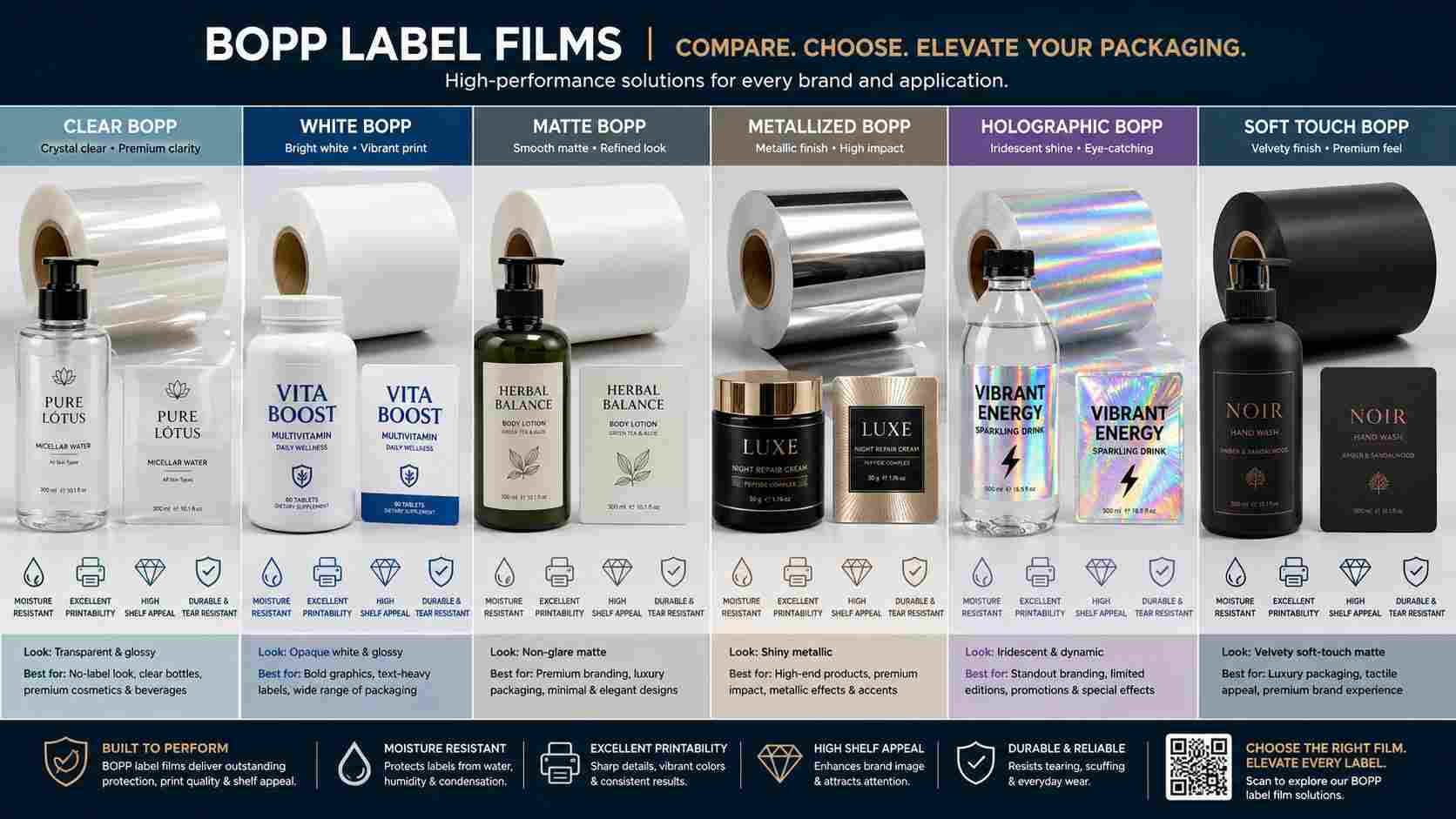
Fourth, BOPP labels can create different visual effects. Clear BOPP gives a “no-label look.” White BOPP gives strong color contrast. Matte BOPP creates a soft and elegant finish. Metallized BOPP offers a premium metallic appearance. Holographic BOPP can add security, movement, and strong shelf impact.
Finally, BOPP label film is lightweight and efficient for high-speed converting. It can be used for pressure-sensitive labels, wrap-around labels, in-mold labels, decorative labels, and many flexible packaging label applications.
Main Types Of BOPP Label Films
Different label projects need different BOPP film grades. The best choice depends on the container, printing method, adhesive, storage environment, and brand design.
Clear BOPP Label Film
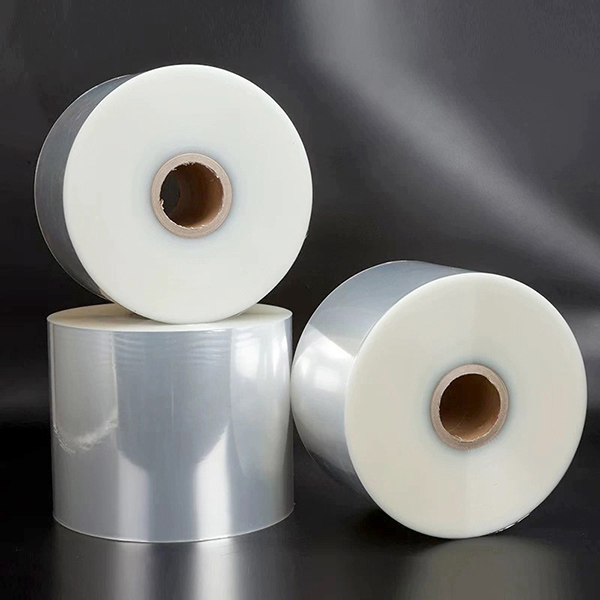
Clear BOPP label film is used when the brand wants a clean, transparent label appearance. It is common on clear bottles, cosmetic containers, beverage packaging, and premium food jars. When matched with the right adhesive and printing process, clear BOPP can create a smooth “no-label look.”
Clear BOPP is suitable when the product itself has attractive color or texture and the brand wants the package to look simple and clean.
White BOPP Label Film
White BOPP label film provides a strong background for printed graphics. It is often used when the artwork needs rich color, high contrast, or full brand coverage. White BOPP is common in food labels, health products, cosmetics, household products, and industrial labels.
It is a practical choice when the container color is dark, uneven, or not suitable for transparent labels.
BOPP Printing Film For Labels
For label printing projects, surface quality is very important. BOPP printing film is designed for stable ink adhesion, sharp graphics, and reliable runnability on printing lines. It can be used for flexible packaging labels, roll-fed labels, printed packaging webs, and laminated structures.
When buyers request BOPP label film, they should confirm the printing method, such as gravure, flexographic, offset, digital, or thermal transfer printing. The correct corona treatment and coating can help improve ink bonding and reduce printing defects.
Matte BOPP Label Film
Matte BOPP label film is used when the brand wants a low-gloss, premium, and anti-glare appearance. It is common for cosmetics, coffee, tea, wine labels, personal-care products, and luxury retail packaging.
A matte surface can make the packaging look calm, elegant, and high-end. For buyers comparing visual options, BOPP matte film is a good material to consider for labels, book covers, food packaging, and premium printed surfaces.
Soft Touch BOPP Label Film
Soft touch BOPP label film gives the printed surface a velvety hand feel. It is used when touch is part of the brand experience. Premium cosmetics, perfume boxes, luxury food packaging, gift boxes, and high-end product labels can use this material to improve perceived value.
If a brand wants a label or packaging surface that feels soft and premium in hand, soft touch BOPP film can be an attractive option.
Metallized BOPP Label Film
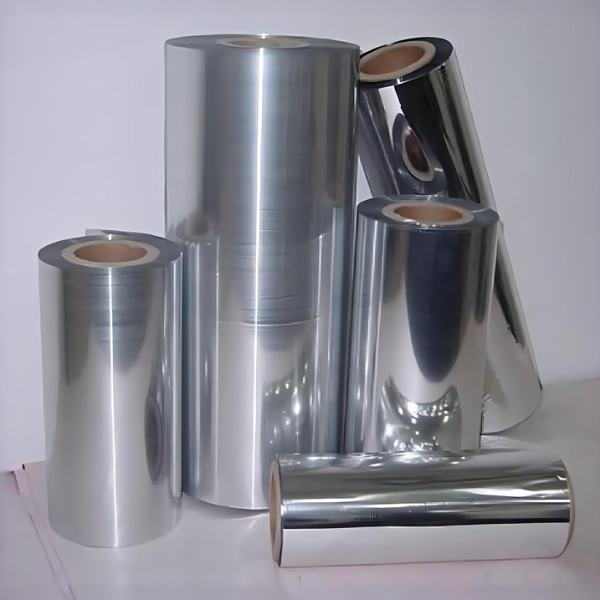
Metallized BOPP label film has a thin aluminum layer on the film surface. It offers a metallic appearance and can also improve light barrier and moisture barrier performance. It is often used for premium labels, snack packaging, confectionery, cosmetics, promotional packaging, and decorative applications.
For projects that require a silver, gold, mirror-like, or metallic design, metallized BOPP film
can help create stronger shelf impact.
Holographic BOPP Label Film
Holographic BOPP label film is used for strong visual impact, decoration, and brand protection. The film surface has holographic patterns that reflect light and create movement. It is often used for cosmetics, tobacco, alcohol packaging, security labels, gift packaging, and promotional labels.
For brands that need both decoration and anti-counterfeit appearance, BOPP holographic film can be considered.
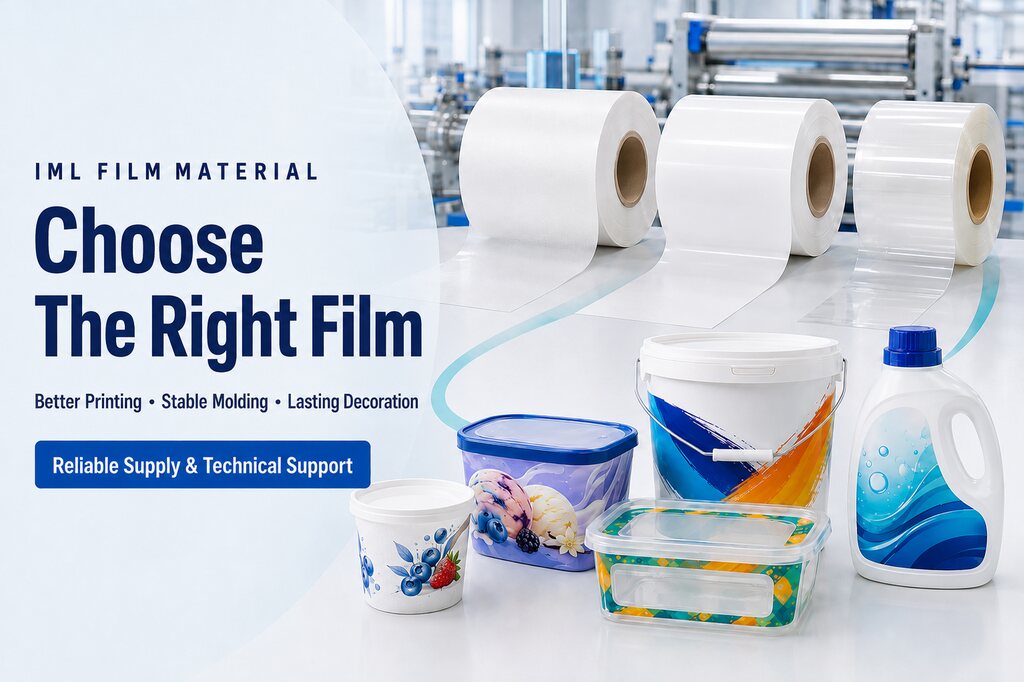
IML BOPP Film
IML means in-mold labeling. In this process, the label is placed into the mold before plastic injection or blow molding, so the label becomes part of the container. IML is common for yogurt cups, food containers, plastic buckets, and thin-wall packaging.
For this application, IML film needs good dimensional stability, printability, and compatibility with the molding process.
Common Applications Of BOPP Labels
BOPP labels are used across many industries because they balance appearance, durability, and process efficiency.
Food And Beverage Labels
Food and beverage packaging often faces moisture, oil, refrigeration, and frequent handling. BOPP labels are suitable for sauce bottles, condiment jars, snack packs, coffee packaging, frozen food containers, juice bottles, water bottles, dairy containers, and salad packaging.
For food labels, buyers should also confirm whether the label material, adhesive, ink, and coating meet the required food-contact or indirect food-contact standards in the target market.
Cosmetic And Personal-Care Labels
Cosmetic and personal-care products often need labels that can resist water, oil, lotion, and repeated touch. BOPP labels are widely used for shampoo bottles, body wash, facial cleanser, cream jars, lotion bottles, perfume packaging, and beauty product boxes.
Clear BOPP labels can create a clean and premium look, while matte or soft touch BOPP can make the product feel more high-end.
Household And Chemical Product Labels
Cleaning products, detergents, disinfectants, and household liquids may expose labels to moisture or chemicals. BOPP labels are often selected because they are stronger and more durable than paper labels in demanding environments.
For these products, buyers should test the full label structure, including film, ink, coating, and adhesive, against the actual liquid and storage conditions.
Industrial And Logistics Labels
Industrial labels need good readability and resistance to handling, abrasion, and environmental exposure. BOPP label materials can be used for machinery labels, warning labels, storage labels, warehouse labels, and durable product identification.
Premium And Promotional Labels
When packaging needs a premium look, brands may choose metallized, matte, holographic, or soft touch BOPP materials. These films can help products stand out in retail environments and support stronger brand recognition.
BOPP Labels Vs Paper Labels
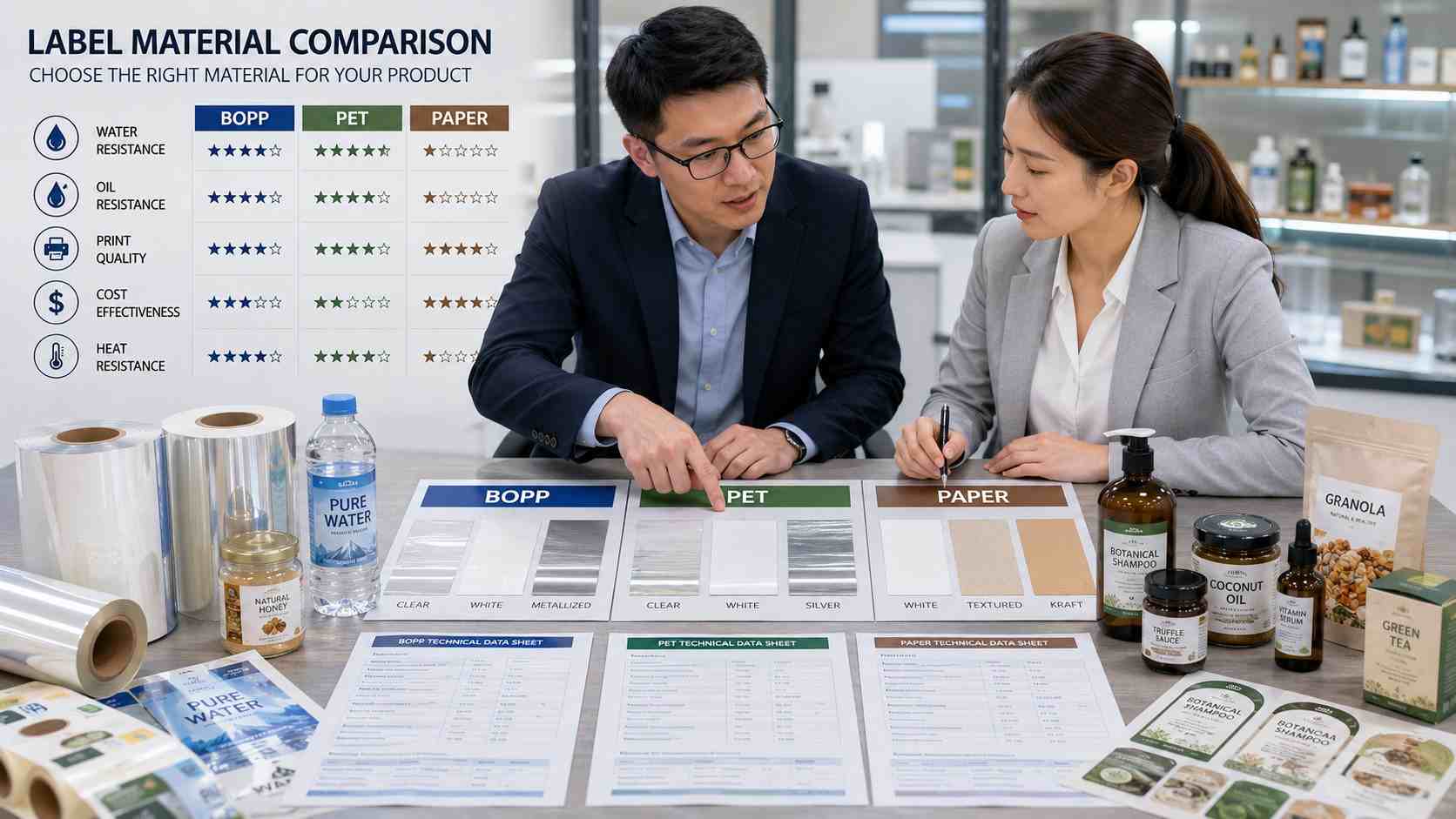
Paper labels are cost-effective and widely used, but they are not always the best choice for wet, oily, cold, or high-handling environments. Paper can absorb moisture, wrinkle, tear, or lose print clarity if the application is demanding.
BOPP labels are better when durability and moisture resistance are important. They are also suitable for clear, glossy, matte, or metallic looks that are harder to achieve with ordinary paper labels.
However, paper labels may still be a good option for dry products, short-life packaging, simple shipping labels, or price-sensitive applications. The right choice depends on the product, storage environment, brand position, and total packaging cost.
For buyers who are not sure which material to choose, testing paper, BOPP, PET, and other film label materials under real conditions is the safest method.
BOPP Labels Vs PET Labels
BOPP and PET are both plastic label materials, but they have different strengths.
BOPP is usually chosen for moisture resistance, flexibility, good appearance, and cost efficiency. It is widely used for food, beverage, cosmetic, and household labels.
PET is usually stronger in heat resistance, dimensional stability, and stiffness. It can be suitable for more demanding industrial labels, electronics labels, high-temperature applications, and applications where extra durability is needed.
If your label project needs higher heat resistance or stronger dimensional stability, BOPET film may be a better option. If your project needs a cost-effective, water-resistant, and attractive label material for consumer packaging, BOPP is often a strong choice.
How To Choose The Right BOPP Label Film
Choosing the correct BOPP label film requires more than selecting a clear or white material. A good supplier should ask about the full application.
1. Confirm The Label Type
Is it a pressure-sensitive label, wrap-around label, in-mold label, shrink label, or laminated packaging label? Each label type has different requirements for stiffness, thickness, surface treatment, shrink behavior, and converting performance.
2. Confirm The Printing Method
Different printing methods need different surface properties. Gravure, flexo, digital, offset, and thermal transfer printing may require different coatings, corona levels, and ink systems.
If ink adhesion is poor, the label may scratch, fade, or fail during handling. That is why printing trials are important before mass production.
3. Confirm The Container Material And Shape
A flat jar, round bottle, squeezable tube, plastic cup, and flexible pouch all create different label challenges. The label film must match the container surface, curve, and expected movement.
For semi-squeezable or fully squeezable containers, the film and adhesive need special attention.
4. Confirm The Storage Environment
Will the product be stored at room temperature, in a refrigerator, in a freezer, in a bathroom, outdoors, or in a humid warehouse? The environment affects label film choice, adhesive selection, and print protection.
5. Confirm The Finish
The finish affects brand appearance. Glossy labels look bright and sharp. Matte labels look elegant and soft. Clear labels create a no-label effect. Metallized and holographic films create stronger visual impact.
6. Confirm Compliance Requirements
For food, beverage, cosmetic, pharmaceutical, and household products, compliance may be important. Buyers should ask for available technical data sheets, food-contact information, migration test reports, or other documents based on the target market.
7. Confirm Roll Specifications
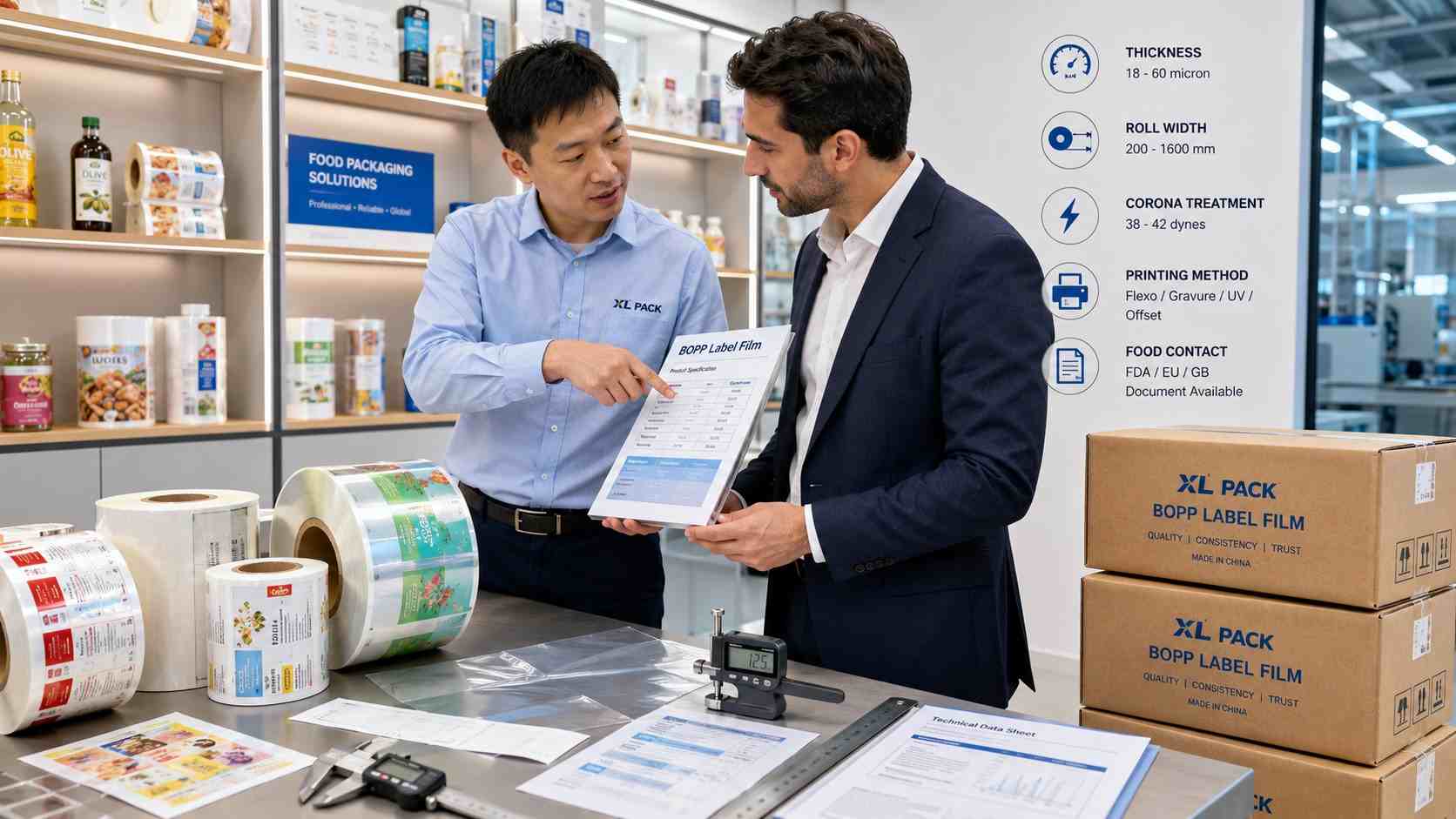
Before requesting a quotation, buyers should prepare roll width, thickness, core size, roll diameter, winding direction, surface treatment, quantity, packing method, and destination port.
Information To Share With A BOPP Label Film Supplier
To get a fast and accurate quotation, share the following information with your supplier:
- Final product and label application
- Label type, such as pressure-sensitive, wrap-around, or IML
- Required film type: clear, white, matte, metallized, holographic, or soft touch
- Printing method
- Required thickness
- Roll width and roll length
- Core size
- Surface treatment requirement
- Adhesive or lamination structure, if any
- Storage and use environment
- Food-contact or other compliance needs
- Trial order quantity and future monthly volume
- Destination country or port
A professional BOPP label film manufacturer should be able to recommend a suitable structure instead of only quoting the lowest price. The right film can reduce printing defects, die-cutting waste, label lifting, customer complaints, and production delays.
Why Work With A BOPP Label Film Manufacturer
For regular label production, a stable film supplier is more important than a one-time low price. Film quality directly affects printing speed, waste rate, adhesive performance, and final label appearance.
A reliable BOPP label film manufacturer should provide stable thickness tolerance, good roll flatness, suitable surface treatment, clean film appearance, consistent corona level, and technical support for printing and converting.
For importers and converters, working with a China-based BOPP film supplier can help balance cost, customization, and supply capacity. CloudFilm supplies different polypropylene film solutions for packaging, labels, lamination, and industrial applications. For buyers who need broader PP-based structures, PP film can also be considered for label and packaging projects.
If the label or packaging structure needs barrier, light shielding, or metallic appearance, metallized films can provide more options, including metallized BOPP, metallized PET, metallized CPP, and related materials.
For applications where heat sealing is needed in addition to printing, heat sealable BOPP film can be evaluated as part of the packaging structure.
When BOPP Labels May Not Be The Best Choice
BOPP labels are versatile, but they are not suitable for every project.
If the application needs very high heat resistance, PET may be better. If the container is highly squeezable, PE or other flexible label materials may work better. If the label must be compostable, biodegradable paper or compostable film may be considered. If the product is very low-cost and stored in dry conditions, paper labels may be enough.
The best material is not always the most expensive one. The best material is the one that matches the product, packaging line, storage condition, brand image, and budget.
BOPP Label Film Samples And Testing
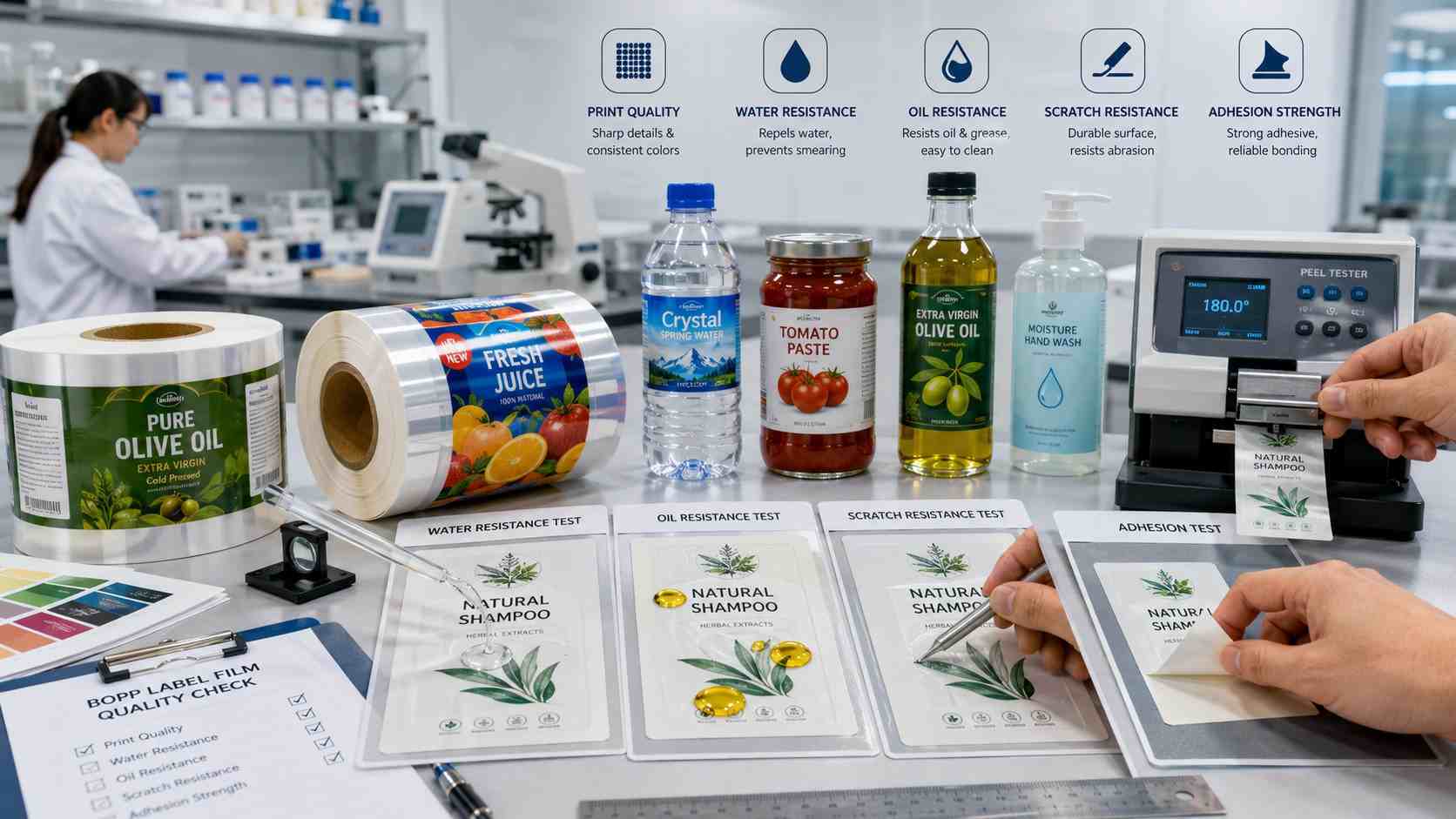
Before placing a large order, buyers should test samples. Sample testing can include printing, lamination, die-cutting, label application, refrigeration, water exposure, oil exposure, scratch testing, and transport simulation.
For food, beverage, cosmetic, and household products, it is better to test the full structure, not only the film. The final label performance depends on film, ink, coating, adhesive, container surface, storage condition, and labeling machine settings.
A good supplier should support sample testing and help buyers adjust film type, thickness, surface treatment, or roll specifications before mass production.
Conclusion
BOPP labels are a practical and attractive choice for many packaging projects. They offer strong print quality, good durability, moisture resistance, oil resistance, and many surface options, including clear, white, matte, metallized, holographic, and soft touch finishes.
For packaging buyers, the key is to choose the right BOPP label film based on the real application. A beverage bottle, cosmetic jar, food pouch, IML container, and household chemical bottle may all need different film specifications.
Working with a professional BOPP label film supplier or manufacturer can help reduce trial-and-error, improve converting efficiency, and create labels that look better and last longer.
If you are developing a new label or packaging project, share your application, printing method, film thickness, roll size, compliance needs, and order quantity. With the right information, CloudFilm can help recommend a suitable BOPP label film structure for testing and production.
BOPP Labels FAQ
1. What does BOPP mean in labels?
BOPP means biaxially oriented polypropylene. It is a plastic film material stretched in two directions to improve strength, clarity, stiffness, and dimensional stability.
2. Are BOPP labels waterproof?
BOPP labels have very good water and moisture resistance. They are often used on products exposed to condensation, refrigeration, bathroom use, or wet handling.
3. Are BOPP labels oil resistant?
Yes. BOPP labels generally resist oil and grease better than paper labels, which makes them suitable for food, cosmetics, lotions, sauces, candles, and household products.
4. What products use BOPP labels?
Common applications include beverage bottles, sauce jars, snack packaging, frozen food containers, shampoo bottles, cosmetics, cleaning products, industrial labels, and premium retail packaging.
5. What is the difference between clear BOPP and white BOPP labels?
Clear BOPP creates a transparent “no-label look,” while white BOPP provides a strong white background for bright colors and high-contrast printing.
6. Can BOPP labels be used for food packaging?
Yes, BOPP labels are widely used for food packaging. However, buyers should confirm the correct film, ink, adhesive, and compliance documents based on the target market and whether the label has direct or indirect food contact.
7. Are BOPP labels better than paper labels?
BOPP labels are usually better for wet, oily, refrigerated, or high-handling environments. Paper labels may be better for dry, simple, or low-cost applications.
8. Can BOPP labels be printed?
Yes. BOPP label film can be printed by gravure, flexo, digital, offset, or thermal transfer printing, depending on the film surface and coating.
9. What thickness is common for BOPP label film?
Common thickness depends on the label type and application. Many BOPP label films are supplied in thin to medium gauges, but the exact thickness should be selected according to printing, die-cutting, stiffness, and labeling requirements.
10. What is metallized BOPP label film?
Metallized BOPP label film is BOPP film coated with a thin metal layer, usually aluminum. It provides a metallic appearance and can improve barrier and light-shielding performance.
11. What is soft touch BOPP label film?
Soft touch BOPP label film has a special matte coating that gives the surface a velvety feel. It is used for premium labels, luxury packaging, cosmetic boxes, and high-end printed materials.
12. What is IML BOPP film?
IML BOPP film is used for in-mold labeling. The printed label is placed into the mold and becomes part of the plastic container during molding.
13. How should I choose a BOPP label film supplier?
Choose a supplier that can provide stable quality, suitable surface treatment, technical data, sample support, custom roll sizes, and experience with printing and converting applications.
14. What information should I provide before asking for a quotation?
You should provide the label application, film type, printing method, thickness, width, roll length, core size, surface treatment, compliance needs, quantity, and destination.