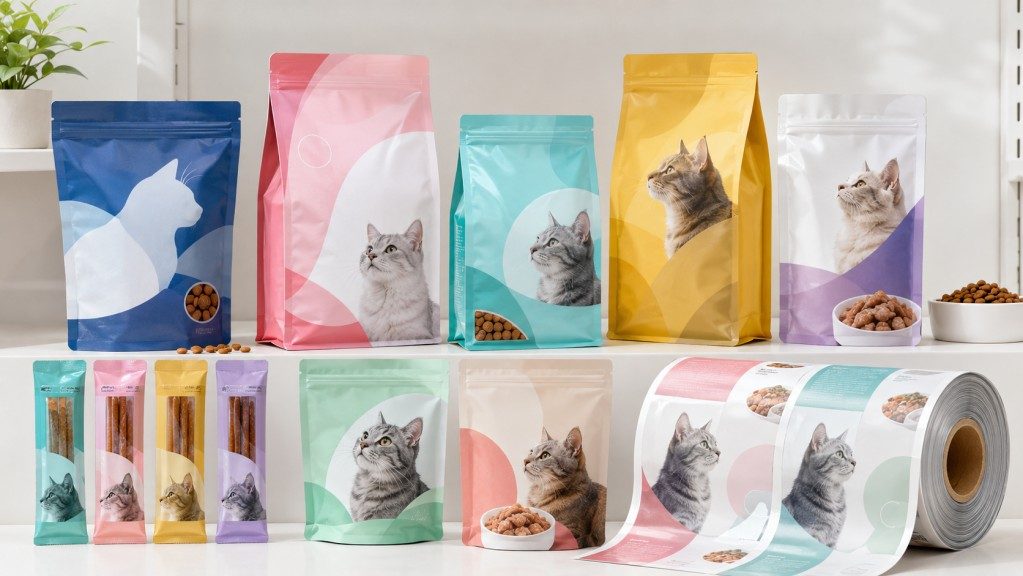
Cat food packaging is more than a printed bag on a retail shelf. For brand owners, converters and distributors, the package must protect nutrition, aroma, texture and product safety from production to final use. A good cat food pack should resist moisture, oxygen, grease, odor loss, puncture and transport pressure while still looking attractive in stores and online sales channels.
Different cat food products need different packaging structures. Dry kibble needs moisture control, grease resistance and good shelf appearance. Cat treats often need aroma protection, easy opening and resealable functions. Wet cat food requires stronger barrier, leak resistance and sometimes retort performance. That is why choosing the right cat food packaging film, pouch format and packaging supplier is a technical decision, not only a design decision.
For buyers who are developing new cat food bags, improving current packaging, or comparing suppliers, this guide explains the main material options, pouch formats, barrier requirements and purchasing points.
What Is Cat Food Packaging?
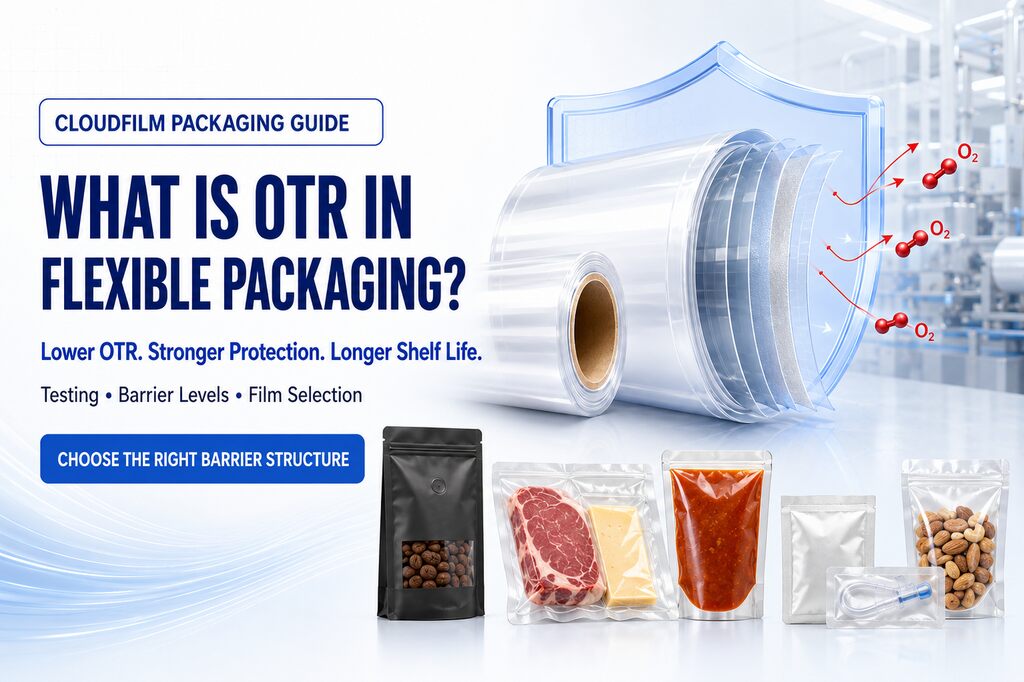
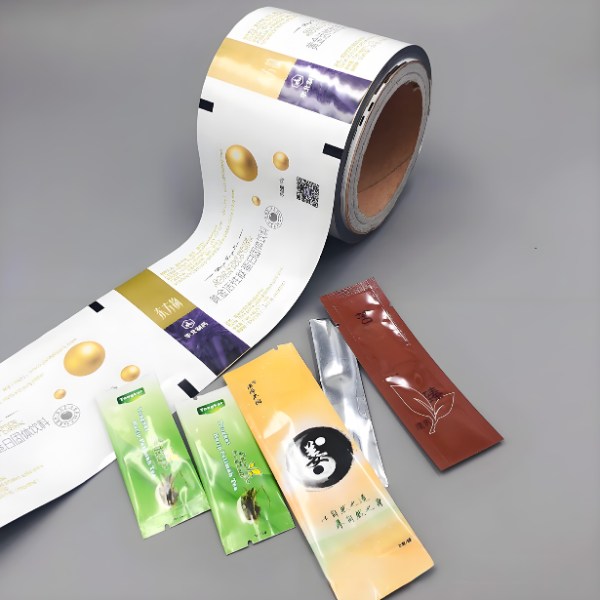
Cat food packaging refers to the flexible films, laminated roll stock, premade pouches and barrier bags used to pack dry cat food, semi-moist treats, freeze-dried food, wet food and functional pet nutrition products. It can be supplied as printed roll film for automatic packing lines or as finished pouches ready for filling and sealing.
In the flexible packaging industry, cat food bags are usually made from laminated films. Each layer has a function. The outer layer provides printing quality, stiffness and shelf appeal. The middle layer may provide oxygen, moisture, aroma or light barrier. The inner layer provides heat sealing, food contact performance and resistance to grease or oil.
For example, a dry cat food pouch may use PET/PE, BOPP/PE, PET/VMPET/PE or PA/PE structures depending on shelf life, weight and barrier target. A wet cat food pouch may use PET/AL/RCPP or PET/NY/RCPP if retort sterilization is required. For recyclable packaging projects, mono-material PE or PP structures may also be considered.
If you are still comparing general film options, you can first review this practical guide to BOPP, BOPET, CPP and PE packaging films.
Why Cat Food Packaging Needs Stronger Protection
Cat food is sensitive to moisture, oxygen, fat oxidation and odor loss. Even if the food looks dry, the ingredients may include oils, meat powder, fish meal, vitamins, minerals and flavor systems. These ingredients can change during storage if the packaging structure is not suitable.
Moisture can make kibble lose crunch or become sticky. Oxygen can affect fats and flavors, creating unpleasant odor or reducing freshness. Light may affect certain ingredients and cause color or quality changes. Poor seal strength can also create leakage, contamination or broken packs during long-distance transport.
For this reason, cat food packaging should not be selected only by film thickness or lowest price. A serious supplier or manufacturer should ask about product type, oil content, target shelf life, filling weight, filling machine, storage environment and destination market before recommending a structure.
Common Cat Food Packaging Formats
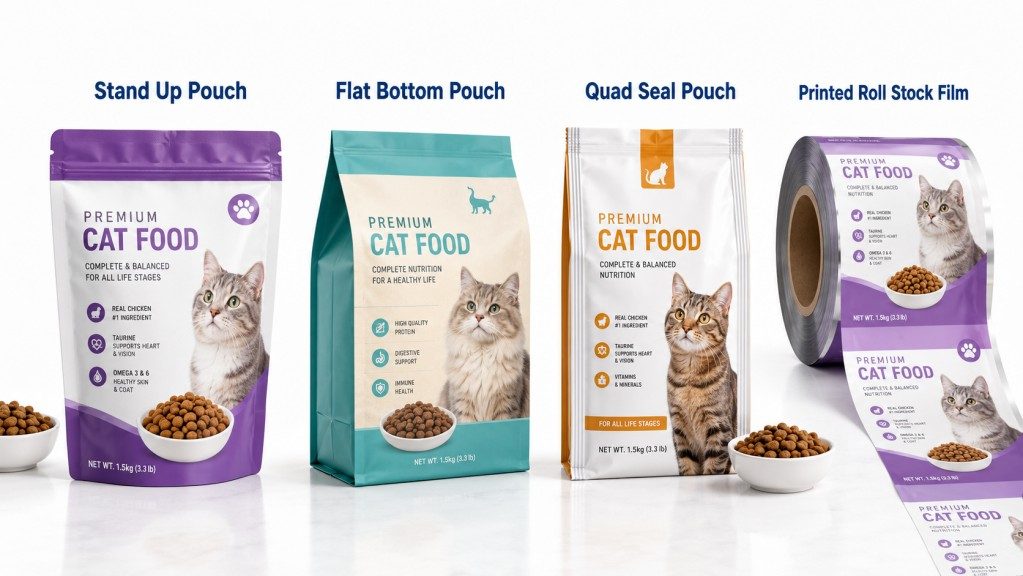
Stand Up Pouches
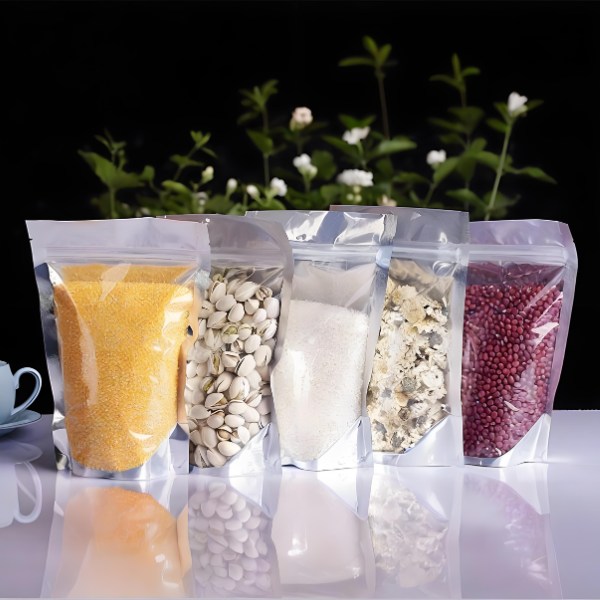
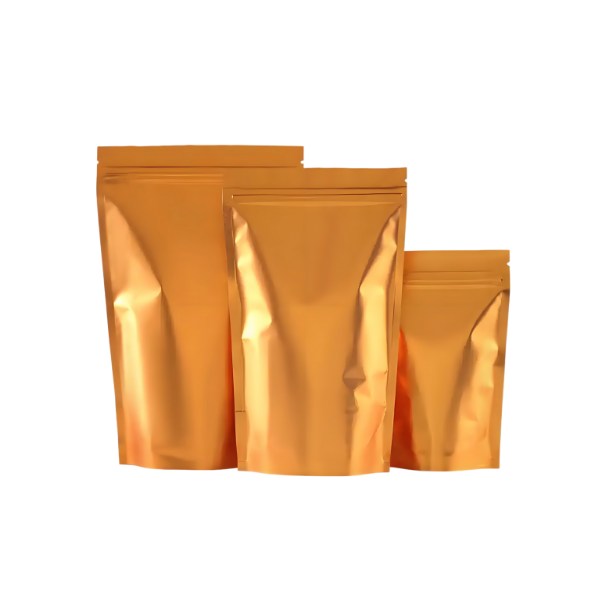
Stand up pouches are widely used for premium dry cat food, treats, functional snacks and small-to-medium pet food packs. They stand well on shelves, offer a strong front display area and can be designed with zipper closure for repeated use.
For brands selling small bags of cat treats or specialty dry food, custom stand up pouches are often a practical choice. They can combine high-barrier film, attractive printing, tear notches and resealable zippers.
Flat Bottom Pouches
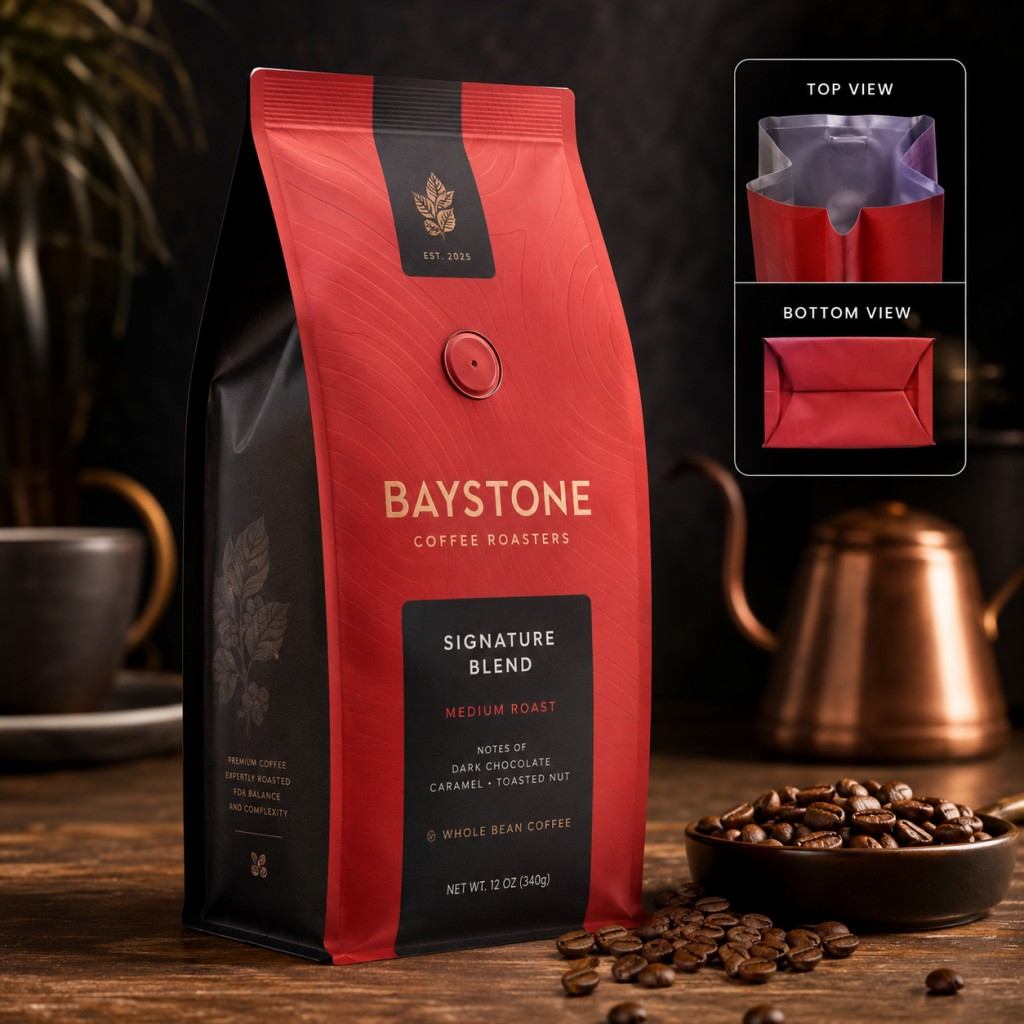
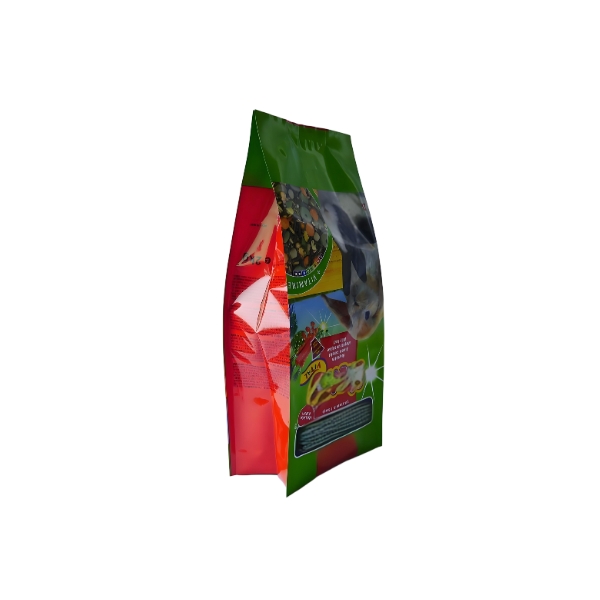
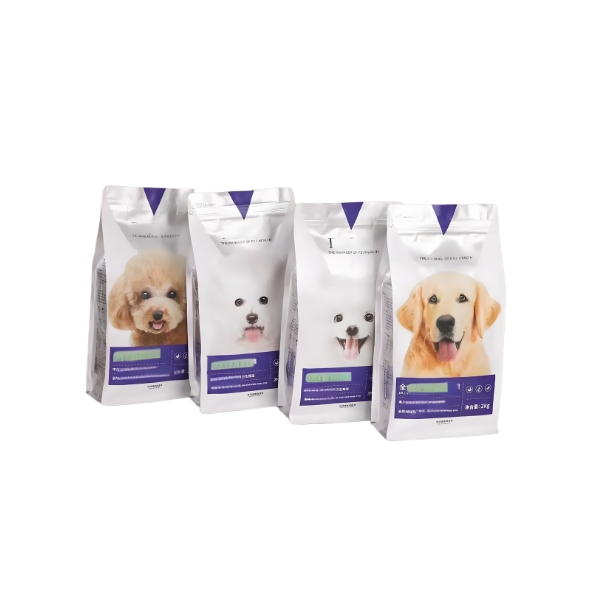
Flat bottom pouches, also called box pouches, are suitable for heavier dry cat food and premium retail packaging. Their box-like shape gives better shelf stability and more printable panels. The front, back, side gussets and bottom can all carry branding, product information and feeding instructions.
For cat food brands that want a premium look with better shelf presence, flat bottom pouches are one of the strongest options. They are also useful when the pack needs to stand firmly after opening and closing.
Quad Seal Pouches
Quad seal pouches are another common choice for larger cat food packs. Four vertical seals help improve strength and shape stability. This format is suitable for dry kibble, heavier pet food products and powder-like pet nutrition products.
If your product needs stronger sidewalls and good stacking performance, quad seal pouches can be considered. They can be combined with PET/PE, PA/PE, metallized structures or recyclable mono-material structures depending on your packaging goal.
Gusset Bags
Side gusset and bottom gusset bags are common for dry cat food and economy pet food packaging. They provide good volume capacity and can run efficiently on many filling lines. Compared with flat bottom pouches, gusset bags may be more cost-effective for large-volume projects.
For buyers comparing different bag styles for pet food, coffee, rice, powders or snacks, custom gusset bags can be a useful packaging format to evaluate.
Printed Roll Stock Film
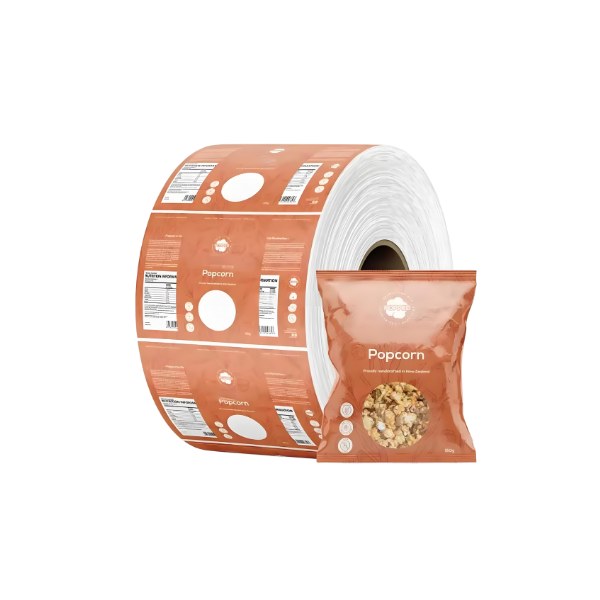
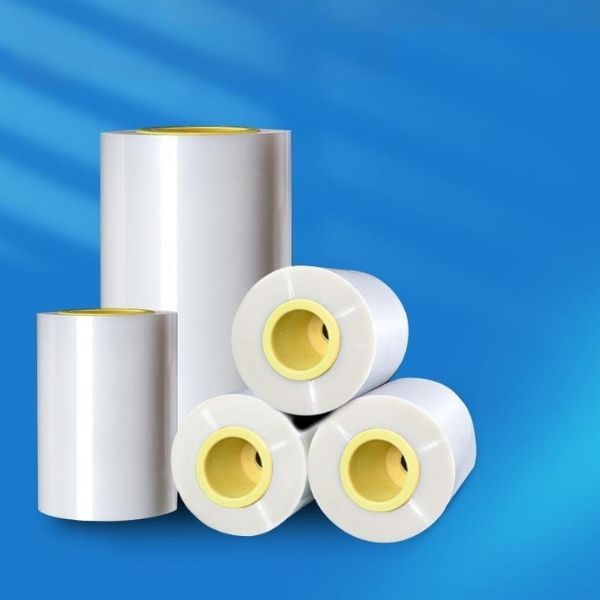
Many cat food factories use automatic vertical or horizontal form-fill-seal machines. In that case, they may prefer printed roll stock instead of premade pouches. Roll stock allows efficient high-speed packing and can be converted into pillow bags, gusseted bags or other machine-made packs.
For larger production runs, custom printed roll stock film can help improve packing speed, reduce unit cost and keep the package structure consistent across multiple SKUs.
Main Film Structures For Cat Food Packaging
PET/PE Film
PET/PE is a common laminated structure for dry cat food, cat treats and general pet food packaging. PET gives printability, stiffness and mechanical strength, while PE provides heat sealing and good flexibility. For products with moderate barrier needs, PET/PE can be a cost-effective choice.
If you need a clear printed outer layer and reliable sealing layer, PET/PE laminated film is a good starting point. It is often used for food, snacks, coffee, powder products and pet food packaging projects.
BOPP/PE Film
BOPP/PE can be used for lighter dry cat food, treats and economical packaging. BOPP provides clarity, stiffness and good print performance. PE provides sealing and pouch-making performance. For less oxygen-sensitive products, BOPP/PE may be enough.
However, if the cat food contains high oil content or requires long shelf life, buyers may need stronger barrier layers such as metallized film, aluminum foil, EVOH, PVDC coated film or PA-based structures.
PET/VMPET/PE Film
PET/VMPET/PE is widely used for products that require stronger protection against oxygen, moisture and light. VMPET provides metallized barrier and a bright metallic appearance. This structure is often used for pet food, coffee, nuts, snacks and powdered products.
For cat food brands that want both shelf impact and barrier protection, PET/VMPET/PE high barrier packaging can be a practical option. It helps protect aroma and freshness while supporting attractive printed packaging.
PA/PE Film
PA/PE, also known as nylon/PE film, is useful when puncture resistance and toughness are important. Cat food packs may face sharp kibble edges, compression during shipping and rough handling in warehouses. PA improves toughness and puncture resistance, while PE provides sealing.
For heavier dry cat food bags or vacuum-related applications, PA/PE high-barrier film can help improve pack durability and reduce the risk of breakage.
ALOx PET Film
ALOx PET is a transparent high-barrier film. It can provide oxygen and moisture barrier while allowing the product or inner design to remain visible, depending on the full structure. For brands that want transparent barrier packaging or premium clear-window effects, ALOx PET may be considered.
You can learn more about ALOx PET film if your cat food packaging needs a transparent barrier layer instead of a metallized or aluminum foil appearance.
Recyclable Mono-Material Structures
Many pet food brands are now asking for packaging that supports recyclable design. Mono-material PE or PP structures can help simplify material families compared with traditional mixed laminates. However, recyclability still depends on local collection and recycling systems.
For dry cat food, treats and refill packaging, recyclable pouches may be considered when the brand wants to balance protection, shelf appeal and recycling goals.
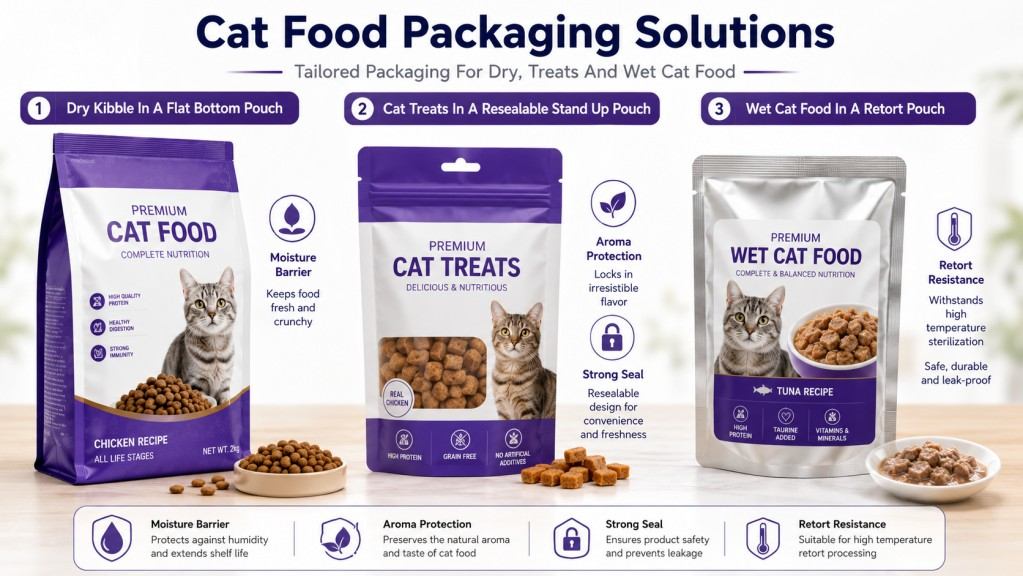
Dry Cat Food Packaging
Dry cat food packaging needs to protect kibble from moisture, oxygen and odor loss. The package must also resist grease migration from high-fat formulas. For small packs, stand up pouches with zipper are common. For medium and large packs, flat bottom pouches, quad seal pouches and gusset bags are often better.
Typical structures may include PET/PE, PET/VMPET/PE, PA/PE, PET/AL/PE or mono-PE high-barrier structures. The final choice depends on shelf life, pack size, product sensitivity and market positioning.
For economy dry cat food, a simple laminated structure may be enough. For premium grain-free, freeze-dried, high-protein or fish-based cat food, stronger oxygen and aroma barrier may be needed. Brands should test the selected structure with real product before confirming mass production.
Cat Treat Packaging
Cat treats are usually sold in smaller bags, but their packaging requirements can be demanding. Many treats are aroma-sensitive and need good sealing after opening. Resealable zippers are popular because pet owners may open and close the bag many times.
For small treat packs, stand up pouches, three-side seal pouches and shaped pouches can all be used. A high-quality matte or gloss finish can help the product stand out in retail. If the treats are high in oil or have strong aroma, metallized or high-barrier film may be needed.
Easy tear notches, laser scoring and zipper closure can improve user experience. For premium products, a clear window may also help show the treat shape, color and texture.
Wet Cat Food Packaging
Wet cat food packaging has different requirements from dry food packaging. It must resist liquid leakage, maintain seal integrity and survive filling, sterilization or pasteurization conditions if required. Many wet cat food products are packed in retort pouches or trays.
For retort wet cat food, structures such as PET/AL/RCPP or PET/NY/RCPP are commonly considered. RCPP provides heat sealing and retort resistance, while PET, nylon and aluminum foil help provide strength and barrier.
If you are developing wet food or sterilized pet food packaging, retort pouches for food and pet food may be more suitable than ordinary dry food pouches.
Key Performance Requirements
Moisture Barrier
Moisture barrier is one of the most important requirements for dry cat food. Poor moisture protection can make kibble soft, sticky or less attractive to cats. The packaging structure should be selected according to the expected storage time and climate conditions.
In humid markets, moisture barrier becomes even more important. Buyers should ask suppliers for WVTR data when comparing different film structures.
Oxygen Barrier
Oxygen barrier helps protect fats, flavors and sensitive ingredients. Cat food with meat, fish, oil or functional nutrition ingredients may need stronger oxygen protection. If oxygen barrier is weak, the product may develop off-flavor or lose freshness during storage.
High-barrier structures such as PET/VMPET/PE, PET/AL/PE, PA/EVOH/PE, PVDC coated films or ALOx-based laminates can be considered depending on the product.
Aroma And Odor Protection
Cat food often has a strong aroma that attracts pets. The package should help keep the aroma inside before opening and reduce odor transfer during storage and transport. Aroma protection is especially important for fish-based formulas, treats and premium recipes.
A good packaging supplier should understand the difference between simple moisture protection and complete aroma barrier design.
Grease Resistance
Many cat foods contain oils and fats. If the inner layer is not suitable, grease may affect appearance, sealing area or packaging strength. The sealant layer should be chosen carefully to match the food’s oil content and storage conditions.
For high-fat formulas, testing with real product is very important.
Puncture Resistance
Dry kibble can have hard edges. Larger packs may also face compression during palletizing and transport. PA, thicker PE, reinforced structures or stronger pouch formats can improve puncture resistance.
For heavier cat food bags, pouch format and material structure should be designed together. A strong material in a weak pouch format may still fail during transport.
Seal Strength
Seal strength is critical for both dry and wet cat food. Poor seals can cause leakage, oxygen entry, moisture entry or product contamination. The correct sealing layer, sealing temperature and machine settings must work together.
Buyers should ask for seal strength testing and sample rolls or trial pouches before placing large orders.
How To Choose A Cat Food Packaging Supplier
Choosing a cat food packaging supplier is not only about price. A reliable manufacturer should understand film structures, pouch making, printing, sealing, barrier performance and export packing. The supplier should be able to recommend several structure options instead of only selling one material.
A good supplier should ask clear technical questions, such as:
- What type of cat food will be packed?
- What is the filling weight?
- What shelf life do you need?
- Is the product dry, oily, wet or retort processed?
- Do you need roll stock or premade pouches?
- What filling machine will be used?
- Do you need matte, gloss, metallic or clear-window design?
- Do you need zipper, tear notch, handle or valve?
- Which country or market will the product be sold in?
If your project is still at the early stage, a broad food packaging film supplier can help you compare different film families before you confirm the final pouch structure.
Roll Stock Or Premade Pouches: Which Is Better?
Roll stock film is usually better for high-speed automatic packing lines. It can reduce unit cost and improve production efficiency for large-volume cat food factories. However, it requires suitable packaging equipment and stable machine settings.
Premade pouches are often better for smaller brands, premium products, trial orders or products that need special pouch features. They can include zippers, handles, spouts, special shapes, matte finish and high-quality retail presentation.
If your factory already has VFFS or HFFS equipment, roll stock may be the first option. If you want premium retail packaging with strong shelf display, premade stand up pouches, flat bottom pouches or quad seal pouches may be better.
For projects that need custom film roll specifications, packaging film roll options can be developed according to your machine width, repeat length, thickness and barrier requirements.
Printing And Appearance Options
Cat food packaging must protect the product, but it must also communicate value quickly. Pet owners often compare flavor, nutrition, age group, ingredients, feeding guide and brand trust from the front of the pack.
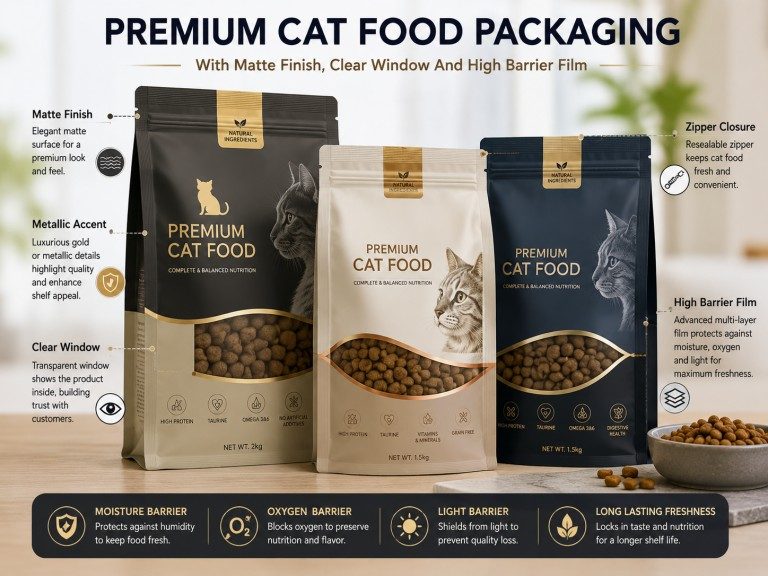
Common appearance options include gloss finish, matte finish, soft-touch finish, metallic effect, transparent window, kraft paper look, spot gloss and high-definition printed graphics. Matte packaging is popular for premium cat food because it gives a softer and more natural look.
However, appearance should not reduce performance. A clear window, for example, should be designed carefully so it does not weaken the barrier beyond the product’s shelf-life requirement.
For premium retail presentation, you may also compare different matte plastic packaging options.
Information To Prepare Before Requesting A Quote
To get an accurate quotation from a cat food packaging manufacturer or supplier, buyers should prepare practical details. The more complete the information, the faster the supplier can recommend the correct structure and price.
Useful information includes product type, filling weight, bag size, pouch format, film thickness, target shelf life, barrier requirement, printing colors, artwork status, zipper or handle needs, filling temperature, sealing method, order quantity and destination port.
If you are not sure about the exact material, you can share your current packaging sample or a similar market reference. A professional supplier can review the structure, suggest alternatives and help you balance cost, protection and appearance.
Sample Testing Before Bulk Order
Sample testing is important for cat food packaging. Buyers should not confirm mass production only from a beautiful design mockup. Real packaging should be tested with real product, real filling conditions and real storage conditions.
For roll stock, the trial should check machine running, tracking, cutting, sealing, hot tack and roll tension. For premade pouches, the test should check filling, sealing, zipper function, drop resistance, leakage, shelf display and consumer opening experience.
For high-fat, high-aroma or long-shelf-life cat food, aging tests and barrier tests are recommended. This is especially important for export projects where products may spend weeks at sea and then stay in warehouses before reaching stores.
FAQ About Cat Food Packaging
What Is The Best Packaging For Cat Food?
The best packaging depends on whether the product is dry kibble, treats or wet food. Dry cat food often uses stand up pouches, flat bottom pouches, quad seal pouches or gusset bags. Wet cat food may require retort pouches or trays. The best structure should match shelf life, filling weight, barrier needs and filling equipment.
What Film Structure Is Common For Dry Cat Food?
Common structures include PET/PE, BOPP/PE, PET/VMPET/PE, PA/PE and PET/AL/PE. For recyclable projects, mono-PE or mono-PP structures may also be considered.
Does Cat Food Packaging Need High Barrier Film?
Many cat food products need high barrier film, especially high-fat, fish-based, freeze-dried or premium formulas. High barrier film helps protect against oxygen, moisture, aroma loss and light.
Can Cat Food Bags Be Recyclable?
Yes, some cat food bags can be designed with mono-material PE or PP structures. However, actual recyclability depends on local recycling infrastructure, collection systems and market regulations.
Which Pouch Is Best For Premium Cat Food?
Flat bottom pouches and quad seal pouches are popular for premium cat food because they stand well, support heavier fills and provide large printable areas. Stand up pouches are also common for smaller premium packs and treats.
Can Cat Food Packaging Have A Zipper?
Yes. Zipper closure is common for dry cat food and treats because consumers often open and close the bag many times. A good zipper improves convenience and helps protect freshness after opening.
Is Metallized Film Good For Cat Food Packaging?
Metallized film can be a good option when the product needs better oxygen, moisture and light protection. It also gives a metallic appearance, which can be useful for premium packaging design.
What Is The Difference Between Roll Stock And Premade Pouches?
Roll stock is supplied in film rolls and used on automatic packing machines. Premade pouches are already converted into bags before filling. Roll stock is suitable for high-speed production, while premade pouches are suitable for premium retail packaging, smaller runs and special features.
What Should I Tell A Supplier Before Asking For A Quote?
You should provide product type, bag size, filling weight, pouch format, target shelf life, filling machine, material preference, printing design, quantity and destination. If possible, share your current package sample or target reference.
Can One Supplier Provide Both Film And Finished Pouches?
Yes. Some suppliers can provide both laminated film rolls and finished pouches. This can simplify communication, improve structure consistency and reduce development time.
Conclusion
Cat food packaging should be designed around the product, not only around the bag shape. Dry kibble, cat treats and wet cat food all have different protection needs. The correct film structure, pouch format, barrier layer and sealing design can help protect freshness, reduce damage and improve retail presentation.
For brand owners, importers and converters, the best approach is to work with a cat food packaging film manufacturer or supplier that understands both materials and real packing conditions. By sharing product details, shelf-life targets and filling requirements early, you can receive a more accurate structure recommendation and avoid costly packaging problems later.
Whether your project needs roll stock film, stand up pouches, flat bottom pouches, quad seal pouches, recyclable pouches or high-barrier laminated films, the final goal is the same: protect the cat food, support your brand and make the package easy for consumers to use.