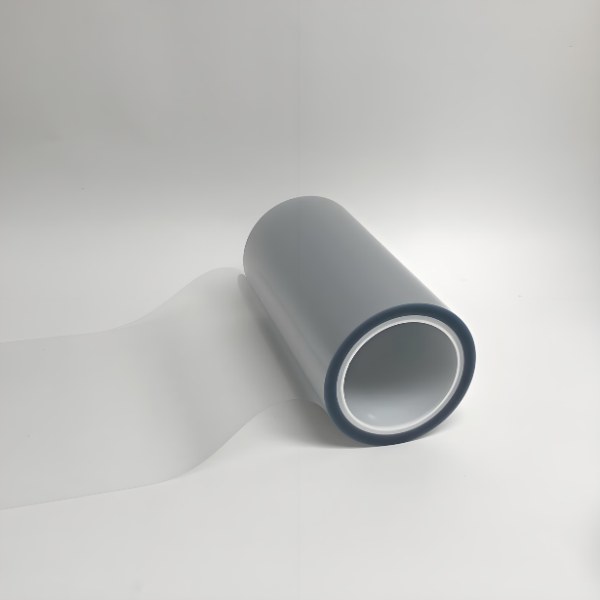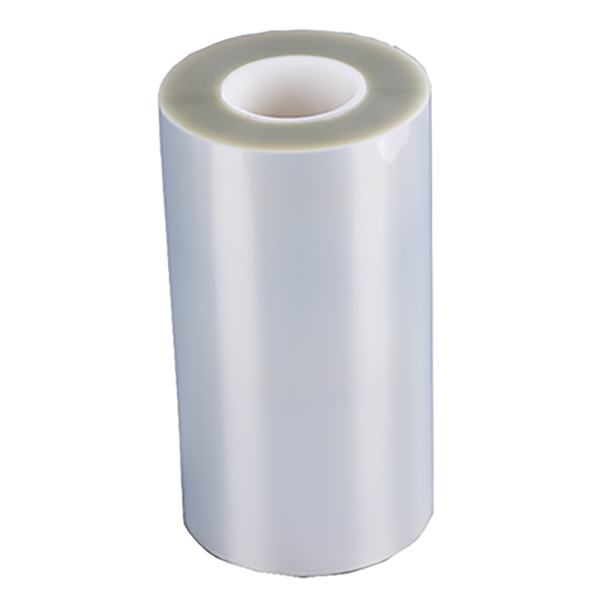
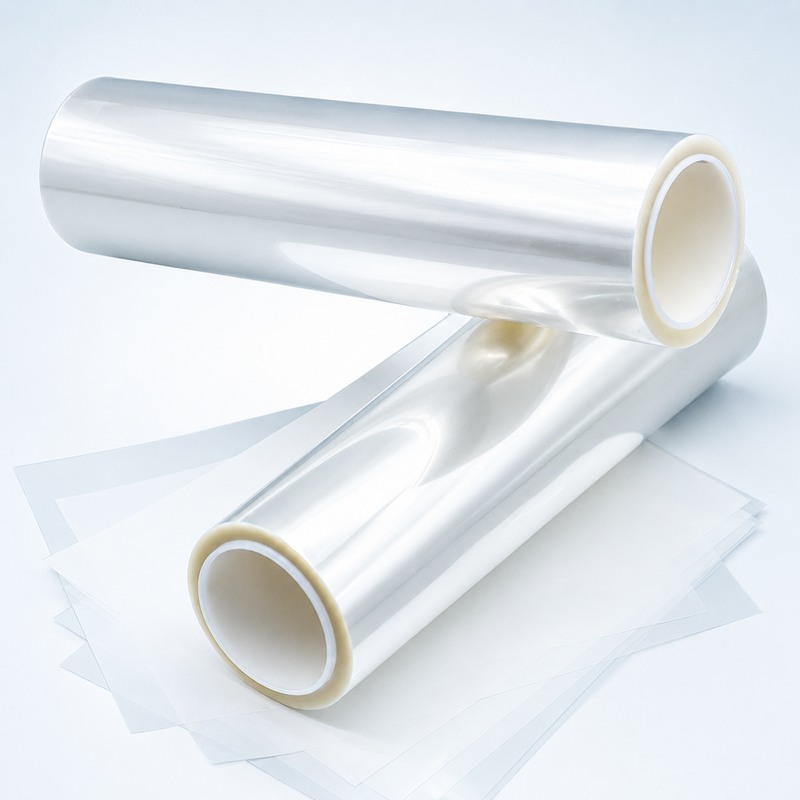
Transparent Coated PET Release Film Rolls And Sheets
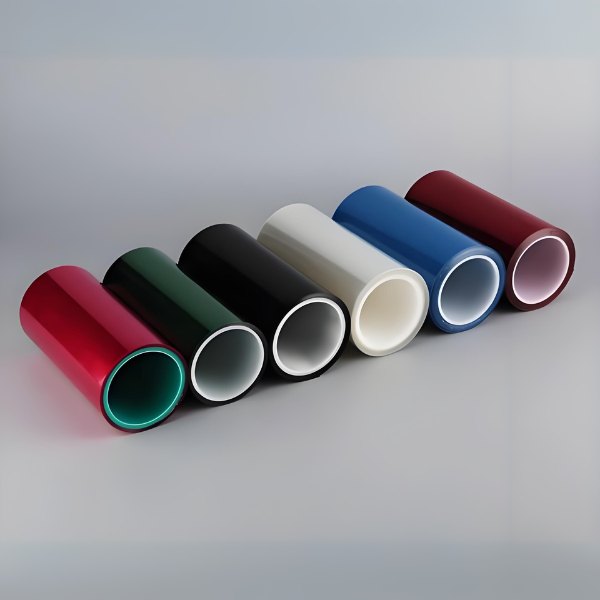
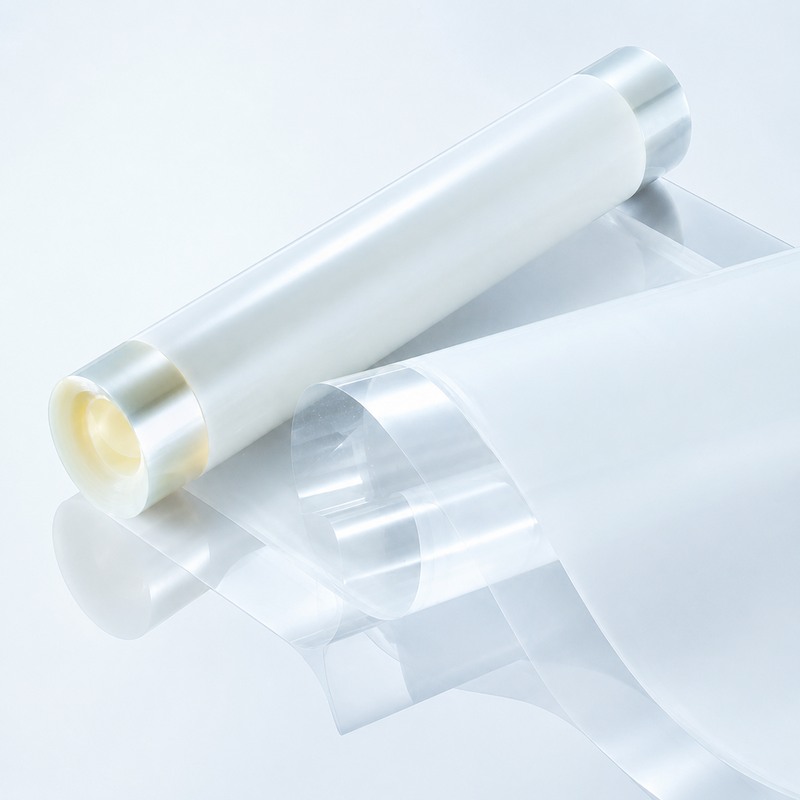
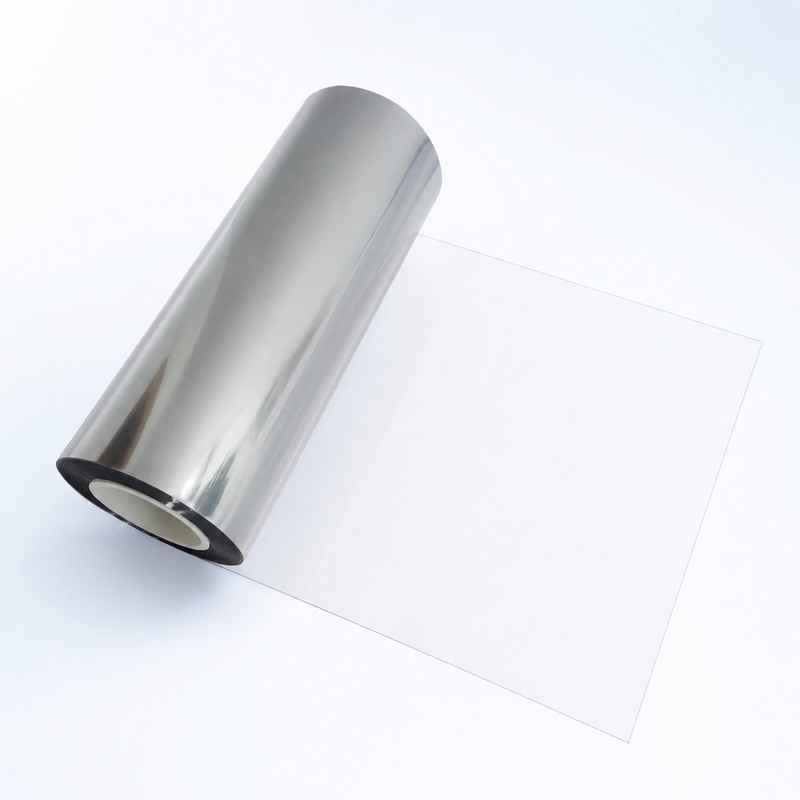
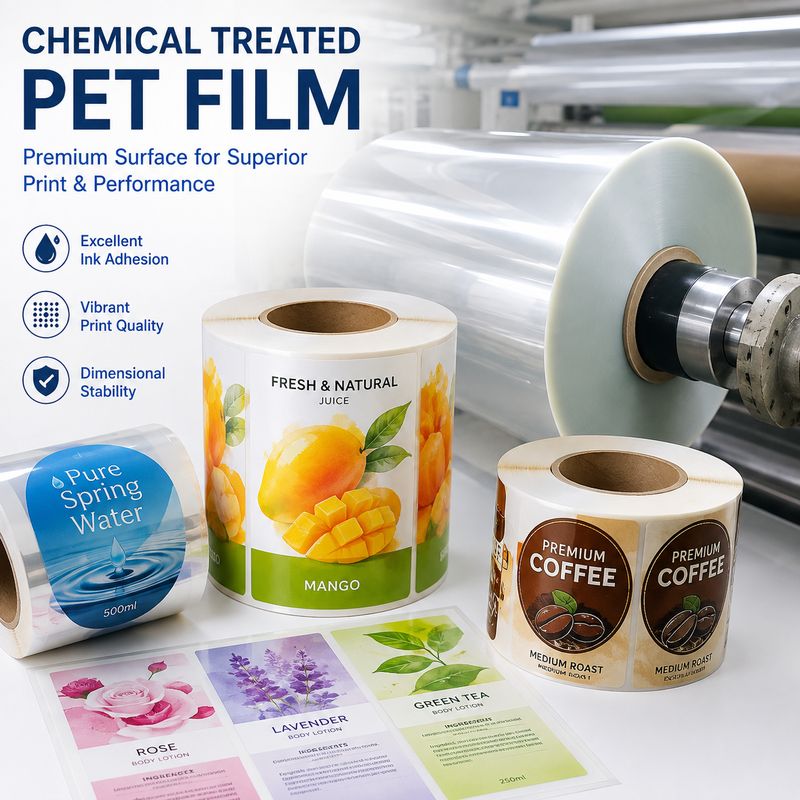
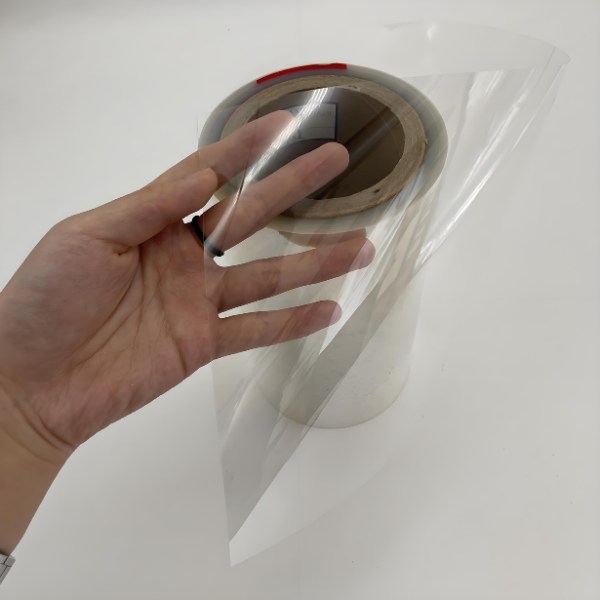
Chemically Treated PET Film For Printing And Lamination
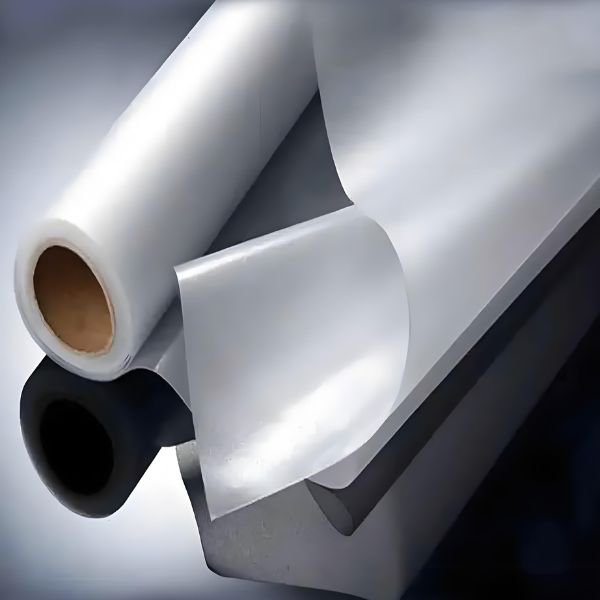
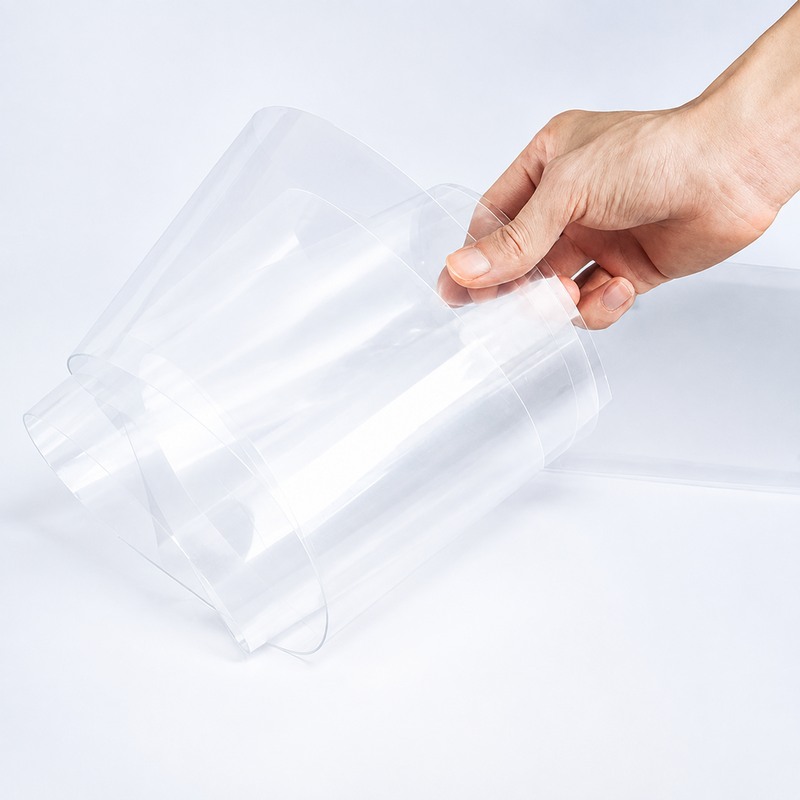
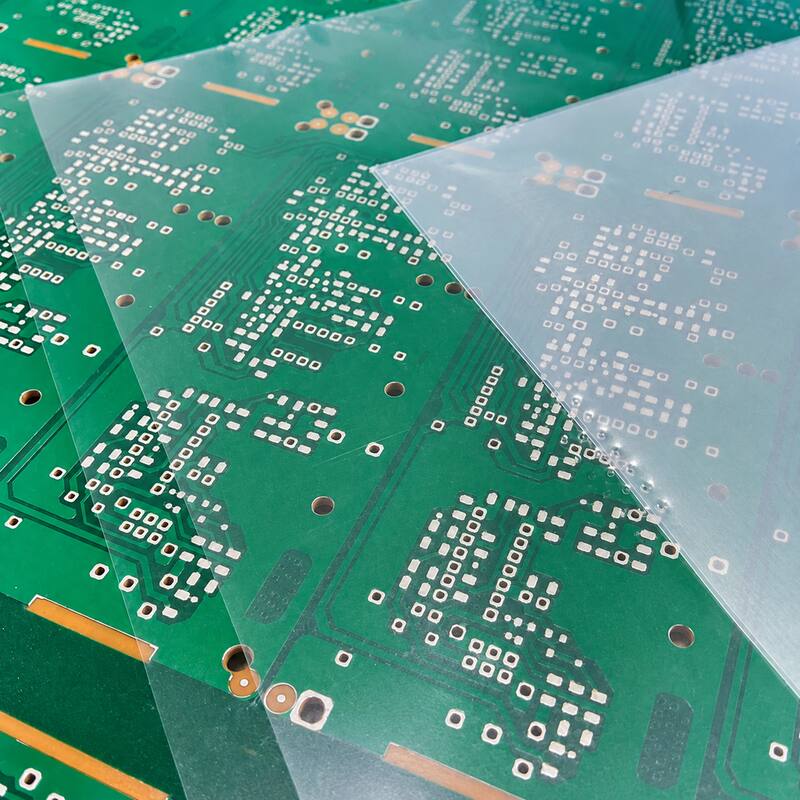
PET Release Film For PCB And Electronics Lamination
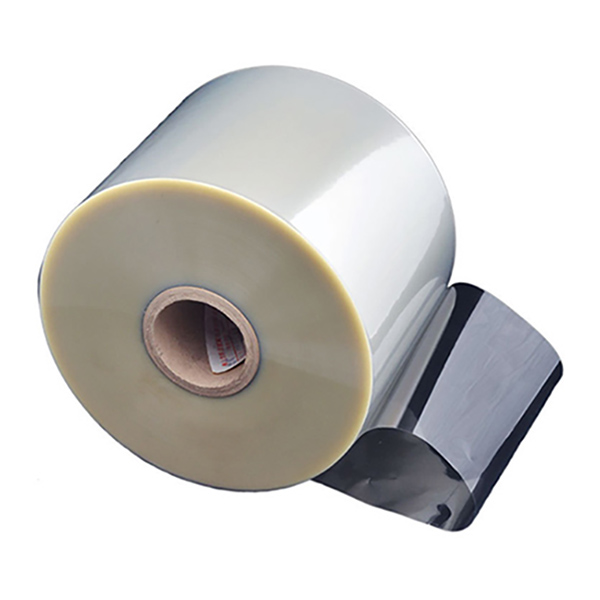
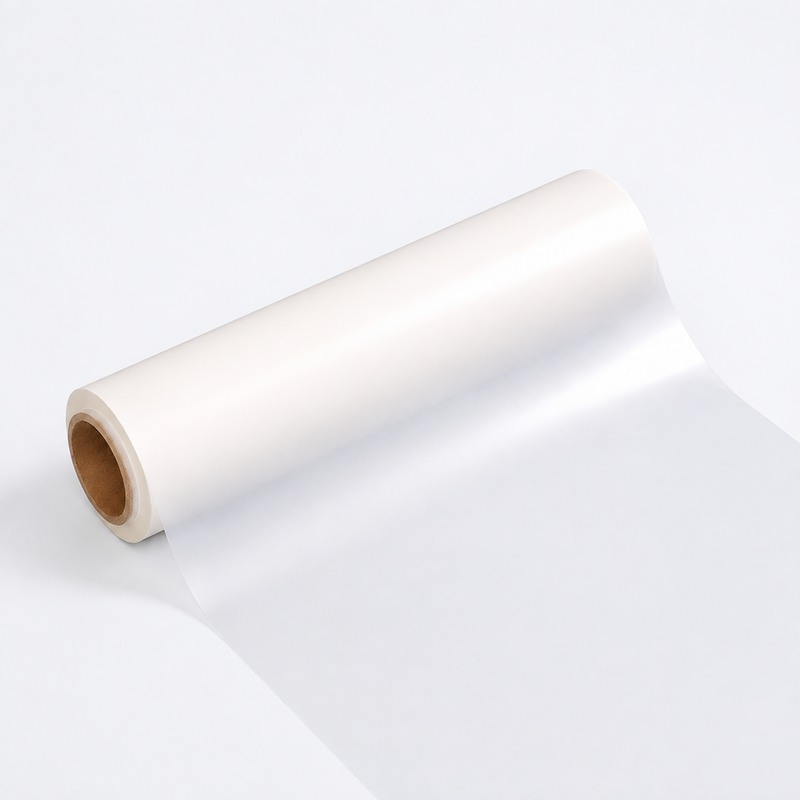
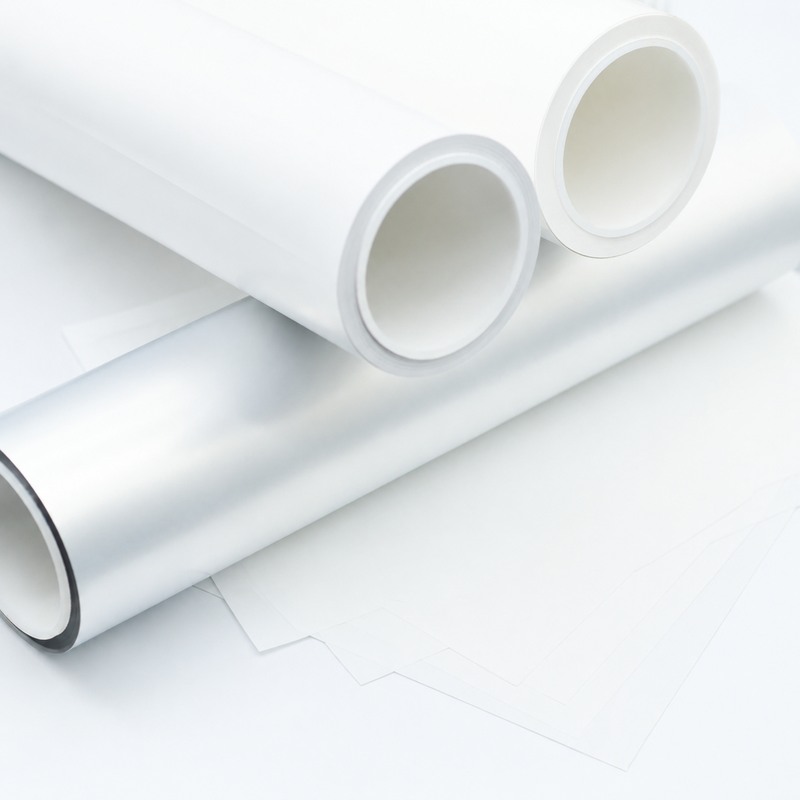
Primer Coated Matte White PET Film For Labels
Transparent Coated PET Release Film Rolls And Sheets
Chemically Treated PET Film For Printing And Lamination
PET Release Film For PCB And Electronics Lamination
Primer Coated Matte White PET Film For Labels

Coated PET Film

Functional coated PET film adds barrier, sealing, adhesion, release, or surface performance to strong, dimensionally stable polyester film for demanding applications.

  • Multiple Functional Coatings
    Available coating technologies include PVDC, AlOx, chemical primer, silicone release, and heat-sealable coatings for different performance requirements.
  • Strong and Stable PET Base
    The PET substrate provides excellent tensile strength, dimensional stability, heat resistance, clarity, and reliable converting performance.
  • Application-Specific Performance
    Different grades can improve oxygen and moisture barrier, ink adhesion, lamination bonding, release control, heat sealing, or surface protection.
  • Flexible Converting Options
    Single-side, double-side, and differential surface configurations can be matched to printing, lamination, metallizing, slitting, or die-cutting processes.
  • Custom Specifications and Technical Support
    CloudFilm can help confirm coating type, thickness, width, roll format, performance targets, and sampling requirements for each project.

Coated PET Film Description

What Coated PET Film Adds to BOPET


Coated PET film begins with a strong, dimensionally stable BOPET film substrate. A functional layer is applied to one or both surfaces to add performance that standard PET alone cannot provide, including barrier, heat sealability, adhesion, release, or controlled surface properties.

Coating is not the same as corona treatment, coextrusion, metallizing, or lamination. Each process changes PET differently. Clear terminology helps converters select the correct construction, coating side, ink, adhesive, sealing substrate, and downstream process before samples are prepared.


Functional Coating Options for Different Jobs


When shelf life is the priority, PVDC coated PET film provides strong oxygen, moisture, and aroma barrier, while ALOx PET film offers a transparent, chlorine-free alternative. Barrier figures should always be reviewed together with test temperature, relative humidity, and laminate structure.

For printing, adhesive lamination, metallizing, or further functional coating, Chemical Treated PET Film improves surface compatibility and anchorage. For tapes, labels, protective materials, and precision die-cutting, Silicone Coated PET Film provides controlled release with customizable coating sides and release levels.

Where direct sealing is required, Heat Sealable PET Film adds a sealable surface or dedicated sealing layer. If light protection and metallic appearance matter more than transparency, Aluminized PET Film may be a better related solution than a clear coated grade.


Matching Film Performance to the Application


Coating selection should begin with the problem to solve, not only the product name. Buyers should define the packed product, converting process, target shelf life, thickness, width, coating side, and the measurable performance required from the finished structure.

For barrier projects, compare OTR and WVTR under stated conditions rather than relying on general claims. Our guide to oxygen barrier coatings explains how coating chemistry, temperature, humidity, and test methods influence real packaging performance.

The PET base contributes stiffness, heat resistance, print quality, and dimensional stability. These properties make coated grades useful across flexible packaging, lidding, labels, tapes, electronics, and industrial laminates. Learn more about BOPET film for packaging before choosing the final structure.


CloudFilm Supply and Project Support


CloudFilm is a China-based coated PET film manufacturer and supplier supporting converters, packaging producers, label companies, and industrial processors. We help customers compare coating technologies, confirm practical specifications, arrange samples, and prepare export-ready rolls for trial and commercial production.

Share your current film, technical datasheet, application, target performance, roll dimensions, and expected quantity. Our team will review the information and recommend a suitable coated PET grade without forcing one coating technology into every project, supporting accurate sampling, testing, commercial quotation, and delivery planning.

Get Free Quote of Coated PET Film

Choosing coated PET film is easier when the coating function and converting conditions are clear.

Send CloudFilm your application, current structure, target barrier or release value, sealing requirement, thickness, width, and expected quantity.

Our team will compare suitable coating options, recommend a practical grade, and provide available technical data, samples, and quotation details.

Use the inquiry form below to start your project and receive a response matched to your production process instead of a generic film recommendation or sales pitch.

Products Categories
Get A Free Quote
Contact Form Demo (#3)

Coated PET Film Applications

High-Barrier Food Packaging

PVDC- and AlOx-coated PET films help protect sensitive foods against oxygen, moisture, aroma loss, and premature quality deterioration.

Pharmaceutical and Healthcare Packaging

Functional PET coatings support barrier, cleanliness, dimensional stability, and controlled converting performance for pharmaceutical sachets, diagnostic products, and medical materials.

Tray and Cup Lidding

Heat-sealable coated PET can provide clear, strong lidding for compatible trays and cups when the sealing surface matches the container material.

Printing and Adhesive Lamination

Chemical or primer-coated PET improves compatibility with printing inks, laminating adhesives, metallizing layers, and other downstream coatings.

Labels, Tapes, and Release Liners

Silicone-coated PET provides controlled release, good flatness, and dimensional stability for labels, industrial tapes, protective materials, and precision die-cutting.

Electronics and Industrial Converting

Specialty coated PET is used in electronic components, optical materials, technical laminates, protective constructions, and other precision converting applications.

Coated PET Film Display

Coated PET Film Types and Selection Guide


Required Function Coating or Technology Main Benefit Critical Data to Confirm Typical Applications
Oxygen, moisture, and aroma barrier PVDC-coated PET or KPET Strong multi-barrier performance with good transparency OTR, WVTR, temperature, humidity, coating side Food, pharmaceutical, and aroma-sensitive packaging
Transparent high barrier AlOx-coated PET Transparent, chlorine-free barrier layer OTR, WVTR, flex resistance, lamination protection Clear high-barrier pouches and lidding
Printing and bonding adhesion Chemical or primer-coated PET Improved compatibility with inks, adhesives, and deposited layers Surface tension, bond strength, ink and adhesive system Printing, lamination, metallizing, labels
Controlled release Silicone-coated PET Stable peeling and separation from adhesive materials Release force, peel speed, residual adhesion, coating side Tapes, labels, die-cutting, protective materials
Direct heat sealing Heat-seal coated PET Sealing to compatible films, trays, or cups Seal initiation temperature, seal strength, substrate compatibility Tray lidding, cup lidding, pouches
Light barrier and metallic appearance Vacuum-aluminized PET Strong light protection and metallic appearance Optical density, metal adhesion, OTR, WVTR Coffee, snacks, powders, decorative laminates


Four-Step Selection Process


1. Define the Main Function

Determine whether the project primarily needs barrier, sealing, adhesion, release, static control, optical performance, or surface protection.

2. Confirm the Converting Process

Identify whether the film will be printed, adhesively laminated, extrusion laminated, metallized, coated again, die-cut, or directly heat sealed.

3. Establish Measurable Targets

Use measurable requirements such as OTR, WVTR, release force, surface tension, seal strength, sealing temperature, haze, or surface resistance.

4. Test the Finished Structure

Evaluate the selected film together with the actual ink, adhesive, sealant, packed product, machine conditions, and expected distribution environment.


Understanding PET Surface Technologies


Coated PET Film

A liquid, dispersion, resin, oxide, silicone, or other functional material is deposited on the PET surface and dried, cured, or otherwise fixed. The added layer changes one or more surface or barrier properties.

Corona-Treated PET Film

Corona treatment uses electrical discharge to raise the surface energy of PET. It can improve wetting and short-term adhesion but does not create the same functional layer as a chemical, barrier, release, or heat-seal coating.

Coextruded PET Film

A coextruded functional layer is formed together with the PET structure during film production. Coextruded heat-seal layers and post-applied heat-seal coatings should be identified separately because their processing windows may differ.

Metallized PET Film

Metallized PET uses vacuum deposition to place a very thin metal layer on the PET surface. It is closely related to coated film technology but is normally treated as a separate product family.

Laminated PET Film

Laminated PET is bonded to another complete film, foil, paper, or substrate using adhesive or extrusion lamination. A laminate is therefore different from a thin functional coating applied directly to PET.
FAQ

What is coated PET film?

Coated PET film is a PET or BOPET substrate with a functional material applied to one or both surfaces. The coating can add barrier, heat sealability, adhesion, release, antistatic, optical, tactile, or protective properties.

Is coated PET film the same as chemical treated PET film?

No. Chemical treated PET is one type of coated or surface-modified PET designed mainly to improve adhesion. Coated PET film is a broader product family that also includes barrier, release, heat-seal, and other functional coatings.

What is the difference between coated and corona-treated PET?

A coating deposits a functional material on the PET surface. Corona treatment uses electrical discharge to increase surface energy without adding a separate functional coating. Some PET grades combine both technologies on different sides.

Which coated PET film provides the best barrier?

PVDC-coated PET provides strong oxygen, moisture, and aroma barrier. AlOx PET provides transparent, chlorine-free barrier performance. The correct choice depends on target OTR, WVTR, humidity, processing conditions, regulatory requirements, and laminate design.

Is every coated PET film heat sealable?

No. Only PET grades with a compatible heat-seal coating or sealing layer are designed for direct heat sealing. PVDC, AlOx, chemical, or silicone coatings should not automatically be assumed to provide heat-sealability.

Can coated PET film be printed and laminated?

Many coated PET grades can be printed or laminated, but the correct coating side, ink, adhesive, curing conditions, and surface treatment must be confirmed. Testing is recommended before commercial production.

Can PET film be coated on one or both sides?

Yes. Depending on the grade, PET can have one functional coated side, two similarly coated sides, or different treatments on each side. The winding direction and outward-facing surface should be confirmed before production.

Is coated PET film suitable for food packaging?

Certain grades are available for food-packaging applications. Suitability depends on the coating chemistry, contact position, complete laminate, packed product, processing conditions, and destination-market regulations. Relevant documentation should be confirmed for the selected grade.

Is coated PET film recyclable?

Recyclability depends on the coating type, coating weight, laminate structure, contamination, and local collection system. A PET-based film should not automatically be described as fully recyclable when it is combined with incompatible coatings or other polymers.

What information is required for a quotation?

Please provide the application, required coating function, target performance, thickness, width, roll length or diameter, coating side, printing or lamination process, core size, quantity, destination, and any applicable compliance requirements.

Related Products

Related News

  BOPET film is one of the most important polyester films used in modern flexible packaging. It combines high strength, […]

  Introduction   From the oxygen-blocking layer in your food packaging, to the scratch-resistant protector on your smartphone screen, and […]

    Introduction   In the world of plastic films, terms like “PET film” and “polyester film” are often used […]

    Introduction   Biaxially Oriented Polyethylene Terephthalate (BOPET) film is one of the most versatile and widely used plastic […]

  Introduction – Why Adhesion Fails on Plastic Film   In flexible packaging, labels, and industrial laminates, one of the […]

  When it comes to flexible packaging, one material shows up again and again in snack bags, labels, tapes and […]

    BOPET film is a biaxially oriented polyester film that you can find almost everywhere – from snack packaging […]

Scroll to Top

Get A Free Quote Now !

Contact Form Demo (#3)