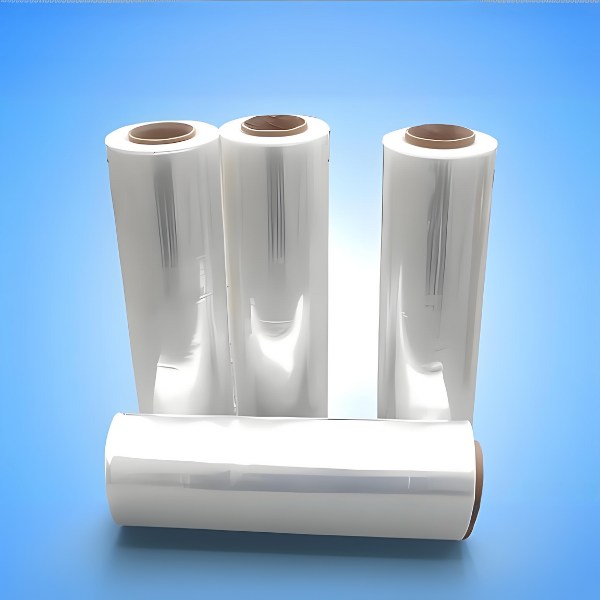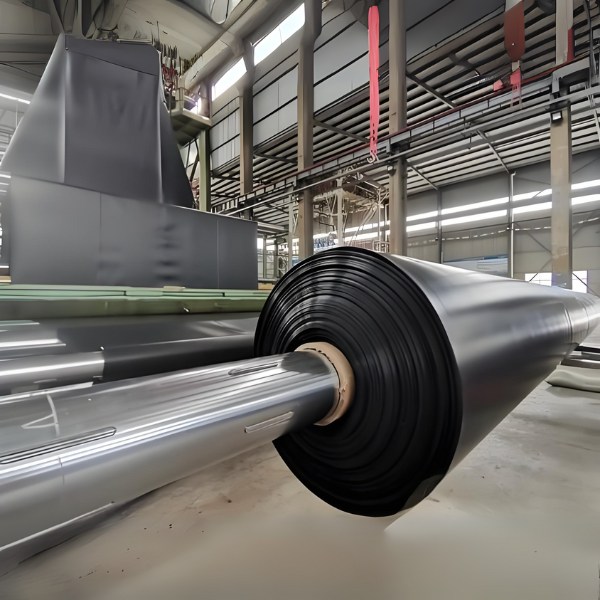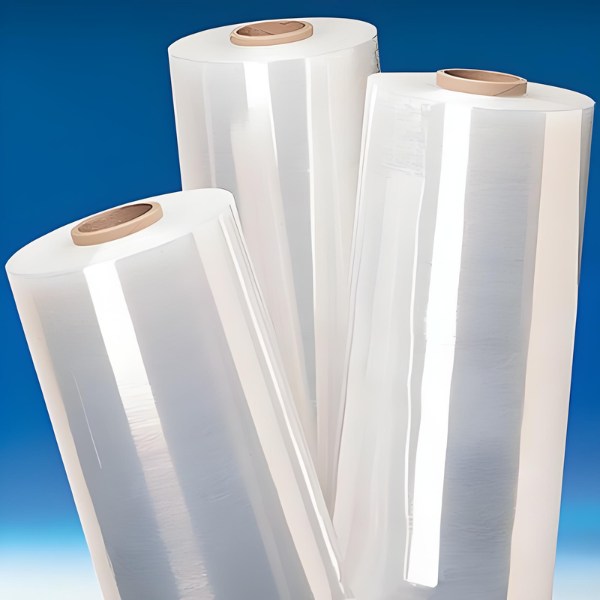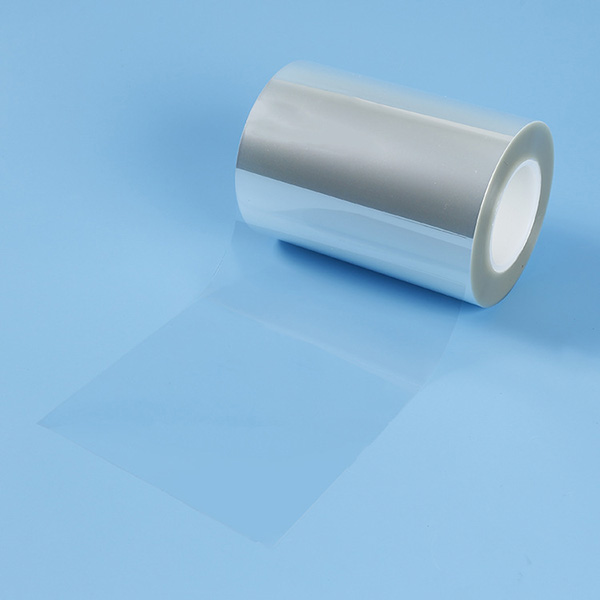
LDPE film properties make this material useful for flexible bags, liners, protective wrapping and selected sealing layers. Its familiar characteristics include softness, flexibility, heat sealability and moisture resistance. However, the term LDPE does not identify one fixed set of finished-film specifications.
For a packaging buyer, the important question is how a particular film performs at the required thickness, on the intended machine and around the actual product. A film that feels soft may still feed poorly, seal inconsistently or provide insufficient protection for its application.
This guide explains the properties worth checking, how to interpret technical data and what to confirm before approving a roll specification. CloudFilm’s LDPE film page provides the corresponding product starting point for a project discussion.
What Determines LDPE Film Properties
LDPE means low-density polyethylene. Its branched molecular structure helps explain its flexibility and processing behavior. It belongs to a wider family that includes LLDPE and HDPE. The PE film guide explains that broader material relationship.
Separate resin properties from film properties. Resin density and melt flow rate describe the starting material. Tensile behavior, haze, friction and sealing performance concern the finished film and depend on its formulation, thickness, production conditions and subsequent treatment.
An LDPE-based film may contain other polyethylene grades, pigments, slip additives or functional masterbatches. A multilayer film can place different formulations on each surface and in the core. Always establish what the proposed film actually contains before comparing data sheets.
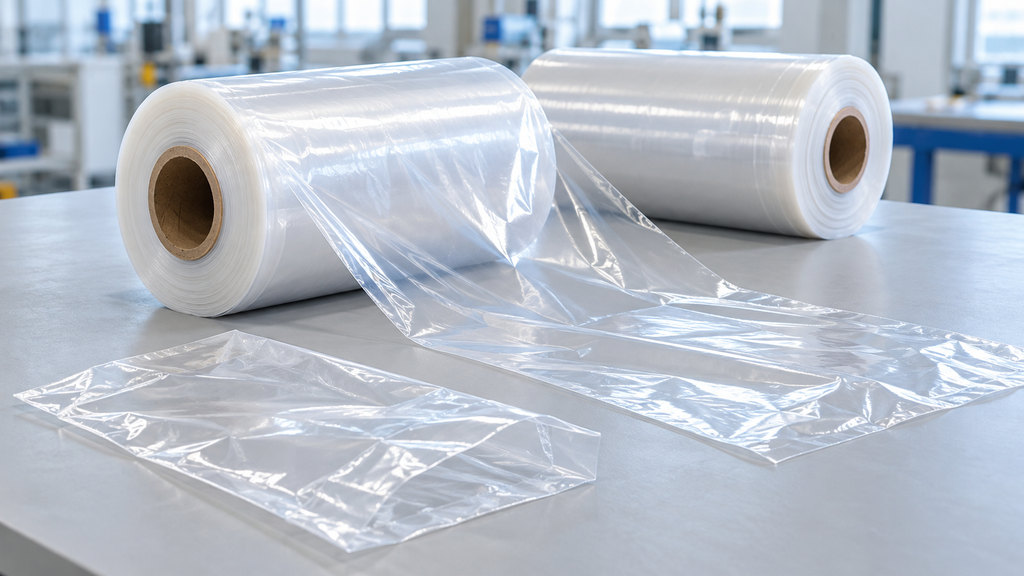
The Properties Buyers Should Review First
| Property | What it helps you understand | What to request |
| Density and thickness | Material weight and theoretical yield | Finished-film density, average gauge and tolerance |
| Tensile strength and elongation | Response to pulling and stretching | MD and TD results with test conditions |
| Modulus | Resistance to deformation at small strain | Method and modulus definition |
| Tear, impact and puncture | Resistance to different damage modes | Separate tests relevant to the package |
| Haze and gloss | Visibility through film and surface appearance | Thickness and measurement method |
| COF and surface treatment | Feeding behavior and converting suitability | Contact surfaces, treated side and test timing |
| Sealing and barrier | Pack closure and product protection | Seal trials, WVTR or OTR where relevant |
Treat these properties as a connected specification. Increasing stiffness may change feel and processing. Changing an additive can affect handling without changing the resin density appreciably. The best choice is the balance that meets the finished package requirements.
Density, Thickness and Film Yield
Density is mass per unit volume. For LDPE films, a value near 0.92 g/cm³ is a useful general reference, but purchasing calculations should use the density of the actual formulation. Fillers, pigments and blends can make a generic assumption inaccurate.
For a uniform film, basis weight in g/m² equals thickness in micrometers multiplied by density in g/cm³. This converts a thickness specification into an approximate amount of material per unit area and helps compare quotations using different weight or area units.
As an illustrative calculation, a 50 µm film at an assumed density of 0.920 g/cm³ weighs 46.0 g/m². Its theoretical yield is approximately 21.74 m²/kg. These are calculated values, not a CloudFilm product specification or a guaranteed roll yield.
Real purchasing yield also depends on thickness variation, trim, rejected material and usable roll length. For center-folded or tubular film, distinguish the stated layflat width from the total developed film width. Otherwise, a correct density can still produce an incorrect weight estimate.
Mechanical Properties Describe Different Failure Modes
Tensile strength and elongation
Tensile strength describes resistance to pulling under a defined test. Elongation at break describes how far a specimen stretches before it breaks. Neither measurement alone establishes whether a filled bag can survive a sharp corner, a drop or a weak seal.
Check both machine direction, MD, and transverse direction, TD. Film processing creates direction-dependent behavior. Compare results only when thickness, specimen preparation and test conditions are comparable; otherwise, a higher reported number may not represent better performance in your package.
Stiffness and handling
Modulus is an indicator of stiffness. Buyers may need enough stiffness for stable web handling while retaining flexibility around the product. Read the modulus definition carefully: values measured using different strain ranges or methods should not be treated as directly equivalent.
Tear, impact and puncture
Propagation tear tests, such as Elmendorf, examine how an existing tear spreads. Dart impact and puncture testing examine different loading conditions. Select tests around the failure: a snagged liner, a dropped product and a pointed component do not challenge the film in the same way.
If a package fails, record the location and failure mode before increasing thickness. A split along a seal may require a sealing change, while damage at a corner may require better puncture performance or a change to the package geometry.
Clarity, Haze and Gloss
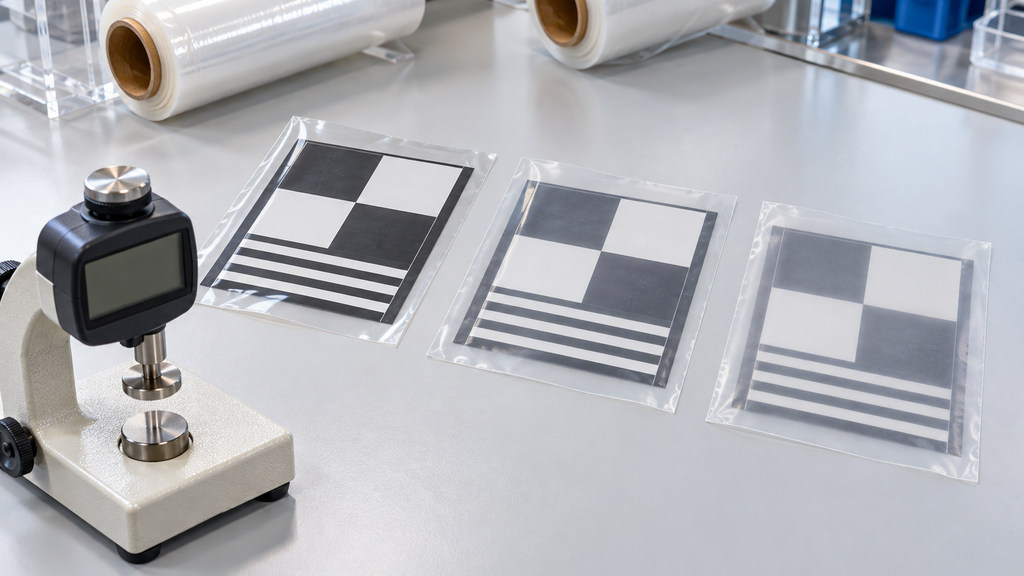
Transparent does not mean that every LDPE film has the same optical quality. Haze describes light scattering that reduces clear viewing through a film. Gloss concerns light reflected from its surface. A shiny film can still look hazy when viewed against detailed print.
Cooling, formulation, surface condition and thickness influence appearance. Compare samples at the same gauge and assess them against the actual product or graphics. CloudFilm’s clear poly film page is relevant when product visibility is a central purchasing requirement.
Avoid approving film only under favorable showroom lighting. View the sample over the intended pack, including any folds or overlapping areas. Specify an acceptable appearance reference as well as numerical requirements when visual consistency matters to the customer.
Friction, Surface Treatment and Converting
Coefficient of friction, or COF, affects how film moves against itself or other surfaces. Too much friction can hinder feeding; unsuitable low friction can make handling difficult. Confirm static or kinetic COF, the contacting surfaces and the conditions used in the test.
Surface treatment addresses a different issue. Polyethylene has low surface energy, so printing and lamination commonly require treatment to improve wetting. State which side is treated and agree the required condition when the film reaches the converting process.
A dyne result is a useful surface check, but it does not replace ink or adhesive adhesion trials. Treatment can change during storage, and additives can influence surface behavior. Confirm performance with the intended ink, adhesive, equipment and storage interval.
Heat Sealing and Temperature Limits
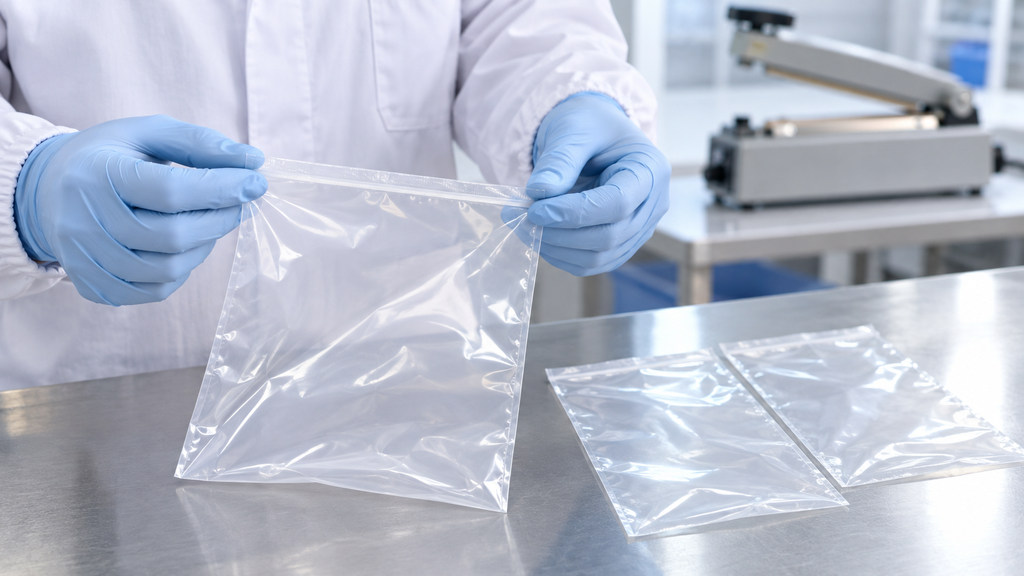
LDPE is widely used where heat sealing is needed, but a resin melting temperature does not by itself determine the correct sealing-jaw setting. Pressure, dwell time, film structure, line speed and contamination at the seal all affect the usable sealing window.
Distinguish cooled seal strength from hot tack, which concerns the strength of a newly formed seal before it has cooled. On a filling line, the seal may experience a load while still warm. A good cooled test result does not automatically resolve that problem.
Ask for trial results at realistic operating conditions rather than one nominal sealing temperature. Identify where failure occurs: within the seal, in the adjacent film, or between layers. This helps separate a material issue from an equipment or process issue.
Softening, melting, heat sealing and continuous service temperature describe different behavior. Ordinary LDPE film should not be assumed suitable for boiling, retort treatment or another demanding thermal process simply because a data sheet lists a melting point.
Moisture Barrier, Oxygen Barrier and Chemical Compatibility
LDPE offers useful moisture resistance for many packaging applications. That does not make it a high oxygen-barrier material. Water vapor transmission rate, WVTR, and oxygen transmission rate, OTR, measure the transmission of different substances and must be specified separately.
When comparing barrier data, match film thickness, temperature, humidity and test method. Lower transmission under the same conditions indicates better barrier performance. The OTR guide for flexible packaging explains how oxygen protection affects material selection.
If the product requires stronger oxygen protection, evaluate an appropriate multilayer or laminated structure and verify the complete package. Seals, closures and damage matter alongside the film’s laboratory results. Do not infer shelf life from a material name alone.
Chemical resistance also needs application-specific checking. The contents, concentration, contact time, temperature and mechanical stress can affect suitability. For a chemical liner, test the intended contents and conditions rather than relying on a broad statement that polyethylene resists chemicals.
How LDPE Differs from LLDPE and HDPE
LDPE is often selected for flexibility and film processing behavior. LLDPE grades can improve toughness and puncture performance in suitable formulations. HDPE is commonly considered when greater stiffness is needed. These broad tendencies help shortlist materials but do not rank every finished film.
CloudFilm also supplies LLDPE film and HDPE film. Compare actual grades and structures against your application rather than replacing one polymer name with another on an unchanged purchase specification.
Blending and coextrusion can combine useful properties, but the result must be measured. The same nominal thickness can produce different stiffness, tear behavior, clarity and seal performance. Request finished-film data for the proposed formulation, especially when qualifying a replacement supplier.
Read a Technical Data Sheet in Context
Borealis FT5230 provides an example of why test conditions matter. Its October 2022 data sheet lists resin density of 923 kg/m³ and film tensile strength of 27 MPa MD and 24 MPa TD. Those figures describe that published example, not all LDPE films.
The film results were measured on 40 µm samples produced using a 60 mm W&H extruder, internal bubble cooling and a blow-up ratio of 2.5. The document identifies the figures as typical values that should not be used directly for specification work.
Use such data to understand the measurements, then request an agreed specification for the film you will receive. Define acceptance limits and test conditions separately from typical reference values. A certificate for the supplied batch should be interpreted against that agreed purchasing specification.
Match Properties to the Application
For bags and liners, prioritize the relevant damage modes, seal integrity and dimensions. For a printed or laminated web, add surface treatment, adhesion and friction requirements. For a transparent overwrap, appearance and handling may deserve particular attention.
Shrink performance requires a film designed for that purpose. Ordinary LDPE film should not be assumed to shrink in a controlled way. The LDPE shrink film manufacturing guide covers that separate production and application topic.
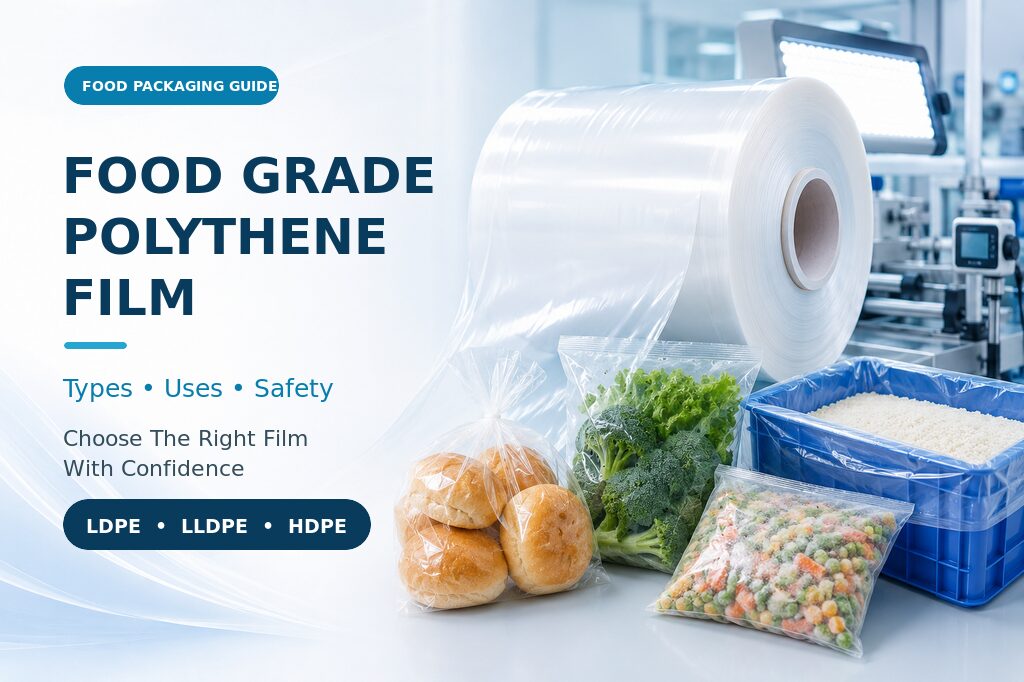
For food contact, identify the food, contact conditions and destination market, then request documentation covering the supplied film. The food grade polythene film guide explains why suitability requires more than the polymer’s name.

Frequently Asked Questions
- Are all LDPE films transparent?
No. Natural films can differ in clarity, and pigments or fillers can make them tinted, milky or opaque. If transparency matters, specify appearance and optical test requirements for the actual thickness rather than relying on the LDPE description.
- Does higher density mean stronger film?
Not in every meaning of stronger. Density can relate to changes in stiffness and structure, but tensile, tear, impact and puncture performance are distinct. Formulation, thickness and processing remain important. Select a test that represents the failure you need to prevent.
- Is LDPE film waterproof?
An intact film resists liquid water, but a finished package may have openings, perforations or imperfect seals. Water vapor can also pass through film over time. Define whether you need splash protection, leak resistance or a specified moisture barrier.
- Is LDPE film automatically recyclable?
No. Practical recycling depends on the complete structure, contamination and available collection and processing systems. Printing, attachments and other materials can affect compatibility. A polymer designation alone does not guarantee that a particular package will be collected or recycled locally.
- Which properties should appear in my inquiry?
Provide the end use, thickness, width, roll format and quantity first. Add the current sample or data sheet, machine information and the main performance problem. Include printing, lamination, food contact or barrier requirements where they apply.
Discuss Your Film Requirements with CloudFilm
Share your current specification and the conditions in which the film will be used. CloudFilm can review the required film type and supply options with you. Confirm important properties through suitable samples, agreed testing and a production specification before placing a repeat order.