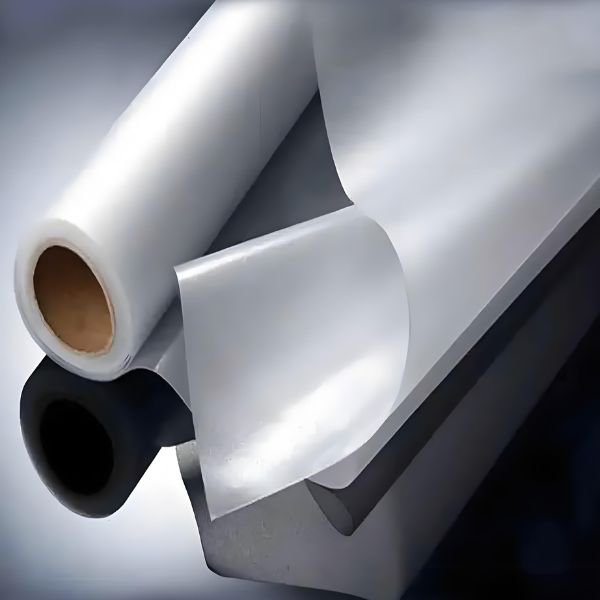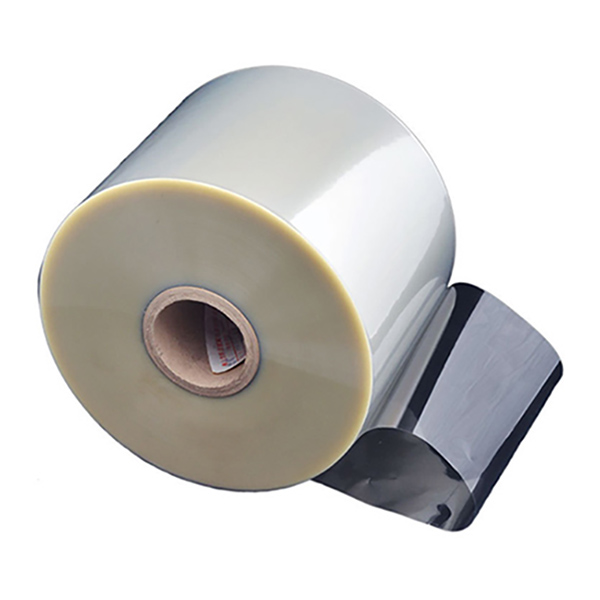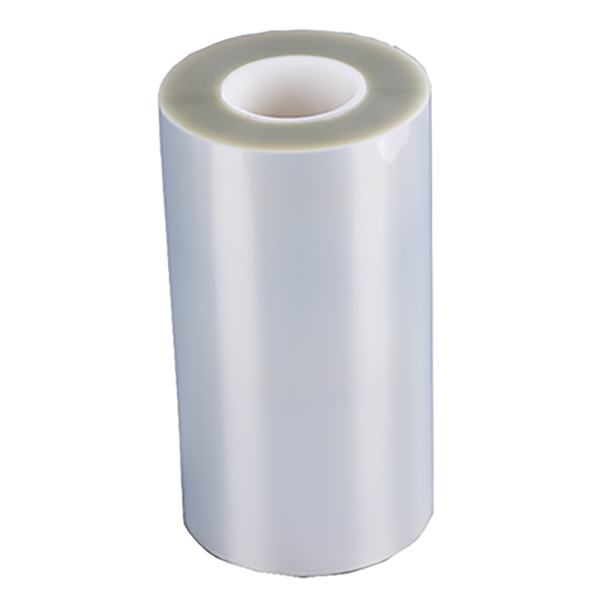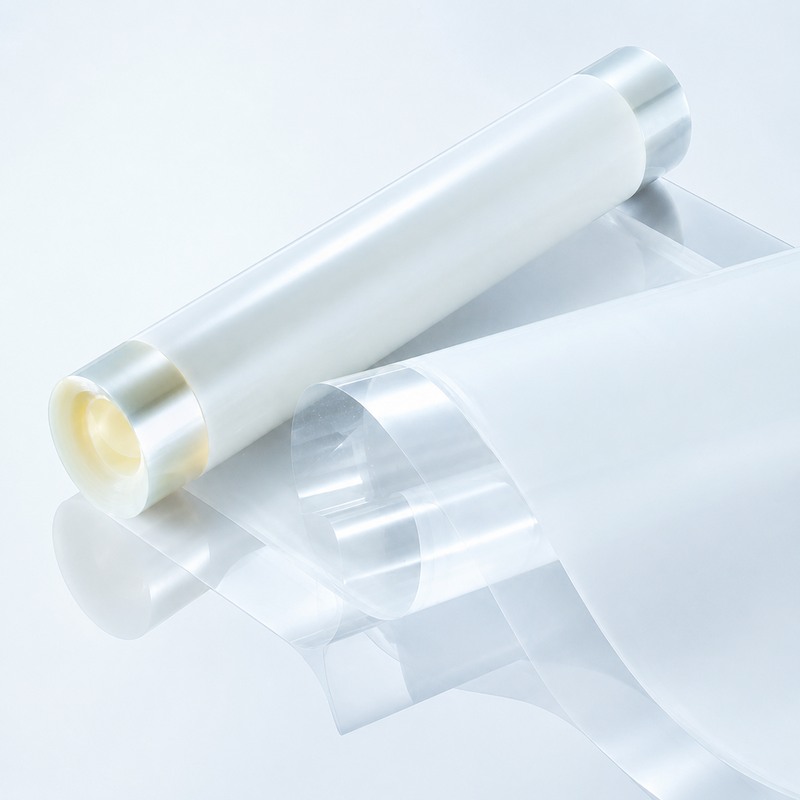
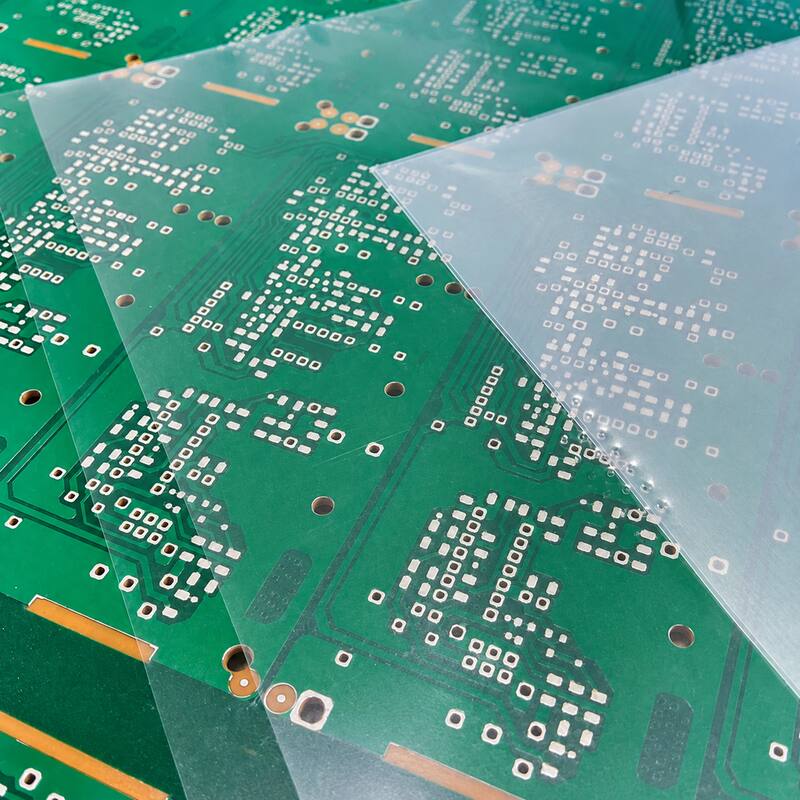
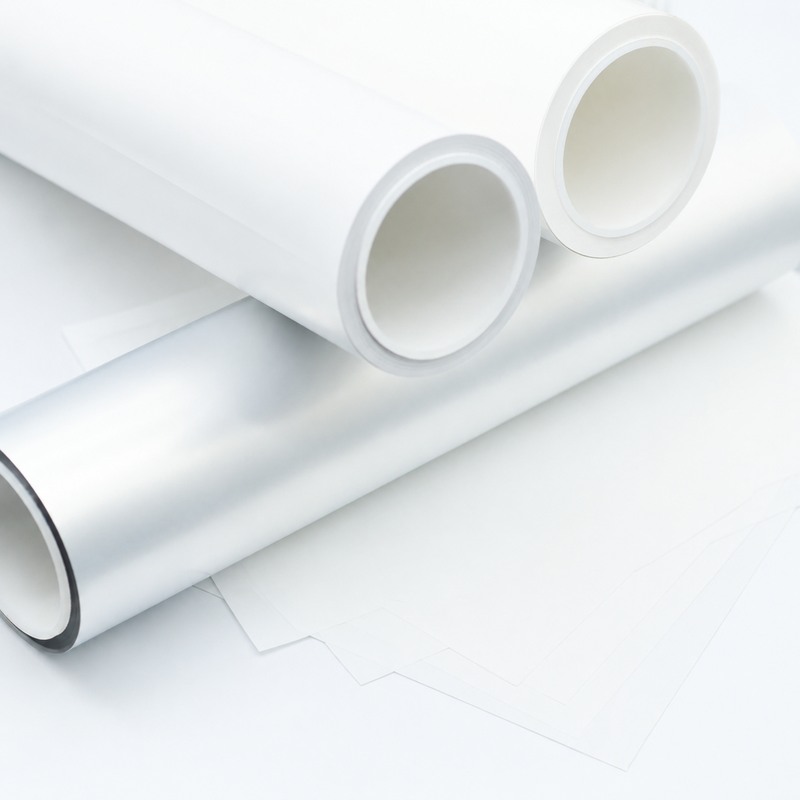
Coated PET Film Types and Selection Guide
| Required Function | Coating or Technology | Main Benefit | Critical Data to Confirm | Typical Applications |
|---|---|---|---|---|
| Oxygen, moisture, and aroma barrier | PVDC-coated PET or KPET | Strong multi-barrier performance with good transparency | OTR, WVTR, temperature, humidity, coating side | Food, pharmaceutical, and aroma-sensitive packaging |
| Transparent high barrier | AlOx-coated PET | Transparent, chlorine-free barrier layer | OTR, WVTR, flex resistance, lamination protection | Clear high-barrier pouches and lidding |
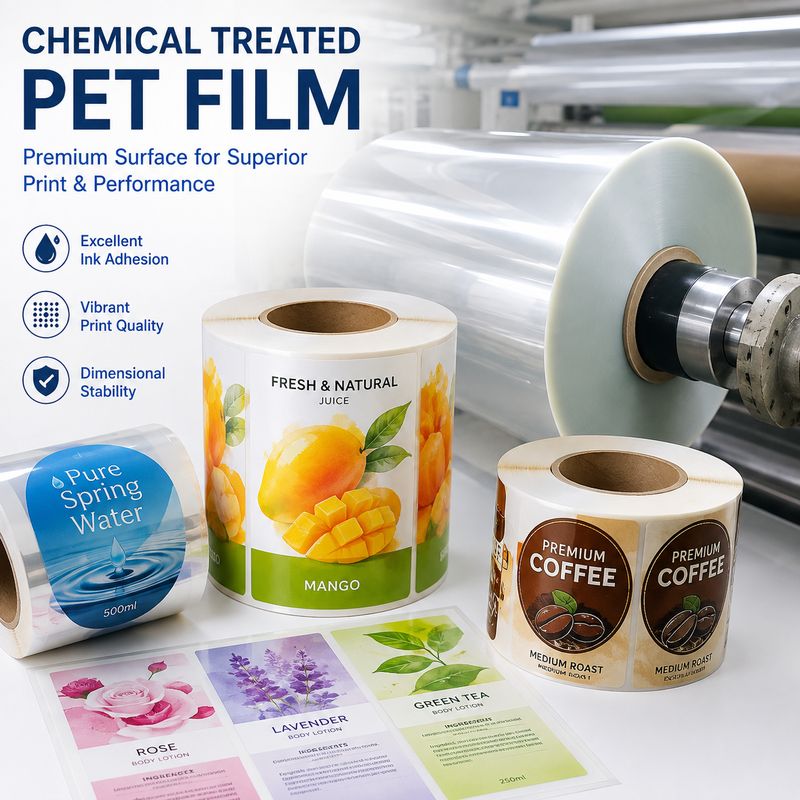
| Printing and bonding adhesion | Chemical or primer-coated PET | Improved compatibility with inks, adhesives, and deposited layers | Surface tension, bond strength, ink and adhesive system | Printing, lamination, metallizing, labels |
| Controlled release | Silicone-coated PET | Stable peeling and separation from adhesive materials | Release force, peel speed, residual adhesion, coating side | Tapes, labels, die-cutting, protective materials |
| Direct heat sealing | Heat-seal coated PET | Sealing to compatible films, trays, or cups | Seal initiation temperature, seal strength, substrate compatibility | Tray lidding, cup lidding, pouches |
| Light barrier and metallic appearance | Vacuum-aluminized PET | Strong light protection and metallic appearance | Optical density, metal adhesion, OTR, WVTR | Coffee, snacks, powders, decorative laminates |
Four-Step Selection Process
1. Define the Main Function
Determine whether the project primarily needs barrier, sealing, adhesion, release, static control, optical performance, or surface protection.
2. Confirm the Converting Process
Identify whether the film will be printed, adhesively laminated, extrusion laminated, metallized, coated again, die-cut, or directly heat sealed.
3. Establish Measurable Targets
Use measurable requirements such as OTR, WVTR, release force, surface tension, seal strength, sealing temperature, haze, or surface resistance.
4. Test the Finished Structure
Evaluate the selected film together with the actual ink, adhesive, sealant, packed product, machine conditions, and expected distribution environment.
Understanding PET Surface Technologies
Coated PET Film
A liquid, dispersion, resin, oxide, silicone, or other functional material is deposited on the PET surface and dried, cured, or otherwise fixed. The added layer changes one or more surface or barrier properties.
Corona-Treated PET Film
Corona treatment uses electrical discharge to raise the surface energy of PET. It can improve wetting and short-term adhesion but does not create the same functional layer as a chemical, barrier, release, or heat-seal coating.
Coextruded PET Film
A coextruded functional layer is formed together with the PET structure during film production. Coextruded heat-seal layers and post-applied heat-seal coatings should be identified separately because their processing windows may differ.
Metallized PET Film
Metallized PET uses vacuum deposition to place a very thin metal layer on the PET surface. It is closely related to coated film technology but is normally treated as a separate product family.
Laminated PET Film
Laminated PET is bonded to another complete film, foil, paper, or substrate using adhesive or extrusion lamination. A laminate is therefore different from a thin functional coating applied directly to PET.