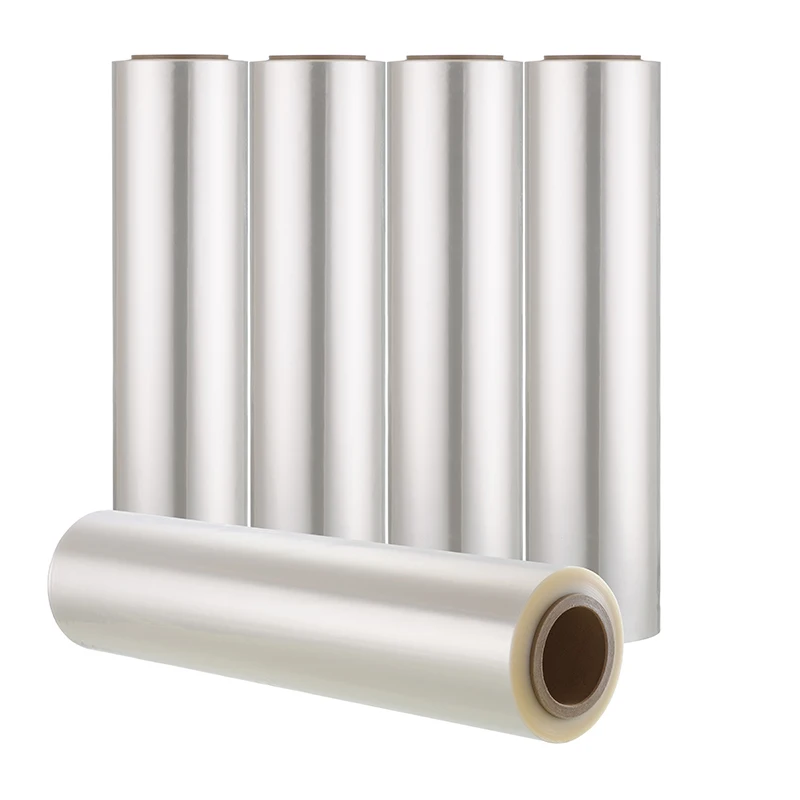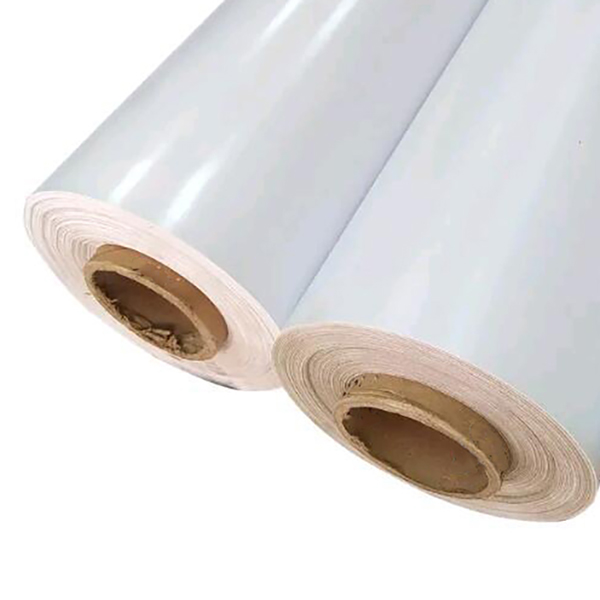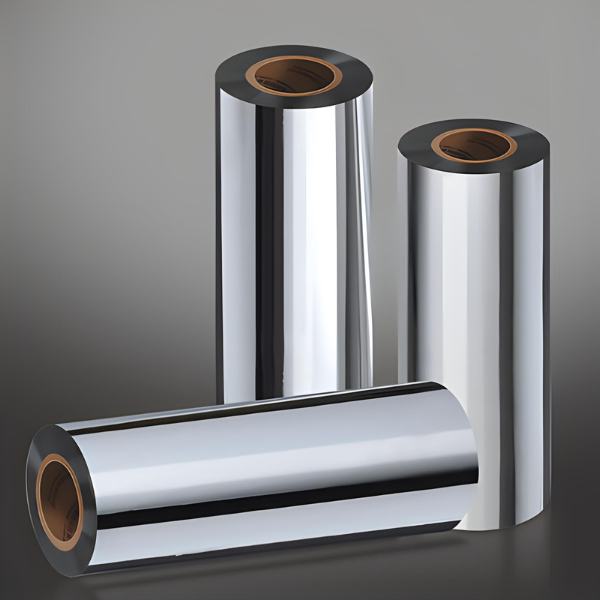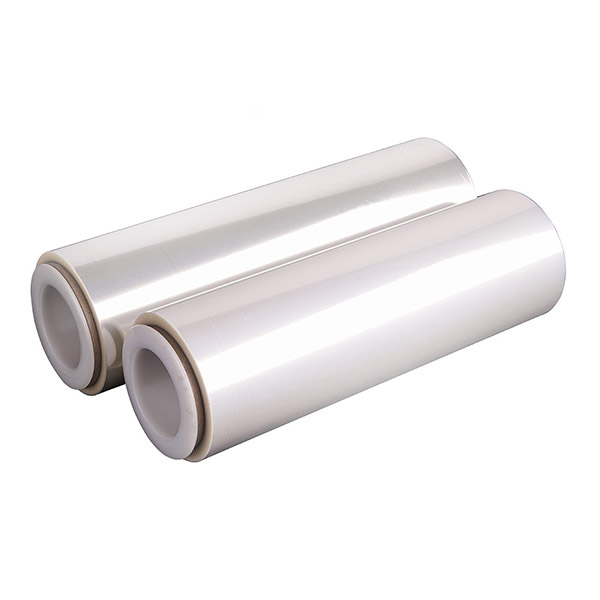
It is well known that composite bags are built by laminating two or more film materials together. For brand owners, converters and packaging buyers, the key questions are: which structure should I choose, and how will it perform on my filling line and in distribution?
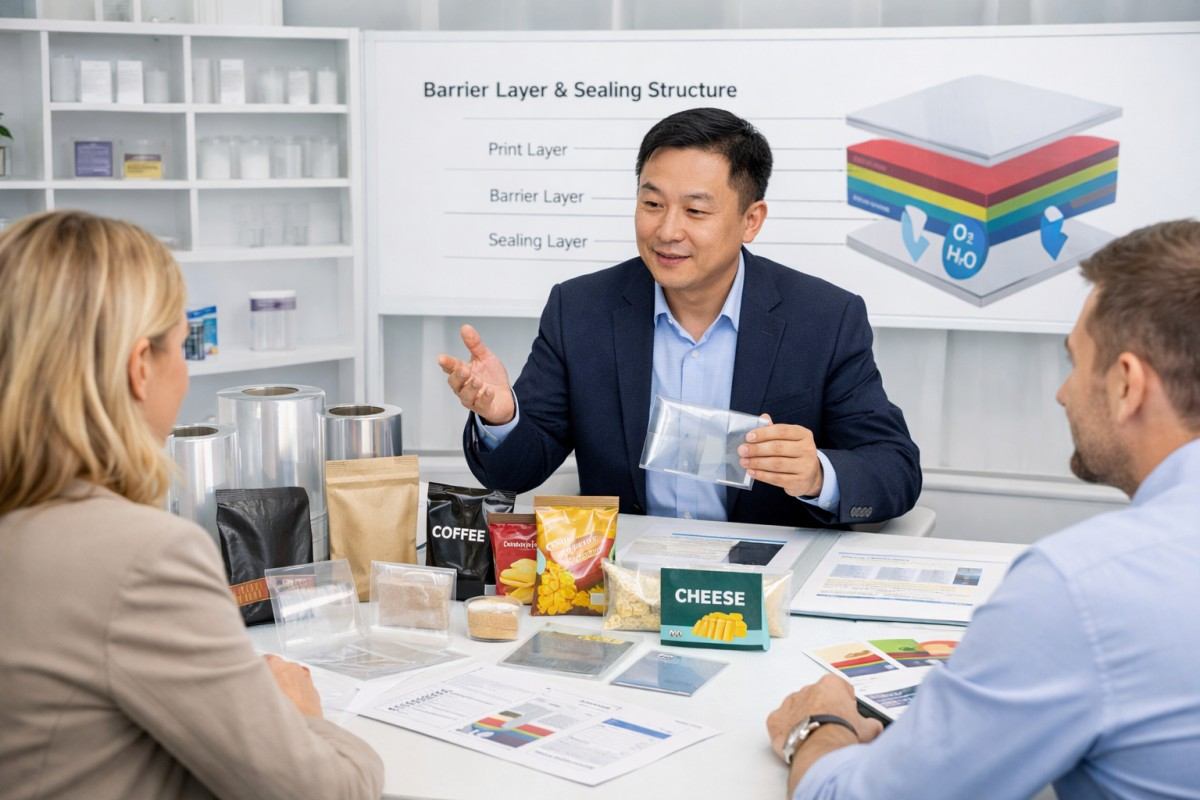
In this guide, CloudFilm explains the basic structure of flexible packaging composite bags – printing layer, barrier layer and heat-seal layer – and shows typical laminate structures used for snacks, rice, coffee, pet food and other products. This will help you match the right composite bag structure to your product, shelf-life target and budget.
Who Uses Flexible Packaging Composite Bags?
Flexible packaging composite bags are widely used wherever products need both visual impact and reliable protection. Typical users include:
- Food brands – snacks, cereals, instant noodles, frozen foods, rice, coffee and confectionery.
- Pet food manufacturers – wet and dry pet food pouches that require strong seals and high barrier.
- Health, pharma and personal-care brands – powders, tablets, medical devices and cosmetics.
- Industrial and agricultural products – detergents, fertilizers, agrochemicals and hardware.
At CloudFilm, many of these projects move from basic films to finished pouches. For example, we supply ready-made rice packaging pouches, candy packaging bags and chocolate packaging pouches that are all based on the composite structures described in this article. By understanding the structure, you can communicate more clearly with our engineers and choose laminates that fit your brand and filling line.
Printing Layer Materials
The materials used for the printing layer must be corona treated to above 36 dynes (single-sided is sufficient). Their main role is to hold ink and adhesive firmly, so that the laminate does not delaminate during pouch making, filling or distribution. At the same time, the printing layer gives the pack its stiffness, clarity and brand image.
Nylon (BOPA)
Also known as BOPA, nylon combines excellent gas barrier properties with high toughness. It is mainly used in laminates for vacuum bags and retort pouches, and can also serve as an intermediate layer in multi-layer structures.
- Nylon/PE – Good overall strength; widely used as a composite for ordinary vacuum bags for rice, frozen foods and similar products.
- Nylon/PE/CPE – Higher impact and drop resistance; suitable for products that are easily squeezed during logistics.
- Nylon/R-CPP – Better heat resistance; suitable as a composite material for high-temperature retort pouches.
PET (BOPET)
Biaxially oriented polyethylene terephthalate (BOPET) is a common outer printing film thanks to its dimensional stability and temperature resistance.
- PET/PE and PET/PE/CPP – Good mechanical strength and printability; often used for powders, medical devices and daily chemical products.
- PET/AL/R-CPP – Combines high barrier, heat resistance and retortability; suitable for high-temperature sterilisation cooking bags and premium retort pouches.
KOP (PVDC Coated OPP)
When OPP is coated with a layer of PVDC (K-Polyvinylidene Chloride), its oxygen and moisture barrier are significantly improved. KOP can therefore act as both printing and barrier layer.
- KOP/PE and KOP/CPP – Fragrance-preserving structures with good barrier performance; ideal for jerkies, dried tofu and other high-value snacks. For higher barrier requirements, KOP can be combined with other PVDC coated films.
OPP (BOPP)
BOPP is well known for its transparency, hygiene and cost-effectiveness. It is one of the most widely used printing films in flexible packaging.
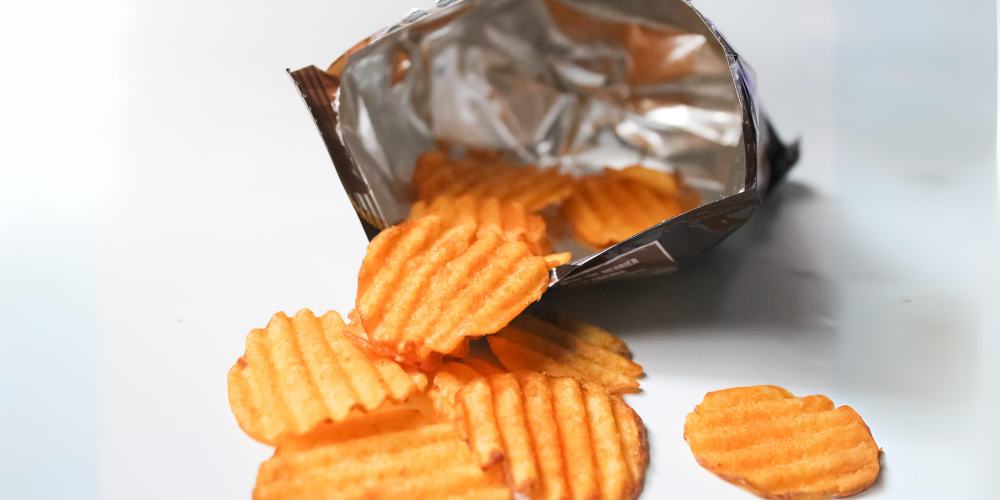
- OPP/CPP and OPP/PE – High transparency, simple converting process and competitive cost; suitable for snacks, candies, ornaments and many dry food applications.
PTT (Matte OPP)
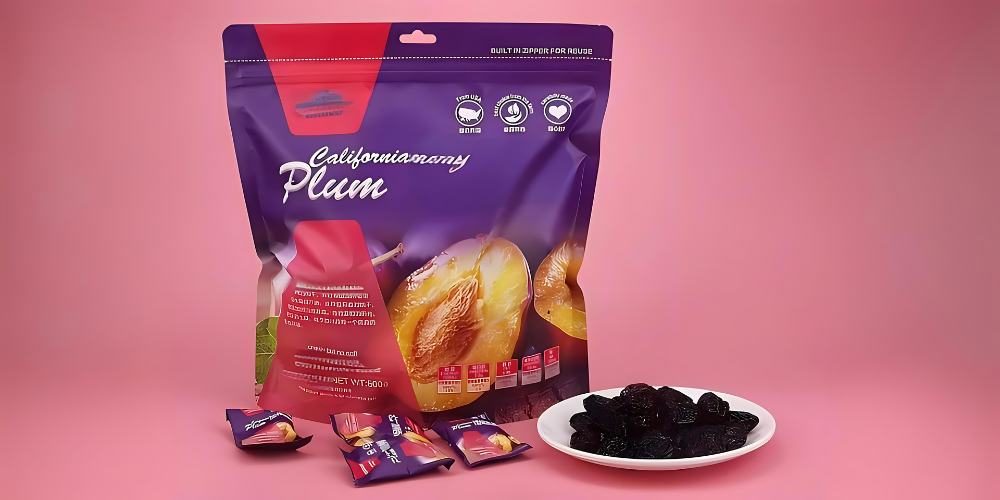
Matte OPP (PTT) has a high haze level (around 40–70%), giving a semi-translucent, premium appearance. It is often used to enhance pattern effects and visual layering for snacks such as prunes and cherries.
- PTT/PE and PTT/CPP – Common structures for snacks where a soft-touch, non-glare finish is required.
TNylon (Co-extruded Nylon)
Co-extruded nylon (TNylon) is a co-extrusion of NYLON + PE. It offers:
- High tear strength and good gas barrier properties.
- Tensile strength higher than PE but lower than mono-layer NYLON.
- Elongation higher than NYLON but lower than PE.
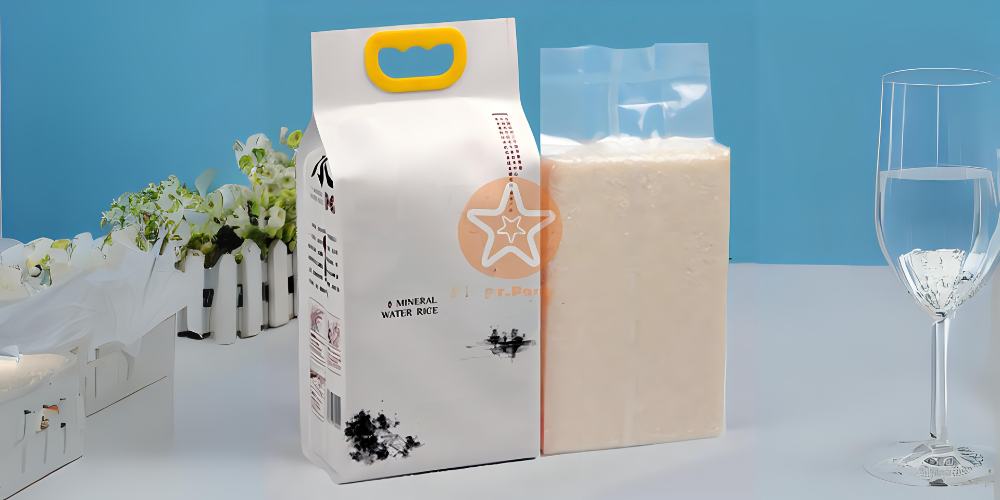
The typical composite structure is TNYLON/PE, which is widely used for heavy-duty or vacuum rice bag packaging.
How CloudFilm Supports Your Printing Layer Choices
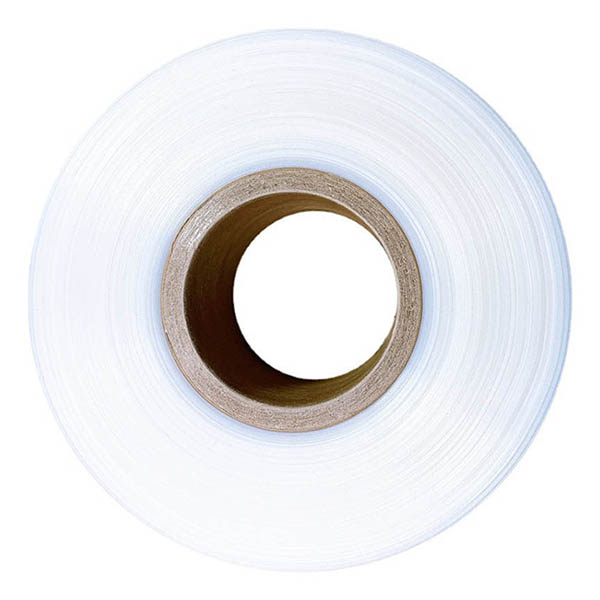
CloudFilm supplies and converts key printing films such as BOPP film, BOPET film and BOPA film into roll stock or pre-made pouches. For short-run or multi-SKU projects, the same structures can be printed using our digital flexible packaging
workflow, helping you reduce cylinder costs while keeping color consistency.
Barrier Layer Materials
The barrier layer – often the middle layer in a laminate – also requires double-sided corona treatment above 36 dynes. Its primary function is to block oxygen, moisture and (in some cases) light, so that the product’s colour, aroma and flavour are preserved throughout its shelf life.
In the international packaging community, barrier performance is usually divided into three levels:
- High barrier – Oxygen transmission rate (OTR) below 10 mL. Typical materials include aluminum foil and PVDC-based films, which are widely used in high-value food and pharmaceutical packaging.
- Medium barrier – OTR between 10–150 mL, such as nylon and polyester (PET). These are suitable for many everyday food and snack applications.
- Low barrier – OTR above 150 mL, such as PE (polyethylene) and PP (polypropylene). These materials provide basic protection and are often used as sealant layers.
Common barrier or intermediate materials include:
Aluminum Foil (AL)
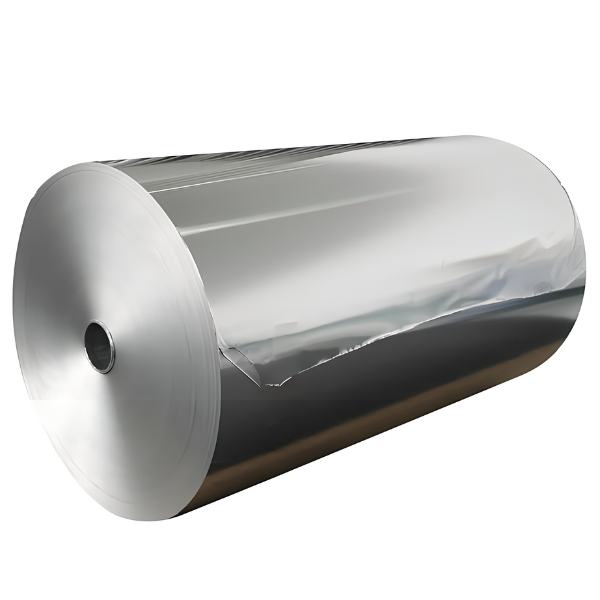
Aluminum foil has strong metallic gloss and is easy to form. It provides an excellent barrier to gas, water and light, making it suitable for retort pouches, high-aroma products and high-value pharmaceuticals. CloudFilm offers both food grade aluminum foil and flexible packaging aluminum foil for such applications.
Pearlescent Film
Pearlescent film is made by blending pearlescent pigments into OPP. It offers a light-blocking pearly appearance and can be used as an intermediate layer to enhance perceived quality, for example in ice cream, instant noodles and premium snacks.
VMPET (Metallized PET)
Metallized PET provides metallic gloss, good barrier and stretchability. While its barrier is slightly lower than pure aluminum foil, its cost and processability are more favourable. VMPET is widely used in snack, coffee and confectionery laminates such as PET//VMPET//PE.
Other High-Barrier Coatings and Co-extrusions
In addition to these, PVDC-coated films and co-extruded EVOH structures can significantly boost oxygen and aroma barrier. CloudFilm’s PVDC coated films and co-extruded EVOH films are typical choices when you need high barrier without using aluminum foil, for example in microwaveable snacks or recyclable-leaning structures.
Heat Seal Layer Materials
Heat Seal Layer Materials
The heat-seal layer is the “closing” layer of the laminate. It also needs single-sided corona treatment above 36 dynes, and some films have heat-sealability via special coatings (such as heat-sealable BOPP or PET). Choosing the right sealant affects seal strength, machinability and consumer opening experience.
PE / CPE
PE and CPE have high elongation, tear resistance and good heat resistance, while remaining cost-effective. PE is also known for its good hygiene and is sometimes called the “flower of plastics”. These materials are widely used as inner layers of food pouches, frozen food bags and heavy-duty sacks.
CPP
CPP provides high gloss, transparency, elongation and tear resistance. It is one of CloudFilm’s most commonly used sealant base films. Retort-grade CPP (R-CPP) offers higher temperature resistance for retort pouches while keeping similar optical and mechanical properties. Typical structures include PET/CPP, PET/PE/CPP and Nylon/R-CPP.
TCS
TCS films combine high elongation, tear resistance and good slip properties. They are generally used for heavy-duty packaging or as lid base films where easy-peel or controlled opening is required, but their cost is higher than standard PE or CPP.
EVA
EVA has a lower heat-sealing temperature, good gloss, excellent flexibility and cold resistance. Modified EVA is easy to tear and is commonly used in peelable lid films for yogurt, jelly and cold drinks, in structures such as PET/PE/EVA or PET/VMPET/PE/EVA.
CloudFilm’s PE film and CPP film ranges cover regular, anti-fog, anti-static and retort grades, allowing you to match the seal layer to your product type and packing line speed.
Several Commonly Used Product Structures
Once you understand the roles of the printing, barrier and heat-seal layers, the next step is to choose a laminate structure that matches your product and process. Below are several common composite structures used in flexible packaging.
Ordinary Packaging Structures
Structures such as OPP/CPP, OPP/CPE or OPP/PE mainly use regular laminating inks and standard adhesives. The composite strength is generally above 1 N. Key features:
- High transparency and good gloss.
- Simple production process and competitive cost.
- Suitable for snacks, cereals, candies, frozen foods, ornaments, clothing and many other dry foods.
These structures are widely used in pillow pouches and flow-wrap packs. If you are designing snack or candy packs, you can also refer to CloudFilm’s pillow pouches and candy packaging bags.
Vacuum Packaging Structures
Typical vacuum structures include Nylon/CPE or CPP and co-extruded Nylon/CPE. They can use regular laminating inks and adhesives, while still achieving good composite strength and gas barrier.
- Suitable for ordinary vacuum-packed foods such as rice and frozen foods.
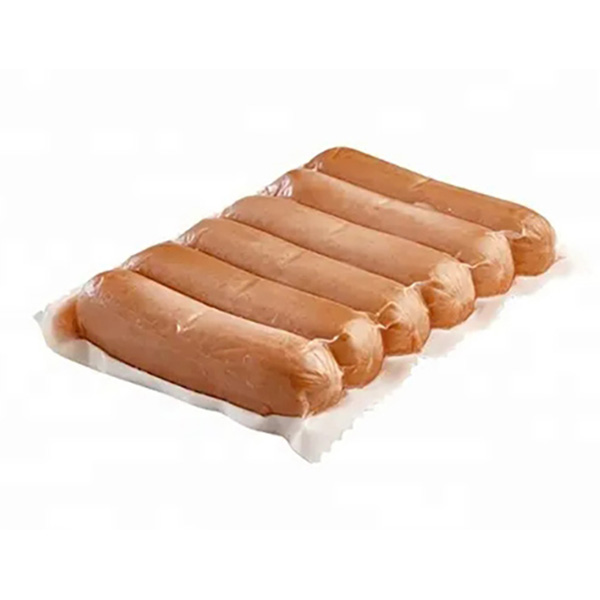
- When nylon-type inks and adhesives are used, the composite strength can withstand sterilisation around 100 °C, making it suitable for low-temperature sterilised foods like bamboo shoots and sausages.
For retail and export rice projects, structures based on TNYLON/PE or PA/PE are commonly used, as seen in CloudFilm’s rice packaging pouch solutions.
High-Temperature Cooking (Retort) Structures
High-temperature retort structures include Nylon/R-CPP and PET/AL/R-CPP. They are mainly printed with nylon-type inks and laminated with high-performance adhesives to achieve high composite strength.
- Nylon/R-CPP – High transparency and good water resistance; suitable for vacuum-packed retort foods such as bamboo shoots and marinated foods.
- PET/AL/R-CPP – Excellent gas and light barrier; suitable for high-temperature sterilised foods such as sweet corn and ready-to-eat meals.
CloudFilm’s retort CPP film is often used as the sealant layer in these structures.
Barrier Packaging Structures
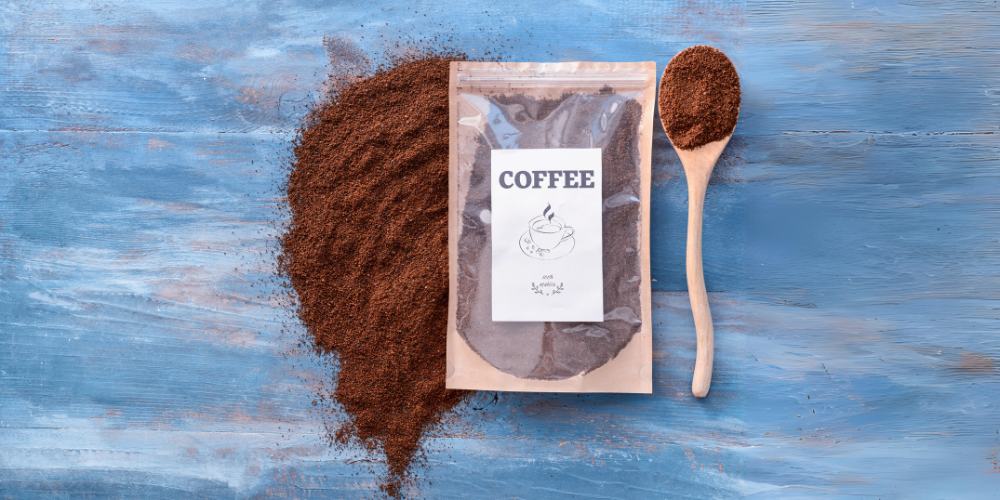
For products requiring higher barrier – such as tea, coffee, pharmaceuticals, high-end biscuits and personal-care liquids – multi-layer structures are commonly used. Examples include:
- PET/PE/AL/PE/CPP
- PET/VMCPP
- PET/VMPET/PE/CPP or R-CPP
These laminates offer UV resistance, high mechanical strength, impact resistance and high barrier properties, and are normally printed with nylon-type inks and laminated with high-performance adhesives. CloudFilm uses similar structures in coffee packaging bags and other flexible pouches.
Easy-Tear Lid Material Structures
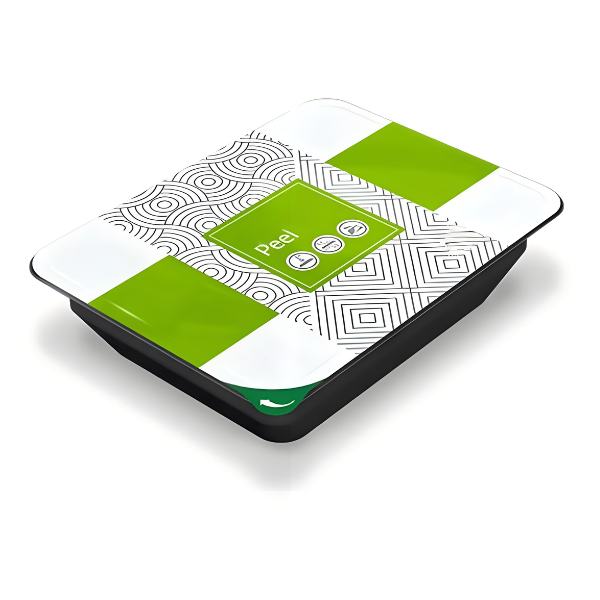
Structures such as PET/VMPET/TCS, PET/PE/EVA and PET/CPE can be printed with regular inks and laminated with standard adhesives. Their main feature is easy opening, making them suitable for pudding lids, yogurt lids and other peelable lid films. CloudFilm also offers easy peel films for these applications.
Anti-Fog Packaging Structures
Anti-fog structures such as OPP/anti-fog PE use regular laminating inks and special anti-fog adhesives. Their key feature is the anti-fog effect, ensuring visibility of hot or chilled foods such as roast chicken or fresh vegetables. For tray-sealing lines, these films are often used as top lidding over PET or PP trays.
FAQ: Flexible Packaging Composite Bags
1. What is the difference between the printing, barrier and heat-seal layers?
The printing layer provides stiffness, appearance and ink adhesion. The barrier layer controls oxygen, moisture and light transmission to protect shelf life. The heat-seal layer closes the pack and defines seal strength, machinability and consumer opening force.
2. How do I choose a suitable composite bag structure for my product?
Start from your product type (dry snack, coffee, rice, wet pet food, liquid, etc.), shelf-life target, filling method and distribution route. Then choose a laminate that balances barrier level, stiffness and cost. CloudFilm’s engineers can recommend structures based on your current pack or target performance – simply share photos, samples or basic parameters through our quotation form.
3. Can composite packaging bags be recyclable?
Traditional laminates often mix different polymers and aluminum foil, which are difficult to recycle. Today, more projects use mono-material PE or PP structures with EVOH or coated high-barrier films. CloudFilm provides recyclable pouches
and can advise how to move from conventional laminates to recyclable designs where local recycling streams allow.
4. What information should I send when asking CloudFilm for a quotation?
To speed up our reply, please share:
- Product type and pack format (pouch, pillow pack, lidding, etc.).
- Target structure (for example PET/PE, PET/AL/R-CPP, Nylon/PE, KOP/CPP).
- Film thickness and roll width, or pouch size and filling weight.
- Estimated annual volume and destination country/port (FOB or CIF).
With this information, CloudFilm can provide a clear recommendation, sample plan and quotation for your composite packaging bags.
Conclusion
This article has outlined how different materials – such as nylon, PET, KOP, OPP and various sealant films – combine to form the printing, barrier and heat-seal layers in composite packaging bags. By understanding these roles, you can design laminates that deliver the right balance of appearance, protection and cost for your product.
We also reviewed several common laminate structures, including ordinary, vacuum, retort, high-barrier, easy-tear and anti-fog designs, together with typical applications from snacks and rice to coffee, dairy and ready meals.
If you are planning a new project or optimising an existing package, CloudFilm can help you choose suitable films, define laminate structures and provide both roll stock and pre-made pouches. Share your product details, target structure and annual volume with our team, and we will propose a practical composite bag solution with samples and a clear quotation.