What Is Flexible Packaging In Business Terms?
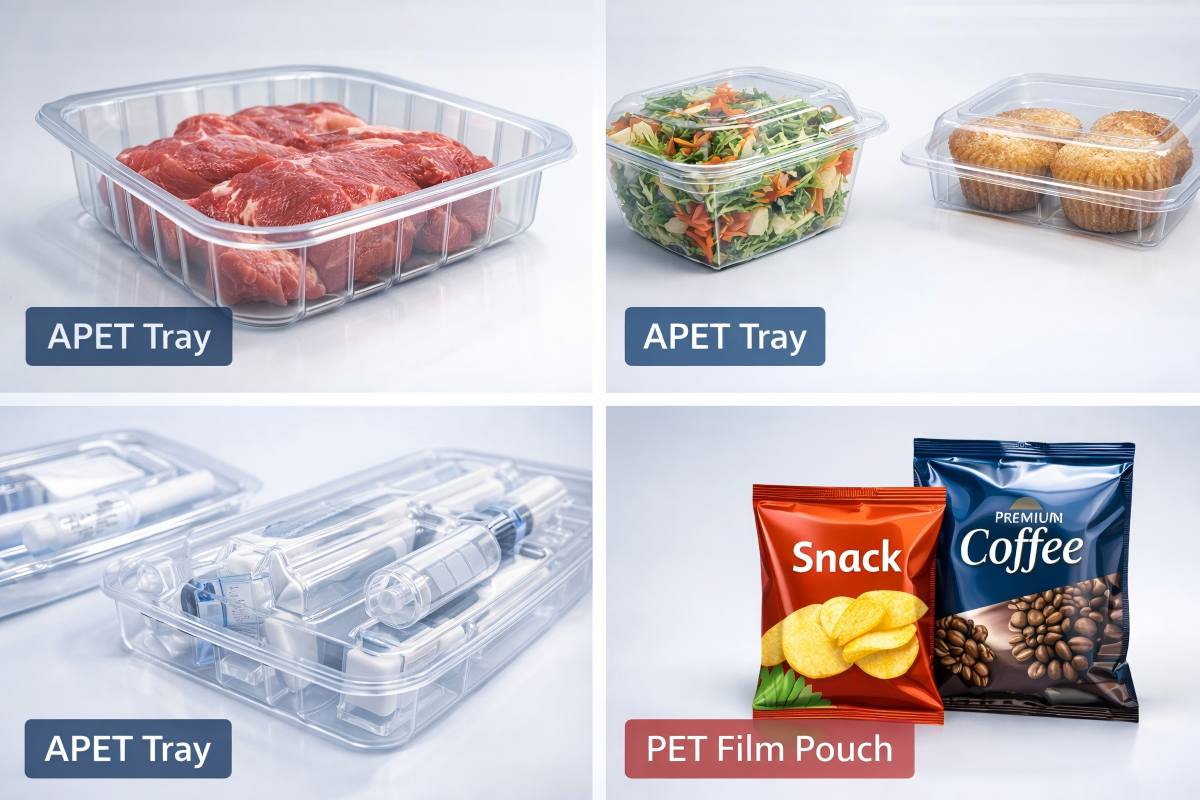
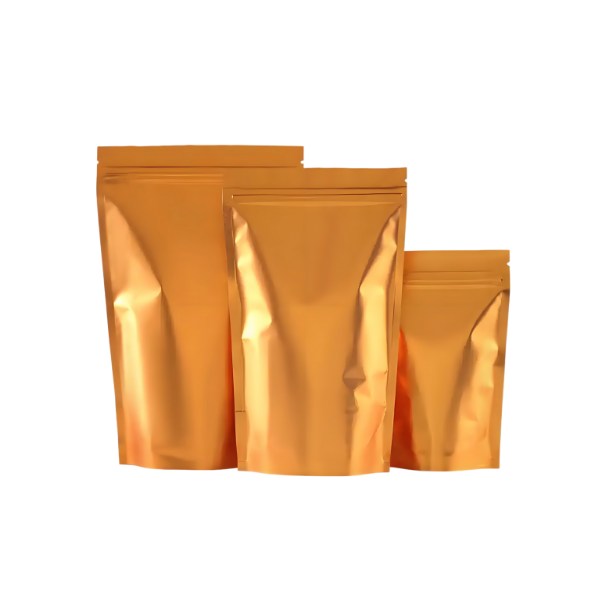
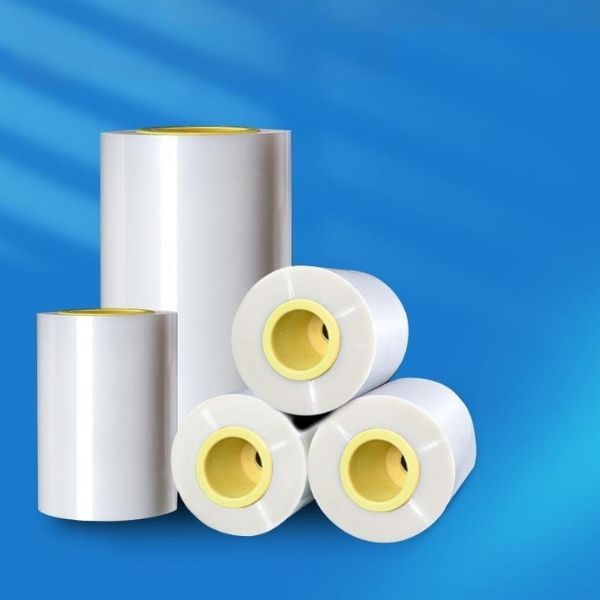
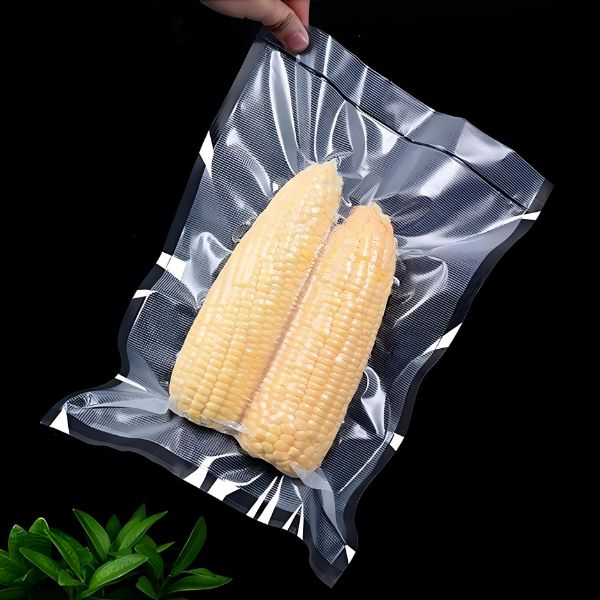
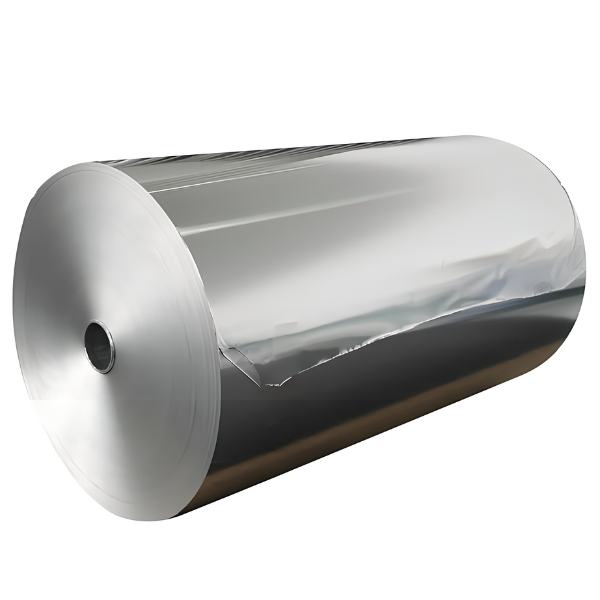
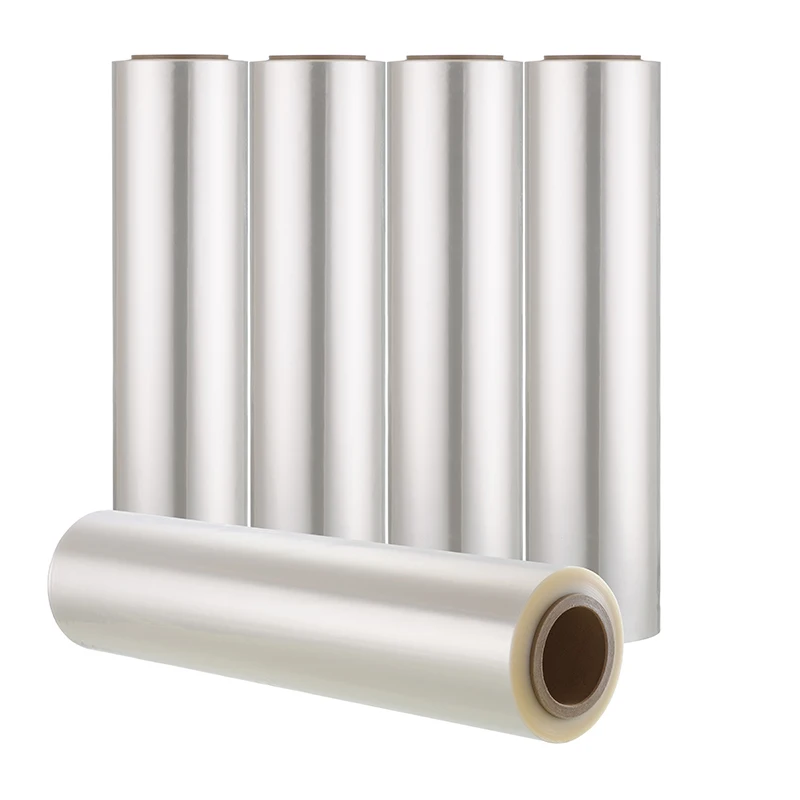
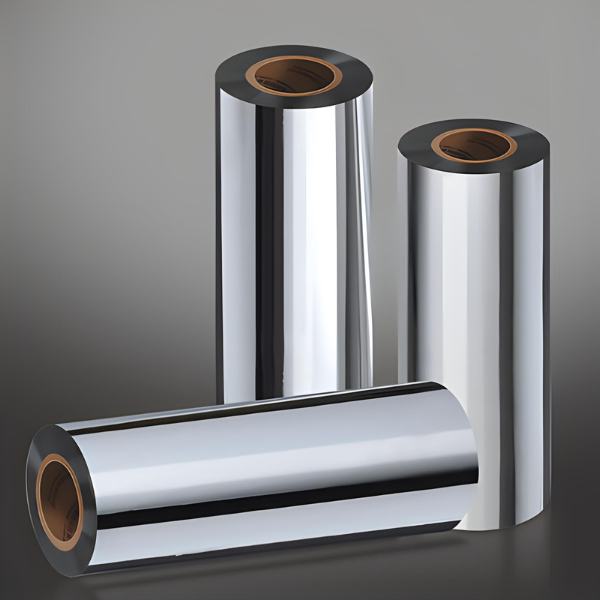
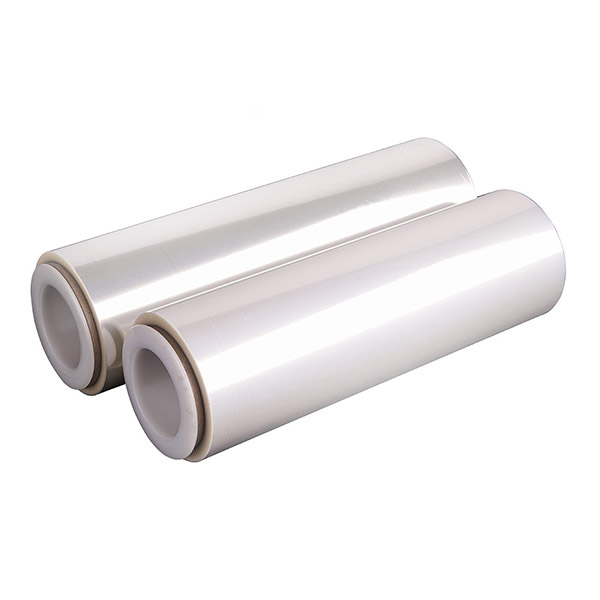
Flexible packaging refers to any package or part of a package whose shape can readily change when filled or during use. Typical examples include plastic film rollstock, pillow packs, stand-up pouches, lidding films, shrink sleeves and vacuum bags.
Instead of rigid walls like glass jars or metal cans, flexible packaging uses engineered films and laminates to deliver protection, branding and convenience in a lightweight form. For a deeper comparison, you can review CloudFilm’s flexible vs rigid packaging comparison guide.
For buyers and brand owners, flexible packaging is more than “just a film”. It is a complete solution that combines substrate selection (BOPP, BOPET, BOPA, PE, CPP, PE/EVOH/PE, PET/VMPET/PE, etc.), barrier design, pouch or roll format, printing, and quality control.
A good flexible packaging solution is engineered around your product’s shelf life, your filling line, your logistics and your brand position. A good place to see this system view in practice is CloudFilm’s flexible packaging solutions for food and CPG brands.
As a flexible packaging film manufacturer and supplier, CloudFilm designs and supplies BOPP, BOPET, BOPA, PE, CPP and high-barrier co-extruded films that feed into these solutions. When you choose flexible packaging, you are effectively choosing a business tool that can reduce cost, unlock new markets and improve sustainability—not just a “bag” or a “roll”. You can learn more about the full film portfolio on the CloudFilm products overview.
Why Flexible Packaging Is Winning Versus Rigid Packaging
Across food, pet food, personal care and medical products, brand owners are steadily shifting from glass, metal and rigid plastics to flexible packaging. The reasons are straightforward: flexible packs are lighter, use less material, occupy less space in transport and storage, and allow far more freedom in shape and design.
If you need a broader context, the flexible and rigid packaging comparison guide walks through these trade-offs in detail.
Compared to rigid packaging, flexible packaging delivers:
- Lower total cost: Less material per unit, fewer secondary packaging materials, lower transportation weight and volume.
- Safer logistics: No shattered glass, fewer dents and less damage during distribution.
- More design freedom: You can switch quickly between pillow packs, flat pouches, stand-up pouches or high-clarity “crystal” flexible packaging structures that showcase your product, as introduced in CloudFilm’s crystal flexible packaging guide.
- Better shelf efficiency: More units per shelf, more units per case and more units per pallet.
For many SKUs, the question is no longer “rigid or flexible”, but which type of flexible packaging is optimal—mono-PE, PET/PE, PE/EVOH/PE, PET/VMPET/PE, or others. That is exactly where a technical partner like CloudFilm adds value through its flexible packaging solutions.

The 10 Core Advantages Of Flexible Packaging
Advantage 1 – Significant Cost Savings
Flexible packaging can dramatically reduce your packaging cost per unit. You use less polymer per pack than with a thick rigid container, and you can optimize structures using density and thickness to hit performance targets at minimum weight.
Tools such as CloudFilm’s flexible film density formulas and yield guide help buyers and engineers quickly compare PP, PE, PET, PA and metallized films and choose cost-effective options for each product.
By quantifying GSM and yield, you can estimate cost per square meter and then cost per finished pack, instead of relying only on “price per kilogram” from suppliers.
Advantage 2 – Lower Logistics And Storage Costs
Because flexible packaging is lightweight and can be shipped and stored as flat rollstock or empty pouches, it can reduce transportation and warehousing costs by 20–60% versus rigid formats in many scenarios. You can load far more packs per pallet and per container, which is especially critical for export-oriented brands.
This advantage is magnified when you ship through long routes where freight costs and container space are major cost drivers.
If your core business is exporting food or consumer goods, combining flexible primary packaging with PE stretch film and PE shrink film for secondary and tertiary packaging can further optimize the total logistics cost. These PE films are discussed across CloudFilm’s PE resources, including the PE packaging film uses and selection guide.
Advantage 3 – Strong Product Protection And Shelf Life
Modern flexible structures can deliver oxygen, moisture and light barriers that rival or even surpass many rigid packs. High-barrier co-extruded films like PA/EVOH/PE or PE/EVOH/PE are widely used for vacuum meat packs, cheese, sauces and liquid food, offering extended chilled or frozen shelf life and fewer returns.
CloudFilm’s EVOH bags for meat, cheese and liquids and its co-extrusion EVOH film product range are typical examples of how flexible packaging protects high-value products without heavy rigid containers. If you want to understand how these barrier resins work inside structures, the article difference between nylon and EVOH is also a useful technical reference.
Advantage 4 – Branding, Shelf Impact And “Crystal” Clarity
Flexible packaging is a powerful branding canvas. You can combine high-definition gravure or digital printing, matte or gloss finishes and special structures like “crystal” flexible packaging to achieve strong shelf impact.
For example, BOPP matte film can create a premium, low-gloss look for snacks and cosmetics, while crystal-clear CPP, BOPP or PET laminates showcase product quality directly through the pack, as shown in the crystal flexible packaging guide.
By collaborating with a professional flexible packaging film manufacturer, you can align film selection with your brand positioning, price segment and retail environment—choosing, for example, soft touch matte finishes for premium SKUs and high-gloss films for mass-market visibility.
Advantage 5 – Consumer Convenience And Better User Experience
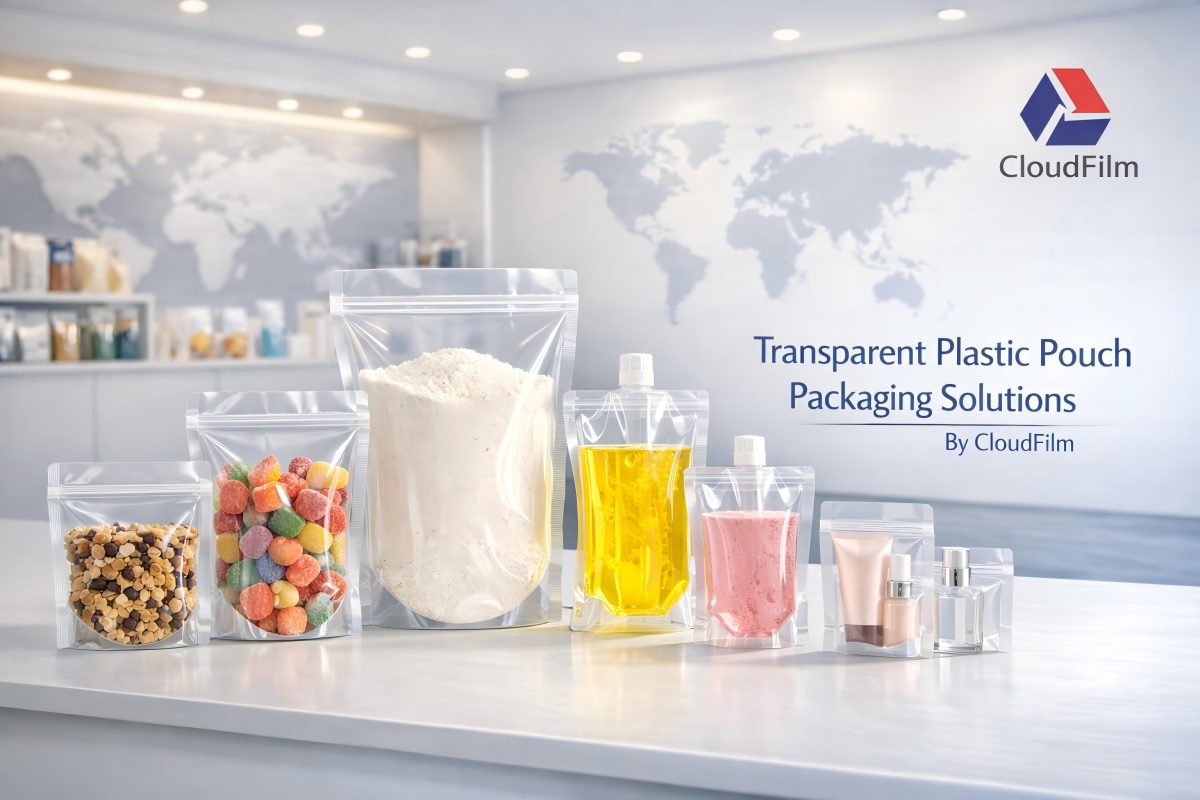
Flexible packs can integrate features such as tear notches, spouts, zippers, handles and easy-pour shapes. For liquid detergents, sauces and hair care products, pour-spout pouches offer a lighter, safer and often cheaper alternative to rigid bottles. CloudFilm’s product lines like spout pouches and liquid pouches are designed exactly for these applications.
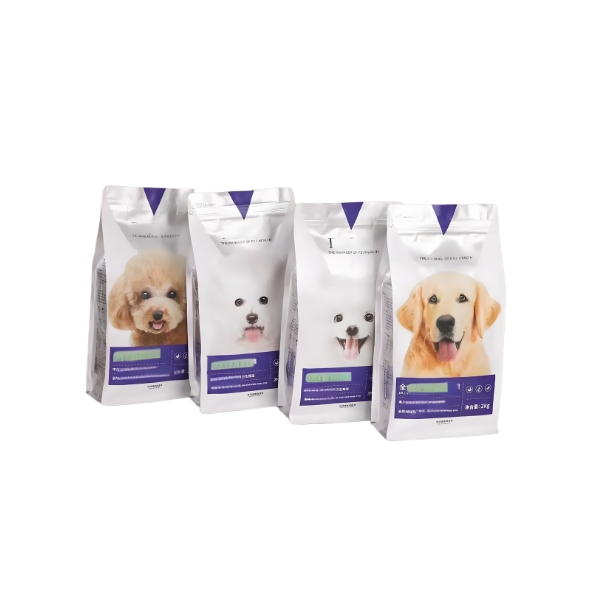
For snacks and pet food, reclosable pouches help maintain product freshness while improving convenience—benefits that translate into higher repeat purchase rates and stronger brand loyalty.
Advantage 6 – Sustainability And Material Efficiency
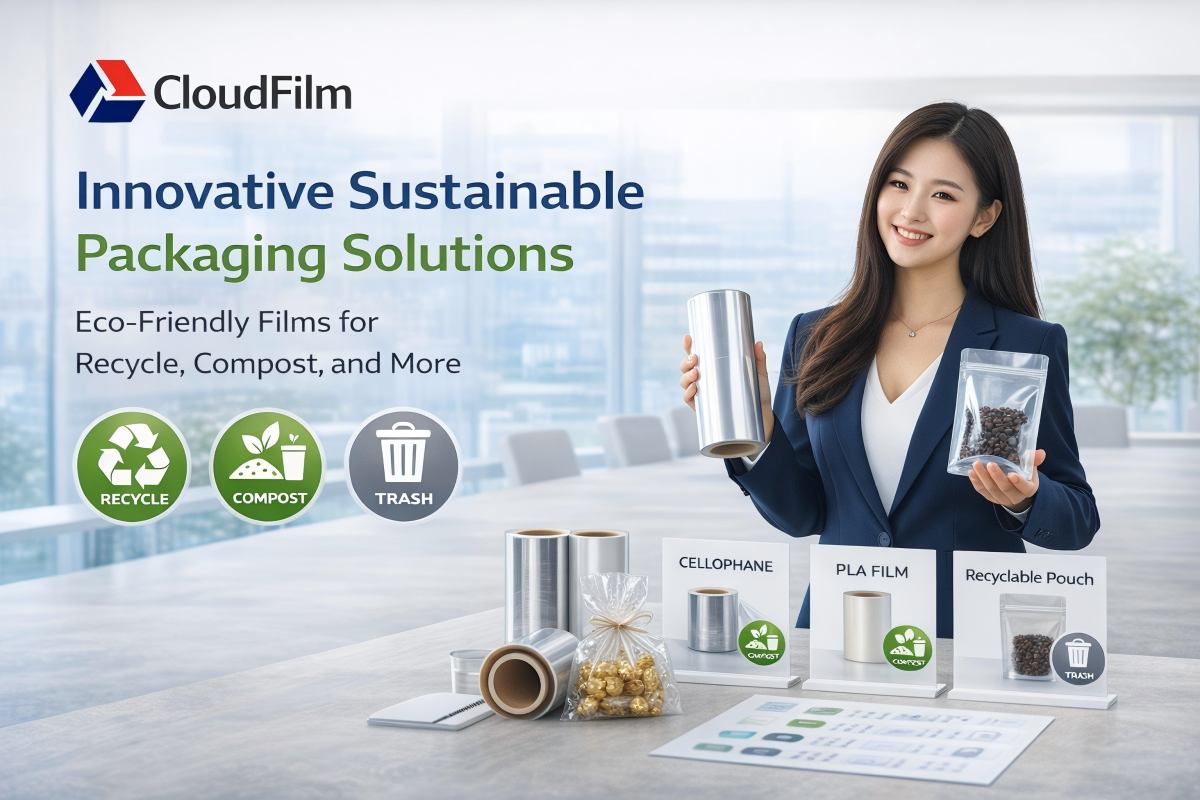
From a sustainability viewpoint, flexible packaging typically uses far less material than rigid packaging for each unit of product delivered. When combined with recyclable mono-material structures like mono-PE or mono-PP, or designed as recyclable flexible packaging aligned with local recycling streams, the environmental performance can be further improved.
CloudFilm’s recyclable flexible packaging guide and its mono-material flexible packaging overview explain how to design PE-rich or PP-rich structures that fit existing recycling systems. For finished applications, recyclable pouches show how these structures look in real, mono-material pouch projects.
Advantage 7 – Application Versatility Across Industries
The same core film families—BOPP, BOPET, BOPA, PE, CPP, PE/EVOH/PE, PET/VMPET/PE—can be tailored to widely different applications: coffee, snacks, frozen meat, ready meals, pet food, medical devices, pharmaceuticals and industrial products.
CloudFilm’s flexible food packaging guide and medical flexible packaging guide demonstrate how one supplier can serve multiple industries. This allows brand owners to scale one trusted flexible packaging manufacturer and supplier across many categories, simplifying supplier management.
Advantage 8 – Speed To Market And SKU Flexibility
Flexible packaging is ideal for SKU proliferation and rapid iteration. You can change graphics, finishes or even pack formats with limited tooling changes and reasonable plate or cylinder costs. Digital printing further reduces minimum order quantities and setup time, enabling short-run launches, seasonal designs and regional variations without heavy inventory risk.
CloudFilm’s comprehensive flexible packaging printing guide and digital flexible packaging article show how buyers can combine gravure, flexo and digital to balance cost, agility and print quality when planning new SKUs.
Advantage 9 – Improved Operational Efficiency On Packing Lines
Well-designed films and laminates run efficiently on form-fill-seal, pouch-making and lidding lines, with fewer jams, fewer leaks and less downtime than poorly chosen structures. By tuning coefficient of friction, heat-seal layer, thickness and stiffness, a technical supplier can help you minimize stoppages and improve overall equipment effectiveness (OEE).
For buyers who want to understand why some films run better than others, CloudFilm’s packaging film parameters guide is a practical resource that links film properties to line performance.
This directly reduces labor cost and scrap, adding measurable business value beyond the film price per kilogram.
Advantage 10 – Strategic Business Value And Brand Growth
Finally, flexible packaging enables new business models and revenue streams. Lightweight pouches make e-commerce packs easier and cheaper to ship; premium laminated structures support brand premiumization; and sustainable mono-material packs help you meet retailer and regulatory requirements.
Material Choices, Barrier Options And Sustainable Structures
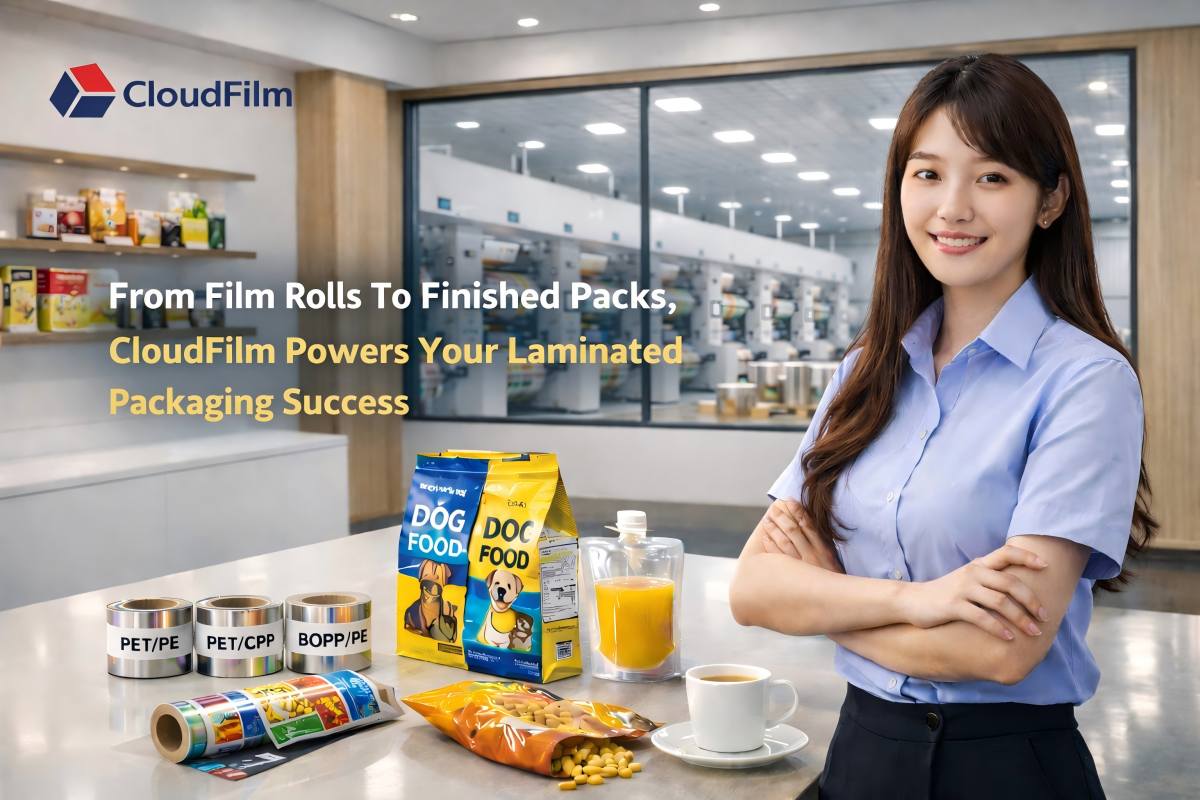
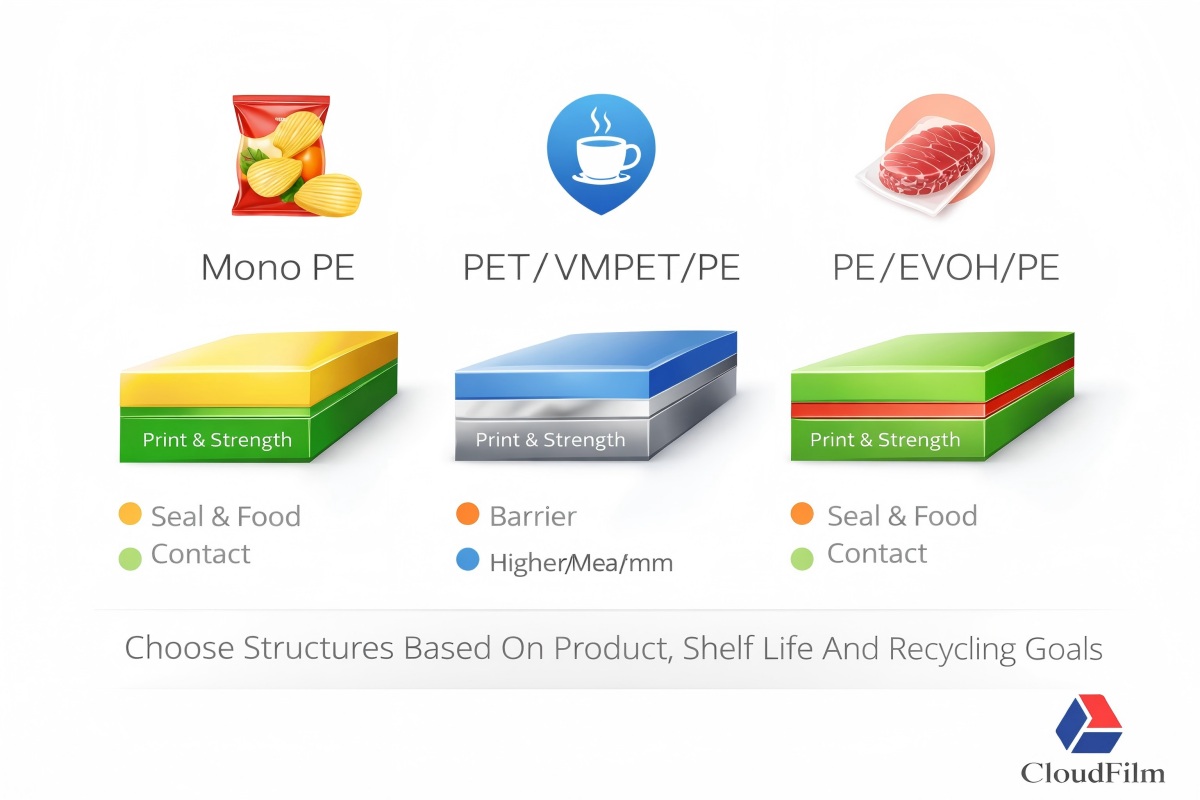
Behind every successful flexible package is a rational structure choice. For simple pillow packs or liners, mono-PE or PP films may be enough. For coffee or high-aroma products, PET/VMPET/PE can combine stiffness, printability and barrier performance, as explained in the PET VMPET PE high-barrier packaging guide.
For meat, cheese and liquid food that need strong oxygen barriers, PE/EVOH/PE or PA/EVOH/PE structures are often recommended.
CloudFilm’s product line—from the PE packaging film selection guide to co-extruded EVOH film, the PE-EVOH-PE film guide and EVOH bags—covers these needs in a systematic way.
If your priority is recyclability, mono-material flexible packaging becomes crucial. CloudFilm’s recyclable flexible packaging guide and mono-material overview explain how to design PE-rich or PP-rich structures that can enter existing recycling streams while still meeting performance targets.
For high-clarity “crystal” packaging, structures using BOPP, CPP and PET are tuned for optics and stiffness, then laminated or co-extruded as needed, as discussed in the crystal flexible packaging guide.
At a more technical level, understanding density, GSM and yield helps you compare different film choices quantitatively—how many square meters per kilogram, and how that translates to cost per pack. For this, the flexible film density, formulas and yield article is your daily calculation toolbox.
How To Work With A Flexible Packaging Manufacturer Like CloudFilm
To fully realize the business value of flexible packaging, you need more than a material supplier—you need a solution-driven flexible packaging manufacturer and partner. A good partner will:
- Ask detailed questions about your product, filling process, shelf-life and logistics.
- Propose film structures and thicknesses that balance cost, performance and recyclability.
- Provide guidance on printing, pouch formats and line trials.
- Help you calculate film yield, roll weight and packing efficiency.
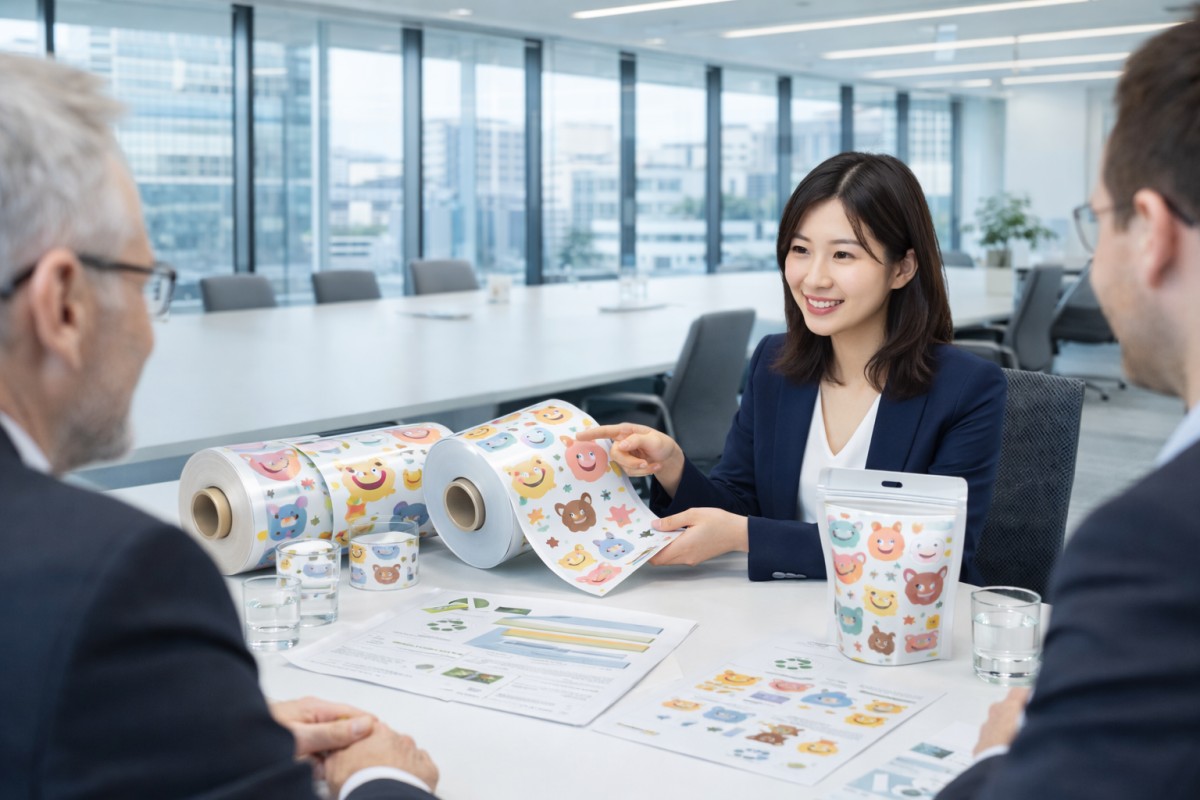
In practice, your collaboration process with CloudFilm might start with simple projects (for example, BOPP film or PE liners) and gradually expand to high-barrier structures, recyclable mono-material laminates and custom pre-made pouches. The article flexible packaging solutions for food and CPG shows how CloudFilm approaches solution design, while custom flexible packaging solutions for brands explains how to align packaging with brand strategy.
For premium branding needs, specialty films like BOPP matte film and related matte lamination options in the matte lamination finishes guide can help create a subtle, high-end look. High-clarity structures described in the crystal flexible packaging article can deliver strong shelf visibility for FMCG products.
FAQs About Flexible Packaging And Business Value
Q1: Is flexible packaging always cheaper than rigid packaging?
Not always, but in many cases the total system cost (material + logistics + damage + storage) is lower. Thin films can be more expensive per kilogram than some rigid plastics, but you use much less material per pack and save heavily on freight and warehousing. The right way to compare is cost per finished unit delivered to shelf, not only cost per kilogram of packaging material.
Q2: Can flexible packaging meet high barrier requirements for meat, cheese and medical products?
Yes. With structures like PE/EVOH/PE, PA/EVOH/PE or PET/VMPET/PE, flexible packaging can achieve excellent oxygen and moisture barriers suitable for chilled meat, cheese, sauces and even many medical applications.
Choosing the right structure requires discussing product, shelf-life and sterilization conditions with your film manufacturer. For typical examples, see CloudFilm’s EVOH bags and high-barrier films overview.
Q3: How does flexible packaging support sustainability goals?
Flexible packs typically use less material and energy per unit of product delivered. When designed as recyclable mono-PE or mono-PP structures, or as part of recyclable flexible packaging systems, they can meet EPR and retailer guidelines while reducing carbon footprint. The recyclable flexible packaging guide and mono-material flexible packaging trends article show how brands are combining recyclability, downgauging and logistics optimisation.
Q4: What information should I prepare before contacting a flexible packaging manufacturer?
Prepare at least: product type, filling temperature, shelf-life target, current packaging structure (if any), desired pack format (pillow pack, stand-up pouch, vacuum bag, lidding, etc.), annual or monthly volume, and your main priorities (cost, barrier, recyclability, premium appearance).
This allows CloudFilm to quickly recommend structures and provide quotations. Guides such as PE packaging film: types and uses and flexible food packaging types, benefits and trends can help you organise this information.
Q5: How can flexible packaging help me grow my brand and sales?
By combining high-impact printing, functional features (zippers, spouts), better shelf efficiency and sustainability claims, flexible packaging can make your products more attractive to retailers and end consumers. You can launch more SKUs with lower inventory risk, respond faster to market feedback, and align with the growing demand for eco-friendly packaging—all of which contribute to sales growth and stronger brand equity.
If you want to explore this topic in more depth, the articles custom flexible packaging solutions for brands and smart flexible packaging provide practical examples of how packaging drives commercial results.

Next Steps: Turning Flexible Packaging Advantages Into Real Projects
From cost and logistics to branding, sustainability and new business models, flexible packaging creates real, measurable value along your entire value chain. The key is to translate these 10 core advantages into concrete specifications, trials and long-term partnerships.
If you are considering a shift from rigid to flexible packaging, or looking to upgrade your current film structures and pouch formats, you can:
- Use this article as a checklist when talking to your internal team.
- Dive into CloudFilm’s in-depth guides on recyclable flexible packaging, mono-material flexible packaging and flexible film density and yield for more technical detail.
- Share your project brief with CloudFilm so that the packaging engineers can recommend film structures, thickness and pouch formats tailored to your market.
With the right flexible packaging manufacturer and supplier at your side, the advantages described in this article can quickly become lower costs, stronger brands and more stable business growth in your daily operation.