Material Options to Evaluate
The structures below are discussion options, not fixed specifications. VMPET means metallized PET; AL means aluminum foil. Confirm each construction, thickness and suitability for the intended food contact use before ordering.
| Structure | Selection Starting Point | What to Check |
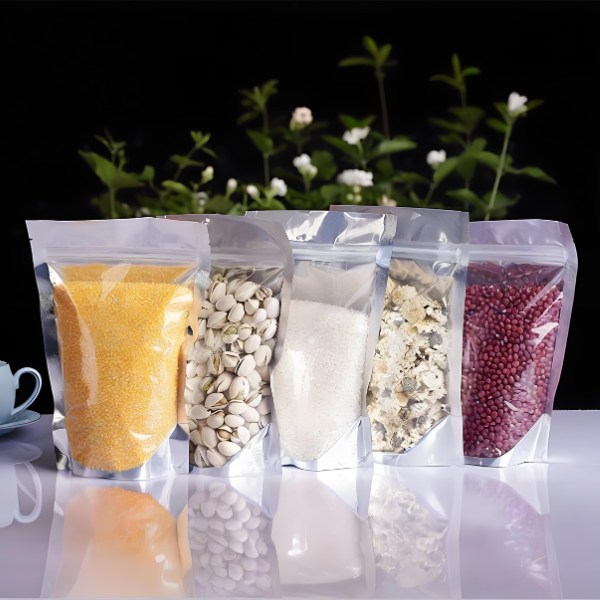
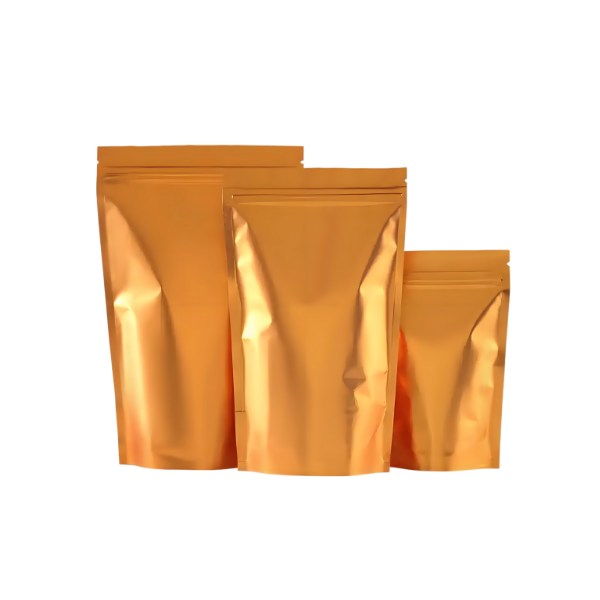
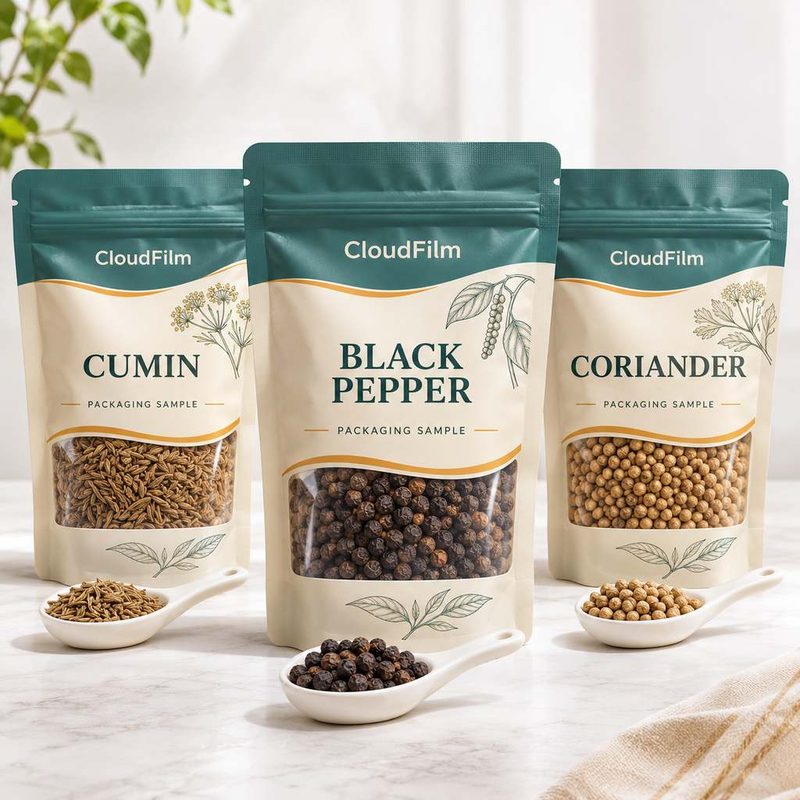
| PET/PE | A clear laminate option when product visibility matters. | Check whether its oxygen, moisture and light protection meets the specific spice requirement. |
| PET/VMPET/PE | A metallized laminate option when reduced light transmission and added barrier are priorities. | Review laminate data and resistance to damage; a metallic appearance alone does not prove performance. |
| PET/AL/PE | A foil laminate option for projects needing strong light exclusion and a high barrier. | Check foil condition, flexing and seal integrity in the finished pack; test transport handling. |
Details to Customize
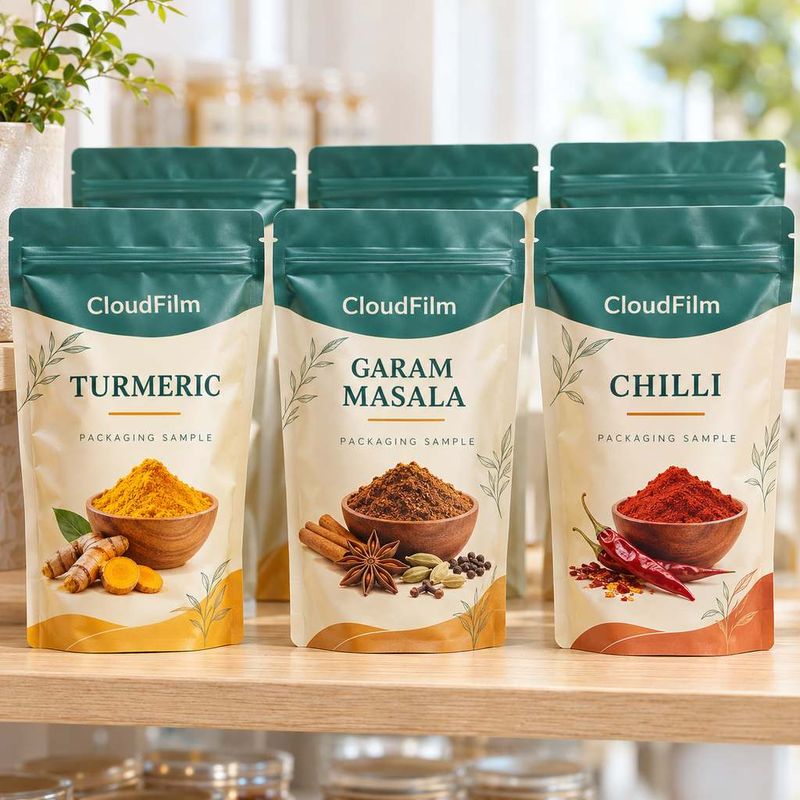
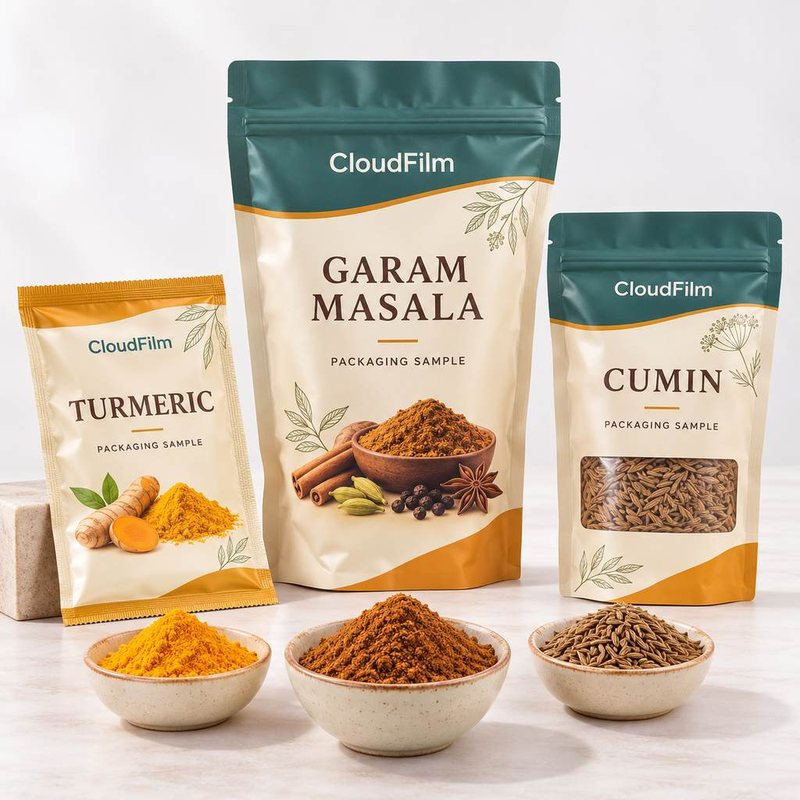
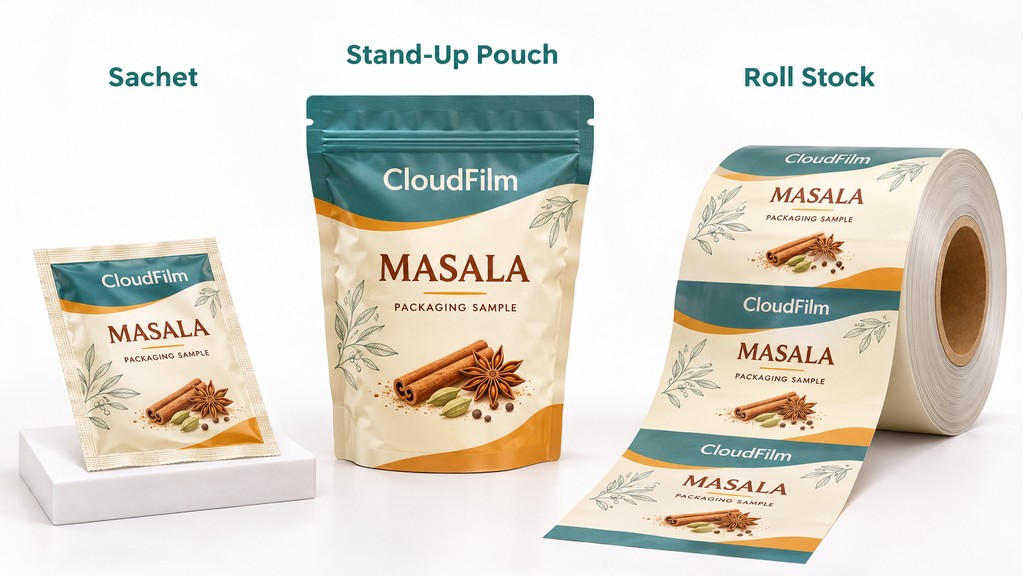
- Pouch dimensions Width, height and gusset where applicable; confirm usable capacity with your product.
- Material specification Layer construction, total thickness and relevant barrier targets, if already established.
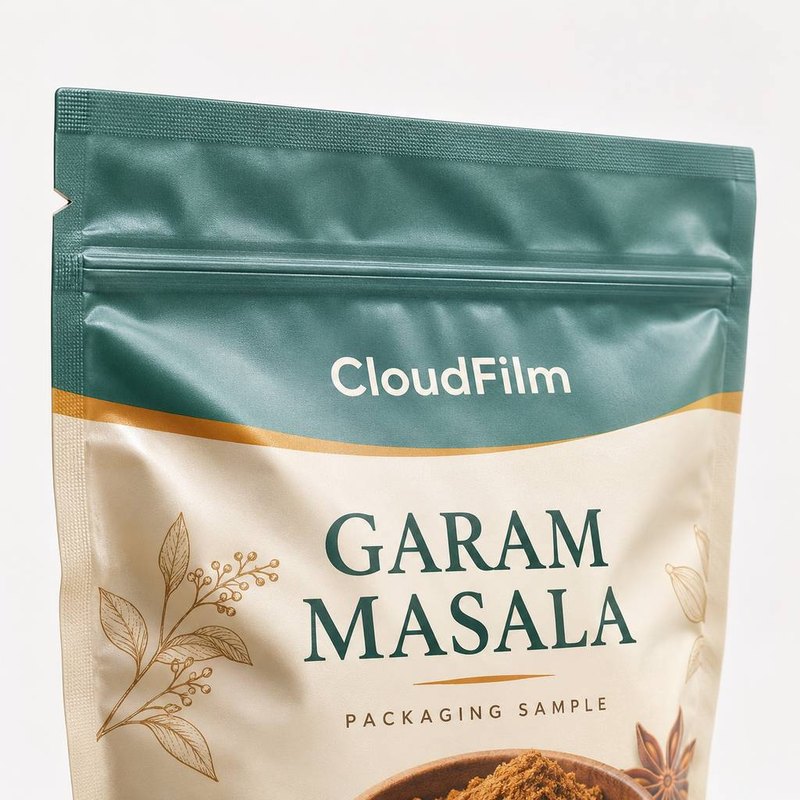
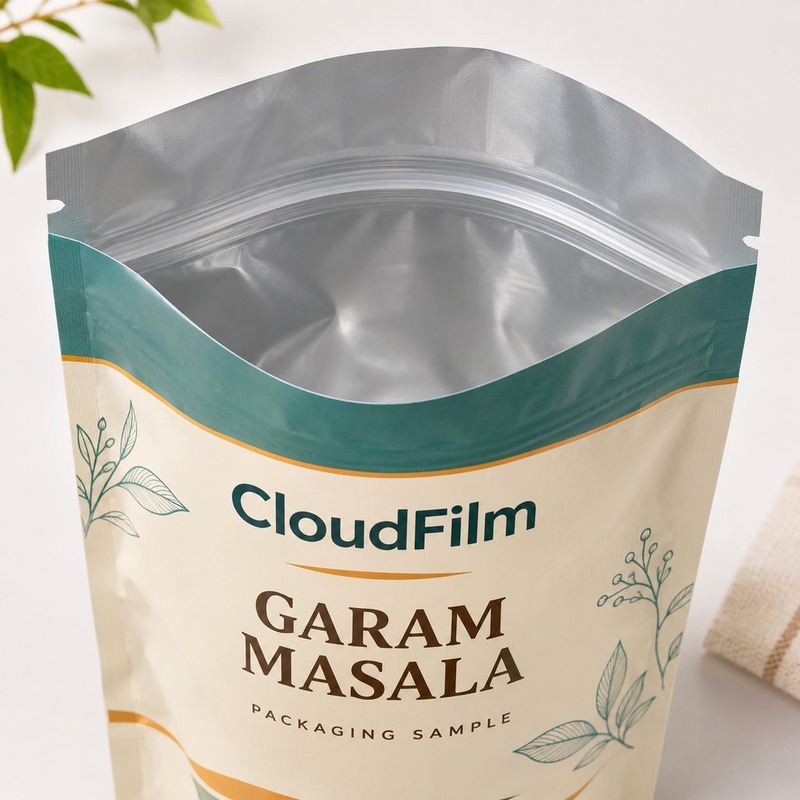
- Opening and closure Tear notch, zipper and filling opening; confirm their positions on the drawing.
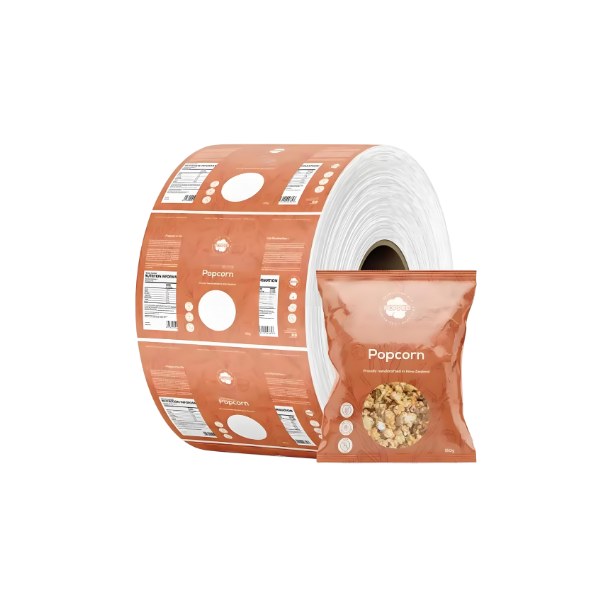
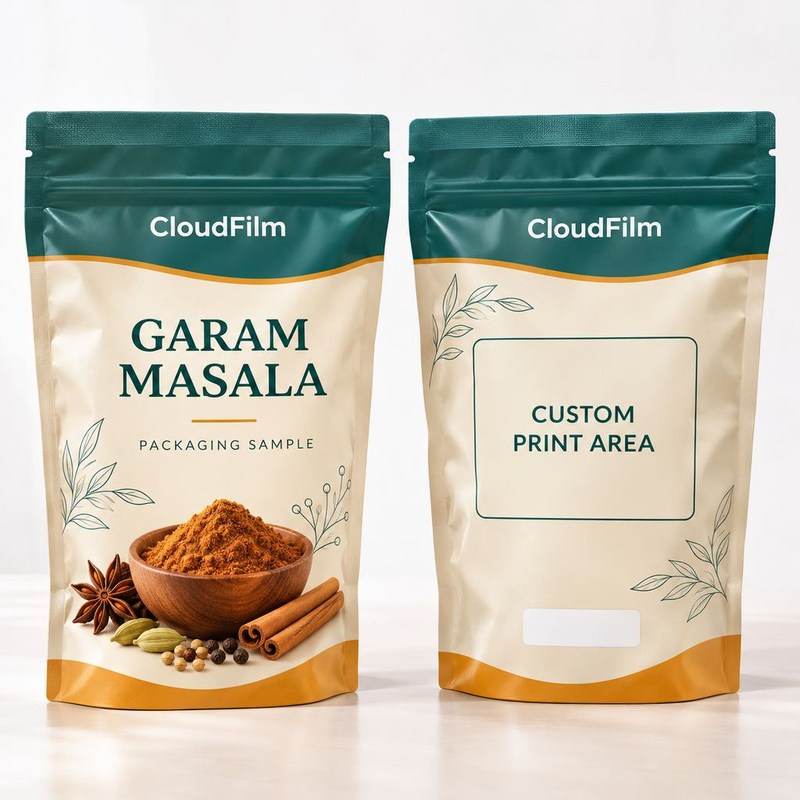
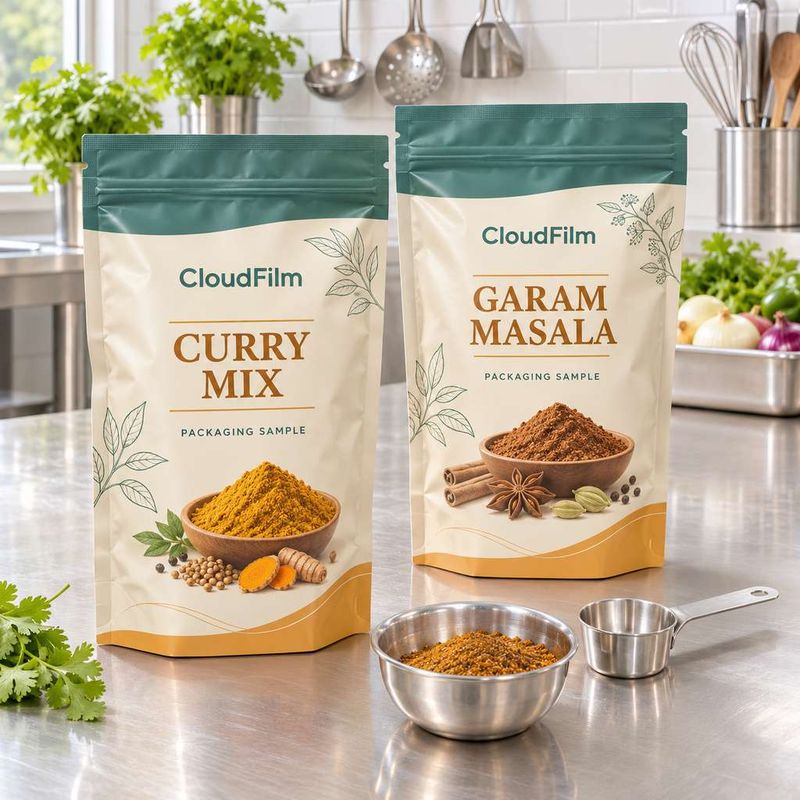
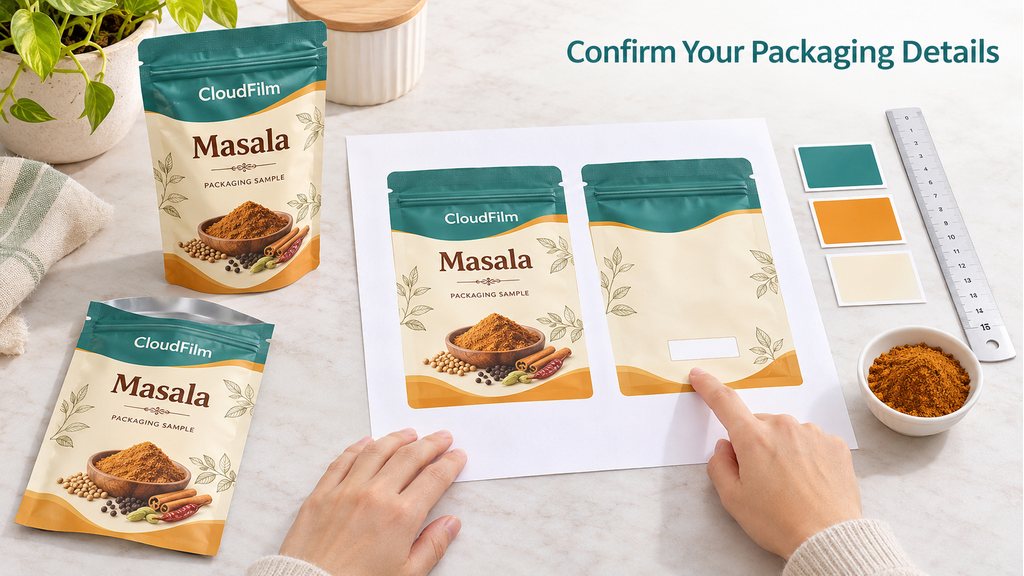
- Print and finish Artwork files, design count, colour references, matte or gloss areas and batch coding space.
- Filling setup Manual or automatic filling, machine model and any existing approved packaging sample.
- Order and destination Quantity per design, delivery destination and required delivery date.
Sample Approval Checklist
- Agree the specification and artwork, including seal areas and the space needed for batch coding.
- Fill and seal trial packs on the intended equipment using the actual spice or blend.
- Check leakage, seal strength, opening and zipper function, then evaluate carton handling and product condition during storage.
- Record the accepted sample and inspection requirements so later orders can be checked against the same agreed specification.