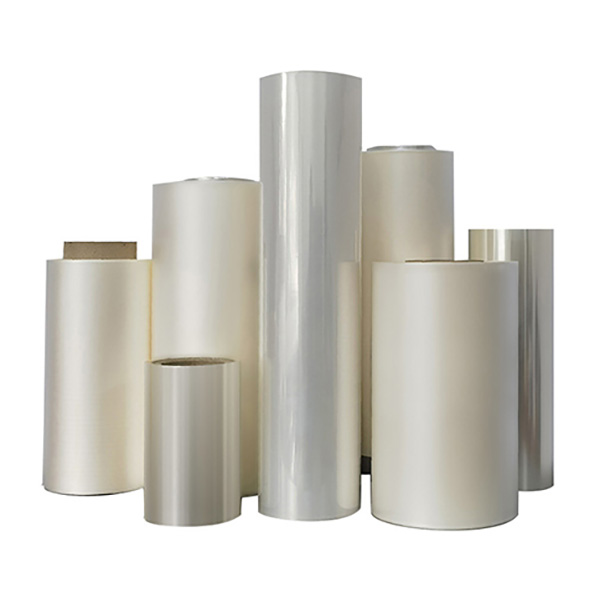
Today, food packaging innovation is no longer only about making packaging look new.
It now means improving packaging in many practical ways at the same time, including:
- protecting food better
- running better on packaging machines
- improving shelf appearance
- making packs easier to use
- reducing transport cost
- supporting sustainability goals
For brand owners, food companies, importers, distributors, packaging buyers, and converters, food packaging innovation usually comes down to one core question:
How can packaging protect the product better and also create better business results?
In real projects, that usually means balancing several key factors:
- shelf life and barrier performance
- seal strength and machine compatibility
- print effect and shelf appeal
- sustainability targets and material logic
- transport efficiency and export reliability
- consumer convenience and user experience
That is why more buyers are no longer searching for only a standard film. They are looking for complete packaging solutions, such as food packaging film, that can support both product performance and commercial use.
In the past, many food packages were designed mainly around cost and basic protection. Now the market is very different.
Different regions are changing how they define recyclable packaging. Brand owners are under more pressure to reduce waste and simplify structures. Retail channels expect better display and convenience. Packaging lines also require more stable materials.
This means food packaging innovation cannot be discussed only as “new material.” It must be discussed through real packaging applications. Different foods, different markets, different filling methods, and different packaging lines all require different structures.
This article will cover several key questions:
- What does food packaging innovation really mean?
- What are the main innovation directions in flexible food packaging?
- What packaging ideas work better for different food categories?
- How should buyers balance sustainability, barrier, convenience, and cost?
- How can companies choose the right food packaging manufacturer or supplier?
This article is written for food brands, packaging buyers, importers, distributors, and converters. The goal is not empty trend talk. The goal is to help turn “food packaging innovation” into a real packaging project.
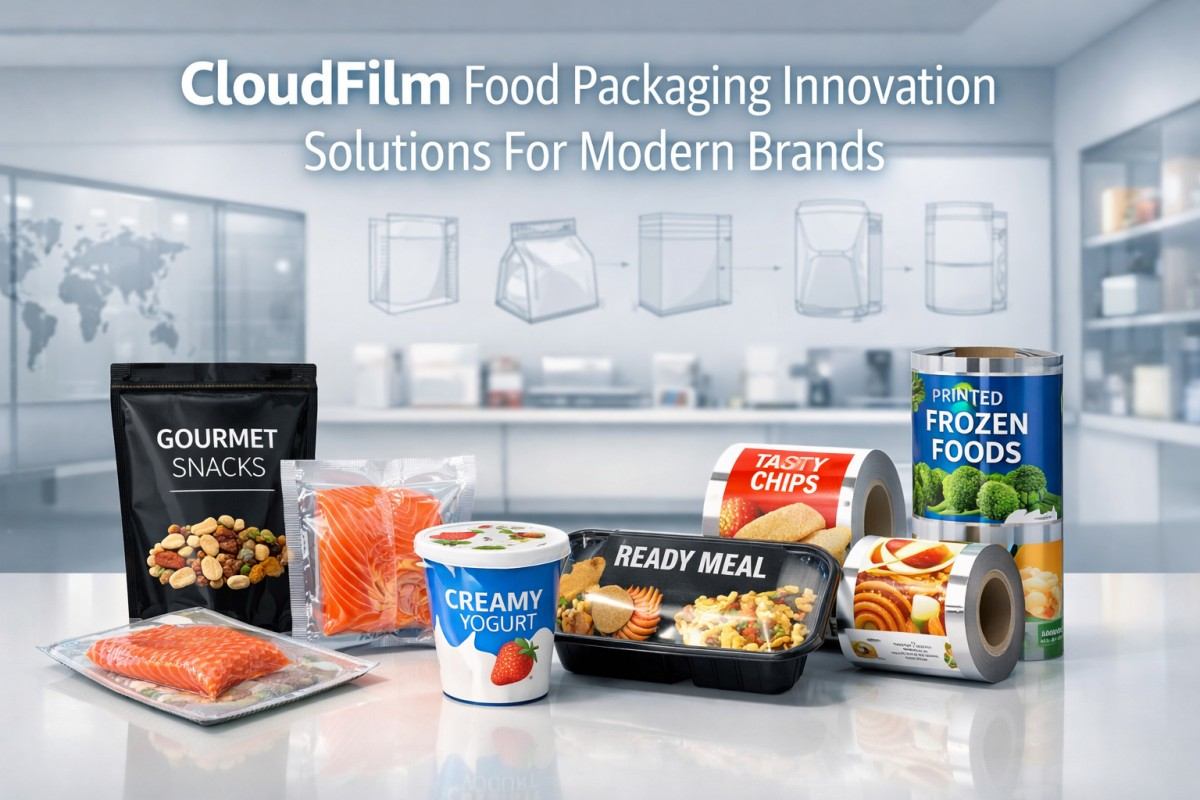
What Does Food Packaging Innovation Really Mean?
In simple words, food packaging innovation means using better materials, smarter structures, and more suitable formats to solve real packaging problems.
Those problems may include:
- snacks losing crispness because of moisture
- meat and dairy losing quality because of oxygen
- liquid packs leaking
- chilled packs fogging up
- consumers finding packs hard to open
- unstable sealing on fast packaging lines
- old structures not fitting new recyclability goals
So, a truly innovative package is not always the newest-looking package. A truly innovative package is the one that solves the real problem better.
Food packaging innovation usually happens on three levels.
1. Material Innovation
This means improving the material structure based on product needs.
- In some cases, it means simplifying a traditional laminate.
- In some cases, it means moving toward mono-material PE or PP structures where possible.
- In other cases, it means keeping a high-barrier structure because the product really needs it.
2. Format Innovation
This means improving the packaging form itself.
For example:
- changing from rigid packaging to flexible packaging
- upgrading from a standard pouch to a stand-up pouch
- changing from a normal lid to an easy-peel lid
- moving from bottles to spouted pouches
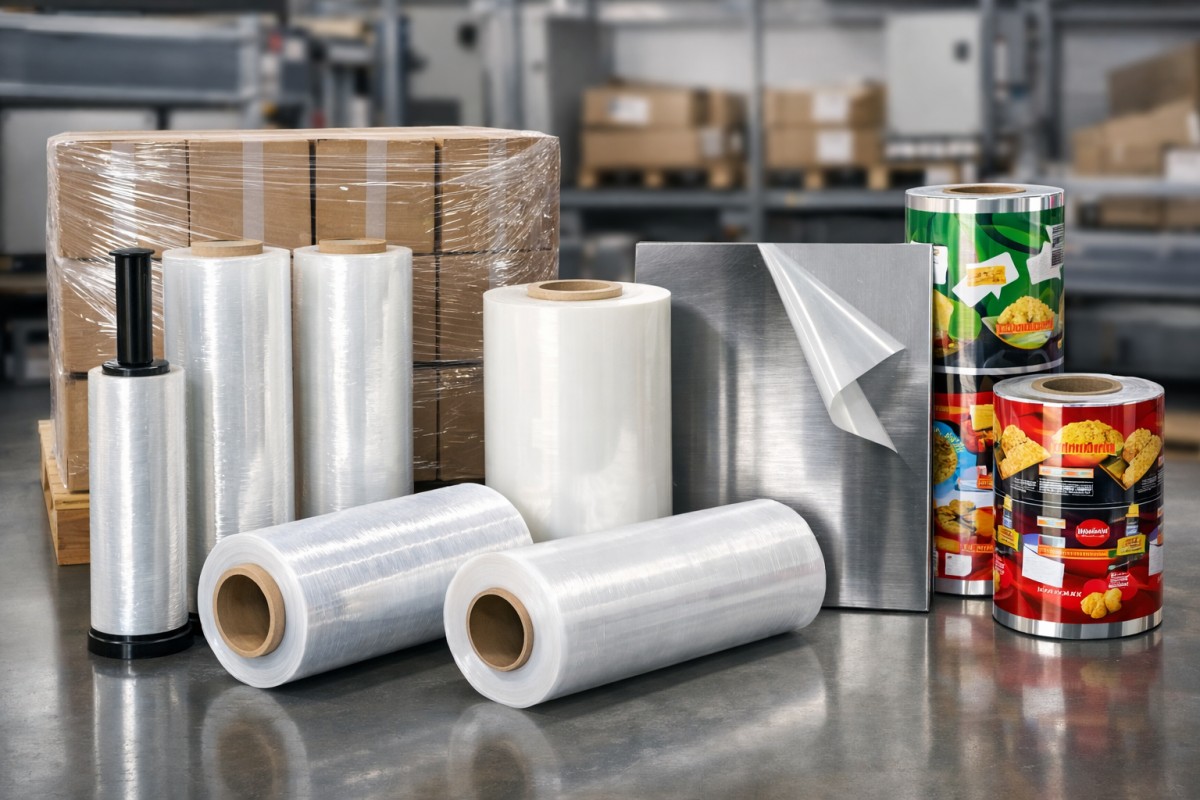
- using rollstock for more efficient automatic packing
3. Functional Innovation
This includes features such as:
- easy-open
- easy-peel
- resealable closure
- higher barrier
- anti-fog
- better puncture resistance
- wider sealing window
The most successful food packaging projects usually combine all three.
Why Food Packaging Innovation Matters More Than Ever
1. Because Product Protection Is Still The Core
If packaging cannot protect the food, then good printing, good branding, and good marketing all lose value. Oxygen, moisture, light, grease migration, aroma loss, and temperature changes all affect food in different ways. That is why food packaging innovation starts with protection.
For example:
- meat, cheese, and ready meals usually need stronger barrier
- snacks and bakery products often need good moisture protection and stable seals
- frozen foods need low-temperature toughness and strong packaging reliability
2. Because Sustainability Is Pushing Packaging Upgrades
Today, many brands are under pressure from consumers, retailers, and policy trends to reduce packaging waste, simplify structures, and move toward more recyclable solutions. This is pushing food packaging in directions such as:
- downgauging
- mono-material design
- simpler structures
- fewer material combinations
- better recycling compatibility where possible
3. Because Consumers Care More About Convenience
Modern consumers expect more from packaging than just containment. They want packaging that is:
- easy to open
- easy to store
- lighter to carry
- better for shelf display
- more suitable for daily use
- sometimes resealable for repeated use
So even small changes can create real value. For example, moving from a difficult seal to an easy-peel structure, or changing from a simple pouch to a more stable display pouch, can strongly improve user experience.
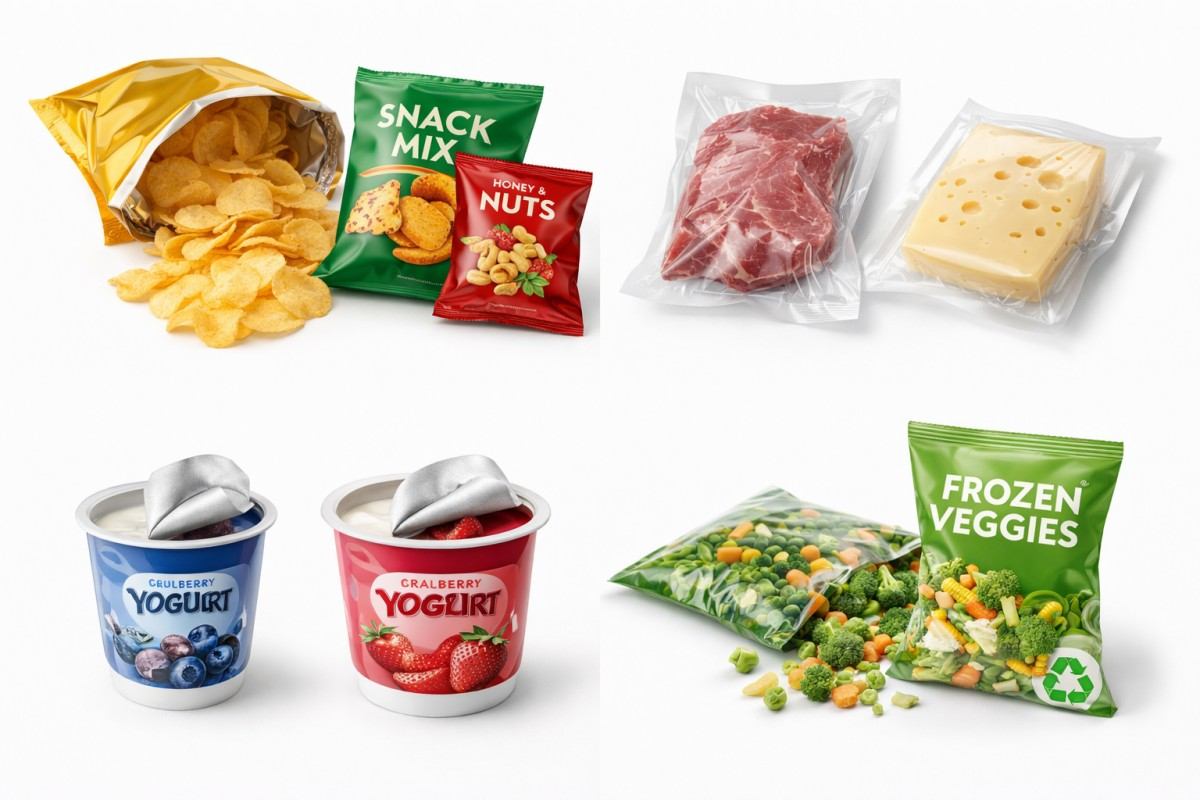
Main Innovation Directions In Flexible Food Packaging
1. Material Innovation
Material innovation does not always mean inventing a completely new substrate. In most commercial projects, it means choosing a more suitable combination of existing materials for a clear packaging goal.
For example:
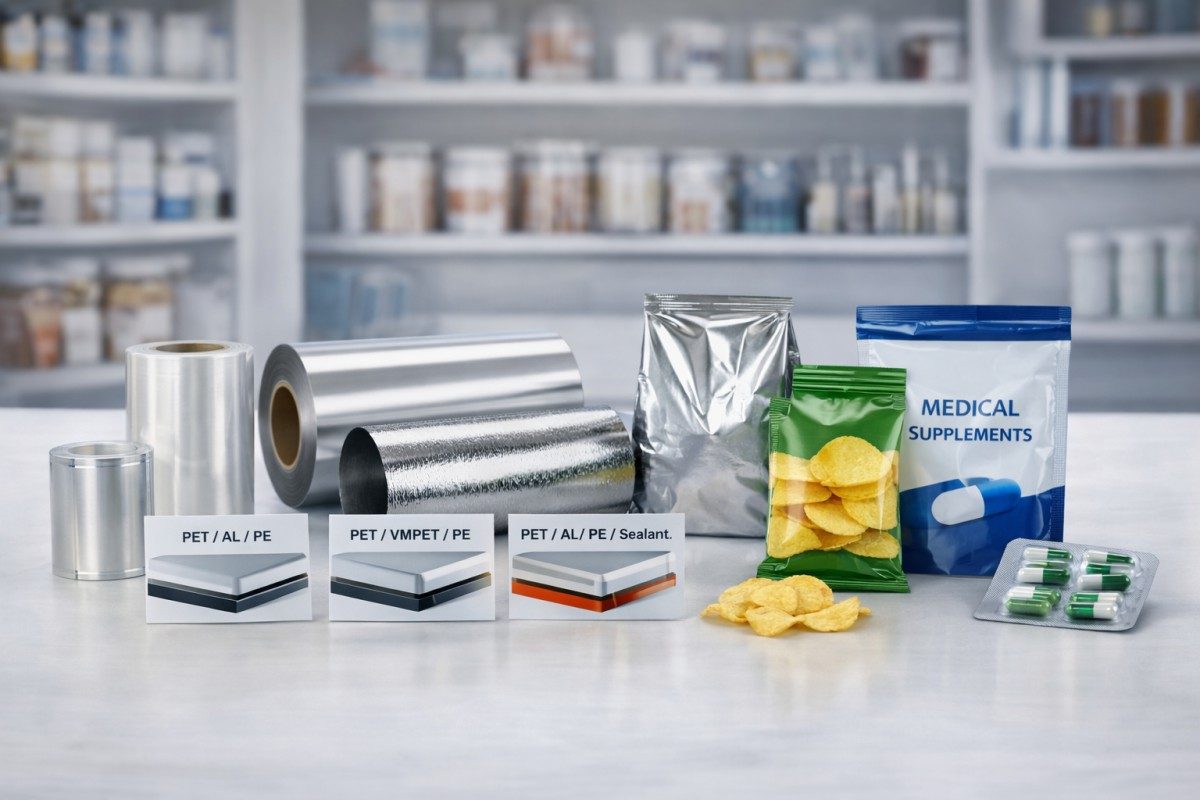
- PET offers stiffness, good printability, and a clean appearance
- PE offers sealing performance and flexibility
- PP-based structures work well in many dry food and snack applications
- EVOH is useful when stronger oxygen barrier is needed
So real innovation is not about making the structure more complicated. It is about making the structure more suitable for the product. For many regular food packaging projects, a well-designed PET/PE film or another practical laminate can be more valuable than a more complex structure that costs more and runs worse.
Material innovation also includes simplification. In some projects, traditional multi-layer laminates are still the best answer because the product truly needs stronger barrier or stronger mechanical performance.
In other projects, the better innovation is to reduce complexity, reduce material diversity, and move closer to a more recyclable structure. So today, material innovation is often about precision and optimization, not only novelty.
2. Format Innovation
Format innovation changes how the product is packed, displayed, transported, and used.
For example:
- replacing rigid packaging with flexible packaging
- upgrading a simple pouch to a zipper stand-up pouch
- adding peelable lidding to trays or cups
- moving from a bottle to a spouted pouch
- switching to rollstock for more efficient automatic packaging
For buyers who need good machine compatibility, lower unit cost, and stable performance across different SKUs, rollstock is still an important innovation route. That is why many brands and converters continue to use packaging film roll solutions.
3. Functional Innovation
Functional innovation is the type of innovation that end users can often feel most directly.
Typical examples include:
- easy-tear opening
- easy-peel lids
- anti-fog performance
- aroma barrier
- puncture resistance
- zipper resealability
- degassing valve
- more stable sealing range
The key point is this:
Functional innovation must match the food category.
For example:
- snack packaging often focuses on crispness, print effect, and shelf appearance
- dairy cup lids often focus on clean opening and user comfort
- vacuum meat packs focus on barrier, puncture resistance, and leak prevention
- liquid food packaging focuses on sealing reliability and pouring convenience
The clearer your packaging function target is, the easier it is for a supplier to recommend the right structure.
Packaging Innovation Ideas For Different Food Categories
1. Snacks, Biscuits, Cereals, Nuts, And Dry Foods
Many people think dry food packaging is simple. In fact, it is one of the most important areas in food packaging innovation. Common concerns in this category include:
- moisture protection
- aroma retention
- grease resistance
- seal consistency
- shelf appearance
- cost control in larger volumes
For this category, innovation does not always mean changing to a completely new material.
It may mean:
- improving print quality
- using matte or premium surface effects
- optimizing barrier balance
- moving from a plain pouch to a zipper pouch
- trying a more recyclable structure without losing machine stability
If your market includes cereals, snacks, dry foods, or pet treats, the logic in the dry food packaging guide is very useful. Because the right structure is not decided only by the big category name. It is decided by the actual product.
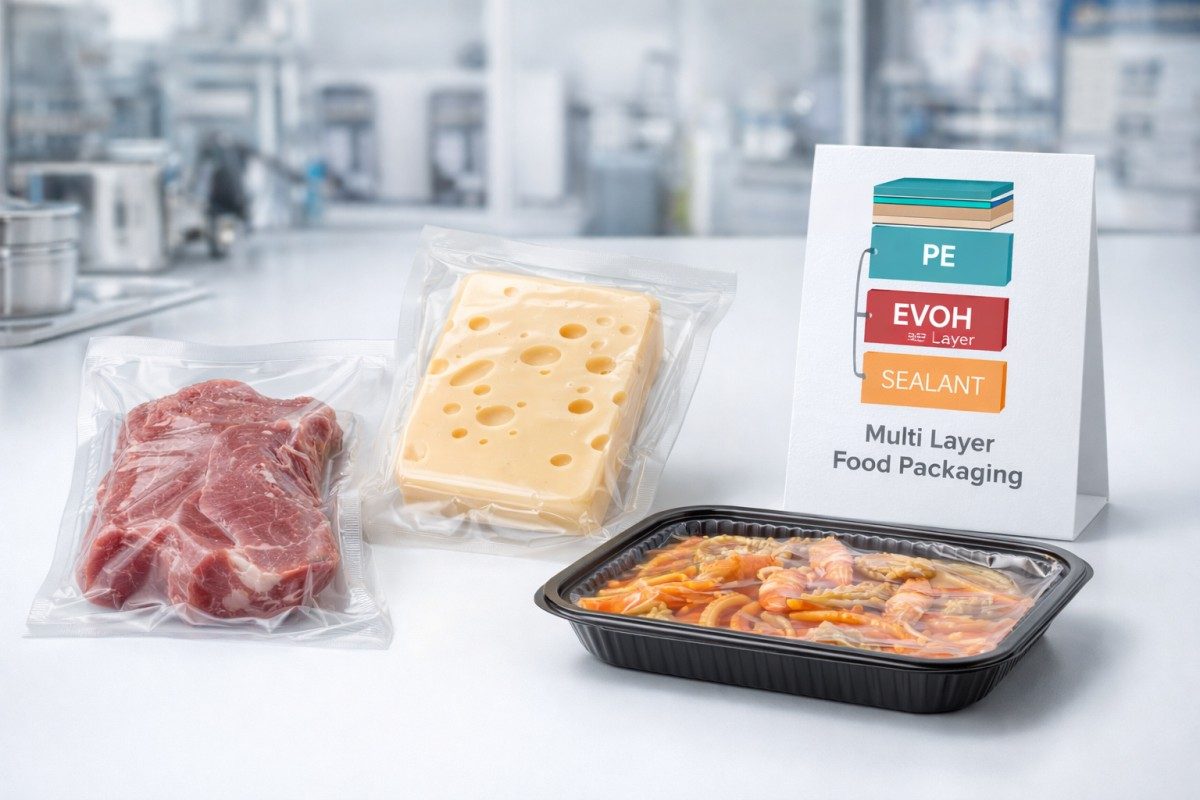
2. Meat, Cheese, Deli, And Ready Meals
This category is more performance-driven.
Key priorities usually include:
- oxygen barrier
- puncture resistance
- seal integrity
- shelf-life extension
In these applications, EVOH structures, vacuum packaging, and MAP-friendly materials often play a major role. If the product needs stronger oxygen barrier and better freshness protection, EVOH bags or related co-extruded high-barrier structures can be a practical choice.
They are especially suitable for chilled meat, processed meat, cheese, and some sauces or liquid food products. This category also shows an important truth: Packaging is not only about the film itself. It is a system.
Shelf life depends not only on the material, but also on:
- gas mix
- sealing condition
- cold chain
- pack shape
- machine condition
3. Dairy, Yogurt Cups, Trays, And Portion Packs
For cups, tubs, and trays, one of the most visible innovation points is the opening experience.
People want packaging that is:
- easy to open
- clean to peel
- not messy
- not stringy
- not easy to tear badly
At the same time, producers want:
- a stable sealing window
- smooth machine running
- low leakage risk
- good lidding compatibility
That is why peel performance is so important in this category. A mature easy peel film solution can greatly improve user experience while still protecting the product.
If your application includes cups, trays, dairy packaging, sauces, or ready meals, the lidding packaging guide is also a useful internal link for educational traffic.
4. Frozen Foods
Frozen food packaging needs more than simple containment.
It must also support:
- low-temperature toughness
- impact resistance
- stable sealing
- reliable performance during frozen storage and transport
Innovation in frozen food packaging may include:
- better anti-crack performance at low temperature
- lower breakage rate
- simpler structure where possible
- more recyclable PE-based solutions
- better convenience for storage and use
In some frozen food applications, mono-PE or PE-led structures are becoming more important, especially where very high barrier is not required but toughness and sealing reliability are critical. This direction connects naturally to recyclable pouches.
5. Liquid And Semi-Liquid Foods
The innovation logic for liquids is very different from dry food.
Main risks often include:
- leakage
- delamination
- seal failure
- transport pressure damage
- poor pouring experience
So innovation in this category usually focuses on:
- stronger sealant layers
- spouted pouch design
- suitable laminate structures
- stable pouch bottom design
- choosing the right pouch type for the filling method
For many brands, moving from rigid packaging to flexible packaging is already a strong innovation because it can reduce:
- transport weight
- storage space
- packaging material use
If the project involves liquid pouches, stand-up pouches, or spouted pouches, a supplier that can offer custom stand up pouches becomes much more valuable.
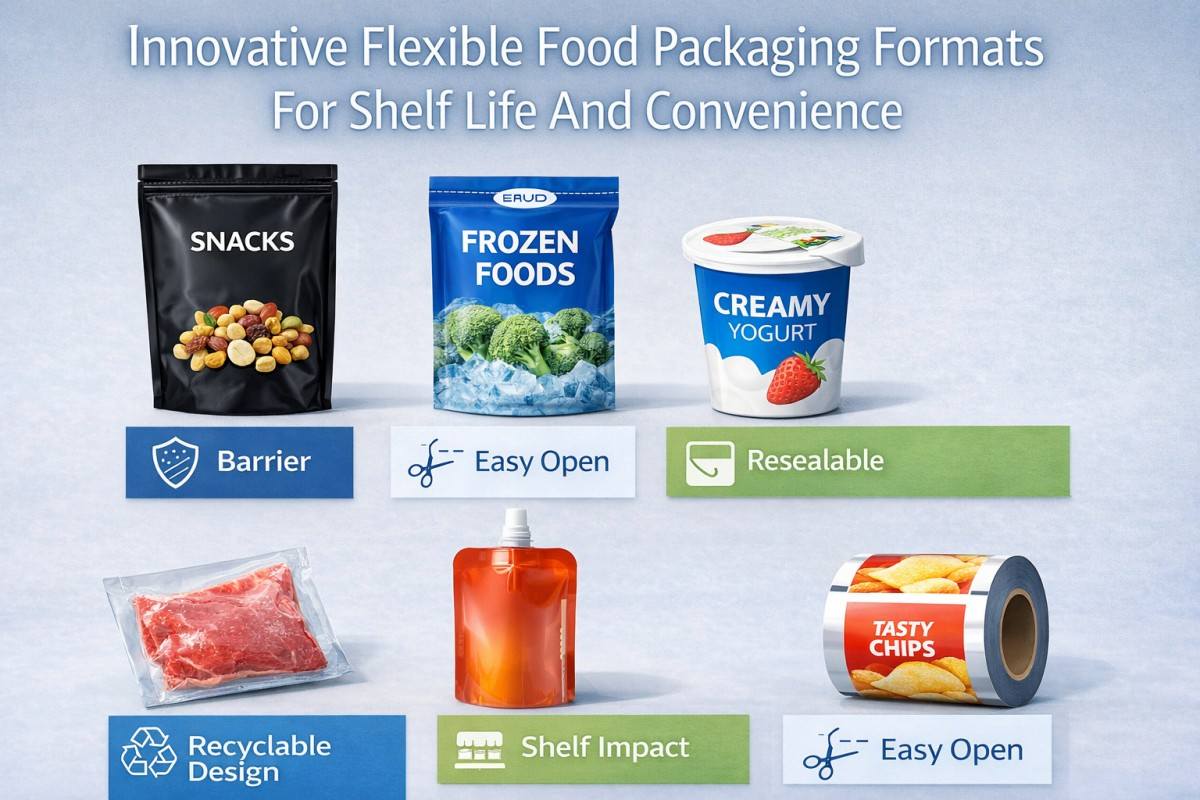
Sustainable Food Packaging Innovation: What Buyers Should Focus On
Sustainability is now one of the biggest reasons packaging teams re-evaluate older structures. But true sustainable innovation should not stop at a slogan.
In real projects, the key questions are:
- Can the new structure still protect the food?
- Can it run well on the current machine?
- Does it match the recycling reality of the target market?
- Does it create real total business value?
So when buyers evaluate sustainable food packaging innovation, it is better to look at four dimensions.
1. Product Protection
If the new pack makes the food easier to spoil, it is not truly successful innovation.
2. Machine Compatibility
Even a good-looking new structure has limited value if it does not run well on the packaging line.
3. Local Recycling Reality
Whether a package can be recycled depends not only on the material itself, but also on the local collection, sorting, and recycling system.
4. Total Business Impact
Buyers should look beyond material price per kilogram.
They should also consider:
- waste rate
- logistics cost
- pack weight
- user experience
- brand value
- operational efficiency
For some products, the best path may still be a downgauged conventional laminate. For others, the better path may be mono-PE or mono-PP structures. In snacks, coffee, pet food, frozen foods, and refill packaging, more brands are testing simpler polymer-family structures to improve recyclability potential.
If this is your target direction, recyclable pouches can serve as a commercial landing page, while the recyclable flexible packaging guide can support informational search traffic.
High-Barrier Innovation: What To Do When Shelf Life Comes First
Not all food products can move directly to the simplest recyclable structure.
Some products still need stronger:
- oxygen barrier
- grease resistance
- aroma retention
- puncture resistance
In these cases, high-barrier innovation remains very important. Multi-layer co-extruded and laminated structures still have strong commercial value in many food markets because they reduce spoilage risk and protect higher-value food products more effectively.
A good example is PE-EVOH-PE film. When a project wants to stay within a PE-led structure family but still needs stronger oxygen barrier, this kind of structure becomes very useful.
In practical food packaging, it can be used in:
- vacuum bags
- thermoforming top and bottom webs
- lidding
- cheese packaging
- meat packaging
- some ready meals and sauce packs
This also shows an important point: Food packaging innovation should not be judged only by whether it sounds greener. The future is not only “more recyclable.” The future is “better balanced.” For some SKUs, the best answer is a more recyclable solution.
For others, the best answer is still a higher-barrier structure because it reduces food waste more effectively. Good packaging innovation means understanding that balance.
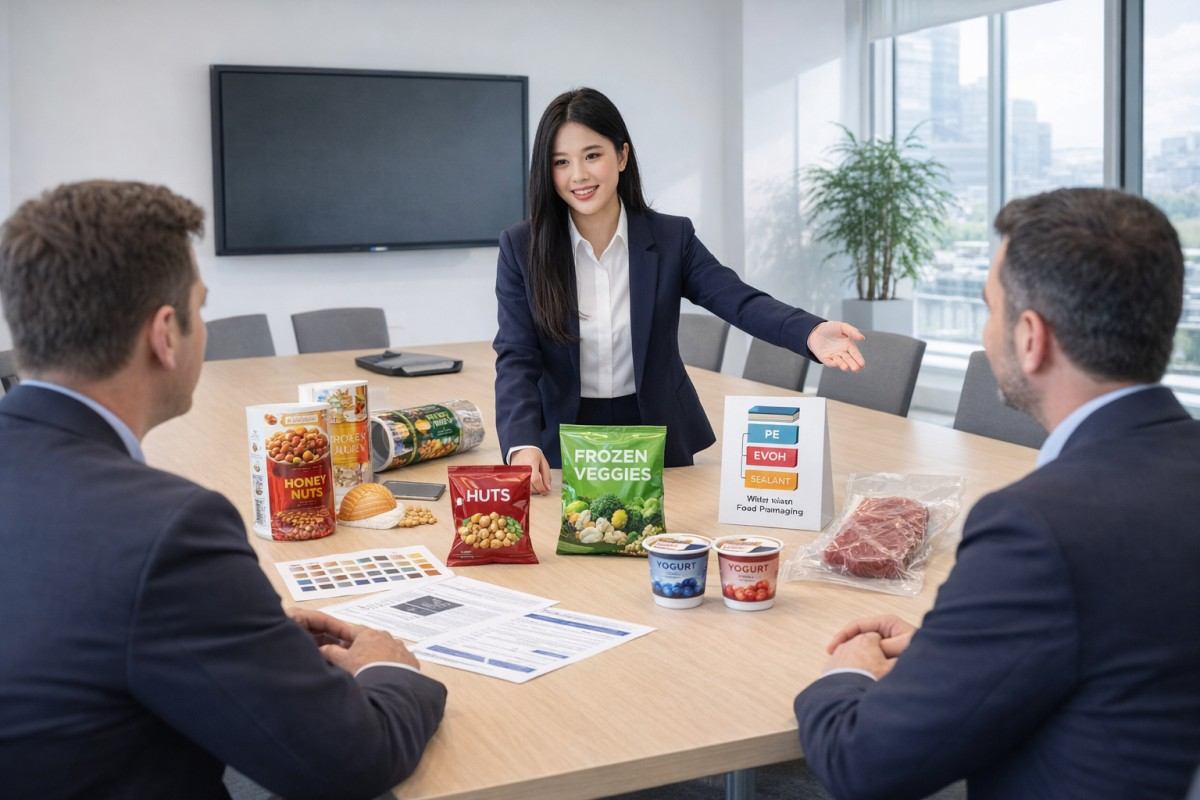
Smart Packaging And Active Packaging: Important, But Not Always The First Step
When people search for food packaging innovation, some of them think about:
- smart packaging
- freshness indicators
- RFID
- time-temperature indicators
- active packaging
- oxygen scavengers
- antimicrobial systems
- traceability tools
These directions are real parts of packaging innovation, and they will continue to develop. They are especially relevant in food safety, traceability, and shelf-life management. However, for most real commercial projects, the first step is usually not advanced smart technology.
The first step is usually getting the basics right:
- choosing the right structure
- choosing the right format
- improving seal performance
- simplifying the material system where possible
- improving machine runnability
In other words, before moving to smart labels, many brands can already create strong value simply by:
- improving barrier
- simplifying the structure
- reducing pack weight
- upgrading from normal seal to easy-peel or resealable
- choosing a better pouch or rollstock format
For export projects that depend on stable supply, quick sampling, and scalable production, these practical innovations are usually more valuable than experimental ones.
How To Choose The Right Food Packaging Innovation For Your Product
If you are planning a new packaging project, do not start by asking, “What material is popular now?” Start by asking these questions instead.
1. What exactly is the product?
Is it dry, oily, powdery, liquid, chilled, frozen, acidic, or highly oxygen-sensitive?
2. What shelf life is required?
A short local sales cycle and a long export shelf-life program do not need the same structure.
3. What packaging equipment will be used?
Is it VFFS, HFFS, thermoforming, tray sealing, manual filling, or spouted pouch filling?
4. What is the market priority?
Is the main goal:
- lower cost
- stronger barrier
- better shelf appeal
- easier recycling
- easier opening
- lighter packaging
5. Are there any market or customer-specific requirements?
Different markets and different retailers do not accept the same materials or the same claims in the same way. When these questions are clear, suppliers and manufacturers can recommend suitable structures faster and more accurately. Very often, the best innovation is not a complete packaging revolution. It is simply upgrading an “acceptable” structure into a “much more suitable” one.
That may mean:
- a better sealant layer
- a cleaner peel effect
- a better pouch format
- a simpler recyclable structure
- a barrier design that better matches the food product
The most effective packaging teams treat innovation as both a technical decision and a business decision.
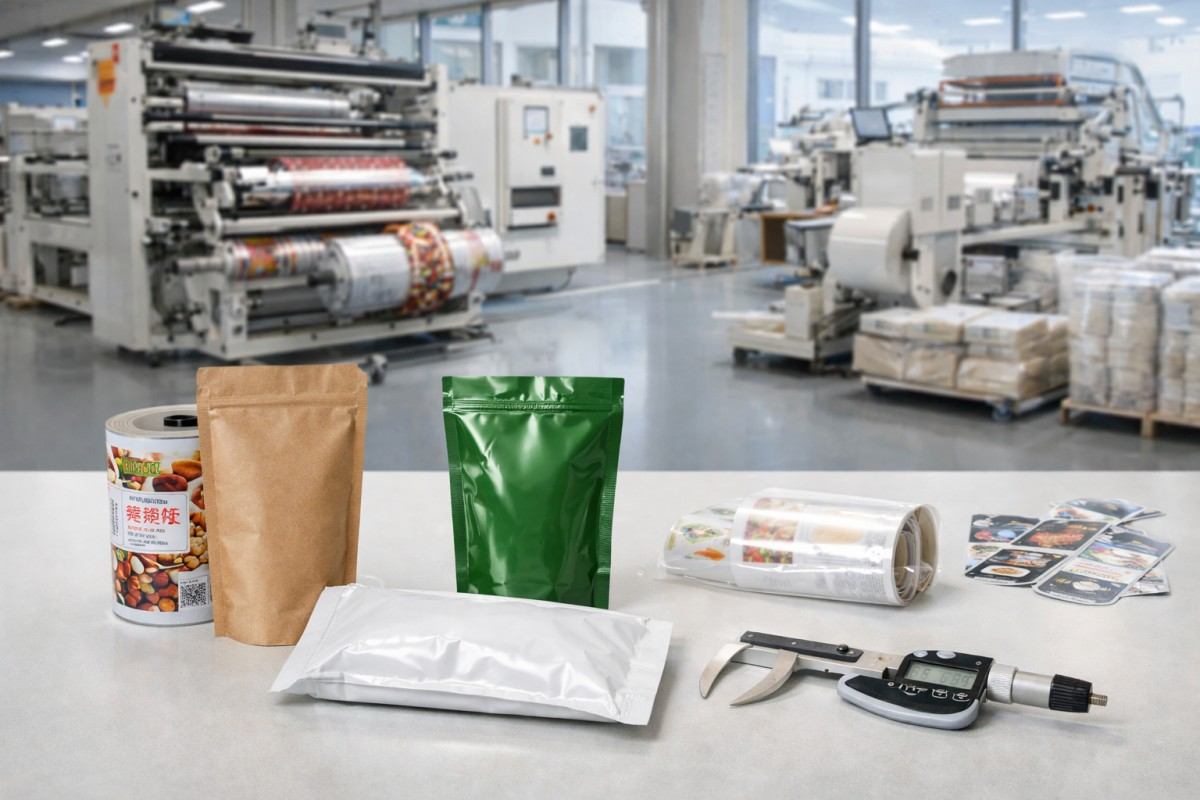
Why Choosing The Right Food Packaging Manufacturer Matters
A good food packaging manufacturer does more than sell film. The real value is the ability to convert a product requirement into a stable commercial packaging solution.
That usually includes:
- material matching
- thickness recommendation
- sample planning
- sealing-window analysis
- rollstock or pouch recommendation
- print compatibility
- quality-control logic
- export packing support
- logistics understanding
The Future Of Food Packaging Innovation
Looking ahead, food packaging innovation will likely continue in three main directions.
1. More Sustainable And More Clearly Defined Material Systems
The future will place more emphasis on simpler structures, clearer material logic, and more practical recycling pathways.
2. Continued Focus On Barrier And Food Waste Reduction
High-barrier technology will remain important because reducing food waste is also part of sustainability.
3. Ongoing Growth In Smart And Active Packaging
Smart and active packaging will continue to develop, especially in food safety, monitoring, traceability, and shelf-life prediction. But for most buyers, the future is not about choosing between innovation and manufacturability.
It is about finding packaging that can deliver both. The strongest suppliers will be the ones that can support today’s real commercial packaging projects while also helping customers move step by step toward better materials, better structures, and better long-term packaging plans.
Conclusion
The best way to understand food packaging innovation is not to treat it as a buzzword. It should be treated as a real business tool.
Its real purpose is simple:
- to make food packaging better
- Better at protecting products.
- Better at handling transport.
- Better at matching packaging lines.
- Better at improving consumer experience.
- And, where possible, better at supporting sustainability goals.
Some projects need mono-material recyclable pouches.
Some need EVOH high-barrier structures.
Some need easy-peel lidding.
Some simply need a more stable and more cost-effective rollstock solution.
The right innovation is not the most complicated innovation. It is the innovation that solves the real packaging problem with the clearest commercial logic.
If you are sourcing packaging for snacks, frozen foods, dairy, meat, liquid food, or ready meals, the best next step is to first define:
- your product type
- your target shelf life
- your filling or packaging method
- your market priorities
- your expected quantity and destination market
Then a packaging manufacturer can recommend the right structure, sampling plan, and production route much more efficiently. That is how food packaging innovation becomes a real packaging business opportunity.
FAQ
1. What is food packaging innovation?
Food packaging innovation means improving materials, structures, functions, or formats so that packaging performs better in protection, convenience, efficiency, and business value.
2. Is food packaging innovation the same as sustainable packaging?
Not exactly. Sustainable packaging is an important part of innovation, but innovation can also mean longer shelf life, stronger seals, better opening experience, and better machine performance.
3. Which food categories need packaging innovation most?
Common categories include snacks, coffee, dairy, frozen food, meat, cheese, sauces, and ready meals, because these products often have higher demands for barrier, freshness, convenience, or logistics.
4. Are mono-material pouches always the best choice?
No. If the product needs stronger oxygen barrier, better puncture resistance, or longer shelf life, a more complex high-barrier structure may still be the better choice.
5. What is the difference between high-barrier packaging and active packaging?
High-barrier packaging works by blocking oxygen, moisture, light, or aroma loss through material performance. Active packaging interacts with the pack environment, such as using oxygen scavengers or antimicrobial systems.
6. Is easy-open packaging really an innovation?
Yes. For many food products, a clean, easy, and stable opening experience directly affects user satisfaction and brand perception.
7. Should I choose rollstock or premade pouches?
If you use automatic packaging lines and large volumes, rollstock is often more flexible and more cost-efficient. If you need smaller runs, more complex pouch formats, or more convenience features, premade pouches may be better.
8. Does innovative food packaging always cost more?
Not necessarily. Some innovative solutions reduce total cost by cutting logistics cost, reducing waste, improving efficiency, or increasing shelf value.
9. What information should I prepare before contacting a packaging supplier?
It is best to prepare:
- product type
- target shelf life
- packaging or filling method
- current structure
- pack size
- pouch or rollstock requirement
- estimated quantity
- target market
The more complete the information is, the faster a supplier can recommend the right solution.
10. Can one manufacturer support both standard and innovative packaging projects?
Yes, if the manufacturer has strong film knowledge, structure design ability, converting experience, and application understanding. A capable supplier should be able to support both regular packaging and more advanced recyclable, barrier, lidding, or custom pouch projects.
11. Is smart packaging already mainstream?
Not fully. It is developing, but at present, barrier improvement, structure simplification, lightweighting, recyclability, and convenience features are still the more mainstream and practical innovation routes.