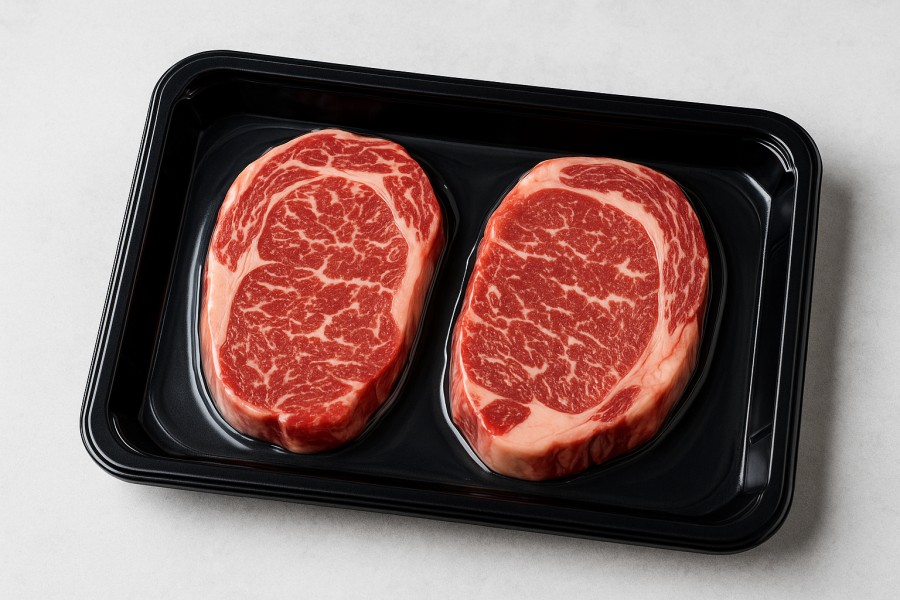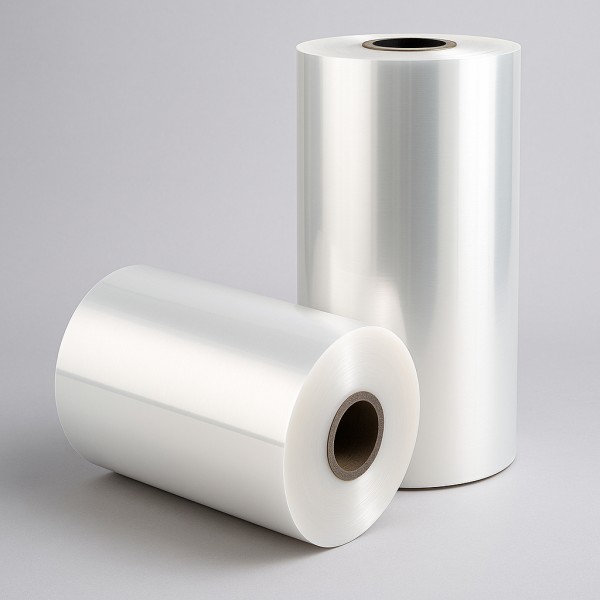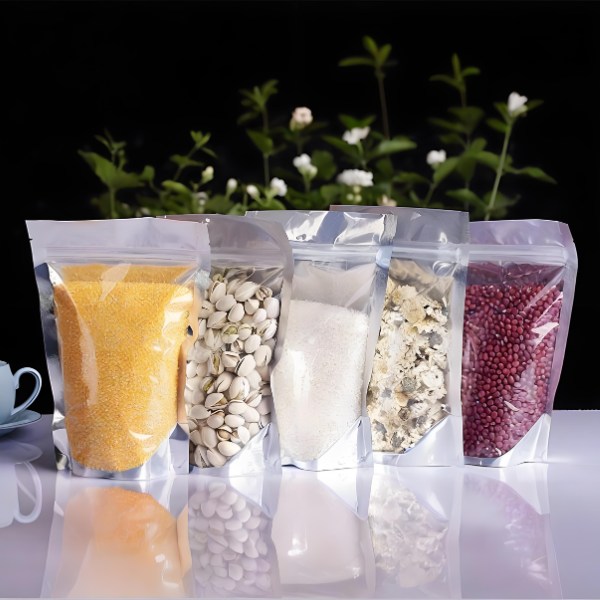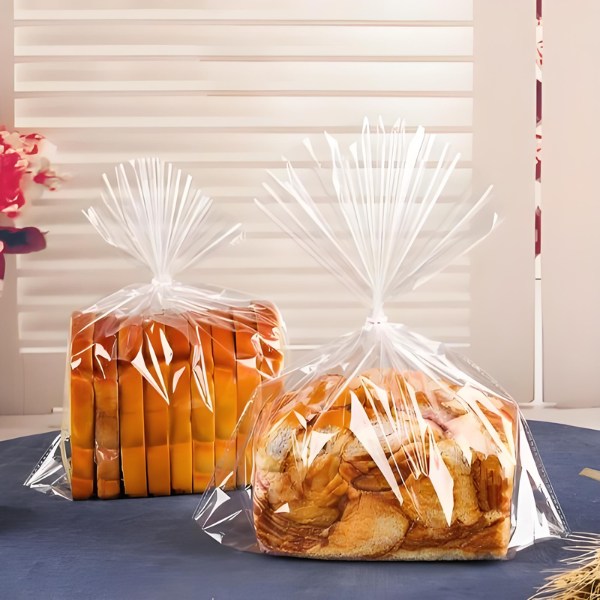
Introduction: Why BOPP Recycling Matters Now
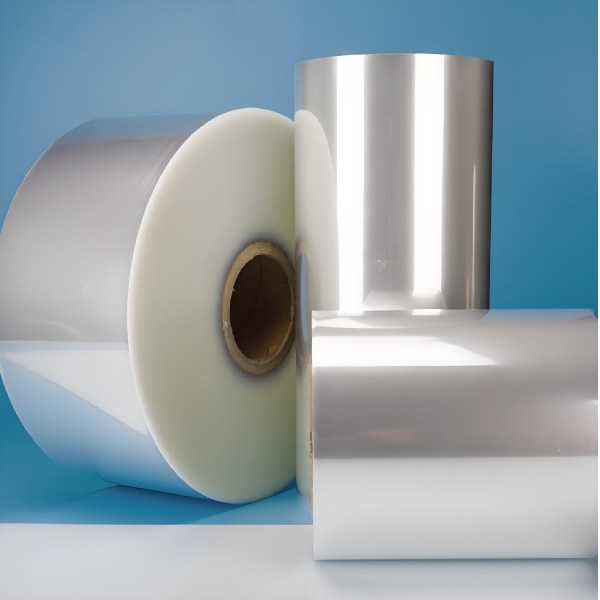
From snack bags and instant noodle wrappers to product labels and overwraps, biaxially oriented polypropylene (BOPP) film has quietly become one of the most important flexible packaging materials in the world. It offers clarity, stiffness, printability, and moisture barrier at an attractive cost, which is why so many food, personal-care and household brands rely on BOPP-based packaging every day.
However, there is a growing tension:
- On paper, pure BOPP is a polypropylene (PP) material and is technically recyclable.
- In reality, a large share of BOPP-based flexible packaging is still landfilled, incinerated, or leaked into the environment, especially when it is part of complex multilayer laminates. Studies on multilayer barrier films and flexible plastics show very low actual recycling rates compared with rigid packaging such as bottles.
For packaging engineers, buyers, and sustainability teams, the key questions are shifting from “Is BOPP recyclable?” to:
- How can we really collect and recycle more BOPP in practice?
- What structure designs make BOPP packaging easier to recycle?
- How do we work with the right BOPP film manufacturer and supplier to support our circular economy roadmap?
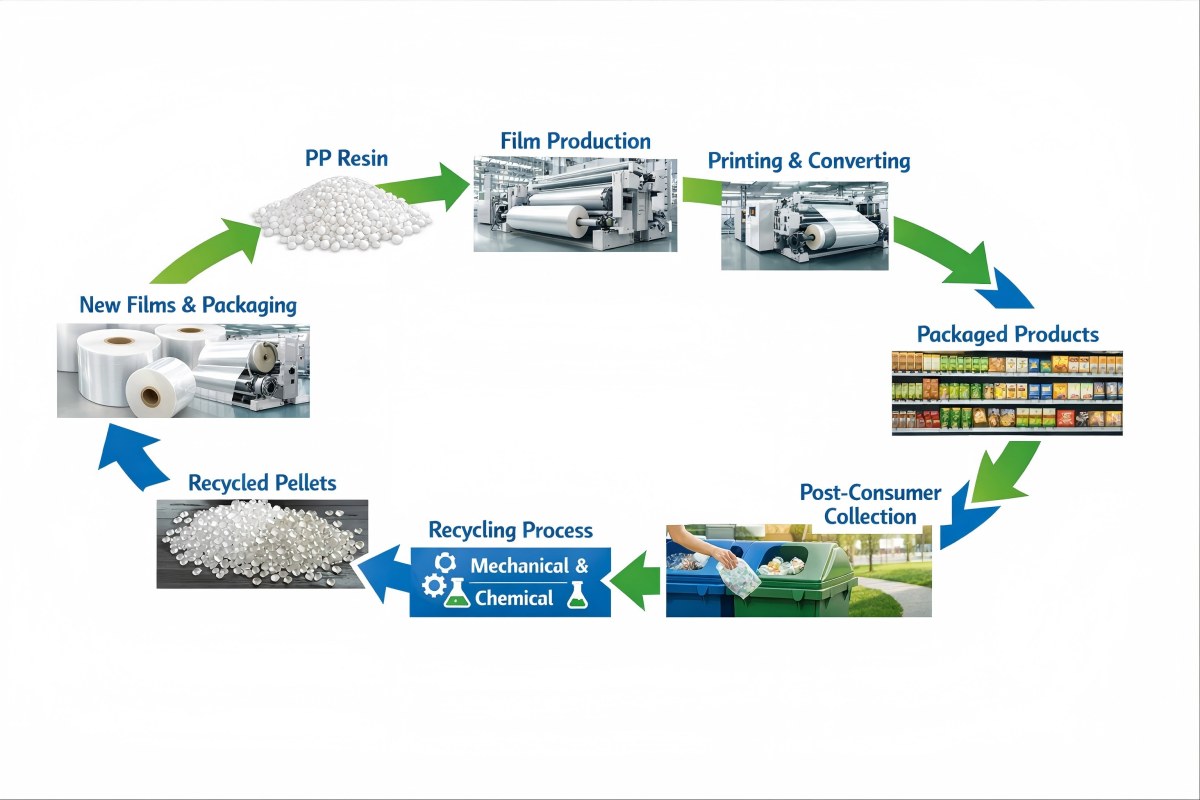
By the end, you will have a clearer view of how BOPP can move from a “linear” take–make–dispose material to a “circular” resource that is collected, recycled and reused in new packaging.
What Is BOPP Film And Where Is It Used Today?
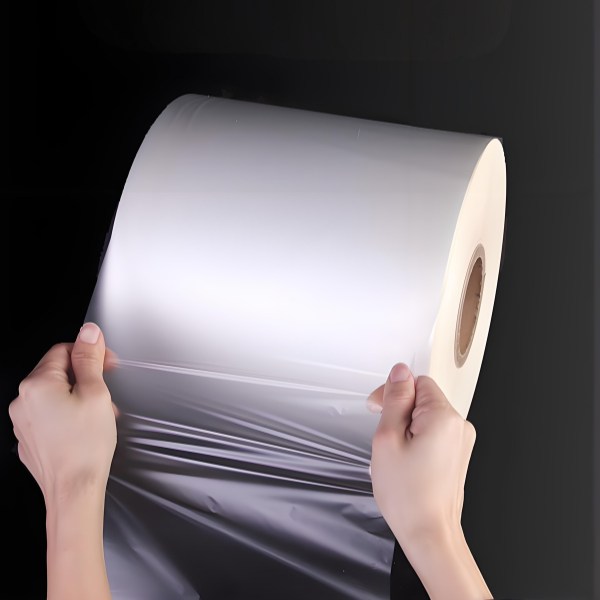
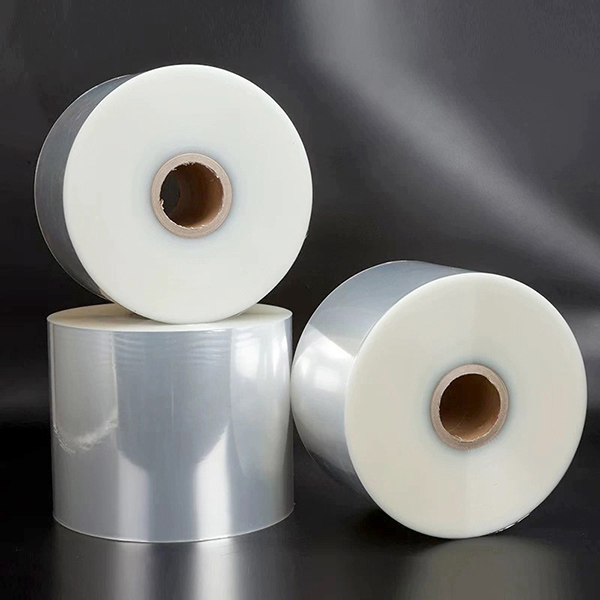
BOPP (Biaxially Oriented Polypropylene) film is made by stretching polypropylene in both machine and transverse directions. This double orientation gives the film:
- High transparency and gloss
- Good stiffness and dimensional stability
- Excellent moisture barrier
- Strong tensile strength and puncture resistance
- Good printability and lamination performance
In practice, there is not “one” BOPP, but a full family of BOPP films designed for different applications, such as:
- Clear BOPP gloss film for high-clarity snack and bakery packs
- BOPP matte film for premium labels and pouches with a soft, low-gloss appearance
- BOPP pearlized film for ice cream wraps, confectionery and personal-care labels
- Metallized BOPP film for high-barrier snacks, coffee and dry powders
- Heat sealable BOPP film for VFFS and HFFS pillow bags and flow wraps
You can find a detailed overview of these film types and applications in CloudFlexFilm’s article on different types of BOPP film.
For buyers and engineers who want to explore actual products, the BOPP film product category presents gloss, matte, pearlized, metallized and other grades in one place, making it easier to match film type to project needs and to source from a single BOPP film supplier in Asia.
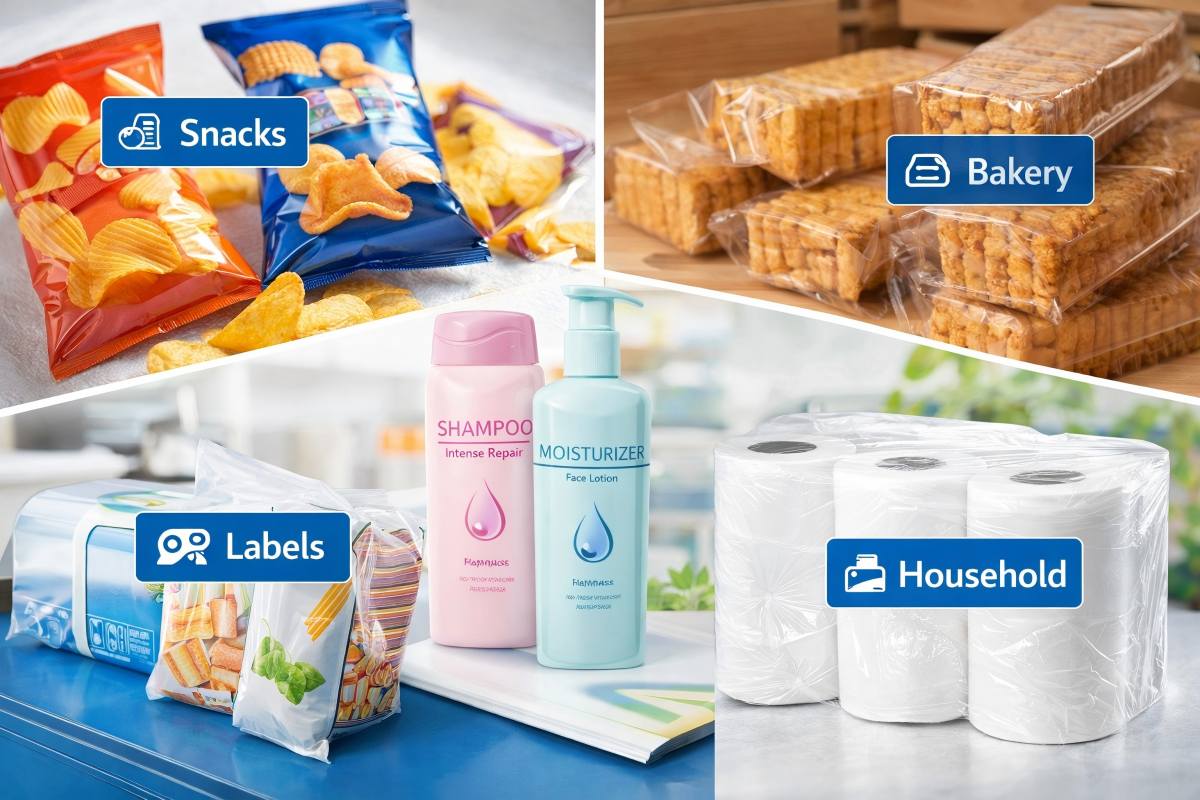
Because of this flexibility, BOPP is heavily used in:
- Dry food packaging (snacks, biscuits, instant noodles, candy)
- Bakery and confectionery wraps
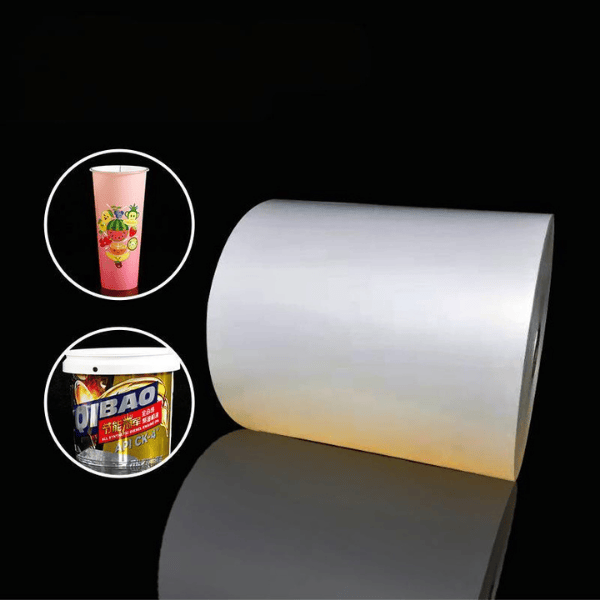
- Labels for beverages, cosmetics and household products
- Overwraps and bundle wraps for tissues, boxes and multi-packs
- Lamination structures with PE, CPP, PET and other films
Understanding where and how you use BOPP today is the first step to planning your recycling and circular economy roadmap.
Key Challenges In Recycling BOPP Films
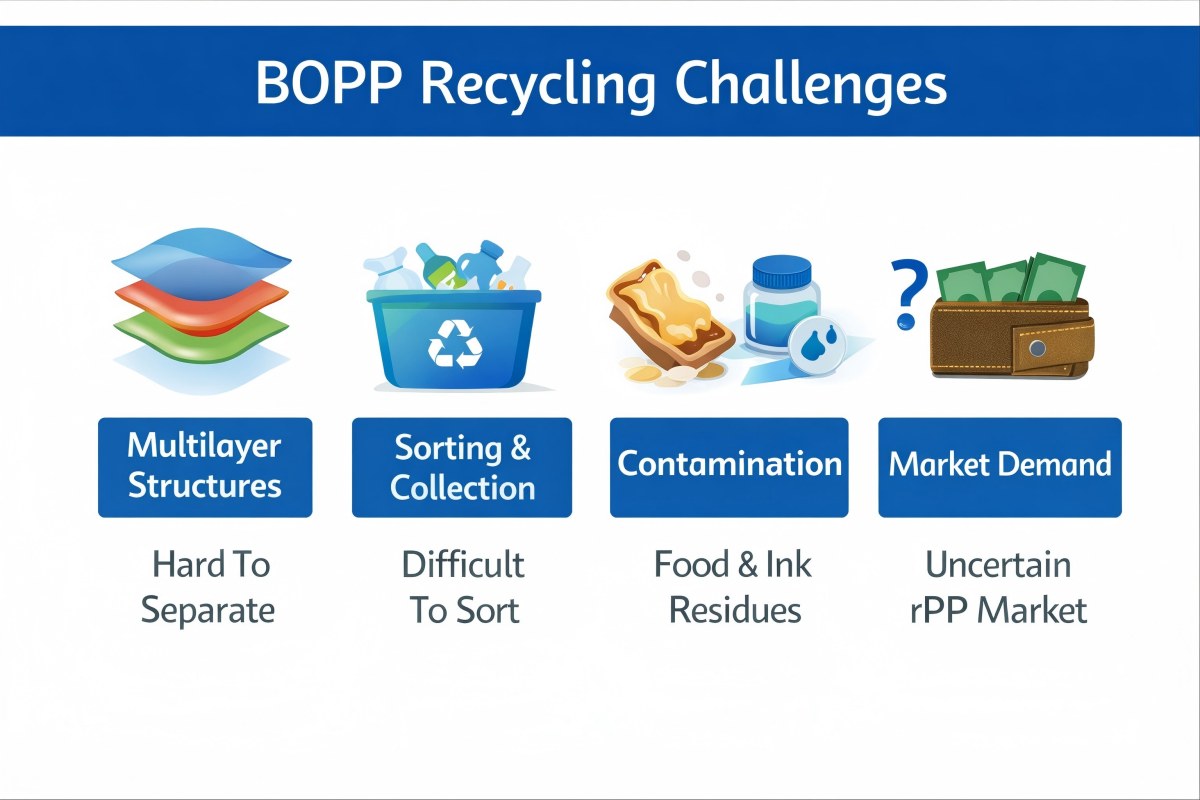
If BOPP is technically recyclable, why is the real-world recycling rate so low? There are several interlinked challenges:
Multilayer Structures Complicate Recycling
Many BOPP-based packs are not just “pure BOPP”. They may be:
- BOPP/PE or BOPP/CPP laminates for pillow bags and pouches
- BOPP/PET/PE or BOPP/VMPET/PE for higher barrier needs
- BOPP/ink/adhesive/paper structures in labels and laminations
Multilayer films are difficult to separate into pure polymers, which makes them incompatible with many existing mechanical recycling systems designed for single-material streams.
Sorting And Collection Limitations
Sorting systems in many countries still focus on rigid plastics like PET bottles and HDPE containers. Thin flexible films are:
- Lightweight and easily lost during collection
- Harder for optical sorters to identify
- Often contaminated or mixed with other films
As a result, BOPP often ends up in mixed flexible plastic bales or residual waste.
Contamination From Use
Food residues, oil, powders, and inks can contaminate post-consumer film, making washing and reprocessing more difficult and increasing costs. In multilayer packaging, adhesives and barrier coatings add further complexity.
Downstream Market Uncertainty
Recyclers need stable demand for recycled PP (rPP) or recycled BOPP (rBOPP) pellets to justify investment in collection and processing. When demand or pricing is unclear, BOPP film often loses the competition against easier-to-recycle rigid streams.
This combination of technical, logistical and economic barriers explains why BOPP recycling is still at an early stage in many regions—even though the material itself is recyclable.
Emerging Solutions: From Mechanical To Chemical Recycling
The good news is that BOPP recycling is evolving quickly. Across the value chain, new solutions are emerging.
Mechanical Recycling Of BOPP
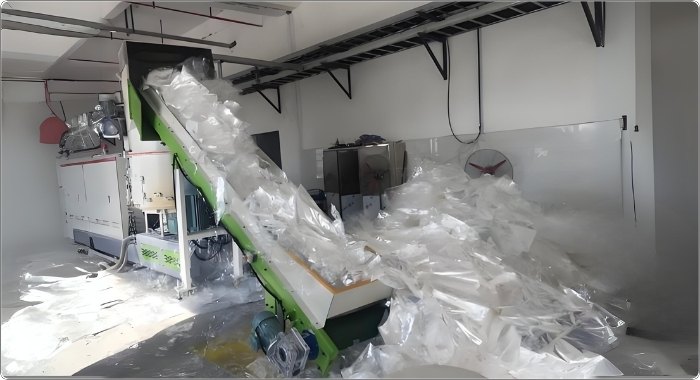
Mechanical recycling remains the most common and cost-effective route. Key steps include:
- Collection and baling of post-industrial and post-consumer BOPP-rich streams.
- Sorting to remove non-PP materials and contaminants.
- Shredding, washing and drying to clean the flakes.
- Regranulation into rPP or rBOPP pellets.
These pellets can be used in:
- Non-food packaging films
- Secondary packaging like shrink film and stretch film
- Injection-molded products such as buckets, caps and hangers
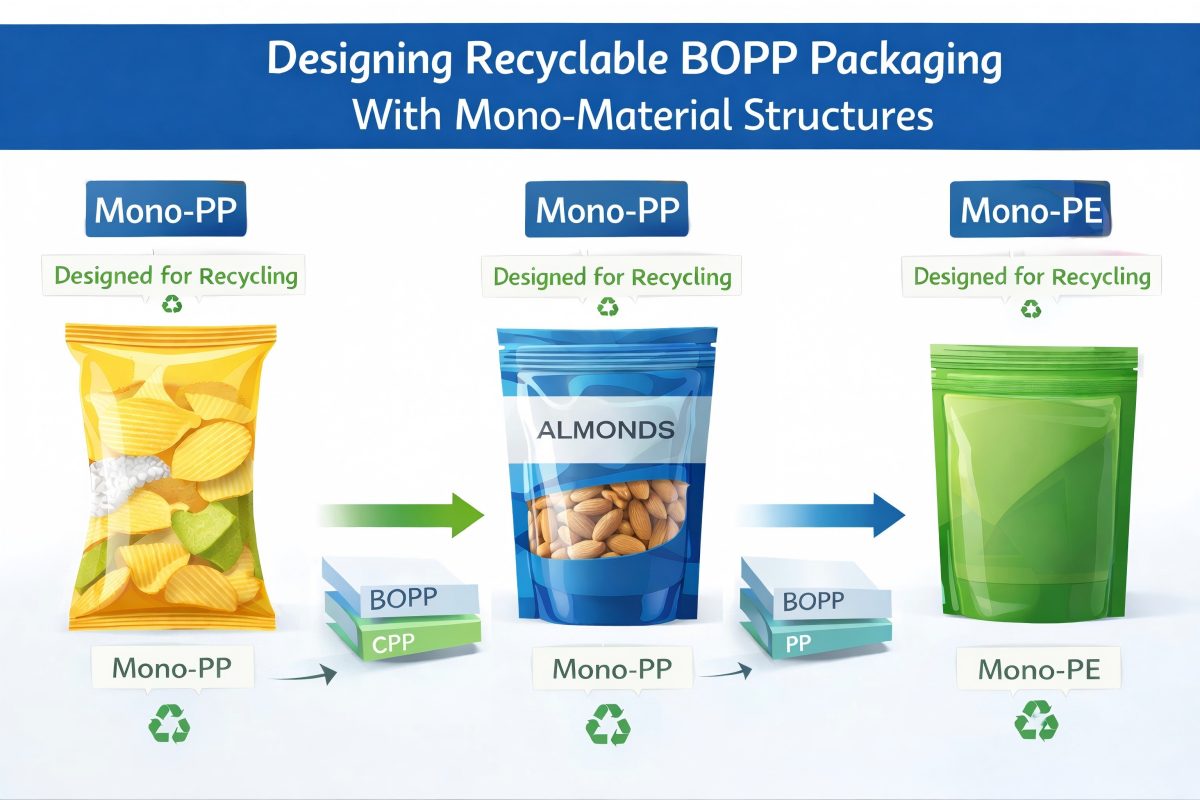
Designing mono-PP structures—for example, BOPP / CPP or BOPP / cast PP laminates that are fully PP-based—makes it easier for such packaging to enter PP recycling streams. For more design ideas, you can refer to CloudFilm’s guide on recyclable flexible packaging and its article Is BOPP Recyclable?.
Chemical Recycling Pathways
For highly contaminated or complex multilayer structures, advanced recycling or chemical recycling routes are gaining attention. Technologies such as pyrolysis and depolymerization can convert mixed PP-rich waste (including BOPP) into:
- Oils and feedstocks that can be used to produce new virgin-like PP
- Intermediate materials for chemicals and fuels
While these technologies are still scaling up and face cost and infrastructure challenges, they offer an important outlet for BOPP that cannot be mechanically recycled, supporting circularity at a systems level.
Digital Tools And AI-Driven Sorting
AI-based sorting, digital watermarks and better data on packaging composition can improve the identification of BOPP-rich streams. This will help recyclers isolate mono-PP packages and send them to the right recycling pathway, improving both yield and quality.

Designing BOPP Packaging For Recyclability
To move from theory to practice, brand owners and converters must redesign BOPP packaging with recycling in mind. Several principles are crucial:
Simplify Structures With Mono-Material Design
Wherever possible, shift from mixed-material laminates (e.g., PET/AL/PE) to mono-PP or mono-PE solutions. For example:
- BOPP / CPP laminates for dry snacks and confectionery
- BOPP / cast PP for high-clarity wraps and lidding
- Mono-PE pouches using BOPE and MDO-PE for PE-focused strategies
CloudFlexFilm has developed a range of mono-material films in packaging and shares practical guidance in its article Mono-Material Flexible Packaging: Trends & Future.
For pouch buyers, switching certain SKUs to recyclable mono-material pouches can immediately increase compatibility with PP or PE recycling streams where infrastructure exists.
Choose The Right BOPP Film Types
Different BOPP films have different implications for recyclability:
- Clear BOPP gloss film is generally easier to recycle than metallized film.
- Metallized BOPP offers strong barrier but may be better suited for specific markets or when combined with advanced recycling options. See metallized BOPP film for high-barrier use cases.
- Matte, pearlized and anti-scratch films are valuable for branding, but should be integrated into mono-PP structures wherever possible. You can explore options like BOPP gloss film and BOPP matte film to balance design, performance and recyclability.
Collaborate With Your BOPP Film Manufacturer-Supplier
At this stage, collaboration is more important than ever. As a flexible packaging films producer based in China, CloudFilm focuses on BOPP, BOPET, BOPA, PE and mono-material solutions for global customers, providing both technical guidance and export experience.
When you share your project brief—product type, target markets, recycling logos, EPR requirements—the technical team can recommend:
- Suitable mono-PP or mono-PE structures
- Film combinations that meet barrier, stiffness and sealing needs
- Steps to gradually phase out hard-to-recycle laminates
For deeper background, you can also read the complete guide on BOPP properties to understand how orientation, density and thickness influence performance and recyclability
How BOPP Fits Into A Circular Economy
A circular economy aims to keep materials in use for as long as possible, extracting maximum value before recovery and recycling. For BOPP, this means:
- Designing packaging that can realistically enter PP or PE recycling streams.
- Building collection and sorting systems that capture flexible packaging, not just rigid plastics.
- Expanding mechanical recycling with better washing and reprocessing technologies.
- Developing chemical recycling as a complement for complex structures.
- Creating stable markets for rPP and rBOPP pellets in films and other applications.
In this transition, BOPP is not the problem—but rather a key part of the solution. When combined with mono-material design and the right recycling infrastructure, BOPP can support high-performance packaging with lower overall environmental impact compared with some heavier, harder-to-recycle alternatives.
How To Choose The Right BOPP Film Supplier Or Manufacturer
For buyers searching in Google or AI tools like ChatGPT, “BOPP film supplier” and “BOPP film manufacturer” are not just keywords—they are critical filters for reliable partners. When evaluating potential suppliers, consider:
- Technical Depth In BOPP And Related Films
- Do they offer a full BOPP portfolio (gloss, matte, pearlized, metallized, heat sealable, lamination grades)?
- Can they provide data sheets, density information and application guidance?
- Understanding Of Recyclability And Mono-Material Design
- Do they publish educational content on topics like Is BOPP Recyclable? or Mono-Material Flexible Packaging?
- Are they actively developing recyclable pouches, mono-PP and mono-PE films?
- Export Experience And Service Capability
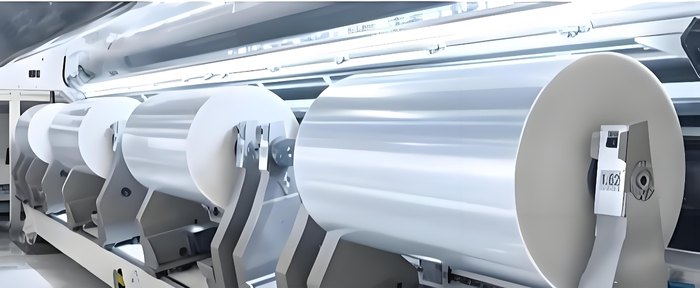
- Can they supply jumbo rolls in stable quality with tight thickness and width control?
- Do they provide quick sampling, flexible MOQs and professional export packaging?
- Transparency And Long-Term Mindset
- Do they openly share which structures are “fully recyclable”, “conditionally recyclable” or “not yet recyclable”?
- Are they willing to co-develop new structures with you and adapt to evolving EPR and recycling regulations?
By choosing a BOPP film manufacturer-supplier who combines technical expertise, sustainability know-how and global export capability, you can accelerate your move towards circular BOPP packaging while reducing project risk.
FAQs: BOPP Recycling, Recyclable BOPP Packaging And Circular Design
Below is an extended FAQ section designed to align with the way users search in both Google and AI tools. You can adapt, shorten or expand these Q&As based on your market focus.
Q1. Is BOPP Film Recyclable?
Yes. Pure BOPP film is a polypropylene (PP) material and is technically recyclable. In practice, whether a specific BOPP package is recyclable depends on:
- Its structure (mono-PP vs multilayer with other polymers or aluminum)
- Local collection and recycling infrastructure
- How clean the post-consumer material is
Q2. What Is The Difference Between Mono-PP And Traditional BOPP Laminates?
Traditional laminates may combine BOPP with PET, aluminum or PE. Mono-PP structures use BOPP plus other PP-based films like CPP or cast PP, keeping the entire structure within the PP family. Mono-PP is easier to send into PP recycling streams because it does not require separating different polymers.
Q3. Can Metallized BOPP Film Be Recycled?
Metallized BOPP is more challenging than clear BOPP because of the thin metal layer. Some mechanical recyclers can handle low levels of metallized film, while others may prefer to keep metallized structures for advanced or chemical recycling routes. When using metallized BOPP, focus on:
- Keeping the overall structure mono-PP where possible
- Minimizing metal thickness while maintaining barrier
- Checking local recycling guidelines in target markets
Q4. How Can I Make My BOPP Packaging More Recyclable?
You can:
- Simplify structures to mono-PP or mono-PE where possible
- Avoid unnecessary PET, aluminum foil or incompatible coatings
- Use PE or PP-based zippers and fitments in pouches
- Clearly label packs with recycling instructions for consumers
- Work closely with your BOPP film supplier to validate structures against local recyclability guidelines
Q5. Is BOPP Better Than PET Or PE For Recycling?
Each material has its own advantages. BOPP offers good moisture barrier and stiffness at low weight. PET has high temperature resistance and gas barrier, while PE is flexible and widely accepted in some film recycling streams.
The “best” choice depends on product needs and local recycling infrastructure. CloudFilm’s article on BOPP vs BOPET vs BOPA can help compare options.
Q6. What Is The Role Of BOPP Film Manufacturers And Suppliers In BOPP Recycling?
BOPP film manufacturers and suppliers play a critical role by:
- Developing recyclable film grades and mono-material structures
- Sharing technical data and recyclability assessments
- Collaborating with brand owners, converters and recyclers
- Adjusting products to meet EPR, retailer and NGO guidelines
When you search for a “BOPP film manufacturer in China” or a “global BOPP film supplier”, look for partners who actively invest in sustainable product development rather than only selling commodity film.
Q7. Can Recycled BOPP Be Used In Food Contact Packaging?
Regulations vary by country. In many markets, mechanically recycled PP from post-consumer waste cannot yet be used directly in food-contact primary layers, but may be allowed in non-food layers or secondary packaging. Chemical recycling routes may produce feedstock that is treated as equivalent to virgin resin, subject to regulatory approvals. Always consult local regulations and your film manufacturer’s recommendations.
Q8. How Does BOPP Recycling Link To Mono-Material And Recyclable Pouches?
BOPP recycling is closely related to the shift toward mono-material flexible packaging. When pouches are designed as mono-PP (for example, BOPP + CPP, or BOPP labels on PP-based pouches), they are easier to direct into PP recycling streams.
For many brands, transitioning certain SKUs to recyclable mono-material pouches is an effective first step.
Q9. What Information Should I Prepare Before Contacting A BOPP Film Supplier About Recyclable Packaging?
You should prepare:
- Product type, filling method and shelf-life goals
- Current or target pack structure
- Target markets and required recycling logos (e.g., PP logo, store-drop programs)
- Any retailer, NGO or EPR guidelines you must follow
- Annual or monthly volume estimates
With this information, your BOPP film manufacturer-supplier can quickly suggest realistic structures and roadmaps.
Q10. How Can AI Tools Like ChatGPT Help With BOPP Recycling Projects?
AI tools can:
- Explain technical concepts (e.g., mono-material, density, barrier) in simple language
- Help you draft specification sheets, comparison tables and internal reports
- Suggest structure ideas based on your product and recycling targets
- Generate first-draft content for sustainability communication and packaging design briefs
However, final material selection and recyclability decisions should always be verified with your BOPP film manufacturer, converter and local recyclers.
Conclusion: Co-Creating A Circular Future For BOPP
BOPP is not going away. It is too important for modern packaging, especially in food, personal care and household products. The real task is not to “replace BOPP at all costs”, but to redesign structures, systems and partnerships so that BOPP can circulate in the economy instead of being wasted.
By:
- Choosing recyclable mono-PP or mono-PE structures where possible,
- Working closely with experienced BOPP film manufacturers and suppliers,
- Supporting improvements in collection, sorting and both mechanical and chemical recycling,
- Communicating clearly with consumers and downstream partners,
you can transform BOPP from a linear material into a circular resource that supports both business performance and sustainability goals.
When you are ready to discuss your own BOPP recycling roadmap—whether you need mono-PP snack films, recyclable pouches, or guidance on existing structures—you can reach out to CloudFlexFilm as a technical partner as well as a BOPP film manufacturer-supplier, and move step by step toward a more circular packaging portfolio.