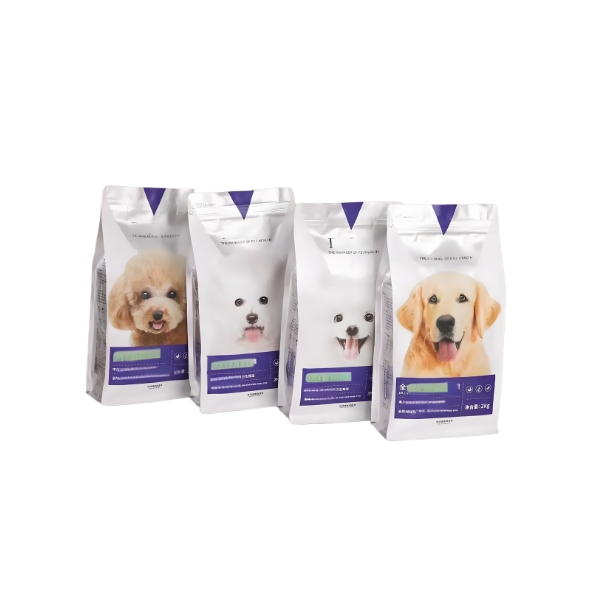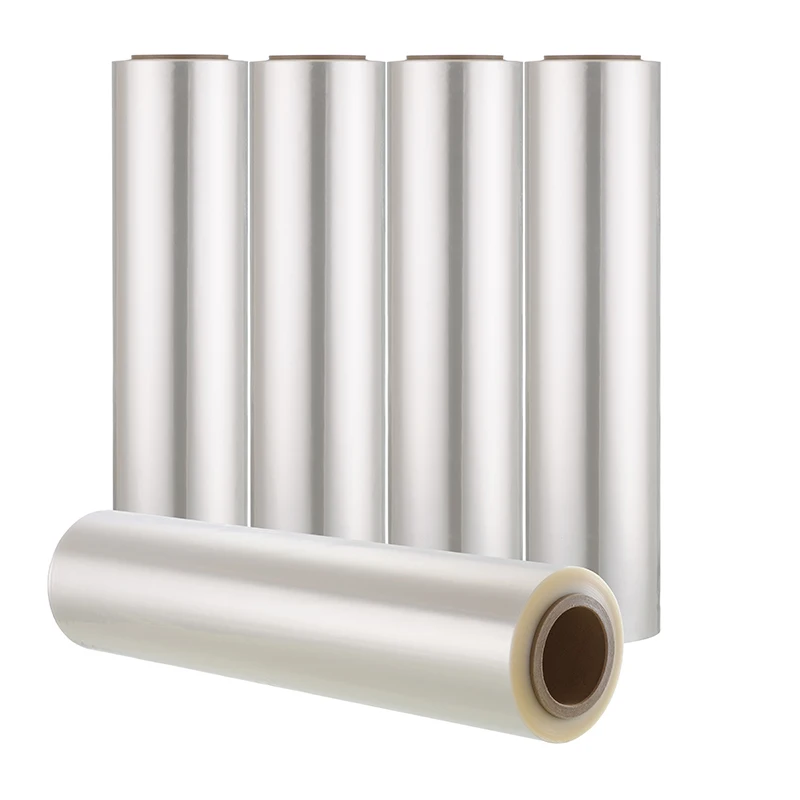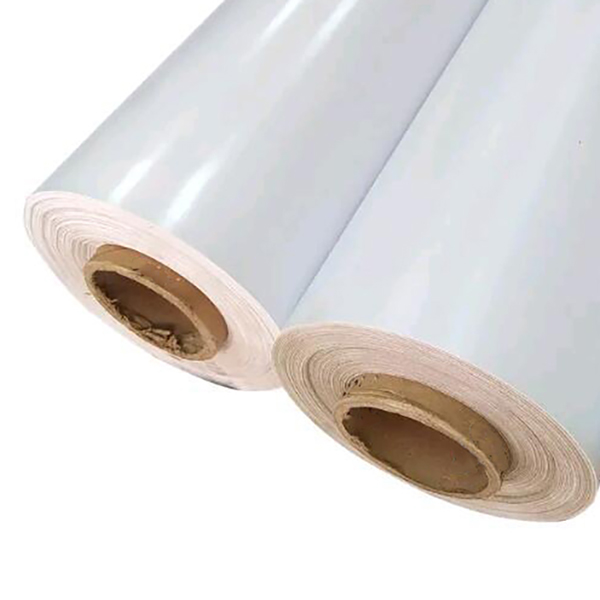
Sustainable pet food packaging starts with a product that must arrive in good condition. A dry kibble bag, a freeze-dried treat pouch and a shelf-stable wet food pouch can share a brand identity while needing very different protection and processing conditions.
The useful purchasing question is therefore specific: which packaging change can improve a defined environmental objective while preserving the requirements of this product, production line and sales market?
This guide turns that question into a working process. It covers product classification, material selection, supplier evidence, trial approval and comparable quotations. Use it when replacing an existing pack or developing a new SKU, meaning an individual product and pack-size combination.
Define the Improvement Before Choosing the Material
Write one primary objective into the project brief. Examples include reducing packaging mass per saleable pack, designing for an identified recycling stream, introducing verified recycled content or using a compostable pack where a suitable collection route exists.
Treat these as separate objectives. A lighter bag does not automatically become recyclable. Recycled content describes material sourcing; it does not prove that the finished pouch will be collected after use. A paper appearance says little about the complete structure.
Record the current pack as the baseline: dimensions, empty weight, fill weight, structure, closure, storage instructions, production performance and known complaints. Keep physical reference packs from normal production, not only presentation samples.
Then define the conditions that must remain acceptable. These might include unopened shelf life, aroma, texture, seal integrity, transport damage, filling speed and the consumer’s ability to open and reclose the bag. Assign an owner to each requirement before requesting quotations.
Use a measurable project statement
An actionable brief might say: reduce material per accepted pack while maintaining the existing product-quality criteria and qualifying the complete pouch for the intended recycling route. The supplier can then propose alternatives against a clear baseline.
Avoid starting with a promise such as a fixed carbon reduction. Such a comparison needs its own evidence and boundaries, including the reference package, equivalent product quantity and relevant life-cycle stages. Packaging weight alone cannot establish the result.
Match Packaging to the Product and Its Processing
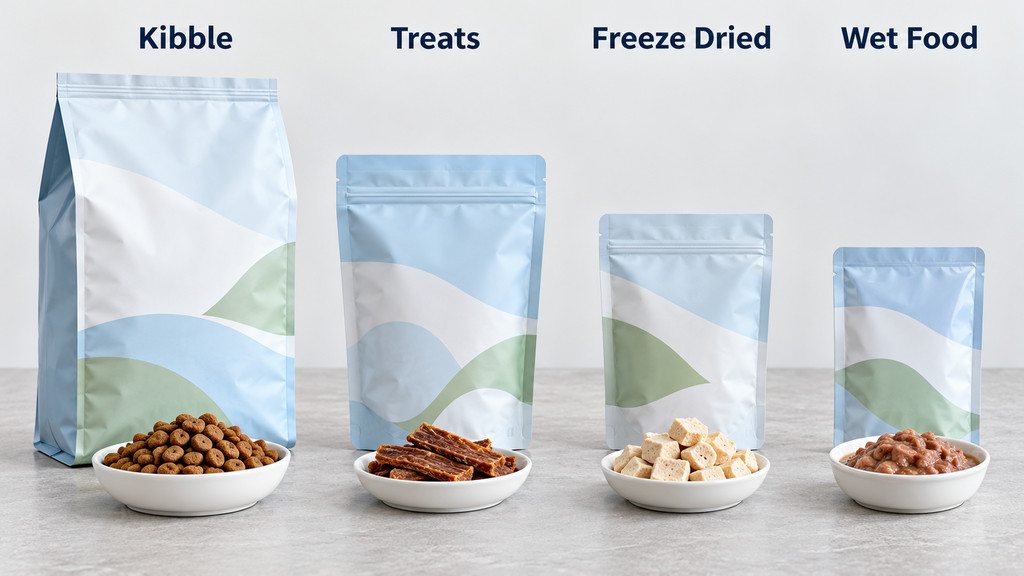
Classify products by formulation, physical form, processing and storage conditions. Dog versus cat branding is less useful for material selection than whether the contents are oily, sharp, moisture-sensitive, chilled or sterilized inside the package.
| Product group | Candidate direction | Evidence needed before selection |
| Dry kibble and larger bags | Engineered PE-based structures, including MDO PE where appropriate | Product protection, loaded-bag strength, seals and line performance |
| Dry treats and chews | Product-specific PE or PP route and suitable pouch or roll format | Oil exposure, puncture risk, reclosure and storage results |
| Freeze-dried products | A barrier structure selected around the actual product | Quality changes during storage, package integrity and opening routine |
| Shelf-stable retorted wet food | A specifically developed retort structure; PP-based alternatives require qualification | Actual thermal process, post-process integrity and shelf-life evidence |
| Chilled or frozen food | A structure validated for the complete cold-chain application | Sealing conditions, cold handling, leakage and intended storage cycle |
The table identifies development directions, not universal approvals. Keep an existing qualified structure as a control while assessing a proposed replacement.
Dry kibble and heavier bags
Separate barrier requirements from mechanical requirements. Ask what the bag must withstand when filled, gripped, stacked and dropped. A film’s tensile value alone does not answer whether the finished gusset, handle area or seal will survive the chosen distribution route.
PE-based pet food structures are a documented commercial development route. A Dow, W&H and B&B project used PE structural layers with a thin EVOH barrier layer. That example demonstrates why a material-family label still needs a full composition review.
For the structure background, see MDO PE structures for dry pet food. For purchasing approval, request samples representing the intended bag size, fill and accessories rather than extrapolating from a small unprinted pouch.
Treats and freeze-dried products
Do not place biscuits, oily meat treats and irregular chews into one specification simply because they share a product category. Describe sharp edges, surface oil, dust and how consumers will use the pack after opening.
For freeze-dried products, define the quality changes that matter to the actual formulation. Ask the product team to establish suitable moisture, texture and oxidation endpoints. Do not borrow another brand’s shelf life or assume that a generic high-barrier label establishes suitability.
Plan unopened and opened-pack checks separately. The factory seal protects the unopened product; repeated opening introduces a different exposure pattern. A zipper should be evaluated with realistic product dust and handling, not only on an empty demonstration pouch.
Wet food and the cold chain
Shelf-stable retorted food requires packaging qualified for its thermal process. Mondi’s retortable mono-material pouch is a PP-based, aluminium-free example intended for applications including wet pet food. It does not establish that ordinary PP film is retort suitable.
Discuss the exact product, fill weight and thermal cycle when evaluating retort pouches for wet pet food. Thermal suitability and recyclability require separate evidence; a supplier’s conventional retort range does not by itself establish a recyclable alternative.
For chilled or frozen products, describe filling temperature, storage, shipping and expected temperature changes. Specify whether testing must include thawing and handling. These products should not inherit a retort specification solely because both categories contain wet food.
If pack format is still undecided, the guide to cat food packaging formats and barriers provides additional context. Final dimensions should follow filling and use requirements rather than appearance alone.
Evaluate the Complete Packaging Structure
Ask for a bill of materials covering films, coatings, barrier layers, adhesives, inks, closures, labels and other attachments. Request component weights or weight shares as appropriate. A specification that lists only the outer and inner films leaves important information missing.
CEFLEX design guidance addresses the interaction of materials and components in flexible packaging. Use the relevant current guidance to review the actual printed pack, including its closure, rather than treating a base-film assessment as approval of every converted version.
PE and PP routes
Choose the candidate family around protection, processing and the intended recovery system. Ask the converter to explain the function of each layer and accessory. If a high-barrier layer is proposed, request its identity and its treatment under the applicable recycling assessment.
Do not use one universal percentage as a shortcut for approval. The applicable assessment may depend on the material combination, barrier system, decoration and other components. Keep the assessment version and exact tested construction in the project file.
Paper and coated structures
Identify which component actually supplies moisture resistance, oil resistance and sealing. A paper-facing laminate may contain a substantial functional film layer. Ask how the complete pack should be sorted and processed, not merely whether the visible paper is renewable.
Lightweighting
Compare complete empty-pack mass, including closures, at the same usable fill volume. Reducing film gauge while adding a heavier accessory can obscure the actual change. Recheck filled-pack performance whenever the construction changes, even if the material family stays the same.
Print and appearance
Provide the proposed artwork early enough for the recycling and conversion review. Record print coverage, finishes and labels alongside the material specification. Treat a later change to a window, coating or decorative element as a controlled design change.
Make Barrier Data Comparable
Oxygen transmission rate, or OTR, and water vapour transmission rate, or WVTR, describe different barrier functions. A claim of excellent barrier performance is incomplete until it identifies the permeant, test conditions and tested sample.
AMETEK MOCON explains that temperature, humidity and the sample configuration affect permeation measurements. Film results are commonly expressed per unit area; whole-package results can be expressed per package. Do not place those numbers in the same comparison column without understanding the basis.
Request these fields beside each proposed result:
- Test method and laboratory identification.
- Temperature, relative humidity and relevant gas conditions.
- Units, film thickness and sample identification.
- Whether the sample was flat film, a converted pouch or a processed package.
- Conditioning, test date and any bending, transport or thermal exposure before testing.
The public scopes of ASTM D3985 and ASTM F1249 identify established methods for oxygen and water-vapour transmission respectively. Refer the actual method selection and testing procedure to the laboratory responsible for your packaging.
Set the target from product evidence
Start with the current successful pack and the product team’s storage data. Ask which quality endpoint determines acceptability and under what conditions. Then select candidate barrier levels for trials. There is no useful single OTR or WVTR target for every pet food formulation.
If accelerated storage is used, document why it represents the relevant deterioration mechanism. Do not turn an arbitrary number of weeks in a hot room into a guaranteed commercial shelf life. Retain the real-time verification plan agreed by the responsible product team.
Also record headspace management if it is part of the process. A packaging trial with one gas-flushing setup is not directly comparable with a control packed under another. Keep formulation, filling conditions and sampling identifiable so that a result can be interpreted.
Approve the Pack Through Five Evidence Stages
The following stages are a practical purchasing framework. The brand’s product, quality, operations and procurement teams should agree on the actual test methods, sampling and pass criteria before the trial starts.
Stage 1 Lock the brief and baseline
Procurement gathers the product description, current specification, destination markets, quantities and sustainability objective. Quality identifies the acceptance criteria. Operations confirms the intended machine and production conditions. Resolve missing requirements before asking suppliers to optimize the structure.
The output is a common brief issued to every candidate supplier. A quotation against a different fill weight, barrier basis or closure is an alternative proposal, not a directly comparable price.
Stage 2 Review material and package evidence
The supplier submits the complete structure, relevant contact documentation, barrier reports and proposed end-of-life basis. Check that each document names the material or pack being offered. Record unanswered questions and proposed deviations rather than relying on a broad compliance statement.
Distinguish seal strength from leakage. ASTM F88 addresses seal strength, while ASTM F2096 addresses gross leaks through an internal-pressurization approach. A suitable laboratory should select methods for the package; one favourable result cannot answer every integrity question.
Stage 3 Run the actual packaging line
Use production-representative film or pouches, artwork and closures. Record machine settings, actual output, rejected packs, seal appearance, contamination events and operator adjustments. Identify trial start-up waste separately from stable running waste so suppliers are compared consistently.
Keep samples from the beginning, middle and end of the agreed trial. Note whether the run covered normal changes in product flow and sealing conditions. A few attractive samples made at a carefully adjusted setting do not establish a reliable operating window.
For detailed material-conversion considerations, consult MDO PE versus PET/PE conversion checks. The purchasing decision should record the accepted settings and remaining limitations rather than reproduce only the supplier’s nominal machine-speed claim.
Stage 4 Verify filled product and distribution
Evaluate the candidate and control under the agreed storage and handling conditions. Include the complete shipping configuration where relevant: primary pouch, carton, dividers and pallet or parcel system. Record both product quality and package defects.
Choose distribution tests around the actual route. For example, ISTA 3A concerns parcel delivery of individually packaged products. It should not be selected automatically for every palletized shipment merely because it is a familiar test name.
Investigate failures before changing several variables simultaneously. A leak around a zipper end, a puncture from a treat and a barrier shortfall call for different corrective actions. Retain failed packs and their production records when asking the converter to revise the design.
Stage 5 Release a controlled specification
Approve the structure, dimensions, artwork, closure, test basis and permitted claim together. Record the version, approvers and retained reference samples. Require notification before changes to relevant resin grades, barrier components, adhesives, accessories or manufacturing arrangements.
Plan an initial commercial review after launch. Compare the first production lots with trial expectations, including rejects, consumer complaints and transport damage. Approval becomes more useful when the purchase specification states what evidence triggers investigation or requalification.

Verify the Disposal Route and the Claim
Material compatibility and practical recovery are separate questions. RecyClass describes recyclability through a chain that includes collection, sorting, recycling and use of the recovered material. A favourable material design cannot create missing local infrastructure.
For each destination market, record the intended collection route and whether it accepts this packaging format. Check the complete pouch and expected food residue. Do not direct all flexible PE packs into household recycling simply because rigid PE containers are accepted locally.
Keep disposal wording tied to the market. If one printed design serves several countries, ask whether shared wording is accurate or whether separate artwork is needed. The background guide to recyclable flexible packaging design explains the broader material choices.
Recycled content needs two evidence files
First, establish the source and accounting basis: material identity, traceability, stated percentage and its denominator. Ask whether the percentage refers to a film layer, the complete bag or an allocated accounting claim. These are different descriptions and should not be silently interchanged.
Second, verify suitability for the intended contact application. FDA’s recycled-plastics guidance addresses issues such as contamination and migration. A recycled-content certificate does not establish that the proposed resin, structure and use conditions are appropriate for pet food contact.
Request the supporting scope for the destination jurisdiction, including relevant food type, temperature and contact duration. If protection relies on a functional barrier, require evidence for that arrangement. See PCR packaging design considerations for the material-sourcing background.
Compostability needs a destination
Check certification for the finished pack, not only a resin or film component. Identify whether the claim concerns commercial or home composting. BPI’s certification guidance distinguishes these environments and explains why certified products may still face facility acceptance limits.
Before choosing this route, identify an accepting collection and treatment system in the intended market. Then verify product protection and storage performance. The guide to compostable flexible packaging requirements provides further background for that assessment.
Approve exact wording before printing
Prefer a specific supported statement to an unrestricted environmental label. The FTC’s environmental-claims guidance distinguishes claims such as recycled content, recyclability and compostability. Have the responsible reviewer check the exact wording, qualification and market applicability before artwork release.
Compare Quotations on a Common Basis
A low price per kilogram can hide a higher cost per usable pack. Differences in pack weight, film yield, closure design, waste and production performance can change the comparison. Request enough information to calculate cost against the same accepted output.
For a trial-based comparison, divide the agreed packaging-related cost by accepted filled packs. State which costs are included: purchased material, printing setup, conversion, transport, trial waste and any quantified production adjustment. Keep one-time development costs visible rather than hiding them inside the recurring unit price.
Use the same currency, order quantity, delivery basis and comparison period. Ask suppliers to identify quotation validity, tooling ownership, minimum order quantities, lead times and conditions that can change the price. These commercial inputs should sit beside the technical approval record.
Send a complete request for quotation
| RFQ section | Information to provide | Response to request |
| Product and process | Formulation category, fill weight, processing, storage and shelf-life objective | Proposed structure with assumptions and exclusions |
| Pack and equipment | Drawing, closure, current sample, machine and delivery format | Dimensions, tolerances and trial requirements |
| Quality and destination | Acceptance criteria, test conditions and sales markets | Relevant reports, contact evidence and recovery basis |
| Commercial scope | Quantity by SKU, artwork, delivery basis and forecast | Itemized price, setup costs, MOQ and lead time |
Attach the same baseline documents to each enquiry. Ask suppliers to separate a like-for-like proposal from a redesign that changes pack dimensions, closure or process. This makes a promising alternative visible without confusing the price comparison.
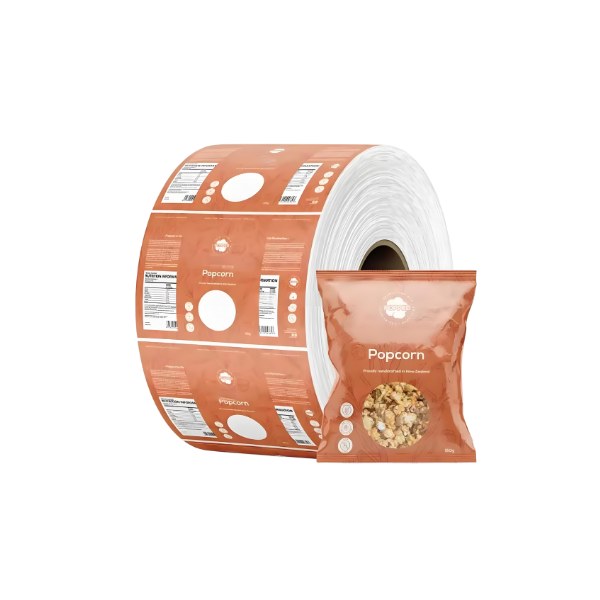
If the project requires printed roll stock, include web width, repeat length, unwind direction, core requirements and machine details. For premade bags, prioritize the finished drawing, filling opening, closure position and agreed dimensional tolerances.
Questions to Resolve Before Placing the Order
1 Can one specification cover several flavours or pack sizes
Only after a documented comparison. Group products by relevant risks, such as formulation, geometry, fill weight and process. Explain why the selected trial represents the other variants. A successful small bag does not automatically qualify a larger or more demanding version.
2 What if two suppliers submit different test methods
Ask the laboratory or technical owner to assess comparability before ranking the numbers. Request additional testing under a common basis where necessary. Do not convert a method difference into a purchasing preference simply because one value looks lower.
3 Can artwork change after the trial is approved
Review the effect before release. Changes in labels, coatings, coverage or attachments may alter the assessed pack or its processing. Link the approved artwork version to the technical specification so purchasing does not order a different construction inadvertently.
4 What should happen when no candidate passes
Retain the qualified baseline while narrowing the failed requirement. Consider a smaller change, a different pack format or a separate project for the difficult SKU. Record why the candidate failed so the next trial answers a specific question instead of repeating the same uncertainty.
Prepare a Product Specific Packaging Enquiry
Send CloudFilm your current structure or sample, product category, fill weight, packaging-line details, destination markets and preferred sustainability objective. Include known failure points and the evidence required for approval. This gives the enquiry a technical starting point before artwork and price are finalized.
Use the recyclable pouch options to begin a discussion about the relevant format and candidate structure. Request confirmation of the specific application’s suitability, supporting documentation and trial scope; the finished package should be approved against your own product and production requirements.