BOPA (Biaxially Oriented Polyamide) film has become one of the core high-barrier substrates in modern flexible packaging. When you choose the right BOPA structure, you can extend shelf life, prevent puncture and leakage, and keep retail packs looking clean from filling to export logistics.
As a specification-driven manufacturer in China, CloudFilm supplies BOPA base webs and downstream laminates for frozen foods, cheese, meat, liquid seasonings, pet food, and high-value industrial products. By combining CloudFilm BOPA film,
Simultaneous BOPA film and nylon-based laminates such as PA/PE film, we help converters and brands build robust, high-barrier packaging that runs reliably on printing, lamination and bag-making lines.
In this article, you will learn what BOPA film is, the main types, key uses, and the practical benefits you can expect when you source it from CloudFilm.
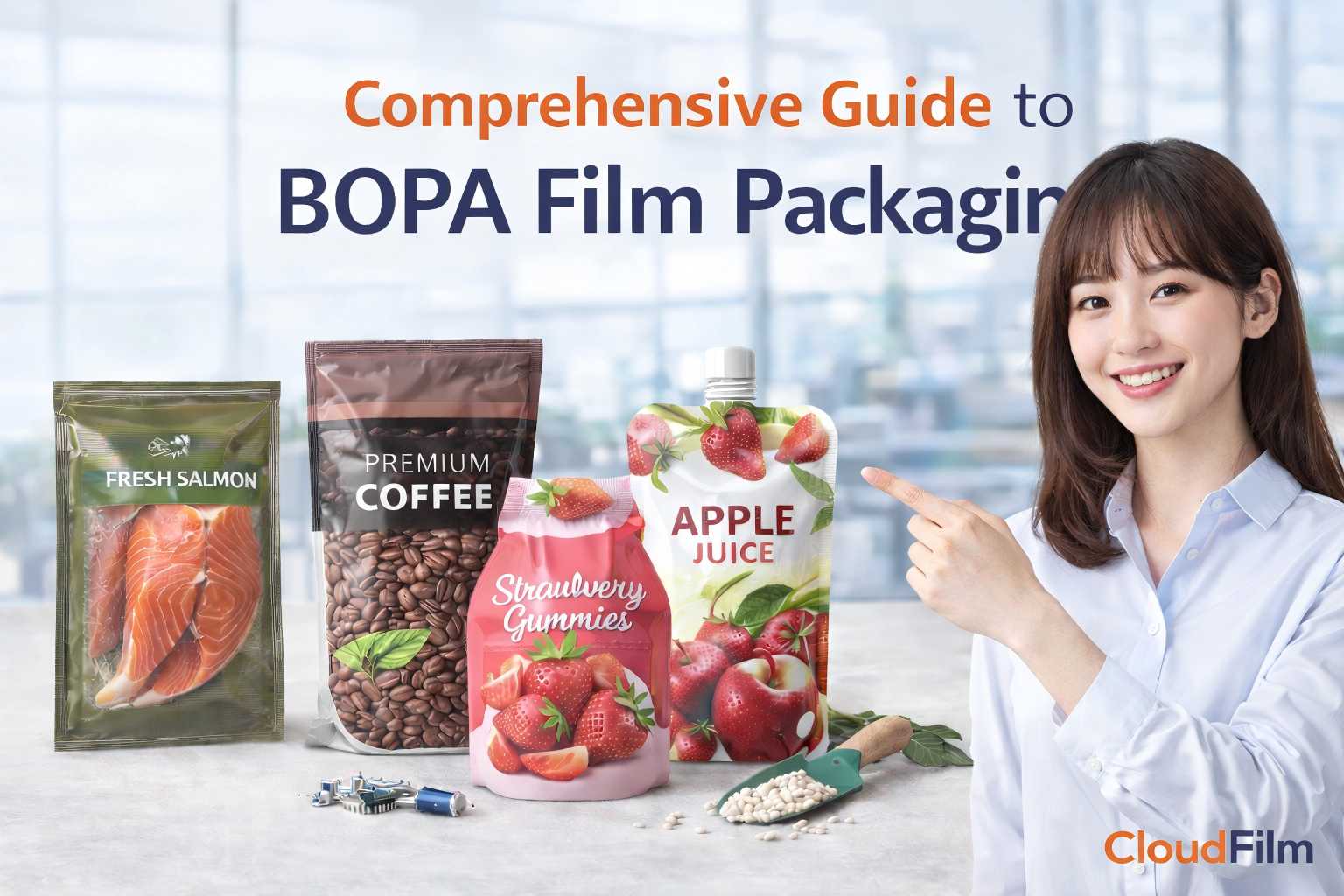
What Is a BOPA Film?
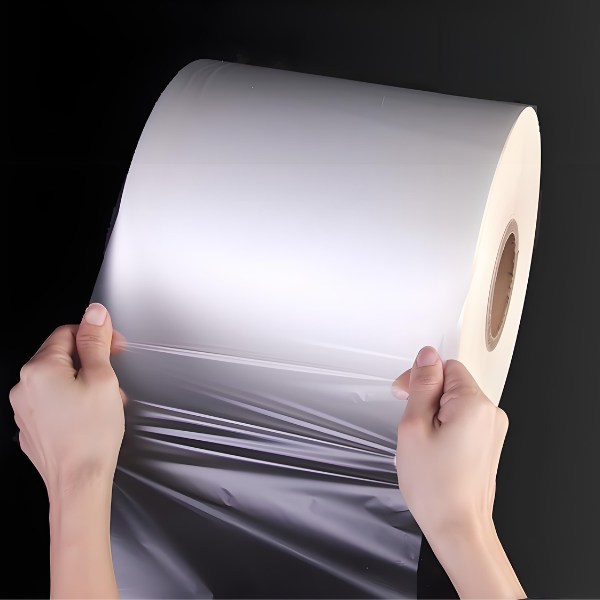
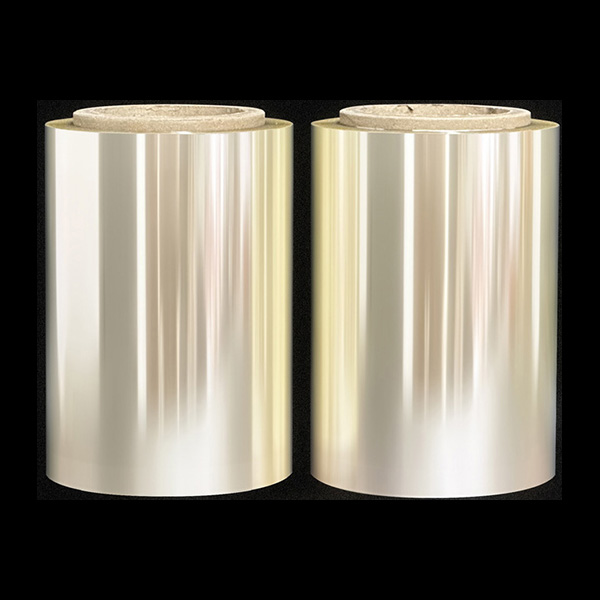
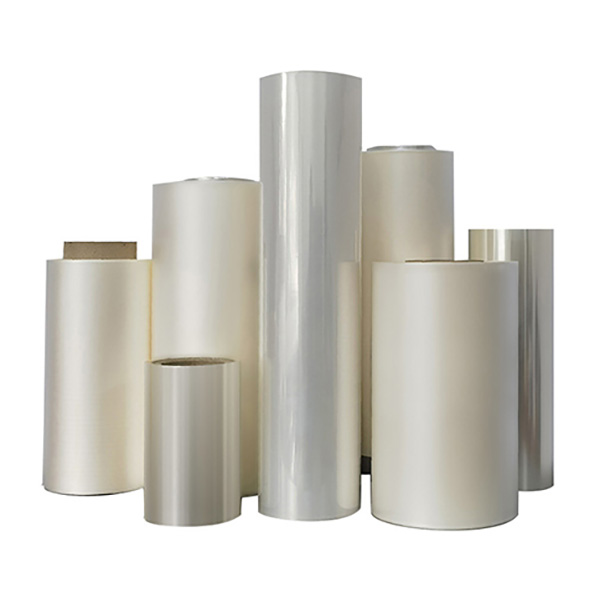
Biaxially Oriented Polyamide (BOPA) film is a nylon-based polymer film that is stretched in both the machine direction (MD) and transverse direction (TD). This biaxial orientation significantly enhances tensile strength, puncture resistance, gas and aroma barrier, and dimensional stability compared with non-oriented PA films.
Typical BOPA gauges for packaging range from about 10–25 µm and are usually laminated with PE, CPP or PET to create high-barrier pouch, lidding and thermoforming structures. In many applications, BOPA acts as the “middle armor layer” in a laminate: it provides mechanical strength and barrier, while the PE or CPP outer layer provides sealability.
Thanks to its high tensile strength, heat resistance and strong barrier against oxygen and many chemicals, BOPA film has become an indispensable layer in vacuum pouches, retort pouches and thermoforming webs. When you work with
CloudFilm BOPA film, our team can translate your target shelf life, filling process and export route into a practical laminate structure.
For a deeper technical background on properties and processing, you can also refer to our article BOPA Films: Applications, Challenges, and Future Trends.
Types of BOPA Films
BOPA Film
The traditional type of BOPA film is renowned for its high barrier properties, puncture resistance, impact strength, friction strength and bonding strength in laminates. Produced by stretching the polyamide film in two directions, it delivers a robust and durable substrate for demanding packaging.
In food packaging, BOPA film is widely used in laminates for frozen foods, liquid seasonings and retortable products, where strength, puncture resistance, oil resistance and oxygen barrier are critical.
Beyond food, it is also used in medicine, cosmetics, machinery and electronics packaging whenever you need a clear, tough, high-barrier layer that can be laminated to PE, CPP or other sealable films.
For many standard vacuum pouches and retort pouches, conventional BOPA is the starting point before moving to more advanced or thicker structures.
Simultaneous BOPA Film
Simultaneous BOPA film uses advanced one-step biaxial stretching technology that stretches the film in both directions at the same time. This process achieves exceptional uniformity, tighter thickness tolerances and higher production efficiency than sequential stretching. The result is a film with outstanding transparency, very uniform thickness and excellent barrier performance.
These features make simultaneous BOPA ideal for high-end packaging that demands extended shelf life and premium print quality. Its smooth surface and high clarity support detailed graphics and durable, wear-resistant inks, enhancing brand impact on shelf.
CloudFilm typically recommends simultaneous BOPA for premium retort pouches, export-grade vacuum packs and applications where you want a more stable, high-speed printing and lamination process than with standard BOPA.
BOPA Film Uses in the Packaging Industry
Because of its unique balance of strength, flexibility and barrier, BOPA film is used across a wide range of food and non-food applications. Below are some of the most common segments where CloudFilm customers successfully use BOPA-based structures.
Frozen Foods and Vegetables
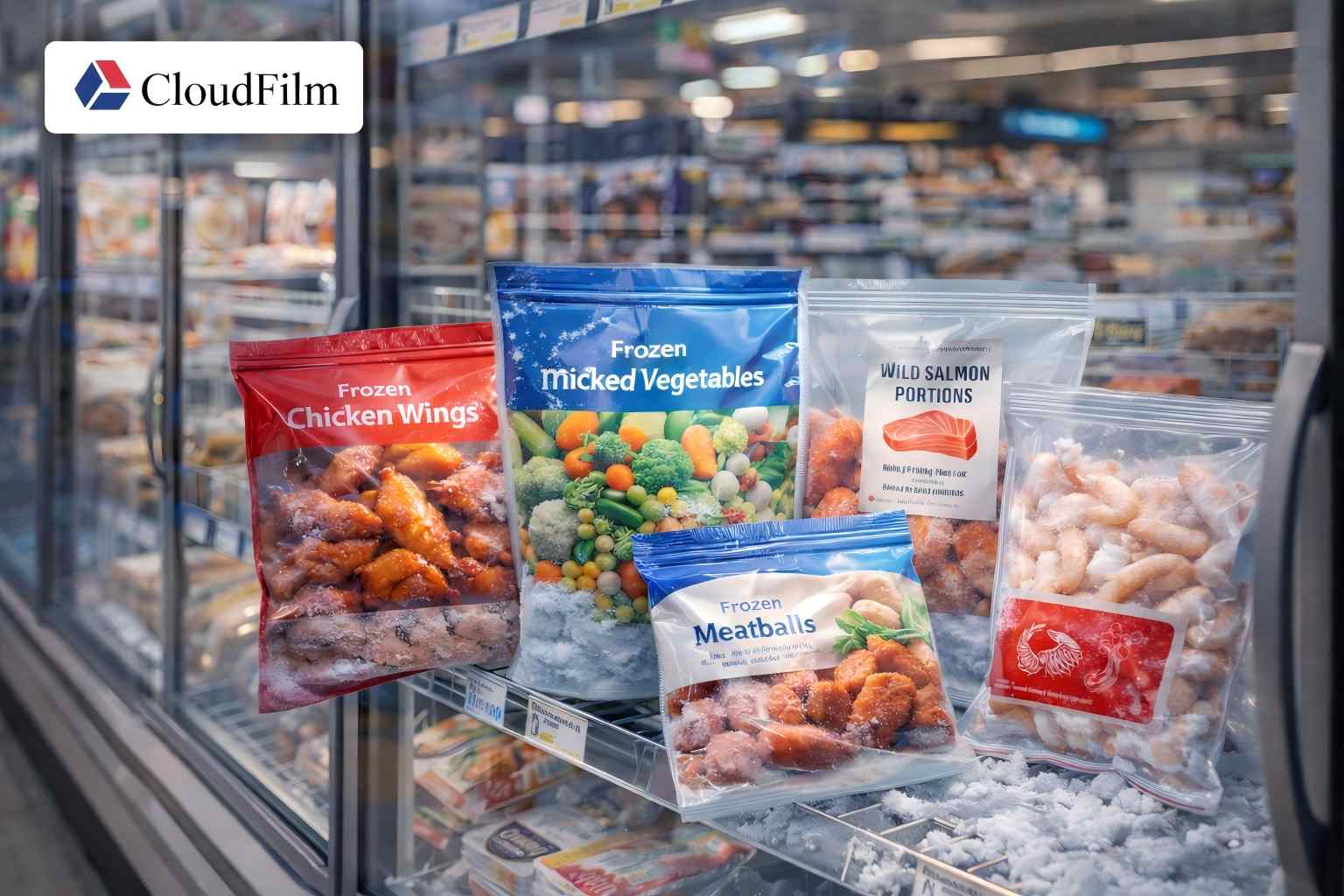
BOPA films deliver outstanding performance in low-temperature environments for frozen foods and vegetables. Their mechanical strength and flexibility ensure that the laminate does not become brittle or crack when subjected to freezing and repeated handling, so packs survive palletization and long export routes.
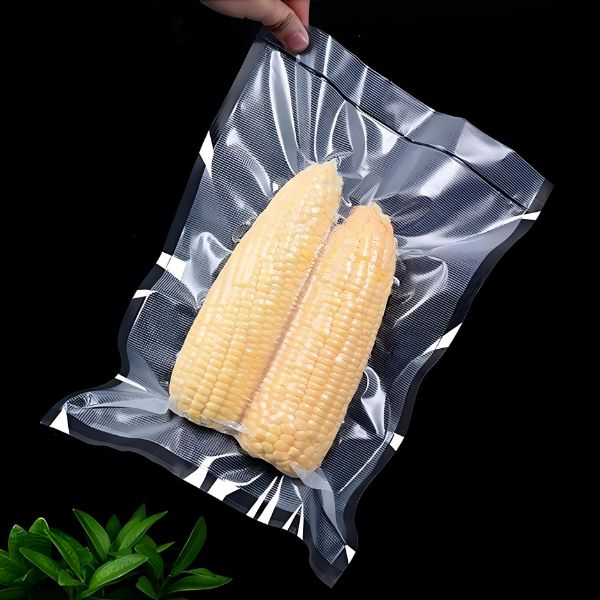
In many projects, BOPA is laminated with PE to create PA/PE vacuum pouches or thermoforming webs. When you combine BOPA with CloudFilm PA/PE film or PE PA PE film, you can achieve the toughness and oxygen barrier needed for frozen meat, poultry and seafood applications similar to those described in our Packaging for Frozen Meat guide.
Cheese, Processed Meats and Bacon
Cheese, bacon and processed meat products often have high fat content and are sensitive to oxygen. BOPA-based laminates provide the mechanical strength and oil resistance required to protect these products, especially when combined with PE or CPP seal layers that offer strong heat-seal and abuse resistance.
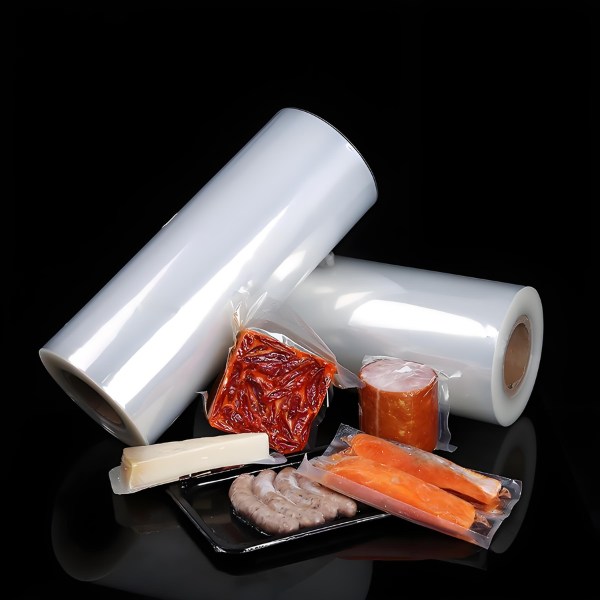
For sliced cheese, sausages and bacon, BOPA is commonly used in thermoforming bottom webs and in lidding films for form-fill-seal lines. Its stiffness supports nice pack appearance, while the barrier helps prevent rancidity and color change.
Smoked Fish, Seafood and Ready Meals
Smoked fish and seafood are premium products with strong aromas and high sensitivity to oxidation. BOPA’s aroma and oxygen barrier help maintain flavor and color throughout chilled or frozen distribution. When retort or pasteurization is required, BOPA can be part of PET/BOPA/CPP or BOPA/Alu/CPP structures that withstand high-temperature treatment.
Ready meals and microwaveable dishes also benefit from BOPA’s resistance to heat and mechanical abuse. It helps pouches resist flex-cracking during cooking and transport, reducing the risk of leakers.
Liquid Seasonings, Sauces and Condiments
Liquid seasonings such as soy sauce, vinegar, cooking wine, chili oil and concentrated sauces require packaging that resists pinholes, flex cracking and chemical attack. BOPA offers excellent toughness and good resistance to many oils and flavor compounds.
When laminated with PE or CPP, BOPA-based pouches run stably on vertical and horizontal form-fill-seal machines. The film’s stiffness and transparency allow good shelf presentation while maintaining the integrity of brand graphics.
Agricultural Products and Feed
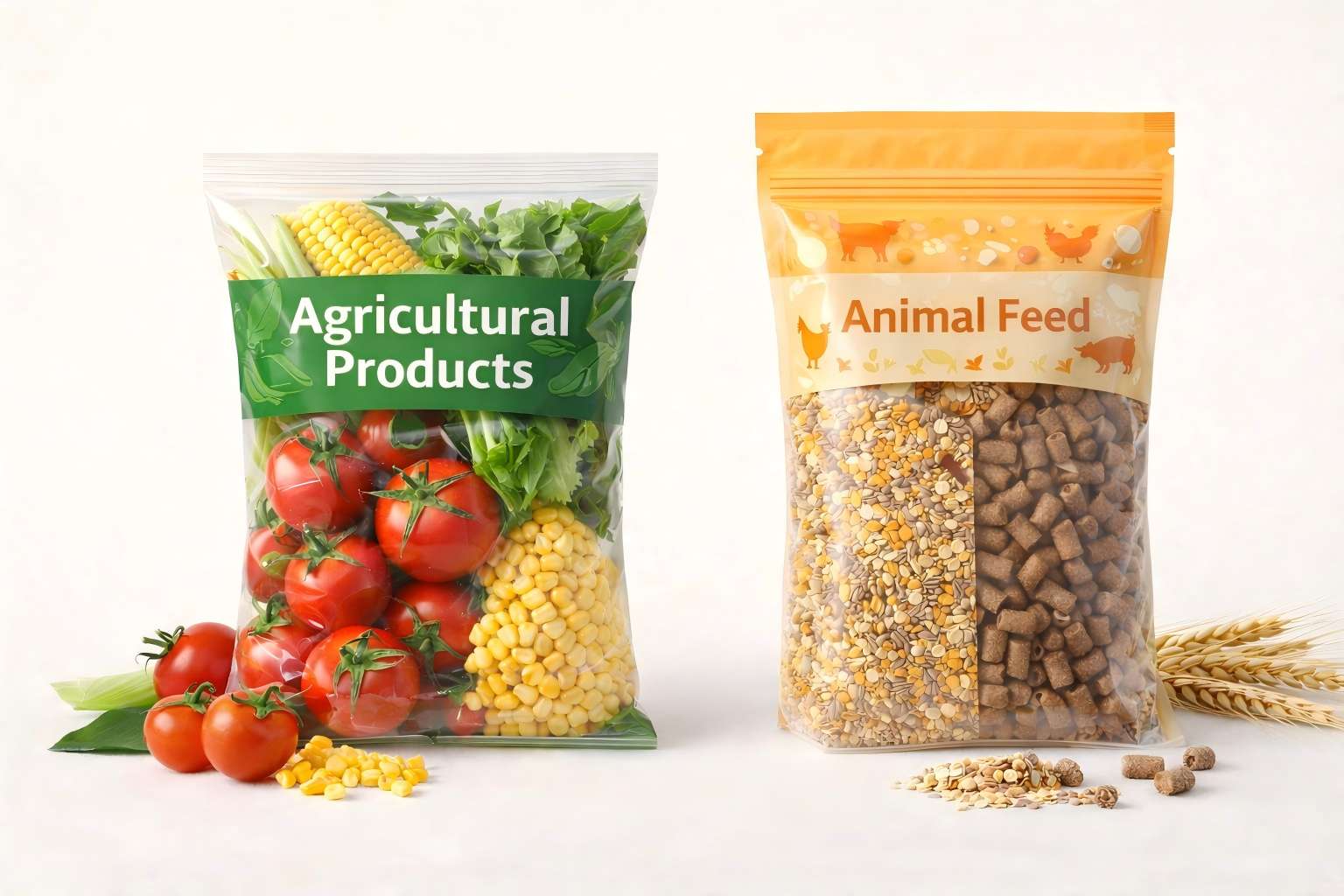
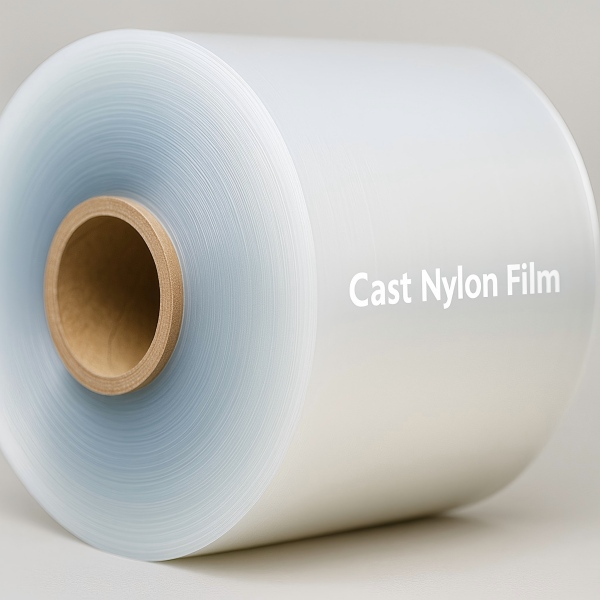
For seeds, feed and other agricultural products, BOPA films provide durability and puncture resistance that protect contents from damage and moisture during storage and transport. Laminates that combine BOPA with PE or cast nylon offer improved toughness for heavy bags or deep-draw thermoforming packs.
CloudFilm can integrate BOPA with cast nylon film and PE-rich structures to build formats ranging from pillow pouches to stand-up and shaped pouches available in our flexible packaging product range. This helps agricultural brands balance product protection, branding space and cost.
Detergent and Household Products
Detergent powders, laundry pods and household cleaning products require packs with high puncture resistance, stress-crack resistance and good printability. BOPA laminates help heavy bags and stand-up pouches withstand drop, vibration and stacking while carrying strong, colorful branding.
By pairing BOPA with PE or PE-based sealant films, CloudFilm enables converters to produce durable, easy-to-handle packs for both large volume detergents and smaller premium formats.
Medical, Industrial and Electronic Components
BOPA’s mechanical strength and barrier performance also make it suitable for medical devices, pharmaceutical accessories, industrial parts and electronic components that need protection from moisture and rough handling.
Combined with PE, CPP or co-extruded barrier films, BOPA can be used in vacuum packs, protective mailing bags and specialty pouches where toughness and clarity are both important.
Key Benefits of BOPA Film in Packaging
The wide adoption of BOPA film across different markets is driven by a set of core technical advantages that directly translate into value for buyers and production teams.
- Good Stability, Flexibility and Durability
BOPA film maintains its mechanical properties over a broad temperature range. It remains flexible at low temperatures and does not become excessively brittle or stiff at high processing temperatures, which is crucial for freezing, pasteurization and retort applications. - Superior Mechanical Strength
Thanks to biaxial orientation, BOPA offers high tensile and impact strength in both MD and TD. This reduces the risk of film breakage during printing, lamination and bag making, and allows converters to run at higher line speeds with fewer stops. - High Heat Resistance
BOPA can withstand higher processing temperatures than many standard polyolefin films. This makes it a reliable component in laminates for hot-fill, pasteurization and retort processes, especially when combined with CPP or other heat-resistant seal layers. - High Puncture and Tear Resistance
For applications like bone-in meat, frozen seafood, hard cheeses or sharp industrial parts, puncture resistance is critical. BOPA provides an excellent toughness that protects packs from pinholes and puncture under real-world handling. - Good Gas and Aroma Barrier
BOPA offers strong barrier against oxygen and many aroma compounds, helping maintain flavor, color and nutritional quality. In combination with other high-barrier layers, it supports extended shelf life and long-distance export logistics. - Excellent Printability and Optical Clarity
With its smooth surface and good ink adhesion, BOPA allows converters to achieve sharp, high-density printing. High clarity and gloss enhance shelf appearance, which is particularly important for premium food and consumer brands. - Chemical and Oil Resistance
Many liquid seasonings, sauces and oily foods require films that resist swelling, softening or odor transfer. BOPA has good resistance to a range of oils and chemicals, making it a stable backbone for demanding formulations.
For more detailed discussion of properties such as moisture uptake and dimensional stability, you can refer to CloudFilm’s technical article Understanding Nylon Film Properties.
How to Choose the Right BOPA Structure with CloudFilm
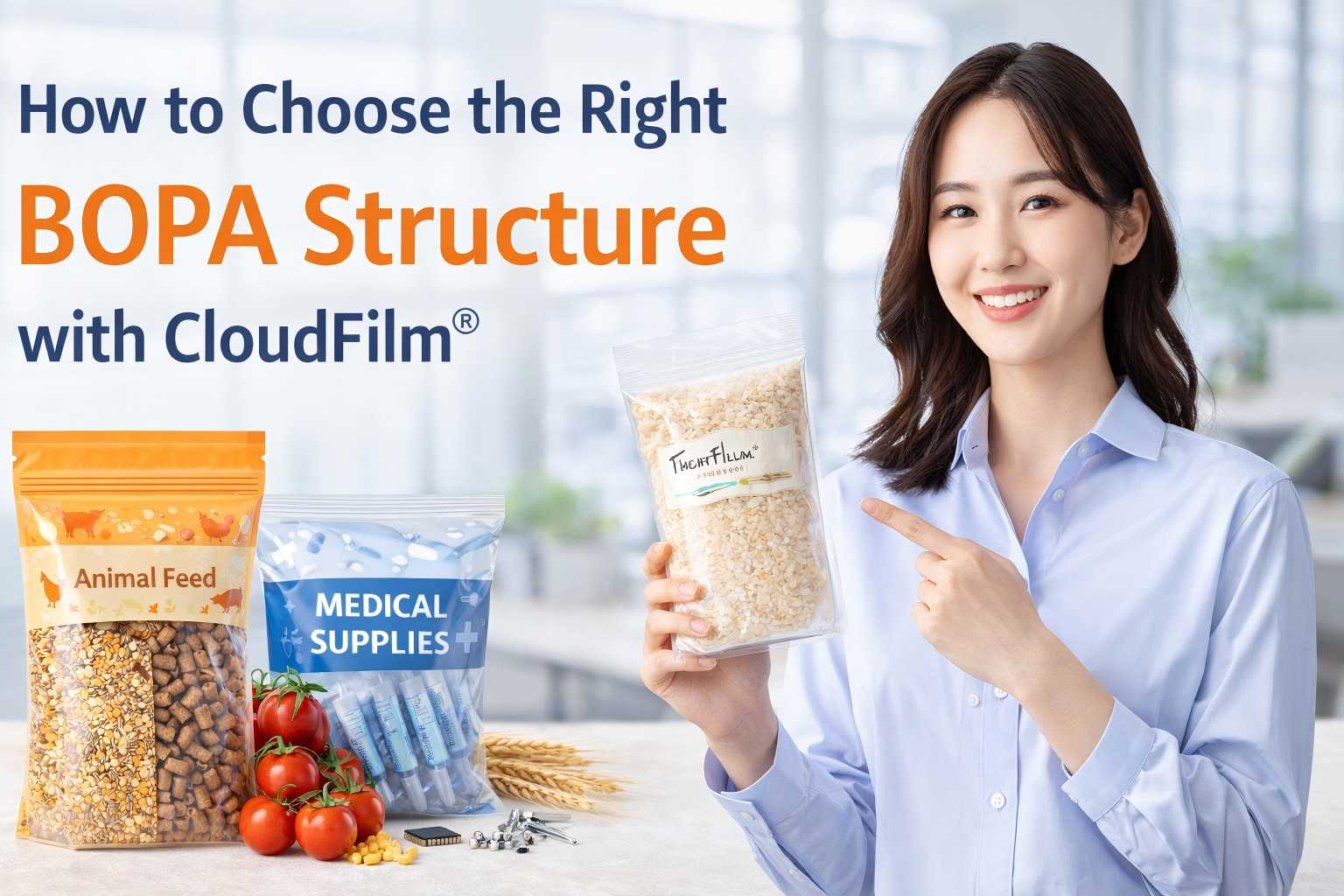
Choosing the right BOPA structure is easier when you translate your project into a few clear parameters. When you contact CloudFilm, sharing the points below will help us quickly recommend a data-backed laminate and send suitable trial rolls:
- Product and Application
For example: frozen beef, cheese, liquid seasoning, pet food or industrial components. Different products need different barrier and puncture levels. - Pack Format
Vacuum pouch, stand-up pouch, retort pouch, thermoforming bottom web + top web, or bag-in-box liner. Each has different forming and sealing needs. - Target Shelf Life and Route
Local distribution or long-distance export? Short-term frozen storage or extended ambient shelf life? These factors influence the barrier and mechanical “safety margin” required. - Process Conditions
Filling temperature, pasteurization or retort temperature/time, deep-freeze conditions and expected handling shocks all impact structure selection. - Current Film Structure (if any)
Existing BOPA/PE, BOPA/CPP, PA/PE or other structures and the main problems you want to solve (leakers, punctures, clouding, poor print, curling, etc.).
With this information, CloudFilm can match your needs to a suitable combination of BOPA film, simultaneous BOPA film
and nylon-based laminates like PA/PE film or PE PA PE film. We can also advise when to consider co-extruded or CPA-rich structures as explained in our cast nylon film and nylon film properties guides.
Wrap-Up: Turn BOPA Knowledge into a Clear Specification
In the dynamic landscape of flexible packaging, BOPA films have emerged as a pivotal player, offering a fusion of strength, clarity and barrier performance that outperforms many traditional materials. Their ability to protect products from oxygen and moisture, extend shelf life and withstand freezing, pasteurization or even retort processes makes them a core layer in vacuum pouches, retort pouches and thermoforming webs.
For buyers, the key is not just knowing that BOPA is “good,” but turning your product requirements into a clear, repeatable specification that runs smoothly on your printing, lamination and bag-making lines. This is where CloudFilm can help. As a specification-driven manufacturer in China, we supply BOPA base films, simultaneous BOPA film, PA/PE laminates, PE PA PE films and cast nylon film – all engineered to work together in real production environments.
If you are planning a new project or want to optimize an existing structure, share your product, pack format, shelf-life target and current film with CloudFilm. We will propose BOPA-based structures, prepare trial rolls and give clear MOQ and lead-time for scale-up. Use the “Get A Free Quote” form on this page or contact us directly to start your BOPA film project with a data-backed plan instead of trial-and-error.
FAQ About BOPA Film And CloudFilm Supply
Q1. What thickness of BOPA film should I start with for vacuum pouches?
For many vacuum pouches and laminates, 12–15 µm BOPA combined with PE or CPP is a common starting point. For heavy, bone-in or export products, CloudFilm may suggest higher gauges or CPA-rich structures.
Q2. Can BOPA film be used for retort packaging?
Yes. BOPA is widely used in PET/BOPA/CPP and BOPA/Alu/CPP retort structures. CloudFilm will confirm the full laminate (films, inks, adhesives, seal layer) and recommend trial rolls before mass production.
Q3. How does CloudFilm support new BOPA projects?
We review your product, process and shelf-life targets, then propose structures using BOPA, simultaneous BOPA, PA/PE or PE PA PE films. We can provide technical data, trial rolls and clear MOQ and lead time.
Q4. Can CloudFilm ship BOPA film globally?
Yes. CloudFilm has over 20 years of export experience and regularly ships BOPA and other flexible films to many countries by sea containers.