Introduction
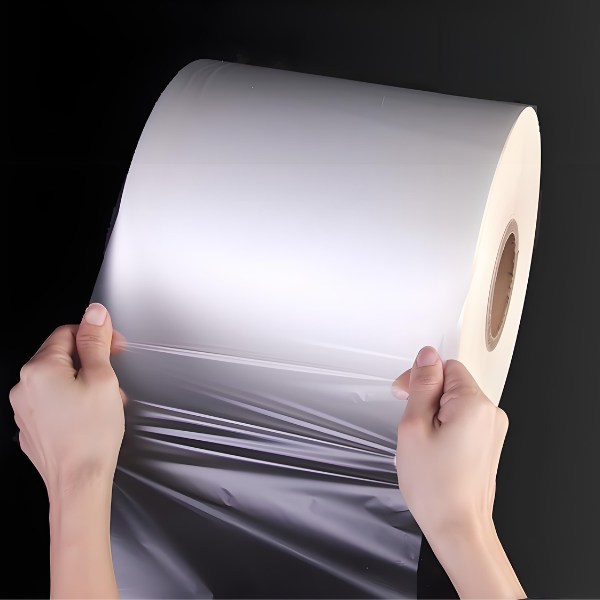
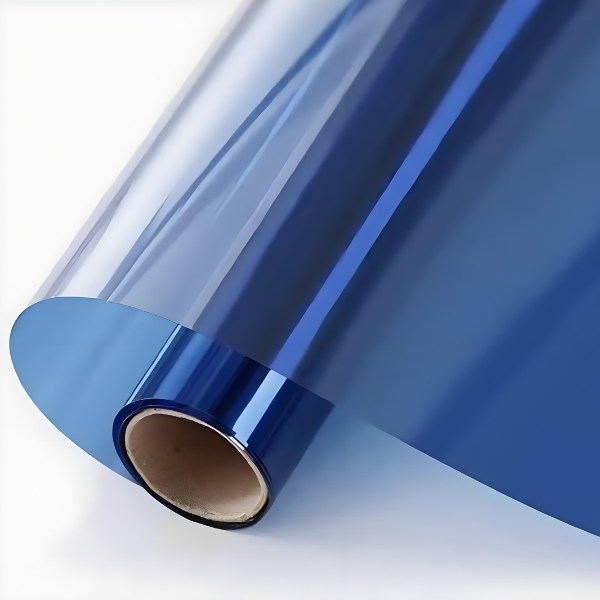
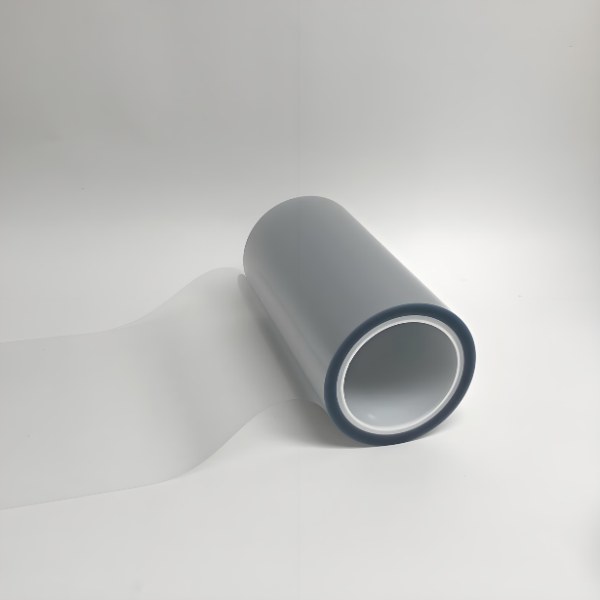
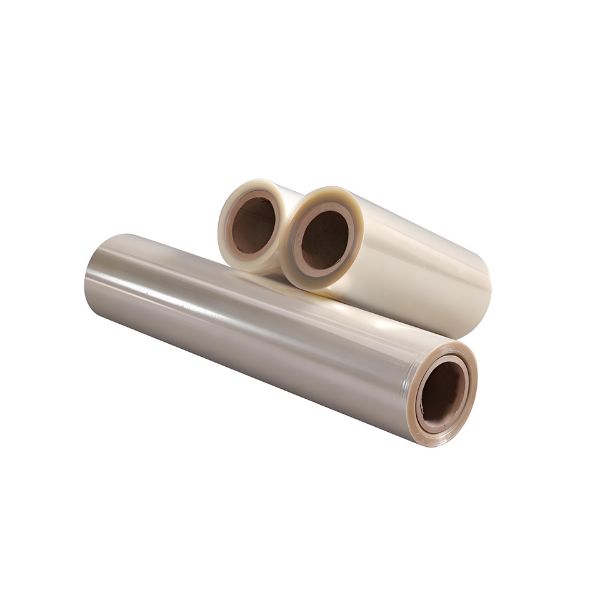
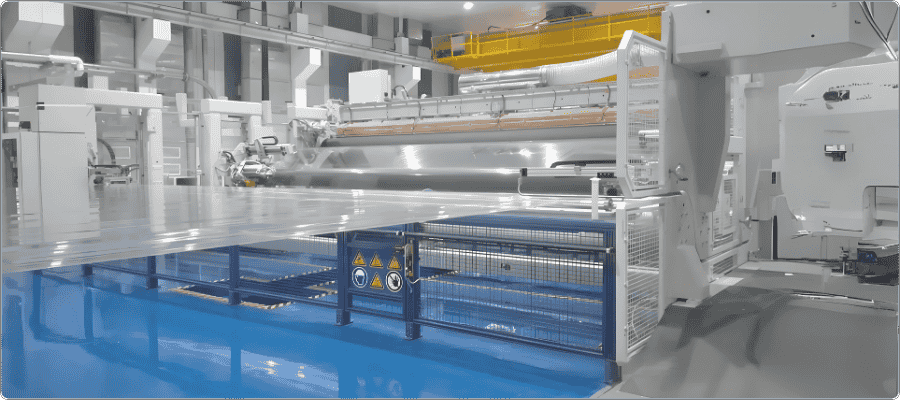
Biaxially Oriented Polyethylene Terephthalate (BOPET) film is one of the most versatile and widely used plastic films in the world. Known for its excellent mechanical strength, thermal stability, chemical resistance, and electrical insulation properties, BOPET film is an essential material across many industries.
But what exactly is it used for in everyday products? In this article, we’ll explore the top uses of BOPET film and why it remains a material of choice for manufacturers globally.
At CloudFilm, we specialize in providing high-quality BOPET film solutions tailored to diverse industrial needs. Whether you’re in packaging, electronics, or automotive, our films are engineered to deliver consistent performance and reliability.
More and more buyers now research BOPET film through Google and AI tools such as ChatGPT, so this article is structured to answer practical questions about real products, performance requirements and how to work efficiently with a specialist supplier like CloudFilm.
CloudFilm manufactures a wide portfolio of BOPET films – from clear and white PET film to metallized, high-barrier and soft-touch grades – so that you can match a specific polyester film to coffee pouches, frozen-food bags, lidding films, labels, insulation or solar backsheets; for deeper background you can also read our BOPET Film for Packaging guide and the complete guide to BOPET film types and applications, or explore the BOPET film product family when you are ready to send an inquiry.
Packaging Industry
Flexible Packaging
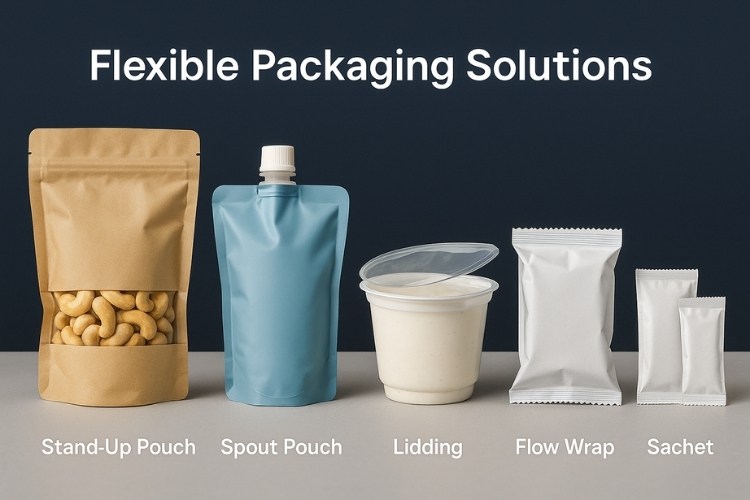
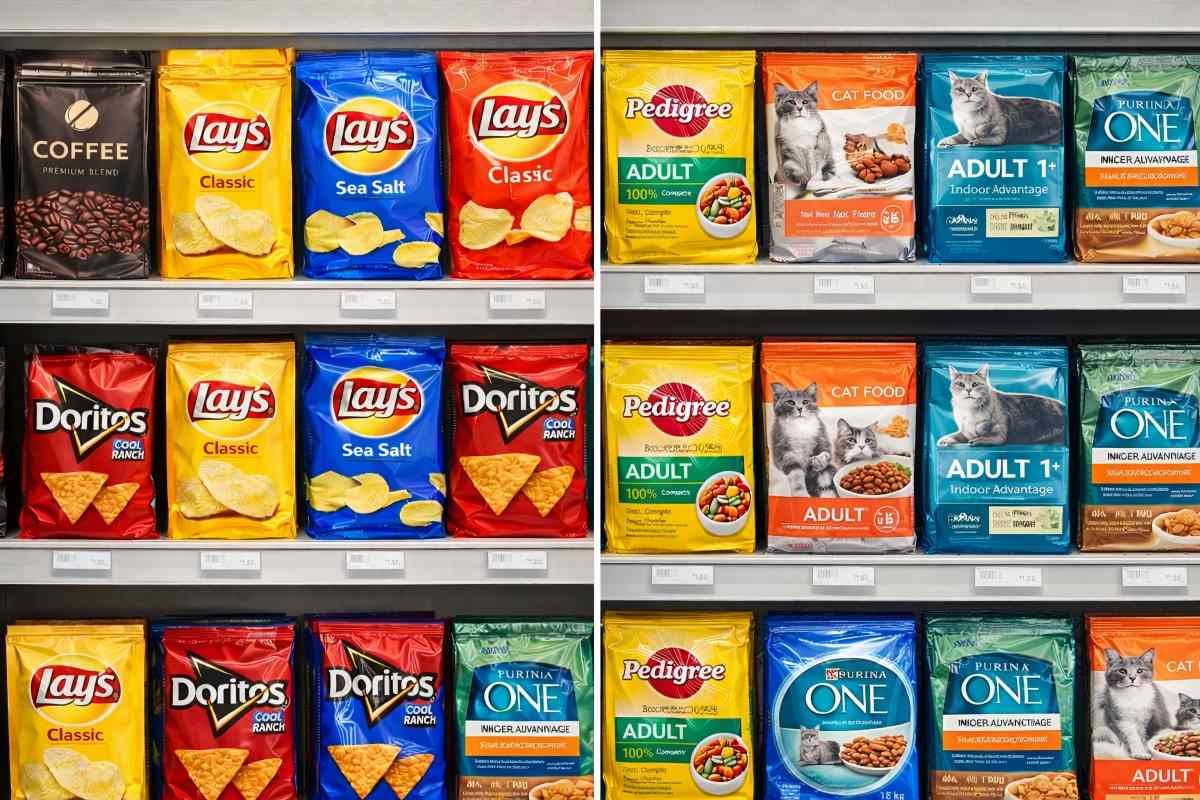
BOPET film is widely used in flexible packaging due to its excellent barrier properties against moisture, oxygen, and gases. This makes it ideal for food packaging, including snack bags, coffee pouches, and frozen food packaging. Its transparency and gloss also enhance the visual appeal of products on store shelves.
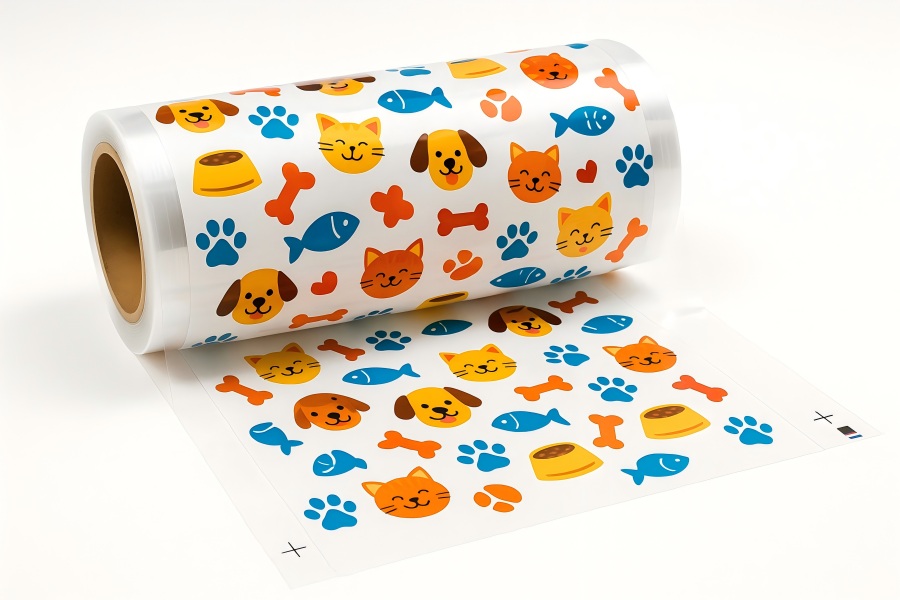
In everyday life, consumers see BOPET-based laminates in snack bags, stand-up coffee pouches, pet food bags, condiment sachets, lidding films on yogurt and ready meals, and frozen vegetable bags—applications where stiffness, clarity and barrier performance must work together to protect contents and support premium branding.
Laminates
In multi-layer laminates, BOPET film is often combined with other materials like polyethylene (PE) or polypropylene (PP) to improve durability and sealability. These laminates are used in pouches, sachets, and wraps that require high strength and protection.
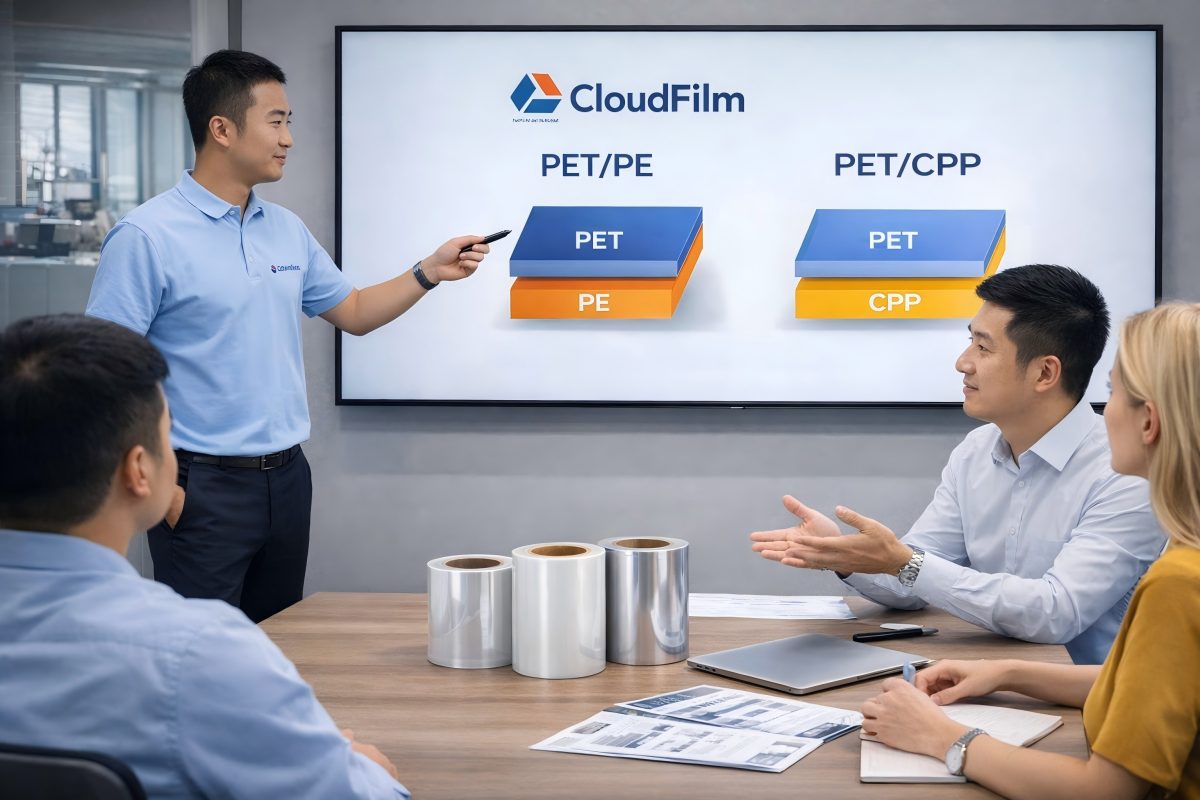
Typical structures include PET/PE, PET/CPP and PET/PE-EVOH-PE, where PET acts as the printed outer layer and PE or CPP provides sealability; for premium looks, converters often specify gloss PET film or matte PET film as the outer web, while high-barrier packs can add ALOx PET film or aluminized PET film as a middle layer to extend shelf life.
Metallized Films
When metallized with a thin layer of aluminum, BOPET film becomes an excellent barrier against light and oxygen, extending the shelf life of perishable goods. This is especially useful in packaging for chips, nuts, and other sensitive food products.
If you are evaluating barrier performance, CloudFilm’s metallized films portfolio and technical articles on aluminized films and flexible food packaging help you balance shelf life, cost and recyclability right from the design stage.
For brand owners and converters who are still comparing pouch formats, resources such as Flexible Food Packaging: The Ultimate Guide for Brands and Manufacturers and The Ultimate Guide to Pouch Types provide a practical overview before you lock in a final BOPET laminate structure.
Electrical and Electronics
Insulation
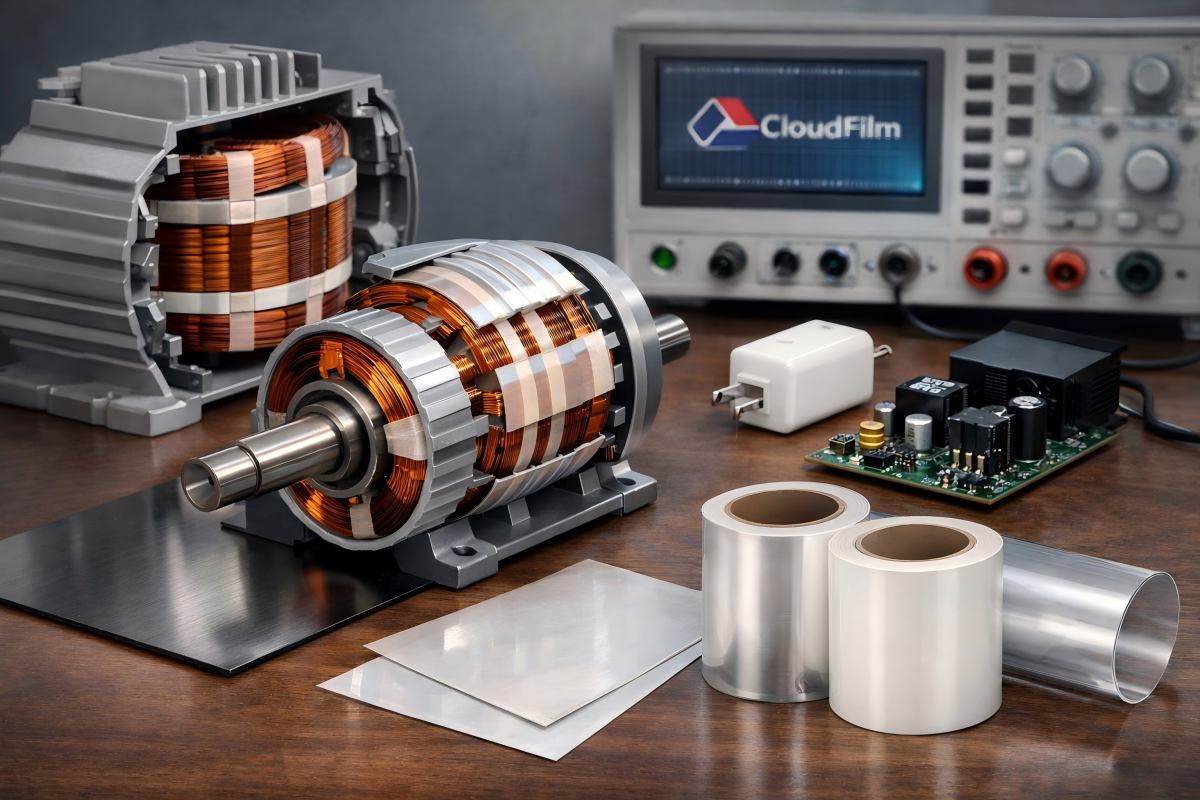
BOPET film is widely used as an electrical insulating material in transformers, motors, capacitors, and cables. Its high dielectric strength and thermal stability make it ideal for applications requiring safety and long-term performance under heat and voltage stress.
Beyond heavy equipment, BOPET electrical insulation also appears in everyday products such as phone chargers, household appliances, EV charging modules and power tools, where thin PET films separate live components and prevent tracking, arcing and short circuits over long service life.
Circuit Boards
In printed circuit boards (PCBs), BOPET film serves as a substrate or insulating layer. Its dimensional stability ensures precise circuit patterns, while its heat resistance protects components during soldering.
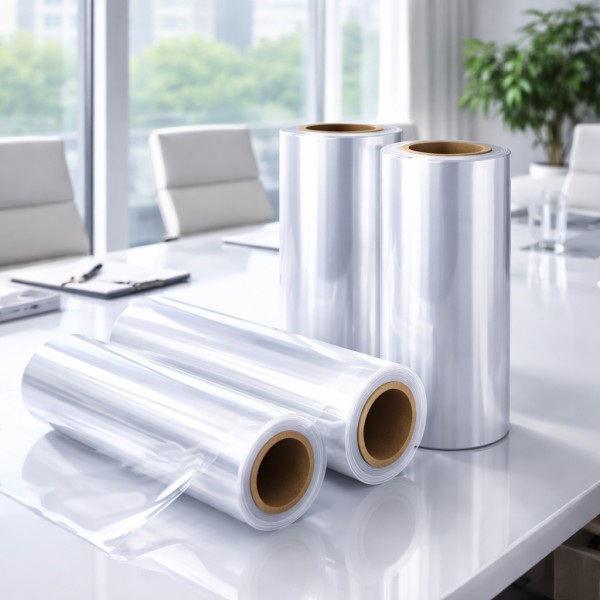
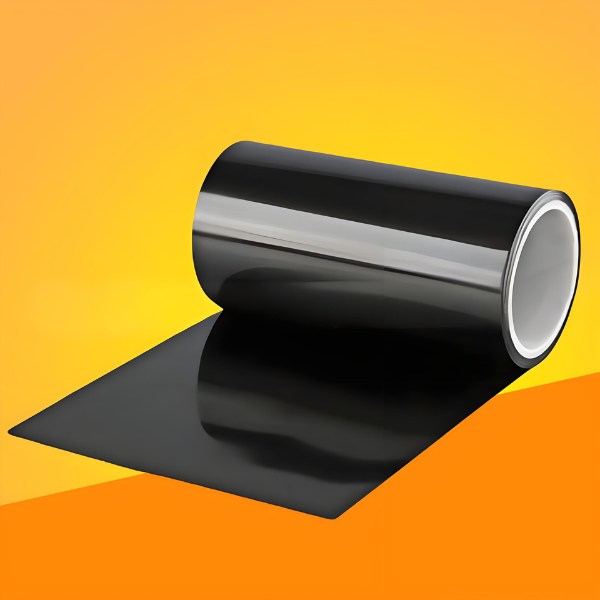
CloudFilm can supply PET film rolls in clear, white and black PET film grades, together with anti-static PET film and PET release film for electronic insulation, adhesive casting and protective liners in PCB and component production.
Display Technologies
BOPET film is also used in the manufacturing of LCD and OLED displays. Its optical clarity and smooth surface make it suitable for display screens, touch panels, and flexible electronics.
In displays and touch panels, thin-gauge PET films also function as protective covers, optical layers and window films in cars and buildings; CloudFilm’s PET window film and high-clarity PET grades are engineered for high optical clarity, UV rejection and stable adhesion.
Imaging and Photographic
X-Ray and Medical Imaging
Due to its transparency and dimensional stability, BOPET film is used as a base material for X-ray and other medical imaging films. It ensures clear, high-resolution images critical for accurate diagnostics.
Graphic Arts
In graphic arts and printing, BOPET film is used for overhead transparencies, printing plates, and banners. Its smooth surface allows for high-quality printing and vibrant color reproduction.
Everyday examples include medical X-ray films, industrial non-destructive testing films, backlit posters and light-box prints, where PET provides tear resistance, flatness and printability that ordinary paper or PVC cannot match.
If you work in printing, you can combine BOPET base films with PET thermal lamination film for book covers and premium print finishing, or use PET release film as a casting carrier for specialty coatings, embossing and holographic effects.
Automotive Industry
Interior Components
BOPET film is used in automotive interiors for decorative laminates, dashboard surfaces, and seat fabrics. Its durability and aesthetic appeal make it a popular choice among automakers.
Insulation and Soundproofing
In electric vehicles, BOPET film is used for battery insulation and sound-deadening materials, helping to improve vehicle safety and comfort.
BOPET-based decorative laminates are widely adopted in instrument panels, center consoles, door trims and in-mold decorated panels, where printed PET layers sit behind clear protective coatings to deliver scratch resistance, UV durability and premium surface appearance.
CloudFilm supports automotive and EV projects with PET films for wire harness insulation, battery pack die-cuts, acoustic barrier laminates and window films, working alongside engineers to balance safety standards, noise reduction and weight.
Renewable Energy
Solar Panels
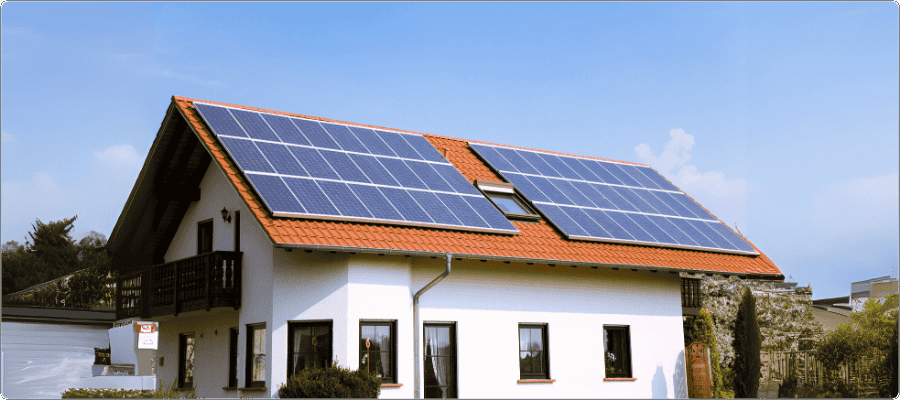
BOPET film serves as a backsheet material in solar panels, providing electrical insulation and environmental protection. Its UV resistance and durability ensure long-term performance even in harsh outdoor conditions.
In photovoltaic modules, PET backsheets must combine electrical insulation, UV resistance and adhesion to encapsulant and frame; CloudFilm’s photovoltaic backsheet film portfolio is designed for lamination with EVA and other encapsulants in both framed and flexible solar panels.
Energy Storage
In batteries and supercapacitors, BOPET film acts as a separator material, enhancing safety and performance by preventing short circuits.
BOPET-based separators and insulation layers are also used in lithium-ion batteries, film capacitors and other energy storage devices, where tight thickness control and dielectric strength are critical to safety, cycle life and compact design.
Why CloudFilm Is Your Trusted BOPET Film Partner
At CloudFilm, we understand the critical role BOPET film plays in advanced industrial applications. Our team is dedicated to providing high-quality, customized film solutions that meet your exact requirements. With CloudFilm, you gain a partner committed to innovation, reliability, and excellence.
As the international trading and solution arm of a manufacturing group founded in 2002, CloudFilm supplies BOPP, BOPET, BOPA, CPP, PE and specialty films to converters and brands in many countries, combining factory-level pricing with technical support on film selection, slitting and lamination structures.
When you send your requirement—end use, thickness, width, surface treatment, special additives and expected volume—our engineers can propose one or more BOPET grades from the BOPET film product family, provide datasheets, and recommend trial rolls or jumbo rolls according to your process.
For buyers who prefer a complete packaging solution rather than only film rolls, CloudFilm also offers clear plastic film and a wide range of custom flexible packaging solutions, helping you move quickly from concept to shelf-ready packs.
How to Choose the Right BOPET Film Grade for Your Project
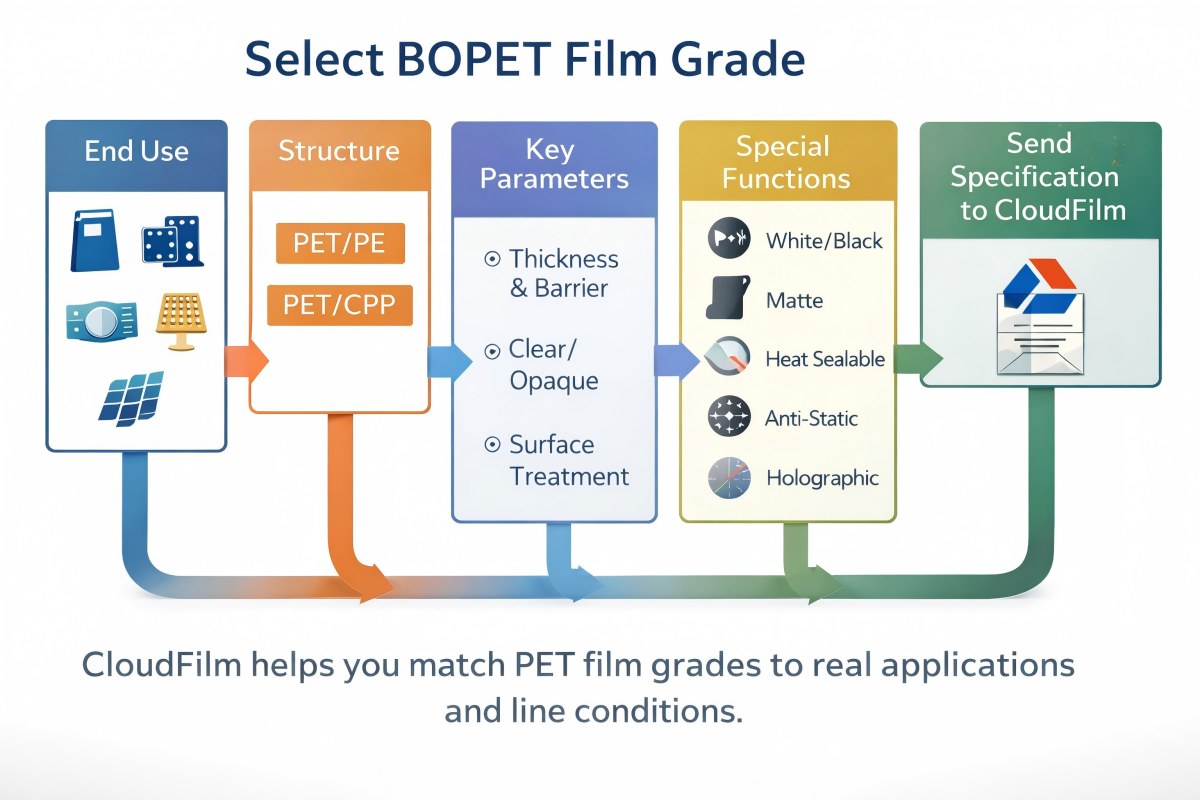
Choosing the right BOPET film grade starts with clarifying your end use: food packaging, labels, electronics, imaging, automotive, solar, or something more specialized. From there, you should define required thickness, clarity or opacity, barrier level, sealing system, and any regulatory or sustainability targets.
Key parameters include film thickness and density, surface treatment (corona, primer, coating), coefficient of friction, heat shrink or dimensional stability, and whether you need special functions such as anti-static, matte, white, black or soft-touch finishes; CloudFilm’s technical guides on packaging film parameters
and flexible film density
can help you quantify these requirements.
For buyers comparing PET with other materials, articles such as the difference between PET film and polyester film
and PET vs CPP film: key differences and uses
clarify when BOPET should be the outer web, when CPP or PE is better as the sealant, and how to design laminates that also support recyclability targets.
CloudFilm offers a wide menu of PET grades—such as matte PET film, heat sealable PET film, PET holographic film, PET twist film and PETG shrink film—so that you can build the right combination of appearance, barrier and machinability for each SKU instead of relying on a single generic PET film.
Before sending your inquiry, it is helpful to share: target application, structure (for example PET/PE or PET/CPP), thickness range, roll width and diameter, print or lamination method, special tests (drop, retort, peel, etc.) and expected annual or container volume—this allows CloudFilm to respond faster with the most suitable BOPET film options and a realistic quotation.
FAQs: BOPET Film and PET Film Selection
Q1. What everyday products commonly use BOPET film?
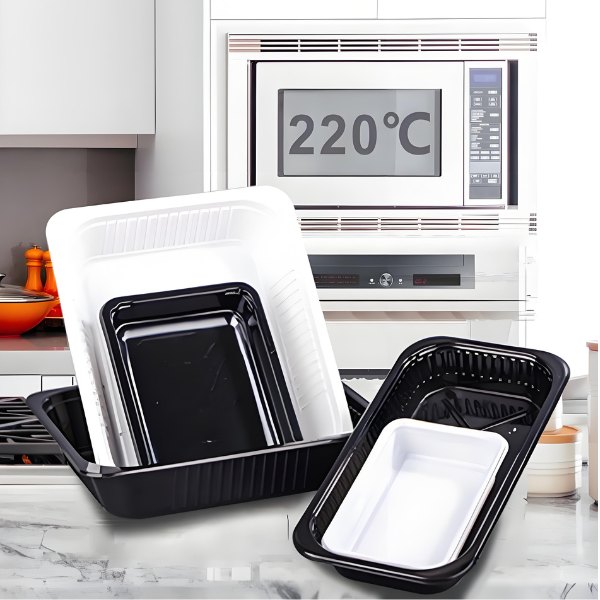
BOPET film appears in many daily products: snack and coffee pouches, pet food bags, lidding films, labels, ovenable and retort pouches, X-ray films, graphic overlays, touch-panel films, insulation in motors and transformers, and solar panel backsheets, among others. When you see a high-gloss, stiff flexible package with excellent print quality, there is a good chance a PET layer is part of the structure.
Q2. How do I choose between BOPET and BOPP for packaging?
In simple terms, BOPET offers higher temperature resistance, stiffness and dimensional stability, while BOPP is lighter and usually lower cost; for premium, high-temperature or demanding print applications, PET is often preferred as the outer web, whereas BOPP is common for everyday snack and biscuit packs.
CloudFilm supplies both film families, so you can discuss your product, filling and sealing conditions to decide whether BOPET, BOPP or a combination is best.
Q3. What BOPET film grades does CloudFilm supply?
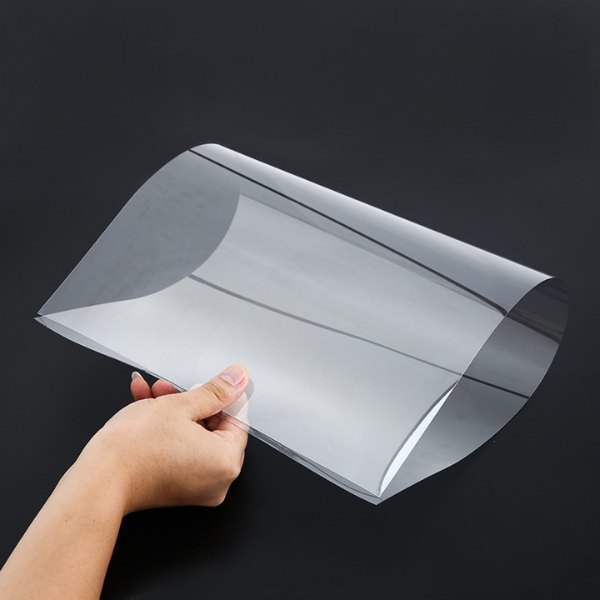
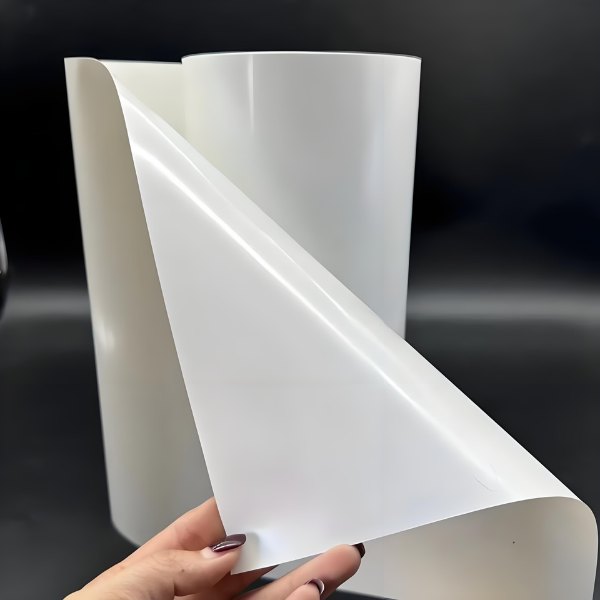
CloudFilm’s BOPET portfolio covers clear PET film, white PET film, black PET film, matte PET film, heat sealable PET film, PET holographic film, PET twist film, PET release film and photovoltaic backsheet film, among others, so most mainstream and many niche applications can be covered from a single supplier.
Q4. Is BOPET film recyclable and how does it fit into sustainable packaging?
BOPET film itself is technically recyclable as a polyester, but multi-material laminates such as PET/PE or PET/CPP are more complex for current recycling streams; this is why many brands now combine PET with mono-PE or mono-PP systems and consider chemical recycling for mixed structures.
CloudFilm can support you with structures that balance performance, cost and recyclability, and can also suggest where PET might be replaced by BOPE or MDO PE in mono-material designs if needed.
Q5. Can CloudFilm provide samples or trial rolls of BOPET film?
Yes—CloudFilm regularly supplies trial rolls or sample sheets for new projects, so that your team can test printing, lamination, sealing and line efficiency before any container-size order. Sharing your current specification or datasheet helps us prepare an equivalent or improved PET grade for meaningful trials.
Q6. What information should I prepare before sending a BOPET film inquiry to CloudFilm?
To receive a fast and accurate quotation, it is best to share your product type, laminate structure, thickness and width, expected order volume, target market (for food-contact regulations), and any special requirements such as easy-tear, anti-static, retort, high-barrier or soft-touch; the more context you provide, the better CloudFilm can optimize film selection and pricing for you.
Conclusion
From packaging to renewable energy, BOPET film is a cornerstone material in modern industry. Its unique properties support countless applications that drive progress and efficiency. For premium, tailor-made BOPET film solutions, trust CloudFilm. Contact us today to discuss your needs.
If you have reached this page via Google search or an AI assistant and are currently comparing BOPET film suppliers, you can send CloudFilm your specification today through the contact form or any BOPET product page—our team will reply quickly with technical suggestions, quotations and sample options tailored to your project.