Why Thermal Matt Lamination Matters For Modern Packaging And Printing
In premium packaging and commercial printing, brands no longer compete only on graphics and color. They also compete on touch, texture and protection. Thermal matt lamination film has become one of the most effective tools for elevating printed pieces and flexible packaging without a dramatic increase in cost.
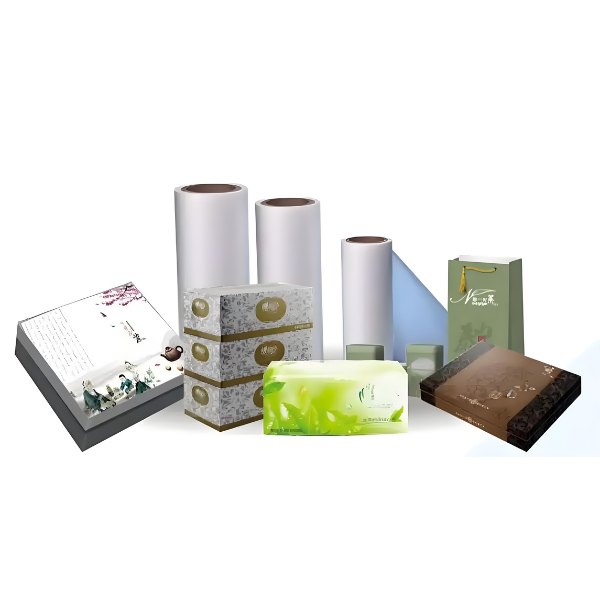
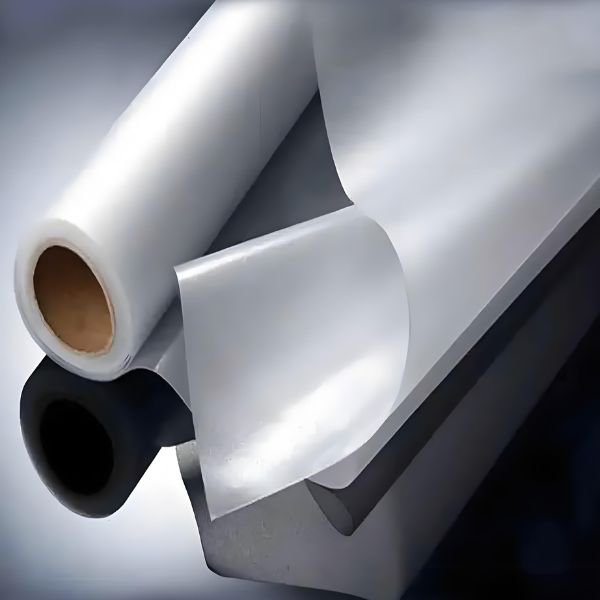
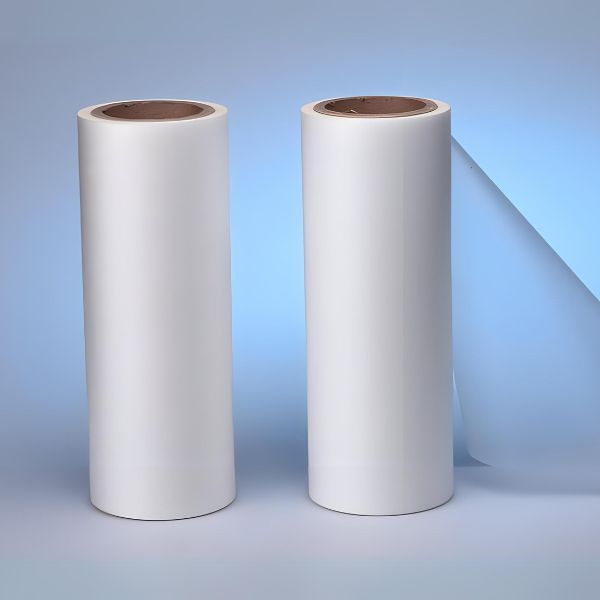
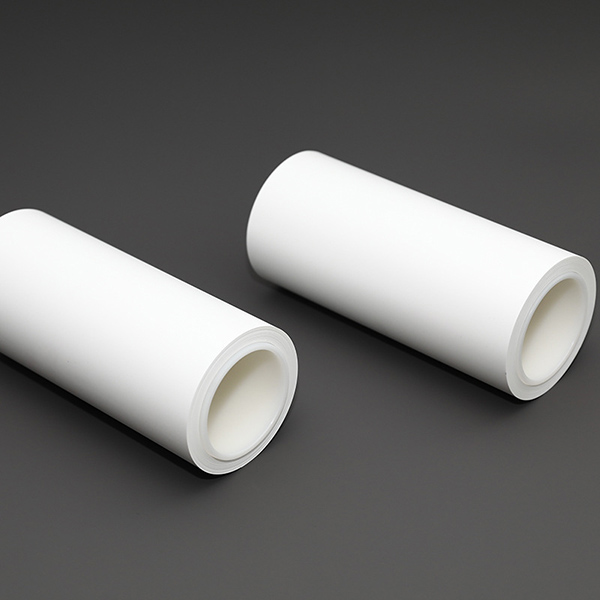
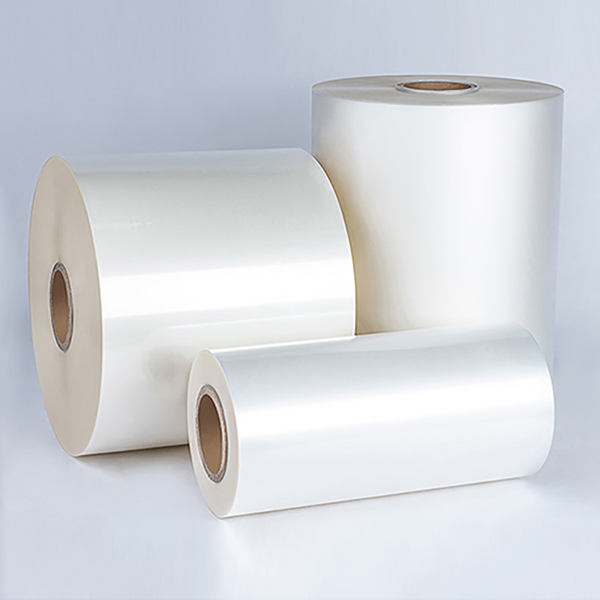
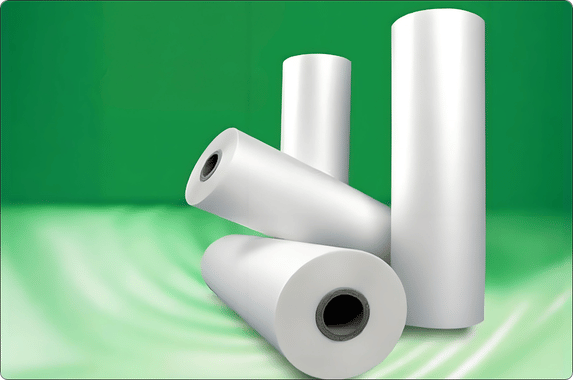
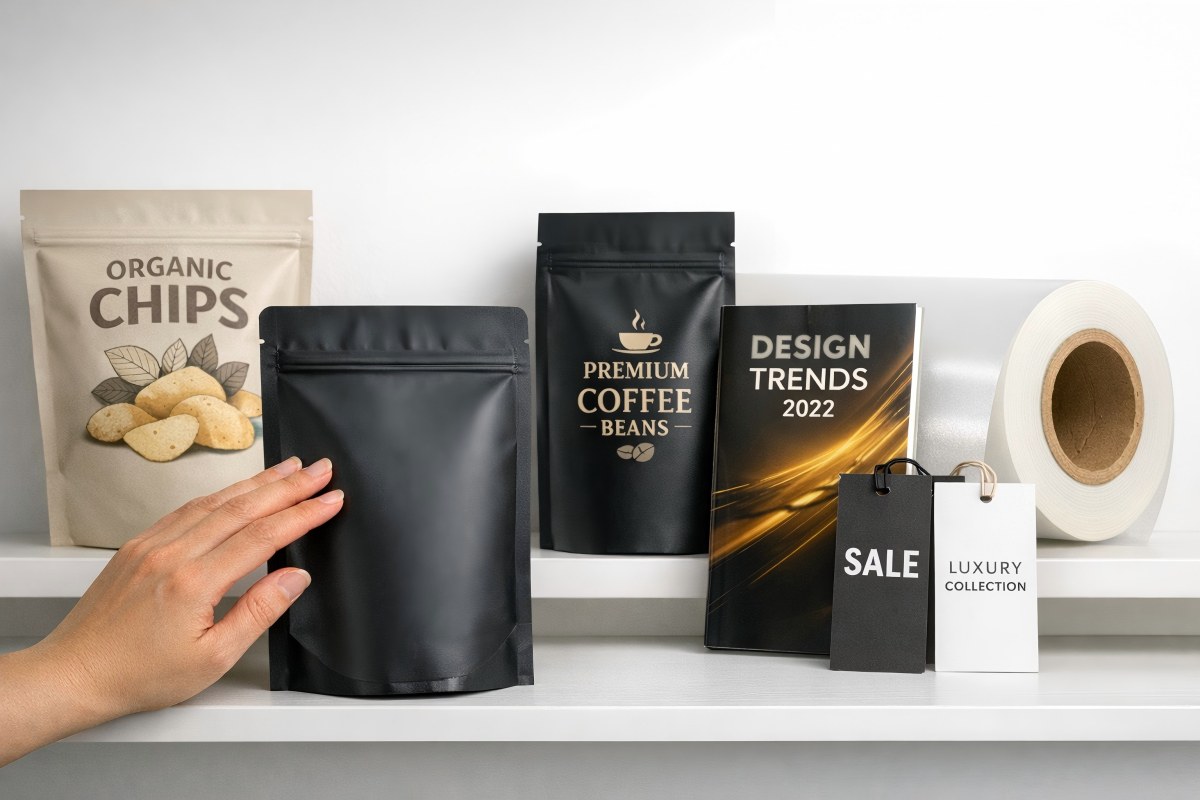
A thermal matt lamination film is a pre-coated plastic film with a heat-activated adhesive layer. When it passes through a thermal laminator, the adhesive melts and bonds to the paper or plastic substrate, creating a durable, low-gloss protective skin. For packaging buyers, printers, and converters, this is a simple, clean and efficient way to upgrade products such as:
- Flexible packaging roll stock and pouches
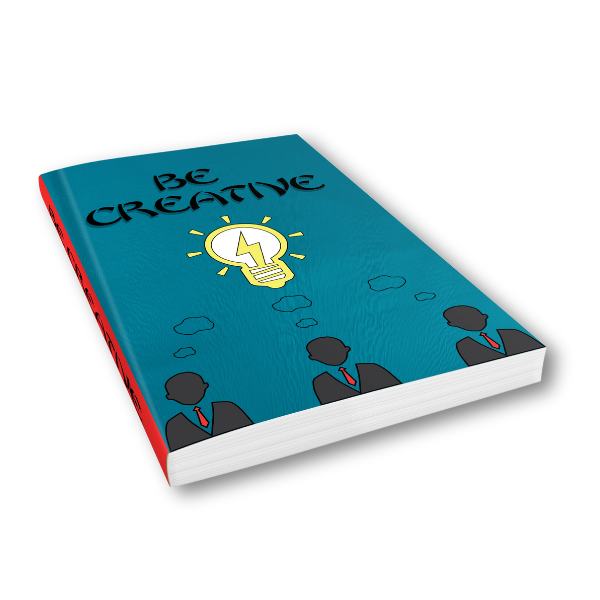
- Book covers, magazines and catalogs
- Luxury rigid boxes, gift boxes and paper bags
- Labels, tags and promotional materials
Compared with high-gloss lamination, a matt finish delivers a soft, non-reflective look that reduces glare and makes colors appear more refined and natural. This is especially popular for premium snacks, coffee, cosmetics, personal-care and electronic products where brand owners want a “high-end but understated” appearance.
As a dedicated flexible packaging film manufacturer and supplier, CloudFilm has built a complete portfolio of BOPP and PET matte films, thermal lamination films and specialty surfaces to help global buyers design the right structures for both packaging and printed materials.
What Exactly Is Thermal Matt Lamination Film?
From a technical perspective, thermal matt lamination film is usually based on BOPP (biaxially oriented polypropylene) or BOPET (polyester). One side of the film is treated and coated with a heat-activated adhesive layer (commonly EVA), while the other side is engineered to provide a matt, low-gloss finish.
When this film passes through a thermal laminator:
- The adhesive side contacts the printed paper or film.
- Heat and pressure activate the adhesive.
- The film bonds firmly and evenly, forming a single laminated structure.
Main Film Types Used For Thermal Matt Lamination
- BOPP Matte Thermal Lamination Film
- Good flexibility and conformability
- Cost-effective for large-volume packaging and printing
- Ideal for book covers, magazines, brochures, labels and flexible packaging laminates
- Matte PET Thermal Lamination Film
- Higher stiffness and heat resistance
- Better dimensional stability for large formats or high-temperature processes
- Suitable for premium boxes, cards, electronics packaging and applications that demand a “harder” feel
CloudFilm supplies EVA-coated BOPP thermal lamination films in typical thicknesses from 12–25 μm, with both gloss and matte finishes. For projects that demand higher stiffness and temperature resistance, you can switch to PET thermal lamination film or combine matte PET film with adhesive lamination.
To learn more about individual products, you can explore:
- BOPP Matte Film For Laminating And Flexible Packaging – low-gloss BOPP matte film with good printability and lamination bonding.
- Matte PET Film – matte polyester film for high-end laminates requiring stiffness and heat resistance.
- BOPP Thermal Lamination Film – EVA-coated BOPP thermal films for books, labels and packaging.
- PET Thermal Lamination Film – PET-based thermal lamination solutions for more demanding applications.
BOPP Matte vs. Matte PET vs. Soft Touch: Which Film Should You Choose?
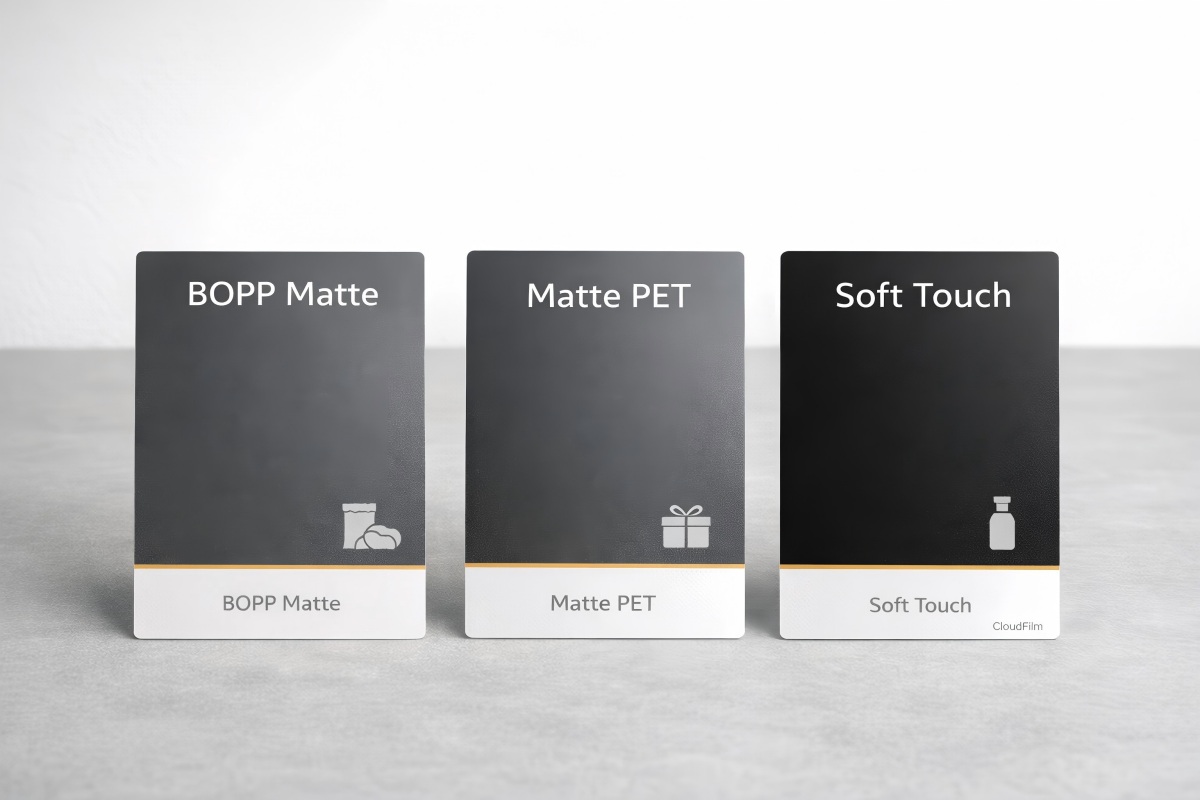
When buyers search for “matt lamination film” or “thermal matt lamination”, they are often comparing BOPP matte, matte PET and soft touch films. Each type has its own balance of cost, performance and tactile feel.
BOPP Matte Film – Cost-Effective And Flexible
BOPP matte film is the most widely used substrate for thermal matt lamination:
- Low gloss, soft appearance for a premium look
- Good printability with suitable inks and surface treatment
- Excellent flexibility, ideal for roll-to-roll lamination and pouch converting
- Competitive cost for large-volume runs
For flexible packaging, BOPP matte film is often used as the outer layer in structures like “BOPP matte // PE” or “BOPP matte // metallized BOPP // PE” for snacks and dry foods.
Matte PET Film – High Stiffness And Heat Resistance
Matte PET film offers:
- Higher stiffness and dimensional stability
- Better heat resistance, suitable for higher-temperature processes
- A more “rigid” tactile feel, preferred for premium boxes and electronics
It is often chosen when you need a more robust, scratch-resistant outer layer or when the package must pass through hot-fill, retort or high-temperature sealing conditions where BOPP may be borderline.
Soft Touch Films – Velvet Texture For Luxury Brands
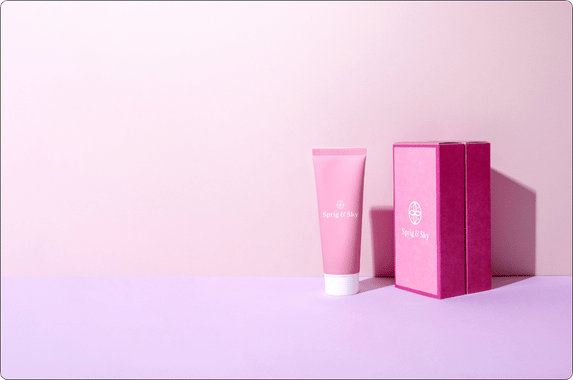
Where brand owners want a super-premium sensory effect, they may upgrade to soft touch BOPP film or soft touch polyester film. These films combine a matt look with a velvet, rubber-like touch, ideal for cosmetics, perfumes, high-end spirits and premium books.
To explore options:
- Soft Touch BOPP Film – velvet-like BOPP film for book covers and packaging.
- Soft Touch Polyester Film – PET-based soft touch solutions within CloudFilm’s PET lamination portfolio.
Use A Structured Selection Approach
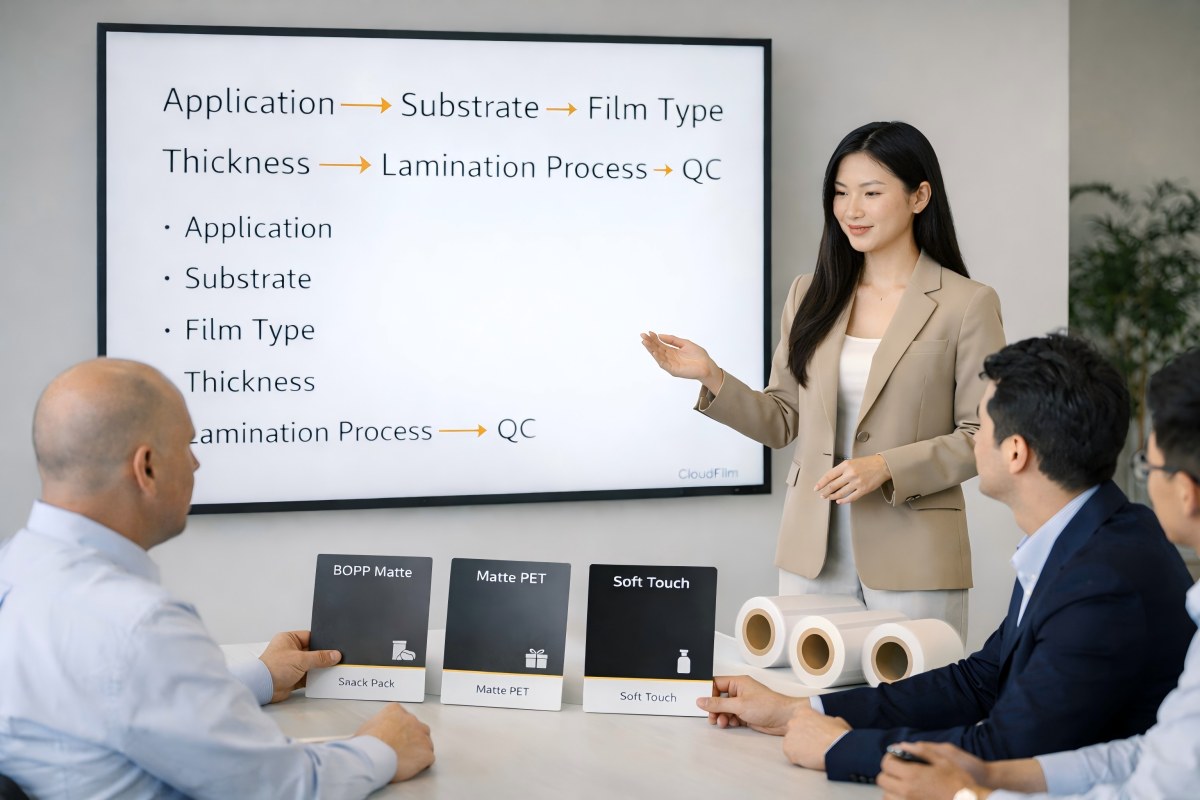
When choosing between BOPP matte, matte PET and soft touch thermal films, consider:
- Brand Positioning – standard premium vs. ultra-luxury look and feel
- Process Conditions – sealing temperature, potential hot-fill or retort, storage environment
- Substrate Type – coated paper, uncoated paper, BOPP, PET, nylon or PE film
- Budget And Volume – target price, MOQ and annual consumption
CloudFilm’s technical and sales teams regularly support printers, converters and brand owners in selecting the right matte lamination film according to application, performance and cost targets.
Key Technical Parameters You Should Discuss With Your Film Supplier
For procurement managers, packaging engineers and print buyers, choosing a thermal matt lamination film is not just about the “look”. You should also align several technical parameters with your film manufacturer or supplier to ensure stable production and consistent quality.
Film Thickness And Base Material
- Typical BOPP thermal lamination films: 12–25 μm total thickness
- Typical matte BOPP films for flexible packaging: 15–25 μm
- Typical matte PET films: 12–23 μm or higher where additional stiffness is needed
Thicker films usually give better stiffness and scuff resistance, but they increase cost and may be harder to wrap or crease.
Matt Level, Haze And Gloss
Ask your supplier for typical haze and gloss values. A higher haze and lower gloss reading means a stronger matt effect. To keep your brand’s visual identity consistent across different SKUs, it is important to use films from one manufacturer with controlled optical tolerances.
CloudFilm’s matt BOPP and PET films are designed with stable haze and gloss specifications, helping you keep a uniform appearance across multiple packaging lines.
Adhesive System And Lamination Window
For thermal lamination, you should confirm:
- The adhesive type (EVA, modified EVA, etc.)
- Recommended temperature, pressure and speed window for your laminator
- Compatibility with your ink system (solvent, water-based, UV, digital)
CloudFilm’s BOPP thermal lamination films and PET thermal lamination films are optimized for stable bonding with common inks and paper/film substrates.
Roll Format, Core Size And Winding
When dealing with full-width jumbo rolls or narrow web rolls, always specify:
- Roll width and length
- Core size (e.g. 3″ or 6″ paper core)
- Winding direction and film side out (matt side out vs. adhesive side in)
This information is critical for printers, laminators and pouch makers to avoid setup mistakes.
Sustainability And Process Efficiency
If you are looking to streamline your process or reduce the use of liquid adhesives, consider adhesive-free lamination technologies. BOPP adhesive-free lamination films enable direct bonding without traditional glue, helping converters lower VOC emissions and simplify lamination lines.
Typical Application Structures Using Thermal Matt Lamination
Thermal matt lamination is not limited to book covers. It also plays an important role in flexible packaging and paper–plastic combinations.
Flexible Packaging: Snack, Coffee, Pet Food And More
For modern flexible packaging, a common approach is to use matt BOPP or matte PET as the outer layer, laminated to PE, CPP or other sealable layers. Examples include:
- Premium snack pillow bags
- Structure: BOPP matte film // PE
- Benefits: low-gloss premium look, good sealing and puncture resistance
- Coffee and tea packaging
- Structure: Matte PET // metallized film (e.g. metallized BOPP or metallized PET) // PE
- Benefits: rich, natural appearance with strong barrier against oxygen and moisture
- Pet food and treats
- Structure: Matte PET // high-barrier film (e.g. ALOx PET or metallized CPP) // PE
- Benefits: premium shelf impact plus extended shelf life and aroma retention
For more examples of BOPP-based laminated structures, you can refer to CloudFilm’s guide on BOPP/PE laminated films.
Paper–Plastic Lamination: Books, Magazines And Gift Boxes
Thermal matt lamination is also widely used in the printing industry:
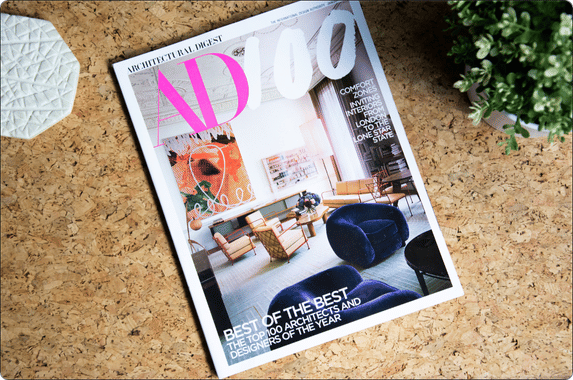
- Book and magazine covers – BOPP matte thermal lamination film applied to art paper to enhance durability and tactile feel.
- Luxury gift boxes and shopping bags – Matte PET or soft touch film laminated to thick paperboard to create a high-end, fingerprint-resistant surface.
- Cards, hangtags and certificates – Thin thermal matt films add stiffness and protection against scuffs and moisture.
By working directly with a thermal lamination film manufacturer like CloudFilm, you can customize roll width, length and matt level to match different printing formats and converting lines.
How To Select The Right Thermal Matt Lamination Film Manufacturer
In B2B projects, choosing the right thermal matt lamination film manufacturer and supplier is as important as choosing the right film type. Here are key points to evaluate:
Complete Matte Lamination Portfolio
A strong supplier should offer:
- BOPP matte films for thermal lamination and flexible packaging
- Matte PET films for higher stiffness and heat resistance
- Soft touch and anti-scratch films for premium and high-wear applications
This allows you to source all related matte lamination materials from one manufacturer, simplifying your supply chain.
Technical Support And Application Engineering
Look for a manufacturer that can:
- Recommend structures based on your product, pack format and filling process
- Provide guidance on lamination temperature, pressure and speed
- Help troubleshoot issues such as silvering, poor adhesion or curl
CloudFilm regularly works with global converters and brand owners to optimize structures like “BOPP matte // PE”, “Matte PET // metallized film // PE” and paper–plastic lamination for book covers.
Quality Control, Certificates And Global Service
For exporters and international buyers, it is crucial that your film partner:
- Uses modern production lines and strict QC systems
- Provides food-contact compliance information where needed
- Offers stable lead time, sensible MOQ and export packaging
As a China-based manufacturer and exporter of flexible packaging films, CloudFilm has been supplying BOPP, BOPET, high-barrier films and thermal lamination films to customers in multiple regions, helping them balance cost, performance and brand image.
FAQs: Thermal Matt Lamination Film For Packaging And Printing Buyers
Adding a structured FAQ helps answer the most common questions from packaging engineers, print buyers and sourcing managers, and also improves how AI tools and search engines understand the page.
Q1. What Is The Difference Between Thermal Matt Lamination And Cold Lamination?
Thermal matt lamination uses a pre-coated, heat-activated adhesive layer (EVA) and requires a heated laminator. Cold lamination typically relies on pressure-sensitive adhesives and does not need high temperature. Thermal lamination is cleaner for high-volume production and gives a very consistent matt surface, which is why many converters prefer it.
Q2. When Should I Choose BOPP Matte Vs. Matte PET For Thermal Lamination?
- Choose BOPP matte when you need a flexible, cost-effective solution for standard book covers, magazines, brochures and many flexible packaging outer webs.
- Choose matte PET when you need higher stiffness, better heat resistance or a more rigid, “high-end box” feel.
If you are unsure, you can start with BOPP matte for small volumes and upgrade to matte PET in your next development round for flagship products.
Q3. Is Thermal Matt Lamination Film Food Safe?
BOPP and PET films used for lamination are typically produced from food-contact grade raw materials and can be used for direct or indirect food contact when properly combined with suitable inks and adhesives. For specific regulations (such as EU or FDA), ask your manufacturer for available test reports and declarations.
Q4. What Thickness Should I Choose?
As a general guideline:
- Books, magazines and brochures: 18–27 μm BOPP matte thermal film
- Gift boxes and premium paper bags: 18–27 μm matte PET or soft touch film
- Flexible packaging outer web: 15–25 μm BOPP matte or matte PET, depending on stiffness requirements
Your CloudFilm sales engineer can help refine this based on your exact structure and application.
Q5. How Can I Reduce Scratches And Scuff Marks On Dark Artwork?
Dark, full-tone areas are more likely to show scratches. To improve performance:
- Use a high-quality matte film with good scuff resistance
- Consider upgrading to anti-scratch BOPP film for very demanding artwork
- Optimize winding tension, slitting and packing conditions
CloudFilm offers BOPP anti-scratch film and other specialty films to reduce visible scuffing on premium packaging.
Q6. How Do I Avoid Silvering Or Poor Adhesion?
Silvering (small white spots under the film) and poor adhesion are usually linked to:
- Insufficient temperature, pressure or speed in the laminator
- Ink or coating incompatibility with the adhesive layer
- Dust or contamination on the substrate
Check the recommended process window for the specific BOPP or PET thermal film you are using, and make sure your laminator has accurate temperature control and nip pressure. CloudFilm’s technical team can help you analyze samples and adjust parameters if needed.
Q7. What Is The Typical MOQ And Lead Time When Buying From A Manufacturer?
For export orders, typical MOQs for thermal matt lamination film are often a few thousand square meters per specification, or one full pallet of each thickness/width combination. Lead times vary by season, but many projects can be supplied within several weeks after order confirmation, including slitting and export packing.
When you work directly with CloudFilm as a manufacturer and exporter, you can combine multiple film types (e.g. BOPP matte, matte PET, metallized films) into one shipment to optimize freight cost.
Q8. Is Thermal Matt Lamination Compatible With Sustainable Packaging Trends?
Yes. While BOPP and PET are not biodegradable, they can be integrated into recyclable mono-material structures or used with adhesive-free lamination technologies to reduce overall material complexity and VOC emissions. When designing more sustainable solutions, discuss with your film supplier:
- Mono-material structures (e.g. all-polyolefin)
- Reduced thickness targets
- Adhesive-free or solvent-free laminating processes
CloudFilm is actively developing recyclable structures and specialty films to align with brand owners’ sustainability roadmaps.