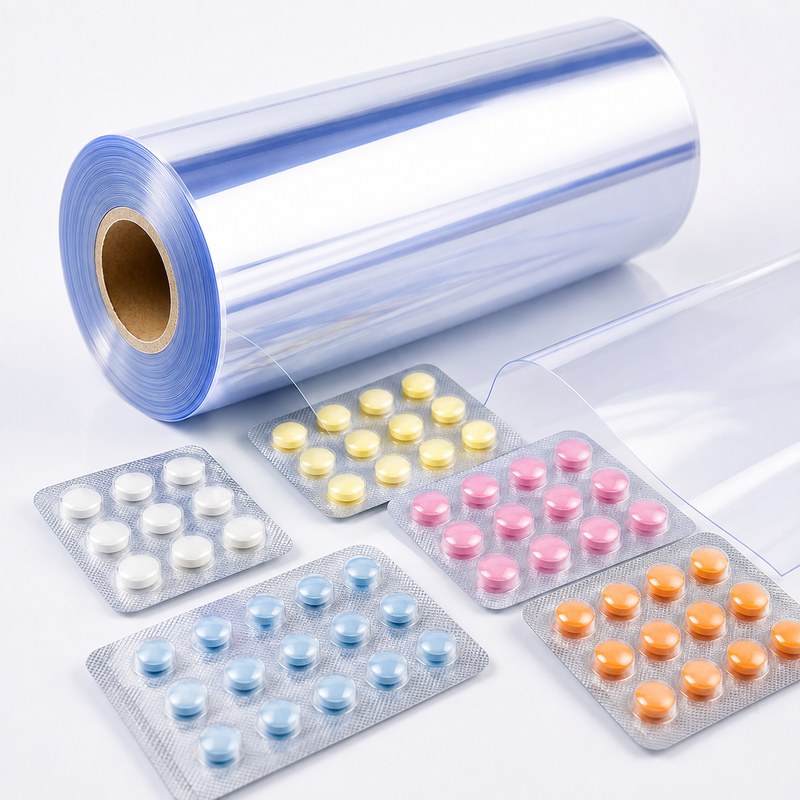
Colored PVC PVDC Sheet Rolls For Pharmaceutical Blister Packaging
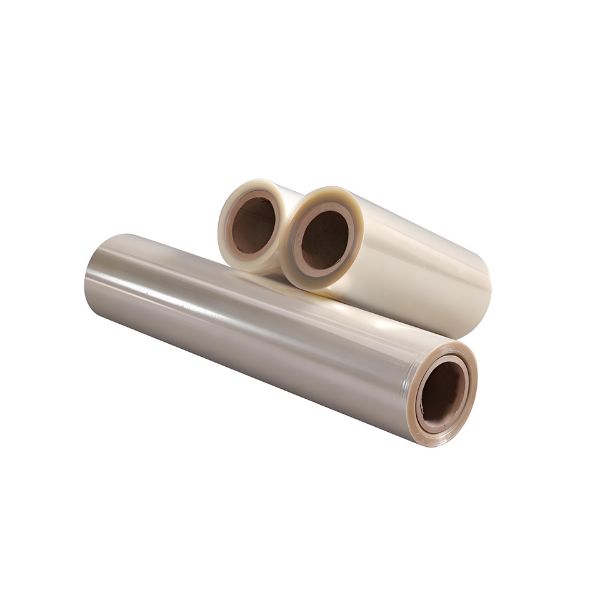
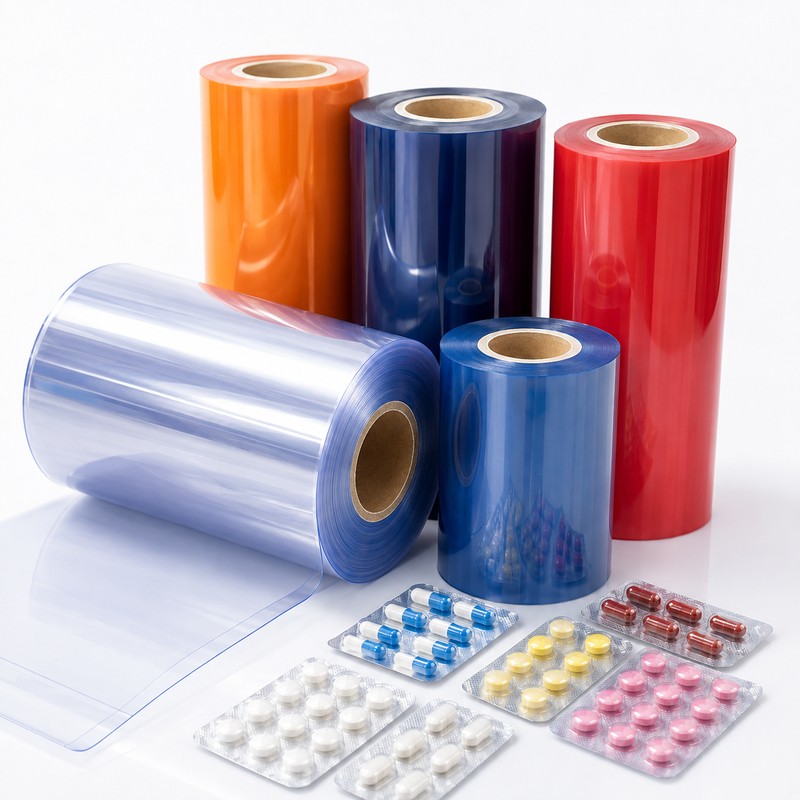
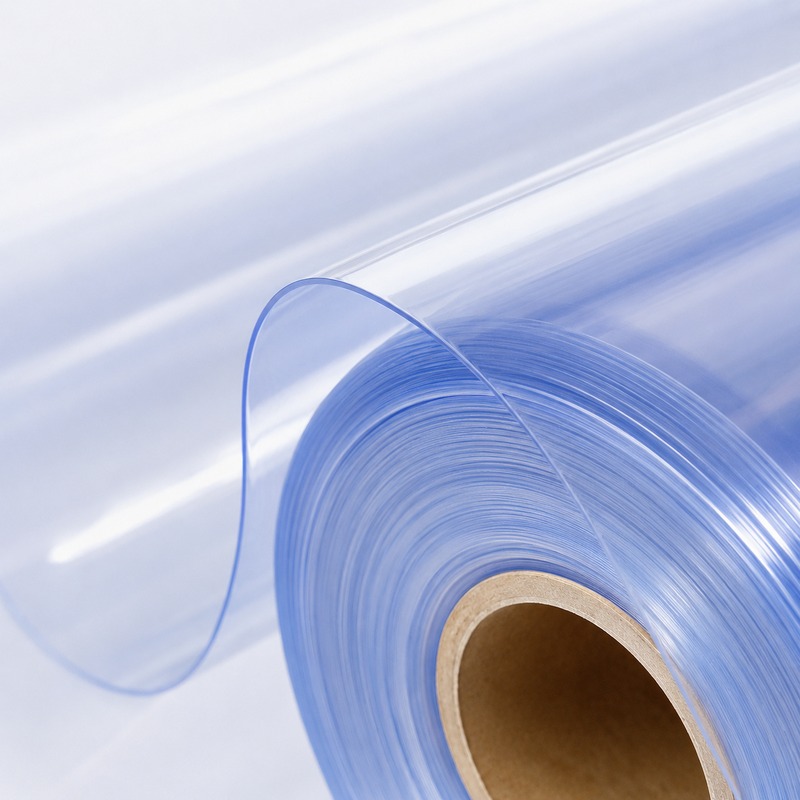
PVC PVDC Sheet Material Clarity And Pharmaceutical Packaging Application
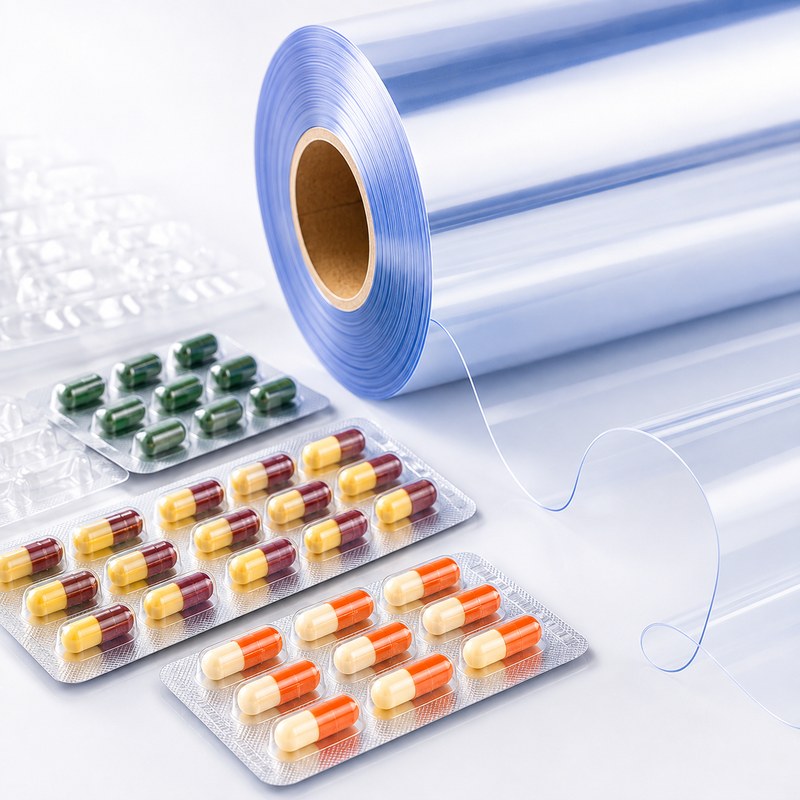
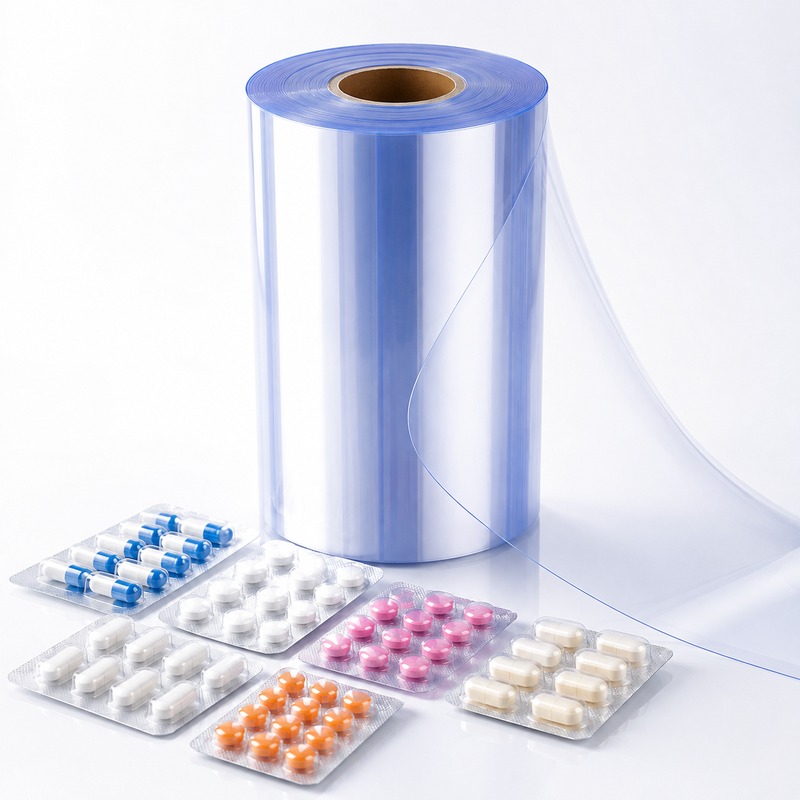
Transparent PVC PVDC Sheet With Tablet Blister Packs
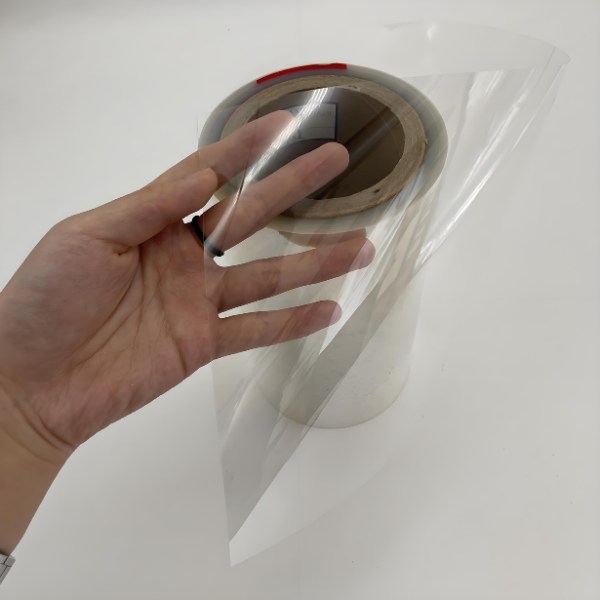
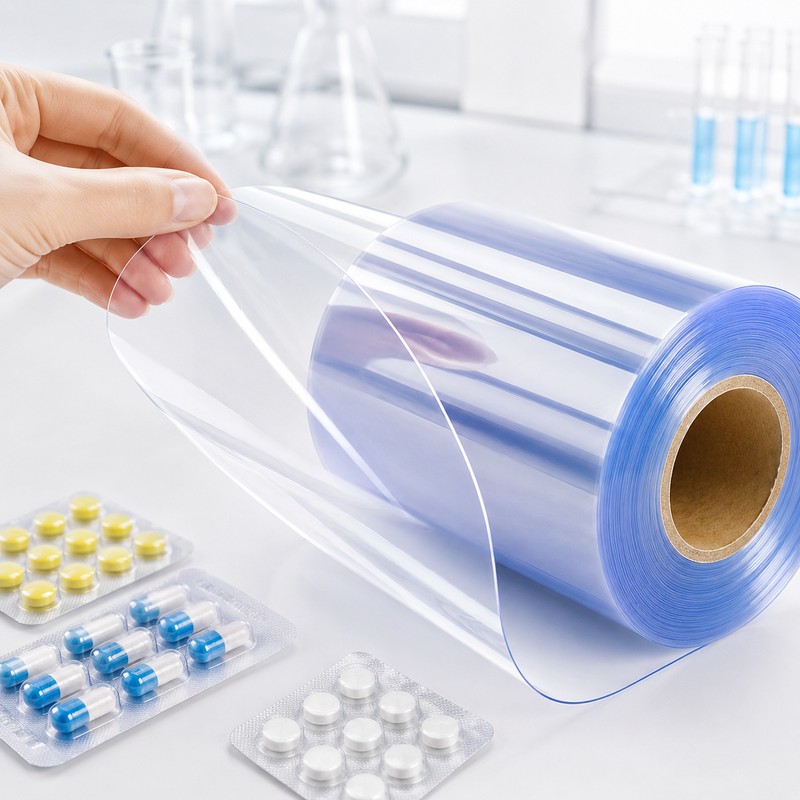
PVC PVDC Sheet Surface Clarity And Edge Detail
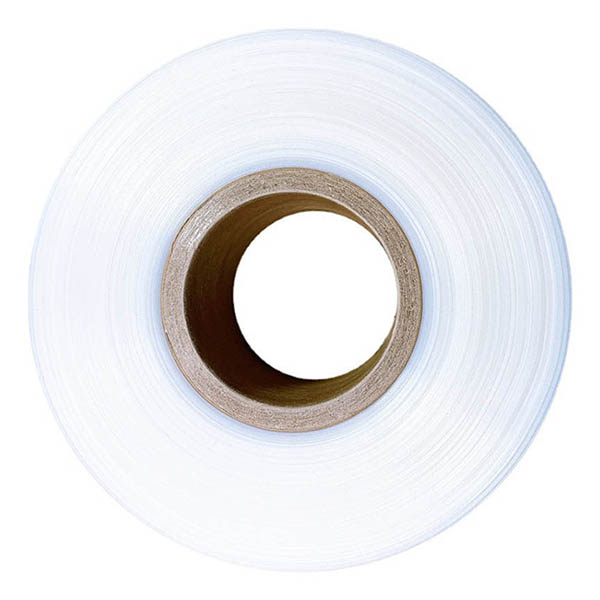
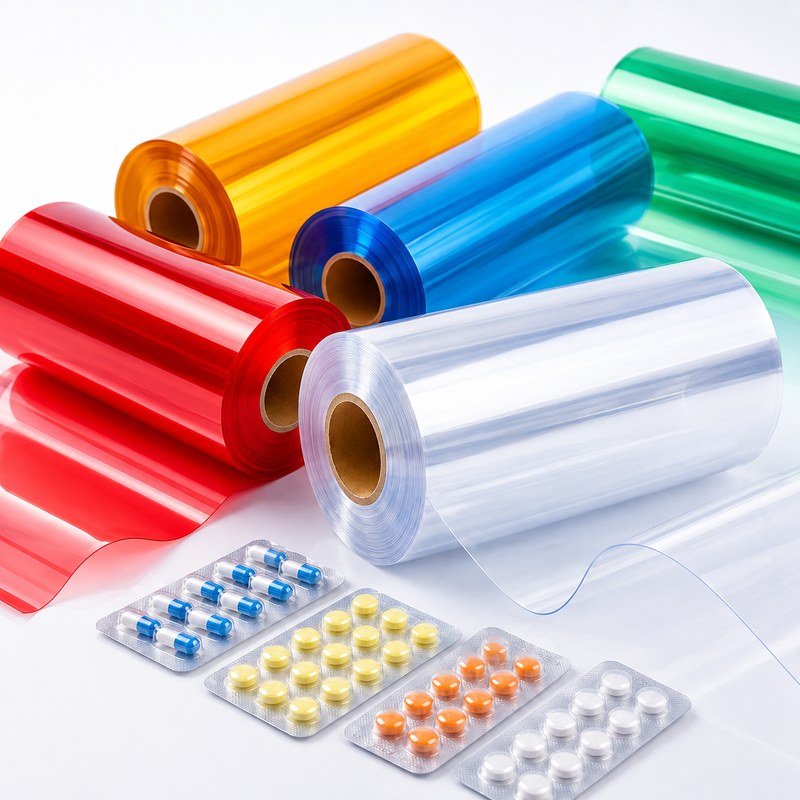
Colored PVC PVDC Sheet Rolls For Pharmaceutical Blister Packaging
PVC PVDC Sheet Material Clarity And Pharmaceutical Packaging Application
Transparent PVC PVDC Sheet With Tablet Blister Packs
PVC PVDC Sheet Surface Clarity And Edge Detail

PVC/PVDC Sheet

CloudFilm PVC/PVDC sheet combines thermoformable rigid PVC with a high-barrier PVDC coating for pharmaceutical blister packaging of tablets and capsules.

  • High Moisture & Oxygen Barrier
    The PVDC coating significantly improves moisture and oxygen protection compared with standard uncoated PVC sheet.
  • Reliable Thermoforming Performance
    The rigid PVC base provides stable forming behavior for producing consistent blister cavities on compatible packaging lines.
  • Clear Product Visibility
    Transparent grades allow tablets and capsules to remain clearly visible while maintaining enhanced barrier protection.
  • Custom Barrier & Roll Specifications
    PVC thickness, PVDC coating weight, roll width, core size, color and roll configuration can be customized for different projects.
  • Designed for Pharmaceutical Blister Packaging
    Suitable for solid-dose products requiring a balance of barrier performance, forming efficiency, package visibility and cost.

PVC/PVDC Sheet Description

What Is PVC/PVDC Sheet?


PVC/PVDC sheet is a rigid pharmaceutical blister material made by coating thermoformable PVC with a functional PVDC barrier layer. The PVC base provides stiffness, clarity and forming behavior, while PVDC reduces the transmission of moisture and oxygen around sensitive solid-dose products.

Compared with standard PVC Sheet, PVC/PVDC sheet is selected when the packaged medicine requires stronger environmental protection without giving up transparent blister presentation. It is commonly supplied in rolls for thermoforming into cavities before sealing with compatible pharmaceutical lidding material.


Barrier Protection and Thermoforming Performance


The performance of PVC/PVDC sheet depends on the complete material system rather than coating weight alone. PVC thickness, PVDC formulation, coating uniformity, forming depth, storage conditions and test environment can all influence final WVTR, OTR and package stability.

For buyers comparing other barrier technologies, CloudFilm’s PVDC Coated Film and PVDC PET pages explain how PVDC is also used on flexible substrates. These materials serve different converting processes, so rigid blister sheet and flexible laminated barrier film should be specified separately.


Structure, Coating Weight and Customization


PVC/PVDC sheet can be customized around the blister line and dosage form. Buyers should define PVC base thickness, required barrier level, PVDC coating weight, roll width, core size, maximum roll diameter, winding direction, color, transparency and any applicable documentation requirements.

Common market references include PVDC coating weights such as 40, 60 and 90 g/m², with higher-barrier variants also available in the industry. CloudFilm recommends confirming required WVTR and OTR targets whenever possible instead of selecting a grade only by coating weight.


CloudFilm as Your PVC/PVDC Sheet Manufacturer and Supplier


As a PVC/PVDC sheet manufacturer and supplier, CloudFilm supports specification development from material selection through sample evaluation and commercial supply. Our broader High Barrier Film portfolio also helps buyers compare different barrier approaches when a project has unusual shelf-life, transparency or processing requirements.

CloudFilm can also connect blister-material projects with related pharmaceutical packaging needs. For secondary protection, sachets or overwrap structures, our Pharmaceutical Pouches range provides another route for protecting tablets, powders, diagnostics and other healthcare products with application-specific barrier structures.


How to Select the Right PVC/PVDC Sheet


Start with the packaged product and its sensitivity to moisture, oxygen and light. Then review cavity depth, forming equipment, line speed, lidding material, sealing conditions, distribution climate and target shelf life before finalizing the PVC/PVDC sheet specification.

For a broader technical background on the polymer and its barrier role, our PVDC Film Guide explains how PVDC functions across packaging structures. This helps procurement and technical teams separate material names from actual performance requirements and build clearer, more testable RFQs.

Get Free Quote of PVC/PVDC Sheet

Tell us your PVC thickness, PVDC coating weight or target barrier, roll width, core size, blister machine, lidding foil and annual demand.

CloudFilm will review the specification and recommend a practical PVC/PVDC sheet solution for your forming and protection requirements.

We can support sampling, technical comparison, customized roll configuration and export supply.

Submit the inquiry form with your current material specification or blister-pack details, and our team will help you move from material selection to a clear quotation and trial plan.

Products Categories
Get A Free Quote
Contact Form Demo (#3)

PVC/PVDC Sheet Applications

Tablet Blister Packaging

Provides enhanced moisture and oxygen protection for tablets packed on thermoforming blister lines.

Capsule Packaging

Suitable for hard and soft capsule blister packs requiring transparent presentation and improved barrier performance.

Moisture-Sensitive Pharmaceuticals

Helps protect solid-dose formulations whose stability or shelf life can be affected by moisture exposure.

Nutraceuticals & Supplements

Suitable for vitamins, supplements and other solid-dose healthcare products using thermoformed blister packaging.

Animal Health Products

Can be evaluated for veterinary tablets, capsules and related solid-dose products requiring protective blister packaging.

PVC/PVDC Sheet Display


How to Specify PVC/PVDC Sheet for Your Blister Line


1. Identify the Product Sensitivity

Determine whether moisture, oxygen or light is the main factor affecting your pharmaceutical product. Stability data and existing packaging specifications provide the best starting point.


2. Define the Required Barrier

Whenever possible, specify target WVTR and OTR together with temperature, relative humidity and test method. Barrier values without test conditions are difficult to compare accurately.


3. Confirm the Blister Geometry

Provide blister cavity length, width and depth. Deeper or more complex cavities may require different PVC thickness, forming conditions or material evaluation.


4. Match the Packaging Machine

Provide the blister-machine manufacturer, model, thermoforming method, line speed and current operating temperature range. This helps reduce unnecessary machine trials.


5. Confirm the Lidding Material

The forming web and lidding material work as one packaging system. Provide the pharmaceutical lidding foil structure and heat-seal coating information whenever available.


6. Define the Roll

Confirm width, tolerance, core diameter, maximum roll diameter, winding direction, splice requirements and approximate roll weight to ensure smooth converting.


PVDC Coating Weight and Barrier Selection


40 g/m² PVDC

Often considered a starting level for applications requiring improved barrier compared with plain PVC. Suitability should still be confirmed against the medicine’s stability requirements.


60 g/m² PVDC

Provides a higher coating level and is commonly evaluated where additional moisture or oxygen protection is required.


90 g/m² PVDC

Frequently associated with higher-barrier pharmaceutical blister structures for products requiring greater environmental protection.


Higher-Barrier Grades

Higher coating weights and multilayer structures may be evaluated when standard PVC/PVDC cannot meet the required barrier target.

Do not select a blister material by coating weight alone. Coating formulation, distribution, forming depth, finished cavity geometry and environmental test conditions can influence the barrier performance of the final package.
FAQ

What is PVC/PVDC sheet?

PVC/PVDC sheet is a rigid thermoformable PVC substrate coated with PVDC. PVC provides structural support and forming performance, while the PVDC coating improves the barrier against moisture and oxygen.

What is PVC/PVDC sheet mainly used for?

It is mainly used as the forming web for pharmaceutical blister packaging, including tablets, capsules, nutraceuticals and other solid-dose products that require better barrier protection than standard PVC.

Why use PVC/PVDC instead of standard PVC?

Standard PVC offers good clarity and thermoformability but relatively limited moisture and oxygen barrier. Adding a PVDC coating improves barrier performance while retaining the transparent thermoforming characteristics required by many blister packs.

What PVDC coating weight should I choose?

Common market grades include approximately 40, 60 and 90 g/m², while higher-barrier configurations also exist. The correct grade should be selected according to required WVTR, OTR, product sensitivity, storage conditions and package design rather than coating weight alone.

Can PVC/PVDC sheet run on existing blister packaging machines?

PVC/PVDC sheet can generally be processed on suitable rotary or flat-bed thermoforming blister equipment. Actual forming temperature, line speed and forming depth should be validated on the customer’s machine before commercial production.

Can PVC/PVDC sheet be supplied in different colors?

Yes. Transparent and tinted options can be developed depending on project requirements. Color should be selected according to product identification, visual appearance and any specific light-management requirements.

Is PVC/PVDC sheet the same as PVDC coated flexible film?

No. PVC/PVDC sheet uses rigid PVC as the thermoforming base and is mainly used for blister cavities. Flexible PVDC coated films normally use substrates such as PET, BOPP or BOPA and are commonly converted through printing, lamination and pouch-making processes.

What information is needed for a quotation?

Please provide PVC thickness, PVDC coating weight or required WVTR/OTR, roll width, core diameter, maximum roll diameter, color, blister machine, cavity dimensions, lidding material, order quantity, destination country and applicable regulatory requirements.

Related Products

Related News

Flexible packaging quality control is not only a factory procedure. For brand owners, food companies, converters, importers, and packaging buyers, […]

    Introduction: The Importance of Medical Flexible Packaging   Medical flexible packaging plays a crucial role in the healthcare […]

  CloudFilm supplies PVDC films, PVDC coated PET (KPET), BOPP (KOPP) and BOPA (KPA) structures to help packaging buyers turn […]

Scroll to Top

Get A Free Quote Now !

Contact Form Demo (#3)