Who This Guide Is For And How To Use It
When buyers search for “packaging for frozen meat”, they are rarely looking for a simple list of materials. They want a complete solution that:
- Prevents freezer burn and off-flavors
- Survives bone puncture and rough handling in export logistics
- Seals reliably on existing vacuum, thermoforming or VSP lines
- Fits private-label artwork and regulatory requirements in different markets
- Comes from a stable manufacturer & supplier with predictable lead times
This guide is written for:
- Meat processors and cutting plants (beef, pork, lamb, poultry, seafood)
- Private-label brands and importers working with co-packers
- Sourcing, QA and engineering teams comparing film specifications and quotations
- Distributors who need to talk clearly with their own customers about frozen meat packs
How to use this guide:
- Start with the performance fundamentals (Section 2) so everyone on your team shares the same technical language.
- Review the main pack formats – vacuum pouches, thermoforming, skin packs and tray + lidding solutions (Section 3).
- Use the film structure overview to shortlist realistic materials (Section 4).
- Follow the inquiry checklist (Section 5) before you contact a frozen meat packaging film supplier – this will save days of back-and-forth emails.
- If you want support from a China-based flexible packaging manufacturer, you can work directly with CloudFilm flexible packaging manufacturer in Chinato design and supply the film or pre-made pouches that match your project.
Performance Fundamentals Of Frozen Meat Packaging
2.1 Freezer Burn, Oxygen And Moisture
The first job of frozen meat packaging is to control oxygen and moisture exchange. Too much oxygen means:
- Freezer burn and color change on the meat surface
- Rancid or oxidized flavors over long storage
- Lower perceived quality when the pack reaches retailers
For export programs and long storage (6–24 months), you typically need:
- A strong oxygen barrier layer (often EVOH or PA)
- Low-permeability seals with no pinholes or channels
- Film structures that maintain barrier performance at low temperatures
Working with a technical food packaging film manufacturer that understands barrier data and can propose structures such as PA/PE, PE PA PE or PE-EVOH-PE will significantly reduce trial-and-error on your side.
2.2 Bone Puncture And Mechanical Toughness
Frozen meat packs are exposed to:
- Hard bone edges and frozen corners
- Stacking pressure in cartons and pallets
- Impacts during loading, unloading and container movement
To withstand this, buyers often choose:
- Nylon-based structures (PA/PE laminates or co-extruded PE/PA/PE) for better puncture resistance
- CPE or special PE grades that remain flexible at −18 °C and below
- Extra thickness (e.g. 80–150 μm total) in master bags or export packs
For example, PE PA PE high-barrier film is widely used in vacuum pouches and thermoforming bottom webs that must combine strong puncture resistance with clean seals in deep-freeze conditions.
2.3 Seal Integrity At Low Temperatures
Seal failure is one of the most expensive hidden costs in frozen meat packaging:
- Leaking pouches stain cartons and compromise hygiene
- Slow, unstable seals reduce output on thermoforming and VSP lines
- Rework and rebagging increase labor cost
Look for:
- PE or CPE seal layers with good hot tack and seal-through-contamination performance
- Seal window matched to your sealing bar temperature and dwell time
- Stable slip and coefficient of friction (COF) for your specific line
A dedicated PE film properties guide can help your team understand how different PE grades affect seal performance, stiffness and machinability.
Main Pack Formats For Frozen Meat
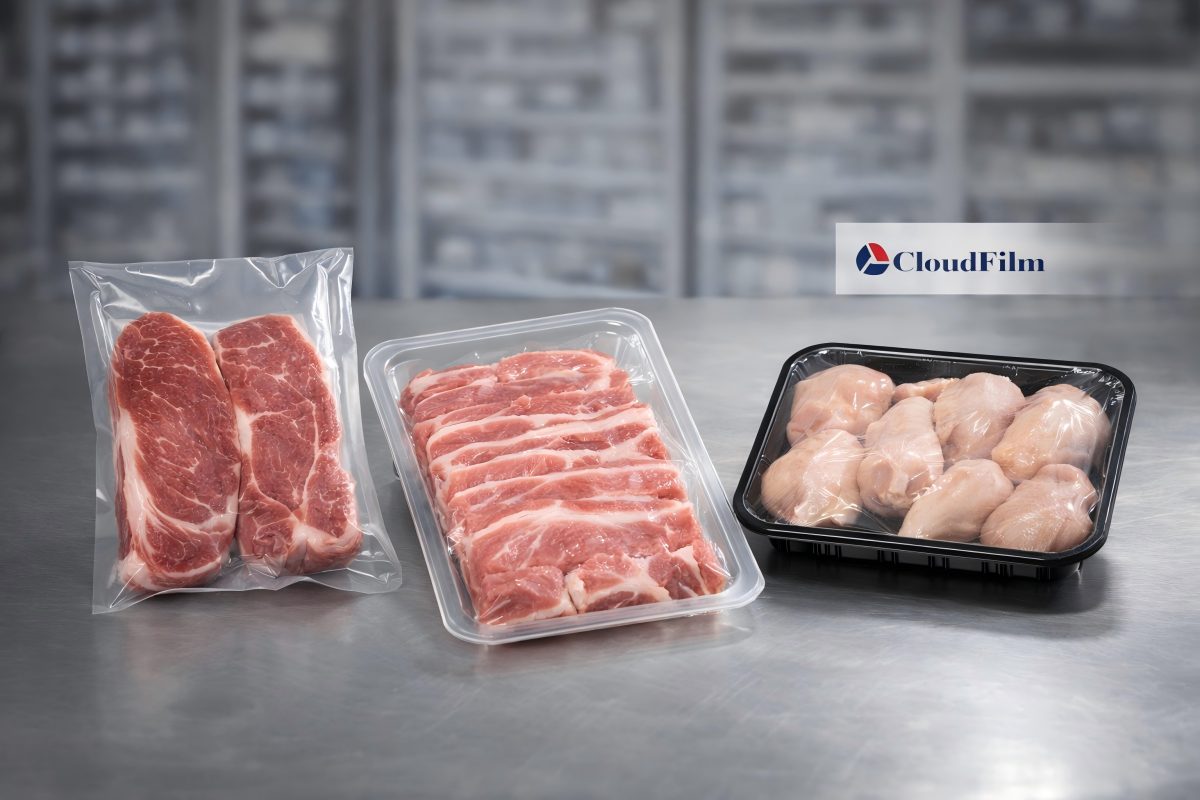
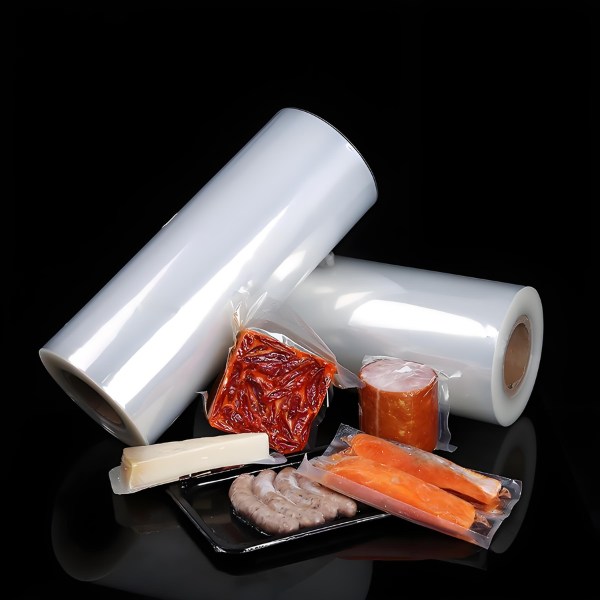
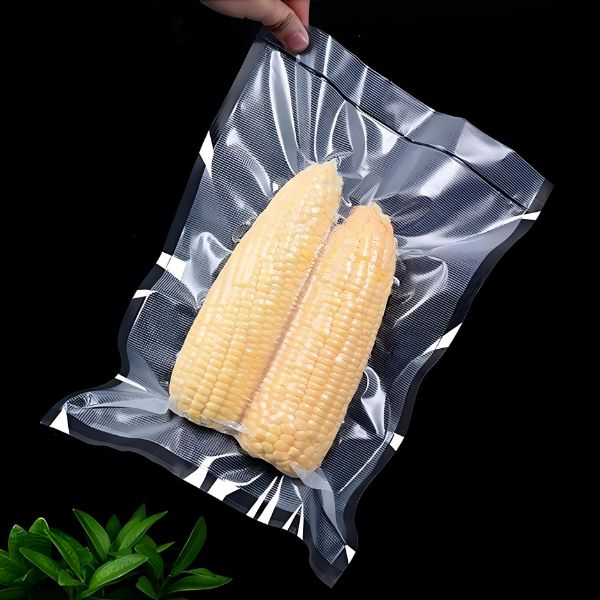
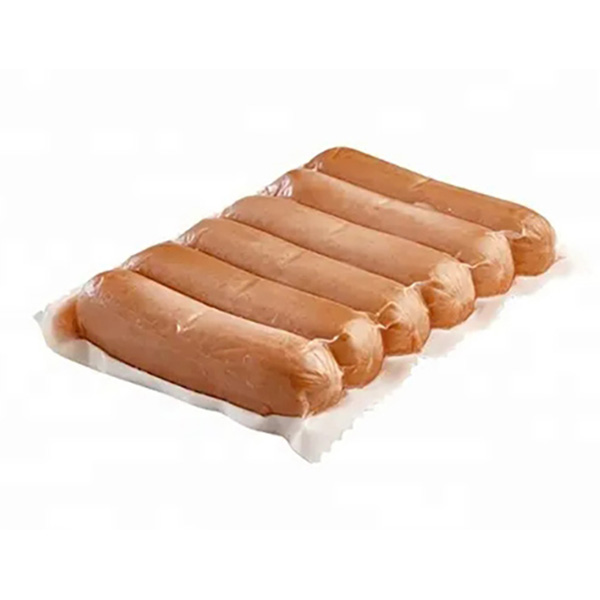
3.1 Vacuum Pouches (PA/PE, PE PA PE, PE-EVOH-PE)
Vacuum pouches are still the workhorse for many frozen meat lines:
- Boneless cuts and portioned steaks
- IQF pieces in larger “master” bags
- High-value exports that need long shelf life
Common structures include:
- PA/PE laminates: good clarity, toughness and basic oxygen barrier
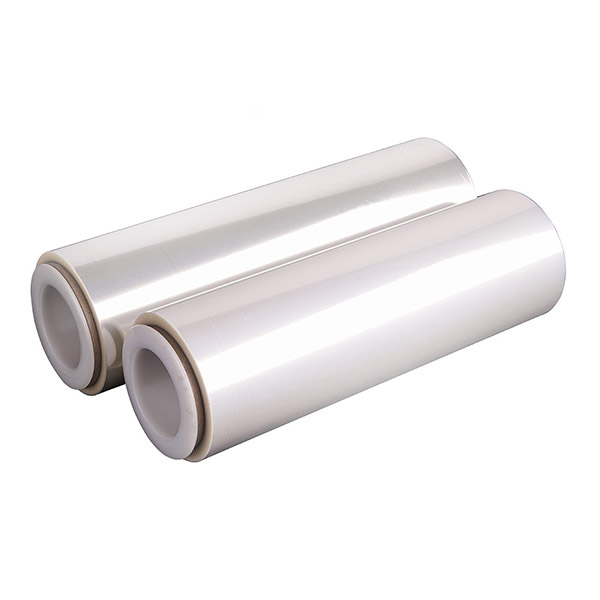
- Co-extruded PE PA PE film: stronger puncture resistance and consistent sealing, popular for deep-draw pouches and thermoforming bottom webs
- PE-EVOH-PE film: adds a strong EVOH barrier for long shelf life and export logistics
For buyers who want more technical background on barrier co-extrusions, a dedicated article on PE-EVOH-PE high-barrier co-extruded film explains how layer ratios, thickness and slip can be tuned for different pack formats and oxygen targets.
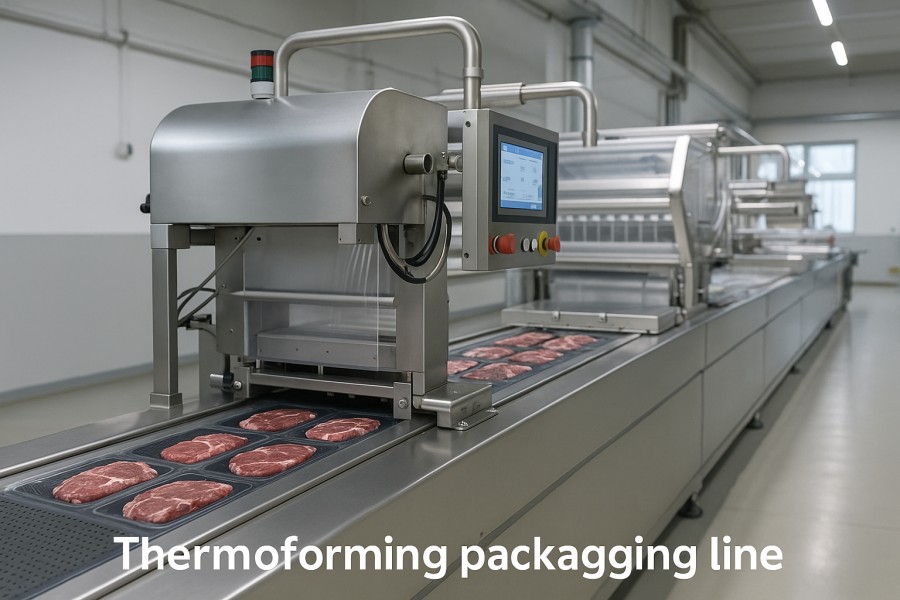
3.2 Thermoforming Packs (Bottom Web + Top Web)
Thermoforming packs are ideal when you want:
- A more “premium” look vs. a flat pouch
- Fixed, consistent pack dimensions for automation
- Efficient use of film and faster packing speeds
Typical combinations:
- Formable bottom web (PE/PA/PE or PA/PE)
- High-gloss, printable top web with peelable or permanent seals
- Optional easy-open or easy-peel features for retail convenience
Thermoforming lines are capital intensive; working closely with your film supplier to tune COF, stiffness and forming behavior will often unlock significant gains in speed and yield.
3.3 Vacuum Skin Packaging (VSP)
VSP wraps a high-shrink top web tightly around the product and seals it on a rigid or semi-rigid base:
- Attractive 3D presentation for premium steaks, lamb racks, marinated cuts
- Excellent drip control and reduced purge in the pack
- Potential to extend chilled shelf life before freezing
For VSP, film selection is more specialized. You usually need:
- High-shrink, high-clarity top webs
- Base webs or trays compatible with your recycling goals and processing conditions
Many processors combine VSP for premium SKUs with standard vacuum pouches for commodity items, using similar barrier levels across both formats.
3.4 Trays + Lidding Film For Ready-To-Cook Frozen Meals
For marinated meats, ready-to-cook dishes and combined meals, trays with lidding film are common:
- PET/PE or PP/PE lidding films with good deep-freeze performance
- APET or PP trays in different colors and depths
- Optional microwaveable solutions when the product is sold as “heat and eat”
If your portfolio includes frozen ready meals as well as raw meat, a dedicated article on what lidding film is and how microwaveable lidding works can help your product and engineering teams align on material selection.
Film Structures And Materials For Frozen Meat
4.1 PA/PE And PE PA PE Films
PA/PE laminates and PE PA PE co-extrusions are classic solutions for frozen meat:
- Balanced toughness and flexibility
- Reasonable oxygen and moisture barrier
- Good processability on vacuum and thermoforming lines
Because PE PA PE films are co-extruded rather than laminated, they can offer more consistent mechanical behavior and fewer delamination risks under deep-freeze and bending stress.
4.2 PE-EVOH-PE For High Oxygen Barrier
For exports or products with extended shelf life, PE-EVOH-PE structures are often recommended:
- EVOH core layer provides strong oxygen barrier
- PE outer and inner layers protect EVOH and give reliable seals
- Typical total thickness for vacuum or thermoforming packs ranges from about 60–150 μm depending on product type and bone content
When you discuss specifications with your supplier, define:
- Target shelf life and markets (domestic vs. export)
- Product type (beef, pork, poultry, seafood) and bone content
- Pack format (pouch, bottom web, top web)
This information allows the manufacturer to adjust EVOH level and PE grade to hit your oxygen targets without overspecifying.
4.3 CPE And CPP Seal Layers For Deep-Freeze
CPE film is widely used as a soft, low-temperature-resistant seal layer in frozen meat packaging:
- Maintains flexibility at freezing temperatures
- Provides good hot tack and seal strength even with light condensation
- Often used in laminates with PET or PA for outer strength
For some applications – especially boil-in-bag or retort products – CPP seal layers are chosen instead of CPE, because CPP tolerates higher temperatures and offers strong seals in retort conditions. CloudFilm’s CPP film solutions are designed to work in laminates with BOPP, BOPET, PE and high-barrier layers, including frozen food pouches.
4.4 Recyclable Mono-PE Pouches For Frozen Meat
Sustainability pressure is increasing in meat and seafood packaging. Many retailers prefer mono-material PE pouches that can enter existing PE recycling streams. With the right design, frozen meat pouches can also move in this direction.
CloudFilm’s recyclable mono-PE pouches for frozen food use PE-based structures engineered for low-temperature toughness and seal integrity in frozen vegetables, meat portions and ready-to-cook dishes.
For now, mono-PE solutions may not replace every high-barrier export structure, but they are very attractive for:
- Domestic frozen meat products with moderate shelf life
- Retailers running sustainability or store-brand recycling programs
- Brands who want to position themselves as eco-friendly without sacrificing line performance
Practical Checklist Before You Send An Inquiry
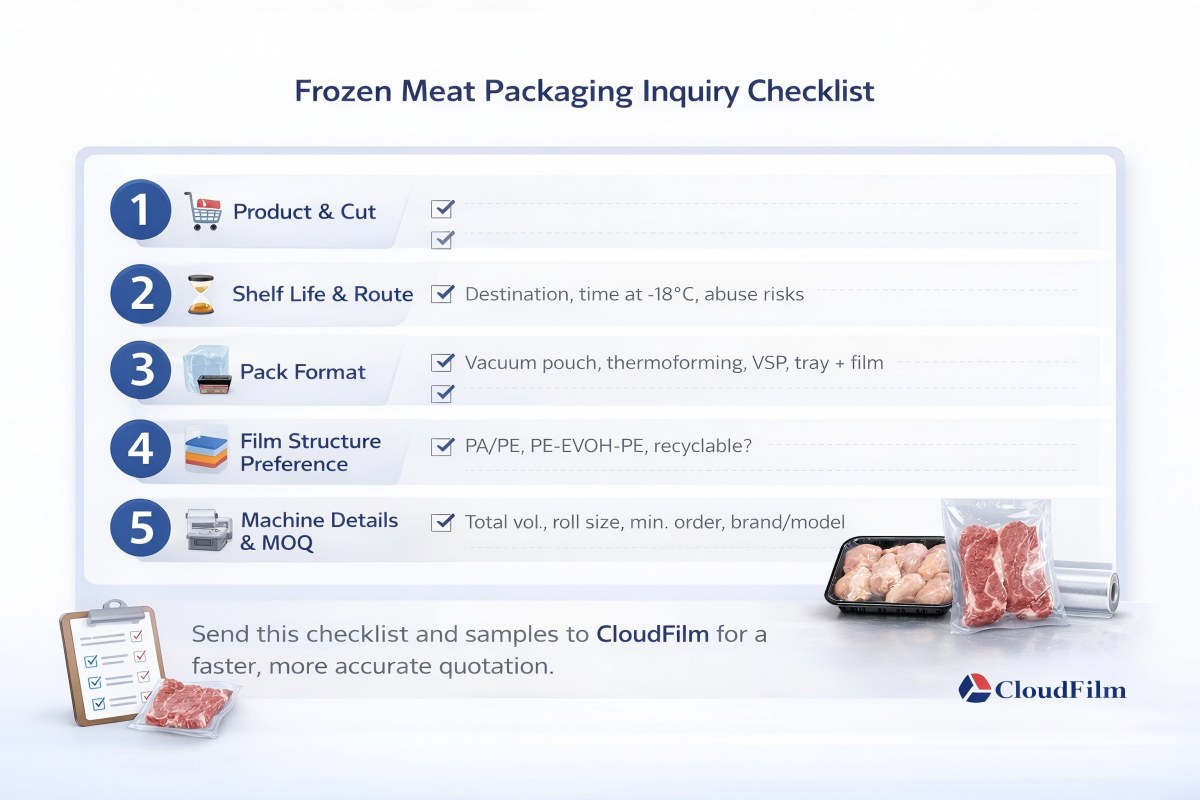
Before contacting a supplier or manufacturer, prepare the following information. It will help any technical team (including CloudFilm) respond with a realistic proposal and pricing:
- Product details
- Species and cut (beef striploin, pork belly, chicken drumsticks, etc.)
- Bone-in or boneless, sharp bones or not
- Fat level and marinade (if any)
- Target shelf life and route
- Domestic distribution vs. export
- Expected storage time at −18 °C or colder
- Any temperature abuse risks you already see in your chain
- Pack format
- Vacuum pouch, thermoforming pack, VSP, or tray + lidding
- Single packs vs. multipacks or master bags
- Pack weight range (e.g. 500 g retail pack, 5 kg master bag)
- Film structure preferences
- Whether you accept standard PA/PE or need PE-EVOH-PE
- Any recyclability or mono-material requirements
- Existing film specs from current suppliers (if available)
- Machine and line details
- Machine brand and model, sealing bar temperature range
- Typical speed and cycle time
- Any specific issues (leaks, bone puncture, scuffing) with your current film
- MOQ, roll sizes and printing
- Target annual volume and first-order volume
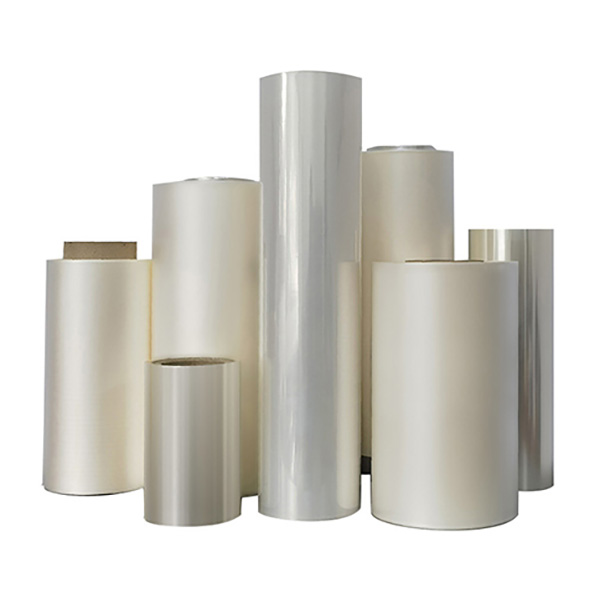
- Preferred roll width, roll diameter, core size
- Plain or printed film, number of colors, artwork status
By sending clear information – sometimes together with a few physical packs or empty pouches – you help your supplier behave more like a technical partner than just a price source.
Working With A China Frozen Meat Packaging Manufacturer
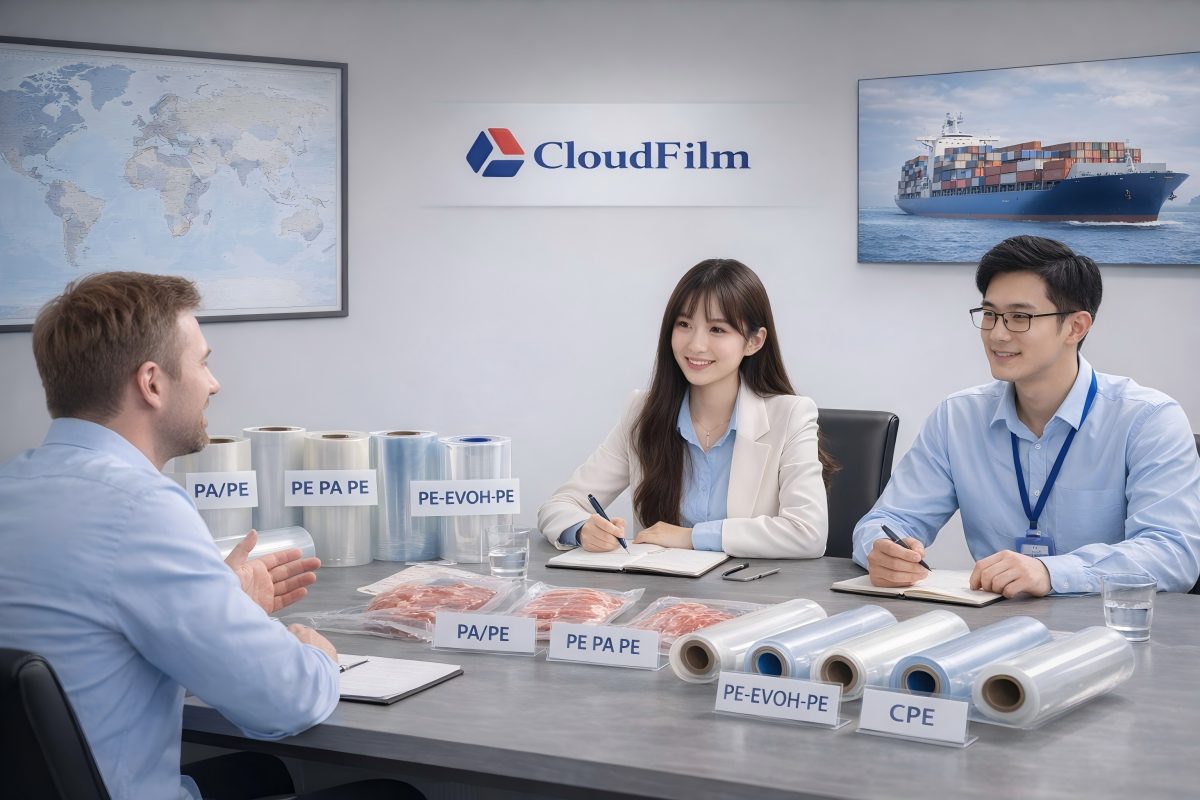
Choosing the right supplier and manufacturer is as important as choosing the right film structure. CloudFilm positions itself as a specification-driven partner for frozen meat processors and importers:
- Broad material portfolio for food packaging, including BOPP, BOPET, PA, PE, CPP, CPE and high-barrier laminates for vacuum bags, thermoforming webs and lidding films.
- Dedicated solutions for meat and seafood, such as PA/PE film, PE PA PE film and EVOH co-extruded films designed for chilled and frozen meat applications.
- Application-ready structures like food packaging film manufacturer
solutions, EVOH bags for meat and cheese, and co-extruded high-barrier films tailored to vacuum and thermoforming packs. - Technical support from first concept to stable production – including film recommendations, sampling, and adjustments to improve speed and reduce leak rates.
FAQs: Detailed Questions Frozen Meat Buyers Often Ask
Including a rich FAQ section is very useful for AI search and SEO because buyers often ask very specific, long-tail questions. A well-structured FAQ helps AI tools map those questions directly to your page and gives human visitors quick, practical answers. Below is a curated set of questions and answers you can adapt, expand, or localize.
FAQ 1: What Is The Best Packaging For Frozen Meat?
There is no single “best” packaging; it depends on your product and route. In general:
- Vacuum pouches (PA/PE, PE PA PE, PE-EVOH-PE) work very well for single cuts, portion packs and export master bags.
- Thermoforming packs are ideal when you want consistent dimensions and a more premium look.
- VSP packs are often used for premium steaks and marinated cuts.
- Trays + lidding film suit ready-to-cook and meal-kit style products.
The right choice is usually a balance between product protection, branding, machine compatibility and total cost.
FAQ 2: Which Film Thickness Do I Need For Frozen Meat?
Typical ranges:
- 70–100 μm for small retail pouches with boneless cuts
- 90–130 μm for small bone-in packs or heavier pieces
- 120–150 μm for master bags or export packs with more handling risk
Your supplier may suggest going thicker in specific zones (e.g. bone guard, reinforced corners) rather than increasing the entire pouch thickness.
FAQ 3: Are EVOH Bags Necessary For All Frozen Meat?
Not always. For short domestic logistics and moderate shelf life, a well-designed PA/PE or PE PA PE structure can be enough. For long-haul exports, brand-owner specifications or very long frozen storage, EVOH bags and PE-EVOH-PE structures help maintain color and flavor stability by keeping oxygen ingress extremely low.
FAQ 4: Can Frozen Meat Packaging Be Recyclable?
Yes, but with trade-offs:
- Mono-PE pouches and films can be recycled in many PE streams and are a strong step toward circular packaging.
- However, ultra-high barrier export structures with PA and EVOH are harder to recycle in conventional streams.
- Some buyers use mono-PE for domestic SKUs and PA/EVOH structures for exports, keeping communication transparent with retailers.
Working with a supplier who already offers recyclable mono-PE solutions for frozen food, like CloudFilm, makes it easier to design a migration roadmap.
FAQ 5: What Information Does A Manufacturer Need To Quote Frozen Meat Packaging?
At minimum:
- Product type, bone situation and target shelf life
- Packaging format and approximate pack size
- Annual volume and first-order quantity
- Machine type and any known issues with current film
- Preference for standard vs. recyclable structures
Sending photos or samples of your current packaging speeds up the process significantly.
FAQ 6: How Do I Prevent Bone Puncture In Frozen Meat Packs?
Several options:
- Move from standard PA/PE laminates to PE PA PE co-extrusions with stronger puncture resistance.
- Increase thickness only in high-stress zones (bone guard patches, reinforced edges).
- Improve packing practices (cover sharp bones, adjust vacuum level).
- Validate new film choices with real-world transport trials, not only lab tests.
FAQ 7: Can The Same Film Work For Chilled And Frozen Meat?
Sometimes yes, sometimes no. Many PE/PA/EVOH-type films can be used in both chilled and frozen conditions, but sealing windows, stiffness and slip may have to be adjusted for each process. When you brief your supplier, mention clearly whether the same SKU will be sold in chilled, frozen or both formats.
FAQ 8: What Is The MOQ And Lead Time For Frozen Meat Films?
This varies by structure, film type and printing. As a general benchmark:
- Unprinted films often have lower MOQs and shorter lead times.
- Printed films with many colors, registration-critical artwork or special finishes usually require higher MOQs.
- Co-extruded high-barrier films may have specific minimum order quantities per thickness and width.
CloudFilm can typically discuss MOQ and lead time together with you during the first inquiry round to align on both technical and commercial feasibility.