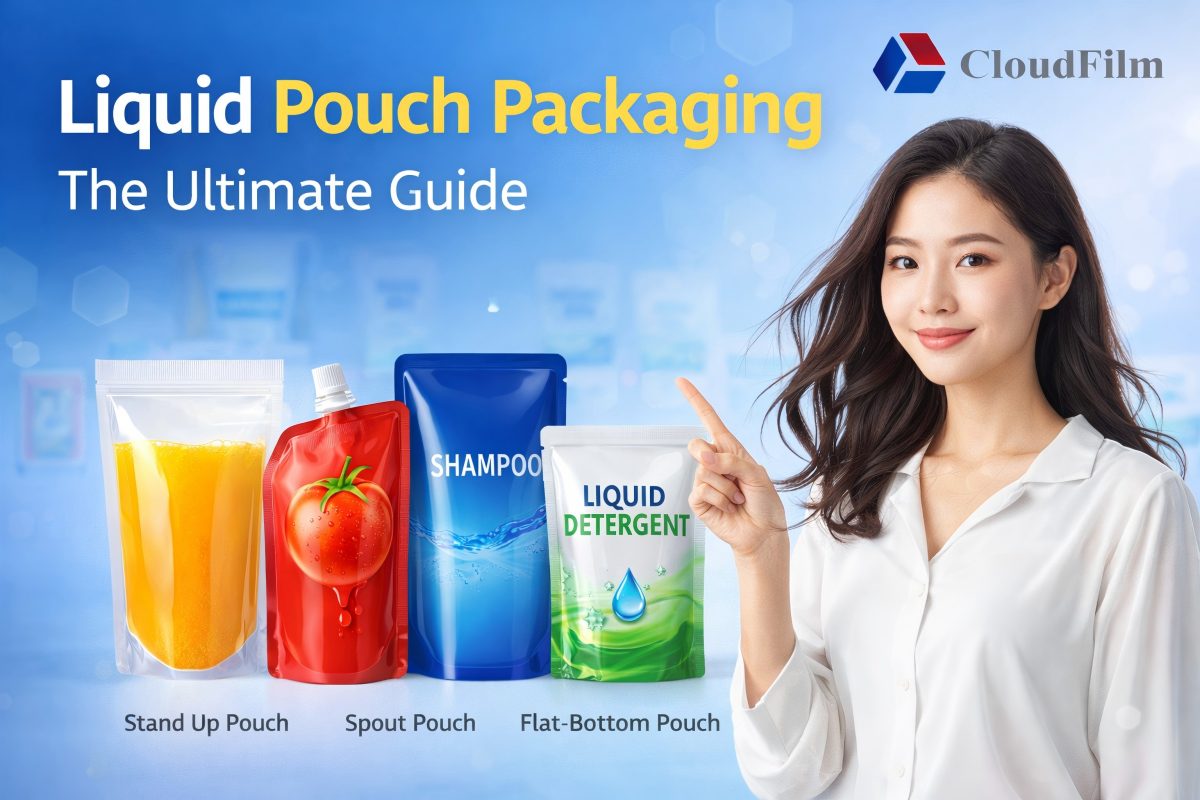
Introduction — Addressing Pain Points and Introducing the Topic
Are you searching for a safer, more convenient, and more attractive packaging solution for your juice, sauces, cosmetics, or cleaning products? Do you feel constrained by the high shipping costs, fragility, and large carbon footprint of traditional glass and plastic bottles? If these challenges sound familiar, you’ve come to the right place.
The revolution in liquid packaging is already here. It’s no longer about heavy bottles and jars, but about lightweight, flexible, and infinitely versatile Liquid Pouch Packaging. As an innovator in the flexible packaging industry, CloudFilm is dedicated to helping you bid farewell to the frustrations of traditional packaging through advanced film technology and customized solutions.
We help your products stand out on the shelf and significantly enhance your brand’s competitiveness. This article will provide a comprehensive understanding of liquid pouch packaging and reveal how it can become a powerful engine for your brand’s growth.
In addition, CloudFilm can combine liquid pouches with in-house films such as high barrier webs, PE/CPP seal layers and recyclable mono-material structures, so you get both the finished pouch and the right film structure from one partner.
If you already have basic information such as filling volume, liquid type, shelf life and sterilization temperature, you can share it with the CloudFilm team and we will quickly recommend suitable pouch types, film structures and sample solutions tailored to your brand.
In-depth Analysis — What Exactly is Liquid Pouch Packaging?
Before we explore how it solves your problems, let’s first clearly define it.
Core Definition
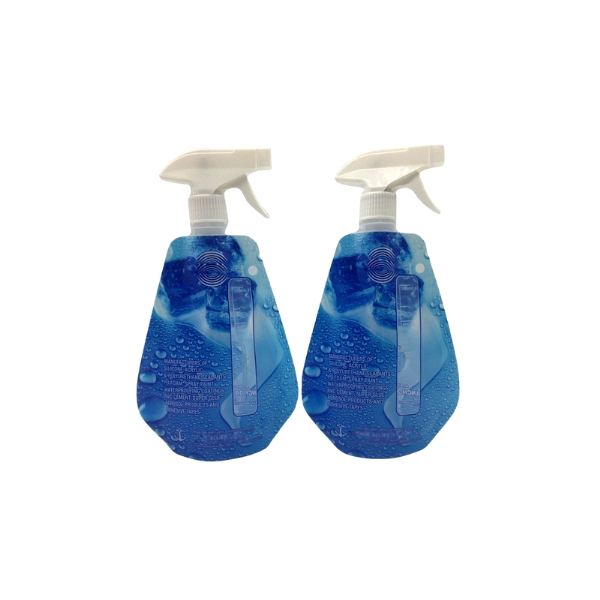
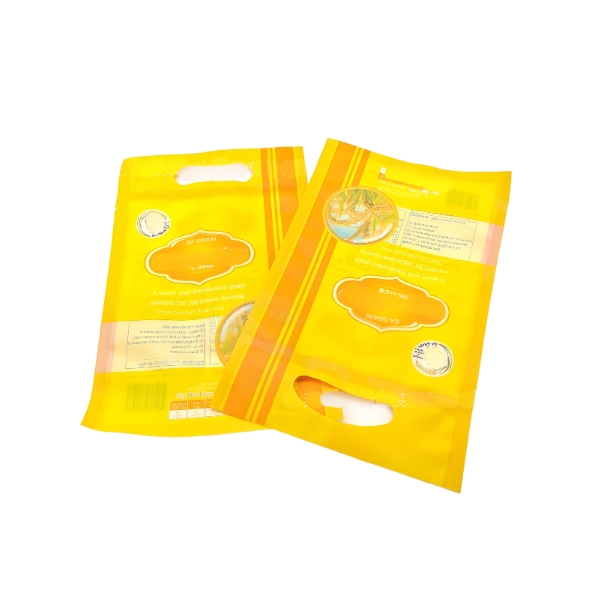
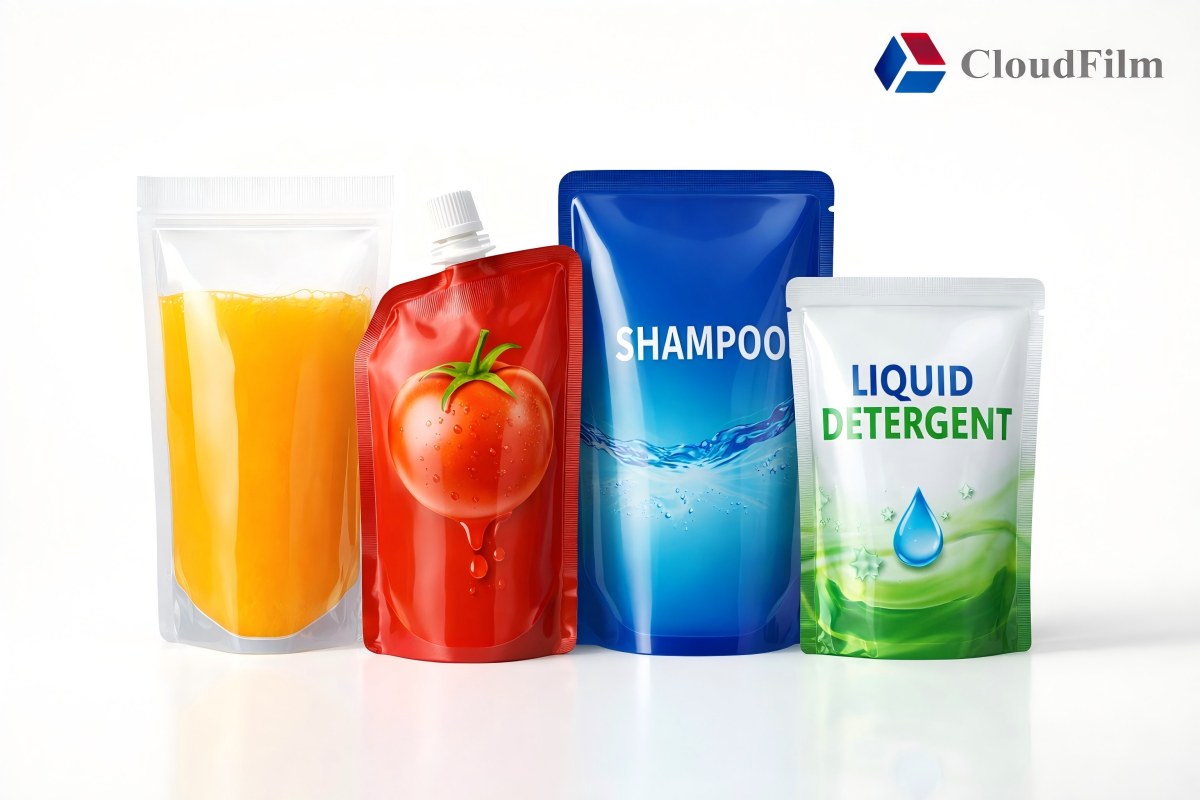
Liquid pouch packaging, as the name suggests, is a type of container made from flexible, laminated film materials, specifically designed to hold liquid and semi-liquid products. It comes in various forms, from simple three-side-sealed pouches to stand-up pouches with spouts, and even premium flat-bottom pouches that are resealable.
Its core characteristic is “flexibility,” completely overturning the traditional notion that liquid packaging must be “rigid.”
A Look at Common Types
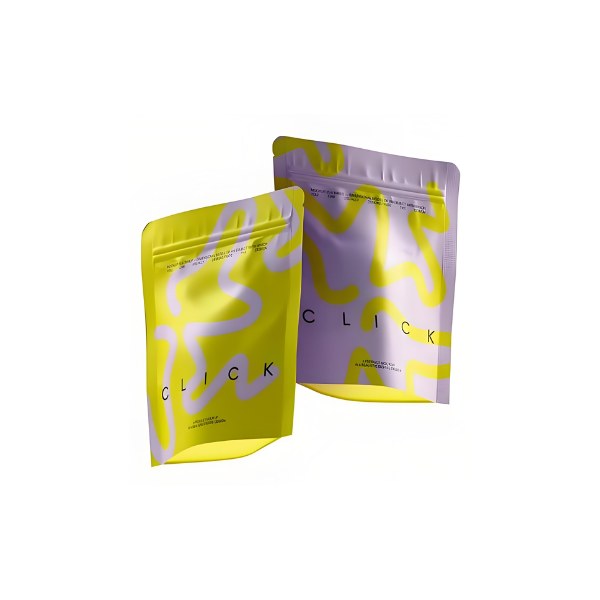
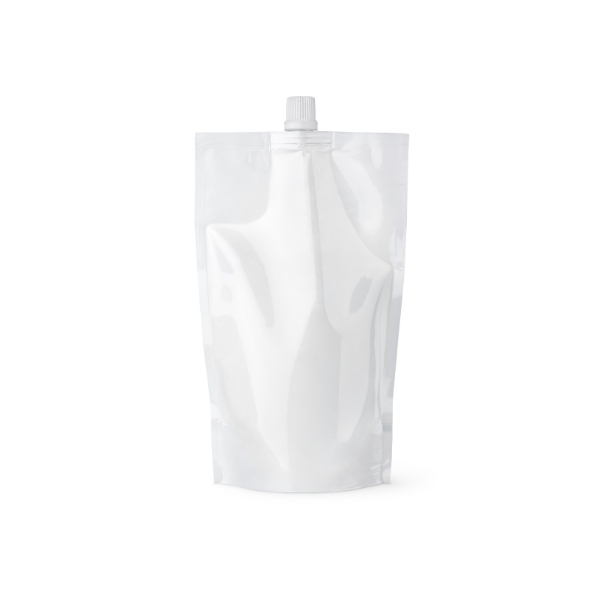
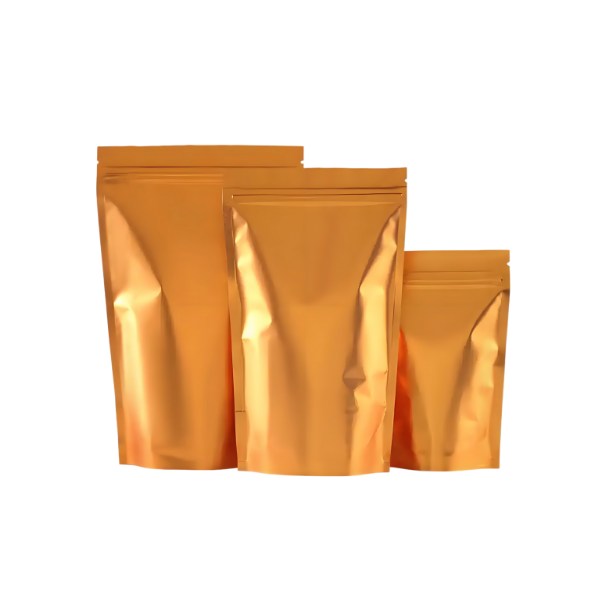
- Stand Up Pouches (Doypack): Features a gusset at the bottom, allowing it to stand upright on the shelf. This is the most mainstream form of liquid packaging today.
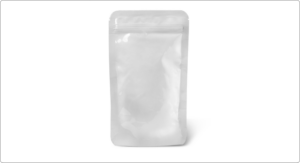
- Spout Pouches: Adds a resealable spout and cap to a stand-up pouch, making it convenient for drinking or dispensing. Ideal for children’s beverages, sports drinks, and jams.
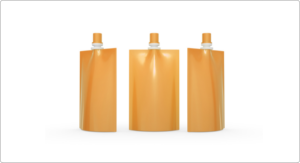
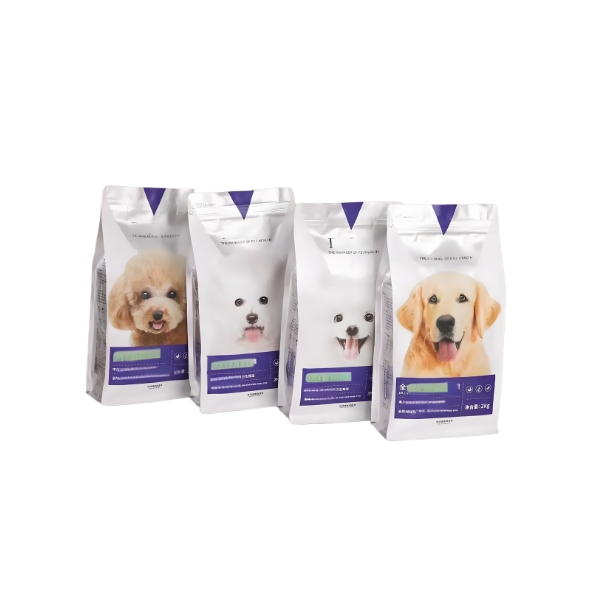
- Flat-bottom Pouches (Box Pouch): Boasts five panels for display, offering superior stability, a more premium 3D look, and a larger surface area for printing. A top choice for high-end products.
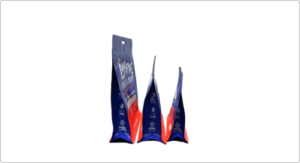
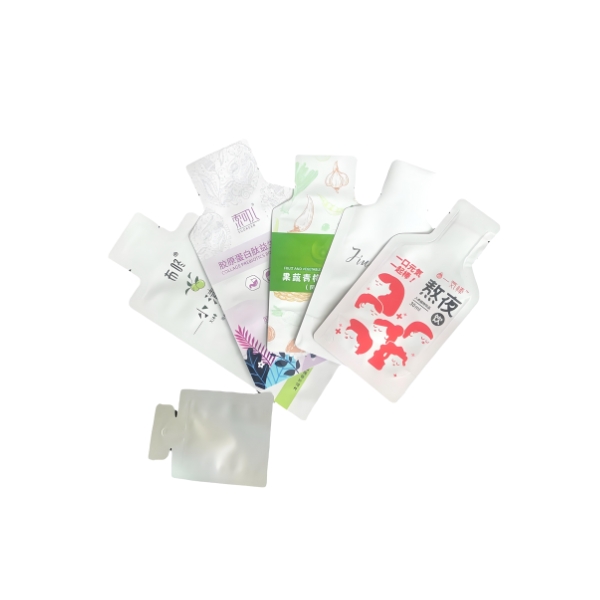
- Three-Side-Sealed Pouches: The simplest and most cost-effective structure, suitable for small-capacity, single-use liquid products like ketchup sachets or shampoo samples.
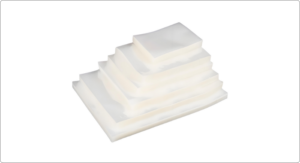
- Bag-in-Box (BIB): A highly efficient and space-saving liquid packaging system, ideal for large-capacity, bulk-distribution products such as wine, juice, edible oil, and industrial fluids. It consists of a flexible, multi-layer sterile inner bag paired with a sturdy outer box and a dispensing tap, ensuring extended shelf life, reduced oxidation, and user-friendly operation. Commonly used in food service, retail, and industrial sectors, BIB offers excellent protection, cost efficiency, and environmental benefits through reduced material usage and transportation footprint.
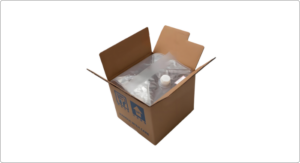
All of the above pouch formats can be supplied by CloudFilm under the Flexible Pouches category, with customized sizes, film structures and features (e.g. tear notch, zipper, spout, handle) matched to your filling equipment and target market.
Core Advantages — How Can It Make Your Brand More Competitive?
Liquid pouch packaging is more than just a change in form; it’s a strategic upgrade. The advantages it offers are comprehensive:
For Consumers: Ultimate Convenience and Experience
- Portable and Lightweight: Compared to glass and rigid plastic bottles, they are much lighter and more compact, making them easy to carry and store.
- Safe to Use: Shatterproof, making them especially suitable for households with children and for outdoor or travel scenarios.
- Easy to Use: Spouts and zippers make dispensing and resealing incredibly simple, reducing product waste.
- Visually Appealing: Unique shapes and high-quality printing effects instantly capture consumer attention on the shelf.
For Brands: Cost Reduction, Efficiency Gains, and Value Enhancement
- Significant Logistics Cost Reduction: Lighter weight and more compact shape mean more products can be shipped and stored per pallet, directly lowering unit logistics costs.
- Enhanced Shelf Appeal and Brand Image: A 360-degree printable surface allows your brand story and product information to be fully displayed. Choosing a premium pouch type can instantly elevate your product’s perceived value.
- Extended Product Shelf Life: Excellent barrier properties effectively block oxygen, light, and microorganisms, safeguarding your product’s quality.
- Embracing Sustainability: Compared to traditional packaging, pouches consume less energy and water during production and have a smaller carbon footprint. They also use less material, aligning with global trends in plastic reduction and environmental responsibility.
For export projects, CloudFilm’s liquid pouches help you load more units per pallet and per container compared with bottles, reducing freight cost per unit and improving your landed price competitiveness in overseas markets.
If you are currently using rigid bottles, CloudFilm can provide side-by-side cost and logistics comparisons between your existing packaging and equivalent Flexible Pouches solutions, so your team can clearly see the advantages in numbers.
Material Selection and Process — The Technical Core of Liquid Pouches
A successful liquid pouch’s appeal goes far beyond its appearance; it lies in its “hardcore” internal technology. Material selection and manufacturing processes are the key determinants of a package’s performance, safety, and cost.
Material is the Soul: Why “Laminated Film”?
You might ask, why not use a single material for packaging? The answer is that no single material can simultaneously meet all the stringent requirements of liquid packaging, such as excellent barrier properties, sufficient mechanical strength, good heat-sealability, and high-quality printability.
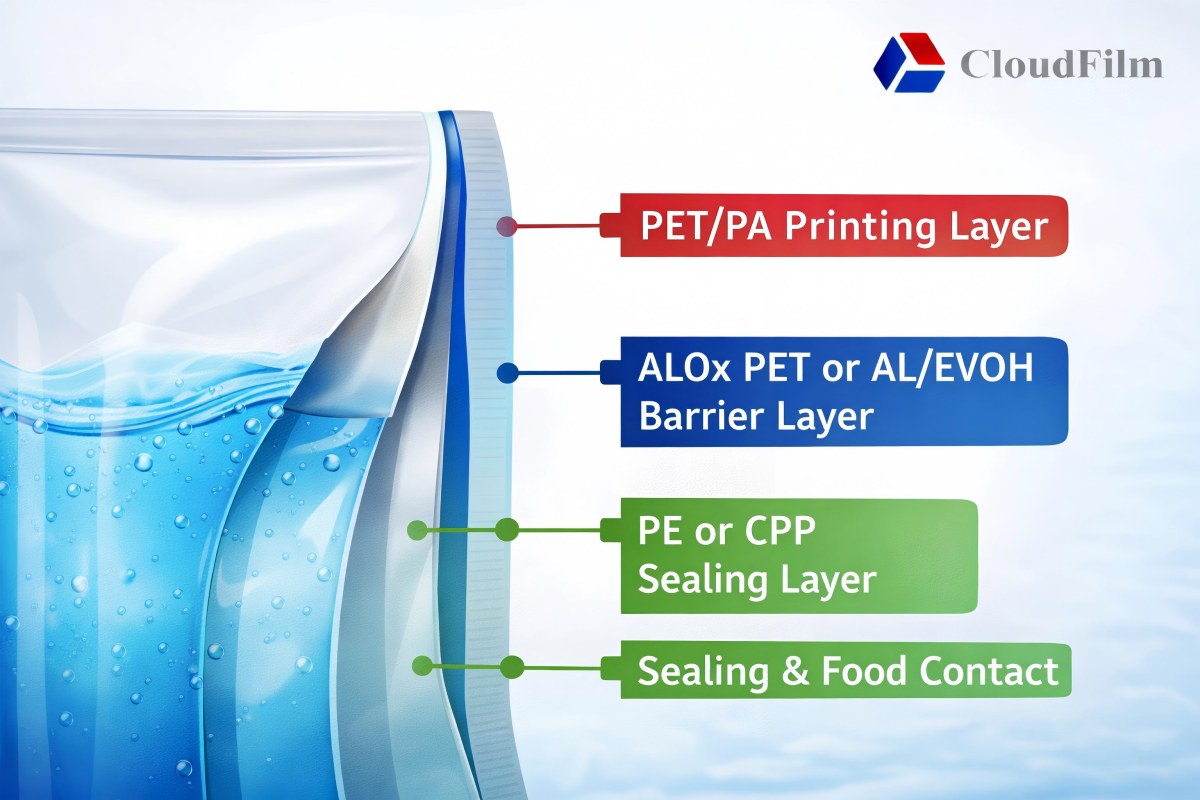
Therefore, we must use “laminated film,” much like assembling a perfect burger, where each layer has an irreplaceable role.
- Outer Layer (Printing Layer): Typically PET (Polyester) or PA (Nylon). This layer is like the top bun of the burger, primarily providing mechanical strength, rub resistance, and a perfect surface for printing, ensuring your brand’s graphics are vibrant and durable.
- Middle Layer (Barrier Layer): This is the core soul of the entire package! Depending on the product’s shelf-life requirements, we select AL (Aluminum Foil), EVOH (Ethylene Vinyl Alcohol), or VMPET (Metallized PET). This layer’s job is to build an impenetrable barrier, effectively blocking the ingress of oxygen, light, moisture, and odors, thereby maximizing the product’s shelf life. For example, infant formula or high-end cooking oils, which are extremely sensitive to oxygen, would typically use aluminum foil for its superior barrier properties.
- Inner Layer (Sealing Layer): Usually PE (Polyethylene) or CPP (Cast Polypropylene). This layer is in direct contact with your liquid product, so its primary requirement is food-grade safety, non-toxicity, and being odorless. Simultaneously, it must possess excellent heat-seal properties to ensure the pouch forms a strong, seamless seal when heat-pressed. It must also be resistant to the product’s chemical properties (e.g., acids, alkalis, oils) to prevent corrosion.
For ultra-demanding barrier applications such as coffee concentrate, medical nutrition or aggressive chemicals, CloudFilm can also recommend High Barrier Film combinations using ALOx PET, PVDC coated films and co-extruded EVOH structures to further enhance oxygen and aroma protection.
Key Processes: How to Ensure a “Leak-Proof” Guarantee?
With the perfect material formula, exquisite craftsmanship is needed to turn it into reality. Any oversight in the process can lead to the fatal problem of “leakage” in liquid packaging.
- High-Precision Lamination Process: We use advanced dry or extrusion lamination processes. By precisely controlling temperature, pressure, and adhesive application, we ensure the outer, barrier, and inner layers bond together perfectly, firmly, and without delamination, bubbles, or wrinkles, forming a unified whole.
- Precision Pouch-Making and Heat-Sealing Technology: CloudFilm takes pride in our high-precision automated pouch-making machines and our strict heat-sealing parameter control systems. Our engineers set the optimal temperature, pressure, and time based on the characteristics of different materials, ensuring every seal is flat, aesthetically pleasing, and possesses immense tear strength. From pouch-making to final shipment, we have multiple strict quality inspection procedures, such as pressure tests and seal integrity tests, to ensure every pouch delivered to you is “watertight.”
(CloudFilm Perspective): “CloudFilm’s core competency lies in our deep understanding of film material science. We are not just packaging manufacturers; we are guardians of your product. Our team of experts first conducts a thorough analysis of your liquid product’s characteristics—its pH level, oil content, whether it requires high-temperature sterilization, the target shelf life, and more.
Based on this data, we precisely customize the optimal material structure combination for you, ensuring from the source that the packaging is not only beautiful but also the most loyal guardian of your product, maintaining consistent quality.”
Recyclable & Mono-Material Liquid Pouch Structures (MDO PE, BOPE, All-PE)
In many markets, brand owners are moving towards recyclable mono-material designs. CloudFilm can help you develop PE-based liquid pouches using MDO PE Film , BOPE Film and tailored PE seal layers to build “all-PE” structures that are easier to recycle.
Compared with traditional PET/AL/PE or PET/PA/PE structures, all-PE liquid pouches can reduce structure complexity, simplify recycling streams and support “recycle-ready” claims, while still maintaining good mechanical strength and drop resistance.
For projects where recyclability is a key selling point, CloudFilm’s engineering team can propose alternative recyclable structures and clearly explain the trade-off between barrier, stiffness, cost and recycling performance, helping you align packaging design with local recycling guidelines.
How to Choose — Finding the “Perfect Match” for Your Product
Now that you understand the technical core, the next step is applying this theory to practice. Selecting the most suitable pouch for your liquid product requires a comprehensive consideration of the following factors:
Define Your Product Characteristics
- Product Type: Is it an acidic beverage (like juice), an oily product (like salad dressing), an alcohol-based product, or a corrosive product (like some cleaners)? This directly determines the choice of the inner layer material.
- Shelf-Life Requirements: 30 days, 90 days, or 18 months? The longer the shelf life, the higher the demand for the barrier layer (especially oxygen barrier).
- Post-Processing Needs: Does your product require high-temperature sterilization (like pasteurization or retorting)? This requires the entire material structure to be heat-resistant.
Define Usage Scenarios and Target Audience
- Who is the Consumer? Are they children, sports enthusiasts, or homemakers? Products for children need easy-to-use spouts and safety caps; premium gifts require more textured flat-bottom pouches.
- What is the Usage Scenario? Is it for immediate outdoor drinking, home kitchen use, or travel? Different scenarios dictate the packaging’s portability and functional design.
Define Brand Positioning and Budget
- Brand Positioning: Is your brand mass-market and affordable, high-end and professional, or innovative and trendy? The packaging’s material, pouch type, and design style must align with the brand’s positioning.
- Cost Budget: While meeting basic performance requirements, how do you find the best cost-benefit balance in terms of materials, processes, and design? CloudFilm can offer you a variety of solutions, from economical to high-end.
When you share your target product, filling line type and market positioning with CloudFilm, we can quickly narrow down 2–3 suitable structures—for example PET/VMPET/PE, PET/AL/PE or recyclable mono-PE—and explain which option fits best for your liquid’s shelf life, process and budget.
CloudFilm — Your Trusted Liquid Packaging Solutions Partner
Choosing CloudFilm means you are choosing a partner who understands not just packaging, but your business as well.
- Customized Design Services: Our design team will work closely with you, transforming your brand vision into eye-catching packaging from concept to final product.
- Material Science Experts: We possess an extensive material database and rich application experience, enabling us to provide the most stable and reliable packaging solutions for even the most complex liquid products.
- One-Stop Production and Quality Control: From printing, lamination, and pouch-making to final inspection, we provide a full-process service, strictly adhering to international quality management system standards to ensure every product is flawless.
- Commitment to Sustainability: We are actively researching and promoting eco-friendly packaging solutions such as recyclable and mono-material structures, helping your brand achieve its sustainability goals and win over future consumers.
Beyond films and pouches, CloudFilm can also support you with sampling, line trials and export logistics, so your team can focus on product development and sales while we handle the technical packaging side.
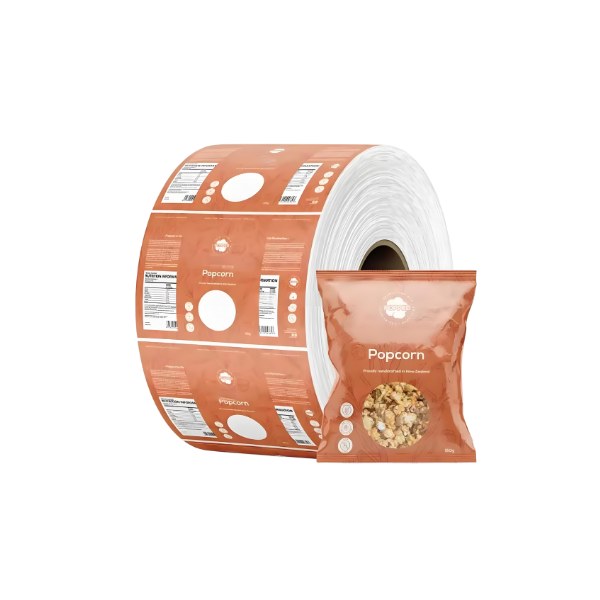
For new liquid pouch projects, you can combine CloudFilm’s films (BOPET, BOPA, PE, CPP, high barrier films) with our finished Liquid Pouches, simplifying your supplier list and ensuring consistent quality from roll to finished pouch.
Liquid Pouch Packaging Applications By Industry
Liquid pouch packaging is highly versatile and can serve many different industries. Below are typical applications where CloudFilm’s structures and pouch formats are widely used:
- Beverages & Juices: RTD juices, functional drinks, sports drinks and concentrated syrups packed in Spout Pouches for easy, controlled pouring.
- Sauces, Condiments & Dressings: Ketchup, mayonnaise, salad dressings and cooking sauces in Three-Side-Sealed Pouches or Pillow Pouches for single-serve or family-size formats.
- Dairy & Yogurt Drinks: Yogurt drinks and flavored milk using stand up or spouted pouches with high barrier film combinations for chilled and ambient distribution.
- Home & Personal Care: Detergents, fabric softeners, shampoos and shower gels using PE Pouches and Quad Seal Pouches designed for strong drop resistance and chemical compatibility.
- Industrial & Chemical Liquids: Cleaning agents, automotive fluids and industrial additives using reinforced PET/PA/PE or PET/AL/PE structures with BIB or large-format spouted pouches.
If you share your target industry and retail channel (e.g. supermarket, e-commerce, food service), CloudFilm can recommend successful reference structures and pouch types used by similar projects, reducing your trial-and-error time.
FAQ — Common Questions About Liquid Pouch Packaging
Q1: What kinds of liquids can be packed in liquid pouches?
A1: Liquid pouches can handle a wide range of products including juices, sauces, edible oils, dairy drinks, personal care liquids, detergents and many industrial liquids. CloudFilm designs the film structure and seal layer according to your liquid’s acidity, oil content, alcohol content and chemical aggressiveness.
Q2: How do I choose between a stand up pouch and a spout pouch?
A2: If your product is mainly displayed on shelves and opened occasionally (e.g. sauces), a stand up pouch with zipper is often enough. If consumers need precise pouring or repeated drinking (e.g. juices, sports drinks, baby food), spout pouches provide a better user experience. CloudFilm can also combine both formats in your range—bulk family packs in stand up pouches and on-the-go packs in spout pouches.
Q3: Can liquid pouches work with hot-fill or retort processes?
A3: Yes. By using retort-grade PET/PA/CPP or PET/AL/CPP structures, liquid pouches can withstand pasteurization or 121°C retort processes. CloudFilm’s Retort CPP Film and high-temperature BOPA/BOPET films are specifically designed to maintain seal strength and dimensional stability during such processes.
Q4: Are liquid pouches recyclable or eco-friendly?
A4: Traditional multi-material structures are harder to recycle, but CloudFilm can help you move toward recyclable mono-PE or mono-PP designs using MDO PE Film, BOPE Filmand suitable seal layers. These structures reduce material complexity and support many “recycle-ready” guidelines.
Q5: What is the typical MOQ for custom liquid pouches from CloudFilm?
A5: For most export projects, CloudFilm can start from a few tens of thousands of pouches per design, depending on structure and printing colors. For early-stage projects, we can provide trial rolls and small batches of sample pouches to test your filling lines and market response before committing to larger MOQ.
Q6: What information should I prepare before asking for a quotation?
A6: Ideally you can prepare: product type, filling volume, filling temperature, shelf-life target, distribution method (chilled/ambient), required pouch type (stand up, spout, flat-bottom, etc.), annual demand estimate and destination markets. The more complete your brief, the faster CloudFilm can engineer and quote the right liquid pouch solution.
Q7: Can CloudFilm supply both films and finished liquid pouches?
A7: Yes. CloudFilm is a flexible packaging film manufacturer and also a converter for Flexible Pouches. We can supply film rolls for your own converting, finished liquid pouches, or a combination of both depending on how your supply chain is organized.
Call to Action — Take the First Step to a New Chapter for Your Brand
The future of liquid packaging is flexible, intelligent, and sustainable. Don’t let the limitations of traditional packaging constrain your brand’s potential.
Take action now and explore the infinite possibilities that liquid pouch packaging can bring to your brand.

{ CloudFilm Can Provide Customized Services }
Contact a CloudFilm packaging expert today for a free consultation and custom samples! Let’s work together to place your exceptional product in equally exceptional packaging and win the market together.