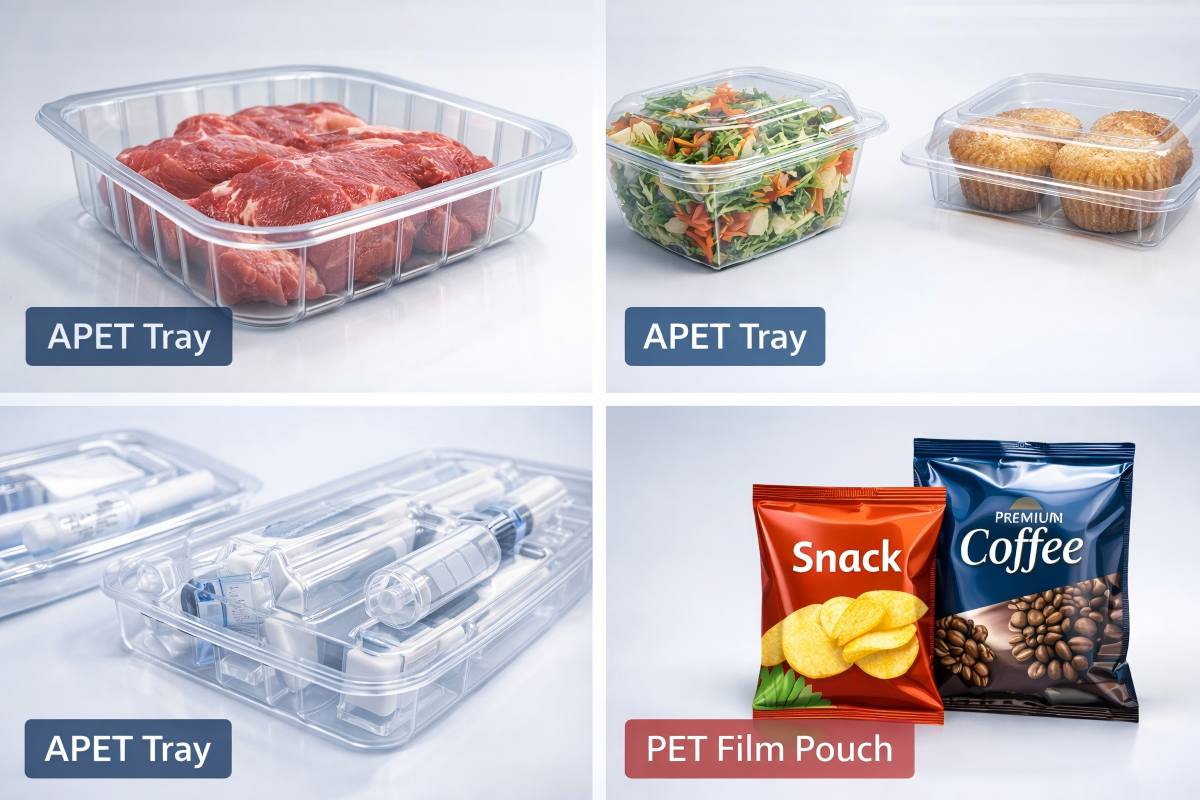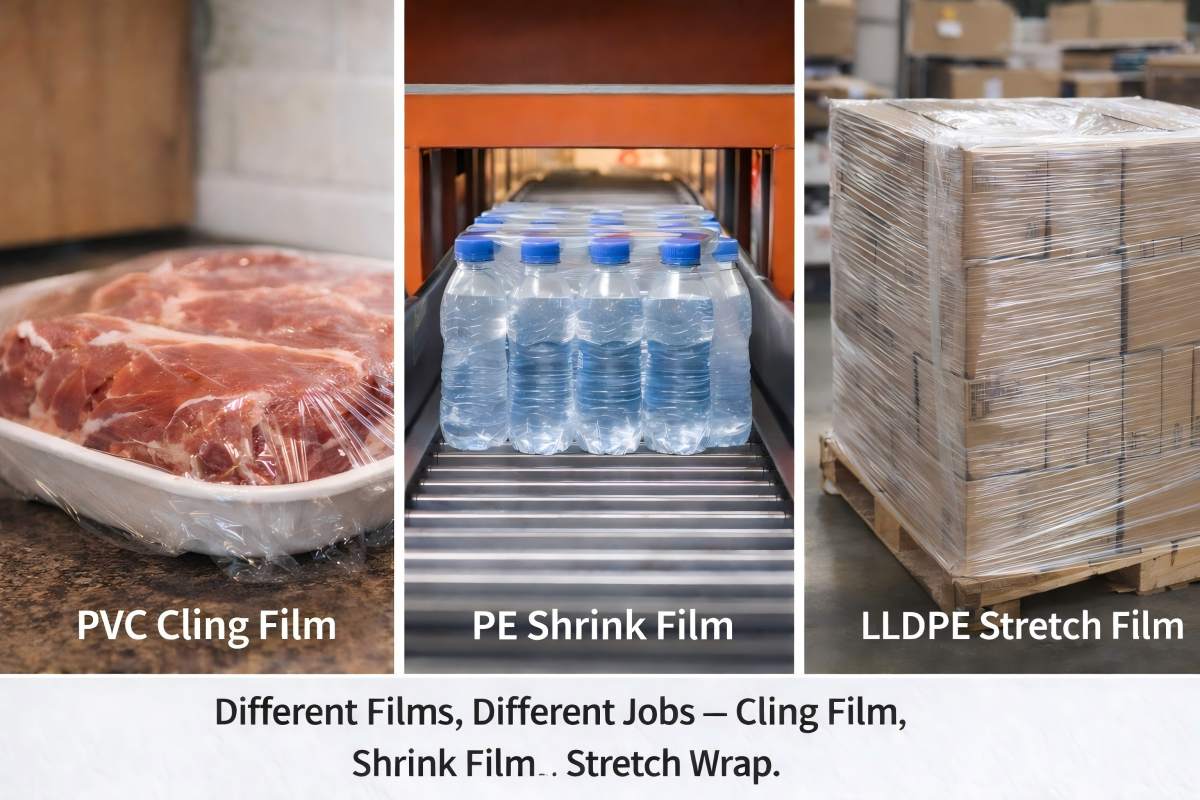
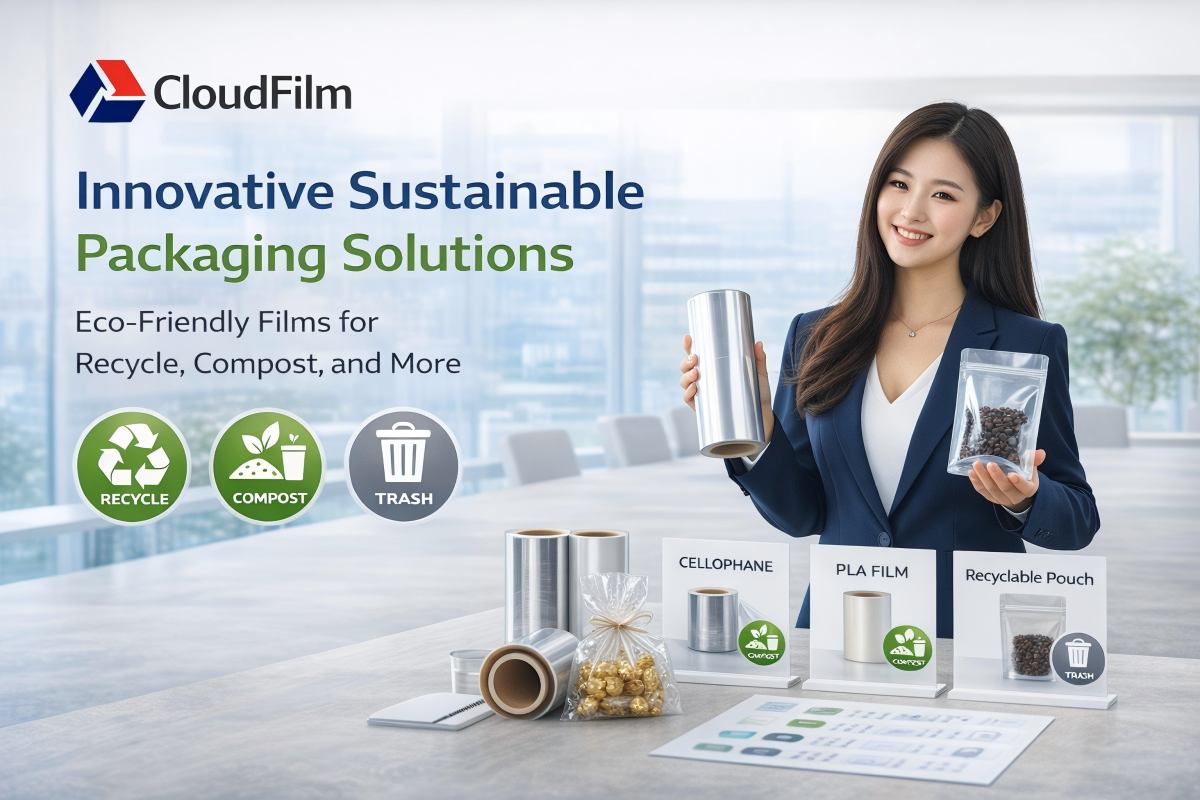
If you search online for a simple answer to “Is cellophane recyclable?”, you will often see confusing and even conflicting information. Some pages say yes. Some say no. Some mix up recyclable, biodegradable, and compostable as if they mean the same thing.
They do not.
For packaging buyers, brand owners, importers, and sustainability teams, this confusion can lead to the wrong material choice, incorrect on-pack claims, and poor disposal guidance for end users. That is why this topic matters so much. If you use cellophane for bakery, confectionery, gifts, stationery, cosmetics, or retail overwrap, you need a clear answer that is practical, not just technical.
The short answer is this: cellophane is usually not accepted in most normal curbside recycling systems, but some cellophane grades may be biodegradable or compostable depending on the exact structure, coating, certification, and local waste program. That means the right question is not only “Is cellophane recyclable?” but also “What kind of cellophane is it?” and “What waste system is available in the target market?”
For buyers sourcing sustainable flexible packaging, the best choice is not always the material with the greenest image. The best choice is the one that matches your product, shelf-life target, converting process, and the real disposal route in your sales region.
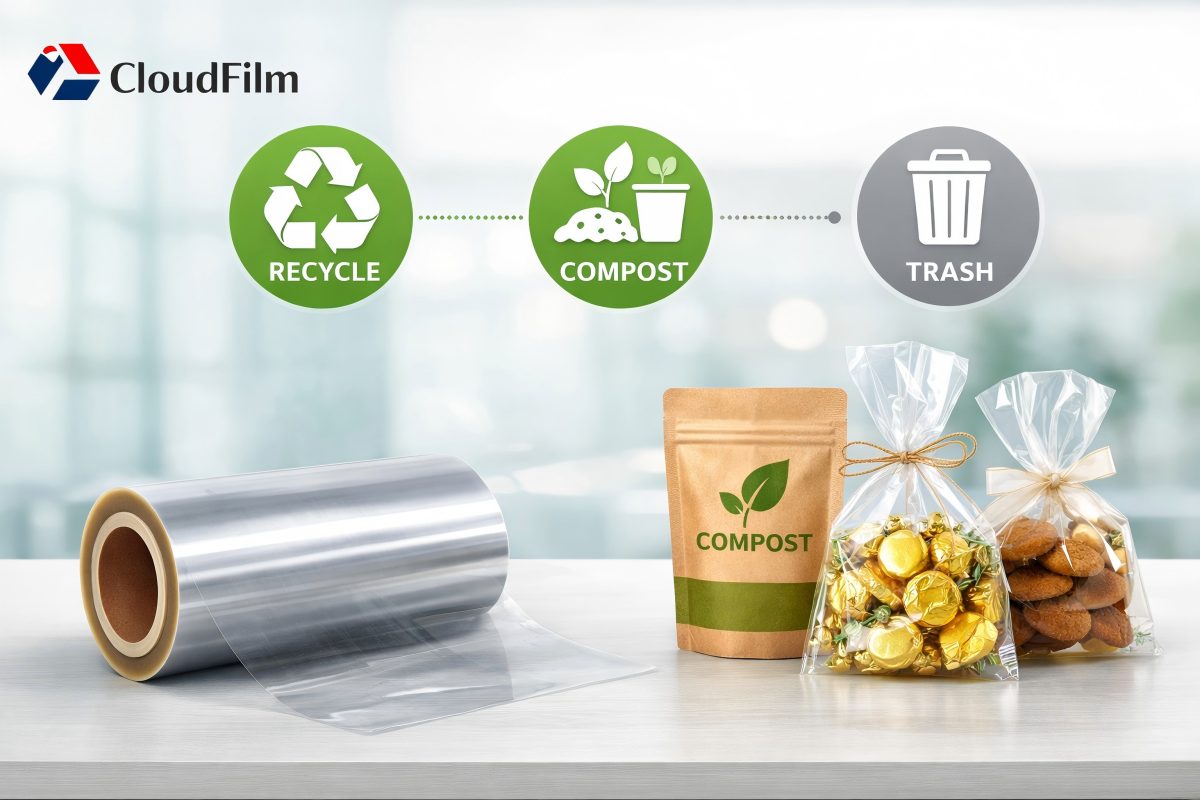
What Is Cellophane, Exactly?
Cellophane is a regenerated cellulose film, usually made from wood pulp or other plant-based cellulose sources. In simple terms, it is not the same as standard petroleum-based plastic film such as PE, PP, or PET.
This is one reason why people often assume cellophane must be recyclable in the same way as plastic film. But that assumption is not correct. A material can be bio-based or biodegradable and still not fit into the existing recycling stream.
In packaging, cellophane is valued for several reasons. It offers strong visual appeal, good gloss, good transparency, and a distinctive natural feel. Some grades also offer breathability, anti-static properties, and good aroma barrier. Because of these features, it is widely used in candy wraps, bakery packs, gift wraps, stationery packaging, and other premium overwrap applications.
If you want to understand how this material is positioned in a product portfolio, CloudFilm’s cellophane film page is a good example of how regenerated cellulose film is presented for food, cosmetics, gifts, and industrial wraps.
Is Cellophane Recyclable?
In most cases, cellophane is not considered widely recyclable through normal curbside programs.
Why? Because most recycling systems are built around mainstream material streams such as PET bottles, HDPE containers, paperboard, metals, and in some markets certain PE films. Cellophane, even though it looks like plastic film, is a different material family. It does not automatically fit into the standard plastic film recycling flow, and many local systems do not sort or process it separately.
This is where many brands make a mistake. They see a clear flexible film and assume it can go wherever plastic film goes. But if a package is compostable or cellulose-based, it should not be mixed into ordinary plastic recycling unless the local system specifically accepts it. Doing so can create contamination problems.
So if your customer asks, “Can I put cellophane in the recycling bin?” the safest real-world answer is usually:
No, not in most standard household recycling programs. Please check the local instructions and the material certification first.
For export-oriented packaging manufacturers and suppliers, this point is very important. A disposal claim that is too broad can create both compliance risk and customer complaints. It is better to say “not widely curbside recyclable” than to promise universal recyclability.
Is Cellophane Compostable?
This is where the answer becomes more nuanced.
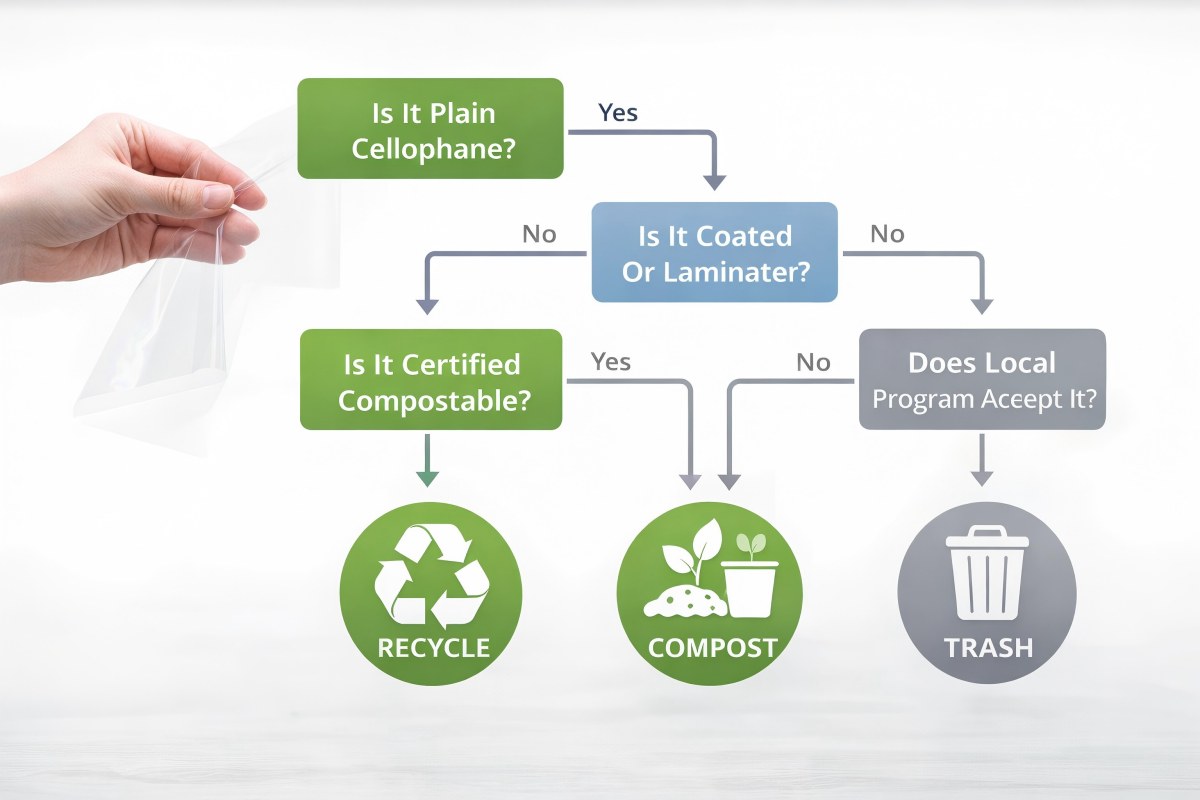
Some cellulose-based films are marketed as biodegradable or compostable, and some specific grades carry recognized compostability certifications. However, not all cellophane structures should be treated the same way.
A plain regenerated cellulose film is different from a coated cellophane film. A monolayer cellophane wrap is different from a laminated structure. A certified compostable grade is different from an uncertified one. Printing, adhesives, barrier coatings, metallization, and lamination can all change the correct disposal route.
In practical terms, you should check these five points before making any compostability claim:
1. The exact film grade
Do not rely on the generic word “cellophane.” Ask for the material specification.
2. Coating or lacquer
Some coatings improve heat sealability or barrier performance, but they may also change disposal performance.
3. Lamination structure
If cellophane is combined with PE, PET, foil, or another substrate, the end-of-life route can be very different.
4. Certification
Look for certification linked to the exact film or structure, not just the material family.
5. Local composting access
Even if a film is certified compostable, the local market may only support industrial composting, not home composting.
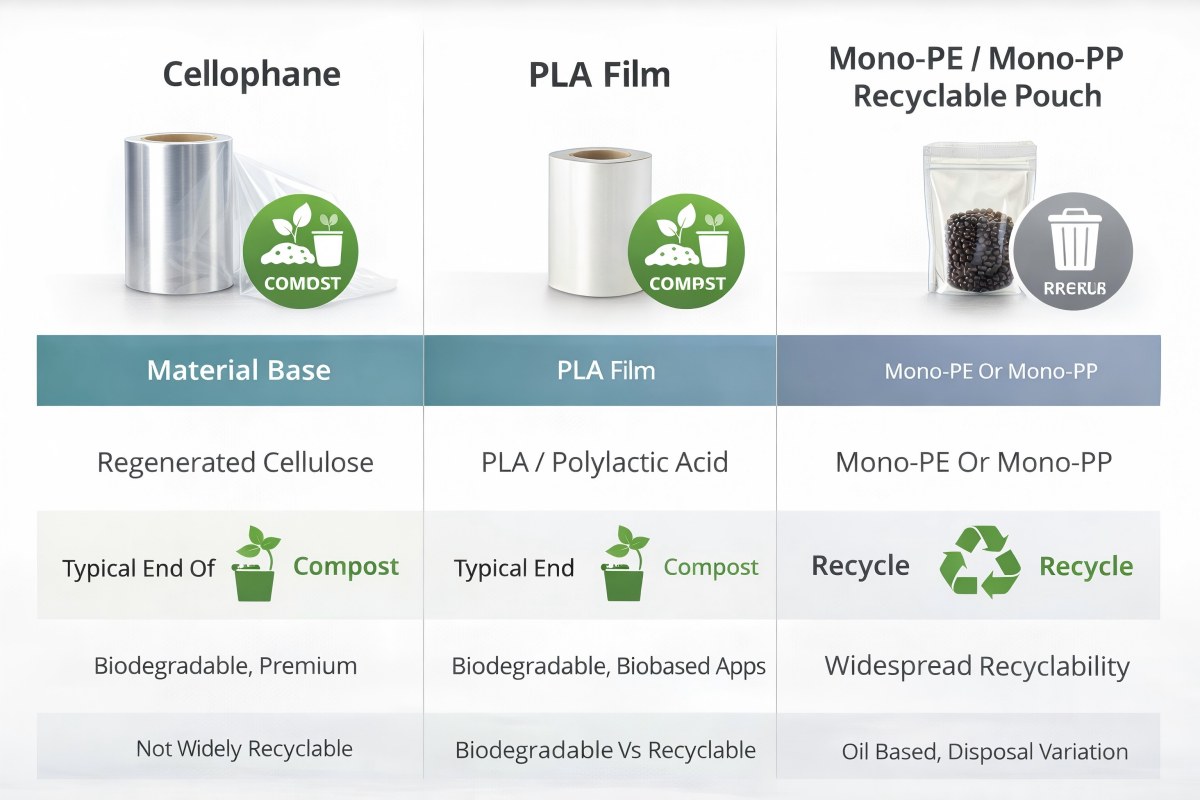
This is why many serious packaging buyers compare cellophane with other bio-based options such as PLA film or broader cellulose and compostable structures. If the project goal is compostability rather than recyclability, the choice must be driven by certification, converting performance, and the disposal system in the destination market.
For brands building a full sustainable packaging roadmap, CloudFilm’s biodegradable film series and its compostable flexible packaging guide are both relevant internal destinations for users who want to go deeper into compostable packaging options.
When Should Cellophane Go In The Trash?
Although it may sound less “green,” there are many situations where trash is actually the more honest instruction.
Cellophane or cellulose packaging may need to go in the trash when:
- the structure is laminated with plastic or foil
- the film has unknown coatings or unknown composition
- the pack is contaminated with food, grease, or product residue
- the local recycling program does not accept the material
- the local composting system does not accept certified compostable packaging
- the package carries no clear disposal instruction
This is not a failure of the material. It is a reminder that end-of-life claims must match real infrastructure.
In sustainability communication, many companies now move away from oversimplified statements like “eco-friendly” and instead explain the actual disposal route in clear language. That is much more useful for both consumers and procurement teams.
Why Do Brands Still Choose Cellophane?
If cellophane is not widely recyclable, why do so many brands still use it?
Because packaging selection is never based on one factor only.
Cellophane remains attractive for many products because it offers a strong balance of appearance, handling, and sustainability positioning. It is especially valued in applications where brands want a natural-looking transparent wrap or a premium overwrap that feels different from ordinary plastic film.
Common reasons buyers choose cellophane include:
Excellent clarity and gloss
It gives products a clean, premium look on shelf.
Good product presentation
It is often used where visual appeal matters, such as confectionery, bakery, gifts, and seasonal items.
Natural material story
Because it is cellulose-based, it supports a different sustainability message from oil-based plastics.
Useful technical behavior
Depending on the grade, it may offer breathability, anti-static performance, or aroma barrier suited to specific products.
Strong fit for selected markets
In some applications, compostable or cellulose-based packaging aligns better with brand goals than recyclable plastic structures.
For food-related applications where freshness, compliance, and appearance all matter, a related internal reference can be CloudFilm’s food packaging film page, which helps users move from general sustainability questions to actual packaging project requirements.

Cellophane Vs Recyclable Plastic Film: Which Is Better?
This is the real business question.
Many buyers do not actually need “the greenest sounding film.” They need the best-performing structure with the best realistic end-of-life option.
Choose cellophane when:
- you want a cellulose-based material story
- you are targeting compostable or biodegradable positioning
- your product benefits from gloss, transparency, and a premium natural appearance
- your destination market can support the intended disposal claim
- the barrier demand and pack structure match available cellophane grades
Choose recyclable mono-material PE or PP when:
- your main goal is compatibility with developing recycling systems
- you are replacing traditional mixed laminates such as PET/AL/PE
- you need scalable supply for pouches, roll stock, or export programs
- you want packaging designed around PE or PP collection streams
That is why many converters and brand owners now evaluate cellophane and mono-material films side by side instead of treating them as direct substitutes. In some markets, a compostable cellulose route is the right answer. In other markets, a designed-for-recycling PE or PP route is more practical.
For users exploring the recycling route, CloudFilm’s recyclable flexible packaging guide explains why mono-material design matters, while its recyclable pouches page is a strong commercial landing point for snack, coffee, pet food, and household packaging projects.
This comparison is especially important for B2B buyers. A packaging manufacturer or supplier should never recommend cellophane only because it sounds sustainable. The recommendation should come from product type, barrier target, machine conditions, export market, certification needs, and disposal reality.
How A Cellophane Film Manufacturer Should Guide Buyers
A professional manufacturer or supplier should not simply sell “cellophane rolls.” They should help the buyer define the correct structure.
If you are sourcing from a cellophane film supplier, ask these questions first:
What product will be packed?
Bakery, candy, cosmetics, stationery, and gift wrap all have different needs.
What shelf life is required?
Short-shelf-life dry goods are very different from oxygen-sensitive foods.
Is heat sealability needed?
Some applications need coated or sealable grades.
What claim will appear on the package?
“Biodegradable,” “compostable,” and “recyclable” are not interchangeable.
Which country will sell the product?
Disposal infrastructure changes by market.
Is the pack monolayer or laminated?
End-of-life and compliance can change significantly once more layers are added.
Best Practice: How To Label Cellophane Packaging Correctly
If you are a brand owner, do not use broad wording such as:
- “100% recyclable everywhere”
- “eco-friendly packaging”
- “green film”
- “planet safe wrap”
These phrases are weak, vague, or risky.
Instead, use claim language that is specific and supportable, such as:
- “Made from regenerated cellulose”
- “Check local composting acceptance”
- “Not widely accepted in curbside recycling”
- “Industrial compostable where facilities exist”
- “Please follow local disposal guidance”
- “Structure and certification available on request”
This kind of wording is more credible and more useful. It also matches the direction of global sustainability communication, where clear and limited claims are better than aggressive marketing language.
FAQ: Is Cellophane Recyclable?
1. Is cellophane recyclable in normal household recycling bins?
Usually no. Most standard curbside systems do not widely accept cellophane.
2. Is cellophane plastic?
Traditional cellophane is regenerated cellulose, not a typical petroleum-based plastic like PE or PET.
3. Is all cellophane compostable?
No. Compostability depends on the exact grade, coating, lamination, certification, and local composting system.
4. Can I put compostable cellophane in plastic recycling?
No. Compostable packaging should not be mixed into plastic recycling streams.
5. Is biodegradable the same as compostable?
No. A material may biodegrade over time, but compostability usually requires defined conditions and recognized standards.
6. Can coated cellophane still be compostable?
Sometimes, but never assume. You must check the exact film specification and certification.
7. Is cellophane good for food packaging?
Yes, many grades are used for food packaging, especially confectionery, bakery, and premium wraps, but the correct grade must match the application.
8. What industries commonly use cellophane?
Food, confectionery, bakery, gifts, stationery, cosmetics, pharmaceuticals, and retail overwrap are all common areas.
9. What is the main advantage of cellophane?
It combines transparency, premium appearance, and a cellulose-based material story.
10. What is the main limitation of cellophane?
It is not widely accepted in normal recycling streams, and disposal guidance can become complex when coatings or laminations are added.
11. Should I choose cellophane or mono-material PE packaging?
Choose based on the real project goal. If compostability and cellulose-based branding are the priority, cellophane may fit better. If practical recyclability is the priority, mono-material PE or PP may be the better route.
12. What should I ask a cellophane film manufacturer before ordering?
Ask about film grade, thickness, coating, heat sealability, certification, printing, lamination, food-contact suitability, and recommended disposal claim for your target market.
13. Can cellophane be used for custom printed packaging?
Yes, depending on the structure and conversion method. Buyers should confirm print performance, ink system, and final disposal impact before approval.
14. Is cellophane suitable for export packaging projects?
Yes, but only when the supplier also helps you align the structure and claims with your destination country’s packaging expectations and disposal infrastructure.

Final Thoughts
So, is cellophane recyclable?
In most real-world cases, not through normal curbside recycling. But that does not mean cellophane is a poor packaging material. It simply means that sustainability must be judged by the full system: material type, product need, coating, certification, disposal route, and local infrastructure.
For some brands, cellophane is the right answer because a cellulose-based, compostable-oriented packaging story fits the product and market. For other brands, a recyclable mono-material PE or PP structure will be more practical and scalable.
The smartest packaging decision is not based on trends. It is based on fit.
If you are a packaging buyer, converter, or brand owner comparing cellulose film with other flexible packaging options, work with a manufacturer that can explain not only the material itself, but also the claim language, converting behavior, and disposal reality behind it. That is how good packaging decisions are made.