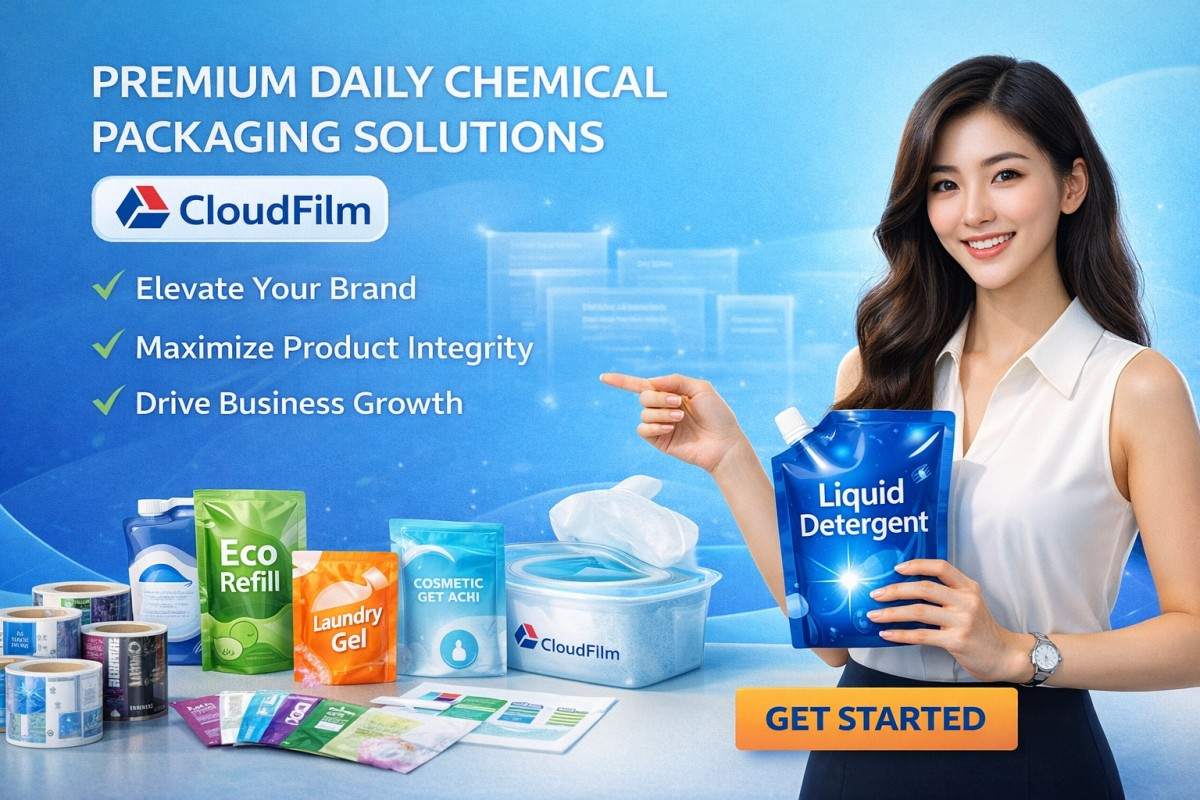
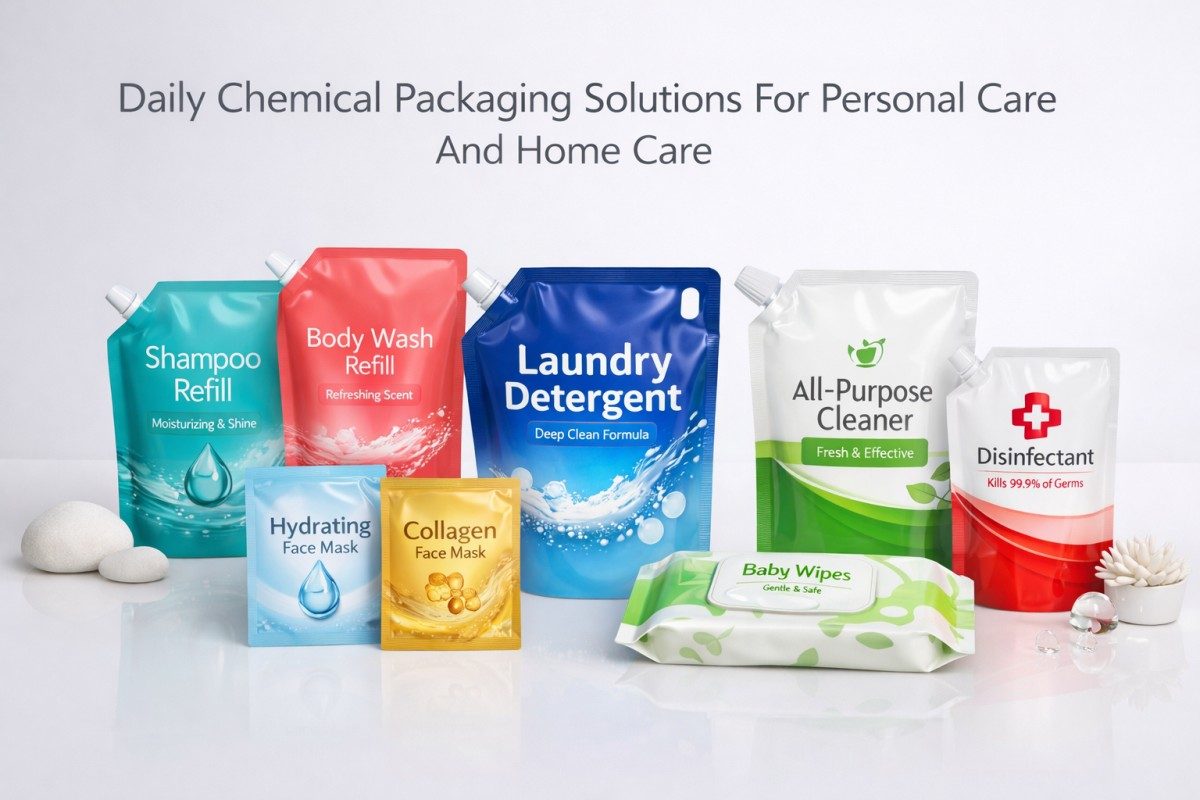
Daily chemical packaging is all around us.
It is used for shampoo, shower gel, facial masks, wet wipes, laundry detergent, fabric softener, dishwashing liquid, hand wash, skin care samples, household cleaners, and many other personal care and home care products.
For brand owners, importers, private labels, distributors, and packaging buyers, daily chemical packaging is not only about making a pack look nice. It is also about leak prevention, chemical compatibility, sealing stability, shelf appeal, refill convenience, transport efficiency, and cost control.
For teams building more than one SKU or product line, it often helps to think in terms of broader custom flexible packaging solutions for brands instead of treating each pouch as a separate project.
A good daily chemical package should do five things at the same time. It should protect the product, match the filling process, support the brand image, work well in logistics, and stay commercially realistic.
That is why the best packaging choice is rarely the cheapest film on paper. The right choice is the structure and format that work in real production and real sales.
What Is Daily Chemical Packaging?
In practical business terms, daily chemical packaging means packaging used for everyday consumer chemical products.
This usually includes personal care, beauty care, hygiene care, and household cleaning products. Common examples are shampoo, conditioner, hand cream, body lotion, hand wash, facial mask essence, detergent, disinfectant, floor cleaner, fabric softener, and stain remover.
These products are used often, bought often, and compared quickly on the shelf or online. Because of that, packaging in this category must balance both function and appearance.
If you are new to the category, a broader flexible packaging solutions overview helps clarify how films, pouches, and lidding structures fit different product needs.
Why Daily Chemical Packaging Needs Special Attention
Daily chemical products are very different from dry snacks or simple commodity bags.
Many products are liquids or semi-liquids. Some contain surfactants, alcohol, oils, fragrances, salts, or active ingredients. Some need repeated squeezing. Some need easy pouring. Some must look premium on shelf. Some must survive e-commerce drops without leaking.
That means packaging buyers need to think beyond only thickness.
They need to look at sealing window, puncture resistance, drop-test strength, stiffness, softness, transparency, print effect, chemical resistance, and user experience.
For example, a shampoo refill pouch and a facial mask sachet are both daily chemical packs, but their structure logic is not the same. One may need stronger seals and a pouring function. The other may need better tear control, premium printing, and compact flat format.
Main Daily Chemical Product Categories
Personal Care
This includes shampoo, conditioner, shower gel, body wash, hand wash, hand cream, lotion, face mask products, bath salts, and travel-size beauty products.
For these products, packaging often needs a clean appearance, reliable sealing, and good print quality. In premium lines, matte finish, soft-touch feel, metallic effect, or transparent windows may also matter.
Home Care
This includes laundry detergent, fabric softener, dishwashing liquid, kitchen cleaner, toilet cleaner, disinfectant, and surface care products.
These products often focus on refill efficiency, strong sealing, chemical compatibility, and transport safety. For large refill packs, drop resistance and spout area strength become especially important.
Hygiene And Convenience Packs
This includes wet wipes, sample sachets, single-use skin care packs, small cleaning tablets or powder packs, and cup or tray-sealed convenience products.
These applications may use sachets, small pouches, or lidding structures depending on filling method and retail format.
Common Packaging Formats In Daily Chemical Products
There is no single best format for every product.
The right format depends on product viscosity, pack size, user habit, filling line, target market, and cost target.
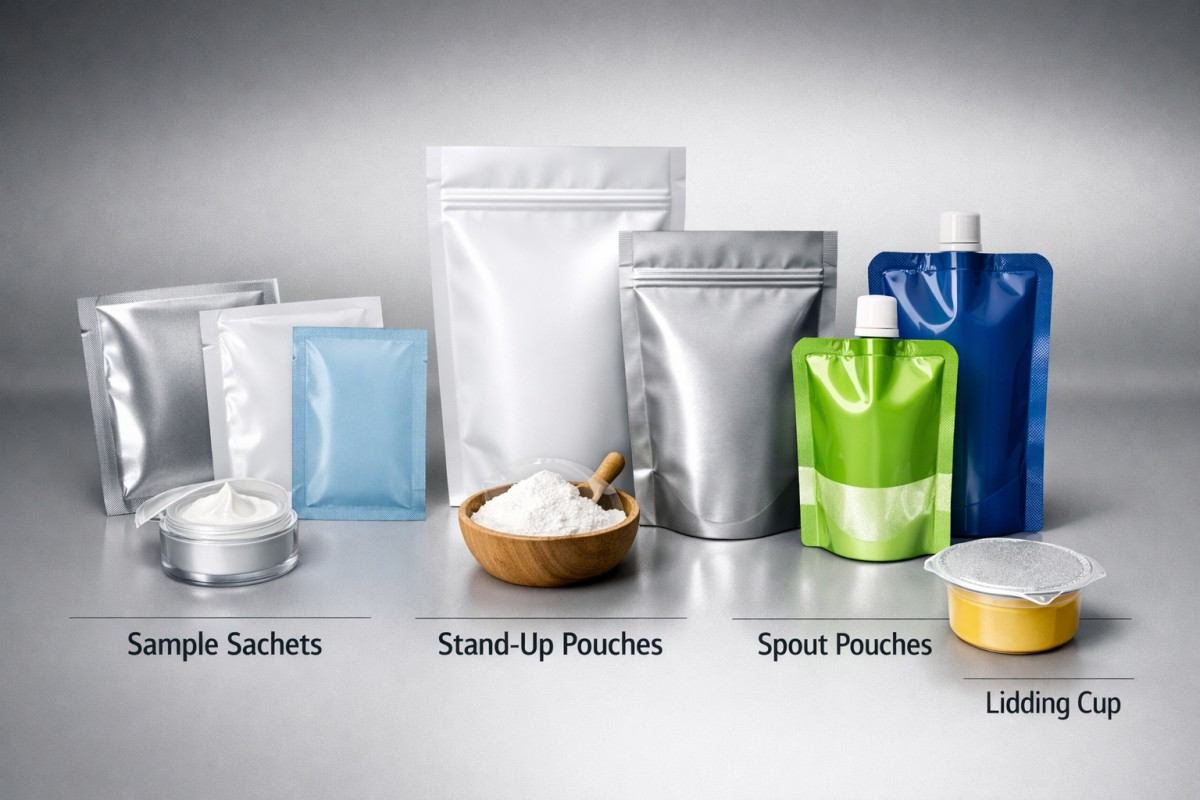
Sachets And Flat Packs
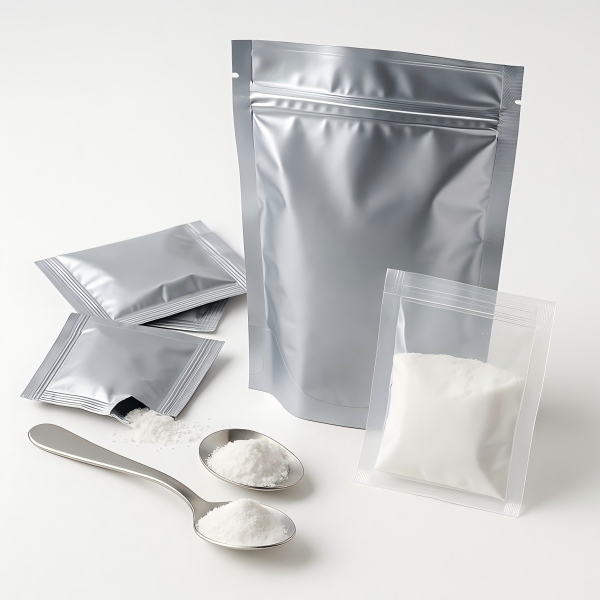
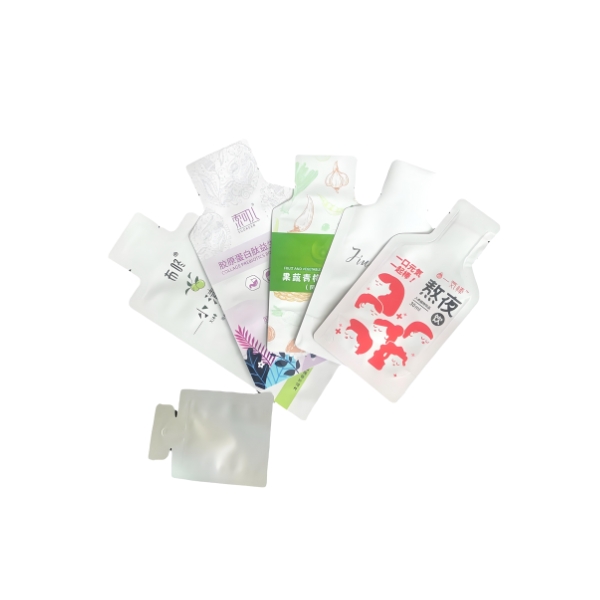
Sachets are common for face mask essence, cream samples, shampoo trial packs, and travel-size products.
They are compact, low-cost, and easy to distribute. They work well for promotions, hotel use, e-commerce inserts, and sample programs.
Stand-Up Pouches
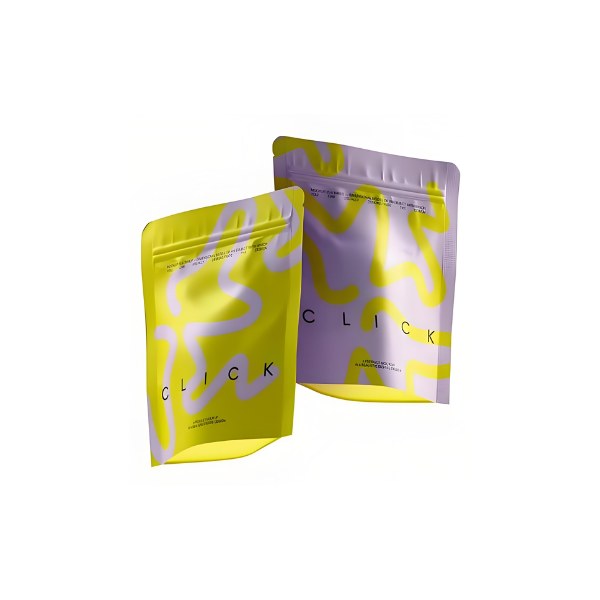
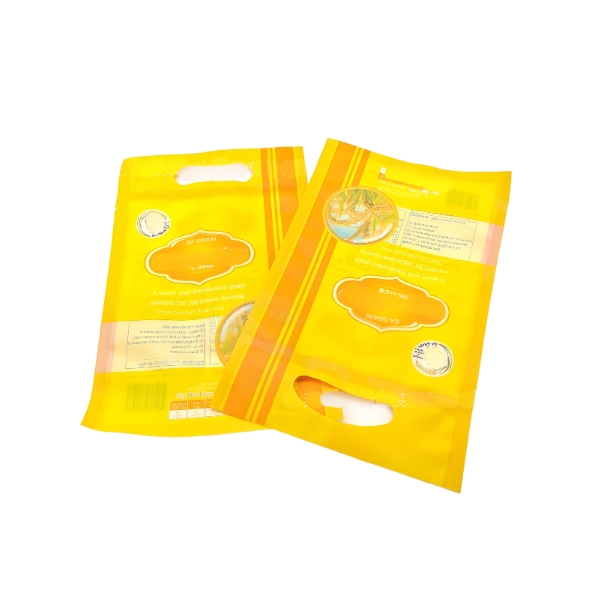
For powders, salts, wipes, and many refill products, stand up pouches are a strong option.
They offer good shelf display, more print area, and better volume efficiency than many rigid formats. They are widely used when brands want a modern look with practical filling and storage.
Liquid Pouches
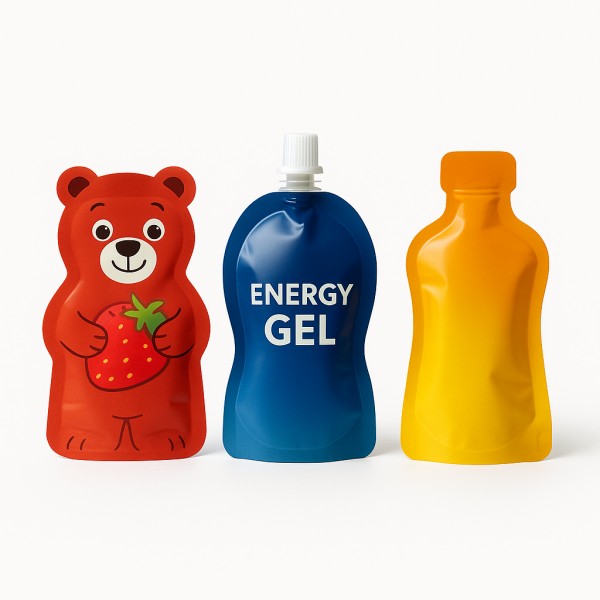
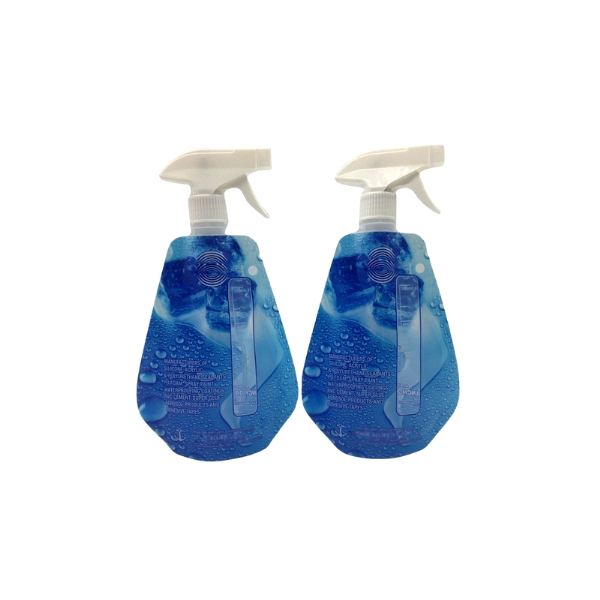
For lotions, detergents, gels, and similar products, liquid pouches give brands a lighter and more space-saving alternative to bottles.
They help reduce transport volume and can be designed in different shapes, sizes, and laminate structures depending on filling and shelf-life needs.
Spout Pouches
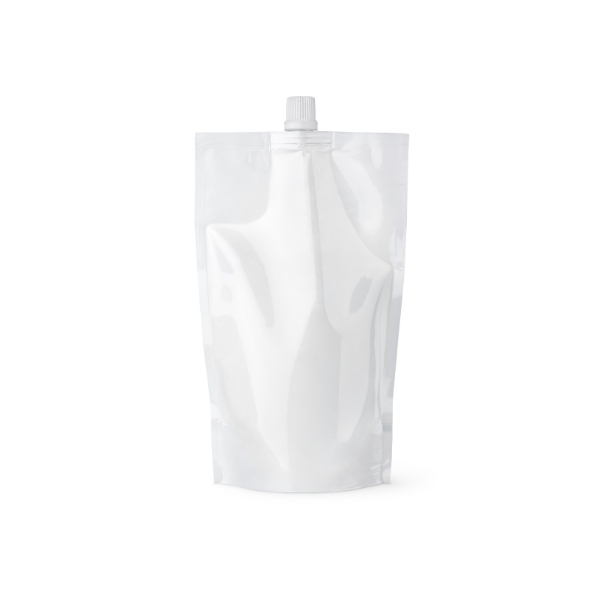
When controlled pouring matters, spout pouches are often the better choice.
They are especially suitable for shampoo refills, fabric softener refills, dishwashing liquid, hand wash, and other liquid daily chemical products. A good spout pouch improves convenience while reducing mess during use.
Lidding Packs
For some wipes, cream cups, gels, patches, and convenience packs, a lidding film guide can help buyers understand peelability, tray compatibility, and sealing logic.
This format is useful when the pack needs tamper evidence, easy opening, and clean portion control.
Common Material Structures And When To Use Them
The format is only half of the story.
The other half is the film structure.
A package can look almost the same on the outside but perform very differently in sealing, barrier, stiffness, and cost depending on the materials used.
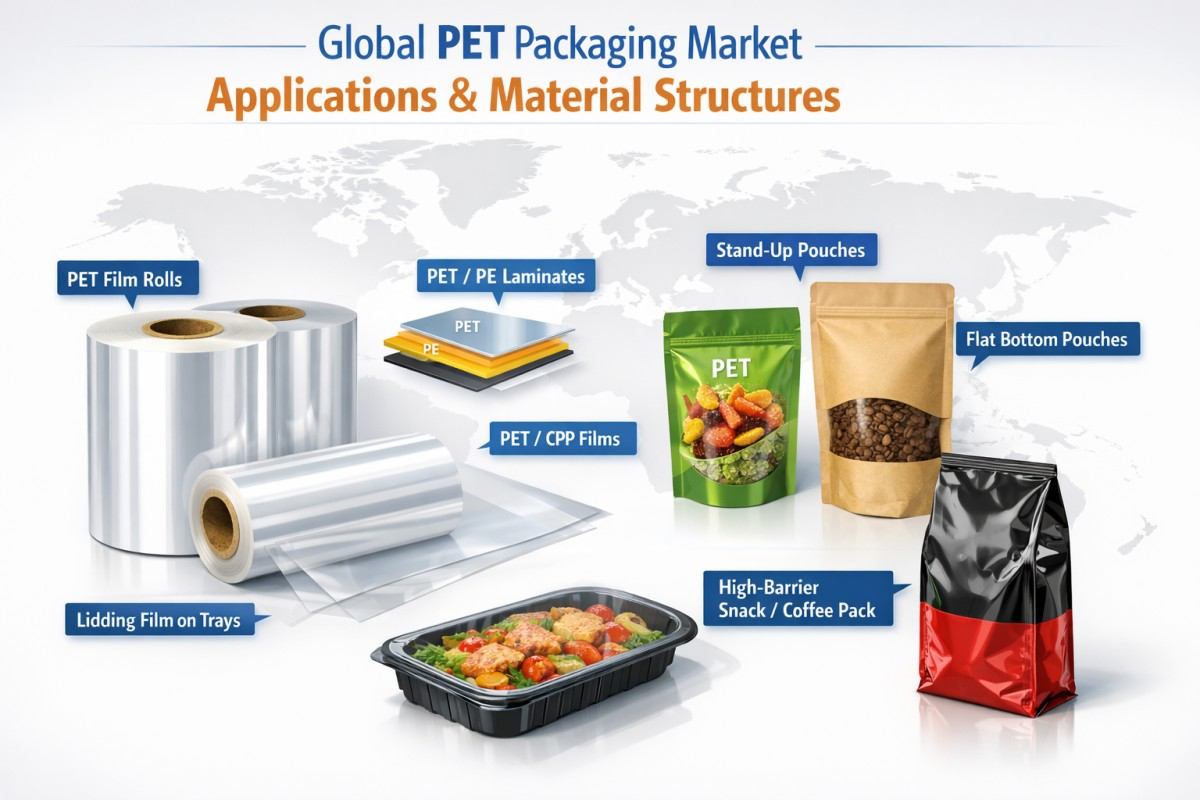
PET/PE
PET/PE is one of the most common flexible packaging structures.
PET gives printability, gloss, and stiffness. PE gives good sealability. This structure is widely used for many daily chemical pouches where clear appearance and stable sealing are important.
BOPP/PE
BOPP/PE can be useful where clarity, stiffness, and economy matter.
It may fit certain lightweight pouches or overwrap-style applications, although the exact choice depends on the product and filling conditions.
PA/PE
PA/PE gives stronger puncture resistance and toughness.
It can be a good option for heavier liquid products, demanding transport conditions, or applications where extra mechanical strength is needed.
Mono-PE And Recyclable PE Structures
For refill projects and material-reduction programs, mono-PE is getting more attention.
A practical PE packaging film guide is useful here because PE is often the key sealing and compatibility layer in daily chemical flexible packaging.
When brands want a stiffer print web in recyclable PE systems, MDO PE film becomes important. It helps create all-PE structures with better stiffness, better appearance, and better machine performance than soft PE alone.
How To Read Specifications More Clearly
Many packaging problems start before production.
They begin when the buyer and supplier do not describe the structure clearly enough. If your team wants better control over thickness, barrier, sealing, COF, and surface treatment, this guide to packaging film parameters is a very useful reference.
How To Match Packaging To Different Product Types
Shampoo, Shower Gel, And Hand Wash
These products are usually packed in sachets, stand-up refill pouches, or spout pouches.
Key concerns include leak resistance, seal strength, squeezing performance, and clean pouring. For refills, the pouch should also feel convenient in the hand and stand up well if needed.
Laundry Detergent And Fabric Softener
These products often need stronger pouch bodies and stronger seals, especially in larger refill sizes.
Because they are heavy and frequently moved in logistics, buyers should pay close attention to drop testing, bottom support, and the reinforcement around the spout or seal area.
Skin Care Samples And Facial Masks
These products usually focus more on visual effect and user opening experience.
Flat sachets are common. Depending on the formula, the pack may also need better barrier, neat tear opening, and premium surface finish.
Wet Wipes, Gels, Cups, And Small Convenience Packs
Some of these applications use pouches. Others use lidding over cups or trays.
The best solution depends on whether the product is single-use or multi-use, whether it is filled hot or cold, and whether consumers need easy peel, reclosure, or tamper evidence.
Powdered Or Tablet Home Care Products
Some daily chemical products are now moving from liquid to powder or solid formats to reduce shipping weight and packaging waste.
For these, stand-up pouches and refill pouches may be a very practical option, especially when moisture protection and brand presentation are both important.
Refill Packaging Is Becoming More Important
One of the biggest changes in daily chemical packaging is the rise of refill formats.
Many brands are moving part of their volume from rigid bottles to pouches. The reasons are simple: lower material use, lower transport cost, easier storage, and better shelf efficiency.
For brands that want to move in that direction, recyclable pouches are now an important packaging path, especially for shampoo, shower gel, detergent, and fabric softener refill lines.
That does not mean every product should use the same recyclable structure.
Real selection still depends on formula, filling conditions, shelf-life target, printing demand, and local recycling reality. A serious manufacturer or supplier should discuss all of these points before fixing the structure.
Print, Finish, And Brand Positioning
In daily chemical packaging, visual effect matters a lot.
Consumers often compare personal care and home care products in a few seconds. Packaging needs to communicate cleanliness, value, safety, fragrance, softness, freshness, or premium quality very quickly.
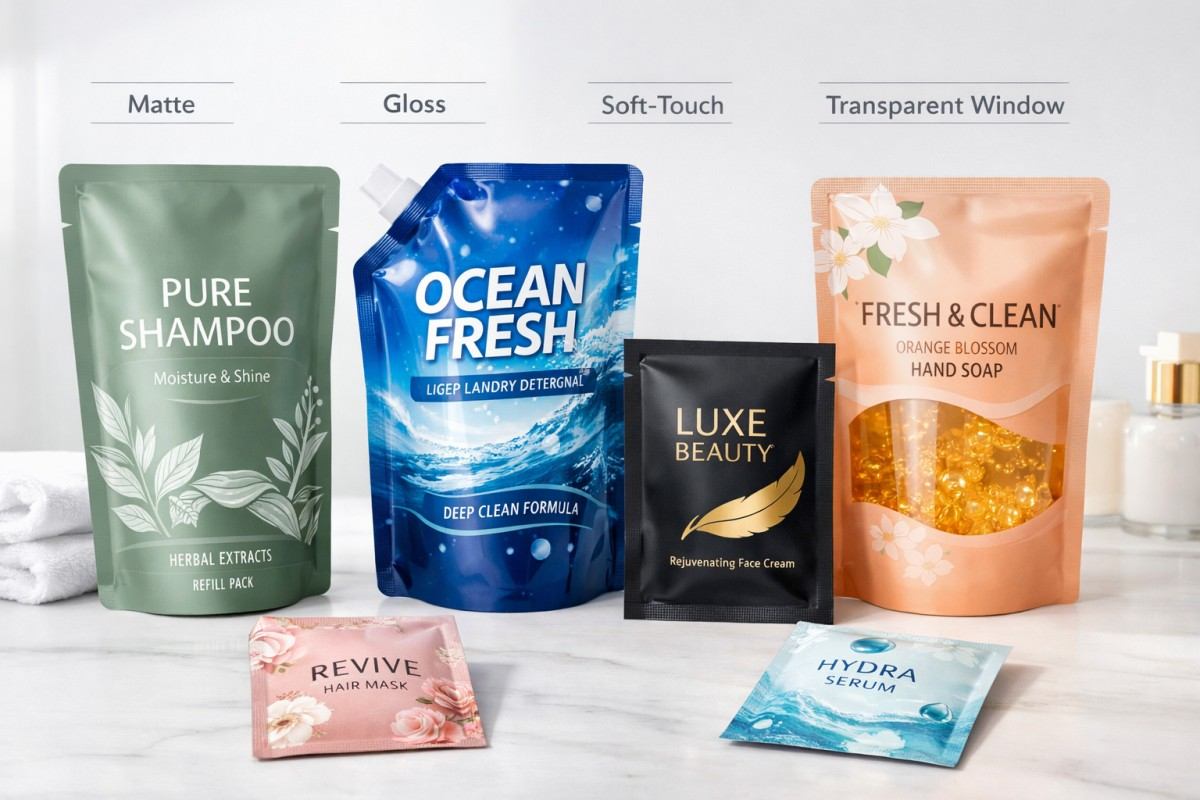
That is why finish selection matters. Gloss can feel bright and energetic. Matte can feel premium and calm. Transparent windows can show product visibility. White layers can make colors pop. Metallic or soft-touch effects can create stronger shelf impact.
For brands with many SKUs, trial launches, seasonal versions, or lower initial volumes, digital flexible packaging can be very useful. It helps reduce setup barriers and makes artwork updates faster.
What Buyers Should Prepare Before Asking For A Quote
If you want a supplier to recommend the right structure quickly, your inquiry should be as clear as possible.
A good brief should include:
- Product type and whether it is liquid, gel, cream, powder, tablet, or wipe.
- Pack size and fill weight or volume.
- Preferred pouch style, such as sachet, stand-up pouch, or spout pouch.
- Target material direction, if known.
- Need for barrier, transparency, premium finish, or recyclability.
- Filling method and sealing conditions.
- Printing requirement and number of SKUs.
- Expected order quantity.
- Destination market.
- Special testing needs, such as drop test, leakage test, or chemical compatibility.
The clearer your data, the faster a manufacturer can move from guesswork to a real recommendation.
How Brands Choose The Right Manufacturer Or Supplier
In daily chemical packaging, supplier selection should not be based only on price.
A capable manufacturer should understand both film and final application. That means not only knowing resin names, but also knowing how real shampoo, detergent, lotion, or wipe packs behave in production and transport.
A good supplier should be able to discuss material structure, sealing layer, pouch format, print method, testing plan, and export details in one conversation.
It is also helpful when the supplier can support both films and converted pouches. That shortens communication and reduces the risk of mismatch between material recommendation and final pack performance.
Buyers should also look for sample support, clear specification control, stable lead times, and practical problem-solving attitude.

FAQ
1. What does daily chemical packaging include?
It usually includes packaging for personal care, beauty care, hygiene care, and household cleaning products, such as shampoo, lotion, detergent, wipes, facial masks, and refill packs.
2. What is the best packaging format for shampoo?
There is no single answer. Sachets work for samples. Stand-up or spout pouches work well for refills. The best format depends on fill size, brand level, and user experience target.
3. When should I use a spout pouch instead of a normal pouch?
Use a spout pouch when the product needs cleaner pouring, easier reclosure, and better control during use. This is common for detergents, shampoos, and hand wash refills.
4. Are stand-up pouches suitable for daily chemical products?
Yes. They are widely used for refill packs, powders, salts, wipes, and many personal care applications because they display well and use space efficiently.
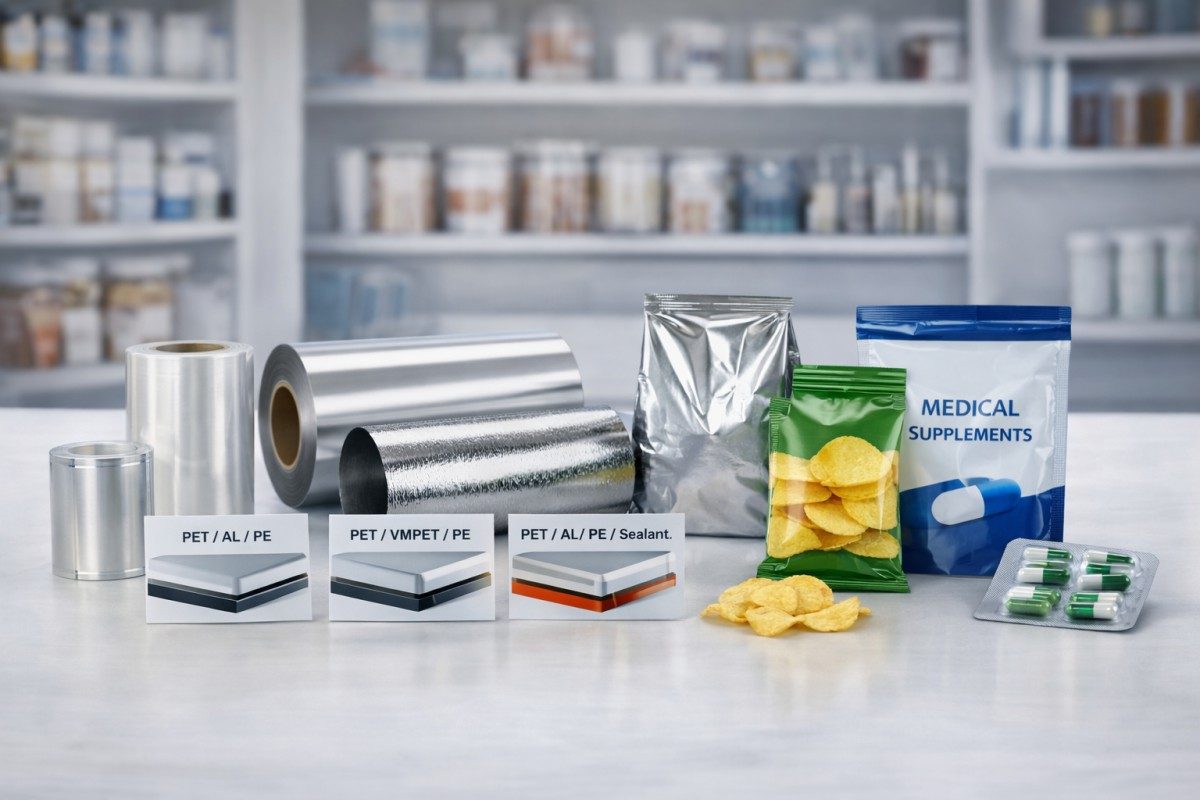
5. Do daily chemical products need high barrier films?
Some do, some do not. It depends on fragrance retention, formula sensitivity, shelf-life target, and whether the product contains active ingredients that need better protection.
6. Is mono-PE a good choice for refill packaging?
It can be a strong choice for many refill projects, especially when recyclability is an important target. But it must still be checked against product formula, filling line, and pack performance needs.
7. What is the biggest risk in liquid daily chemical packaging?
Leakage is usually the biggest practical risk. Poor seal design, weak corners, wrong structure choice, or weak spout reinforcement can all cause problems.
8. Can one supplier provide both rollstock and finished pouches?
Yes, and that is often a big advantage. It can improve technical communication and reduce delays between material design and pouch conversion.
9. What printing finish is best for premium personal care products?
Many premium brands prefer matte, soft-touch, metallic details, or a mix of matte and gloss. The best finish depends on your brand image and target price level.
10. Can daily chemical packaging be made in low MOQ?
In many cases, yes. MOQ depends on size, structure, printing method, and production route. Trial orders and digital printing options may help reduce the starting level.
11. What information should I send first to get a useful quotation?
Send product type, pack size, filling form, target pouch style, printing need, estimated quantity, and destination market. The more complete the brief, the more accurate the offer.
12. How should I test a new daily chemical package?
Start with sample evaluation, then run sealing tests, leakage tests, filling-line checks, transport simulation, and real-use validation before large-scale launch.
Final Thoughts
Daily chemical packaging is not a small technical detail.
It affects product protection, user experience, shelf image, transport efficiency, and long-term brand cost.
The best packaging choice is usually the result of matching the right format, the right material structure, and the right supplier support to the real product.
For buyers, the goal should not be to ask for “any pouch” or “any film.”
The goal should be to define what the product really needs, and then work with a manufacturer or supplier that can turn that need into stable, sellable packaging.