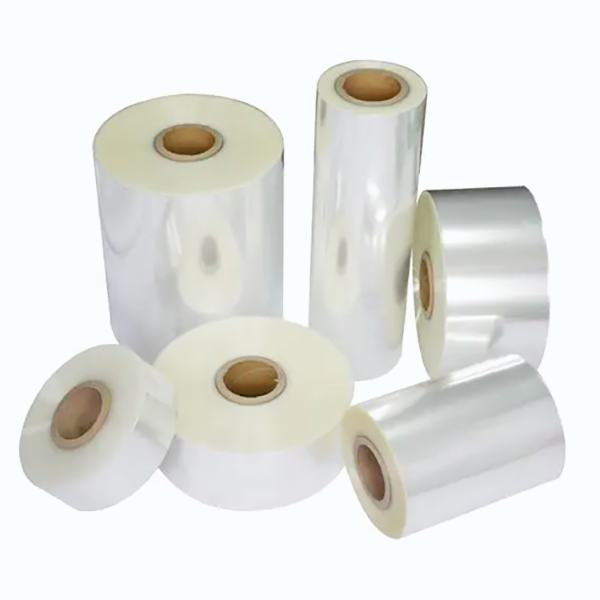
Choosing the right BOPP film thickness is one of the most important decisions in flexible packaging, label production, lamination, overwrap, and in-mold labeling projects. A film that is too thin may not provide enough stiffness, machinability, or handling strength. A film that is too thick may increase cost, reduce yield, and make the final package heavier than necessary.
For packaging buyers, converters, printers, and brand owners, BOPP thickness is not just a number on a technical data sheet. It affects roll yield, packaging appearance, machine speed, printing stability, sealing performance, barrier level, and total packaging cost.
This guide explains the most common BOPP film thickness ranges, how different microns are used, and how to choose the right grade for your packaging project.
What Is BOPP Film Thickness?
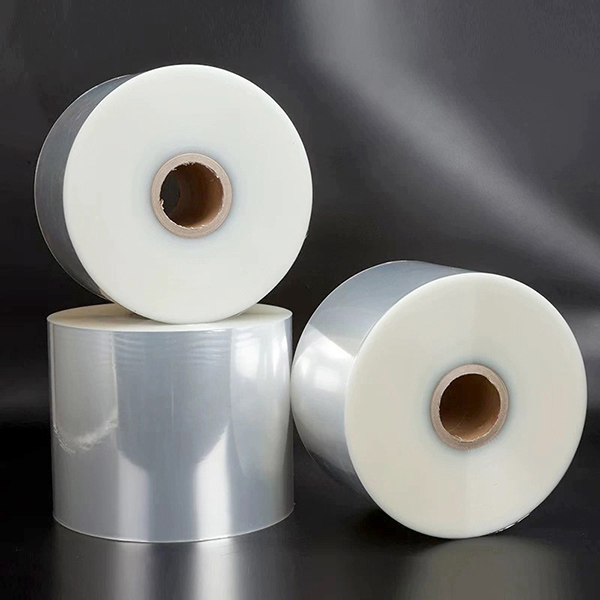
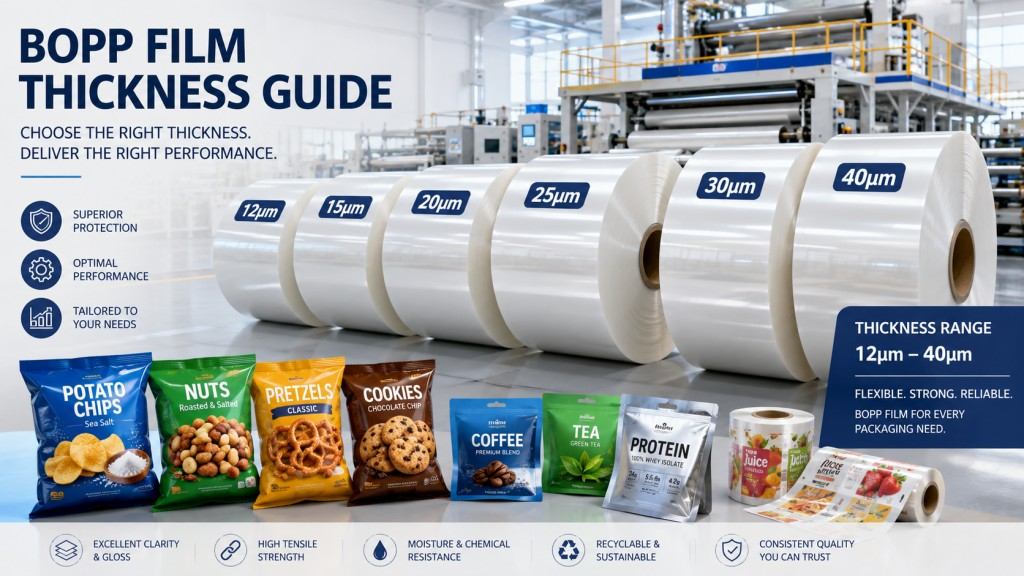
BOPP film thickness refers to the physical thickness of biaxially oriented polypropylene film. It is usually measured in microns, written as µm or micron. For example, 12µm BOPP film means the film thickness is 12 microns, or 0.012 mm.
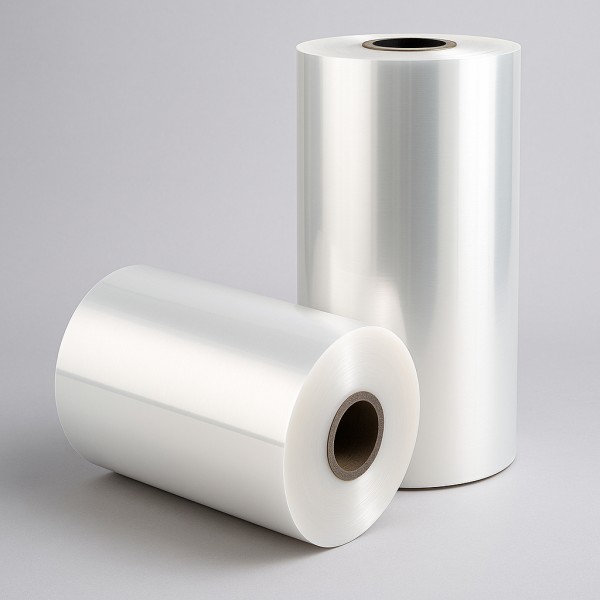
BOPP is produced by stretching polypropylene film in both the machine direction and transverse direction. This biaxial orientation gives the film good clarity, stiffness, tensile strength, gloss, and moisture resistance. Because of this balance of properties, BOPP film is widely used for food packaging, labels, tapes, overwrap, lamination, and decorative packaging.
If you are comparing different BOPP grades, thickness is usually one of the first specifications to confirm. However, thickness alone is not enough. The buyer also needs to consider film type, surface treatment, slip level, COF, sealability, barrier performance, width, roll diameter, and final application.
For a broader view of available BOPP grades, you can review CloudFilm’s BOPP film product range.
Common BOPP Film Thickness Range
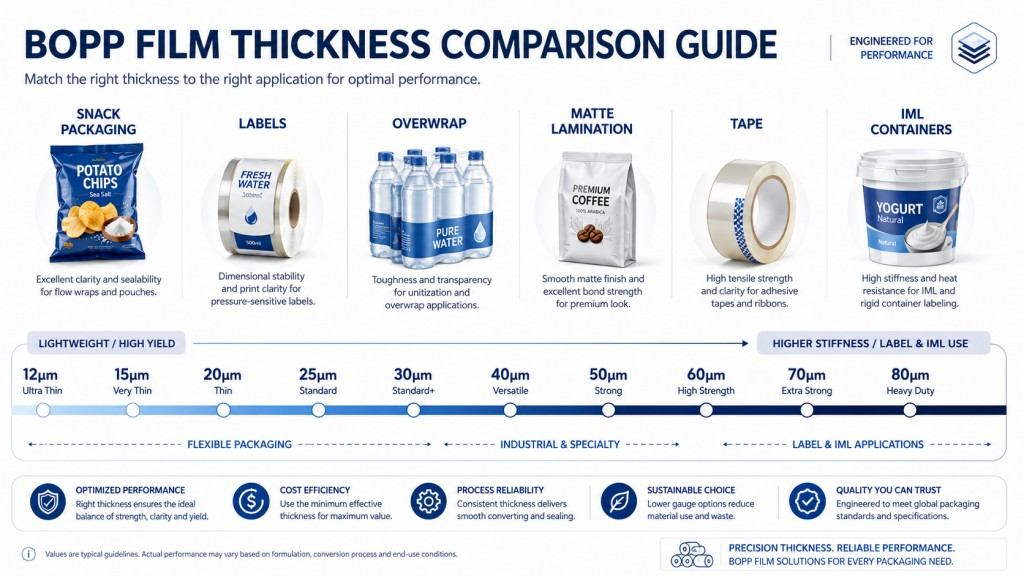
BOPP film can be supplied in many thicknesses, depending on the film grade and application. In flexible packaging, common thicknesses often include 12µm, 15µm, 18µm, 20µm, 25µm, 30µm, 35µm, 40µm, 50µm, 60µm, 70µm, and 80µm.
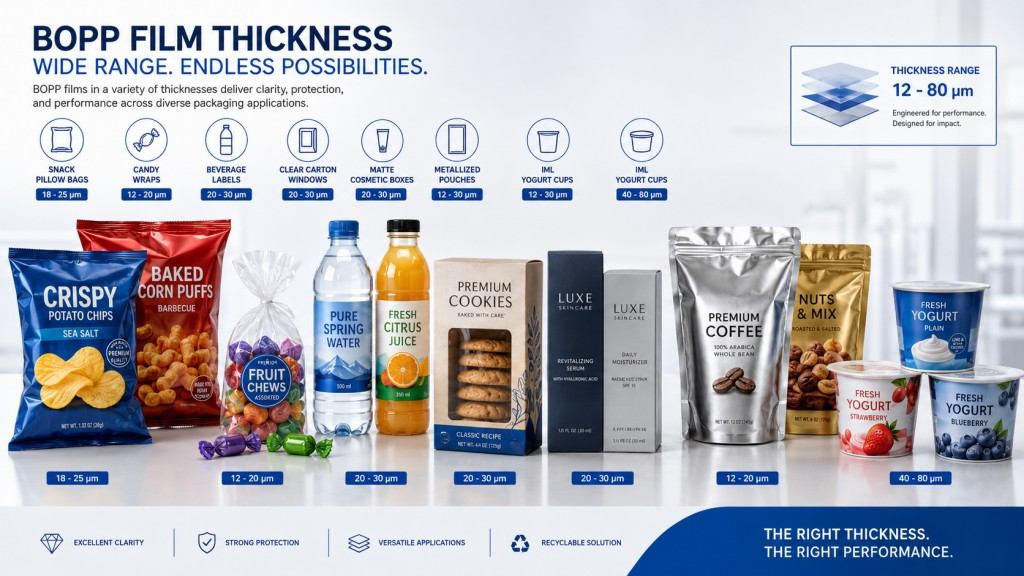
The most suitable thickness depends on whether the film is used as a printing layer, outer web, sealant web, label film, tape base film, overwrap film, matte film, metallized film, anti-fog film, or IML film.
Below is a practical reference table for buyers.
| Thickness Range | Common Use | Typical Buyer Concern |
|---|---|---|
| 12µm | Snack packaging, candy wraps, dry food laminates, carton windows | High yield, gloss, light weight |
| 15–18µm | Printing film, lamination film, labels, overwrap | Balance of stiffness and cost |
| 20–25µm | General packaging, larger labels, stronger overwrap | Better stiffness and handling |
| 25–35µm | Matte BOPP, gloss BOPP, premium packaging, paper lamination | Appearance, strength, flatness |
| 30–40µm | Tape film, stronger labels, specialty packaging | Tensile strength and processing |
| 40–80µm | IML film, thick labels, molded containers | Dimensional stability and stiffness |
These ranges are general references. The final specification should always be confirmed according to your packing machine, product weight, film structure, printing method, and required performance.
12 Micron BOPP Film: High Yield For Snack And Candy Packaging
12µm BOPP film is one of the most widely used gauges in flexible packaging. It is especially popular for snack packs, candy wrappers, biscuits, dry food laminates, and carton windows.
The main advantage of 12µm film is yield. Because the film is thinner, one kilogram provides more square meters than thicker gauges. This can help reduce material cost per pack when the structure is designed correctly.
A typical application is a printed 12µm BOPP outer layer laminated to CPP, PE, metallized BOPP, or another sealant film. In this structure, BOPP provides gloss, printability, and moisture resistance, while the inner layer provides sealing strength.
For buyers working on snack, candy, and dry food packaging, CloudFilm’s 12 micron BOPP film can be a useful starting point.
15–18 Micron BOPP Film: A Common Choice For Printing And Lamination
15µm and 18µm BOPP films are frequently used as printing and lamination layers. They provide better stiffness than 12µm while still keeping good yield and cost efficiency.
For converters, these thicknesses often run well on gravure, flexographic, and digital printing lines when the film has suitable corona treatment and surface quality. They can be used for snack packaging, food pouches, tissue overwrap, labels, and general flexible packaging structures.
When the printed web must maintain registration at high speed, film flatness and thickness consistency become very important. A stable BOPP printing film helps reduce wrinkles, web breaks, ink defects, and lamination issues.
If your project needs a printable outer layer, you can consider BOPP printing film for flexible packaging and label applications.
20–25 Micron BOPP Film: More Stiffness And Better Handling
20µm and 25µm BOPP films are often selected when buyers need more stiffness, better handling strength, or a more premium packaging feel. These thicknesses are common for larger labels, overwrap, printed packaging, book covers, and some lamination structures.
Compared with 12µm or 15µm film, 20–25µm BOPP usually provides better web stability and improved hand feel. It can also help the package look flatter and more structured. However, the material yield will be lower than thinner films, so buyers should balance performance and cost.
For retail packaging, this thickness range can be useful when appearance and shelf impact are important. A glossy surface can make printed graphics brighter and clearer, while a matte surface can create a more elegant and premium appearance.
For bright and high-clarity packaging, CloudFilm supplies BOPP gloss film for printing, lamination, and overwrap applications.
25–35 Micron BOPP Film: Premium Look, Matte Finish, And Paper Lamination
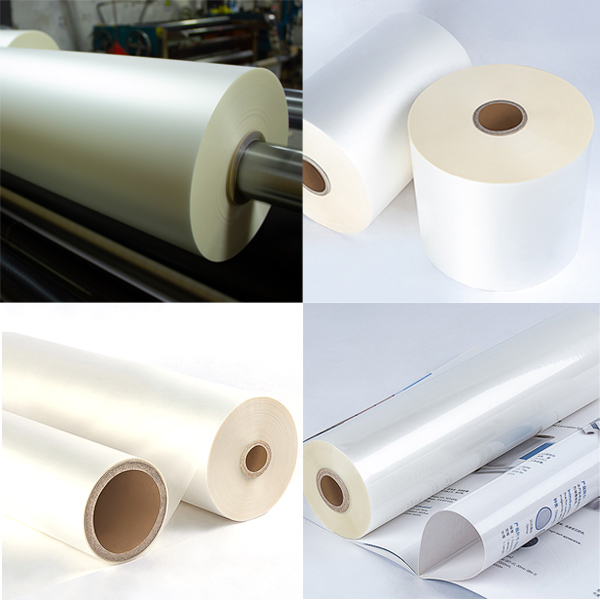
BOPP films in the 25–35µm range are often used when the final package or printed product needs a stronger surface feel, better stiffness, or a premium visual effect. This is common in matte packaging, book and magazine lamination, gift boxes, cosmetic packaging, luxury labels, and premium food packaging.
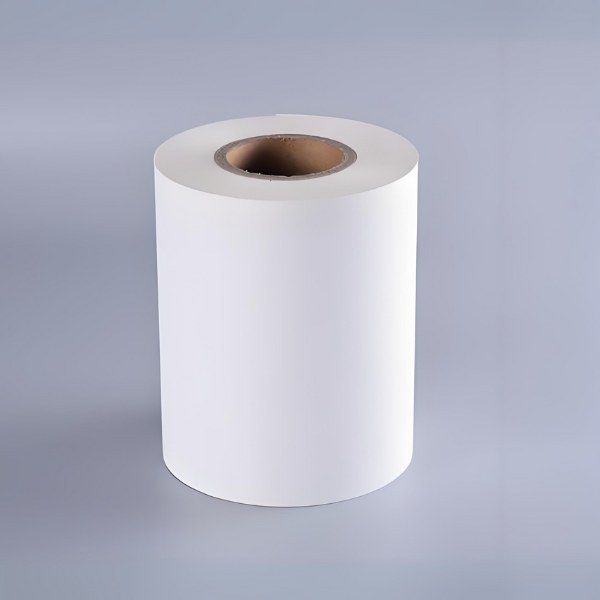
Matte BOPP film is a good example. It is used when brands want a soft, low-gloss, anti-glare surface instead of a bright glossy appearance. The film can make packaging look more refined and high-end, especially for coffee, tea, cosmetics, personal-care products, and luxury retail products.
In these applications, thickness affects both appearance and converting performance. A thicker matte BOPP may feel more stable and premium, while a thinner matte film may help reduce cost and improve yield.
For premium low-gloss packaging surfaces, you can review CloudFilm’s BOPP matte film.
Thickness For Heat Sealable BOPP Film
Heat sealable BOPP film is designed with a sealable layer so it can form seals under heat and pressure. This makes it suitable for flow-wrap packaging, bakery packaging, noodles, snacks, straws, stationery, and overwrap applications.
When choosing heat sealable BOPP thickness, buyers should not only look at the micron. They should also check seal initiation temperature, hot tack, seal strength, COF, anti-blocking performance, and machine speed. A thicker film may provide better stiffness, but it does not automatically mean better sealing.
For high-speed packing lines, the sealing window is especially important. The film needs to seal reliably without shrinking too much, sticking to the jaws, or causing pack distortion.
For projects that require direct heat sealing, CloudFilm’s heat sealable BOPP film can be selected according to packing speed, sealing temperature, and product type.
Thickness For Metallized BOPP Film
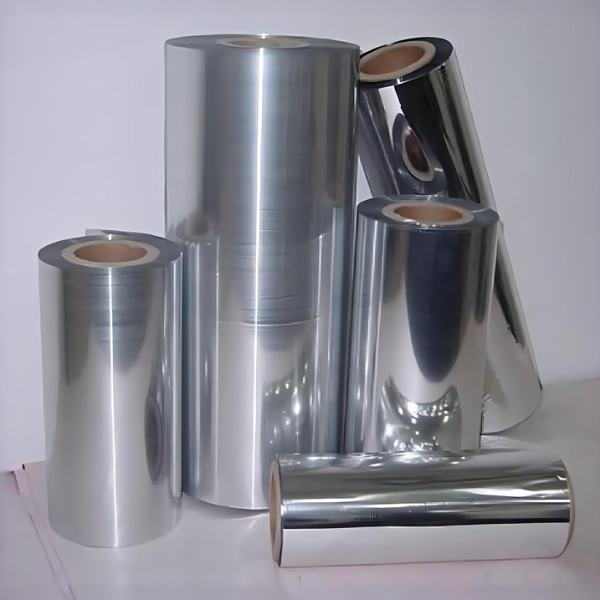
Metallized BOPP film is BOPP film coated with a thin aluminum layer. It is widely used for snack packaging, biscuit packaging, candy wrappers, powdered food, tea, coffee, pet food, and decorative packaging.
Thickness matters because metallized BOPP often works as both a visual layer and a barrier layer. Thinner metallized BOPP can help control cost and improve yield, while thicker grades may provide better stiffness and handling performance.
However, barrier performance depends not only on thickness. The quality of metallization, optical density, surface treatment, lamination quality, and package structure also affect moisture barrier, light barrier, and shelf life.
For packaging that needs a metallic appearance and improved barrier performance, you can consider metallized BOPP film.
Thickness For Anti-Fog BOPP Film
Anti-fog BOPP film is used for fresh produce, salads, vegetables, fruit, meat, bakery items, and chilled ready-meal packaging. Its function is to reduce water droplet formation on the inner surface of the package, helping consumers see the product clearly.
For anti-fog applications, thickness should be selected based on package format and machine requirements. Fresh produce flow-wrap may need good clarity, proper COF, stable sealing, and balanced breathability. If the film is too thin, handling may become difficult. If it is too thick, cost may increase and pack flexibility may decrease.
Buyers should also confirm whether they need one-side or two-side anti-fog performance, heat sealability, corona treatment, perforation, or special ventilation design.
For refrigerated and fresh food packaging, CloudFilm offers anti fog BOPP film with clear visibility and food packaging support.
Thickness For IML BOPP Film
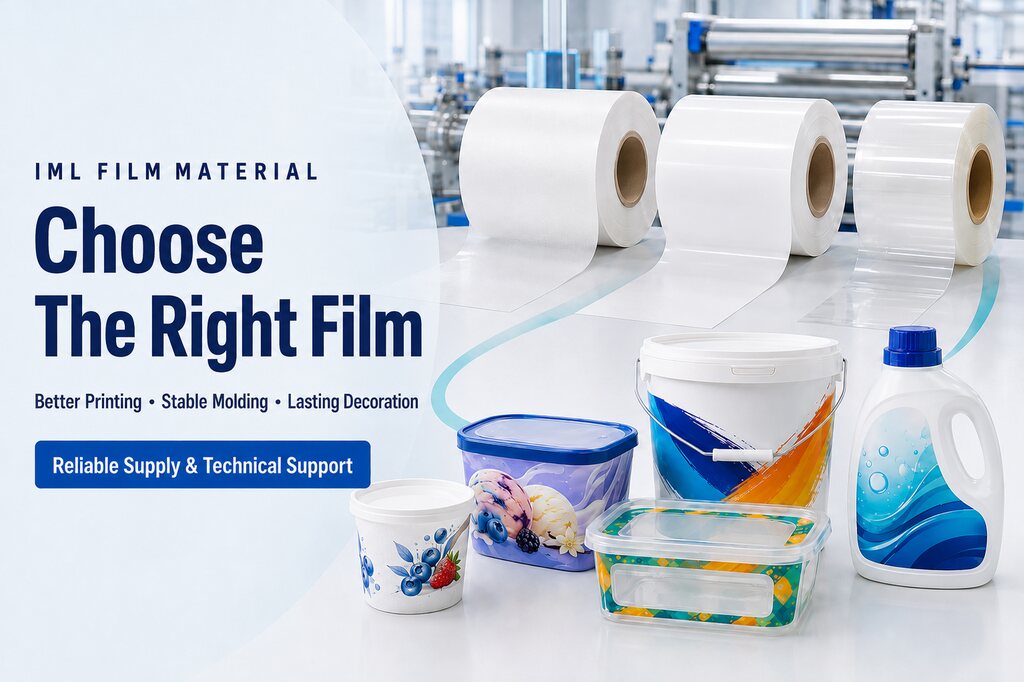
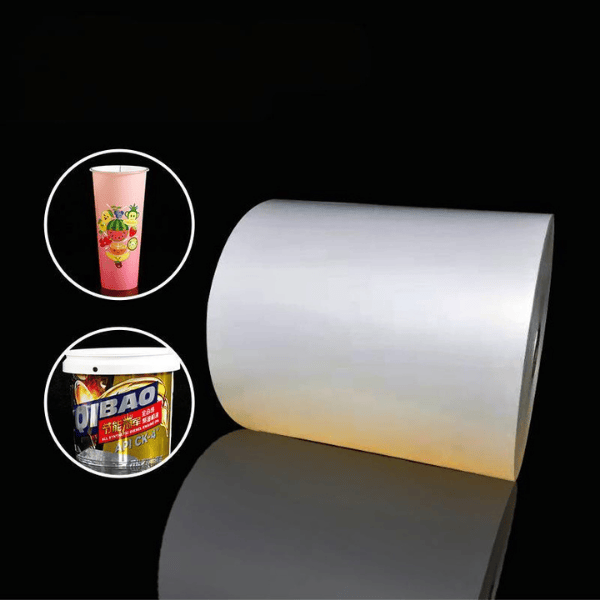
IML film is usually much thicker than standard flexible packaging BOPP. In-mold labeling requires good dimensional stability, stiffness, printability, and compatibility with the molding process. Typical IML BOPP film thickness is often in the 40–80µm range.
This thicker gauge helps the printed label stay flat, feed smoothly, and remain stable when placed into the mold. If the film is too thin, it may curl, shift, or deform during handling. If it is too thick, it may affect molding performance or increase cost.
IML thickness should be confirmed together with the container shape, molding process, label size, resin type, printing method, die-cutting design, and automation system.
For yogurt cups, food containers, paint pails, buckets, and household products, CloudFilm supplies IML film in customized thicknesses and roll sizes.
How Thickness Affects BOPP Film Performance
BOPP film thickness influences many practical performance factors. Buyers should understand these relationships before confirming a specification.
1. Yield And Cost Per Square Meter
Thinner BOPP film gives more square meters per kilogram. This can reduce cost per square meter and improve packing economy. However, if the film becomes too thin for the application, machine waste, wrinkles, or rejects may increase.
2. Stiffness And Handling
Thicker BOPP film usually provides better stiffness and easier handling. This is important for labels, carton windows, overwrap, IML film, and larger packaging formats.
3. Machine Runnability
Film thickness affects web tension, slitting quality, winding stability, and packing speed. A well-controlled thickness tolerance helps the film run smoothly on printing, lamination, bag-making, and packing lines.
4. Appearance
Thickness can influence flatness, gloss, opacity, matte effect, and overall package feel. Premium packaging may need a thicker or specialty BOPP grade to achieve the desired shelf appearance.
5. Barrier Performance
BOPP provides good moisture resistance, but oxygen barrier is limited unless the film is metallized, coated, or laminated with barrier materials. Thickness may help, but structure design is usually more important for high-barrier packaging.
6. Sealing Performance
For heat sealable BOPP, thickness is only one part of the decision. Seal layer design, sealing temperature, pressure, dwell time, and machine speed are also critical.
How To Choose The Right BOPP Film Thickness
The best BOPP film thickness depends on your final packaging structure and application. Before asking a supplier for a quotation, it is helpful to prepare the following information.
Application
Tell your supplier whether the film will be used for snacks, candy, labels, tape, overwrap, fresh produce, paper lamination, IML, or another application.
Structure
Confirm whether the film will be used as a mono-web, printing layer, outer layer, inner sealant layer, or part of a laminate such as BOPP/CPP, BOPP/PE, BOPP/metallized BOPP, or BOPP/PET/PE.
Thickness Target
Share your target thickness if you already have one. If not, provide your current packaging sample or target performance, and your supplier can recommend a starting point.
Printing And Treatment
Confirm printing method, ink type, corona treatment side, lamination method, and whether you need one-side or two-side treatment.
Packing Machine
Share whether you use VFFS, HFFS, flow-wrap, label converting, tape coating, paper lamination, or IML processing. Machine speed and sealing conditions are important.
Roll Details
Confirm width, roll length, outer diameter, core size, winding direction, joint requirements, and packing method.
Quantity And Destination
For export quotations, suppliers need order quantity, annual forecast, destination port, shipping method, and required documents.
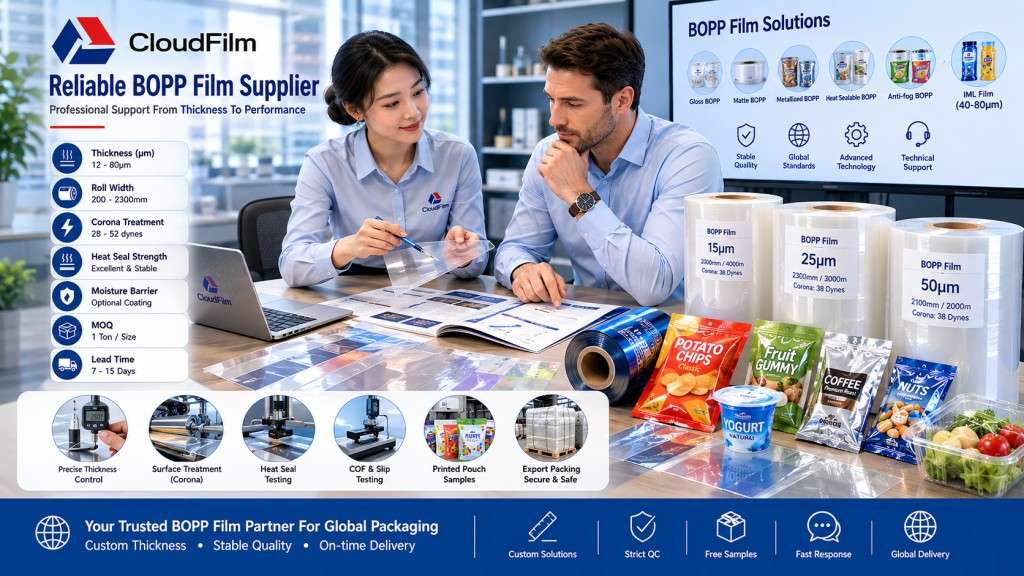
Working With A BOPP Film Manufacturer And Supplier
For international packaging buyers, choosing a reliable BOPP film manufacturer and supplier is as important as choosing the right thickness. A good supplier should not only quote a price, but also help you match the film grade to your product, packing line, converting process, and cost target.
When you work with a professional BOPP film supplier, you should expect clear technical communication, stable thickness control, suitable surface treatment, export-ready packing, and sample support.
CloudFilm Packaging supplies BOPP, BOPET, BOPA, PE, CPP, metallized films, high-barrier films, and flexible packaging solutions for global buyers. If you are not sure which thickness is suitable, you can send your product photos, current packaging structure, roll size, and application details. The team can help recommend a practical BOPP film thickness for testing.
BOPP Film Thickness FAQs
1. What is the most common BOPP film thickness?
Common BOPP film thicknesses include 12µm, 15µm, 18µm, 20µm, 25µm, 30µm, 35µm, 40µm, 50µm, 60µm, 70µm, and 80µm. For snack and dry food packaging, 12–20µm is very common. For IML film, 40–80µm is more common.
2. Is thicker BOPP film always better?
No. Thicker film can improve stiffness and handling, but it also increases material cost and reduces square meters per kilogram. The best thickness is the one that meets performance needs without over-specifying the structure.
3. What thickness is suitable for snack packaging?
For snack packaging, 12µm, 15µm, and 18µm BOPP are commonly used as printing or outer layers. They are often laminated with CPP, PE, metallized BOPP, or other sealant and barrier layers.
4. What thickness is suitable for labels?
Label thickness depends on label type. Thin and medium gauges are used for wrap-around labels and pressure-sensitive labels. IML labels often use thicker BOPP or PP films, commonly around 40–80µm depending on container design.
For a more detailed label material guide, you can read BOPP labels materials and buying guide.
5. What thickness is used for matte BOPP film?
Matte BOPP film is commonly supplied in medium thickness ranges such as 15–35µm, depending on whether it is used for flexible packaging, labels, book covers, cosmetic boxes, or paper lamination.
6. What thickness is used for heat sealable BOPP film?
Heat sealable BOPP film thickness depends on the packing line and final package. Buyers should confirm seal initiation temperature, seal strength, hot tack, COF, and film structure together with thickness.
For sealing-related performance, you may also review this guide about BOPP melting point and sealing temperature.
7. Can BOPP film be used alone?
Yes, in some applications such as overwrap, labels, tapes, and simple packaging. However, for many food packaging applications, BOPP is laminated with CPP, PE, metallized film, or other materials to improve sealing and barrier performance.
8. What is the difference between BOPP and CPP thickness selection?
BOPP is usually stiffer, glossier, and more suitable as an outer printing layer. CPP is softer and often used as a sealant layer. Many packaging structures use BOPP outside and CPP inside.
For material comparison, you can read BOPP vs CPP film key differences.
9. How does thickness affect BOPP film price?
Price is usually quoted per kilogram, but buyers should also calculate cost per square meter. Thinner films normally provide more square meters per kilogram, which may reduce cost per pack if the performance is sufficient.
10. Can CloudFilm customize BOPP film thickness?
Yes. BOPP film thickness, width, roll diameter, core size, surface treatment, slip level, matte or gloss finish, metallized surface, anti-fog function, and heat sealability can be discussed according to the application.
11. What information should I provide when requesting a quote?
You should provide film type, thickness, width, roll length or diameter, core size, application, packaging structure, printing method, treatment side, order quantity, and destination port.
12. Can I get samples before ordering?
Yes. For most BOPP film projects, free sample sheets or trial rolls can be arranged for testing. Buyers usually need to provide application details and cover international courier cost, or use their own DHL, FedEx, or other courier account.
Conclusion: Thickness Should Match The Whole Packaging Structure
BOPP film thickness should never be selected only by habit or price. The right micron depends on product type, packaging structure, printing process, sealing method, machine speed, stiffness requirement, barrier need, and total cost target.
For lightweight snack packaging, 12–18µm BOPP may be enough. For premium packaging, matte surfaces, overwrap, or labels, 20–35µm may provide better appearance and handling. For IML and molded container labels, thicker 40–80µm films are often required.
If you are developing a new packaging project or replacing an existing supplier, CloudFilm Packaging can help you compare BOPP film thickness options, arrange samples, and recommend a practical specification for testing.