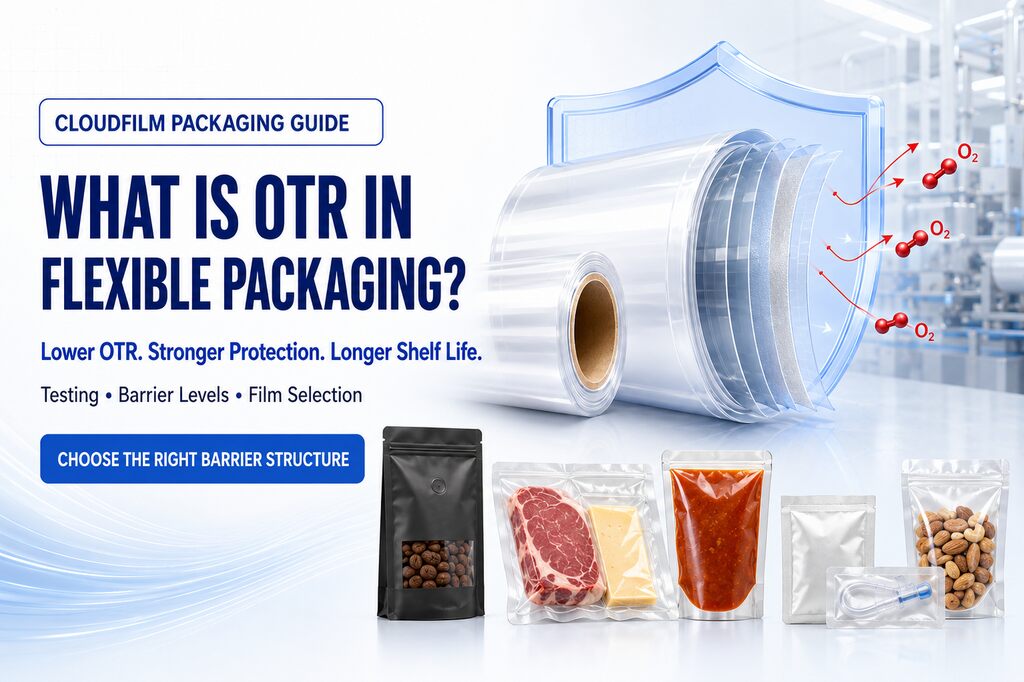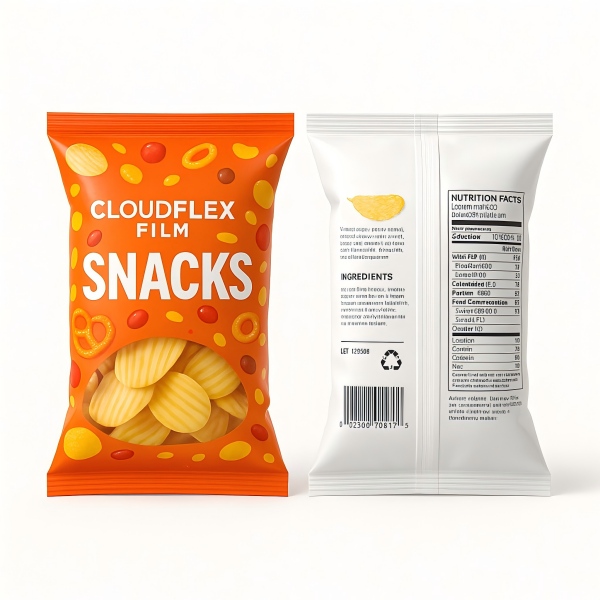
Plastic packaging for chips is not just a printed bag. It is a complete protection system designed to keep crispy snacks dry, fresh, attractive, and easy to pack at high speed. For potato chips, tortilla chips, corn chips, puffed snacks, and similar products, the packaging must protect fragile contents while also supporting strong shelf impact in supermarkets, convenience stores, vending channels, and e-commerce packs.
Chips are sensitive to moisture, oxygen, light, aroma loss, oil migration, crushing, and weak sealing. A beautiful pack that cannot protect crunch will quickly damage the brand experience. A strong film that cannot run well on the packing machine will increase waste and production cost. This is why brands, food factories, converters, and importers need to choose packaging structures based on product type, shelf life target, machine type, sales channel, and local recycling requirements.
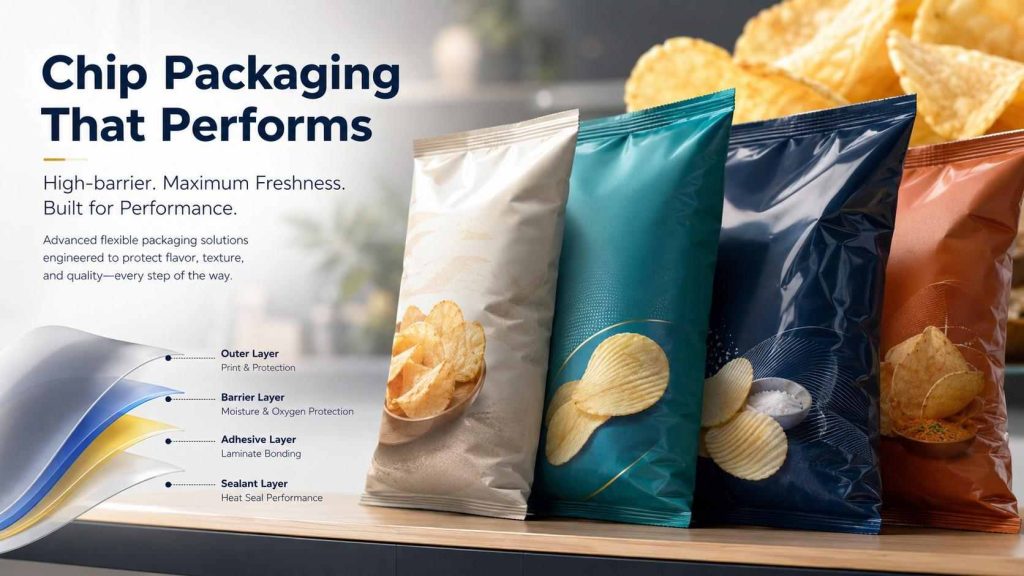
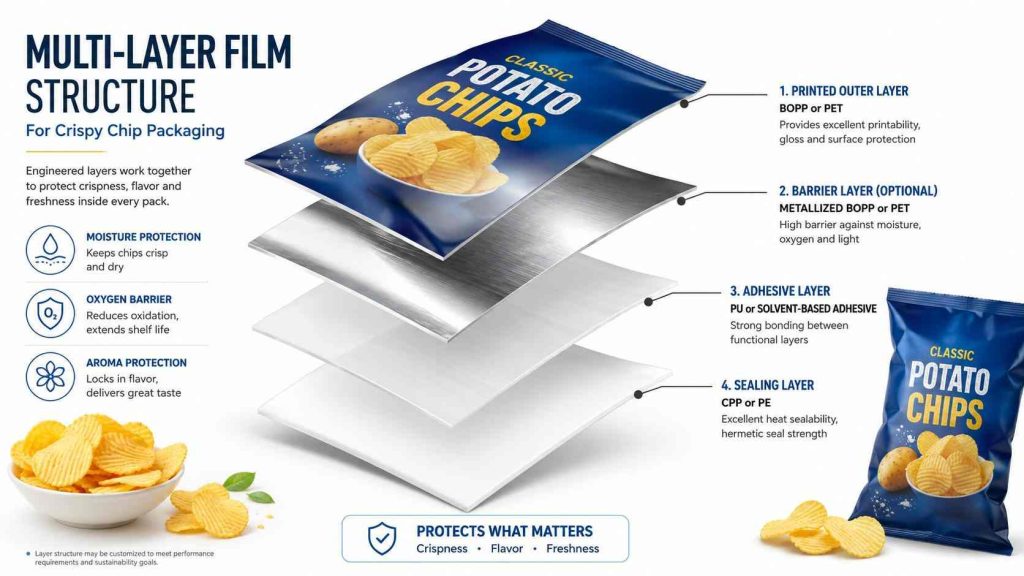
For most chip brands, the best packaging solution is usually a flexible laminate, such as BOPP/CPP, BOPP/PE, PET/PE, PET/CPP, PET/VMPET/PE, or a recyclable mono-material PP or PE structure. The right choice depends on how much moisture barrier, oxygen barrier, light barrier, stiffness, seal strength, print quality, and sustainability performance the product requires.
Why Chips Need Purpose-Built Plastic Packaging
Chips have a low moisture tolerance. Once the package allows moisture to enter, the product may lose crispness, become soft, and taste stale. This is one of the main reasons chip packaging often uses laminated plastic films with strong moisture barrier performance.
Oxygen is another key issue. Oils and seasonings can oxidize, especially in flavored chips or fried snacks. Poor oxygen control can lead to off-flavors, shorter shelf life, and a weaker eating experience. For higher-barrier needs, metallized layers or high-barrier coatings are often added to the packaging structure.
Light can also affect product quality. Transparent packaging may show the product clearly, but it may not be ideal for all chips, especially when the product contains oil, seasoning, or ingredients that are sensitive to light. Metallized films, opaque films, printed outer webs, or high-coverage graphics can help reduce light exposure.
Finally, chips are fragile. The package should have enough stiffness and puncture resistance to support filling, sealing, transport, shelf display, and consumer handling. It should not be too stiff for the packing machine, but it should be strong enough to protect the product from normal distribution stress.
Main Functions Of Chip Packaging
A good plastic chip package should perform several functions at the same time.
First, it should maintain crispness by controlling moisture. This is especially important for potato chips, tortilla chips, rice chips, shrimp chips, and puffed snacks. Even a small amount of moisture can change the eating texture.
Second, it should protect flavor. Chips often contain salt, cheese powder, chili, barbecue flavor, sour cream seasoning, seafood flavor, or other aromatic ingredients. The package should help reduce aroma loss and protect the product from outside odors.
Third, it should support reliable sealing. Most chip packaging is made on vertical form fill seal machines, horizontal flow wrap machines, or automatic pouch packing lines. The film must seal consistently under real production conditions.
Fourth, it should create strong shelf appeal. The printed surface should support clear graphics, accurate colors, brand logos, product claims, nutrition panels, barcodes, and QR codes. For premium snacks, matte, gloss, soft-touch, metallic, or window effects can help the product stand out.
Fifth, it should match the brand’s cost and sustainability goals. Some brands may choose traditional high-barrier laminates for maximum protection. Other brands may move toward mono-material PP or PE packaging to improve recyclability where local infrastructure supports it.
Common Plastic Packaging Formats For Chips
Pillow Bags
Pillow bags are one of the most common formats for chips and snacks. They are cost-effective, easy to produce at high speed, and suitable for single-serve packs, family packs, and multipack snack formats.
For food factories using high-speed equipment, pillow pouches can be designed with different laminate structures such as OPP/CPP, PET/PE, PET/CPP, or recyclable mono-material options. They can also include tear notches, euro holes, easy-open features, or special sealing designs depending on the retail format.
Stand-Up Pouches
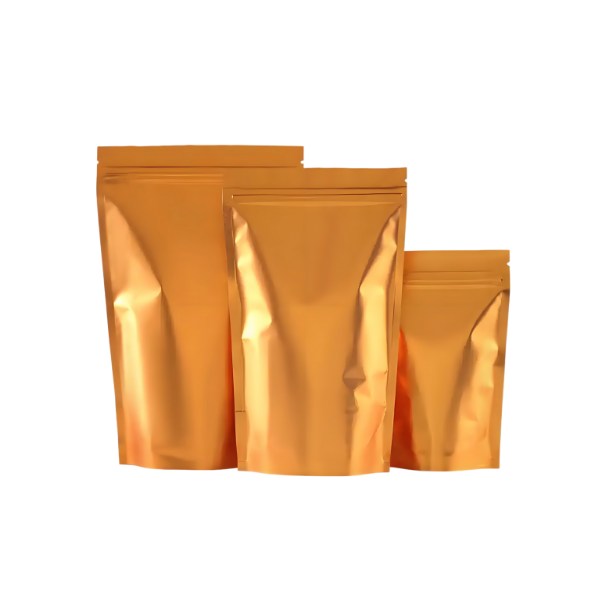
Stand-up pouches are often used for premium chips, resealable snacks, mixed chips, dried fruits, nuts, and specialty snack products. Their bottom gusset helps the pack stand on the shelf, creating better display value than a simple pillow bag.
For brands that want a higher-end retail look, stand up pouches can include zipper closures, matte finish, clear windows, high-barrier layers, and custom printing. They are especially useful for larger snack packs that consumers may open and close several times.
Roll Stock Film
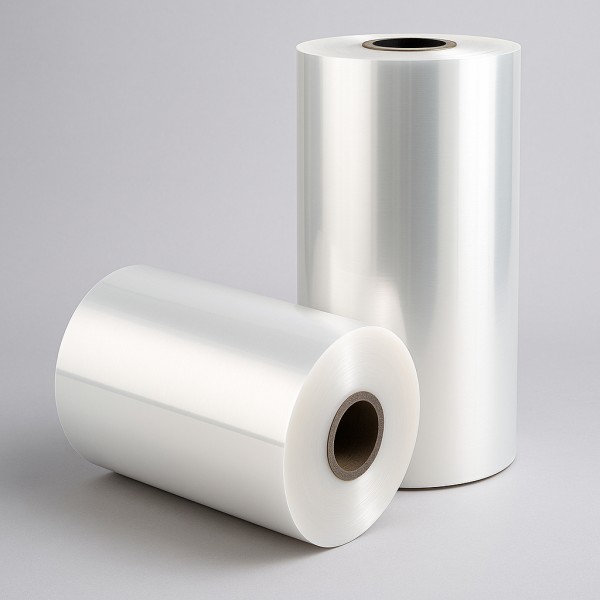
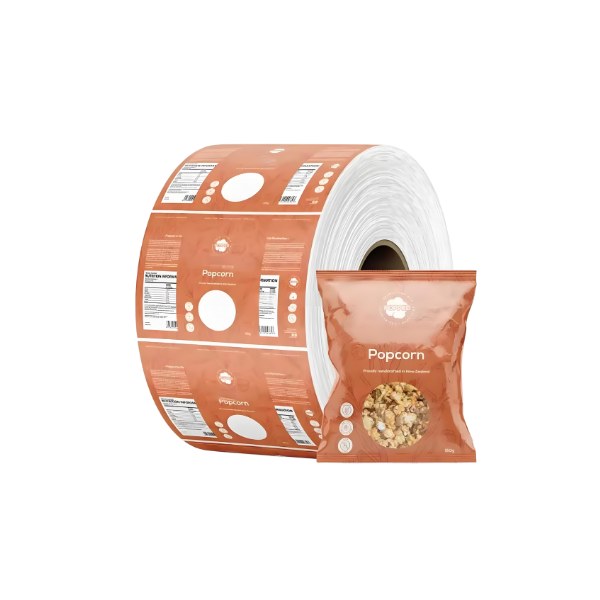
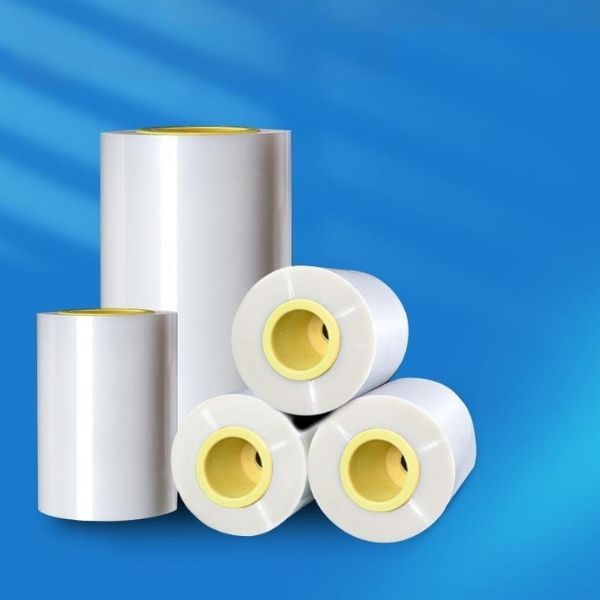
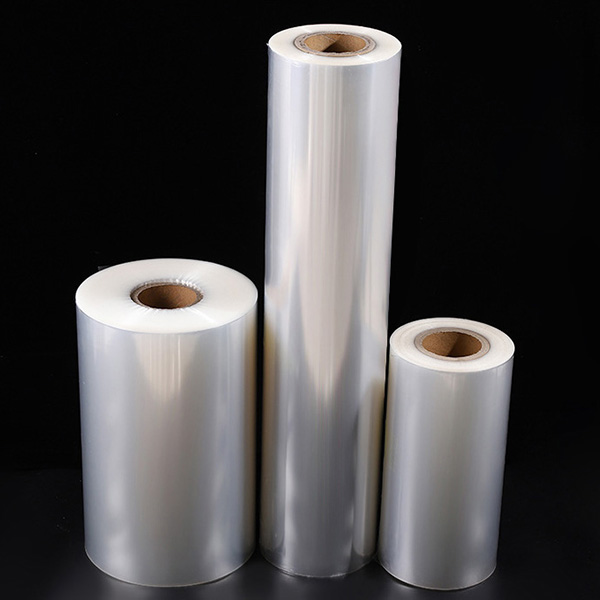
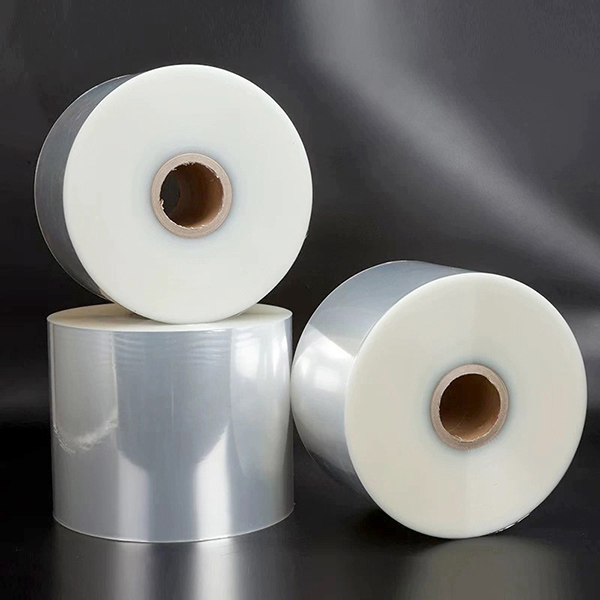
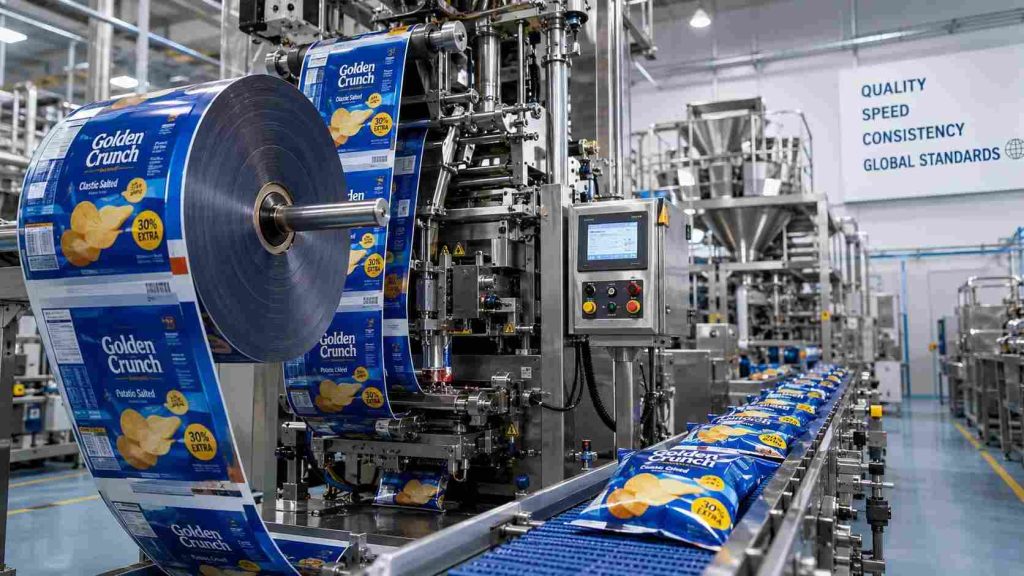
Many chip manufacturers do not buy pre-made bags. Instead, they buy printed roll stock and form the package directly on their own packing machines. This is common for large food factories that need speed, stable machinability, and lower unit cost.
Custom printed roll stock film is suitable for VFFS, HFFS, and flow-wrap packaging lines. It can be converted into pillow bags, gusseted bags, sachets, stick packs, and other flexible formats. For chips, roll stock selection should consider coefficient of friction, sealing temperature, stiffness, film thickness, print registration, roll width, roll diameter, and machine speed.
Packaging Film Rolls For Converters
Converters may buy unprinted or printed laminated film rolls, then slit, print, laminate, or make bags locally. In this case, packaging film roll selection becomes very important. The film should match the converter’s process, customer requirements, and final packing format.
Common Film Structures For Plastic Chip Packaging
BOPP/CPP
BOPP/CPP is a common structure for many snack applications. BOPP can provide clarity, stiffness, printability, and shelf appearance, while CPP can provide heat sealing and good machinability. This structure can be suitable for chips that need moderate barrier, good appearance, and efficient packing performance.
When the chip product does not require a very high oxygen or light barrier, BOPP/CPP may offer a practical balance between cost, processability, and pack appearance. It is often used for snack packs, biscuit packs, candy packs, and dry food packaging.
BOPP/PE
BOPP/PE is another common flexible packaging structure. BOPP provides print performance and surface stiffness, while PE provides heat sealing, flexibility, and toughness. This structure can be suitable for some snack packaging applications where PE sealing performance is preferred.
For brands comparing PP-based and PE-based structures, PP film can be considered when stiffness, gloss, and polypropylene-based packaging design are important.
PET/PE
PET/PE is often selected when brands need stronger dimensional stability, clear printing, and reliable sealing. PET works well as the printed outer layer, and PE works as the inner sealing layer. This type of laminate can be used for snacks, nuts, coffee, powdered drinks, frozen foods, and other dry food products.
For chip brands that need a more durable printed laminate, PET/PE film can be a good starting point, especially when the final package needs strong seals and good shelf appearance.
PET/CPP
PET/CPP is useful when the brand needs PET’s printing and strength together with CPP’s heat-sealing performance. This type of laminate is common in dry food, sauces, retort packs, medical packaging, and technical products, depending on structure and grade.
For chip packaging, PET/CPP may be selected when the filling line, sealing temperature, pack stiffness, or product protection requirements are better matched by CPP than PE.
PET/VMPET/PE Or PET/VMPET/CPP
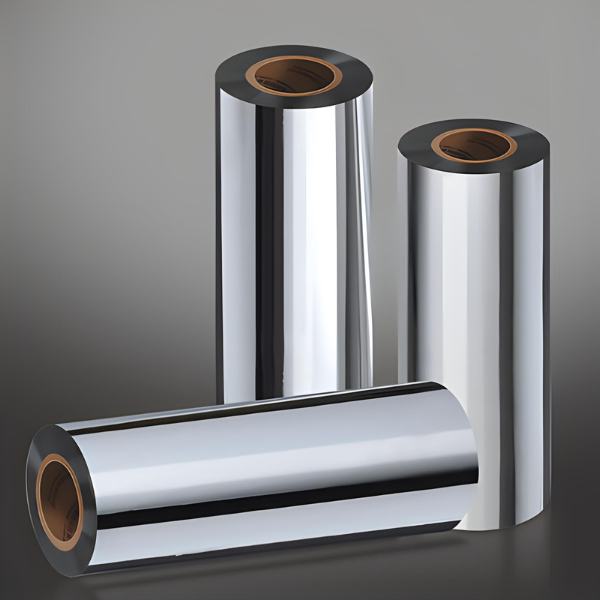
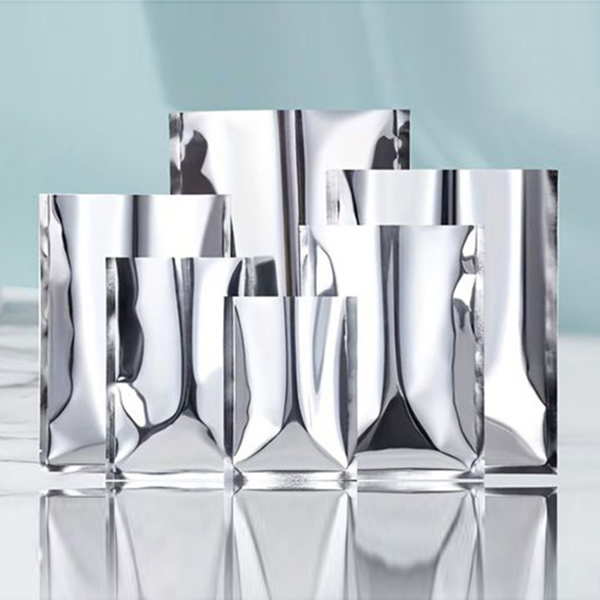
For chips that need higher moisture, oxygen, aroma, and light protection, metallized laminate structures are often used. A metallized film layer can create a stronger barrier and a premium metallic appearance.
PET/VMPET/PE and PET/VMPET/CPP are common options for high-barrier snack packaging. They are often used for flavored chips, oily snacks, nuts, coffee, and other products that need better protection against oxygen, moisture, aroma loss, and light exposure.
Metallized CPP
Metallized CPP film can provide high oxygen and moisture barrier, strong heat-seal performance, and a metallic appearance. It is useful as an inner sealing layer in laminated snack, tea, coffee, and technical packaging.
For chip packaging, VMCPP can help simplify the structure because it combines barrier and sealing functions in one layer. This can be helpful when brands want a metallized barrier package with good sealing behavior.
Heat-Sealable BOPP
For some simple snack packs, heat sealable BOPP film may be considered. It can provide high clarity, gloss, stiffness, and sealing ability. It may be useful for certain single-web or laminated snack packaging designs where appearance and machinability are important.
Recyclable Mono-Material Options
More snack brands are asking whether chip packaging can be recyclable. The answer depends on the target market, local collection system, and final package structure. Traditional multi-material laminates such as PET/AL/PE can provide strong barrier performance, but they are difficult to recycle in many systems.
Recyclable pouches based on mono-material PE or PP structures can help brands move toward packaging designed for recycling. For flexible packaging that needs better stiffness and printability in an all-PE structure, MDO PE film can be considered as part of the laminate design.
How To Choose Packaging By Chip Type
Potato Chips
Potato chips are usually fragile and sensitive to oxygen, moisture, and oil oxidation. A common choice may be BOPP/CPP, PET/PE, PET/CPP, or a metallized laminate depending on shelf life requirements. For stronger freshness protection, a metallized barrier layer may be recommended.
Tortilla Chips And Corn Chips
Tortilla chips and corn chips may have rougher shapes and sharper edges than thin potato chips. Packaging should have good puncture resistance, stiffness, and seal strength. Larger bags may also need more body and better drop resistance during transport.
Puffed Snacks
Puffed snacks are light but bulky. The package should have good stiffness and stable sealing, and it should support a strong air cushion inside the bag. Good heat sealing is important because leakage can cause the pack to lose shape and protection.
Seasoned Chips
Heavily seasoned chips need better aroma protection. Cheese, chili, barbecue, sour cream, seafood, tomato, and onion flavors can lose aroma or absorb outside odors if the barrier is weak. A high-barrier laminate may be useful for premium flavored products.
Premium And Export Snack Packs
Export snack packs may face long shipping times, temperature changes, humidity changes, and warehouse storage. For these applications, buyers should discuss shelf life target, shipping route, climate, carton packing, and retail environment with their packaging supplier or manufacturer before confirming the film structure.
Printing, Finish, And Shelf Appeal
The outside of chip packaging is a sales tool. Bright colors, clear product photos, sharp text, and consistent brand identity are important in crowded snack aisles.
For printed chip packaging, the outer layer usually needs good ink adhesion and dimensional stability. BOPP printing film can support flexible packaging and label applications where clarity, ink adhesion, and stable runnability matter.
Glossy surfaces can make colors look brighter and more energetic. Matte surfaces can create a premium or natural look. Metallized effects can suggest strong barrier performance, freshness, and a higher-value product. Transparent windows can show the product, but they should be used carefully when light barrier is important.
For many chip brands, the best option is not simply “gloss or matte.” It is a balance between brand positioning, barrier requirements, printing method, shelf life, packing speed, and cost.
What Information Should Buyers Send To A Packaging Supplier?
A professional plastic packaging for chips supplier can recommend a better structure when the buyer provides clear information. Before asking for a quotation, prepare the following details:
- Product type: potato chips, tortilla chips, corn chips, puffed snacks, baked chips, or mixed snacks.
- Packaging format: pillow bag, stand-up pouch, flat pouch, gusseted bag, flat bottom pouch, or roll stock.
- Bag size or film roll size: width, length, gusset size, roll width, roll diameter, and core size.
- Target shelf life: for example, 3 months, 6 months, 9 months, or 12 months.
- Filling machine: VFFS, HFFS, flow wrap, premade pouch filling, or manual packing.
- Barrier requirement: moisture barrier, oxygen barrier, light barrier, aroma barrier, or grease resistance.
- Printing requirement: number of colors, matte or gloss finish, full coverage, window area, barcode, QR code, and artwork format.
- Order quantity: trial order, pilot order, container order, or monthly forecast.
- Destination market: country, climate, retail channel, food-contact documentation needs, and recycling expectations.
When the buyer gives this information early, the manufacturer can reduce guessing and recommend a practical structure faster.
How To Choose A Reliable Plastic Packaging For Chips Manufacturer
Choosing the right plastic packaging for chips manufacturer is not only about price. A low price can become expensive if the film has sealing problems, poor print quality, unstable roll tension, weak barrier, or inconsistent thickness.
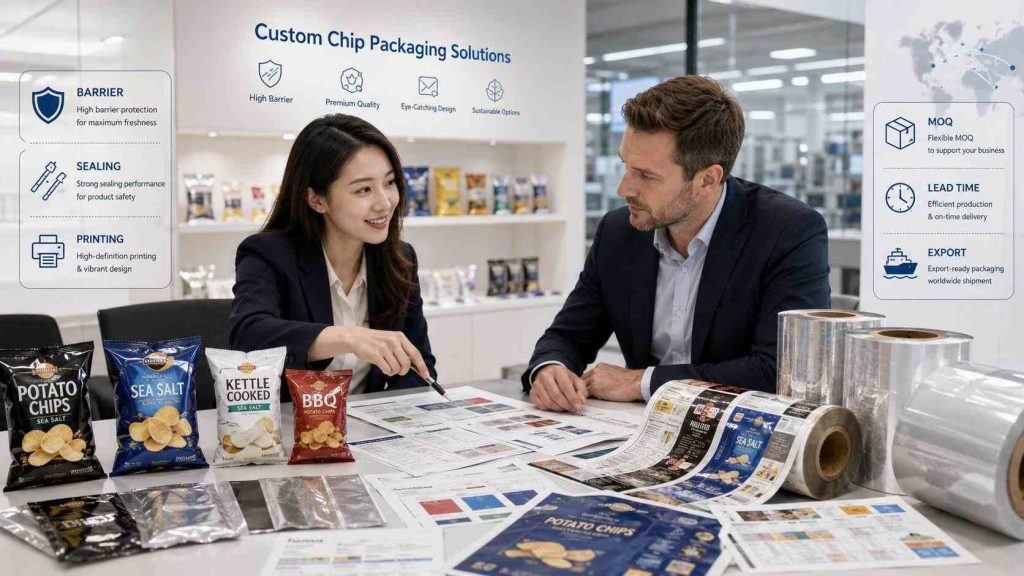
A reliable supplier should understand both packaging materials and the buyer’s filling process. The supplier should be able to discuss film structures, barrier requirements, sealing layers, printing methods, roll specifications, and export documents.
For food factories, stable machinability is very important. A film that works well during a short test but fails during mass production can cause downtime, waste, and delivery delays. Buyers should ask about trial rolls, production tolerance, roll splicing, core size, packing method, and technical support.
For brands and importers, communication is also critical. The supplier should be able to explain options clearly, compare structures, provide samples, support artwork checking, and coordinate shipment schedules. This is especially important for buyers who are sourcing from overseas.
A good supplier should not push one material for every product. Potato chips, tortilla chips, baked snacks, nuts, and puffed snacks may need different solutions. The best structure is the one that protects the product, runs well on the machine, fits the brand image, and meets the buyer’s cost target.
Practical Packaging Recommendations
For cost-sensitive snack packs, BOPP/CPP or BOPP/PE can be a practical starting point.
For better print stability and stronger laminated performance, PET/PE or PET/CPP can be considered.
For higher barrier and longer shelf life, PET/VMPET/PE, PET/VMPET/CPP, or structures using VMCPP may be more suitable.
For brands moving toward recyclable packaging, mono-material PP or PE options should be discussed early, especially if the product still needs good barrier, good stiffness, and stable sealing.
For premium retail presentation, stand-up pouches, flat bottom pouches, matte finish, metallized effects, or zipper closures can help increase shelf value.
For large-scale food factories, printed roll stock is usually more efficient than premade bags because it supports high-speed forming, filling, and sealing.
FAQ About Plastic Packaging For Chips
1. What is the best plastic packaging for chips?
There is no single best structure for all chips. Common choices include BOPP/CPP, BOPP/PE, PET/PE, PET/CPP, PET/VMPET/PE, and recyclable mono-material PP or PE structures. The best choice depends on shelf life, product type, filling machine, barrier needs, printing design, and cost target.
2. Why do chip bags often use metallized film?
Metallized film can improve moisture, oxygen, aroma, and light barrier. This helps protect crispness and flavor. It also gives the package a metallic look that many consumers associate with snack freshness.
3. Can chip packaging be recyclable?
Yes, chip packaging can be designed with recyclable mono-material PE or PP structures. However, real recyclability depends on local recycling rules, collection systems, and sorting facilities. Buyers should confirm local requirements before finalizing the package.
4. What is the most common bag format for chips?
Pillow bags are the most common format for many chip products because they are efficient, cost-effective, and suitable for high-speed packing. Stand-up pouches are more common for premium, resealable, or larger snack packs.
5. What film is used for potato chip packaging?
Potato chip packaging often uses BOPP, CPP, PET, PE, metallized PET, or metallized CPP in different laminate combinations. The final structure depends on the required barrier, sealing performance, print quality, and packaging machine.
6. Is BOPP suitable for chips packaging?
Yes. BOPP is widely used in snack packaging because it offers clarity, stiffness, gloss, and good printability. It is often laminated with CPP or PE to create a heat-sealable chip package.
7. Is PET/PE good for chip packaging?
PET/PE can be suitable when the package needs strong printing performance, good dimensional stability, and reliable sealing. For higher barrier needs, it can be combined with metallized or high-barrier layers.
8. What information is needed for a chip packaging quotation?
Buyers should provide product type, bag size, film roll width, target shelf life, packaging machine type, printing design, barrier needs, order quantity, destination country, and any food-contact or recycling requirements.
9. Can chip packaging have a matte finish?
Yes. Matte finish can create a premium, natural, or modern appearance. It can be combined with partial gloss, metallic effects, or clear windows depending on the brand design and barrier needs.
10. What is roll stock for chips packaging?
Roll stock is flexible packaging film supplied in roll form. Food factories use it on VFFS, HFFS, or flow-wrap machines to form, fill, and seal chip bags automatically.
11. How can packaging keep chips crispy?
Packaging keeps chips crispy by reducing moisture entry, protecting the product from oxygen and light, and maintaining strong seals. The film structure, sealing quality, and storage conditions all affect crispness.
12. How should I choose a chips packaging supplier in China?
Choose a supplier that can discuss material structures, barrier performance, printing, sealing, roll specifications, food-contact needs, samples, lead time, and export shipment clearly. A strong supplier should help match the packaging structure to the product and filling line.
Conclusion
Plastic packaging for chips must do much more than hold the product. It must protect crispness, preserve flavor, support fast packing, present the brand, and meet cost and sustainability targets. The right structure may be a standard BOPP/CPP laminate, a PET/PE or PET/CPP film, a high-barrier metallized laminate, or a recyclable mono-material solution.
For buyers, the fastest way to choose the right chip packaging is to start with the product and the packing machine, then match the film structure to shelf life, barrier, printing, sealing, and market requirements. A reliable plastic packaging supplier or manufacturer can help compare options and recommend a structure that works in real production, not only on paper.