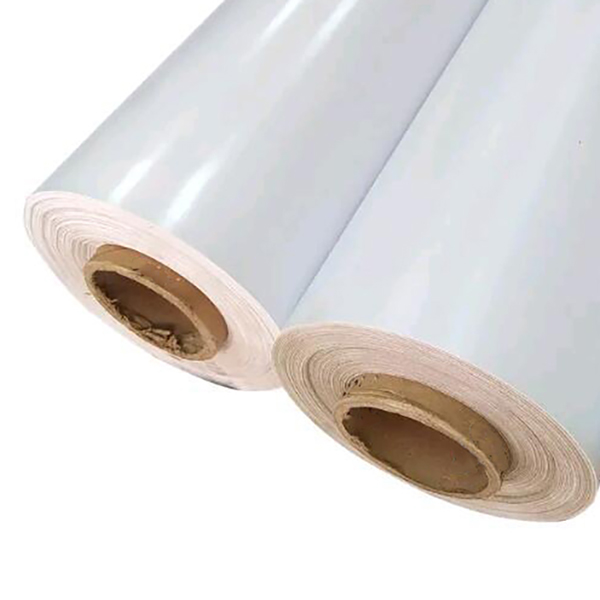
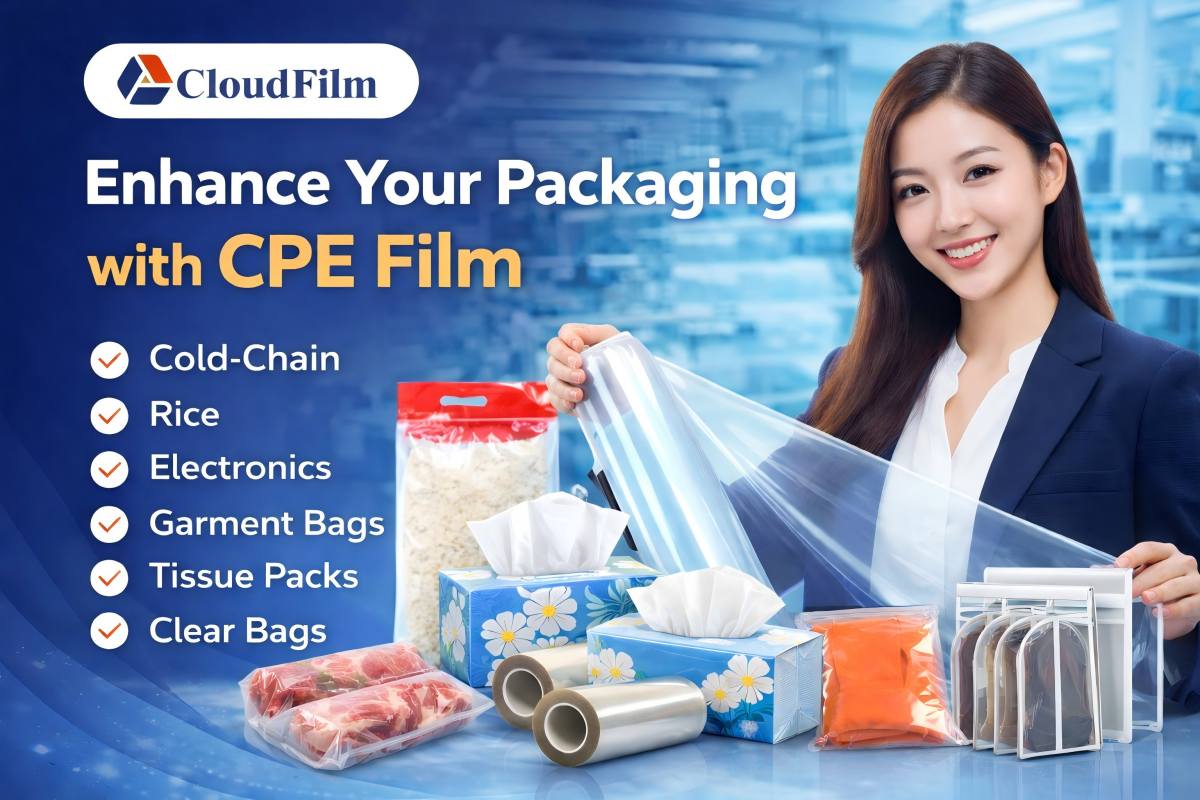
CPE films, also known as cast polyethylene films, have become a core material in modern flexible packaging. When specified correctly, CPE combines softness, toughness and cold resistance so that your packages stay intact from the filling line all the way to the end customer.
At CloudFilm, we supply custom CPE Film rolls and laminates for frozen meat vacuum bags, rice packaging, pasteurized milk and protective films for devices. With over 20 years of flexible packaging experience, our team helps you turn CPE’s technical properties into clear specifications, stable line performance and lower total cost in use.
In this guide, you will learn what CPE film is, its key features, typical applications, and how it can upgrade your current packaging structures.
What Is CPE Film?
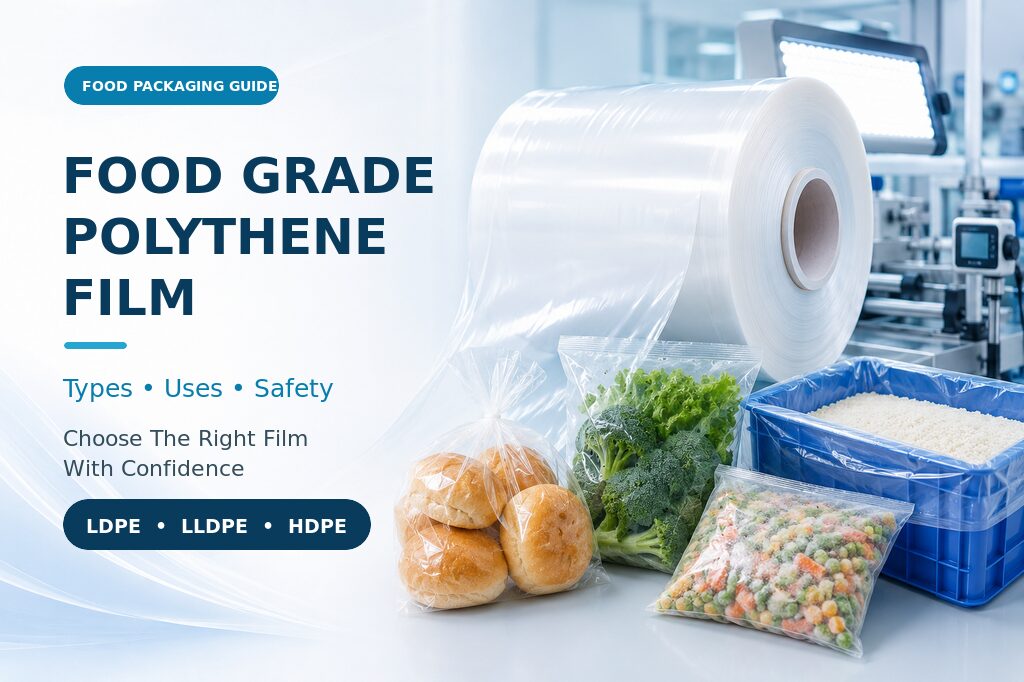
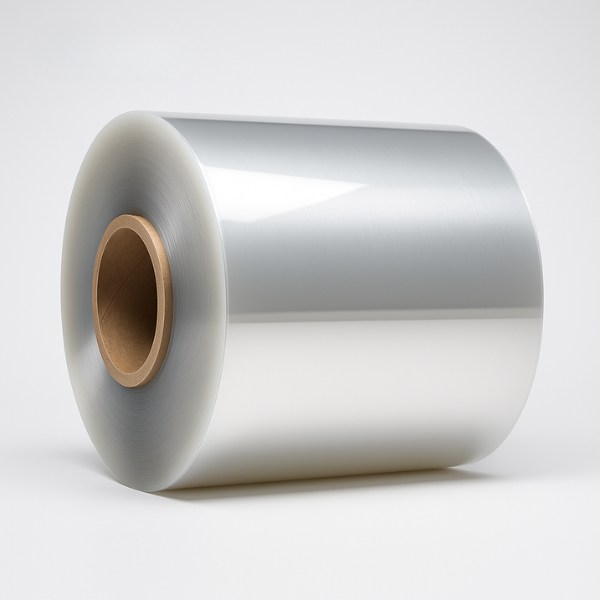
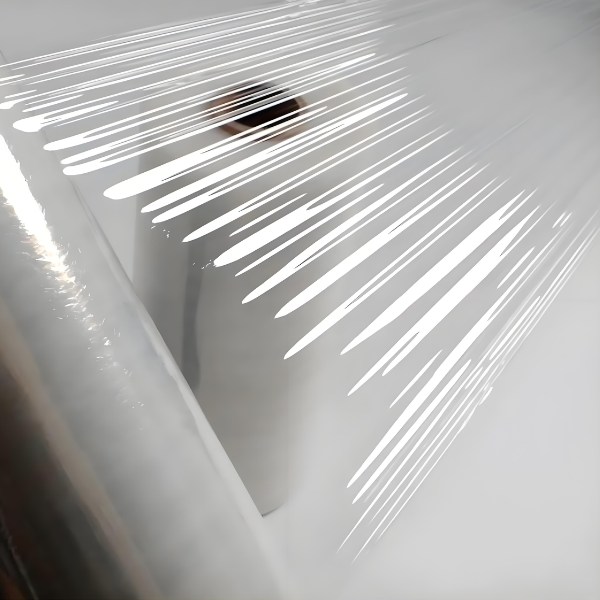
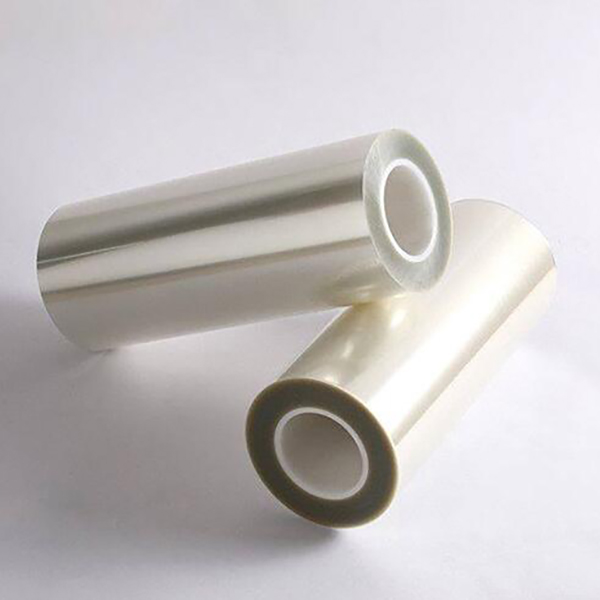
CPE film stands for cast polyethylene film. It is produced by extruding molten polyethylene resin through a flat T-die and casting it onto a chilled roll to form a thin, uniform web. Compared with blown PE film, CPE offers very good clarity, tight gauge control and a soft, rubber-like hand-feel.
Thanks to its flexibility and durability, CPE film is widely used as a sealant layer, printing film or protective film in food packaging, medical supplies and industrial covers. Typical structures include PET/CPE, BOPE/CPE and MDOPE/CPE, where CPE provides strong seals, toughness and cold resistance.
Together with CloudFilm’s BOPE Film, MDO PE Film and Cast Film, CPE fits naturally into mono-PE recyclable packaging designs.
Key Features of CPE Film
CPE film combines several properties that make it a strong candidate for both primary packaging and secondary protection. Below are the features that matter most when you design or upgrade your film structures.
Cold Resistant
The cold-resistant nature of CPE film makes it ideal for refrigerated and frozen applications. Even at low temperatures, it remains flexible instead of becoming brittle, so seals stay tight and bags do not crack during transport or handling. This is especially important for frozen meat, seafood and ice-cream packs that must survive long cold-chain logistics.
Good Optics
CPE film offers attractive gloss and clarity so consumers can clearly see the product inside the package. For retail packs, this “see-through” effect acts like a silent salesman, boosting shelf appeal and perceived quality. When used as an outer layer over printed webs, it helps your graphics look sharper and more premium.
Soft and Tough
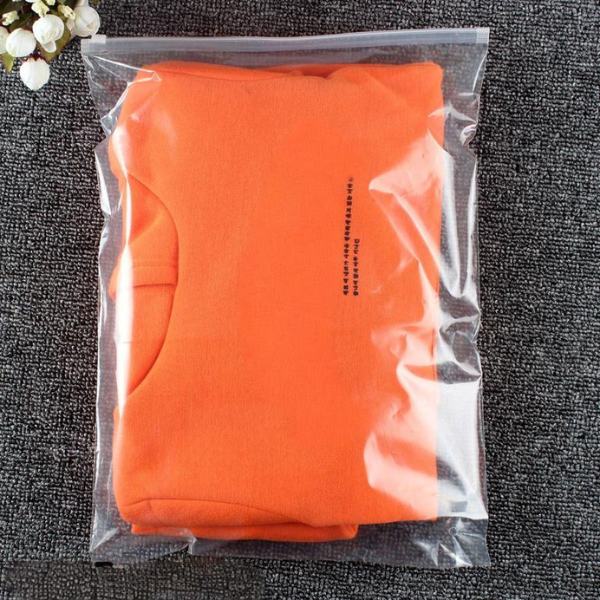
One of the biggest advantages of CPE film is the balance between a soft, comfortable touch and high puncture resistance. The film drapes nicely around irregular shapes while resisting pinholes and tears, which is critical for heavy products, sharp-edged frozen foods or garments with zippers and buttons. This balance reduces complaints and product damage during shipping.
High Hot Tack Strength
CPE film delivers high hot tack strength, meaning seals grab quickly and firmly on high-speed FFS and bag-making lines. This reduces leakers and improves pack integrity, especially for liquids and sauces. The hot-tack behavior is similar to CloudFilm’s Silage Film, which is also engineered for strong PE-based seals under demanding conditions.
How CPE Film Enhances Product Packaging
CPE film enhances packaging by combining barrier performance, clarity, conformability and recyclability. When applied correctly, it allows you to simplify film structures, extend shelf life and improve consumer experience—all while keeping your lines running smoothly.
Superior Barrier Properties & Extended Shelf Life
CPE film offers useful moisture and gas barrier that helps protect the aroma, taste and texture of sensitive products such as snacks, cheese and powdered foods. When higher barrier is needed, it can be combined with Metallized CPE Film or other barrier webs to build laminates that keep oxygen and water vapor out over long shelf lives.
For brand owners and converters, this means fewer complaints about staling or off-flavors, and more flexibility to ship products over longer distances without sacrificing quality.
Optimal Clarity for Product Visibility
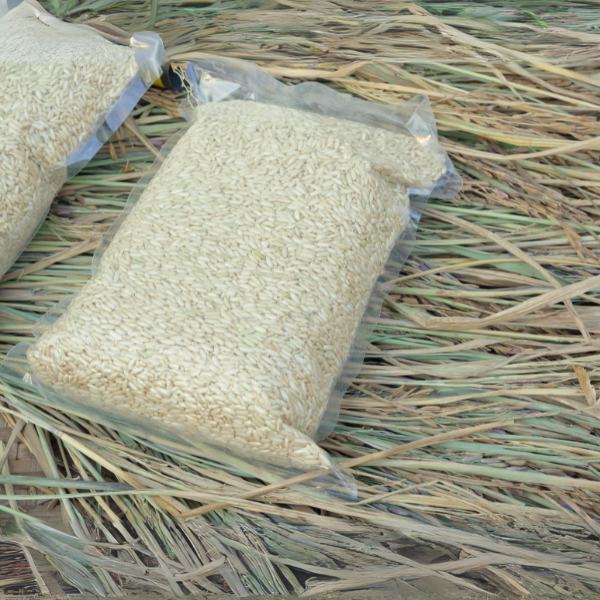
With its high gloss and transparency, CPE film lets shoppers quickly see the product inside the pack without opening it. For rice bags, frozen foods or tissue packs, this clear view builds trust and makes it easier for consumers to compare brands on shelf.
Excellent Conformability & Contamination Resistance
CPE film conforms well to irregular product shapes and edges. It wraps tightly around products, reducing dead space and improving pallet efficiency. At the same time, its smooth surface helps resist dust and minor contamination, keeping packs looking clean throughout distribution.
For high-hygiene applications such as tissue, wipes or medical disposables, this combination of conformability and clean appearance is especially valuable.
Sustainable and Recyclable Material
Because CPE is a polyethylene-based film, it can be designed into mono-PE structures together with MDO PE Film or BOPE Film. These all-PE laminates are easier to recycle than mixed-material packs while still delivering good toughness and clarity.
CloudFilm focuses on PE-based solutions and can help you redesign existing PET/PE or PET/AL/PE structures into more recyclable CPE-based versions, balancing performance, cost and sustainability targets.
Main Applications of CPE Film
CPE films are employed in a wide range of applications, from cold food chain logistics to protective films for electronics. Below are some of the most common uses and how CloudFilm structures can support them.
Cold Food Chain
In the cold food chain, CPE film serves as a crucial sealant and protective layer for frozen meat, seafood and ready meals. Its cold resistance ensures that bags remain flexible and seals stay strong even after long storage at –18 °C or below. Typical structures include PET/PE/CPE or BOPE/CPE laminates.
Rice Bag
For rice packaging, CPE film helps prevent moisture ingress and mechanical damage during stacking, warehousing and transport. It can be used as a sealant layer in printed laminates, or as part of mono-PE structures using PE Roll or Clear Poly Film.
This allows you to choose between high-gloss retail bags and more economical bulk sacks while keeping the same basic CPE sealing performance.
Pasteurized Milk & Dairy
Pasteurized milk and dairy drinks require materials that can withstand pasteurization temperatures while maintaining product freshness. CPE film’s thermal stability and hot tack strength make it suitable for use as a sealant layer in milk pouches and pillow packs.
Lamination Film
As a lamination film, CPE is often paired with PET, BOPE, MDOPE or Metallized CPE Film to achieve the desired barrier, stiffness and seal performance. CloudFilm’s Cast Film portfolio includes CPP and CPE cast films engineered for high-speed printing and lamination.
Single-Layer Printing Film
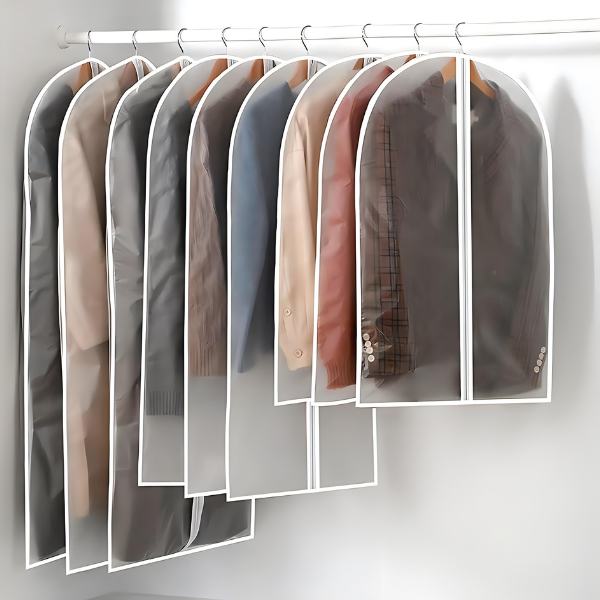
CPE film can also be used as a single-layer printing film for simple packaging formats such as garment bags, tissue overwraps or promotional covers. Corona-treated CPE provides good ink adhesion and a soft hand-feel that consumers appreciate.
Electronic Device Protection
For electronics, CPE film is valued for its soft cushioning effect and scratch protection. It can act as a removable protective film for screens, housings and metal panels, especially when combined with specialty PE Protective Film grades.
CPE’s toughness and anti-block packages help reduce damage from vibration, impact and abrasion during shipping, while its clarity allows easy inspection and identification of products without opening the pack.
Protective Film & Industrial Covers
As a protective film or industrial cover, CPE helps shield hardware, furniture, automotive parts and construction materials from dust, abrasion and moisture. Its combination of softness and toughness allows it to conform to complex shapes while providing durable protection.
Work with CloudFilm to Specify Your CPE Film
As brands and converters move toward tougher, clearer and more sustainable packaging, CPE film is becoming a key building block in mono-PE and high-performance laminates. However, turning “CPE film” from a general concept into a working specification requires the right partner.
CloudFilm has over 20 years of experience in CPE and PE-based films. Whether you need CPE as a sealant layer for frozen meat bags, as a soft outer layer for garment packaging, or as part of a recyclable BOPE/CPE or MDOPE/CPE structure, our team can help you define:
- Film thickness range and width
- Structure (single-layer CPE, PET/CPE, BOPE/CPE, etc.)
- Required COF, slip and anti-block package
- Target packaging line speed and sealing window
Share these details with us via our contact form or directly on the CPE Film product page, and we will recommend grades, send trial rolls and provide a quotation tailored to your line and market.
FAQ: CPE Film for Packaging
Q1. What thickness and width range of CPE film can CloudFilm supply?
A1. CloudFilm typically supplies CPE film in thicknesses from about 20 to 150 μm, with customized widths depending on your bag-making or FFS line. For most food packaging and lamination uses, 40–80 μm is common, while heavier industrial or protective applications may require 80–150 μm. Please tell us your target width, roll diameter and core size when requesting a quote.
Q2. Is CPE film food-contact safe?
A2. Yes. CloudFilm’s CPE film is produced from food-grade polyethylene resins and can be supplied with food-contact declarations that meet mainstream regulations in many markets. If you have specific requirements (such as EU, FDA or other standards), please share them and we will check the most suitable grade and documentation.
Q3. How is CPE film different from PE shrink film or POF shrink film?
A3. CPE film is typically used as a non-shrink sealant or lamination film with a soft touch and good cold resistance. PE shrink film and POF Shrink Film are designed to shrink tightly around products when heated. If you need a tight overwrap for multipacks, shrink films are a better choice; if you need a strong, flexible bag or laminate structure, CPE film is usually more suitable.
Q4. Can CPE film be used in recyclable mono-PE structures?
A4. Yes. CPE film is polyethylene-based and can be combined with MDO PE Film or BOPE Film to build mono-PE laminates. These structures are easier to recycle than mixed-material packs. CloudFilm can evaluate your current structure and suggest CPE-based alternatives that keep similar performance while improving recyclability.
Q5. What information should I provide when requesting a CPE film quote from CloudFilm?
A5. To speed up quotation and sampling, please share:
- End application (e.g. frozen meat, rice, garment, electronics, protective film)
- Target structure (CPE alone, PET/CPE, BOPE/CPE, etc.)
- Thickness range and width
- Approximate monthly or yearly usage
- Any special requirements (easy tear, anti-fog, anti-static, specific COF, etc.)