Since the early 20th century, the versatile polyethylene (PE) films, synthesized from ethylene monomers, have marked significant breakthroughs in materials science.
As a globally utilized plastic, PE films are crucial in numerous industries due to their lightweight, high strength, good transparency, and chemical resistance.
This article explores the developmental history of polyethylene films, their different types, and their applications in contemporary society.

The Developmental History of Polyethylene
The developmental history of polyethylene (PE) began in the early 20th century and can be divided into the following key stages:
Discovery and Early Development (1933-1939)
In 1933, Eric Fawcett and Reginald Gibson at Imperial Chemical Industries (ICI) accidentally discovered polyethylene. They synthesized a white, waxy substance, polyethylene, by polymerizing ethylene gas under high pressure. In 1939, ICI commenced commercial-scale production of polyethylene.
World War II Applications (1939-1945)
During World War II, polyethylene was used as an insulating material for radar cables. Due to its excellent electrical insulation and lightweight properties, polyethylene played a significant role in Allied radar technology.
Post-War Commercialization and Diversification (After 1945)
Post-war, polyethylene began to be widely commercialized. Scientists have developed polyethylene in different densities, such as low-density polyethylene (LDPE) and high-density polyethylene (HDPE).
In the 1950s, more varieties of polyethylene, like Linear Low-Density Polyethylene (LLDPE), were produced through various manufacturing processes and catalysts.
Technological Innovation and New Applications (Late 20th Century to 21st Century)
Towards the end of the 20th century, technological innovations further expanded the application areas of polyethylene. The development of new materials like Ultra High Molecular Weight Polyethylene (UHMWPE) extended its use into more advanced fields, such as medical devices and bulletproof equipment.

Entering the 21st Century, environmental protection and sustainability have become significant directions in the development of polyethylene. Polyethylene recycling and the development of eco-friendly products like bio-based polyethylene have increasingly become focal points of research.
What is Polyethylene Film?
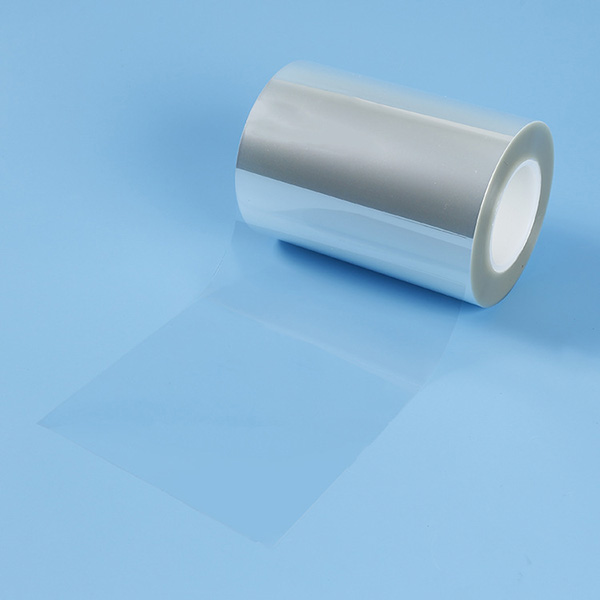
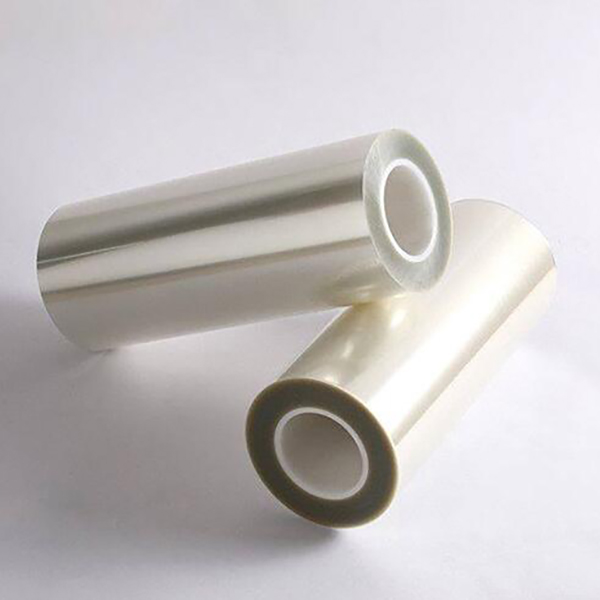
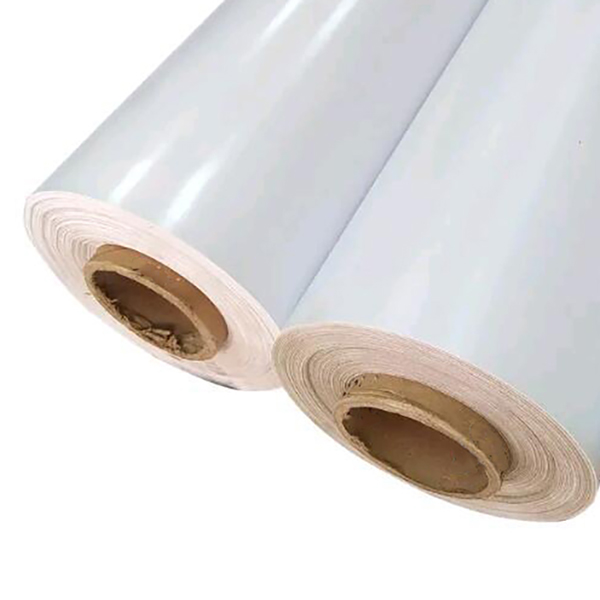
Polyethylene film (PE film) is a versatile plastic film made by polymerizing ethylene monomers. Ethylene, the primary raw material for PE film, is a light hydrocarbon compound widely found in natural gas and petroleum. Polyethylene films are produced by selecting film-grade polyethylene particles and processing them through blowing or casting methods into a fixed film form with a thickness of 0.002-0.3mm.
PE films are extensively used in multiple industries due to their lightweight, high strength, good transparency, and excellent chemical resistance. Their favorable physical and chemical stability and water-resistant and UV-protective properties make them widely used in fields like agricultural covering, packaging materials, and building protection.
Additionally, PE films are also easy to process and recyclable, making them environmentally friendly.

PE films occupy a significant proportion of global plastic production, becoming an important practical material in modern society.
According to the latest report by QYResearch, “Global Polyethylene Film Market Report 2023-2029,” the global market for polyethylene films is expected to reach $40.46 billion by 2029, with a compound annual growth rate (CAGR) of 3.8% over the next few years.

(Global Market Size)
What are the different types of polyethylene?
Polyethylene, one of the most widely used plastics globally, comes in various types, each with unique properties and applications.
The three most common types of polyethylene are low-density polyethylene (LDPE), high-density polyethylene (HDPE), and linear low-density polyethylene (LLDPE), each of which is vital in daily life.
Low-density polyethylene (LDPE): Soft and highly transparent, it possesses good chemical resistance and electrical insulation and is primarily used in producing plastic bags, films, containers, and tubing.
High-Density Polyethylene (HDPE): Harder and stronger than LDPE with better heat resistance, used in producing bottles, pipes, plastic lumber, and storage tanks.
Linear Low-Density Polyethylene (LLDPE) : With properties between LDPE and HDPE, it has excellent tear resistance and impact strength, mainly used in films and plastic bags.
The polyethylene family also includes ultra-high-molecular-weight Polyethylene (UHMWPE), known as “the steel of plastics” for its outstanding wear resistance and strong impact strength, with molecular weights reaching millions. UHMWPE is widely used in wear-resistant parts, medical devices, and bulletproof gear and is even crucial in the aerospace and military sectors. It is a vital component of modern industry and a key material driving technological advancement and engineering development.
The following table compares four different types of polyethylene in multiple dimensions. Each type of polyethylene has unique properties and uses suitable for various applications.
| Property/Type | Low-Density
Polyethylene (LDPE) |
High-Density
Polyethylene (HDPE) |
Linear Low-Density
Polyethylene (LLDPE) |
Ultra-High Molecular
Weight Polyethylene (UHMWPE) |
|---|---|---|---|---|
| Density | 0.910-0.925 g/cm³ | 0.941-0.965 g/cm³ | 0.915-0.925 g/cm³ | > 0.930 g/cm³ |
| Strength | Lower | Higher | Moderate | Extremely High |
| Hardness | Softer | Harder | Softer | Extremely Hard |
| Heat Resistance | Lower (up to 80℃) | Higher (up to 120℃) | Moderate (up to 80℃) | High (up to 130℃) |
| Chemical Resistance | Good | Very Good | Good | Very Good |
| Transparency | High | Low to Moderate | High | Low |
| Processability | Easy to Process | Easy to Process | Easy to Process | Difficult to Process |
| Applications | Packaging Films, Plastic Bags | Bottles, Pipes, Tanks | Films, Plastic Bags | Wear Parts, Medical Equipment,
Bulletproof Gear |
| Environmental Impact | Recyclable | Recyclable | Recyclable | Difficult to Recycle |
| Cost | Lower | Moderate | Moderate | Higher |
Advances in technology and increased environmental awareness will drive the future development of PE films towards sustainability and eco-friendliness. PE films hold a significant position in global plastic production, being a core component of modern industry and simultaneously promoting technological innovation and engineering development.
PE films are extensively used in areas like wear-resistant parts, medical devices, packaging materials, and agriculture. They demonstrate their unique value and indicate their continued significant role in the global market in the coming years.
Key Properties of PE Film for Packaging
When evaluating PE film for packaging projects, the following properties are especially important:
- Moisture Barrier and Chemical Resistance
PE films provide a reliable barrier against water vapor and many common chemicals, which helps protect food, detergents, fertilizers and industrial products from moisture and contamination. Grades such as LDPE and HDPE are widely used as inner liners and moisture barriers in bags, pouches and sacks. - Flexibility, Toughness and Puncture Resistance
PE film combines good flexibility with high impact strength. By adjusting the ratio of LDPE, LLDPE and HDPE, CloudFilm can help you tune film stiffness, stretchability and puncture resistance—whether you are making light shopping bags or heavy-duty industrial sacks. - Heat-Sealability
One of the biggest advantages of PE is its excellent heat-seal performance. PE-based films are commonly used as seal layers in laminates such as PET/PE film, PA/PE film and PE laminated structures. Properly designed seal layers ensure clean, leak-free seals on high-speed form-fill-seal lines. - Optical Properties and Printability
LDPE and certain LLDPE grades offer high clarity, which is beneficial when you want consumers to see the product inside. When paired with printed outer webs, PE films can deliver attractive shelf appearance while still protecting the product. CloudFilm provides corona-treated PE films to support high-quality printing and lamination. - Recyclability and Mono-Material Design
PE is one of the most widely collected and recycled plastics. Modern structures such as MDO PE film and BOPE film allow brands to design mono-PE laminates that are easier to recycle while maintaining stiffness, clarity and barrier performance. CloudFilm actively develops PE-based recyclable packaging solutions to help you meet sustainability targets.
PE Film Applications in Packaging, Agriculture and Construction
PE films are used across many industries. Typical application clusters include:
- Flexible Packaging & Consumer Goods
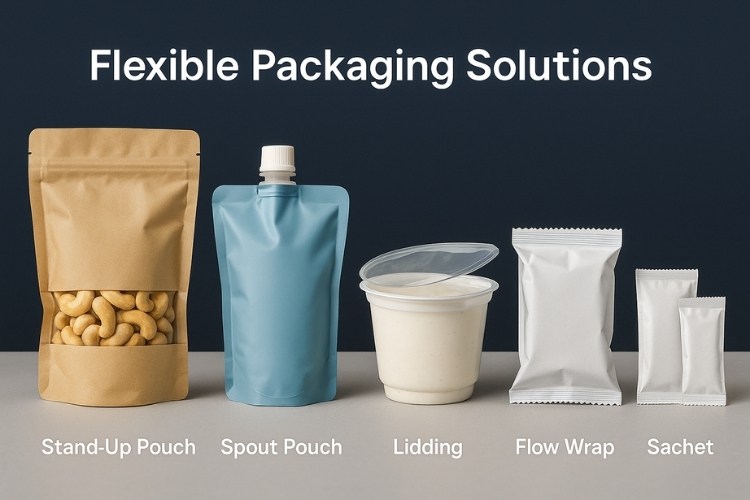
PE films are widely used for bags, liners, pillow packs and PE-based pouches. Depending on your structure, you can use mono-layer PE bags or combine PE with other materials in laminates. For food, snacks and daily necessities, many customers work with CloudFilm’s food packaging films, packaging film rolls and PE-based laminates such as PET/PE and PA/PE to build complete packaging systems. - Agricultural Films
In agriculture, PE films are used as greenhouse covers, mulch films, tunnel films and silage wraps. CloudFilm supplies clear poly film, PE roll and dedicated silage film grades with good UV stability, puncture resistance and tear strength to protect crops in different climates. - Construction and Industrial Protection
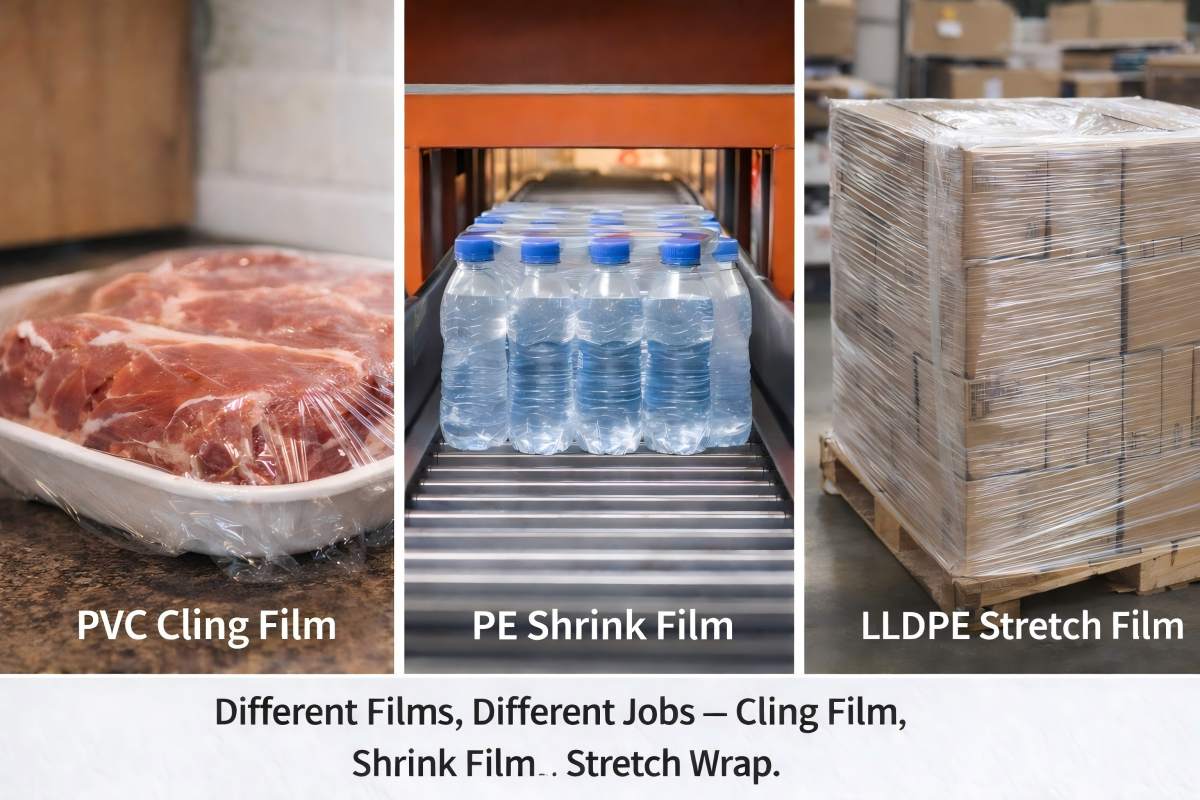
PE films serve as vapor barriers, protective sheets and liners for construction sites, flooring, furniture and machinery. Our PE protective film, PE stretch film and stretch hood film help stabilize pallet loads and protect surfaces during transport and storage. - Medical and Hygiene Products
PE films are used for disposable gloves, aprons, bed sheets and certain medical packaging films. In higher-barrier medical and pharmaceutical packs, PE films often cooperate with nylon or PET in structures such as PA/PE and PE PA PE, which CloudFilm can supply together with dedicated pharmaceutical pouches.
How to Choose the Right PE Film for Your Project
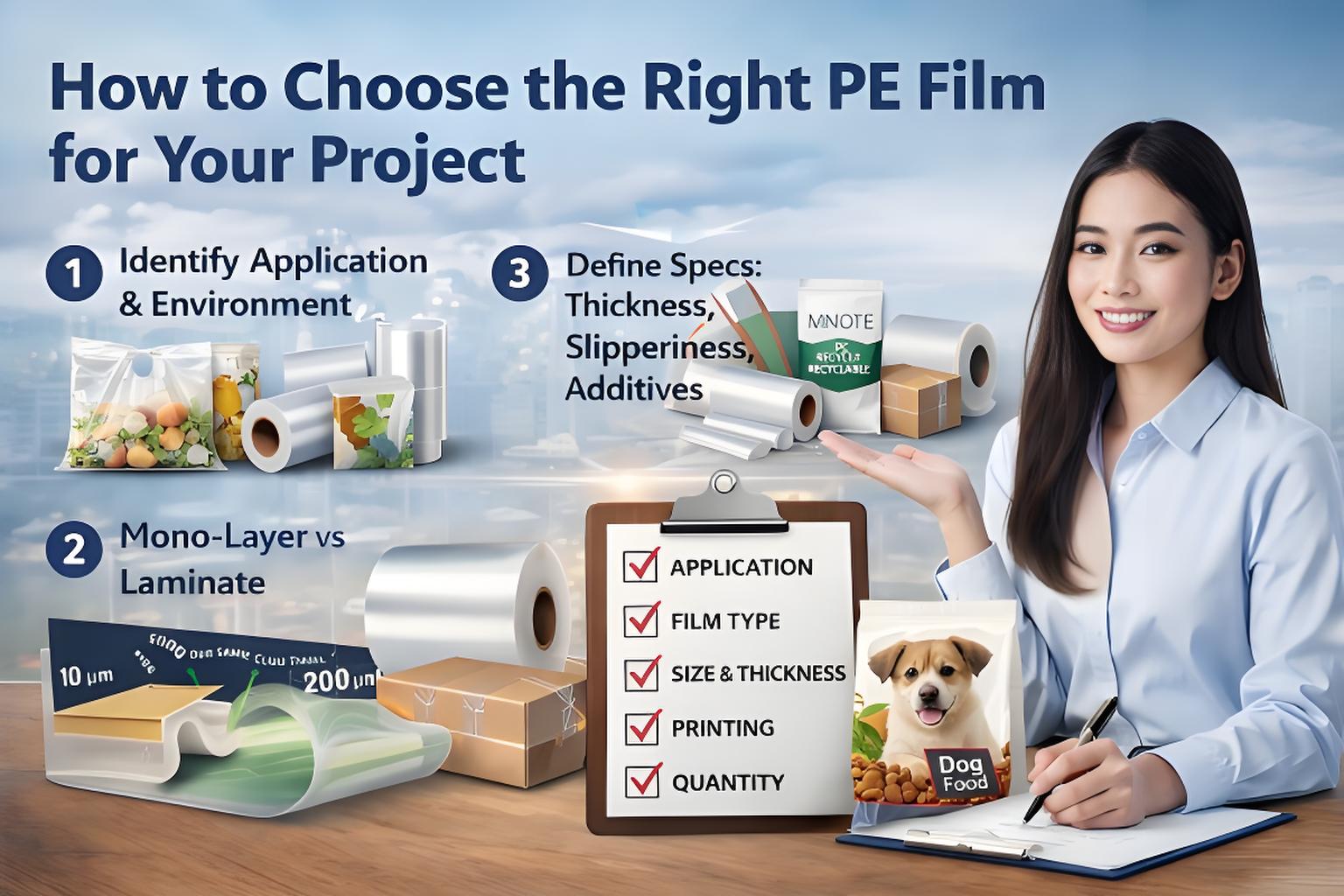
To select the most suitable PE film for your application, it helps to follow a simple step-by-step approach:
- Clarify Your Application and Environment
Define what you are packaging or protecting (food, chemicals, construction materials, agricultural products, etc.) and the environment it will face (freezing, high humidity, outdoor exposure, pallet transport). - Decide on Mono-Layer vs Laminate Structures
For simple bags or liners, mono-layer PE film (LDPE, LLDPE, HDPE or blends) may be enough. For high-barrier or premium packs, you may need PET/PE, PA/PE, PE PA PE or other laminate structures. Our article Understanding PE Packaging Film & Its Uses” gives more examples of typical structures. - Define Key Specifications
Work out your target thickness, film width, roll length, color, slip level and any required additives (e.g. UV, anti-static, anti-fog). If you want to compare different PE densities and estimate film yield or roll weight, you can refer to “PE Film Density: The Ultimate Guide”. - Share Data with CloudFilm for Evaluation
Once you have the basic information, send your current datasheet or target parameters to the CloudFilm team. We can propose suitable grades from our PE film series, compare LDPE, LLDPE and HDPE options, and suggest whether mono-PE, BOPE/MDO PE or PE-based laminates will give you the best balance of performance and cost.
Why Work with CloudFilm for PE Film?
Choosing the right PE film is not only about material properties—it is also about working with a supplier that understands your application, equipment and markets. CloudFilm offers:
- Complete PE Film Portfolio
From LDPE, LLDPE and HDPE to MDO PE film, BOPE film, stretch films, shrink films, silage films and protective films, CloudFilm can cover your needs from small bags to pallet-level protection. - One-Stop Flexible Packaging Solutions
Besides PE films, we supply BOPP, BOPET, BOPA and various high-barrier and metallized films, as well as PE-based laminates like PET/PE, PA/PE and PE PA PE. This allows you to design entire packaging systems with one partner instead of coordinating multiple suppliers. - Engineering Support and Trial Service
Our technical team can review your current film, recommend equivalent or improved PE structures, and prepare samples or trial rolls for testing. This reduces your risk when switching suppliers or materials. - Focus on Recyclable and Sustainable Designs
CloudFilm actively develops mono-PE and BOPE/MDO PE solutions to help you move from mixed-material laminates to recyclable structures without sacrificing performance. - Proven Export Experience
Since 2002, CloudFilm has supported hundreds of customers in more than 30 countries with stable quality and on-time delivery for flexible packaging films.
If you are planning a new PE film project or want to optimize an existing structure, share your application, target specifications and estimated demand with us. Our team will quickly evaluate your needs and propose practical PE film solutions tailored to your market.
PE Film FAQs: CloudFilm Experts Answer Buyers’ Key Questions
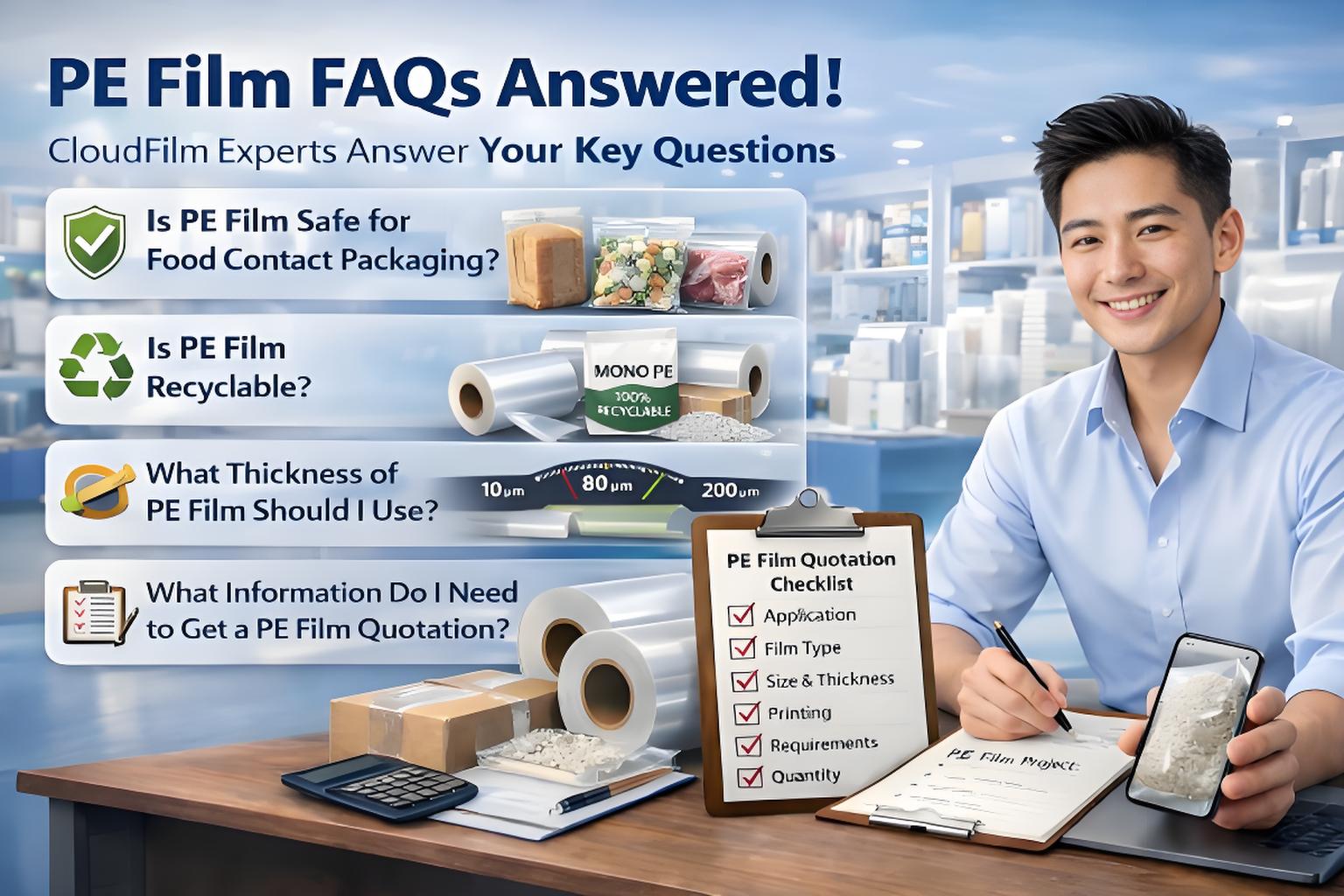
Q1. Is PE Film Safe for Food Contact Packaging?
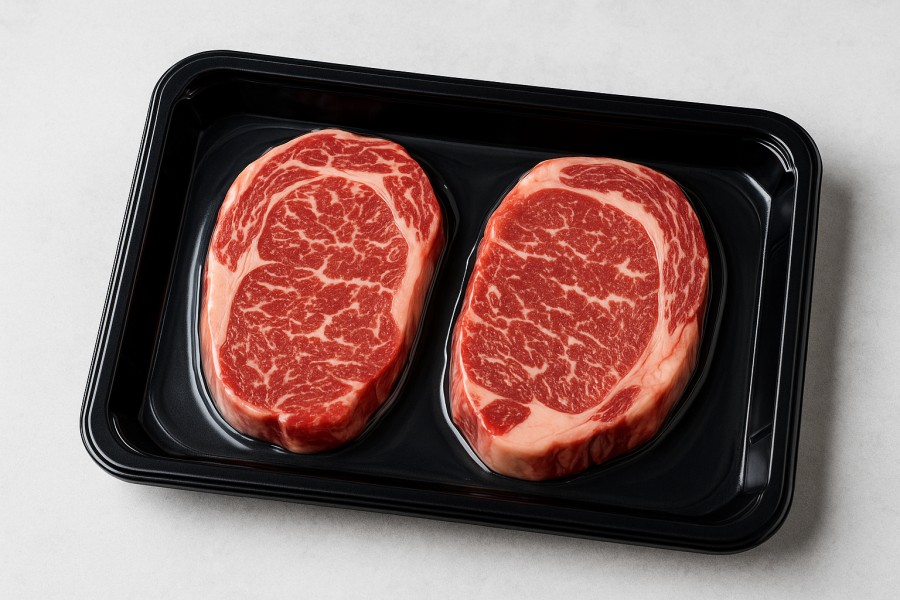
A1. Yes – when you use properly specified, food-contact grade PE film. Packaging-grade LDPE, LLDPE and HDPE films made from approved resins and produced under hygienic conditions are widely used for bread bags, frozen food packaging, meat liners and many other direct food-contact applications. For more in-depth information, you can also refer to our article Packaging PE: From Properties and Applications to Selecting the Perfect Solution for Your Product.
At CloudFilm, we supply PE films and PE pouches based on food-contact compliant materials for relevant projects. When you send us an inquiry, please clearly indicate whether your PE film will be used for direct or indirect food contact and which regulations (e.g. EU, FDA) you need to comply with. Our technical team will then recommend suitable film grades and share available certificates or test reports.
Q2. Is PE Film Recyclable and How Can I Design Recyclable PE Packaging?
A2. In many markets, PE film (LDPE, LLDPE, HDPE) can enter dedicated recycling streams, typically under resin identification codes “2” (HDPE) and “4” (LDPE/LLDPE). However, recyclability always depends on local collection and sorting infrastructure, and multi-material laminates (for example PET/AL/PE) are much harder to recycle than mono-material PE structures.
If recyclability is a priority for your project, CloudFilm can help you design mono-PE structures using solutions such as MDO PE Film, BOPE Film and Recyclable Pouches. For a broader sustainability overview, please also see our blog Mono Material Flexible Packaging: The Ultimate Solution to Sustainable Packaging?.
Q3. What Thickness of PE Film Should I Choose for My Application?
A3. PE film for packaging can typically range from about 10 μm up to 200 μm or more, depending on whether you are making lightweight laminates, stand-up pouches, or heavy-duty liners and geomembranes. As a very general guideline:
- 10–30 μm: inner seal layers, laminating films and light bags for small packs.
- 30–80 μm: common retail bags, many PE pouches and standard industrial packaging.
- 80–200 μm: heavy-duty bags, construction membranes, agricultural and geomembrane films.
For a deeper understanding of how density and thickness influence performance and yield, please refer to our article Ultimate Guide to PE Film Density: Values, Applications & Selection. When you contact CloudFilm, simply share your product type, desired pack size, required strength and any existing sample you are using; our engineers will then recommend a realistic thickness range instead of you guessing blindly.
Q4. What Information Should I Prepare Before Asking CloudFilm for a PE Film Quotation?
A4. The more details you share, the faster we can recommend the right PE film and prepare accurate pricing. When you send an inquiry for PE film rolls or pouches, it is very helpful if you can include:
- End application (for example bread bags, frozen food, rice, pet food, industrial liners, construction membranes, agricultural films).
- Desired structure (plain PE film, PE laminated with other films, or mono-PE recyclable design).
- Target thickness (μm) and roll width, or finished pouch size (width, height, gusset).
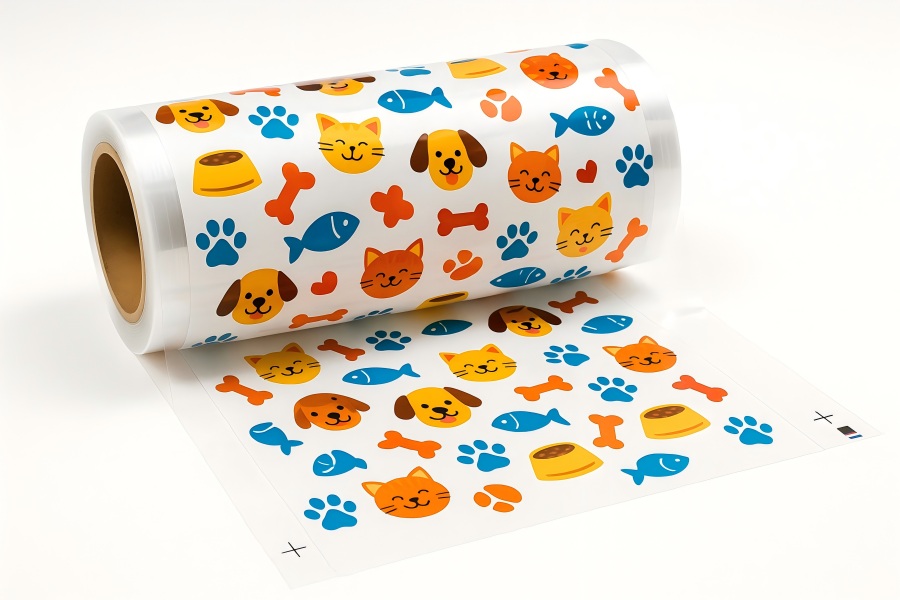
- Whether you need printing (and how many colors) or plain film.
- Special requirements such as anti-fog, anti-static, UV resistance, easy-tear, high barrier or specific friction coefficient.
- Estimated monthly or annual consumption and target port (so we can optimize logistics).
If you are not sure about some of these parameters, you can simply send us photos of your current package or describe your product and market. The CloudFilm team will then help you analyze the structure and suggest PE film options that balance performance, cost and sustainability.