Introduction: Why CPP Film Matters For Modern Packaging Buyers
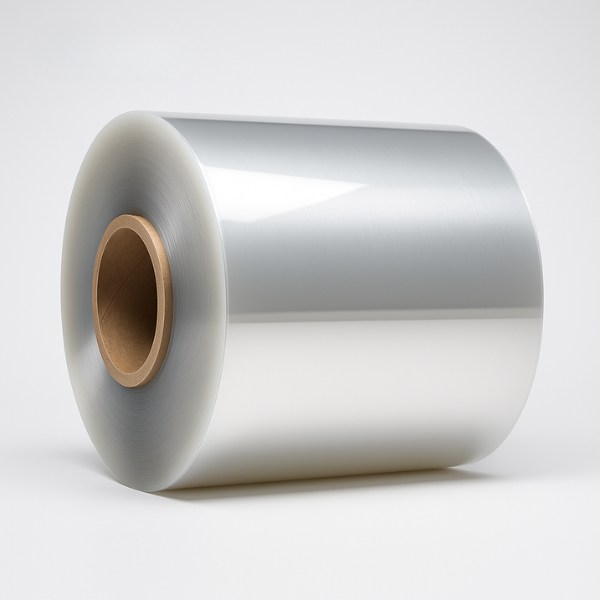
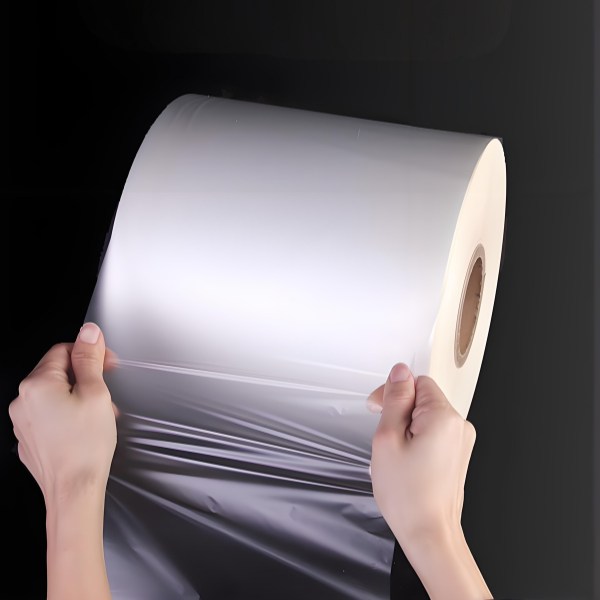
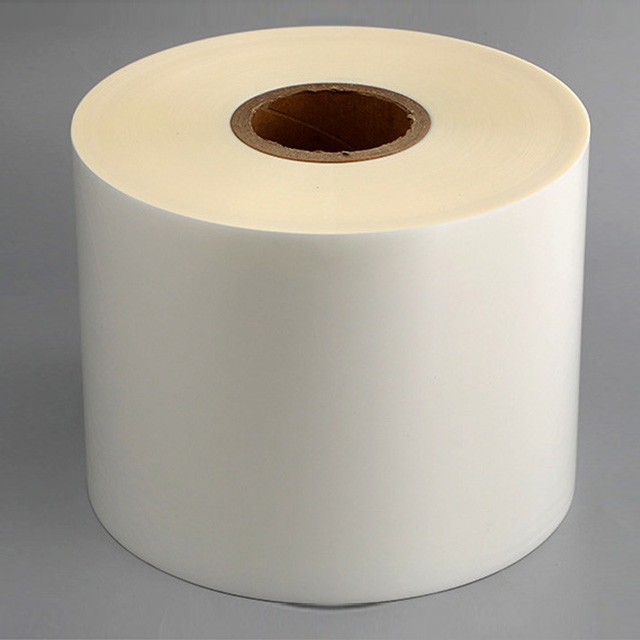
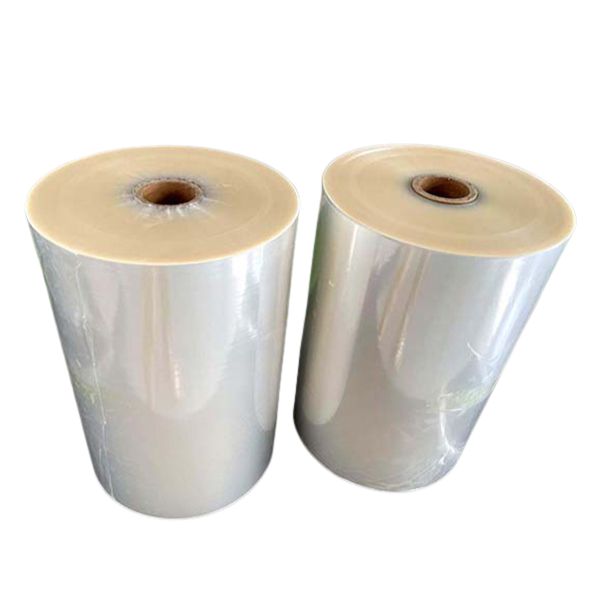
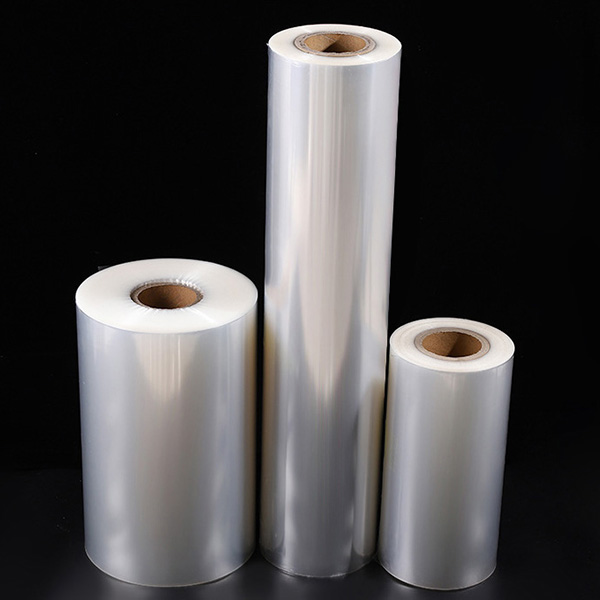
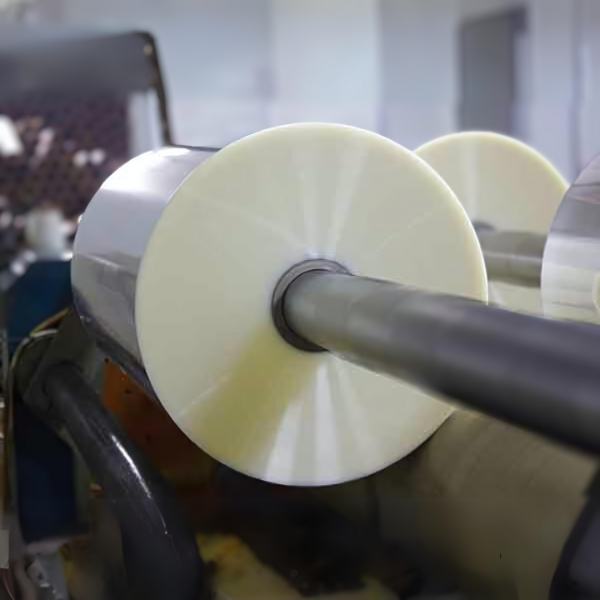
Cast polypropylene (CPP) film has become one of the most important inner layers in modern flexible packaging. For many packaging engineers, converters and importers, CPP film is the “hidden workhorse” that delivers secure seals, protects product freshness and keeps high-speed packaging lines running smoothly.
Unlike biaxially oriented films such as BOPP and BOPET, CPP is produced by a cast extrusion process and remains essentially unoriented. This gives CPP a softer hand-feel, strong hot-tack and excellent heat-seal performance, which is why it is widely used as the inner sealing or lidding layer in laminates. When you combine CPP with outer webs such as BOPP, PET, BOPE, MDO PE or BOPA, you can tune the structure to balance clarity, stiffness, barrier and sealing strength.
If you want a deeper technical introduction, CloudFilm has a dedicated guide on CPP film fundamentals and processing in its English blog, such as the in-depth article on CPP film and its properties. Together with the broader overview in the CPP film ultimate guide, this CPP uses article helps buyers and engineers connect theory with real packaging applications.
For B2B decision-makers, the core question is not only “What is CPP film?” but “Where exactly can CPP film fit into my portfolio, how does it compare to BOPP or PE, and which grade should I purchase from a manufacturer or supplier?” This guide answers those questions from a practical perspective, based on CloudFilm’s experience as a CPP film producer, exporter and technical partner.
Key Properties Of CPP Film For Packaging Engineers
Before mapping out CPP film uses, it is important to understand the performance profile that makes CPP so attractive in laminates and PP-rich structures:
- Excellent heat sealability and hot-tack – CPP generally seals at relatively low temperatures with wide sealing windows, which can increase packing speed and reduce seal failures.
- Good moisture and grease resistance – CPP is naturally hydrophobic and resists oil and fat, which is critical for snacks, bakery, frozen food and meat.
- Soft, quiet hand-feel – compared with BOPP, CPP feels softer and is less noisy, making it suitable for tissue overwraps, diaper packs and premium pouches.
- High clarity and gloss (for clear grades) – clear CPP provides an attractive product display for transparent windows or fully transparent bags.
- Strong puncture and tear resistance – especially in thicker and retort CPP (RCPP) grades, this helps packs survive transportation and sterilization.
- Temperature resistance – RCPP can handle 121–135°C retort conditions in structures such as PET/AL/RCPP or PET/VMCPP/RCPP, while standard grades perform well at ambient and frozen temperatures.
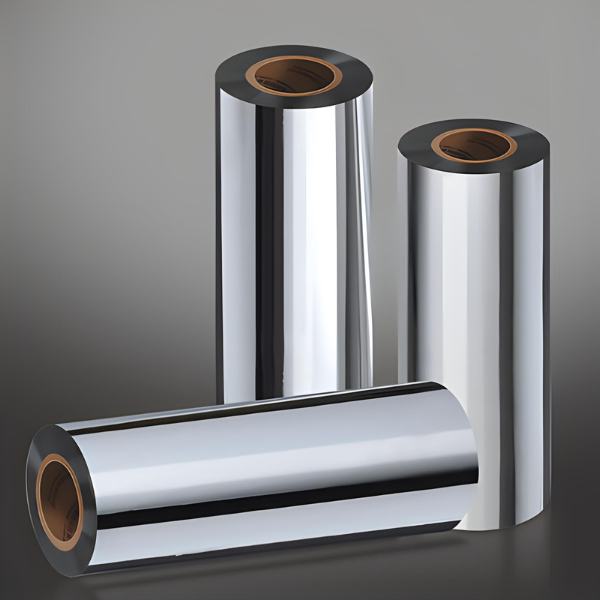
- Functionality options – anti-fog CPP for fresh produce, anti-static CPP for labels and electronics, tissue CPP with controlled COF for high-speed overwrap, and metallized CPP (VMCPP) for high oxygen and light barrier.
When you evaluate cost and yield, it is also useful to understand how CPP density and thickness influence area yield. CloudFilm discusses this in more detail in its article on CPP film density and yield, which can help buyers compare CPP to PE or BOPP on a cost-per-package basis rather than only cost-per-kilogram.
Major CPP Film Applications In Food Packaging
Food and pet food remain the largest application segments for CPP film. In most cases, CPP is used as the inner sealing layer, sometimes also contributing to clarity and puncture resistance.
Snacks, Biscuits And Confectionery
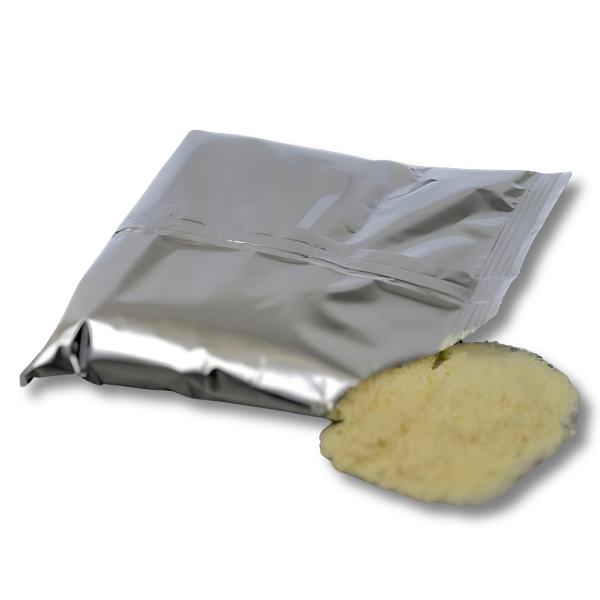
In snack and confectionery, BOPP/CPP and BOPP/VMCPP laminates are widely used for pillow packs and gusset bags of chips, nuts, biscuits and candies. The outer BOPP layer provides stiffness and high-quality printing, while the inner CPP layer delivers strong seals and good hot-tack.
When higher oxygen and light barrier are required, metallized CPP (VMCPP) can be used as the inner barrier layer instead of clear CPP. CloudFilm explains the performance balance between BOPP and CPP in its BOPP vs CPP comparison article, which is a useful reference for snack packaging engineers.
Bakery Products
Bakery products – such as sliced bread, rolls and cakes – often use PET/CPP or BOPP/CPP structures for flow-wrap and pillow packs. The clear CPP sealing layer keeps the product visible and protects against moisture loss and crumbling. For brand owners focused on downgauging and higher machine speed, a CPP grade with a wider sealing window can minimize sealing defects and waste.
Frozen Food And Ready Meals
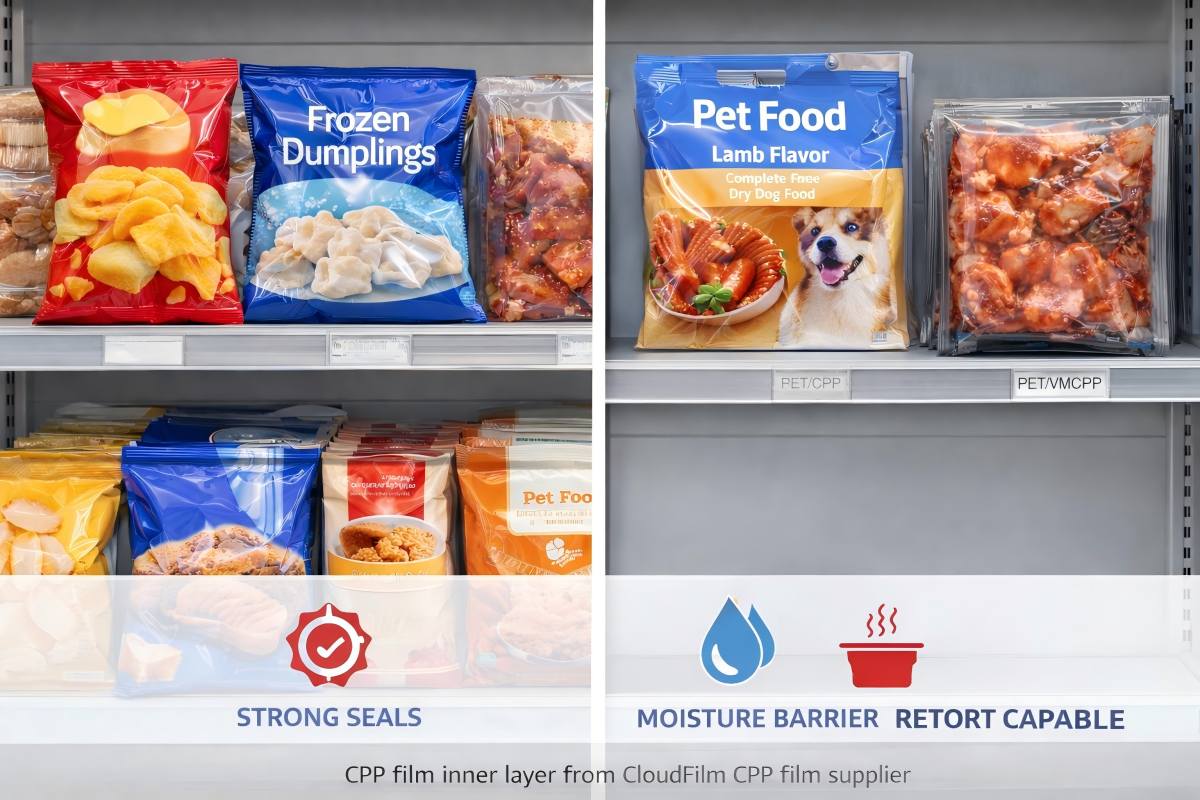
For frozen dumplings, vegetables and meat, CPP is used in laminates such as PET/CPP, BOPE/CPP or MDO PE/CPP. CPP’s flexibility and low-temperature impact strength help the pouch resist cracking in the freezer. If you are developing recyclable mono-PE or PE-rich structures, CloudFilm’s MDO PE film and its guide on BOPE film for recycling and sustainability show how CPP can be paired with BOPE or MDO PE during the transition phase.
Meat, Cheese And High-Fat Foods
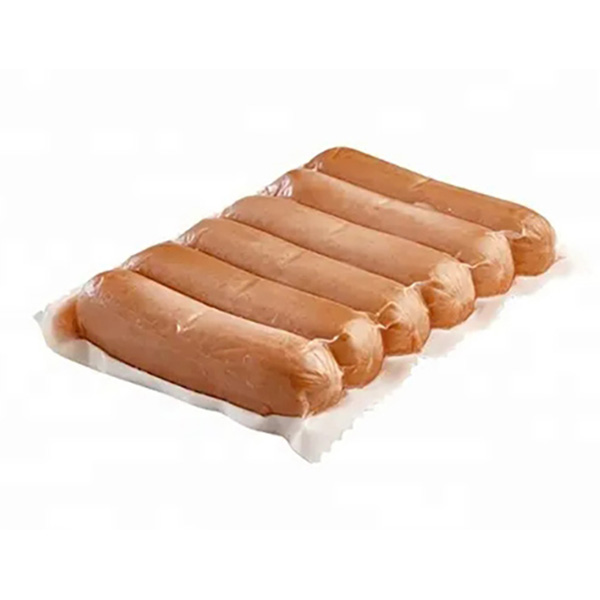
For meat products and processed cheese, CPP’s grease resistance and toughness make it a strong choice in PET/CPP or PA/CPP structures. CloudFilm’s blog on meat products packaging characteristics and types discusses how seal strength and puncture resistance affect shelf life and distribution performance. In some high-barrier packs, metallized CPP and other metallized films are used together to meet oxygen and light barrier targets.
CPP Film Uses In Hygiene, Medical And Tissue Packaging
Beyond food, CPP film plays a critical role in hygiene and medical packaging, where softness, cleanliness and processability are just as important as barrier.
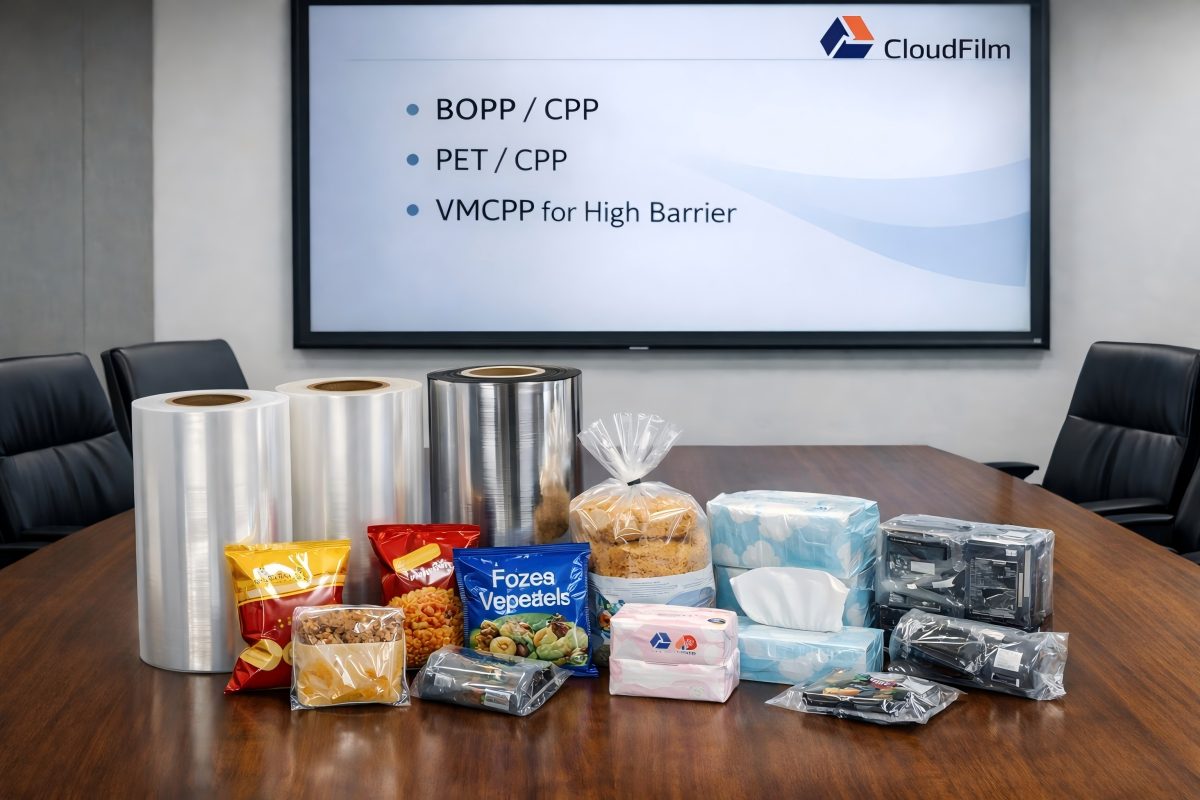
In tissue and hygiene overwraps, CPP tissue film is widely used to wrap facial tissues, pocket tissues and toilet rolls. High transparency lets consumers see the product quality clearly, while controlled COF and good toughness support high-speed over-wrapping. CloudFilm’s dedicated CPP tissue film product is designed specifically for this application, with stable slip and excellent foldability.
CPP is also used in diaper and sanitary pad outer packs, often in combination with printed BOPP or PE to provide brand graphics and a soft, quiet touch. In personal-care packaging, the consumer’s hand-feel and noise perception are key brand differentiators, which is why many converters specify CPP-based laminates.
In medical device and pharmaceutical packaging, CPP appears in PET/CPP, PA/CPP and PE/CPP structures for non-sterile or secondary pouches (e.g. syringes, tubing, device kits). CPP provides a clean sealing surface, good tear resistance and compatibility with standard solvent-based or solvent-free adhesives.
For projects that also require high oxygen or moisture barrier, CPP can be combined with specialized high-barrier films in multi-layer laminates.
Industrial, Consumer And Specialty Applications Of CPP Film
CPP film is not limited to food and hygiene. Many industrial and consumer goods also rely on CPP’s clarity, toughness and consistent gauge.
In stationery and office supplies, clear CPP film is used for document protectors, folders, book covers and ID pouches. The film’s flatness and printability support high-quality graphics and branding, especially when combined with PET or BOPP in multi-layer laminates.
CPP or CPP/CPE structures are also used as protective wraps for furniture, home appliances, auto parts and electronics. These industrial wraps prevent dust, abrasion and scratches during transportation and installation. When customers need temporary surface protection, CPP can be combined with specialty adhesive layers or switched to related materials such as PE protective film and CPE film in the same project family.
In agriculture and floriculture, clear CPP is used for flower wrapping, nursery plant sleeves and some greenhouse interior films, where high clarity and good tear resistance improve handling along the supply chain.
CPP Film Structures And Combinations With Other Films
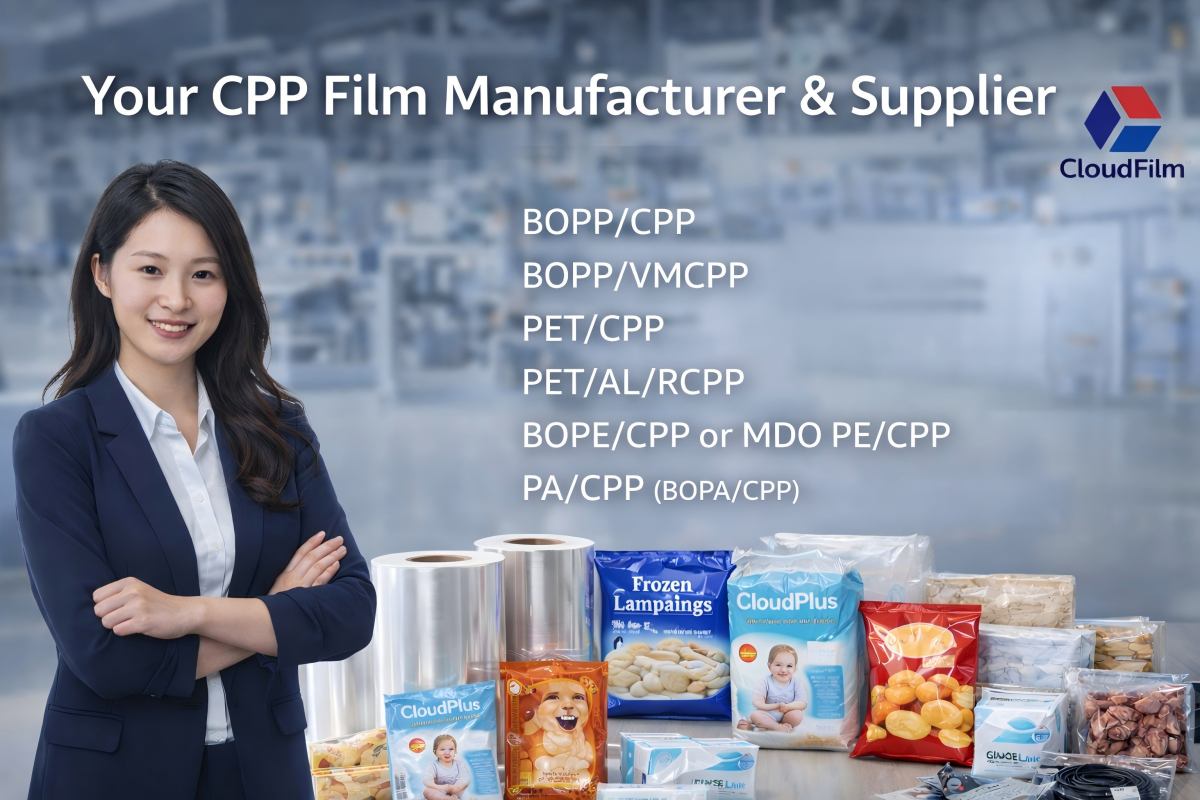
In real projects, CPP film is almost always used together with other films. Some typical structures include:
- BOPP/CPP – for snacks, confectionery and bakery flow-wrap.
- BOPP/VMCPP – for metallized snacks and biscuit packs requiring higher barrier.
- PET/CPP – for frozen food, sauces and general stand-up pouches.
- PET/AL/RCPP – for retort pouches and high-temperature sterilization.
- BOPE/CPP or MDO PE/CPP – for PE-rich or transition-to-mono-PE structures.
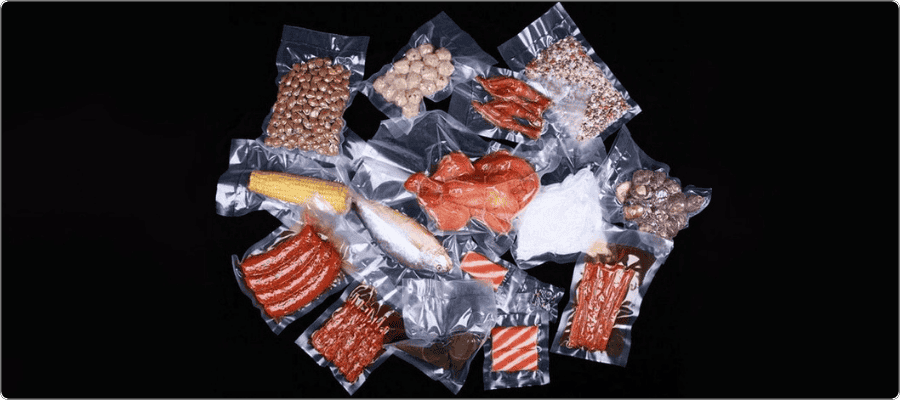
- PA/CPP (BOPA/CPP) – for high-puncture vacuum bags for meat and cheese.
In all of these structures, CPP is the inner sealing web, while the outer web and possible barrier layers are selected according to shelf-life targets and recyclability requirements. For customers interested in flexible packaging design in general, CloudFilm’s article on the structure and application of composite bags offers more examples that combine BOPP, PET, CPP, PE-EVOH-PE and BOPA in one portfolio.
If your project also requires high oxygen or aroma barrier, metallized CPP plays an important role. CloudFilm’s metallized CPP film product and the technical guide on VMCPP high-barrier applications explain where VMCPP should be placed in the laminate and how it compares to VMPET and ALOx PET.

How To Select The Right CPP Film Grade (With B2B Examples)
From a buyer’s point of view, “Which CPP grade should I choose?” is more practical than theoretical definitions. CloudFilm usually recommends the following selection steps to converters and importers:
- Define the packed product and process conditions:
- Dry snacks, biscuits, candy → standard clear CPP as inner seal layer in BOPP/CPP;
- Frozen dumplings and vegetables → CPP with good low-temperature impact strength in PET/CPP or BOPE/CPP;
- Retort pouches → RCPP with proven retort stability in PET/AL/RCPP;
- Tissue and hygiene overwraps → CPP tissue film with controlled COF.
- Confirm the outer web and stiffness:
- If your current structure already uses BOPP or PET on the outside, CPP will mainly provide sealing. When you are exploring mono-PE or mono-PP designs, CPP may be combined with BOPE or MDO PE as part of a transition strategy, as discussed in CloudFilm’s article on mono-material flexible packaging trends.
- Check the sealing window and line speed:
- High-speed lines or sensitive products need a wider sealing window and stronger hot-tack. Your CPP supplier should provide technical data, sealing curves and, ideally, small trial rolls for validation.
- Consider barrier and appearance:
- For premium coffee, instant beverages or high-value snacks, a laminate that includes VMCPP or other barrier layers may be necessary rather than clear CPP alone. For bakery, confectionery and tissue overwraps, high-clarity CPP grades deliver a cleaner look.
- Review regulations and certification:
- For food-contact projects, make sure the CPP film complies with relevant EU, FDA or GB standards and that the manufacturer can provide the necessary migration test reports.
Working With CloudFilm As Your CPP Film Manufacturer & Supplier
Choosing the right supplier can be as important as choosing the right film grade. CloudFilm positions itself as a CPP film manufacturer, exporter and technical partner for global B2B customers:
- A broad portfolio of BOPP, BOPET, BOPA, PE, CPP, BOPE, MDO PE and metallized films
from one manufacturer simplifies sourcing. - Packaging engineers can review your drawings (e.g. PET/AL/RCPP, BOPP/CPP, BOPE/CPP, PE-EVOH-PE/CPP) and suggest more cost-effective or more recyclable structures, often combining CPP with PE-EVOH-PE high-barrier film or BOPA where needed.
- Flexible MOQs and trial support help new customers validate CPP grades before scaling to full 40-foot container shipments.
- Experienced export documentation and logistics teams support shipments from China to Asia, Europe, the Americas, the Middle East and Africa.
FAQs: CPP Film Uses, Selection And Purchasing
Q1. Is CPP film safe for food contact?
Yes. When produced with food-grade raw materials under proper process control, CPP film is suitable for direct or indirect food contact. Your CPP film supplier should provide regulatory statements (EU/FDA/GB) and, where required, migration test reports.
Q2. What is the difference between CPP and BOPP film in packaging?
CPP is a cast, essentially unoriented PP film with softer feel and excellent heat sealability, typically used as the inner sealing or retort layer. BOPP is a biaxially oriented film with higher stiffness and tensile strength, usually used as the outer printing and barrier layer. Many snack packs therefore use BOPP/CPP or BOPP/VMCPP structures to combine both advantages.
Q3. Can CPP film be used for frozen and retort applications?
Yes. Standard CPP grades are widely used in frozen food packaging such as PET/CPP, thanks to their flexibility and low-temperature impact resistance. For retort pouches and trays, special RCPP grades are required; these are designed to withstand sterilization temperatures while maintaining seal strength and dimensional stability.
Q4. Is CPP film recyclable?
CPP is a polypropylene film and in principle compatible with PP recycling streams. Actual recyclability depends on the whole structure: BOPP/CPP or mono-PP structures are easier to handle than PET/CPP or PA/CPP laminates. When recyclability is a priority, work with your film manufacturer to design mono-PP or PP-rich structures and minimize incompatible layers.
Q5. How do I start a CPP film project with CloudFilm?
To start, simply share the packed product, bag type, target shelf life, process conditions, approximate thickness and roll width, along with expected order quantity and destination port. CloudFilm’s technical and sales team will recommend suitable CPP grades, send trial rolls for testing, and then support you with regular orders as a long-term CPP film supplier and manufacturer.