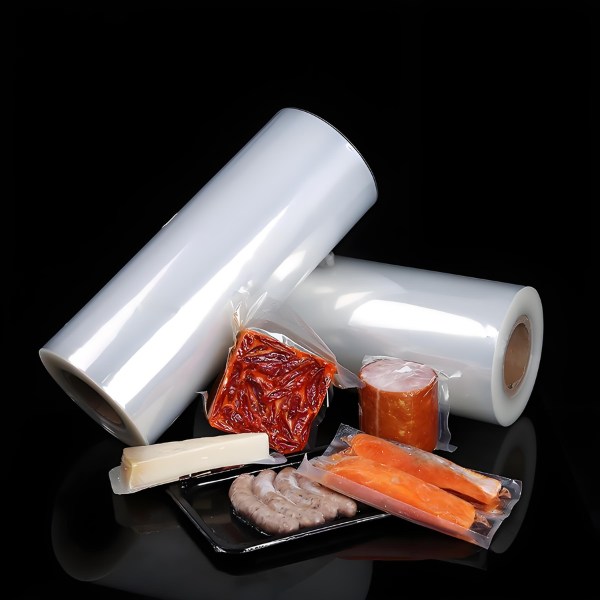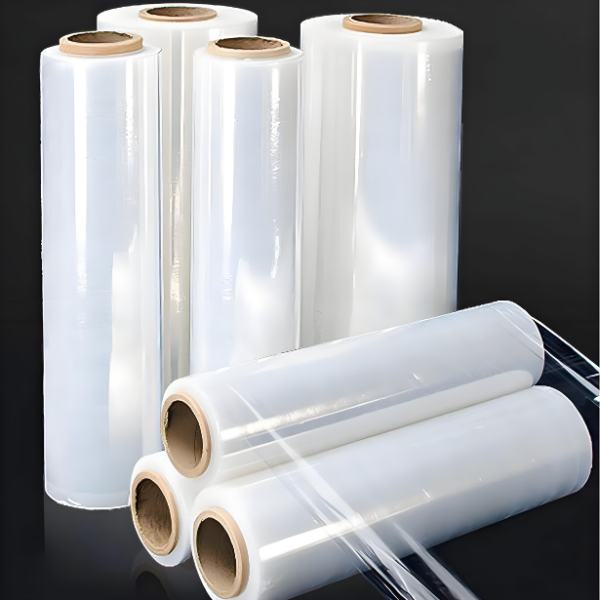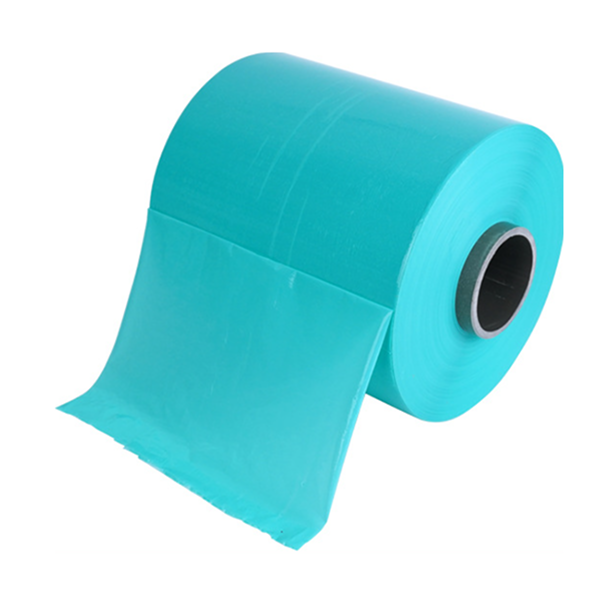
Oxygen barrier silage film is used to protect grass, corn, alfalfa and other forage during fermentation and outdoor storage. For livestock farms, dairy operations, agricultural distributors and bale wrap buyers, the purpose is simple: keep oxygen away from the feed, support stable fermentation and reduce visible waste before the forage reaches the animal.
In a wrapped bale or covered bunker, oxygen is one of the main causes of heating, mold growth and poor palatability. Standard PE silage film can provide physical coverage, moisture protection and basic wrapping strength. However, oxygen barrier silage film goes further by using a barrier-focused structure to slow oxygen transmission through the film and help maintain a more controlled anaerobic environment.
For importers, farm suppliers, contractors and private-label bale wrap brands, this is not only a technical topic. It is also a purchasing decision. The right film can reduce claims, improve customer confidence and make each roll perform better in real field conditions. The wrong film can look acceptable on the roll, but fail when it is stretched, punctured, exposed to sunlight or stored through a long feeding season.
This guide explains how oxygen barrier silage film works, where it is used, what specifications matter, how many layers are normally considered, how to compare suppliers, and what information buyers should provide when requesting a quotation from a silage film manufacturer or supplier.
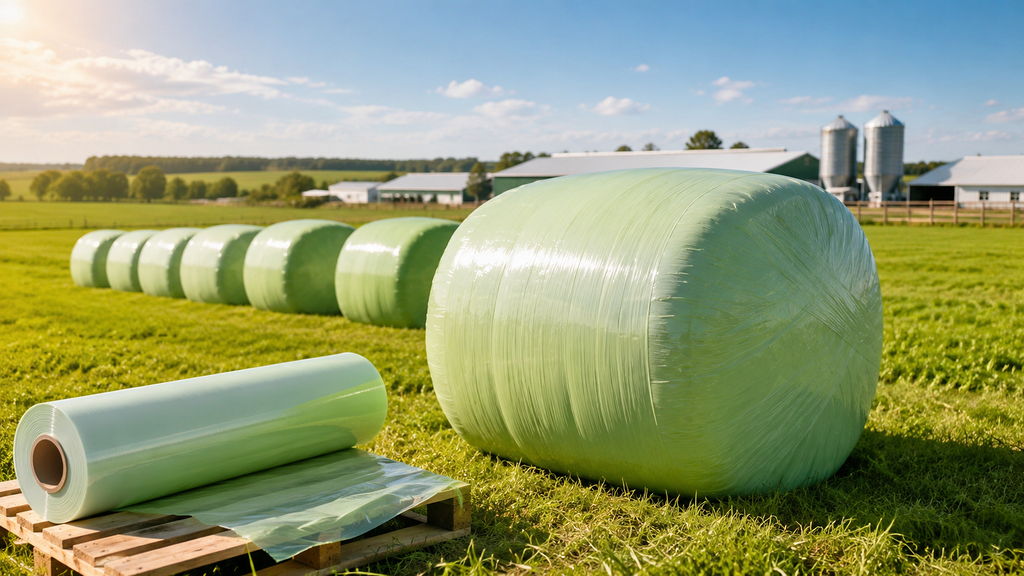
Why Oxygen Control Matters In Silage Storage
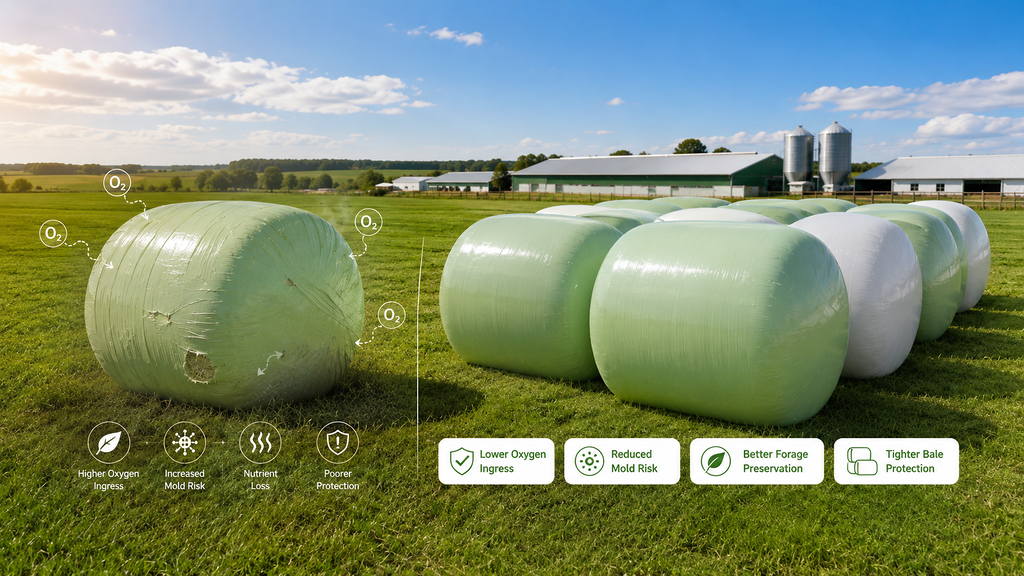
Silage preservation depends on limiting oxygen after the forage is cut, baled or packed. When oxygen remains inside the bale or enters through film layers, damaged areas or poorly sealed edges, aerobic microorganisms can stay active. This can lead to heating, mold, odor, nutrient loss and reduced feed value.
Good fermentation requires more than simply covering the crop. The bale must be dense, the film must be stretched with proper tension, the overlap must be consistent, and the surface must remain sealed during storage. Oxygen barrier silage film supports this system by reducing oxygen permeation through the film itself, while still requiring correct wrapping practice and good bale handling.
In practice, farmers and contractors often judge film performance by what they see at feeding time: less surface spoilage, fewer wet or moldy spots, less heating after opening, and more uniform feed intake. For a distributor or supplier, these field results are the strongest proof that the film structure, raw materials and production control are suitable for the market.
The Real Cost Of Oxygen Ingress
Oxygen ingress does not only damage a small visible area. It can reduce dry matter, increase labor for removing spoiled material, create inconsistent rations and affect animal performance. A cheaper film can become expensive if it leads to more rejected feed, customer complaints or extra wrapping layers to compensate for weak barrier performance.
What Is Oxygen Barrier Silage Film?
Oxygen barrier silage film is a specialized agricultural PE film designed to wrap or cover forage and reduce oxygen transmission during storage. It is part of the broader silage film category, but it focuses more strongly on barrier performance than a standard bale wrap film.
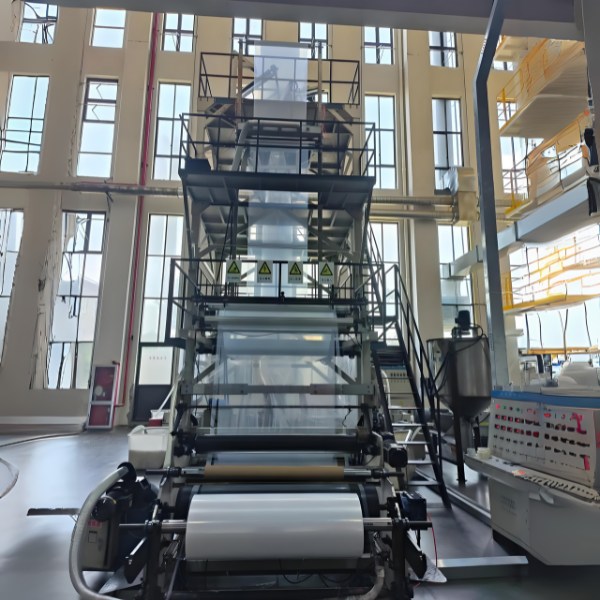
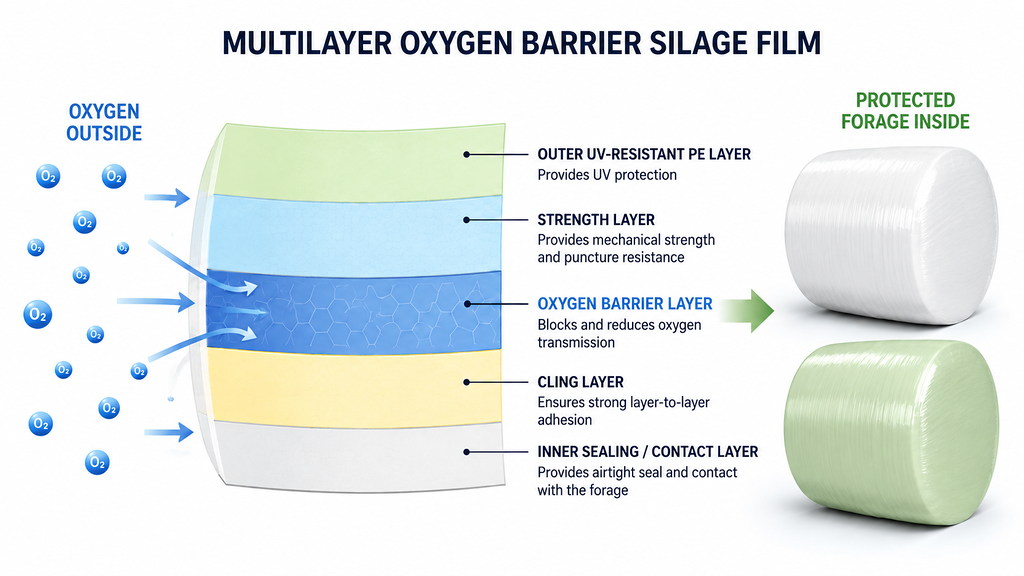
Most silage films are based on polyethylene materials because PE provides flexibility, toughness, moisture resistance, stretchability and processability. In higher-performance structures, a barrier component can be added to improve oxygen resistance. Depending on the design, the film may use multilayer co-extrusion, selected LLDPE grades, tackifier systems, UV stabilizers, color masterbatch and a barrier layer engineered for long-term forage protection.
The goal is not to make the film stiff or difficult to wrap. A good oxygen barrier silage film still needs to stretch smoothly, hold tension, cling between layers, resist punctures from stems and bale edges, and unwind properly on manual, semi-automatic or high-speed wrapping machines.
Oxygen Barrier Does Not Replace Good Wrapping
A barrier layer can reduce oxygen transmission through the film, but it cannot correct every field problem. Loose bales, sharp stems, poor overlap, damaged film, incorrect pre-stretch, dirty film surfaces, weak edge sealing or rough handling can still allow oxygen to enter. Buyers should treat the film as one part of a full silage protection system.
Oxygen Barrier Silage Film Vs Standard PE Silage Film
Standard PE silage film and oxygen barrier silage film can look similar from the outside. Both may be supplied in green, white, black or custom colors. Both may have similar width, length and thickness. The difference is usually inside the formulation and layer design.
| Item | Standard PE Silage Film | Oxygen Barrier Silage Film |
|---|---|---|
| Main Function | Physical wrapping, moisture protection and basic oxygen reduction | Physical wrapping plus stronger oxygen transmission control |
| Typical Material Base | PE or LLDPE-based structure | PE-based multilayer structure with barrier-focused design |
| Best Use | Normal bale wrapping under standard storage conditions | Higher-value forage, longer storage, warmer climates, demanding farms and premium supply markets |
| Buyer Focus | Price, roll size, thickness, cling and puncture resistance | Barrier performance, wrapping reliability, UV stability, puncture resistance and total feed protection value |
| Commercial Positioning | Cost-effective agricultural wrap | Premium silage wrap for better forage quality control |
For many agricultural packaging buyers, the choice is not simply “standard or barrier.” The better question is: what is the value of the forage, how long will it be stored, how harsh is the climate, how much handling will the bales receive, and what level of spoilage risk can the end user accept?
Main Applications Of Oxygen Barrier Silage Film
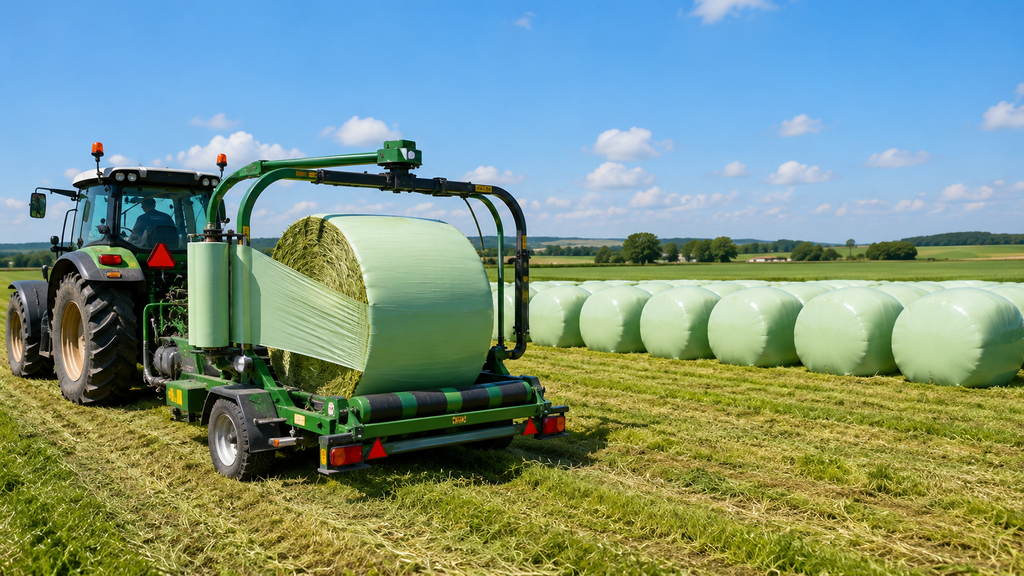
Round Bale Silage
Round bales are one of the most common applications. The film must stretch evenly around the curved surface, maintain strong layer-to-layer cling and resist puncture from uneven bale edges. For high-moisture forage and long outdoor storage, oxygen barrier performance can provide extra protection against aerobic deterioration.
Square Bale Silage
Large square bales can create additional stress points at corners and edges. Buyers should pay close attention to puncture resistance, tear strength and machine compatibility. A strong barrier film must also keep its seal around edges where oxygen can enter more easily if wrapping tension is uneven.
Bunker Silos And Clamp Silos
Oxygen barrier films can also be used in bunker or clamp silo covering systems, often as part of a multilayer sealing solution. In these applications, the film helps reduce oxygen movement at the surface and shoulders of the silage mass, where spoilage risk is often higher.
Grass, Corn, Alfalfa And Mixed Forage
Different crops create different wrapping challenges. Grass silage may require strong cling and reliable overlap. Corn silage in bunkers may require broader sheet coverage and effective sealing along walls. Alfalfa and stemmy forage increase puncture risk, so mechanical strength is just as important as oxygen barrier performance.
Key Specifications Buyers Should Confirm
A professional oxygen barrier silage film quotation should not be based on thickness alone. Buyers should evaluate the full specification package, especially when sourcing from an overseas manufacturer, converter or private-label supplier. CloudFilm’s wider PE film portfolio shows how PE films can be adjusted for agriculture, packaging and industrial applications, and the same principle applies to silage wrap design.
Thickness
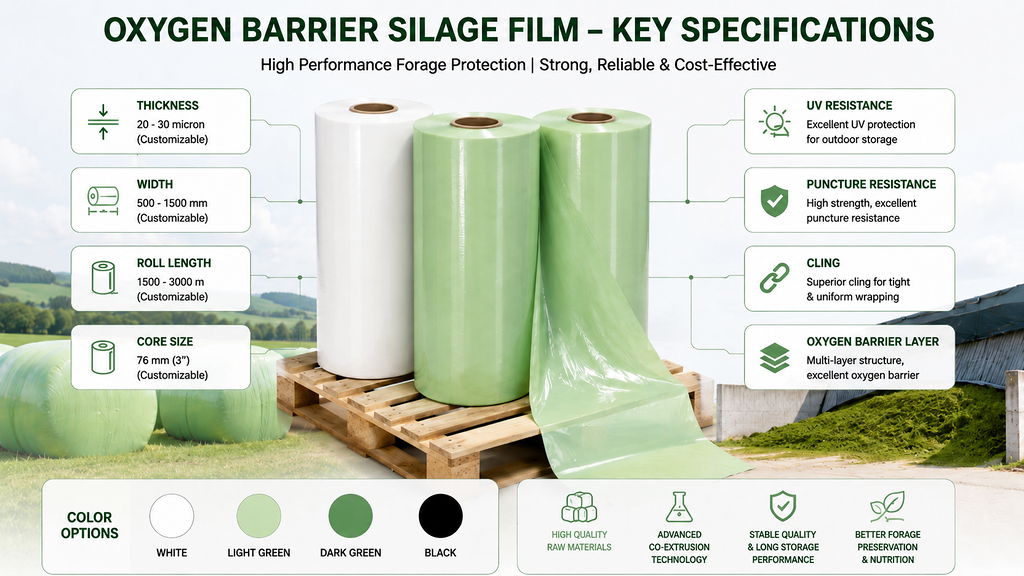
Common bale wrap thickness is often around 25 microns, while some high-performance films may be designed thinner or thicker depending on the structure, strength and local market requirements. Thickness affects puncture resistance, handling feel, roll yield and total cost per bale. However, thickness alone does not prove oxygen barrier performance.
Width And Length
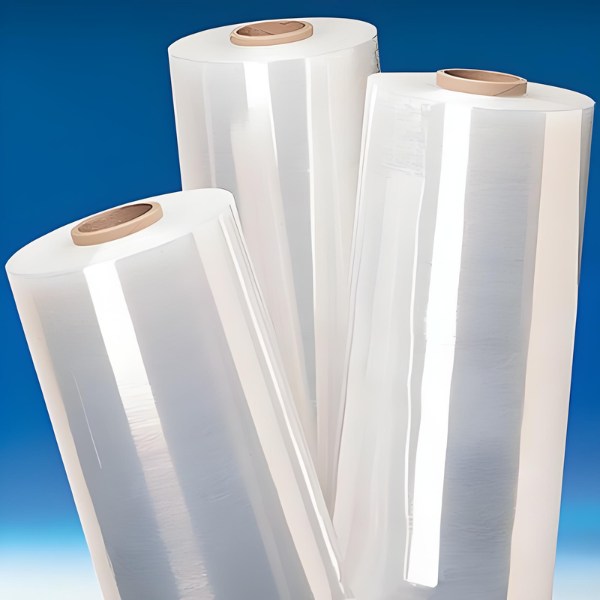
Common widths include 500 mm and 750 mm for many bale wrapping machines. Roll length must match machine capacity, shipping requirements and local buyer habits. Longer rolls can reduce roll changes, but winding quality must be stable so the film unwinds smoothly without blocking, telescoping or edge damage.
Layer Structure
Multilayer structures can balance different functions in different layers: UV resistance outside, strength in the core, barrier performance in the middle and cling on the contact surface. A 5-layer or 7-layer design can be valuable when the film needs multiple functions in one roll.
Oxygen Barrier Performance
For oxygen barrier silage film, buyers should ask how the supplier controls oxygen transmission, what barrier technology is used and whether performance is maintained after stretching. A film that performs well before stretching but loses barrier properties during wrapping may not deliver the expected field result.
UV Resistance
Silage bales are usually stored outdoors, so UV stability is essential. The required UV grade depends on the country, sunlight intensity, storage season and expected storage period. A film for high-UV regions should not be evaluated only by color or thickness; it needs a suitable stabilizer package.
Puncture And Tear Resistance
Forage stems, bale edges, stubble, stones, forks, birds and rough handling can damage the film. Strong puncture and tear resistance helps keep the barrier system intact. This is especially important for alfalfa, straw-like crops, square bales and bales moved several times before feed-out.
Cling And Tack
Layer-to-layer cling helps the wrap form a tight seal. Too little tack can create loose areas and air channels; too much tack can cause difficult unwinding or machine problems. Good silage film should balance cling, unwind and surface cleanliness.
Color
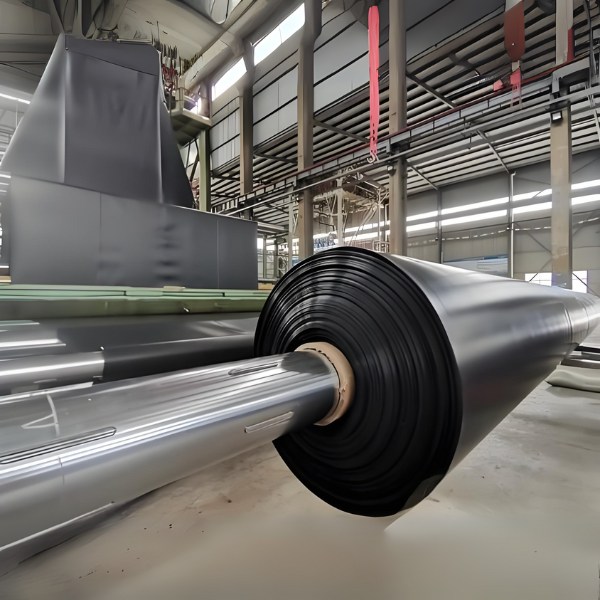
White, green and black are common colors. White can help reflect sunlight in hot climates, green can blend with farm environments, and black may be used for specific market preferences or light-blocking requirements. Color selection should match local storage conditions and buyer expectations.
Core Size And Packaging
Core diameter, roll weight, carton design, pallet pattern and container loading plan all matter for B2B supply. For distributors, damaged cartons or unstable pallets can create complaints before the film is even used. Export packaging should protect roll edges and keep the film clean during ocean transport.
How Many Layers Of Silage Wrap Should Be Used?
Layer count is one of the most common questions from farmers and bale wrap buyers. The exact number depends on crop moisture, bale density, storage time, climate, handling, film thickness, machine setup and spoilage risk. In many practical situations, six layers are treated as a reliable baseline for baleage, while four layers may be used only for shorter storage or lower-risk conditions. Higher-risk situations may require eight layers or more.
Oxygen barrier silage film can improve protection, but it should not be used as an excuse to wrap too lightly. Physical protection is still needed to resist puncture, abrasion and handling damage. If the crop is stemmy, the bales are uneven, the storage time is long, or the climate is hot, the buyer should consider a more conservative layer plan.
For distributors, it is useful to provide wrapping guidance together with the film. This reduces misuse, protects the brand and helps end users understand why correct overlap and tension are as important as roll quality.
Cast Or Blown Production: Which Is Better For Silage Film?
Silage film is often associated with blown film production because blown PE films can deliver good toughness, balanced mechanical strength and suitability for multilayer structures. A cast film vs blown film guide can help buyers understand the broader difference between the two processes, but for agricultural wrap, the important point is practical performance on the bale and wrapper.
Buyers should not judge film only by the production method. They should evaluate stretch behavior, puncture strength, oxygen barrier retention, winding quality, UV stability and machine compatibility. A properly designed blown multilayer silage film can be an excellent choice for demanding agricultural wrapping.
How To Evaluate A Silage Film Manufacturer Or Supplier
Choosing a supplier is not only a price comparison. For B2B buyers, the supplier should understand agricultural use, roll conversion, export packaging, private-label requirements and field feedback. A good silage film supplier should be able to discuss not only thickness and price, but also application conditions, climate, wrapping machines, layer recommendations and test expectations.
Ask About Material And Formulation
Buyers should confirm whether the film uses suitable PE and LLDPE grades, UV stabilizers, tackifier systems and barrier design. Recycled or inconsistent materials may reduce film strength, stretch consistency and outdoor durability.
Check Production And Quality Control
Stable thickness, roll width, winding tension, surface cling and edge quality are critical. A film roll may look simple, but poor winding can cause machine stoppage, film breakage or uneven stretching during wrapping.
Confirm Export Experience
For international buyers, export packaging, container loading, documentation, label design and after-sales communication are part of the product. A manufacturer that understands distributor supply can help reduce operational problems after shipment.
Request Samples Before Large Orders
Sample rolls are useful for checking unwinding, cling, stretch, appearance and machine performance. For barrier-focused products, buyers should also discuss the testing method and whether the film performance meets the target market requirement.
Cost Per Bale: Why The Cheapest Roll Is Not Always The Lowest Cost
A lower roll price can be attractive, especially for large-volume distributors. But the real cost should be calculated per protected bale, not only per kilogram or per roll. A film with poor tear resistance may require more layers. A film with weak cling may create air channels. A film with insufficient UV stability may fail before feed-out. A film with poor barrier performance may create visible spoilage that costs far more than the price difference between two rolls.
For buyers, a better calculation includes roll price, roll length, number of bales per roll, number of layers used, rejected feed, customer claims, machine downtime, storage conditions and brand reputation. Oxygen barrier silage film is often positioned as a premium product because it is designed to reduce risk and protect forage value, not simply cover the bale at the lowest possible purchase price.
Common Problems And How To Avoid Them
Mold Around Bale Ends Or Joints
This is often linked to uneven bales, poor overlap, weak cling, insufficient layers or oxygen entry at difficult sealing points. Use proper wrapping tension, apply extra attention to joints and avoid storing bales where film damage is likely.
Film Breaks During Wrapping
Possible causes include excessive pre-stretch, damaged roll edges, incompatible machine settings, low puncture strength or poor winding. Buyers should test sample rolls on their actual equipment before switching to full container orders.
Poor Cling Between Layers
Weak cling can allow air channels and loose wrapping. Excessive dust, wrong storage temperature, aged inventory or unsuitable formulation can affect tack. Rolls should be stored clean, dry and protected from heat before use.
Sunlight Degradation
Cracking, brittleness and loss of strength after outdoor exposure may indicate insufficient UV stability for the climate. Buyers in high-sunlight regions should specify the expected storage period and local UV conditions.
Too Much Spoilage After Opening
If bales heat quickly or show serious mold after opening, review the complete system: crop moisture, bale density, wrapping delay, layer count, film damage, storage location and film barrier performance. Film quality is important, but forage management and handling also decide the final result.
What Information Should Buyers Provide For A Quotation?
To receive an accurate quotation from a manufacturer or supplier, buyers should provide detailed application information. If you are comparing agricultural PE films together with pallet wrap or farm packaging films, you can also review CloudFilm’s PE stretch film and PE film guide pages for related PE film selection logic.
- Target application: round bale, square bale, bunker silo, clamp silo or other use
- Crop type: grass, corn, alfalfa, mixed forage or other crop
- Required thickness, width and roll length
- Color preference: white, green, black or custom color
- Required UV resistance and expected outdoor storage period
- Wrapping machine type and pre-stretch setting
- Preferred layer count and storage time
- Roll core size, carton design, pallet packing and container loading needs
- Destination country, port and annual demand
- Private-label packaging requirements, if any
A detailed inquiry allows the supplier to recommend a suitable grade instead of simply quoting the cheapest available roll.
Related Agricultural PE Films
Oxygen barrier silage film is only one part of agricultural PE film supply. Some buyers also source greenhouse covers, mulch films, pallet wrapping films, stretch hood films and protective films for broader farm, feed and logistics systems. For example, polyethylene greenhouse film supports controlled crop growing environments, while silage film protects harvested forage after cutting and baling.
Working with a PE film manufacturer that understands both agricultural and industrial applications can help distributors build a more complete product line, improve container utilization and simplify supplier management.
FAQ About Oxygen Barrier Silage Film
What is oxygen barrier silage film?
It is a specialized agricultural film designed to reduce oxygen transmission into wrapped or covered forage. It helps protect fermentation quality, reduce spoilage risk and improve feed preservation during storage.
Is oxygen barrier silage film different from normal silage wrap?
Yes. Normal silage wrap mainly provides physical coverage, cling and basic protection. Oxygen barrier silage film is designed with stronger oxygen control, often through a multilayer structure or barrier-focused formulation.
Does oxygen barrier film mean no oxygen can enter the bale?
No film can compensate for every source of oxygen entry. Oxygen can still enter through holes, loose wrapping, poor overlap or damaged areas. The film reduces oxygen transmission through the material, but correct wrapping and handling are still essential.
How many layers should be used?
Many baleage systems use six layers as a reliable baseline. Four layers may be considered for short-term or lower-risk storage, while eight layers or more may be used for long storage, high moisture, stemmy crops, hot climates or demanding conditions.
Can oxygen barrier silage film reduce the number of layers?
It may improve protection, but reducing layers should be done carefully. Physical puncture resistance and handling protection still depend on sufficient film coverage. Buyers should test under real local conditions before changing standard wrapping practice.
What thickness is common for silage film?
Many bale wrap films are around 25 microns, but exact thickness depends on the market, wrapping machine, crop type, layer count and target performance. Oxygen barrier performance should not be judged by thickness alone.
Which colors are available?
White, green and black are common. Other colors may be possible depending on order quantity and formulation. Color should match sunlight conditions, market preference and branding needs.
Is UV resistance important?
Yes. Silage bales are often stored outdoors for months. UV resistance helps the film maintain strength and integrity under sunlight, especially in high-UV regions or long storage periods.
Can it be used for both round and square bales?
Yes, if the film is designed for the machine and bale type. Square bales may require stronger puncture and tear resistance because corners and edges create more stress on the film.
Can oxygen barrier silage film be used for bunker silos?
Certain oxygen barrier films are suitable for bunker, clamp or pile covering systems. The required width, thickness and application method may be different from bale wrap rolls, so buyers should specify the exact use.
What raw material is used?
Silage film is generally PE-based, often using LLDPE or related polyethylene materials for stretch, flexibility and toughness. Barrier-focused structures may include additional functional layers depending on the product design.
What causes film breaks during wrapping?
Common causes include damaged roll edges, incorrect machine tension, excessive pre-stretch, weak formulation, sharp bale stems or poor roll storage. Sample testing on the buyer’s machine is recommended.
How should rolls be stored before use?
Keep rolls in a clean, dry, shaded area away from heat, direct sunlight, dust and mechanical damage. Good storage helps maintain cling, unwind quality and film strength.
What should distributors ask from a silage film supplier?
Ask for detailed specifications, sample rolls, packaging details, private-label options, UV performance guidance, roll loading plans and support for matching film to local wrapping conditions.
How can I request a custom quotation?
Share your target width, thickness, roll length, color, UV requirement, application, annual volume and destination. You can contact CloudFilm to discuss a suitable oxygen barrier silage film solution for your market.
Conclusion
Oxygen barrier silage film is designed for buyers who want more than basic bale coverage. It helps reduce oxygen transmission, supports better forage preservation and gives farms, contractors and distributors a stronger tool for protecting feed value during storage.
For the best result, buyers should evaluate the full system: film structure, thickness, width, UV stability, puncture resistance, cling, winding quality, layer count, crop type, bale density, storage time and local climate. A reliable silage film manufacturer or supplier should help match these factors to a practical product specification.
When used correctly, oxygen barrier silage film can become a premium agricultural packaging solution for modern forage operations, especially where feed value, storage risk and customer satisfaction matter more than the lowest roll price.