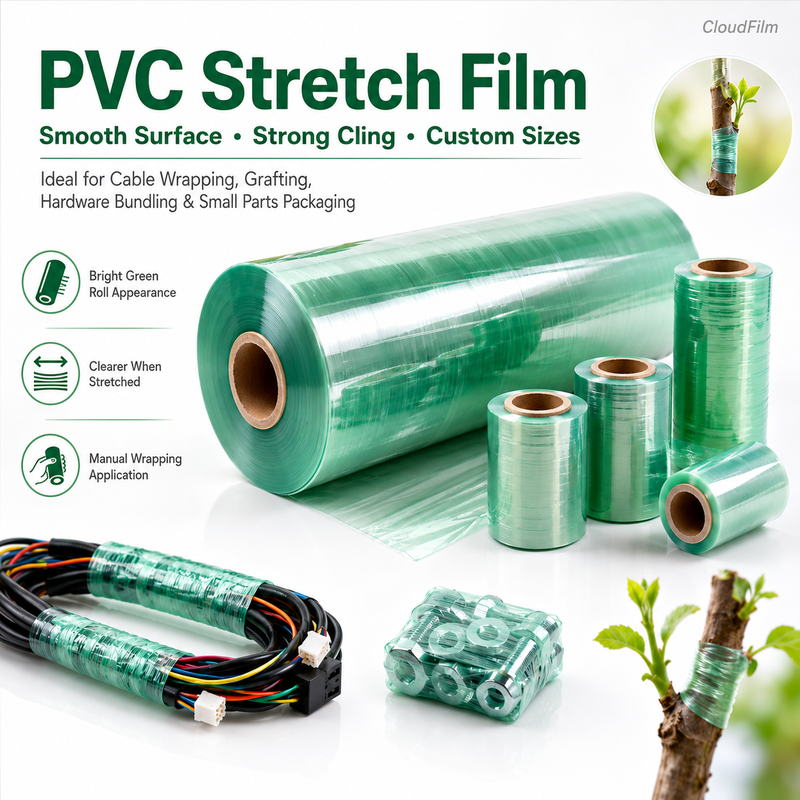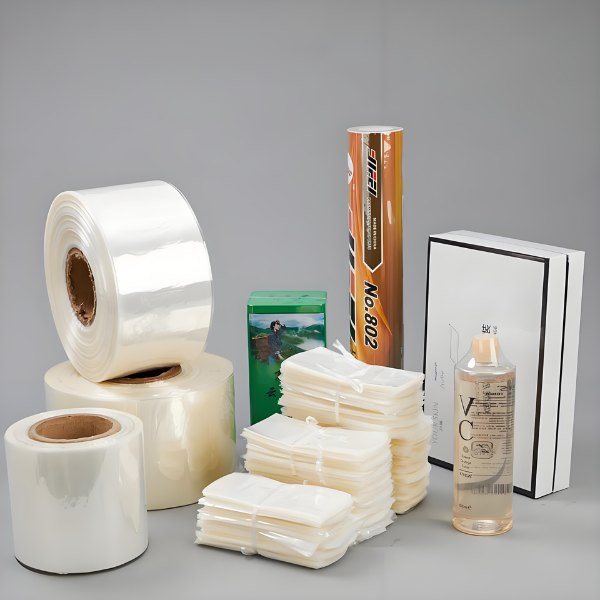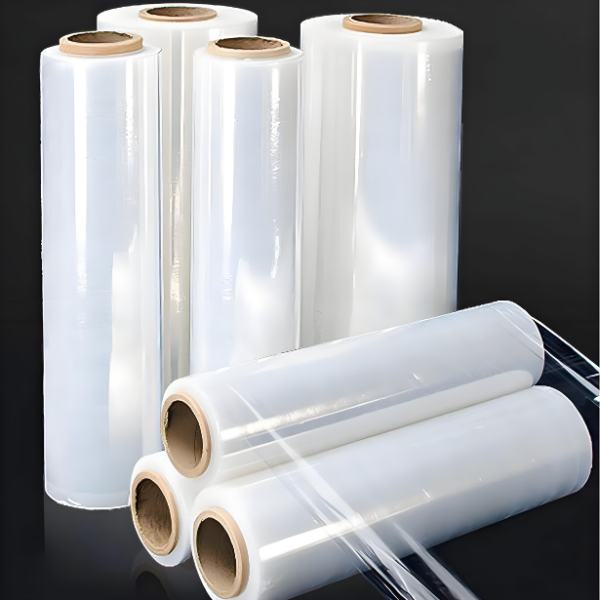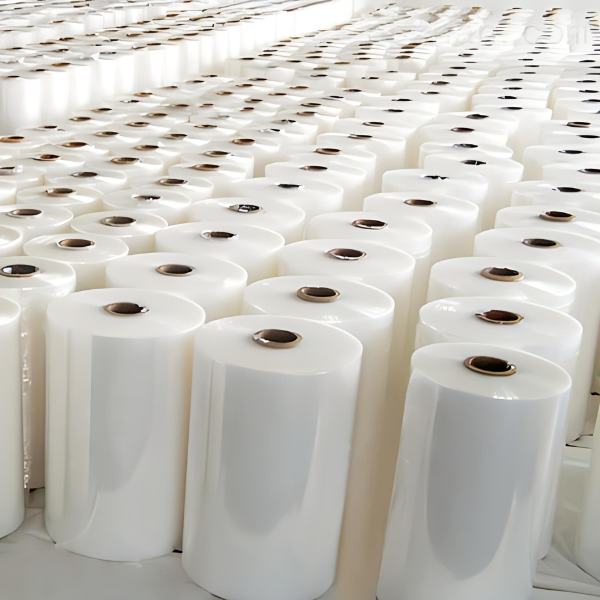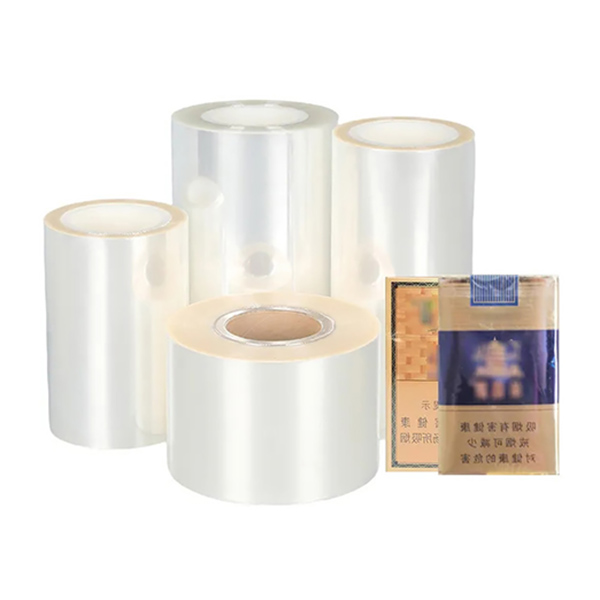
Stretch film is one of the most widely used packaging materials for pallet wrapping, carton stabilization, and transport protection. In warehouses, factories, distribution centers, and export supply chains, buyers often search for a simple phrase like “stretch film wrap sizes.” But in real purchasing work, that phrase covers a much larger decision.
It is not only about width. Buyers also need to understand thickness, gauge, roll length, core size, hand wrap versus machine wrap, pallet dimensions, load shape, puncture risk, and transport conditions. A roll that looks similar on paper can perform very differently on the packing line.
For this reason, choosing the right stretch film size is not just a basic specification task. It is part of packaging efficiency, load safety, material control, and freight reliability. For companies that ship by pallet, especially in export business, the right film size can help reduce film waste, improve holding force, and lower the risk of pallet collapse during storage and transport.
What Does “Stretch Film Wrap Sizes” Really Mean?
When buyers ask about stretch film wrap sizes, they usually mean one or more of the following:
- film roll width
- film thickness or gauge
- roll length
- roll weight
- core size
- hand wrap or machine wrap format
- pallet size match
- application-specific sizing for light, medium, or heavy loads
In practice, a correct stretch film size is the combination of width and thickness that matches both the load and the wrapping method.
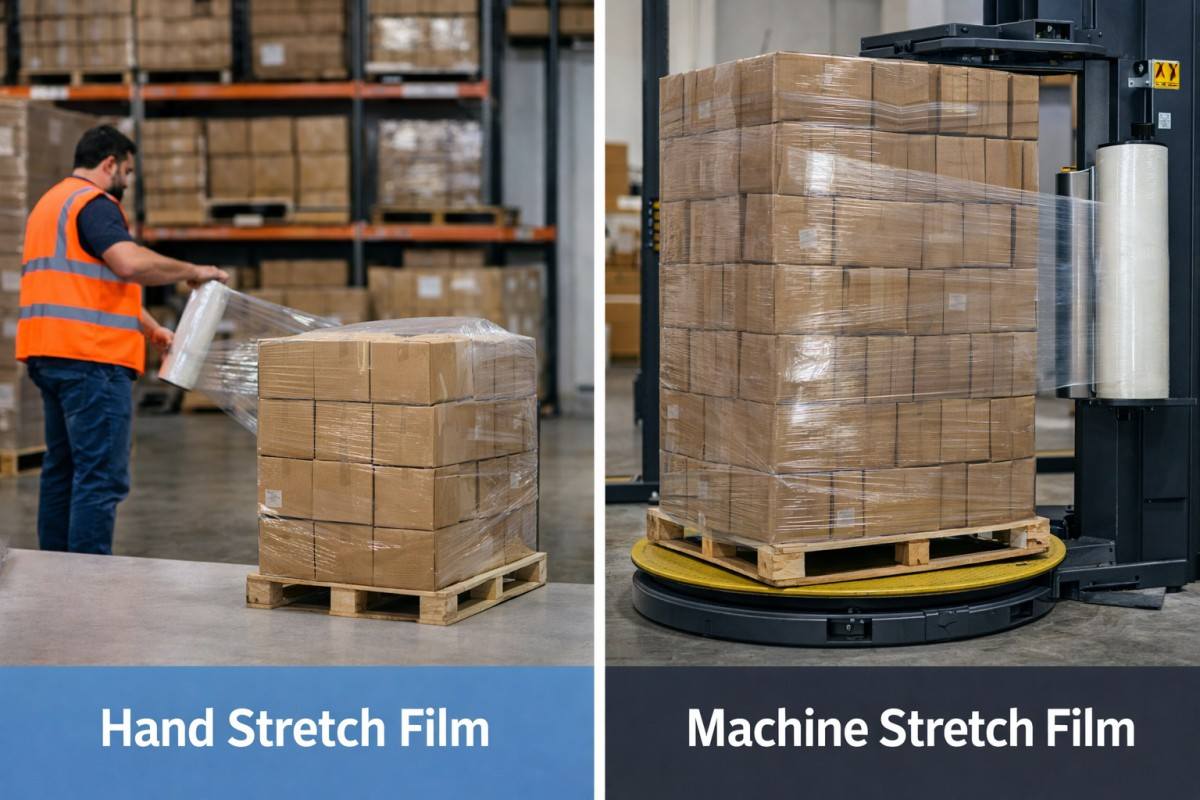
For example, a warehouse using manual pallet wrapping may prefer a narrower and lighter hand roll for operator comfort. A high-speed packing line may require wider machine stretch film with stable thickness and controlled unwind.
A converter or industrial buyer may even need jumbo rolls for slitting or custom converting. These purchasing scenarios are consistent with how CloudFilm presents its PE stretch film solutions for hand, machine, and jumbo roll applications.
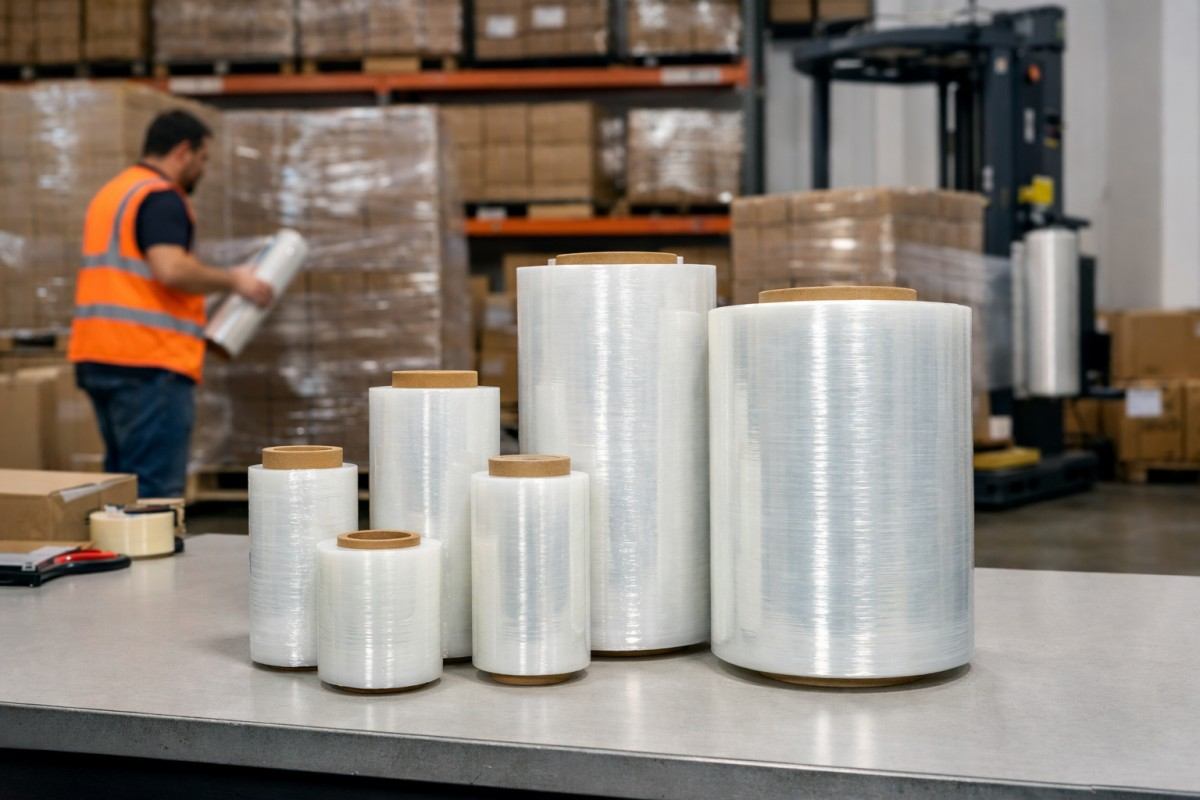
The Main Size Factors Buyers Should Check
1. Film Width
Width is usually the first dimension buyers ask about. Common stretch film widths vary by region and machine type, but the commercial logic is the same: the width should match pallet size, wrapping speed, and operator or machine capability.
Narrower rolls are easier for hand application and small-unit bundling. Wider rolls improve pallet coverage and wrapping efficiency on larger loads.
Typical commercial use patterns include:
- narrow rolls for small packages or bundling
- medium-width rolls for hand pallet wrapping
- wider rolls for machine wrapping
- jumbo rolls for converters or downstream slitting
If a roll is too narrow, wrapping takes longer and uses more turns. If it is too wide, control becomes harder and edge waste may increase. That is why width should always be chosen together with the pallet footprint and wrapping method.
For buyers comparing stretch film with broader polyethylene sheet or cover materials, CloudFilm’s PE roll range is also relevant because not every PE roll is stretch film, even though users sometimes search them under similar terms.
2. Thickness or Gauge
Thickness is one of the most important technical variables in stretch film selection. Buyers may ask for it in microns, mil, or gauge depending on the market.
A thinner film may reduce material cost, but only if the film still provides enough holding force, puncture resistance, and elongation for the job. A thicker film may improve load security for sharp corners, unstable cartons, or heavy pallets, but it may also raise total material use.
There is no single “best” thickness. The correct choice depends on:
- pallet weight
- corner sharpness
- product movement risk
- wrapping tension
- transport distance
- storage condition
- machine stretch capability
This is why serious industrial buyers rarely choose thickness by habit alone. They compare performance and yield together. If you need to estimate weight, yield, and material efficiency more accurately, CloudFilm’s PE film density guide is a useful reference point.
3. Roll Length
Roll length affects both operating convenience and total cost control.
A short roll may require frequent changeovers. A longer roll improves efficiency, especially on machine lines, but it must still match lifting limits, operator handling, and machine shaft design.
When buyers compare quotations, it is important not to look only at price per roll. The more useful comparison is:
- price per kilogram
- price per usable meter
- film yield from the stated thickness
- total wrapped pallets per roll
This helps prevent misleading comparisons between a cheaper but shorter roll and a better-value roll with more usable film.
4. Core Size
Core size is often forgotten in early discussions, but it matters in actual production and warehouse use. If the core does not fit the wrapping equipment, the roll cannot run correctly.
Most buyers should confirm:
- core inner diameter
- machine compatibility
- manual dispenser fit
- roll outer diameter and handling limits
For export packaging projects, confirming core size early is a simple way to avoid delays in trials and first orders.
Hand Wrap vs Machine Wrap
This is one of the most important distinctions in stretch film sizing.
Hand Stretch Film
Hand stretch film is usually designed for manual pallet wrapping. It must balance holding force with operator comfort. Roll width, roll weight, and easy unwind are all important.
This format is common in:
- warehouses
- small factories
- distribution rooms
- short production runs
- backup manual operations
Machine Stretch Film
Machine stretch film is made for semi-automatic or fully automatic wrapping equipment. It usually requires more consistent thickness, stable unwind, stronger elongation behavior, and better performance at higher wrapping speeds.
This format is common in:
- large warehouses
- export pallet lines
- beverage plants
- paper and chemical shipments
- high-throughput industrial packaging
CloudFilm’s current stretch film and pallet packaging content already separates these real-world application needs clearly, including broader comparison logic across industrial plastic wrap, shrink systems, and stretch hood formats.
How to Match Stretch Film Size to Pallet Size
Many buyers start with the pallet, not the film. That is the right approach.
When choosing stretch film wrap sizes, ask these questions first:
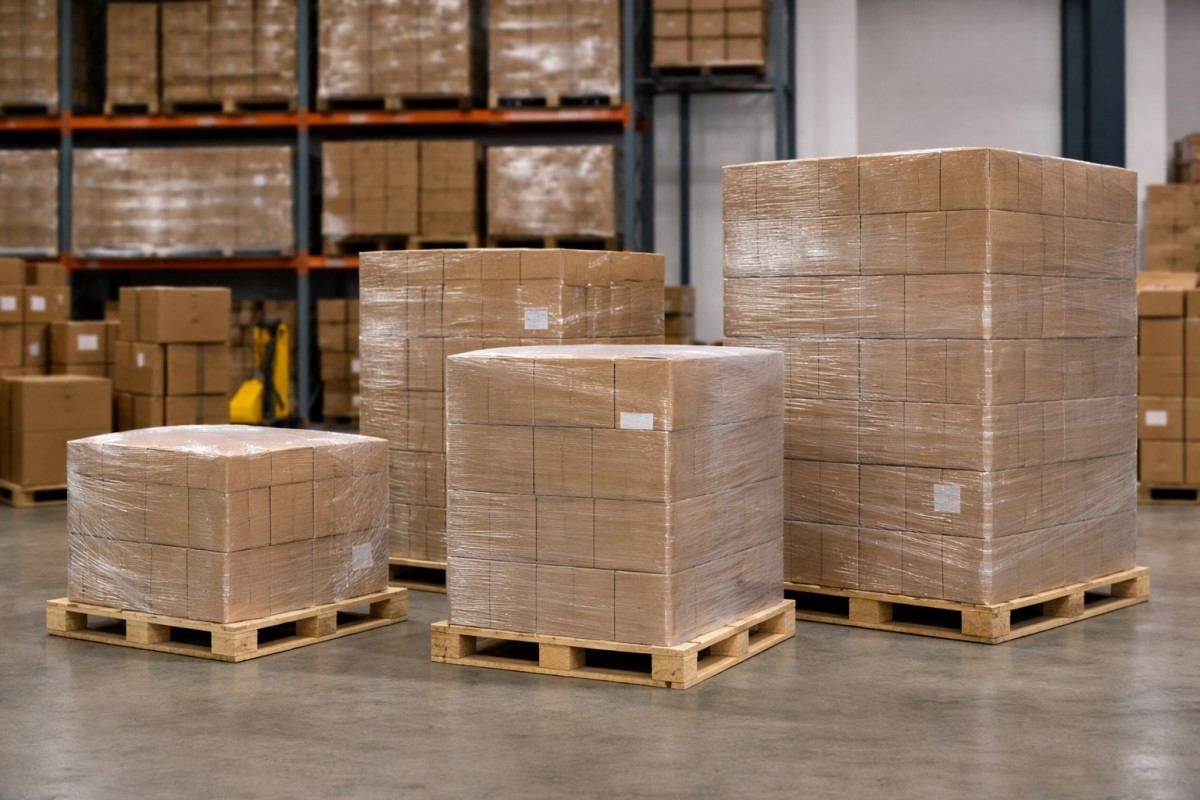
- What are the pallet length, width, and height?
- What is the total pallet weight?
- Is the load regular or irregular in shape?
- Are there sharp edges or corners?
- Will the pallet travel locally or by export shipment?
- Will the goods face vibration, stacking, dust, or moisture?
- Is the wrapping manual or automatic?
A light and stable carton pallet may run well with a lighter film. A tall and unstable pallet, or a pallet with heavy bagged goods, usually needs stronger containment and better puncture resistance.
This is also why stretch film should not be confused with heat-based bundle wrapping. If the application needs a tight film finish using heat, then PE shrink film may be the more suitable option. Stretch film and shrink film solve different packaging problems.
Common Stretch Film Size Scenarios
Small Cartons and Light Warehouse Loads
For lighter loads, buyers usually prioritize:
- easy handling
- clear visibility
- basic dust protection
- low material cost
In these cases, medium or lighter hand rolls are often enough, as long as the pallet is stable and transport risk is low.
Standard Mixed Pallets
For standard warehouse and distribution pallets, the goal is balanced performance:
stable wrapping
reasonable film use
smooth manual or machine application
acceptable puncture resistance
This is the most common stretch film purchasing category.
Heavy Industrial Pallets
For bricks, chemicals, building materials, resin bags, paper reels, or other demanding loads, film size and film strength become more critical. In these cases, buyers often need more than a basic commodity roll. They need a supplier that can match film size with holding force, elongation, and practical shipment conditions.
That broader industrial selection logic is similar to how CloudFilm explains industrial plastic wrap roll applications across packaging, pallet protection, and industrial processing.
When Stretch Hood Film Is Better Than Standard Stretch Wrap
Some buyers searching for “stretch film wrap sizes” are actually dealing with large palletized loads that may be better served by stretch hood film rather than traditional stretch wrapping.
Stretch hood film can be a strong option when you need:
- high pallet stability
- weather resistance
- reduced heat use
- strong top coverage
- automatic pallet packaging
For high-volume pallet packaging projects, especially in paper, mineral, chemical, and building-material applications, stretch hood film may deliver a better system solution than conventional stretch wrap alone.
Why Buyers Should Think Beyond “Standard Sizes”
There are standard commercial ranges in the market, but no serious B2B buyer should assume that a standard roll is always the correct roll.
A professional manufacturer or supplier should help buyers evaluate more than a catalog number. The real discussion should include:
- pallet dimensions
- load type
- machine data
- target stretch level
- puncture risk
- wrapping speed
- shipping route
- storage condition
- packaging budget
- need for custom printing or special additives
That is especially true for international buyers. Export packaging often needs better consistency because pallets may pass through multiple warehouses, longer transport times, and rougher handling environments.
Stretch Film Material and PE Family Basics
Most stretch film is based on polyethylene, especially grades designed for elasticity, toughness, and cling performance. Buyers sometimes search using broad terms like PE film, polythene roll, clear poly film, or industrial plastic wrap. Those searches can overlap, but the applications are not identical.
Stretch film is a specific PE application focused on load containment and wrapping performance. Broader PE products may be used for covers, liners, sheeting, or protective layers instead.
For readers who want a wider background on material families and PE-based packaging options, CloudFilm’s PE film category page and its guide to transparent polythene roll help clarify where stretch film sits within the larger PE film family.
Sustainability, Downgauging, and Material Efficiency
Today, many buyers are also evaluating stretch film size from a material-efficiency point of view. The goal is not simply to buy the thickest film. The goal is to use the most efficient film that still protects the load.
This often leads to three practical questions:
- Can the film be downgauged without losing stability?
- Can better film performance reduce film consumption per pallet?
- Can the pallet wrapping system align with broader mono-material PE packaging goals?
These questions fit well with wider material simplification trends in flexible packaging and industrial PE systems. For buyers working on recyclability and mono-material thinking, CloudFilm’s recyclable flexible packaging guide offers a broader perspective.
What Information Should You Send to a Stretch Film Supplier?
If you want an accurate quotation or recommendation, send the following details:
- hand wrap or machine wrap
- pallet size
- pallet weight
- product type
- load shape
- required film width
- target thickness or current film spec
- monthly or annual quantity
- core size
- roll length or roll weight preference
- machine brand or wrapping conditions if applicable
- destination market
- whether you need transparent, colored, or printed film
A good stretch film manufacturer will not only quote a size. They will help confirm whether the size fits the application.
FAQ About Stretch Film Wrap Sizes
What is the most common stretch film width?
The most common width depends on whether the film is for hand wrapping or machine wrapping. Hand rolls are usually narrower and easier to control, while machine rolls are usually wider for higher efficiency.
Is thicker stretch film always better?
No. A thicker film may improve toughness, but it is not always the most efficient choice. The right film is the one that delivers enough holding force and puncture resistance without unnecessary material use.
How do I choose between hand wrap and machine wrap?
Choose hand wrap for lower-volume manual operations. Choose machine wrap when you need higher speed, better consistency, and more efficient wrapping on semi-automatic or automatic equipment.
Can one stretch film size fit every pallet?
Usually not. A film that works for light cartons may not work for heavy, sharp, or unstable pallets. Load type matters as much as roll size.
What is more important, width or thickness?
Both matter. Width affects coverage and wrapping speed. Thickness affects strength, stretch, and puncture resistance. They should be selected together.
Can stretch film be used outdoors?
It can be used outdoors for many palletized loads, but the application and storage time matter. If weather exposure is high, the packaging system may need stronger protection or a different outer solution.
Is stretch film the same as shrink film?
No. Stretch film holds a load by elastic tension. Shrink film tightens around a product after heat is applied.
Can I customize stretch film roll size?
Yes. Many B2B buyers require custom width, thickness, roll length, core size, or performance targets based on their equipment and shipment conditions.
What should I ask a stretch film manufacturer before ordering?
Ask about film type, recommended size, pallet match, puncture resistance, stretch level, machine compatibility, lead time, export packing, and sample support.
Final Thoughts
“Stretch film wrap sizes” may sound like a simple keyword, but for industrial and export packaging, it is actually a buying decision that combines film width, thickness, roll format, load type, and wrapping method.
The best result usually comes from matching the film to the application, not from choosing a generic size by habit. Whether you are sourcing hand stretch film for a warehouse, machine wrap for a distribution center, or a stronger pallet packaging system for export shipments, the right size should support stability, efficiency, and cost control at the same time.
For buyers, converters, importers, distributors, and packaging managers, a reliable supplier should be able to do more than offer a list of sizes. The supplier should help turn pallet data and transport conditions into a workable film recommendation.