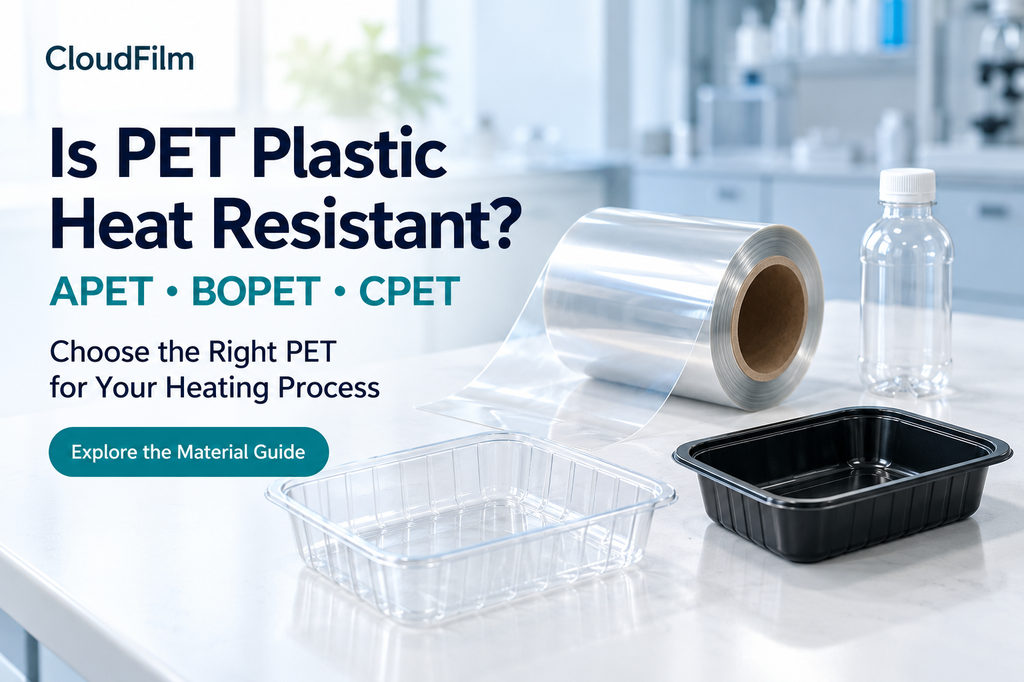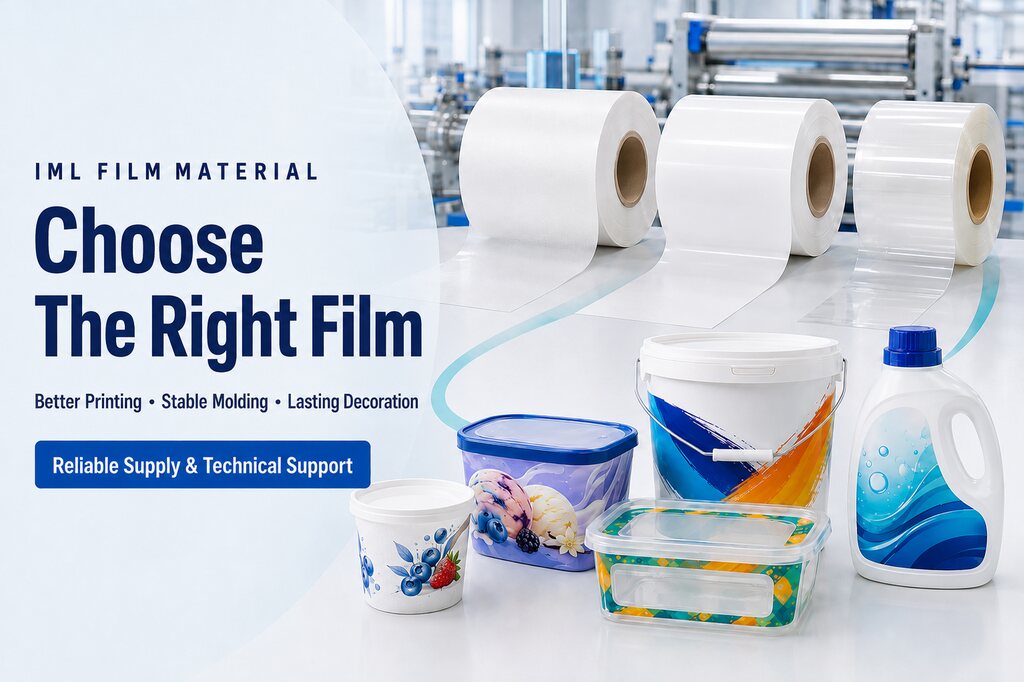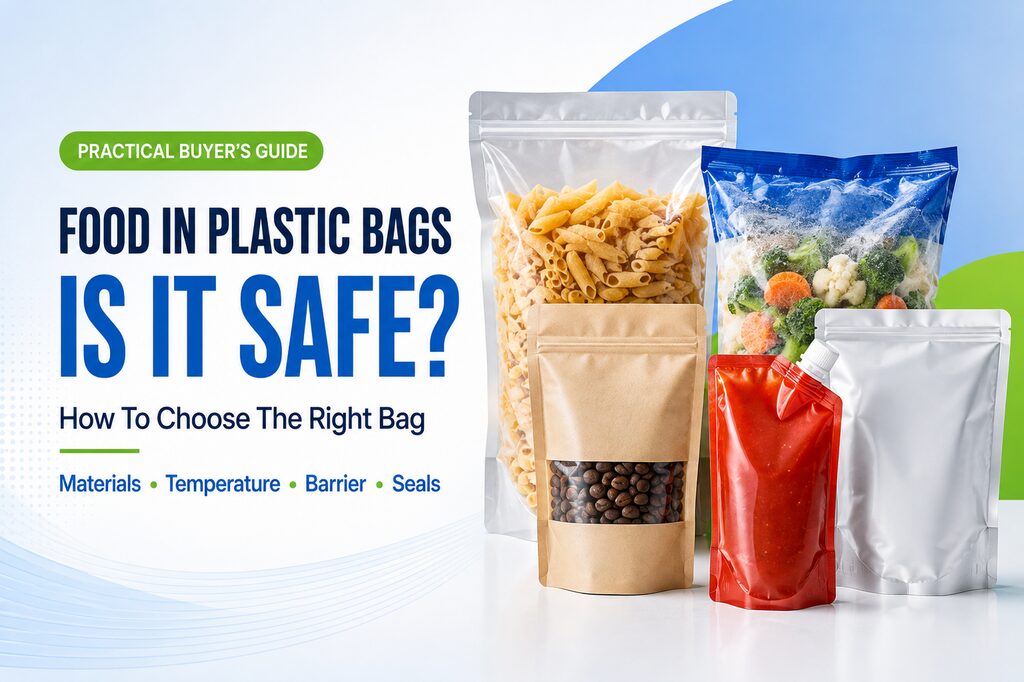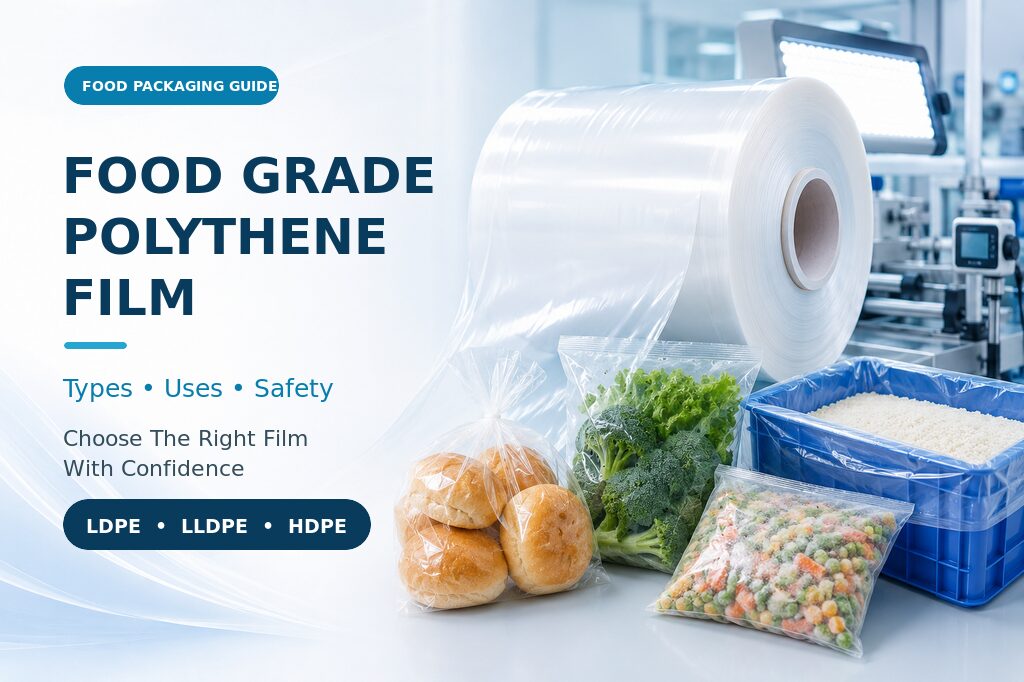
PET packaging remains one of the most important segments in modern flexible packaging. Across food, beverages, pet food, healthcare, household products, and industrial goods, PET-based structures are widely used because they combine clarity, printability, strength, dimensional stability, and compatibility with many laminate designs.
In real buying situations, the phrase “PET packaging market” does not only refer to market size or demand. It also refers to the real-world choices buyers make every day: which PET structure to use, which pouch format fits the product, how much barrier is required, and which manufacturer can deliver stable quality at scale.
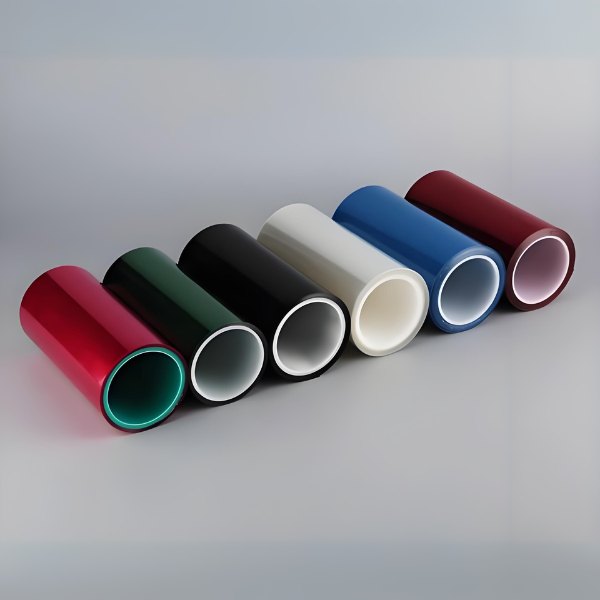
CloudFilm’s own product and guide pages show PET appearing across film rolls, laminates, high-barrier structures, stand-up pouches, flat bottom pouches, coffee bags, lidding films, and other application-ready formats.
For many brand owners, importers, and packaging buyers, PET is still the material family that bridges performance and commercial practicality.
It can work as a clear outer web, a printable layer, a carrier for metallization or ALOx coating, or part of a multi-layer laminate paired with PE, CPP, EVOH, or aluminum foil.
That flexibility is the main reason PET packaging continues to stay relevant even as the market also explores mono-material PE and PP solutions for recyclability-focused projects.
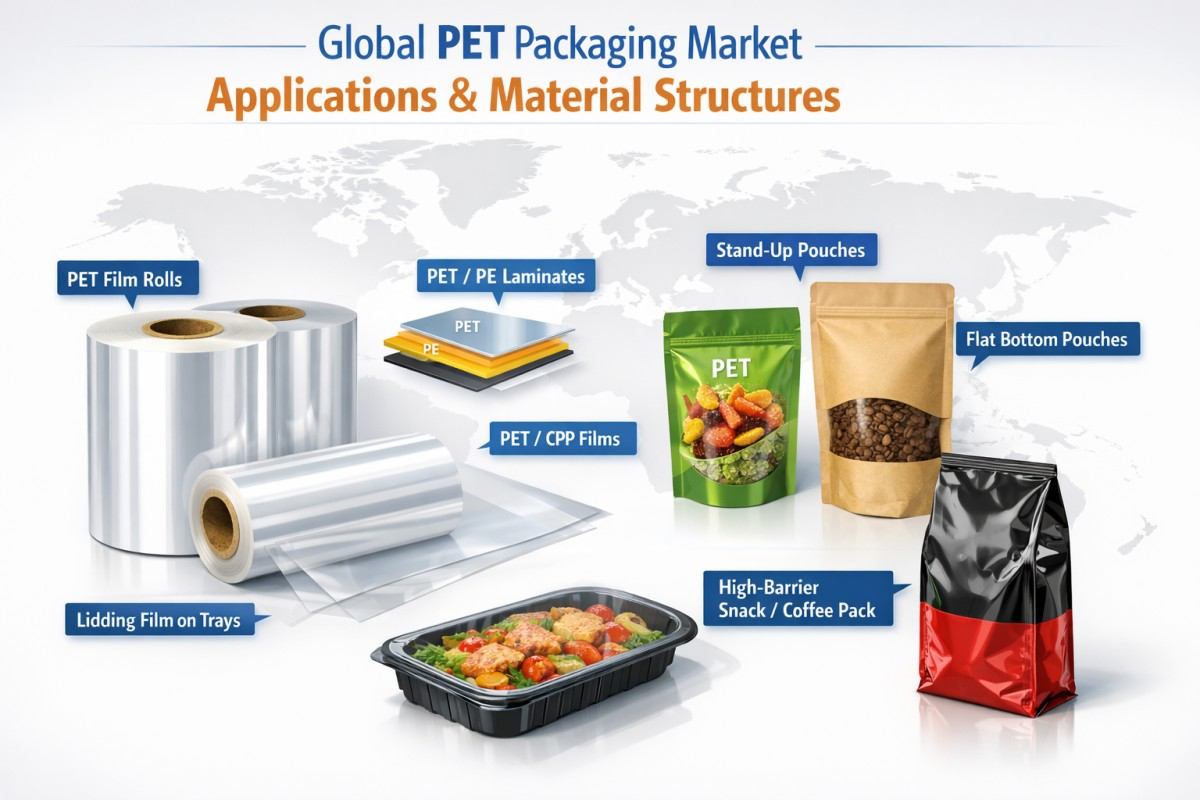
What Is PET Packaging?
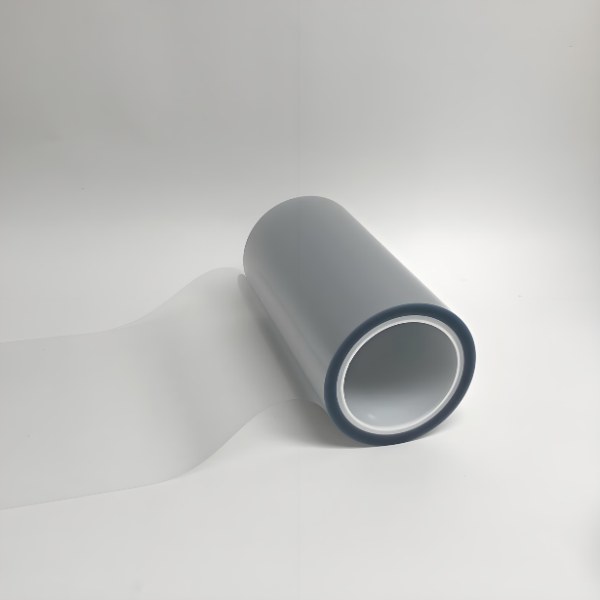
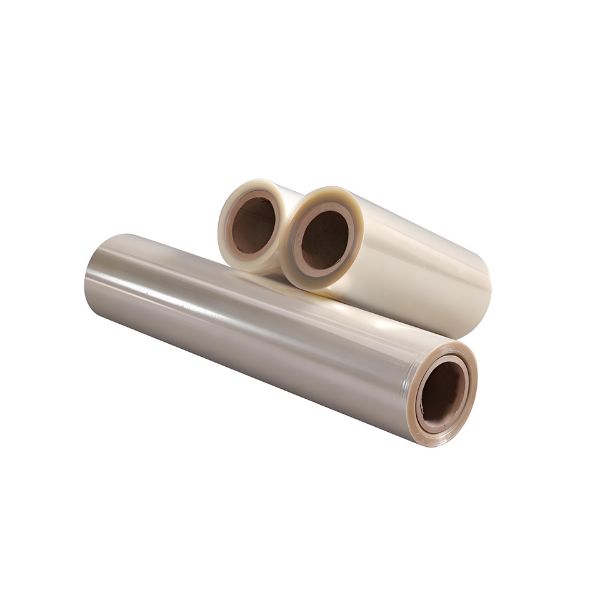
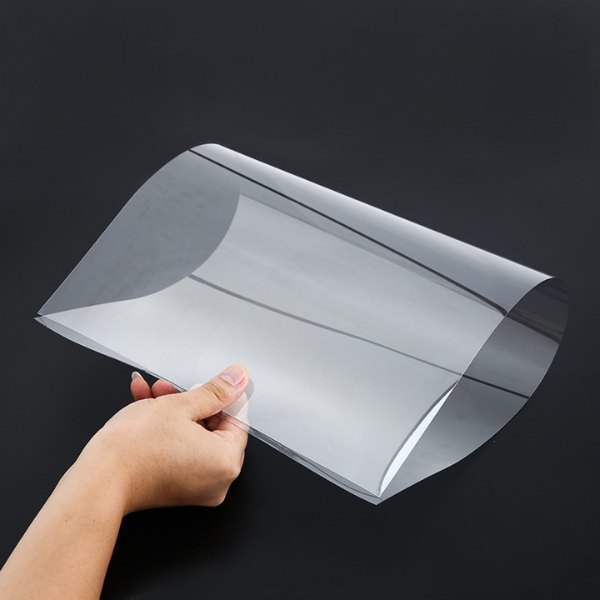
PET stands for polyethylene terephthalate. In packaging, it is most often used as BOPET film or as part of laminated structures built for specific shelf-life and processing requirements.
PET is valued because it offers good stiffness, high clarity, excellent print surface characteristics, and strong dimensional stability during converting and filling.
In many flexible packaging projects, PET serves as the outer layer that carries graphics and protects the pack’s appearance, while another layer such as PE or CPP handles sealing.
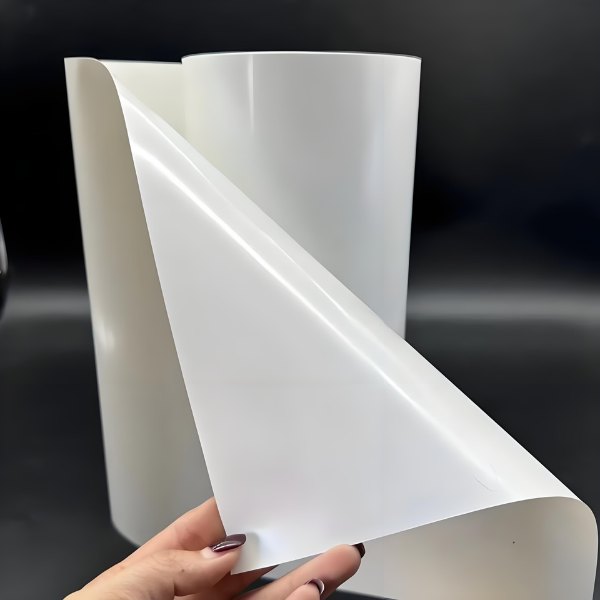
CloudFilm’s gloss PET film page and BOPET packaging content both position PET as a practical base material for printing, lamination, labels, lidding, and finished pouches.
A simple way to understand PET packaging is this: PET often gives the package its shape memory, visual quality, and print performance, while the inner web or added barrier layer gives it sealing, puncture resistance, or protection against oxygen, moisture, and light.
That is why PET is rarely discussed as a one-dimensional material.
Buyers usually compare not just “PET” versus “non-PET,” but also PET/PE versus PET/CPP, transparent barrier PET versus metallized barrier PET, tray-plus-lid systems versus premade pouches, and conventional laminates versus recyclable alternatives.
Why The PET Packaging Market Still Matters
The PET packaging market matters because it sits at the center of many mainstream packaging categories.
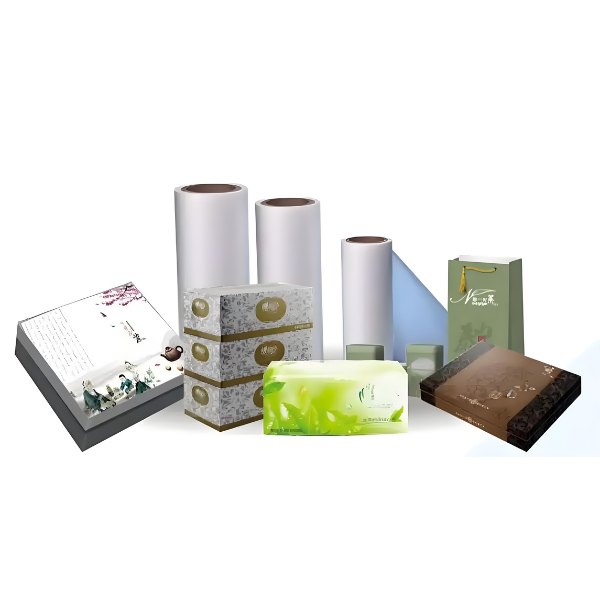
PET-based materials are common in snack packaging, coffee packs, dry food pouches, medical and technical packaging, lidding applications, and a wide range of custom flexible packs.
CloudFilm’s product portfolio alone links PET to food, medical, industrial, coffee, frozen-food, and retail-ready pouch applications, which reflects how broad the demand base is.
Another reason the market matters is that PET continues to support multiple technical directions at once.
One buyer may want a cost-effective clear laminate. Another may need a premium high-barrier coffee structure. Another may need PET as part of a tray-lidding system. Another may be reviewing whether a PET structure should stay in place or be replaced by a mono-PE design.
This range of use cases keeps PET relevant not only in standard projects, but also in higher-value packaging engineering decisions.
Main Drivers In The PET Packaging Market
One major driver is shelf appeal.
PET offers high clarity and a clean printable surface, making it well suited for consumer-facing packaging where graphics, gloss, and transparency affect purchase decisions.
This is especially useful for snacks, personal care packs, label stocks, and visible-window pouches where appearance matters almost as much as protection.
Another driver is laminate versatility.
A classic example is laminates in flexible packaging, where PET is paired with a sealing layer such as PE or CPP.
PET/PE structures are commonly selected when buyers need clarity, stable graphics, and reliable sealing. PET/CPP becomes attractive when the application needs a different sealing behavior, stronger heat resistance, or compatibility with certain food, retort, lidding, or technical packs.
Barrier engineering is another market driver.
For many dry foods and premium products, PET serves as the carrier layer for metallized or coated barrier systems.
In high-barrier applications, buyers often compare PET-based options such as metallized PET laminates and transparent ALOx PET laminates, choosing between visibility, light barrier, machinability, and cost.
CloudFilm’s barrier guides show how PET can be configured into PET/VMPET/PE or PET/ALOx PET/PE structures depending on the product’s sensitivity and desired shelf presentation.
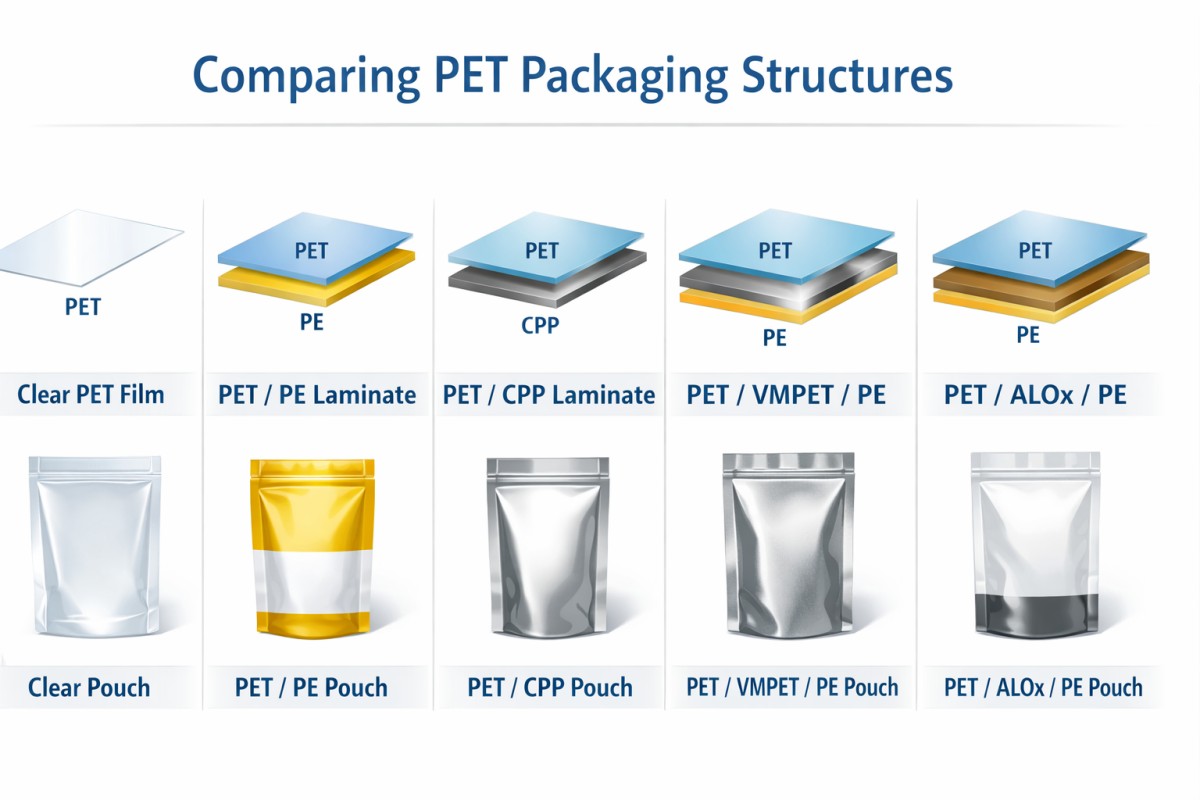
Key Material Structures Used In PET Packaging
1. PET As A Print Web Or Outer Layer
In many projects, PET is the layer buyers see first in the specification.
It is selected because it provides stiffness, clean winding, good surface appearance, and a stable base for printing or lamination.
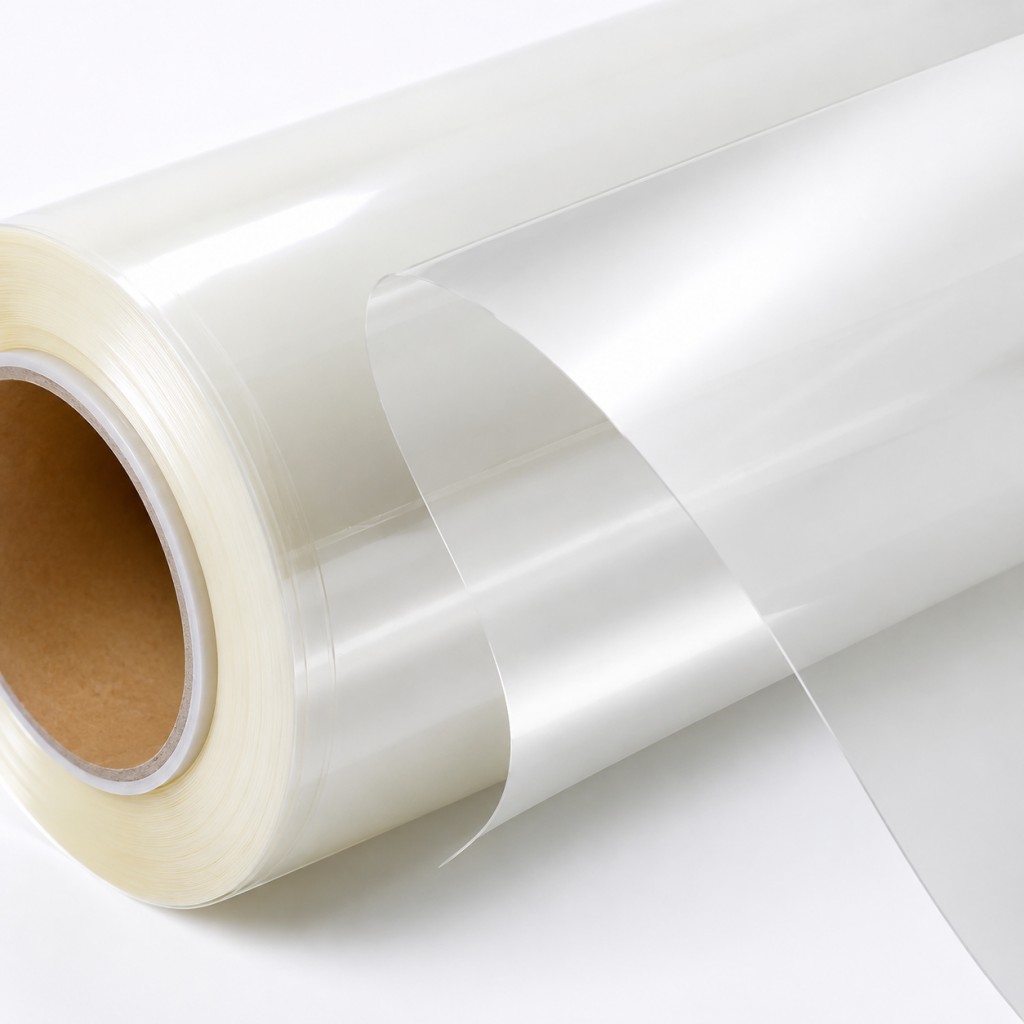
Gloss PET film is a good example of how PET can be used in printing, labels, graphic films, insulation films, and as an outer or middle web in laminates.
For buyers, this makes PET a familiar and scalable starting point.
2. PET/PE Laminates
PET/PE laminated film remains one of the most practical PET-based structures in flexible packaging.
PET contributes clarity and printability, while PE provides the heat-sealing layer and broad sealing performance required on many pouch-making and form-fill-seal lines.
This structure is widely relevant for food, medical, and industrial packaging when the goal is a balanced combination of shelf appearance and dependable sealing.
3. PET/CPP Laminates
PET/CPP film combines PET’s structural advantages with CPP’s sealability and application flexibility.
CloudFilm positions PET/CPP for dry foods, sauces, retort packs, medical devices, and technical products, which shows that PET can move beyond standard snack pouches into more performance-oriented uses.
For buyers, PET/CPP often enters the conversation when sealing window, hot-fill conditions, or product profile make CPP a better inner layer than PE.
4. High-Barrier PET Structures
When product sensitivity is higher, PET often becomes part of a more advanced barrier system.
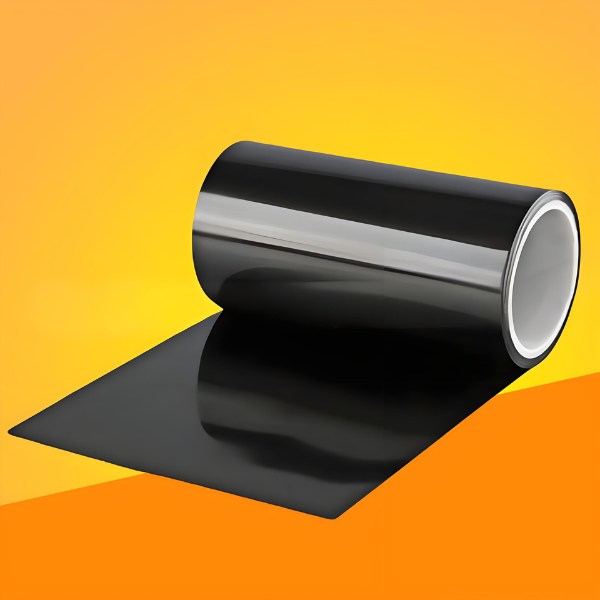
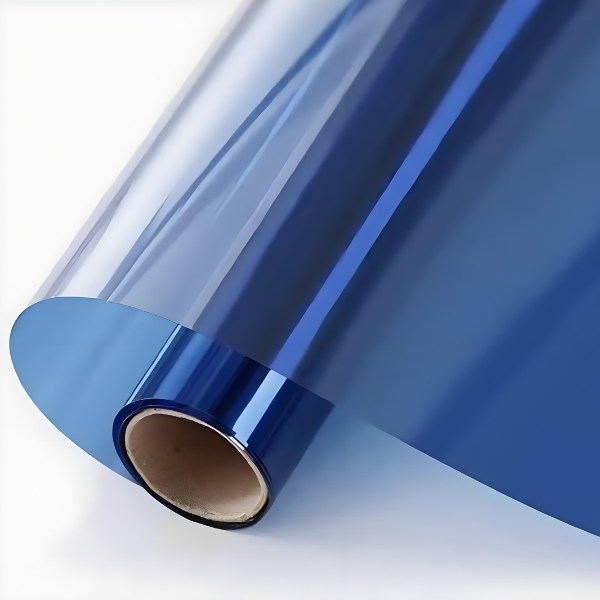
PET ALOx high-barrier packaging offers transparency with improved oxygen and moisture barrier, while PET/VMPET/PE barrier packaging offers a metallic appearance, strong light protection, and high barrier for many dry applications.
These structures are especially relevant for coffee, tea, snacks, confectionery, and some healthcare or technical goods.
5. PET In Tray And Lidding Systems
PET is also important beyond pouches and rollstock.
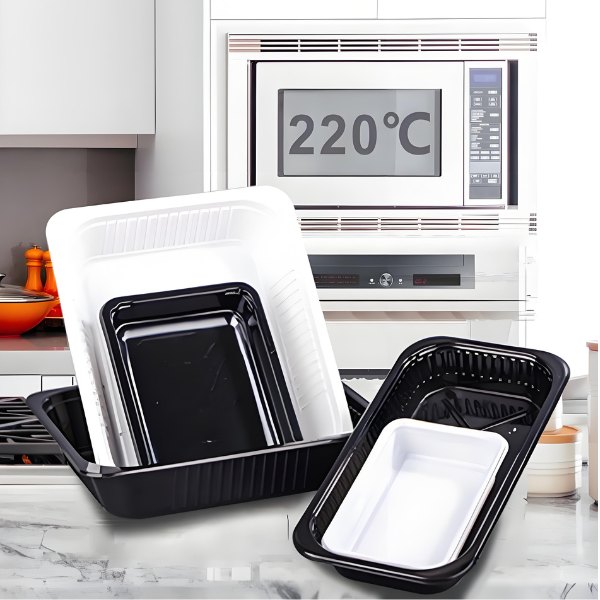
In tray systems, buyers may compare rigid APET trays with flexible PET films and lidding webs.
CloudFilm’s APET vs PET film guide and lidding packaging guide show how PET participates in tray-top web design, peelable lids, lock-up seals, and clear presentation formats.
That makes PET relevant not only for flexible packs, but also for integrated tray packaging systems.
Where PET Packaging Is Used Most
PET packaging is widely used in dry food and snack categories because these products need print quality, crisp structure, and reliable sealing without the cost or complexity of heavier rigid formats.
Stand-up pouches, pillow packs, sachets, flow-wrap laminates, and boxed pouch formats can all involve PET-based constructions depending on the barrier target and machine setup.
CloudFilm’s pouch and laminate pages show PET used across snack, rice, cereal, confectionery, and other dry goods applications.
Coffee is another strong PET packaging segment.
Coffee needs protection against oxygen, moisture, off-odors, and often light, while still requiring branding space and retail impact.
That is why coffee packaging bags frequently use PET-based laminates such as PET/AL/PE or PET/EVOH-PE, and sometimes recyclable PE alternatives when the project priorities change.
PET remains highly relevant in coffee because the market values both barrier performance and premium appearance.
PET also appears in medical, pharmaceutical, and technical packaging where stability, cleanliness, and documentation matter.
PET/PE and PET/CPP structures are both used in categories where seal consistency, mechanical performance, and converting accuracy are more important than visual merchandising alone.
In these projects, buyers pay close attention not only to the material itself, but also to process control and batch consistency.
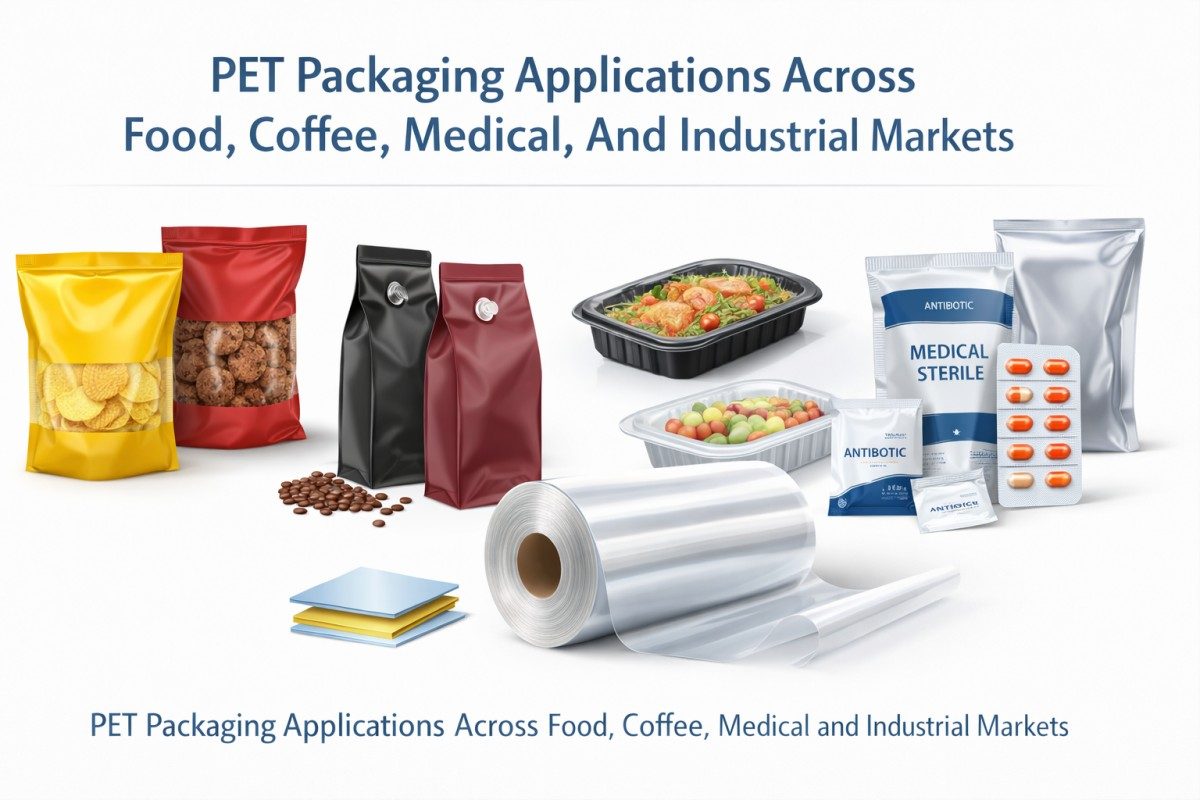
PET Packaging Formats Buyers Commonly Choose
In pouch packaging, stand up pouches are one of the most common formats because they combine strong shelf presentation with efficient logistics.
PET-based structures are often used for snacks, pet food, powders, supplements, and refill products where appearance, barrier, and reseal convenience all matter.
Buyers like this format because it works across many filling volumes and can easily incorporate zippers, tear notches, valves, and special finishes.
For heavier fills and stronger shelf impact, flat bottom pouches are often preferred.
CloudFilm’s flat bottom pouch content highlights PET/PE, PET/CPP, PET/AL/PE, PA/PE, and mono-material PE/PP options, showing that this format can serve both conventional high-barrier needs and recyclable design goals.
In the PET packaging market, flat bottom pouches are especially relevant for coffee, rice, cereals, pet food, and premium dry products.
The market also includes recyclable directions.
In projects where brands want to move away from mixed-material laminates, recyclable pouches become part of the comparison.
PET is not automatically removed from every project, but buyers increasingly evaluate whether a PET laminate is still the best option or whether a mono-PE or mono-PP structure can deliver enough performance.
That comparison is now part of everyday sourcing decisions in modern packaging.
What Buyers Are Asking For In The PET Packaging Market Now
One clear trend is better performance without unnecessary complexity.
Buyers do not want over-engineered structures if a simpler laminate can already meet shelf-life, sealing, and transport needs.
That is why practical combinations like PET/PE remain strong. At the same time, high-value segments continue to ask for advanced barrier versions built on PET, such as transparent ALOx structures or metallized laminates.
Another trend is format flexibility.
Buyers want one supplier that can support both rollstock and premade pouches, because this makes development, testing, and later scaling easier.
CloudFilm’s homepage and pouch pages reflect this integrated approach, where the same manufacturer can provide film structures, convert them into pouches, and adjust specifications around filling line needs.
That matters in export-oriented packaging projects because fewer handoffs often mean fewer risks.
Documentation and application matching are also becoming more important.
Buyers increasingly expect support on target structure, seal layer choice, food contact compliance discussions, and trial sampling.
This is especially important for overseas sourcing, where the right supplier is not simply a factory with production capacity, but a manufacturer that can convert requirements into a repeatable commercial specification.
PET Packaging Versus Recyclable Mono-Material Alternatives
PET packaging continues to perform well because it solves many real packaging problems efficiently.
It gives converters a stable print web, helps pouches hold shape, and works well in clear, metallized, and coated barrier structures.
For many applications, especially where barrier or appearance is critical, PET still offers a very practical route.
However, not every project should default to PET.
In categories where recyclability has become a top commercial requirement, mono-material PE or PP may be the better path if the package can still meet filling, distribution, and shelf-life needs.
CloudFilm’s recyclable pouch pages make this point clearly: mono-material pouches are designed to simplify recycling compared with traditional mixed structures, but the final choice still depends on local recycling infrastructure and the product’s performance demands.
In other words, the PET packaging market is no longer a market of one universal answer. It is a market of informed trade-offs.
How To Choose The Right PET Packaging Supplier Or Manufacturer
The first thing buyers should evaluate is technical range.
A strong supplier should not only sell “PET film” in a generic sense. It should be able to discuss gloss PET, PET/PE, PET/CPP, transparent barrier PET, metallized PET structures, pouch conversion, tray-lidding combinations, and recyclable alternatives when needed.
A supplier with a narrow offer may force the project toward the wrong structure. A supplier with a broader portfolio is more likely to recommend what actually fits the job.
CloudFilm’s PET-related pages show why this range matters.
The second thing to evaluate is application understanding.
A good PET packaging manufacturer should ask about product type, target shelf life, filling temperature, sealing conditions, pouch format, distribution route, and annual usage.
That is how material selection becomes engineering rather than guesswork.
The “best” PET structure for coffee is not automatically the best structure for snacks, lidding, medical products, or household refill packs.
The third thing is conversion and quality control capability.
Stable printing, lamination, slitting, pouch making, and final inspection are not optional details. They are what determine whether the same structure runs smoothly from sample to mass production.
On CloudFilm’s stand-up pouch page, production flow and QC testing are presented as a core part of supply reliability, including thickness checks, sealing tests, leakage tests, and visual inspection.
That kind of process discipline is what buyers should look for in any serious supplier.
Common Problems In PET Packaging Projects
One common problem is choosing too little barrier for the product’s real shelf-life target.
A visually attractive PET laminate may still fail if the product is highly oxygen-sensitive, light-sensitive, or aroma-sensitive.
In such cases, buyers may need to upgrade from a standard PET/PE structure to a metallized or transparent high-barrier PET structure, or even to a foil-based laminate depending on the product.
Another common issue is mismatch between material structure and filling process.
A line that needs a certain sealing behavior may perform poorly if the wrong inner layer is chosen.
This is one reason PET/PE and PET/CPP cannot be treated as interchangeable by default.
Seal window, hot tack, heat resistance, end use, and downstream handling all matter.
A third issue is underestimating pouch format.
The same laminate may behave differently depending on whether it becomes a pillow pouch, stand-up pouch, flat bottom pouch, or tray lid.
Format affects stiffness perception, seal stress, filling efficiency, display impact, and transport stability.
Material selection and format selection should therefore be made together, not separately.
Detailed FAQ About The PET Packaging Market
1. What does PET mean in packaging?
PET means polyethylene terephthalate. In packaging, it is commonly used as BOPET film or as part of laminated structures because it offers stiffness, clarity, and strong print performance.
2. Is PET used only in flexible packaging?
No. PET appears in flexible films, laminates, lidding systems, and also in rigid or semi-rigid packaging discussions such as APET trays and tray-lid combinations.
3. Why is PET often paired with PE?
Because PET and PE solve different problems. PET improves printability and structure, while PE gives heat sealing and flexibility. That makes PET/PE one of the most practical laminated combinations in packaging.
4. When should buyers choose PET/CPP instead of PET/PE?
PET/CPP may be a better choice when the application requires CPP’s sealing characteristics, heat resistance, or compatibility with certain food, lidding, retort, or technical uses. The correct choice depends on the actual line and product.
5. Is PET good for high-barrier packaging?
Yes. PET is widely used as a carrier layer in high-barrier laminates, including metallized PET and ALOx PET structures. The best design depends on whether the buyer needs opacity, transparency, strong light barrier, or specific barrier performance.
6. Is PET packaging suitable for coffee?
Yes. PET-based laminates are very common in coffee packaging because they combine print quality with strong barrier design options such as PET/AL/PE and PET/EVOH-PE.
7. Can PET packaging be used for medical or technical products?
Yes. PET/PE and PET/CPP structures are both used in medical, pharmaceutical, and technical packaging where seal consistency and material stability are important.
8. Is PET packaging recyclable?
It depends on the final structure and the local recycling system. A PET-based mixed-material laminate is different from a mono-material recyclable pouch. Buyers should review both the package design and the recycling infrastructure of the target market.
9. Is PET always better than mono-material PE or PP?
No. PET is often stronger in structure, print appearance, and some barrier designs, but mono-material PE or PP may be better for projects where recycling compatibility is the main priority. The right answer depends on the application.
10. What pouch format works best with PET packaging?
That depends on the product. Stand-up pouches work well for many food and refill categories. Flat bottom pouches are strong for premium dry products and heavier fills. Tray-lid systems may be better for ready meals, fresh foods, or formed packs.
11. What should buyers ask a PET packaging supplier before ordering?
They should ask about structure recommendation, barrier level, sealing layer, thickness range, pouch format, food contact compliance, printing options, sampling, MOQ, lead time, and export experience. Those factors matter more than a simple price comparison.
12. Can one supplier provide both rollstock and finished pouches?
Yes, and many buyers prefer that. It can simplify development, improve spec consistency, and reduce communication gaps between film supply and pouch conversion. CloudFilm presents this integrated model across its film and pouch portfolio.
13. Is transparent high-barrier PET possible?
Yes. Transparent high-barrier PET is possible through structures such as ALOx PET laminates. This is useful when brands want product visibility without giving up barrier performance.
14. How do buyers know whether PET packaging is right for their product?
They should start with product type, target shelf life, filling process, storage conditions, and retail format. Once those are clear, the material choice becomes much easier and more accurate.
Conclusion
The PET packaging market is not just large. It is structurally important because PET continues to connect appearance, functionality, and manufacturability across many packaging categories.
From simple clear laminates to advanced barrier structures, from stand-up pouches to tray lids, from coffee bags to medical packaging, PET remains one of the most adaptable material families in the packaging industry.
The real opportunity for buyers is not to ask whether PET is “good” in general, but to ask which PET-based structure, format, and supply model best fit their product and commercial goals.
If you are evaluating PET packaging for a new or existing project, a capable supplier should help you move from a broad market question to a precise packaging specification.
That means matching the right film structure, the right pouch or lidding format, the right barrier level, and the right production process to your actual application.
Buyers who approach PET packaging this way usually make faster decisions, run more stable trials, and build more reliable packaging programs over time.
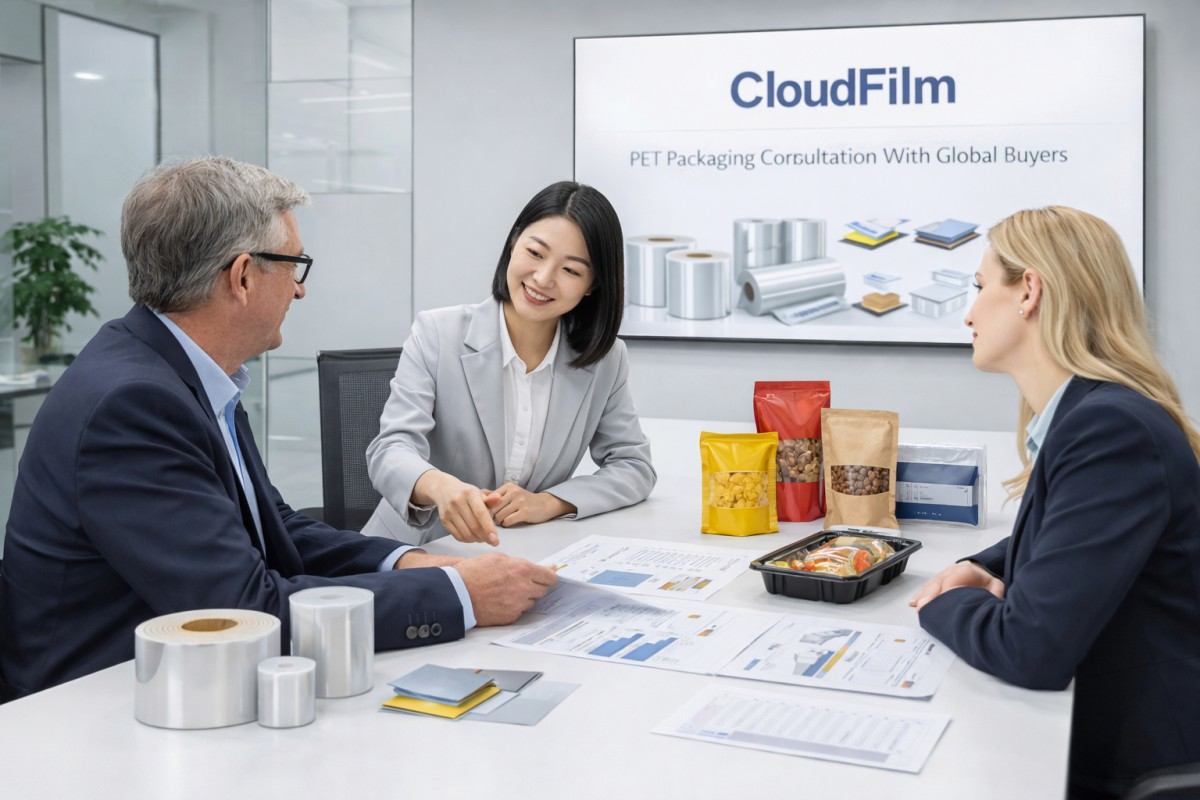
For companies looking for flexible packaging films and custom pouches, the most valuable supplier is the one that can turn technical requirements into repeatable production.