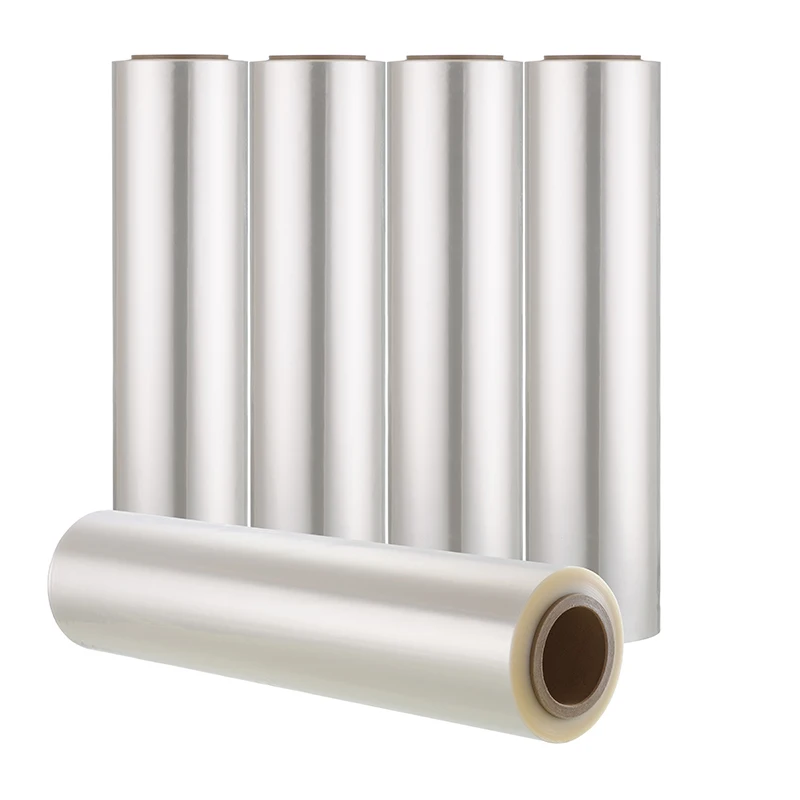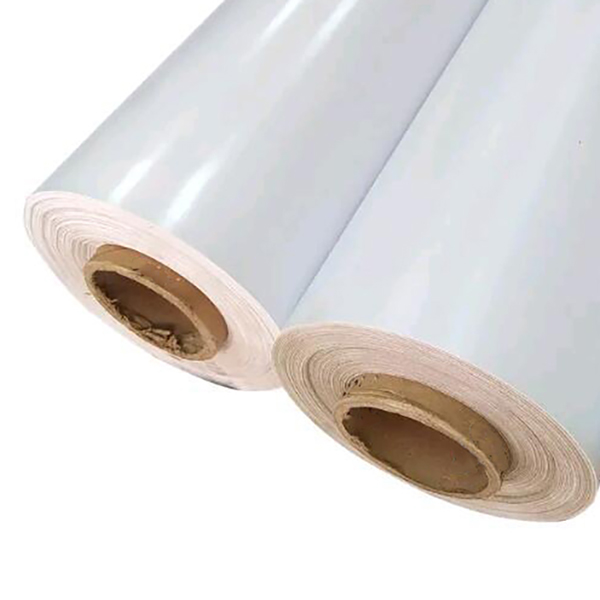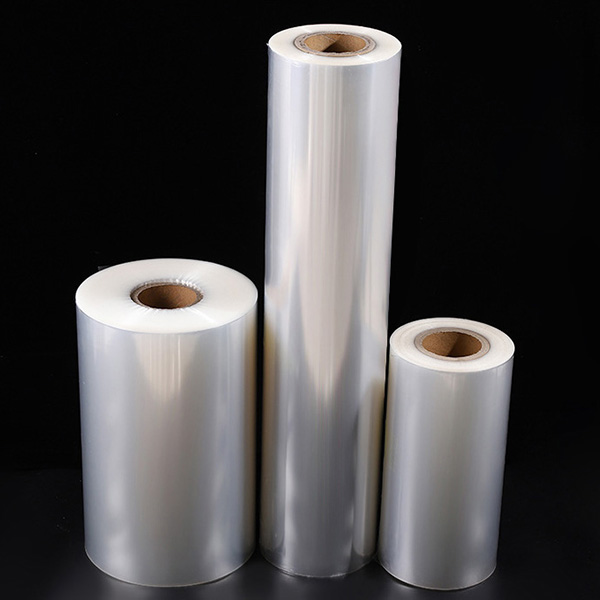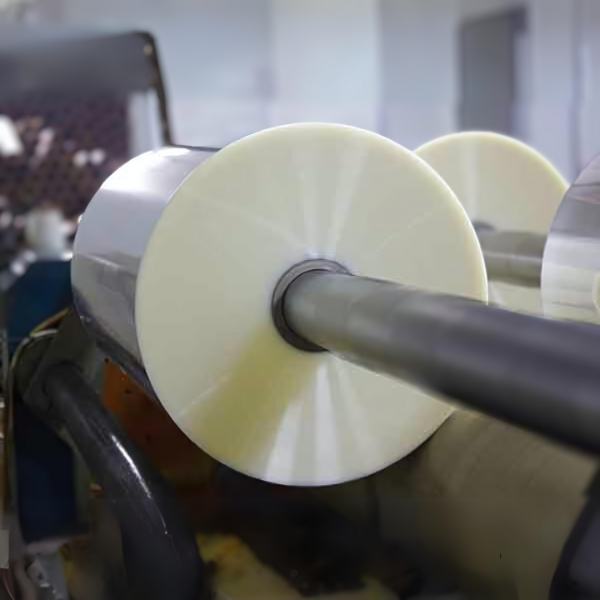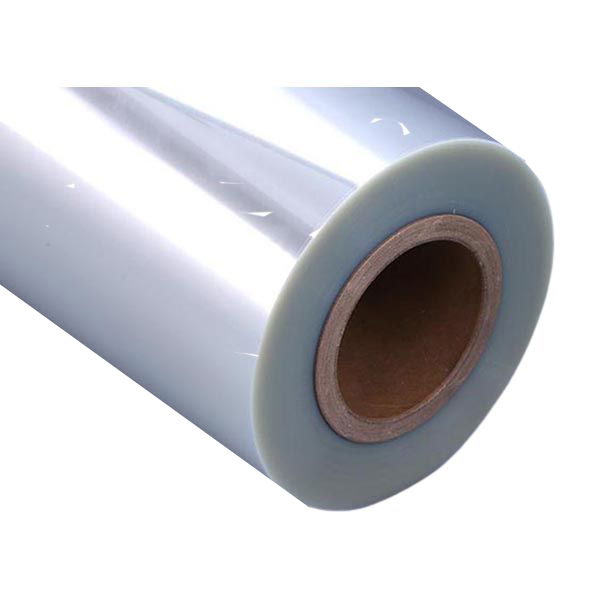
Roll to roll printing is a continuous printing process in which a flexible material is unwound from one roll, printed while moving through the press, dried or cured, and then rewound into a finished roll. In simple words, the substrate keeps moving, so the printing is continuous rather than sheet by sheet.
This process is widely used in flexible packaging, labels, protective films, medical packaging, industrial laminates, and many other web-based materials. If you work with printed film, laminated rollstock, pouch converting, or high-speed form-fill-seal lines, understanding roll to roll printing helps you make better decisions on material choice, print method, cost control, and production efficiency.
For converters, brand owners, and procurement teams, roll to roll printing is not only a printing method. It is also part of a larger manufacturing workflow that may include surface treatment, lamination, slitting, inspection, and pouch making. That is why many buyers look for a partner that can support both materials and converting requirements, not only the print itself.
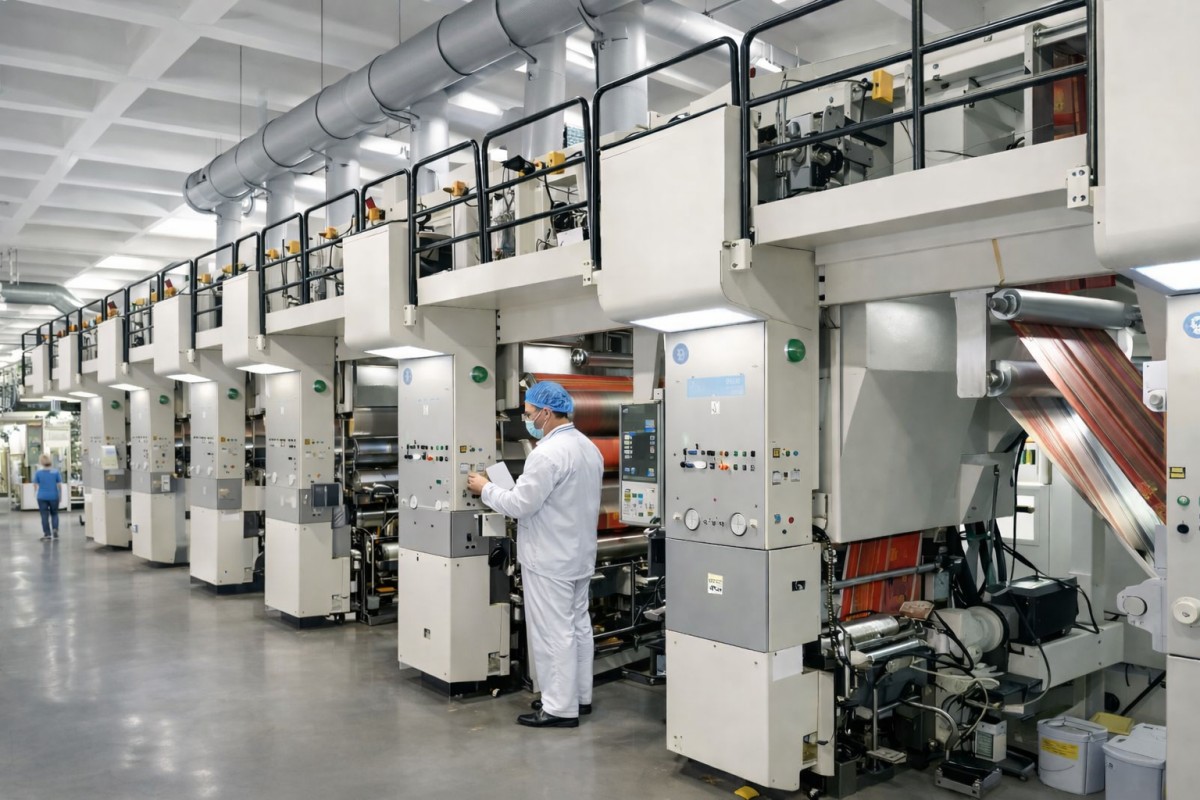
What Does “Roll To Roll” Mean In Printing?
The term “roll to roll” describes the way the material is handled. Instead of feeding individual sheets into a press, the material is supplied as a continuous web. That web can be BOPP, PET, PE, paper, aluminum foil, coated film, or a laminated structure depending on the application.
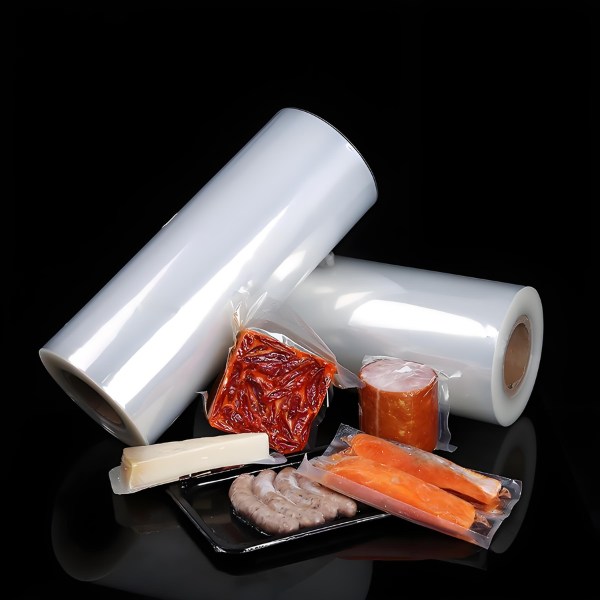
In flexible packaging, roll to roll printing is common because most packaging films are produced, converted, and delivered in roll form. A printed web can later be laminated, slit, and converted into sachets, pillow pouches, stand up pouches, lidding films, or other pack formats. If you want to understand how printed webs fit into broader converting projects, CloudFilm’s flexible packaging films portfolio is a useful starting point.
So when someone asks, “What is roll to roll printing?” the practical answer is this: it is the continuous printing of flexible web materials that are processed from one roll to another roll.
How Roll To Roll Printing Works Step By Step
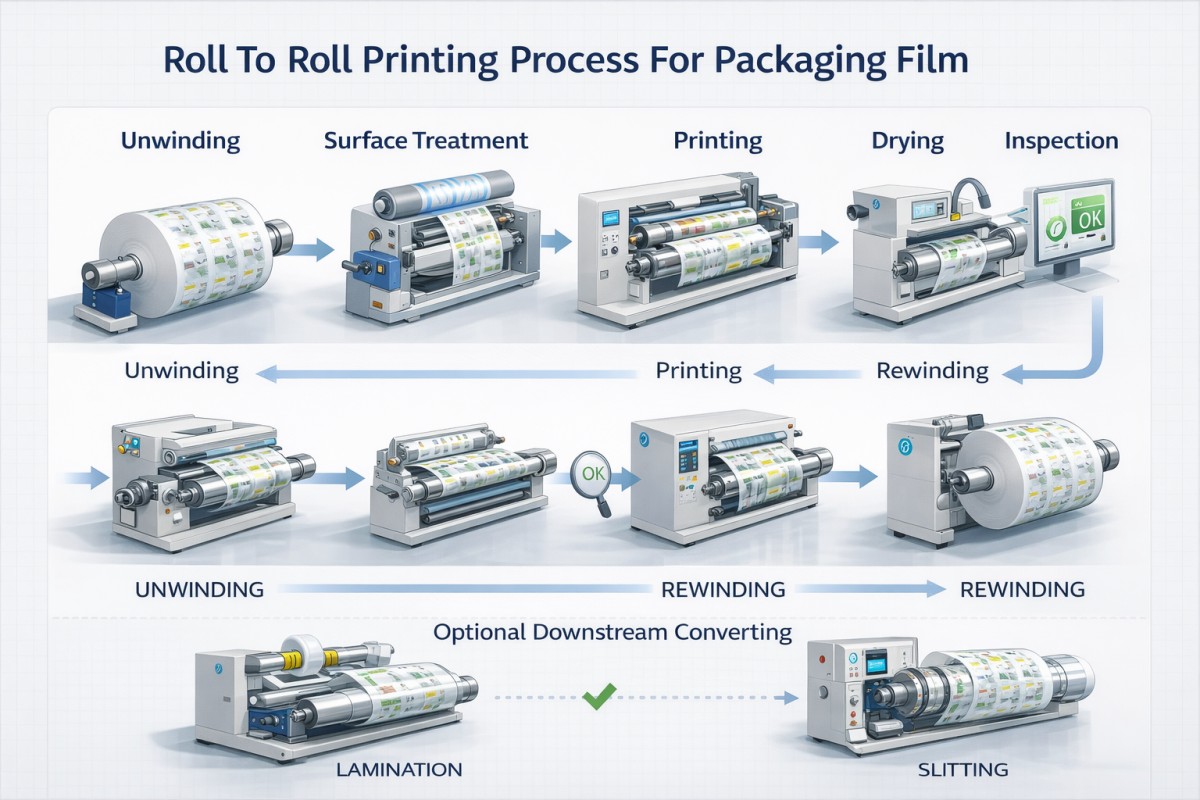
Although the exact line layout depends on the technology, most roll to roll printing systems follow a similar sequence.
1. Unwinding
A master roll is loaded onto the machine and unwound under controlled tension. Stable tension is important because film stretching, wrinkling, or wandering can cause print defects.
2. Surface Preparation
Some substrates need corona treatment, priming, or cleaning before printing. This helps inks wet the surface and improves adhesion, especially on low-surface-energy films such as BOPP and PE.
3. Printing
The design is transferred onto the moving web. Depending on the project, this can be done by rotogravure, flexographic, or digital printing. The best choice depends on run length, image quality target, turnaround time, and cost structure.
4. Drying Or Curing
After each color station, inks are dried or cured. This is critical for print quality, solvent control, and downstream lamination performance.
5. Inspection
Many lines include in-line inspection systems for color consistency, print registration, streaks, missing dots, and other defects. Good inspection helps reduce waste and protects final pouch quality.
6. Rewinding
The printed film is rewound into a finished roll. That printed roll may be shipped directly, or it may move to the next process such as lamination, slitting, or pouch making.
7. Optional Downstream Converting
In many packaging projects, printing is only one step. The printed web can become part of a packaging film roll
structure, a laminated web, or a finished pouch depending on the final application.
Why Roll To Roll Printing Is So Important In Flexible Packaging
Roll to roll printing is one of the core production methods in flexible packaging because it matches how packaging films are normally manufactured and converted.
First, it supports high-speed continuous production. This makes it efficient for medium and large print runs.
Second, it works well with many packaging substrates, including BOPP, PET, PE, CPP, nylon, paper, foil, and multi-layer laminates.
Third, it integrates well with downstream packaging processes. Printed rolls can go into lamination, slitting, pouch making, or form-fill-seal use with fewer handling steps.
Fourth, it gives strong cost advantages for many commercial jobs. Once the job is set up and stabilized, continuous printing can reduce unit cost compared with slower, discontinuous workflows.
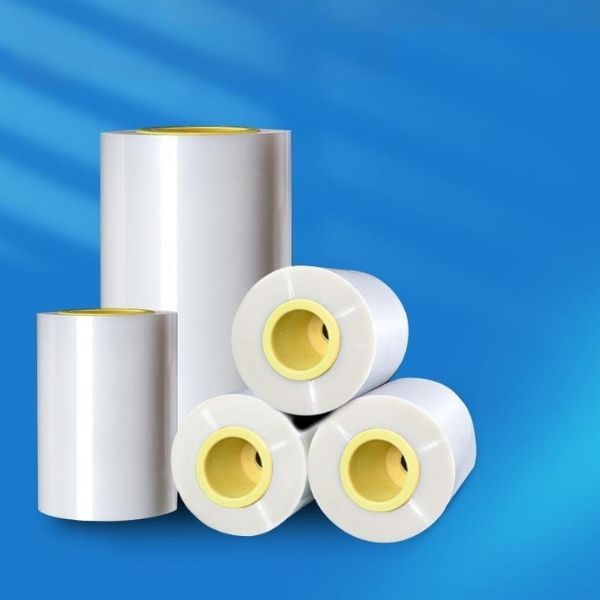
For buyers who need webs that run on VFFS, HFFS, or flow-wrap lines, roll stock film is often the commercial form in which roll to roll printed material is supplied.
Main Materials Used In Roll To Roll Printing
Different materials behave differently during printing. The right choice depends on product protection, sealing needs, stiffness, barrier, and final pack appearance.
BOPP
BOPP is widely used for snacks, confectionery, labels, and overwrap applications. It offers good clarity, stiffness, and printability. For projects where the print layer matters, BOPP printing film
is a natural reference point.
PET
PET is valued for strength, dimensional stability, heat resistance, and premium print appearance. It is often used as the outer printed layer in laminates.
PE
PE is often chosen as a sealing layer, but PE-based structures can also be printed in specific applications, especially when recyclable mono-material design is important.
CPP
CPP provides good sealability, toughness, and heat resistance. It is common in retort and high-performance sealing structures.
Paper And Foil
Paper can provide a natural look, while aluminum foil brings excellent light, oxygen, and moisture barrier when very high protection is required.
Laminated Structures
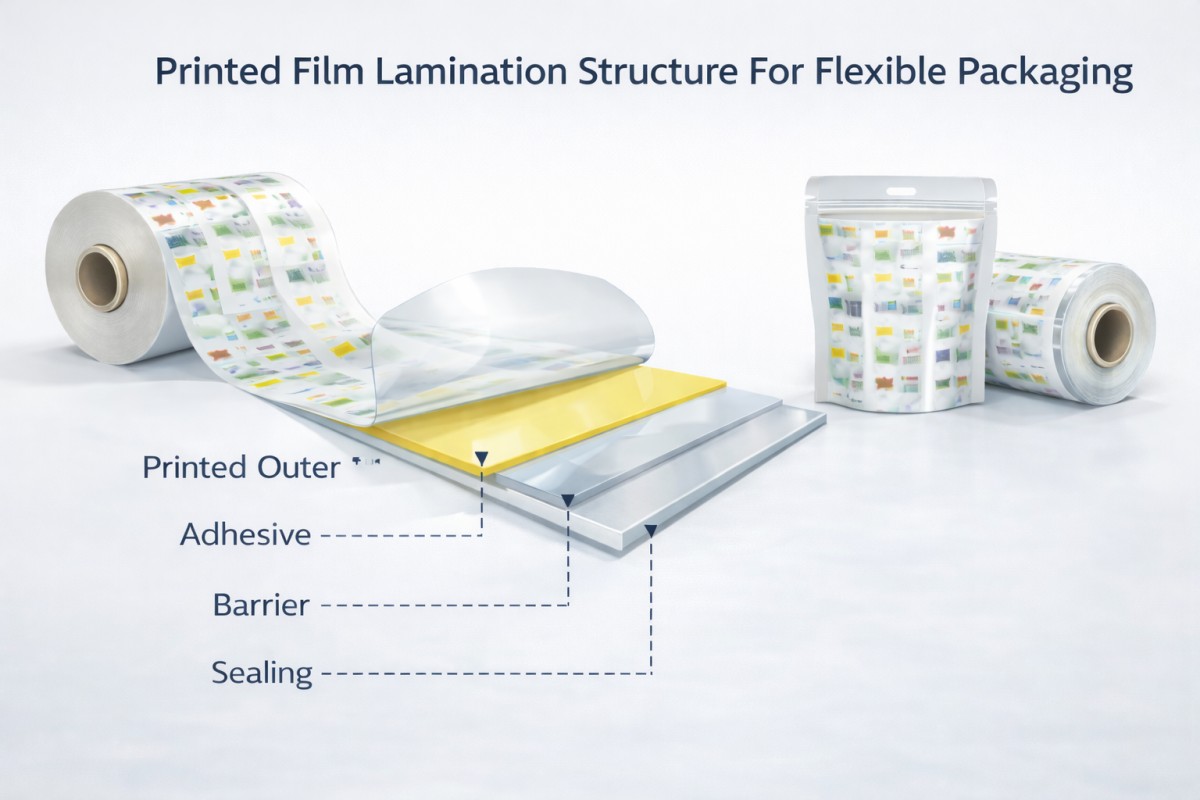
In many real packaging jobs, the printed web is not used alone. Instead, it becomes the outer layer of a laminate. A common example is PET/PE film, where PET provides printability and stiffness while PE provides sealing performance.
Roll To Roll Printing vs Sheet Fed Printing
Many people who are new to packaging ask how roll to roll printing differs from sheet-fed printing.
Sheet-fed printing uses separate sheets that are fed one at a time. It is common in folding cartons, commercial print, and some label or paperboard applications.
Roll to roll printing uses a continuous web. It is usually better for flexible substrates, long runs, and integrated converting processes.
In practical packaging terms:
- Roll to roll printing is usually better for films, laminates, and high-volume flexible packaging.
- Sheet-fed printing is usually better for rigid sheets, cartons, and some specialty print jobs.
- Roll to roll systems are easier to connect with slitting, lamination, and pouch conversion.
For flexible packaging buyers, roll to roll printing is usually the more relevant concept because the final materials are normally handled in roll form, not as individual sheets.
Common Roll To Roll Printing Technologies
When buyers talk about roll to roll printing, they are usually talking about one of three main technologies.
Rotogravure Printing
Rotogravure uses engraved cylinders to transfer ink onto the moving web. It is known for strong image quality, stable solids, and good performance on high-volume jobs. Gravure is widely used in flexible packaging when print consistency and large production runs are important.
Flexographic Printing
Flexographic printing uses flexible plates and is often chosen for packaging, labels, and paper-based webs. It can be efficient, versatile, and suitable for many packaging applications.
Digital Printing
Digital printing is increasingly used for short runs, version changes, fast lead times, and variable content. It is not always the lowest-cost solution for large volumes, but it can be very attractive for SKU complexity and launch speed. For buyers comparing conventional and short-run workflows, CloudFilm’s article on digital flexible packaging gives useful context.
If you want a broader overview of print methods, quality considerations, and supplier selection, see CloudFilm’s flexible packaging printing guide.
Key Advantages Of Roll To Roll Printing
High Productivity
Because the process is continuous, it is well suited to commercial-scale production.
Good Fit For Flexible Substrates
Films, foils, papers, and laminates are naturally handled as webs, so roll to roll printing fits the material format.
Better Integration With Converting
The printed web can move efficiently into lamination, slitting, and pouch making.
Strong Cost Efficiency On Repeated Jobs
For medium and large production volumes, the setup cost is spread across more output, which can lower total unit cost.
Scalable Quality Control
Modern lines can include tension control, register control, drying optimization, and in-line inspection.
Main Limitations And Challenges
Roll to roll printing is powerful, but it is not automatically simple. Buyers should understand the main risks.
Tension And Registration Control
Thin films can stretch, shrink, wrinkle, or shift, especially if machine settings or film properties are not well matched.
Ink Adhesion
Poor surface treatment or incorrect ink systems can cause adhesion problems, rub-off, or lamination failures.
Drying And Solvent Management
Insufficient drying can create odor issues, blocking, or downstream converting problems.
Material Compatibility
Not every substrate behaves the same way. Film thickness, slip, corona level, stiffness, and heat resistance can all affect print stability. CloudFilm’s packaging film parameter guide is useful when briefing a supplier.
Setup Cost
For very short runs, conventional roll to roll printing may be less economical than digital alternatives.
How Roll To Roll Printing Connects With Lamination
In flexible packaging, buyers often care less about the printed web alone and more about the final finished structure.
For example, a snack pouch may use a printed outer layer for graphics, a middle layer for barrier, and an inner layer for sealing. That means printing and lamination must work together. Ink chemistry, adhesive system, residual solvent, cure conditions, and final application all matter.
This is why it is often helpful to think in terms of total structure design rather than print alone. CloudFilm’s guide to laminated films in flexible packaging explains this clearly.
Typical Applications Of Roll To Roll Printing
Roll to roll printing appears in many industries, not only in food packaging.
Food Packaging
Snack packs, candy wrappers, frozen food pouches, coffee bags, instant drink sachets, seasoning packs, and bakery films are all common examples.
Pharmaceutical And Medical Packaging
Sachet webs, diagnostic packaging, medical device packaging, and some lidding structures can be produced from printed roll materials.
Personal Care And Household Products
Detergent packs, wet wipe packaging, cosmetic sachets, and refill pouches often use printed webs.
Labels And Promotional Wraps
Many label constructions and decorative wraps rely on continuous web printing for speed and consistency.
Industrial Packaging
Protective wraps, chemical packaging, hardware packaging, and specialty technical films can also use roll to roll printed webs.
How Buyers Should Choose The Right Roll To Roll Printing Partner
If you are sourcing printed film from a manufacturer or supplier, focus on more than price.
1. Start With The End Use
Describe the packaged product, filling line, shelf-life target, transport conditions, and sealing method.
2. Clarify The Structure
Share whether you need mono film, laminate, foil structure, or recyclable design.
3. Match Printing Method To Run Length
Large-volume repeat orders may suit gravure well. Short runs or SKU complexity may favor digital.
4. Review Technical Parameters
Thickness, width, core size, winding direction, corona level, COF, sealing window, and barrier targets should be clearly defined.
5. Ask About Sampling And Trial Support
A good supplier should help with film recommendation, sample testing, and machine trials before full-scale production.
6. Evaluate Integrated Capability
Many buyers prefer a partner that understands film selection, printing, and converting together. CloudFilm presents this kind of integrated approach in its flexible packaging solutions content.
Roll To Roll Printing And Sustainability
Sustainability is becoming part of the roll to roll printing conversation because buyers now need packaging that balances print quality, machinability, and recyclability.
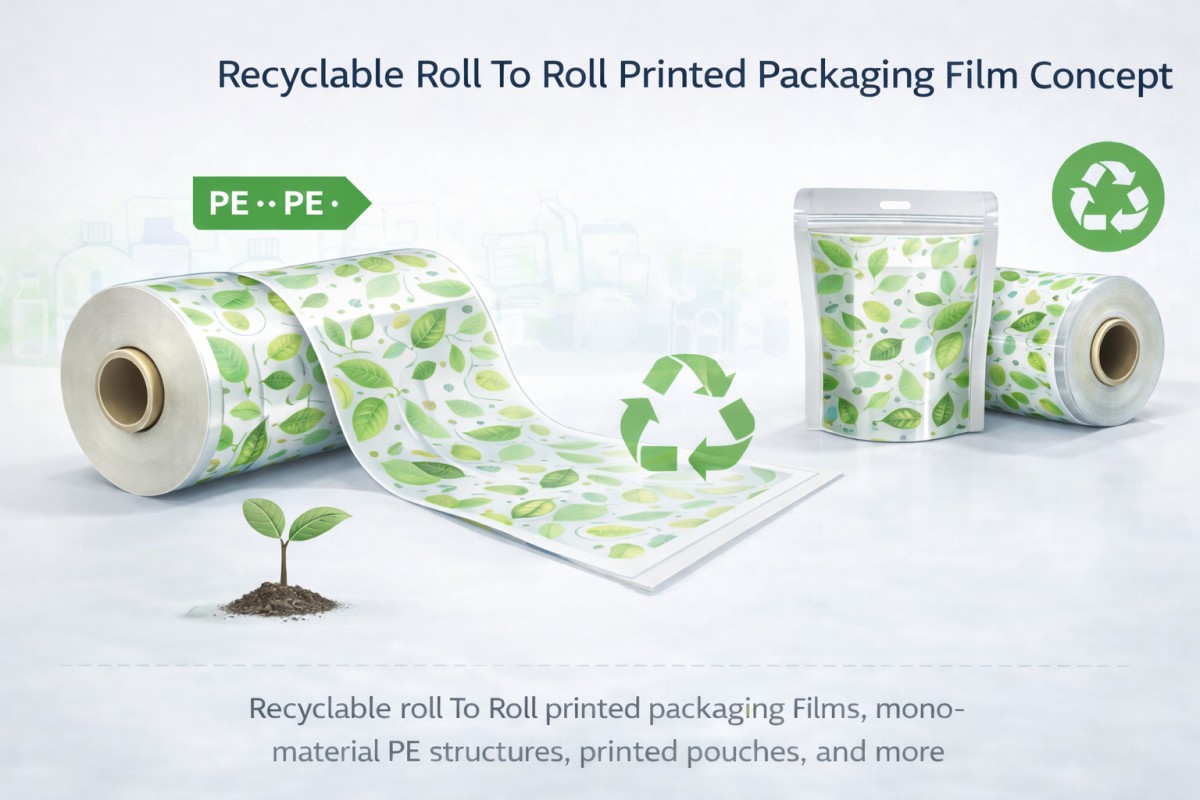
In some projects, traditional mixed-material laminates still make sense. In others, mono-material PE or PP structures are preferred for easier recycling pathways. This changes not only the structure design, but sometimes also the printing and lamination approach.
For businesses evaluating recyclable structures, CloudFilm’s recyclable flexible packaging article and its BOPE guidance are useful references. Where stiffness and print appearance are important in recyclable mono-PE packs, BOPE films may become part of the discussion.
Frequently Asked Questions About Roll To Roll Printing
1. What is the simple definition of roll to roll printing?
It is a continuous printing process where flexible material moves from one roll through the press and is rewound into another roll after printing.
2. Is roll to roll printing the same as web printing?
In many packaging and converting contexts, yes. “Web printing” usually refers to printing on a continuous web, which is the same basic idea as roll to roll printing.
3. Which materials can be printed by roll to roll methods?
Common materials include BOPP, PET, PE, CPP, nylon, paper, aluminum foil, coated films, and many laminates.
4. Is roll to roll printing only for flexible packaging?
No. It is strongly associated with flexible packaging, but it is also used for labels, medical materials, protective films, electronics, and industrial applications.
5. What is the difference between roll stock and printed film?
Printed film refers to the printed web itself. Roll stock usually refers to the finished roll material supplied for packaging lines, often ready for form-fill-seal or pouch conversion.
6. Which printing method is best: gravure, flexo, or digital?
There is no single best option for every project. Gravure is strong for long runs and premium consistency, flexo is versatile for many packaging jobs, and digital is useful for short runs and fast version changes.
7. Why is tension control important?
Because unstable tension can cause wrinkles, misregistration, uneven print, and converting problems.
8. Why is corona treatment important?
It improves ink adhesion on many plastic films, especially low-surface-energy substrates.
9. Can roll to roll printed film be laminated?
Yes. In fact, many flexible packaging structures use printed outer films that are later laminated to sealing or barrier layers.
10. Is roll to roll printing good for small orders?
It can be, but for very short runs digital printing may be more practical depending on the design and order quantity.
11. What information should I send to a supplier before asking for a quote?
Share the product application, target structure, thickness, width, print design, color count, order quantity, machine type, and any special barrier or sealing requirements.
12. Can recyclable packaging also use roll to roll printing?
Yes. Recyclable mono-material structures can also be printed in roll to roll workflows, but the ink, lamination, and structure design need to support the final sustainability target.
13. Does higher print quality always mean higher cost?
Not always, but better print definition, tighter tolerances, more colors, and special finishes often increase total cost.
14. What defects should buyers watch for?
Common issues include poor registration, weak ink adhesion, color inconsistency, blocking, residual solvent, telescoping, wrinkles, and lamination defects.
15. Why does supplier experience matter?
Because experienced packaging suppliers understand the full system: substrate behavior, ink compatibility, lamination, slitting, sealing, and machine runnability.

Final Thoughts
Roll to roll printing is one of the most important production methods in modern flexible packaging because it combines continuous efficiency, broad material compatibility, and strong integration with lamination and converting.
For packaging buyers, the key point is not only to understand the printing definition, but also to understand the full system behind it: substrate choice, print technology, drying, inspection, lamination, and final machine performance.
If you are sourcing custom printed flexible packaging film, the best results usually come from working with a supplier that can discuss the whole project clearly—from base film and print method to final rollstock or pouch application. That is the practical value of understanding roll to roll printing before you request a quotation.