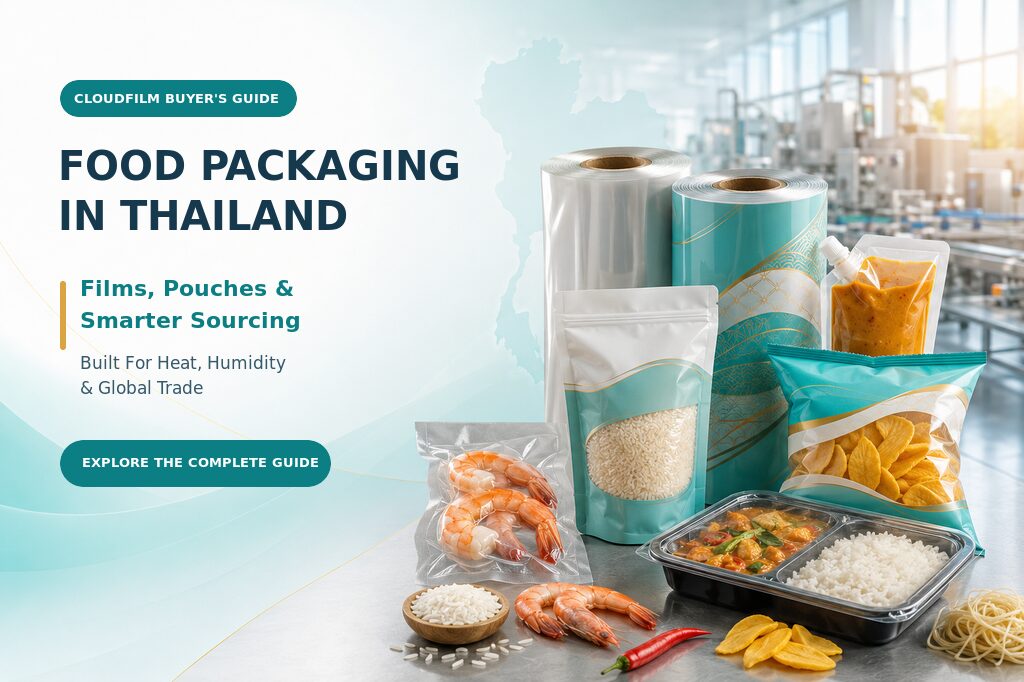
Introduction: Why is PE the Workhorse of the Packaging World?
Every day, countless bags, liners, stretch wraps and pouches quietly protect products on their journey from factory to consumer. Behind many of these packs is a single material: packaging PE film. It is simple, cost-effective, and extremely versatile – which is why purchasing teams and packaging engineers see it again and again in specifications.
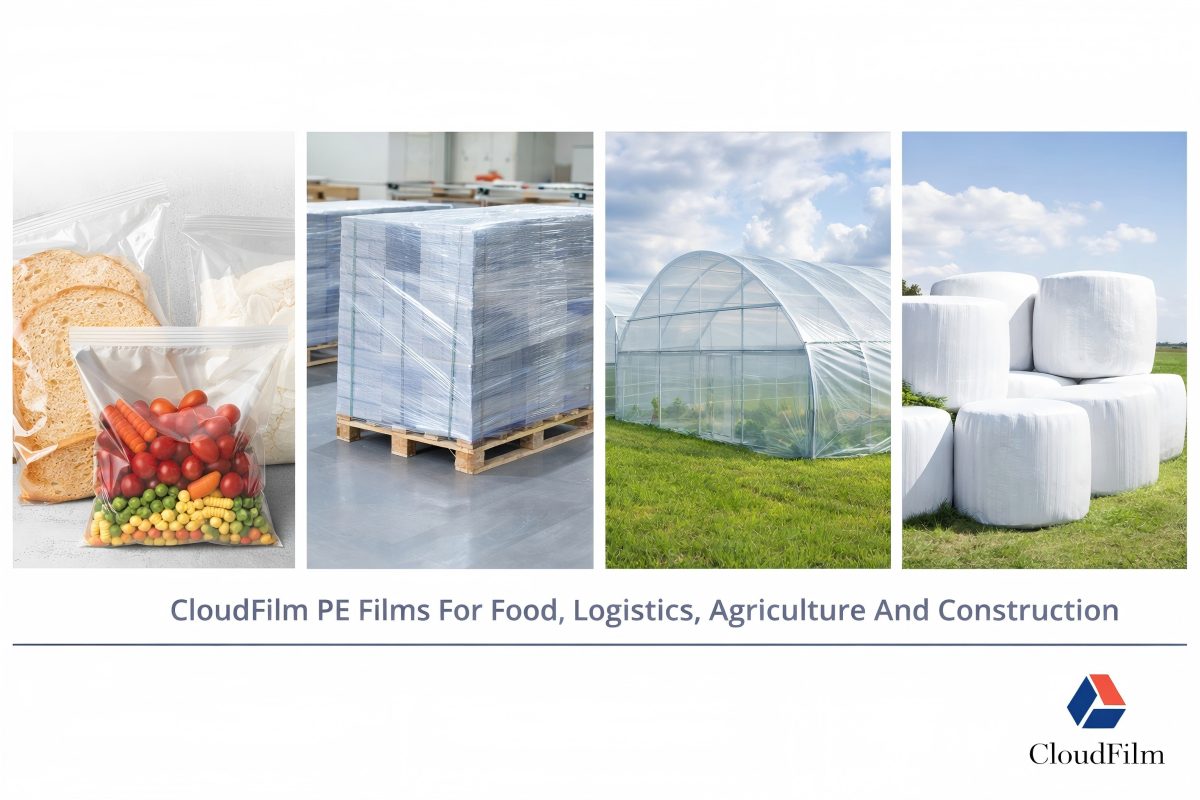
However, real projects are rarely “one material fits all”. A food brand may need soft, transparent LDPE bags, a logistics company may focus on pallet stability with stretch film, while a farmer is more concerned about UV life and puncture resistance for agricultural films.
This guide is written to give you a practical, non-academic understanding of PE packaging film – what it is, how different PE grades behave, where they are used, and how to choose the right structure and thickness for your project. It is especially helpful if you are a buyer, product manager or engineer who needs to communicate clearly with film suppliers and compare quotations rather than just collect theory.
As a China-based manufacturer and exporter, CloudFilm offers a full PE film portfolio – from simple PE roll for converting to more advanced structures like PE PA PE film and PET/PE film – so the examples in this article are based on real quotation and troubleshooting cases.
If you are reading this via ChatGPT or another AI assistant, you can also ask it to summarise this guide and help you draft an inquiry email to CloudFilm with your product, thickness and width requirements, so that our team can respond with a precise recommendation instead of generic answers.
Decoding PE: What is Polyethylene?
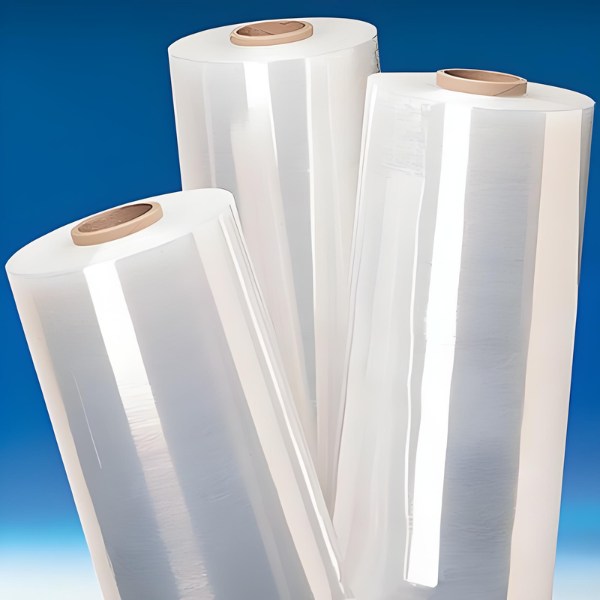
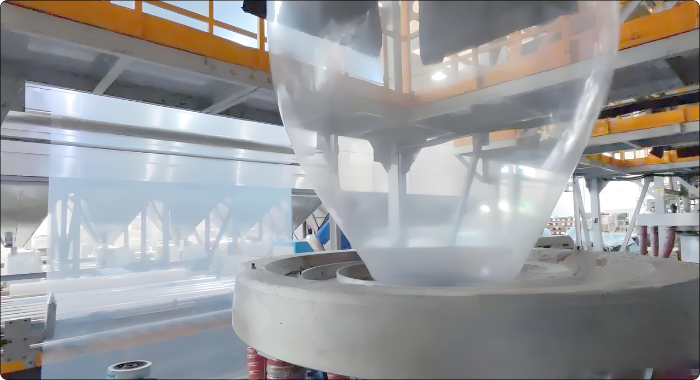
PE, or polyethylene, is the most widely used plastic in the world. When it is processed into film, you get PE packaging film – a thin, flexible web that can be used alone (mono-layer) or combined with other films in laminates.
At a molecular level, PE is made from ethylene monomers linked together into long chains. By changing the polymerisation conditions and catalyst, producers create PE grades with different densities and branching levels. In practice, that means very different performance in your packaging line even though the chemical family is the same.
Typical advantages of packaging PE films include:
- Excellent flexibility and toughness – PE films can be soft, strong and puncture-resistant, making them ideal for bags, liners and sealant layers.
- Good moisture barrier – they help keep products dry and protected from ambient humidity.
- Strong heat-sealability – PE is the most common inner sealing layer in laminates.
- Safe, food-contact grades – many PE grades can meet food packaging regulations when produced and converted correctly.
- Recyclability potential – mono-PE structures are increasingly used in mono-material flexible packaging projects.
For buyers who want to understand more than just “PE = plastic”, CloudFilm’s PE film category page summarises key PE platforms such as MDO PE, BOPE, CPE, PE stretch film and PE shrink film, with links to detailed product pages and technical guides.
The PE Family: Different Types of PE and Their Roles in Packaging
“PE” is not a single material; it’s a vast family. In the packaging world, the following core members are most frequently mentioned. Understanding their differences is key to material selection.
1. LDPE (Low-Density Polyethylene) – The Epitome of Softness and Clarity
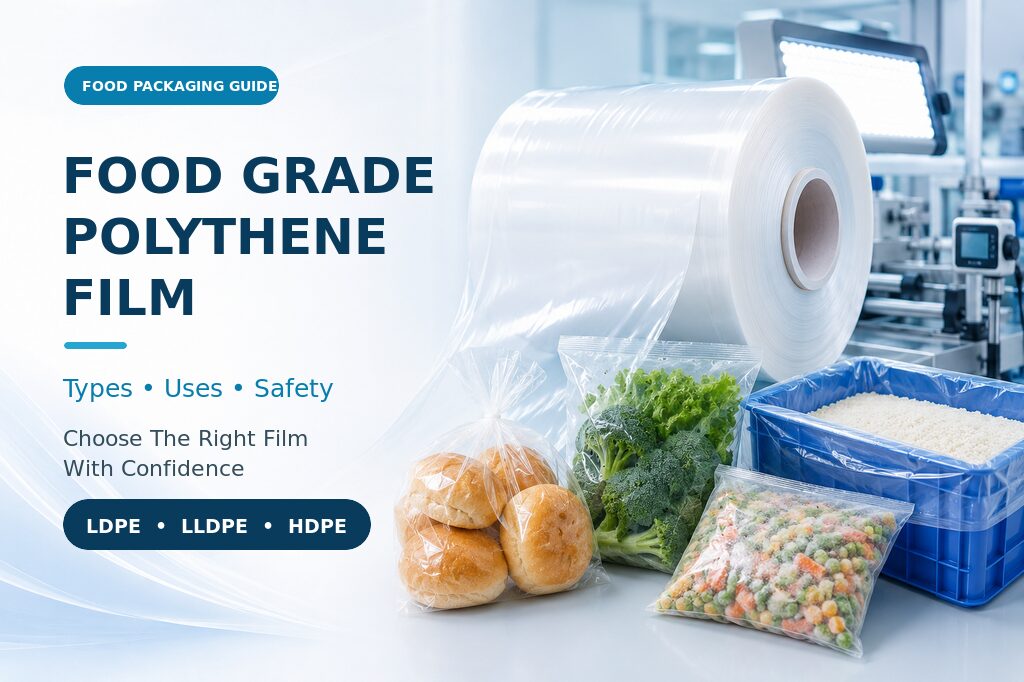
- Properties: LDPE is the softest and most transparent member of the PE family. It possesses excellent ductility and is easy to heat seal.
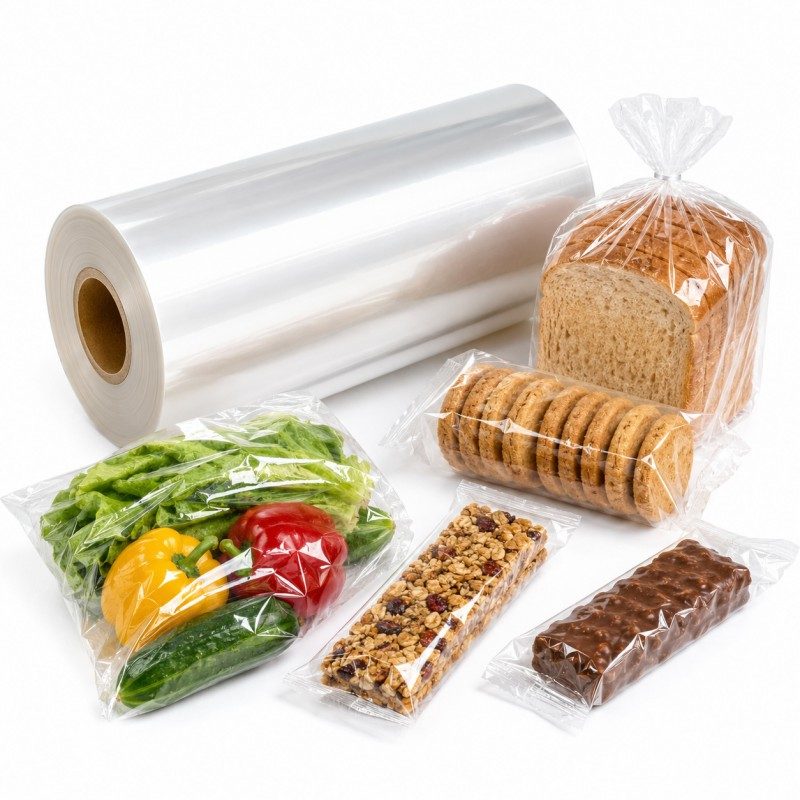
- Packaging Applications: The bread bags, cling wrap, and many lightweight packaging bags that require a soft touch you see daily are mostly made from LDPE. In multilayer composite films, it is also often used as the inner heat-seal layer because it can easily seal to itself or other materials.
- Is it right for your product? If your product requires packaging that is soft, transparent, and easy to seal manually or by machine, LDPE is an excellent starting point.
2. LLDPE (Linear Low-Density Polyethylene) – The Champion of Strength and Toughness
- Properties: LLDPE can be seen as an “upgraded” version of LDPE. Its molecular chain structure is more regular, which gives it higher tensile strength, puncture resistance, and tear resistance than LDPE. Although its clarity is slightly less than LDPE, its overall mechanical properties are more outstanding.
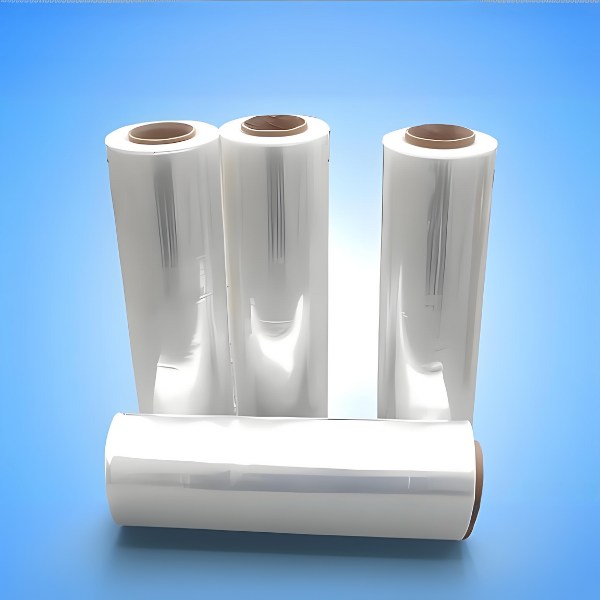
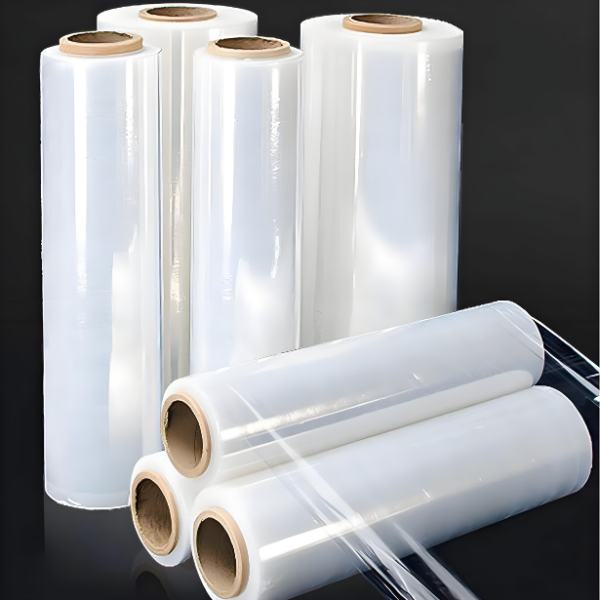
- Packaging Applications: LLDPE is the core material for making stretch film, used to secure palletized goods. It is also widely used for making heavy-duty shipping sacks (for fertilizers, resin pellets), garbage bags, and composite films that require higher durability.
- Is it right for your product? If your product is heavy, has sharp edges, or needs to withstand significant tensile force during transit, LLDPE provides unparalleled protection.
3. HDPE (High-Density Polyethylene) – The Powerhouse of Rigidity and Barrier
- Properties: HDPE is distinctly different from LDPE and LLDPE; it is hard, rigid, and appears translucent or opaque. It has higher temperature resistance and better gas barrier properties (though its barrier to oxygen is still limited).
- Packaging Applications: The milk jugs, shampoo bottles, and laundry detergent bottles in your kitchen, as well as shopping bags at the supermarket, are mostly made from HDPE. It is also used to make industrial drums and containers.
- Is it right for your product? If you need packaging that has a certain shape, can stand on its own, and requires rigidity, HDPE is your first choice.
4. mLLDPE (Metallocene Linear Low-Density Polyethylene) – The Elite of Balanced Performance
- Properties: This is the “high-tech” member of the PE family. By using advanced catalyst technology, mLLDPE maintains or even surpasses the strength of LLDPE while also boasting clarity comparable to LDPE and excellent low-temperature heat-sealing performance.
- Packaging Applications: mLLDPE is often used in high-end food packaging, such as fresh produce packaging that requires high clarity and strength, and high-performance films that pursue “downgauging” to reduce costs and environmental impact.
- Is it right for your product? If you have extreme requirements for packaging performance and want to achieve lightweighting without sacrificing any metrics (strength, clarity, ease of sealing), mLLDPE is your ideal choice.
Application Areas of Packaging PE Film: It’s Everywhere
The versatility of PE makes its range of applications almost limitless. Here are some examples from key industries:
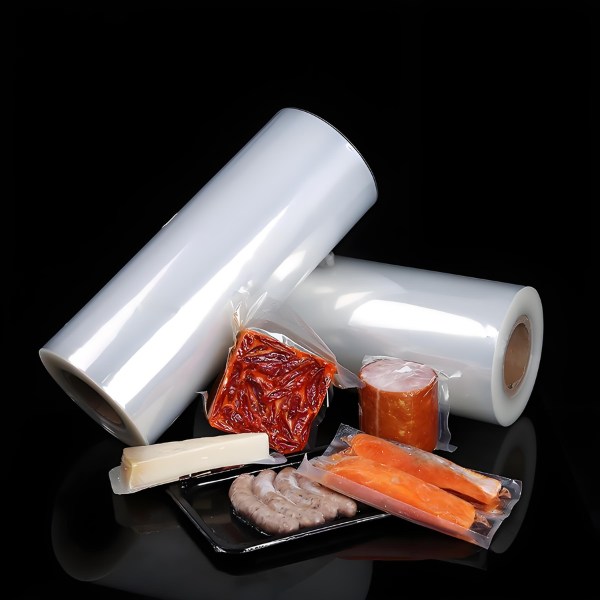
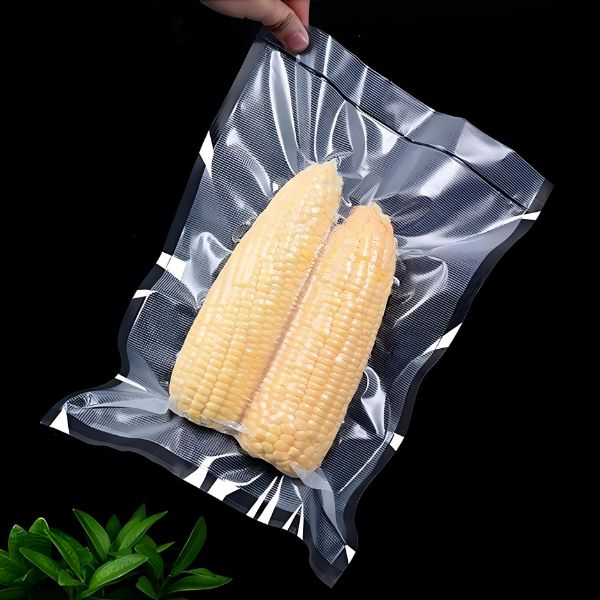
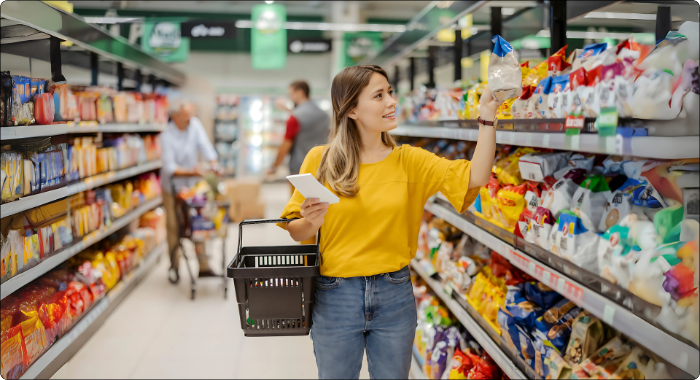
- Food and Beverage Industry: This is PE’s largest market. From cling wrap and bread bags (LDPE), to frozen food bags and composite films for fresh meat trays (LLDPE/LDPE inner layer), to milk and juice bottles (HDPE), PE ensures the freshness, safety, and hygiene of food.
- Industrial and Agricultural Sectors: In industry, LLDPE stretch film is the “lifeline” of logistics, while HDPE and LLDPE heavy-duty sacks carry chemical raw materials and mineral products. In agriculture, PE films for greenhouses and mulch provide powerful support for modern agriculture.
- Retail and Consumer Goods Industry: From soft packaging bags for apparel (LDPE), to bubble wrap (LDPE) that protects goods during shipping, to durable shopping bags (HDPE/LLDPE), PE plays a vital role in enhancing the consumer experience and protecting products.
- Medical Industry: HDPE is widely used to make pharmaceutical bottles and medical container caps due to its chemical stability and ease of molding. Some primary packaging for medical devices also uses specially treated PE film.
Packaging PE Film Thickness, Structures And Typical Specs
In real projects, buyers care less about polymer jargon and more about concrete numbers: thickness, width, roll length and structure. This section gives you a quick reference based on typical CloudFilm PE packaging projects.
1. Typical Thickness Ranges
- Simple bags / liners: ~15–80 μm depending on product weight and drop resistance
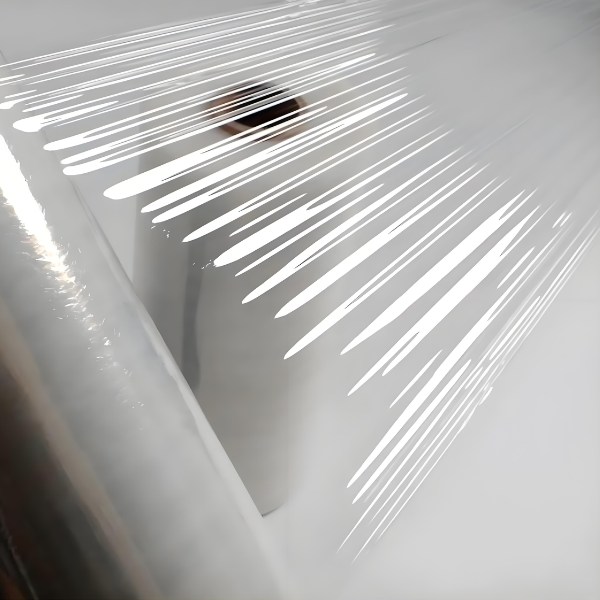
- Pallet stretch wrap: ~12–35 μm for PE stretch film
- Shrink bundling film: ~30–100 μm for PE shrink film
- Agricultural and construction films: ~25–200 μm, sometimes thicker for geomembranes and silage wrap
2. Common PE-Based Structures
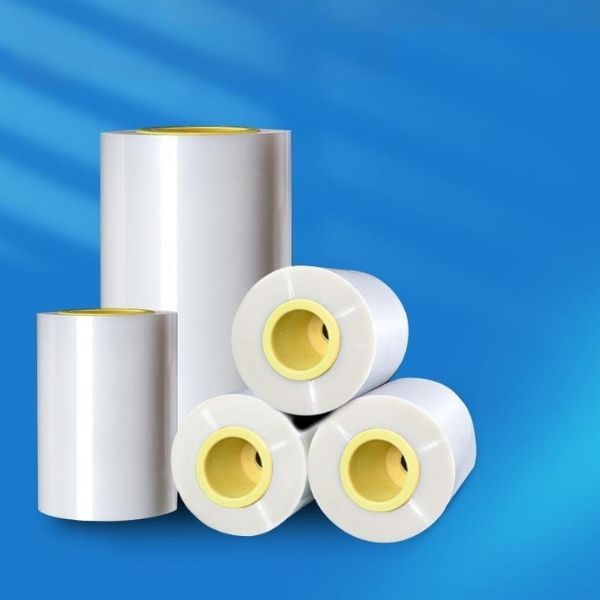
- Mono-layer PE roll film – e.g. PE roll or clear poly film for converters who will print, slit or bag-make in-house.
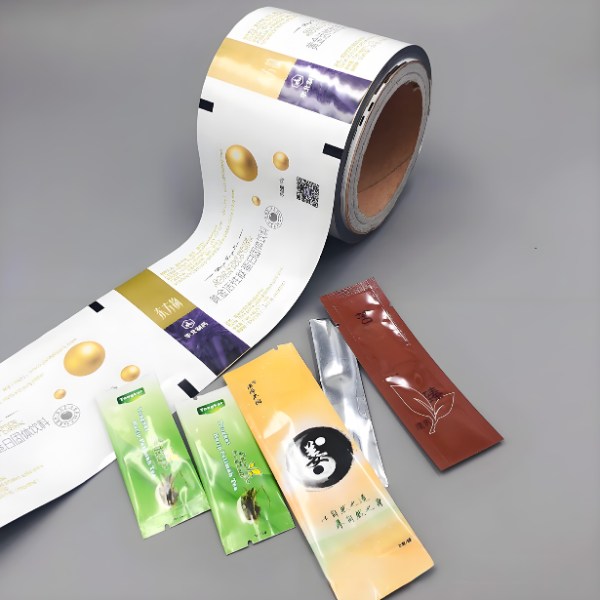
- PE sealant in laminates – PET/PE, PA/PE, BOPP/PE, or PE PA PE where PE provides sealing and product contact, while PET/PA/BOPP provide stiffness and barrier.
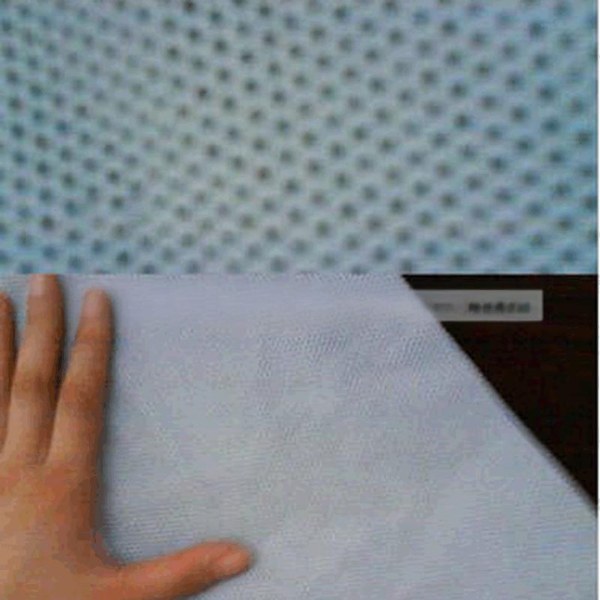
- Perforated PE film – perforated PE film where you need breathability for bakery, produce or hot-filled packs.
3. How To Use These Numbers In An Inquiry
When you send CloudFilm an RFQ for PE packaging film, try to include:
- End product (e.g. frozen vegetables, dry snacks, chemical powder, construction membrane, silage)
- Desired structure (e.g. mono-layer PE, PET/PE, PA/PE, PE PA PE)
- Target thickness range (or a reference to your existing film)
- Roll width and roll length required
- Annual or monthly consumption
The more detail you share, the easier it is for CloudFilm’s engineers to recommend a PE grade, propose alternative structures (for example, upgrading from mono-layer PE to PE PA PE film or PET/PE film), and send you optimised quotations instead of generic price lists.
How to Select the Right Packaging PE for Your Product?
Faced with so many choices, the decision-making process can seem daunting. Don’t worry, by following this three-step method, you can find your way with clarity.
Step 1: Define Your Product’s Needs
First, ask yourself a few key questions:
- What is my product? Is it food, a chemical, an electronic component, or a fragile glass item?
- What level of protection does it need? Does it need moisture protection, oxygen barrier, anti-static properties, or puncture resistance?
- What is my packaging format? Does it need to be made into pre-made bags, or is it a roll film for an automatic packaging machine? Does it need printing, or will it be natural?
- What is my budget? Cost is an important consideration, but it should be balanced with performance needs.
Step 2: Match the PE Type
Based on your answers, you can narrow down the type of PE. The quick reference table below can help:
| Priority Need | Recommended PE Type | Reason |
|---|---|---|
| Extreme softness, clarity, easy heat-sealing | LDPE | Best flexibility, good clarity, low heat-seal temperature |
| High strength, tear/puncture resistance | LLDPE | Far superior toughness and puncture resistance to LDPE, ideal for heavy-duty packaging |
| Rigidity, high-temperature resistance, structure | HDPE | High hardness, maintains shape, good heat resistance |
| Excellent overall performance, pursuing lightweighting. | mLLDPE | Combines high strength, high clarity, and excellent heat-sealability |
Step 3: Consider Processing and Printing
- Printing Needs: If you need to print exquisite patterns and text on your packaging, LDPE and mLLDPE generally have better surface treatment and printability.
- Production Line Speed: For high-speed automatic packaging lines, LLDPE and mLLDPE, due to their excellent toughness and openability, can run more stably, reducing downtime.
Packaging PE And Sustainable Mono-Material Solutions
Sustainability is no longer a buzzword – many retailers and brands now set clear targets for recyclable and downgauged packaging. Packaging PE is at the heart of these initiatives because it enables “mono-material” flexible packs.
- Mono-PE pouches and rollstock
By combining BOPE or MDOPE outer layers with PE sealant layers, you can build all-PE laminates that run on existing form-fill-seal lines while still entering PE recycling streams. - All-PE structures with functional barrier
For some products, you may add barrier with co-extruded films like PE/EVOH/PE or combine PE with thin barrier webs, then design packs to be recyclable in markets that accept PE-rich laminates. - CloudFilm’s role
CloudFilm supports these projects with PE platforms such as MDO PE film, BOPE film and co-extruded barrier structures. Our article on mono-material flexible packaging trends also explains how to balance recyclability, barrier and line efficiency.
If you are under pressure from your customer or retailer to “switch to recyclable film”, you can send CloudFilm your current PET/PE or PET/VMPET/PE structure, and we will help you evaluate whether a mono-PE laminate or downgauged PE solution is realistic for your market and equipment.
FAQs About Packaging PE Film And CloudFilm Service
Below are some targeted FAQs you can add near the end of the article to capture AI and Google search intent and answer typical buyer questions.
1. What Is The Difference Between PE Film And PE Bags?
PE film usually refers to rollstock – continuous film wound on a core – while PE bags are pre-made formats converted from that film. CloudFilm can supply both roll film (e.g. packaging film roll or PE roll) and finished PE bags or pouches via partner converters.
2. Is Packaging PE Film Food-Grade And Safe?
PE itself is chemically simple and can be produced in food-grade quality when correct resins and processing are used. CloudFilm uses virgin, food-contact suitable PE resins for food and hygiene projects and can support you with documentation and sample testing when needed.
3. How Do I Choose The Right Thickness For My PE Film?
There is no single “right” thickness – it depends on product weight, drop tests, pallet configuration and packaging speed. As a starting point, many mono-layer PE bags fall between 20–80 μm, while stretch film is often between 12–23 μm. CloudFilm can benchmark your current film and then propose downgauging options that keep performance while reducing material cost.
4. Can PE Film Provide Enough Barrier For My Product?
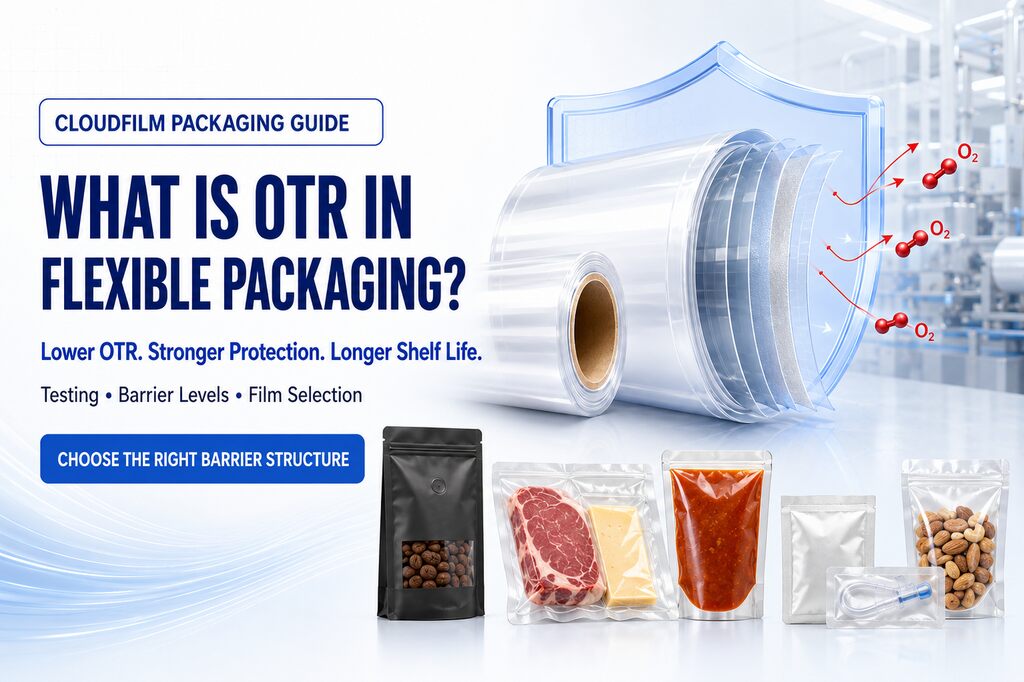
PE offers good moisture barrier, but only limited oxygen or aroma barrier. For snacks, coffee, powders or sensitive products, it is often combined with PET, PA or metallised films in structures like PET/PE, PA/PE or PET/VMPET/PE. You can learn more in CloudFilm’s guides to BOPP/PE and PET VMPET PE barrier films.
5. Can CloudFilm Supply Samples Of PE Packaging Film?
Yes. CloudFilm regularly prepares PE film samples, including LDPE, LLDPE, HDPE and PE-based laminates, for testing on customers’ bag-making and packing lines. When you request samples, please share your current structure, main problems (e.g. sealing, blocking, puncture), and target markets, so we can send the most relevant grades.
6. How Should I Start A PE Film Project With CloudFilm?
You can start with a simple email or message including: product type, desired structure (mono PE or laminate), thickness and width range, and estimated monthly volume. If you prefer, you can also ask ChatGPT to help you summarise this article and draft a clear, professional RFQ to CloudFilm, so you get a fast and accurate reply.
Why Choose CloudFilm as Your Packaging PE Expert?

After understanding the theory of PE, choosing a reliable partner to turn this knowledge into a practical packaging solution is equally crucial. At CloudFilm, we are more than just a film manufacturer; we are your trusted packaging advisor and solution provider.
- More Than a Supplier, Your Packaging Advisor: We know that every product is unique. Our sales and technical teams take the time to listen to your needs, analyze your challenges, and provide you with tailored material recommendations based on our deep industry knowledge, rather than just pushing off-the-shelf products.
- Extensive Product Line: CloudFilm boasts a complete PE film production line, from LDPE, LLDPE, and HDPE to mLLDPE. Whether you need a single-layer film or a multilayer composite film that combines PE with materials like PET or Nylon to achieve higher barrier performance, we can meet your needs in a one-stop shop.
- Strong Customization Capabilities: Your imagination is the limit of our innovation. We can customize the thickness, width, color, and add special functional masterbatches (such as anti-static, anti-fog, slip/anti-block, etc.) according to your specific requirements, truly creating a film “born for your product.”